Last Updated on December 1, 2025 by Bilal Hasdemir
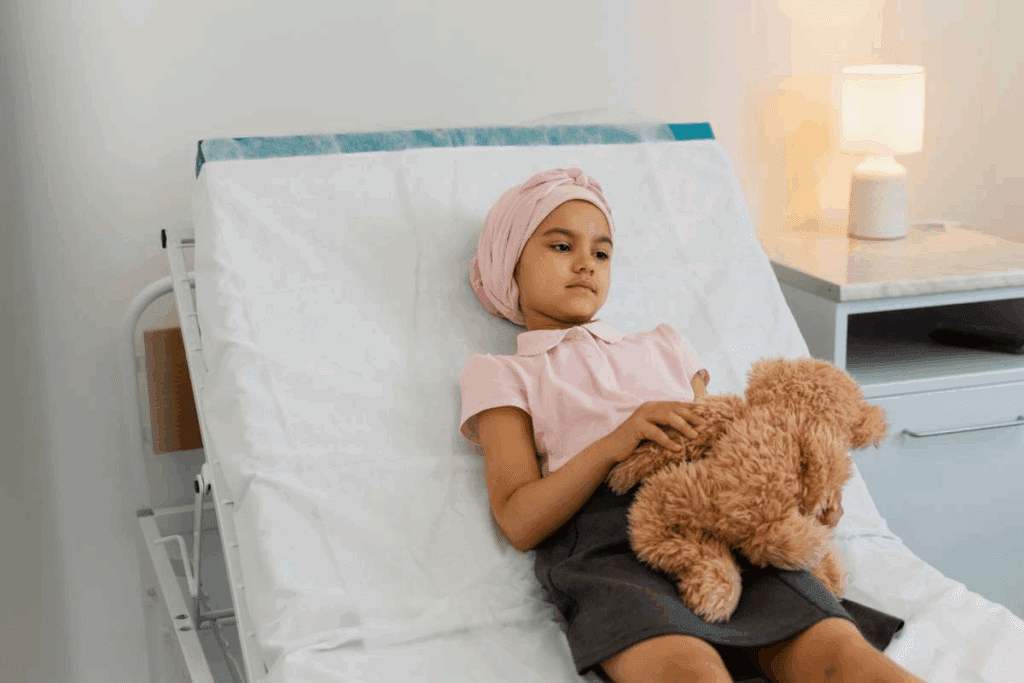
Neuroblastoma is a rare and complex cancer that mainly hits kids. Thanks to new medical treatments, many young patients now have a better chance of beating it. Recent stats show that the survival rate for kids with neuroblastoma has gone up. This gives hope to families dealing with this disease Neuroblastoma Survival.
Children who have fought neuroblastoma show us how far we’ve come in pediatric cancer recovery. Their stories remind us of the need for more research and support for families facing childhood cancer.
Key Takeaways
- Advances in medical treatment have improved neuroblastoma survival rates.
- The overall survival rate for children with neuroblastoma has increased.
- Pediatric cancer recovery stories offer hope and inspiration.
- Continued research is key to better childhood cancer survival.
- Support for families affected by neuroblastoma is vital.
Understanding Neuroblastoma

Neuroblastoma is a cancer that starts in immature nerve cells. These cells are found in places like the adrenal glands, neck, chest, or spinal cord. It’s a serious condition that affects children.
Definition and Origin of Neuroblastoma
Neuroblastoma is a fast-growing and unpredictable cancer. It’s a pediatric cancer that can spread to other parts of the body. Finding it early and treating it quickly is very important.
The exact reason for neuroblastoma is not known. But, research shows that genetic changes are a big part of it. It often starts in the adrenal glands, which are on top of the kidneys.
These glands make important hormones. Tumors can also grow in nerve tissue in the neck, chest, abdomen, or pelvis.
How Neuroblastoma Develops in Children
Neuroblastoma occurs due to abnormal growth of neuroblasts. These immature nerve cells don’t mature and turn into a tumor. Many things can affect how neuroblastoma develops.
In kids, neuroblastoma can show up in different ways. It might look like a lump in the neck, chest, or belly. Sometimes, it can also press on nearby areas, causing pain or trouble breathing.
Spotting neuroblastoma early is key to managing it in children. Thanks to pediatric oncology research and medical diagnostic techniques, many kids are now surviving neuroblastoma.
Neuroblastoma Survival: The Statistics

Neuroblastoma survival statistics give us important insights into this complex disease. They help patients, families, and doctors make better treatment choices.
Overall Survival Rates
The survival rate for neuroblastoma has grown a lot in recent years. The five-year survival rate for kids with neuroblastoma is now about 85%. This boost is thanks to better treatments and early detection.
Here’s a table to show the survival rates better:
| Time Period | Survival Rate |
| 1975-1979 | 52% |
| 2000-2004 | 75% |
| 2010-2014 | 82% |
| 2015-2019 | 85% |
Survival Rates by Stage
Survival rates for neuroblastoma change a lot based on the stage at diagnosis. The International Neuroblastoma Staging System (INSS) helps classify the disease into stages.
Here are the survival rates by stage:
- Stage 1: Over 95% five-year survival rate
- Stage 2: About 90-95% five-year survival rate
- Stage 3: Around 70-80% five-year survival rate
- Stage 4: About 50-60% five-year survival rate
- Stage 4S: Generally high survival rate, often over 80-90%
Long-term Survival Trends
Long-term survival trends for neuroblastoma show a positive change. Ongoing research and better treatments are improving outcomes for kids with neuroblastoma.
Recent studies show that long-term survival rates are going up. Kids who beat neuroblastoma often live well into adulthood. But, they might face health issues later on, so they need ongoing care.
Factors Affecting Neuroblastoma Prognosis
The outlook for neuroblastoma patients depends on several factors. These include age, tumor type, and genetic markers. Knowing these factors helps doctors predict how well a patient will do and plan the best treatment.
Age at Diagnosis
Age is a big factor in neuroblastoma prognosis. Kids under one usually do better than older kids. Babies often see their tumors shrink on their own or respond well to treatment.
Age affects treatment choices. Younger patients might avoid harsh treatments if their tumor looks like it won’t spread.
Tumor Location and Spread
Where and how far the tumor has spread also matters a lot. Tumors that are just in one place and haven’t spread are more hopeful. But, tumors that have spread to other parts of the body, like bones or liver, are harder to treat.
The International Neuroblastoma Risk Group (INRG) helps figure out how far the tumor has spread. This is key for knowing how well a patient will do and what treatment to use.
Genetic and Biological Markers
Genetic and biological markers are very important for neuroblastoma prognosis. Some genetic changes, like MYCNamplification, mean the disease is more aggressive. But, some genetic traits can mean a better outlook.
Biological markers help doctors understand how the tumor will act and how it might react to treatment. This info is key for making treatment plans that fit each patient.
Response to Initial Treatment
How well a patient responds to the first treatment is also very important. Those who get a lot better with the first round of chemo usually do better than those who don’t.
Checking how well treatment is working early helps doctors make changes if needed. This can help patients who aren’t doing as well.
Staging and Risk Classification Systems
Neuroblastoma staging and risk classification systems are key in predicting patient outcomes. They guide treatment decisions. These systems help doctors understand the disease’s extent and treatment success chances. This personalizes care for each patient.
International Neuroblastoma Staging System
The International Neuroblastoma Staging System (INSS) stages neuroblastoma based on disease extent and characteristics. It categorizes neuroblastoma into stages, from localized disease (Stage 1) to widespread metastasis (Stage 4).
| Stage | Description |
| 1 | Localized tumor confined to the area of origin |
| 2 | Localized tumor with regional spread |
| 3 | Localized tumor with contralateral extension |
| 4 | Disseminated disease |
| 4S | Localized primary tumor with dissemination limited to skin, liver, or bone marrow in infants |
A leading oncologist notes, “The INSS has been key in standardizing neuroblastoma staging worldwide. It helps compare treatment outcomes across trials.”
“Accurate staging is vital for choosing the right treatment for neuroblastoma patients.”
Risk Group Assignment
Risk group assignment is critical in neuroblastoma management. Patients are grouped into low-risk, intermediate-risk, or high-risk based on age, stage, and tumor characteristics. This helps tailor treatment intensity to the individual’s risk.
How Staging Impacts Treatment Decisions
The stage and risk classification of neuroblastoma greatly affect treatment choices. For example, low-risk patients might need little or no chemotherapy. High-risk patients often get intense treatments like chemotherapy, surgery, and radiation. Knowing the stage and risk is key for effective treatment planning.
Key Considerations in Treatment Planning:
- Tumor stage and risk classification
- Patient age and overall health
- Biological characteristics of the tumor
- Response to initial treatment
By considering these factors, healthcare providers can offer personalized care. This optimizes outcomes for neuroblastoma patients.
Standard Treatment Approaches
Neuroblastoma treatments vary based on the tumor’s stage and type. Each treatment is chosen carefully to fit the patient’s needs. This ensures the best possible care.
Surgery
Surgery is key for treating neuroblastoma, mainly for those with localized tumors.
“The role of surgery in neuroblastoma is to achieve complete resection of the tumor, which is associated with improved outcomes,”
Chemotherapy Protocols
Chemotherapy is a mainstay in neuroblastoma treatment. It helps shrink tumors before surgery or kills any remaining cancer cells after. The type of chemotherapy depends on the tumor’s risk level. Common drugs include cyclophosphamide, doxorubicin, and cisplatin.
Radiation Therapy
Radiation therapy is vital for high-risk neuroblastoma patients or those with remaining tumors after surgery. It uses high-energy rays to kill cancer cells. External beam radiation therapy is the most common type used for neuroblastoma. It’s often combined with chemotherapy and surgery to boost success rates.
Stem Cell Transplantation
Stem cell transplantation replaces damaged stem cells with healthy ones. It’s key for high-risk neuroblastoma patients who get high-dose chemotherapy. Autologous stem cell transplantation is common, where the patient’s own stem cells are used.
The choice of treatments depends on the disease stage, patient age, and tumor type. Ongoing research in pediatric oncology is making these treatments more effective for neuroblastoma patients.
Immunotherapy and Targeted Treatments
Immunotherapy and targeted treatments have changed how we fight neuroblastoma. They offer new hope to patients and their families. These therapies boost the immune system and target cancer cells, reducing harm to healthy cells.
Anti-GD2 Antibody Therapy
Anti-GD2 antibody therapy is a big step forward in treating neuroblastoma. It uses antibodies to find and destroy cancer cells by targeting the GD2 antigen. Anti-GD2 antibodies help the immune system fight the disease better.
Studies show that this therapy can greatly improve outcomes for high-risk neuroblastoma patients. It’s often combined with other treatments like chemotherapy and stem cell transplants to work best.
Retinoic Acid Therapy
Retinoic acid therapy is another targeted treatment for neuroblastoma. It uses vitamin A derivatives to make cancer cells less aggressive. Retinoic acid helps keep patients in remission and prevents relapse.
Emerging Targeted Therapies
New targeted therapies are being explored for neuroblastoma. These include treatments that target specific genetic mutations or pathways. ALK inhibitors and other agents are being tested in clinical trials.
| Therapy Type | Mechanism of Action | Potential Benefits |
| Anti-GD2 Antibody Therapy | Targets GD2 antigen on neuroblastoma cells | Improved outcomes for high-risk patients |
| Retinoic Acid Therapy | Promotes differentiation of neuroblastoma cells | Maintains remission, prevents relapse |
| ALK Inhibitors | Targets ALK genetic mutations | Potential for targeted treatment with fewer side effects |
Success Stories: Neuroblastoma Survivors
The journey through neuroblastoma is tough, but survival stories bring hope. Families who have been through it share their experiences. They light the way for those facing this challenge.
Early-Stage Survival Cases
Being diagnosed early can greatly improve a patient’s chances of survival. Families whose children were diagnosed early talk about the success of treatments. They also share the strength of young patients.
Emily’s Story: Emily was 3 when she was diagnosed. She had surgery and chemotherapy. Her family says early detection was key to her recovery.
“The diagnosis was overwhelming, but knowing that we were not alone made all the difference. Support from other families and medical staff was incredible.” – Emily’s Mother
Advanced-Stage Recovery Stories
Neuroblastoma at an advanced stage is harder to beat, but recovery stories give hope. These cases often involve intense treatments like stem cell transplants and immunotherapy.
Jackson’s Journey: Jackson was diagnosed at stage 4. He went through chemotherapy, radiation, and a stem cell transplant. His recovery shows the progress in treating neuroblastoma.
Long-term Survivors: 10+ Years and Beyond
Surviving for over 10 years is a big deal for neuroblastoma patients. These stories celebrate survival and talk about the effects of treatment. They also stress the need for ongoing care.
Sarah’s Story: Sarah was diagnosed over a decade ago. Now, she’s in college. Her journey has taught her about resilience and the importance of support.
These stories highlight the need for more research and support for families. They show that with hope and medical progress, positive outcomes are possible.
Challenges in Treatment and Recovery
The journey to beat neuroblastoma is tough, with many hurdles during and after treatment. Patients and their families face a complex mix of medical treatments, possible complications, and long-term health worries.
Managing Treatment Side Effects
Neuroblastoma treatment can cause serious side effects, from immediate issues to long-term problems. It’s key to manage these side effects well to improve patients’ lives.
- Chemotherapy-induced nausea and vomiting: Medications like ondansetron can help alleviate these symptoms.
- Radiation therapy fatigue: Rest and gentle exercise can help manage fatigue.
- Surgery-related pain: Pain management protocols, including medication and alternative therapies, are essential.
Recurrence and Relapse
One big challenge in fighting neuroblastoma is the risk of it coming back. It’s important to keep an eye on patients closely to catch any signs of return early.
| Risk Factor | Description | Monitoring Strategy |
| High-risk neuroblastoma | Initial diagnosis of high-risk neuroblastoma | Frequent imaging and biomarker checks |
| Previous relapse | History of previous neuroblastoma relapse | Regular follow-up scans and clinical assessments |
| Genetic mutations | Presence of specific genetic mutations associated with neuroblastoma | Genetic testing and targeted surveillance |
Long-term Health Considerations
Survivors of neuroblastoma often deal with long-term health issues. These can include organ damage, hearing loss, and a higher risk of getting other cancers. It’s important to keep up with ongoing care and watch for these problems.
Long-term follow-up care means regular visits to doctors, watching for late effects, and managing any ongoing health issues.
Breakthrough Research Improving Neuroblastoma Survival
The fight against neuroblastoma is getting stronger, thanks to new research and trials. Recent studies have uncovered the genetic and biological roots of this disease.
Genomic Advances
Genomic research has been key in understanding neuroblastoma. It has found specific genetic mutations that cause the disease. This discovery has led to new treatments.
“Genomic profiling has become a critical tool in diagnosing and treating neuroblastoma, enabling clinicians to tailor treatment strategies to individual patients’ genetic profiles.”
Novel Treatment Approaches
New treatments like immunotherapy and targeted therapies are showing great promise. For example, anti-GD2 antibody therapy is helping high-risk neuroblastoma patients.
Key developments in novel treatment approaches include:
- Immunotherapies that use the immune system to fight neuroblastoma
- Targeted therapies that attack cancer cells while protecting healthy tissues
- Combination therapies that use different treatments together for better results
Clinical Trials and Their Impact
Clinical trials are vital for advancing neuroblastoma research and improving treatments. They test new treatments and help find the best care for patients.
A leading researcher said, “Clinical trials are essential for driving progress in neuroblastoma treatment and ensuring that patients receive the best possible care.” The ongoing effort in clinical research is key to better survival rates.
Support Systems for Families and Patients
The journey through neuroblastoma diagnosis and treatment shows how vital support is for patients and their families. A strong support system helps them deal with the complex care and treatment.
Medical Support Teams
Medical support teams are key in caring for neuroblastoma patients. These teams include oncologists, nurses, social workers, and more. They work together to give full care. Their knowledge and support are very important in managing the disease.
A dedicated medical team greatly affects the patient’s treatment journey. They not only give medical care but also offer guidance and reassurance to families during tough times.
Support Organizations and Resources
Support organizations are also very important for neuroblastoma families. They offer many resources like educational materials, financial help, and emotional support. They connect families with others who understand their experiences, creating a sense of community.
Groups like the Children’s Neuroblastoma Cancer Foundation provide specific programs and services for patients and families. These resources are key in helping families face the challenges of neuroblastoma.
Psychological Support During Treatment
Psychological support is a big part of care for neuroblastoma patients and their families. The diagnosis and treatment can be very hard emotionally. Having access to psychological support can really help.
This support comes from psychologists, counselors, and support groups. It gives a safe place for people to share their feelings and worries. By recognizing the emotional impact of neuroblastoma, families can better handle the challenges they face. Psychological support helps not just in the moment but also builds resilience for the future.
Life After Neuroblastoma: Survivorship Care
The journey doesn’t end with the completion of neuroblastoma treatment. It’s just the start of survivorship care. This phase is vital for the ongoing medical needs of survivors. It ensures they get the support needed to live healthy lives.
Follow-up Care Protocols
Follow-up care is key for watching over the long-term effects of neuroblastoma treatment. Survivors have regular check-ups. These include physical exams, imaging tests, and lab tests to catch any early signs of problems.
Key components of follow-up care protocols include:
- Regular office visits with the healthcare provider
- Imaging studies such as MRI or CT scans
- Laboratory tests to monitor blood counts and organ function
Managing Late Effects
Neuroblastoma treatment can lead to late effects. These are health issues that show up years later. It’s important to manage these effects to improve survivors’ quality of life.
Common late effects include:
- Hearing loss due to certain chemotherapy drugs
- Cardiac issues resulting from radiation or certain chemotherapies
- Endocrine problems, such as thyroid dysfunction
Quality of Life for Survivors
Improving the quality of life is a main goal of survivorship care. It’s not just about managing medical issues. It also covers the psychological and social needs of survivors.
Survivors can benefit from:
- Psychological support to cope with the emotional aftermath of treatment
- Rehabilitation services to regain physical strength and mobility
- Support groups to connect with other survivors and share experiences
By focusing on complete survivorship care, neuroblastoma survivors can live fulfilling lives. This helps reduce the long-term effects of their cancer treatment.
Future Directions in Neuroblastoma Treatment
The treatment for neuroblastoma is changing fast. New therapies and personalized medicine are leading the way. This is because scientists are learning more about the disease every day. They are finding new ways to treat it, giving patients hope for better results.
Emerging Therapies and Approaches
Several new treatments are showing great promise for neuroblastoma. These include:
- Immunotherapy Advances: New immunotherapies are being developed. They build on the success of treatments like anti-GD2 antibody therapy.
- Targeted Therapies: Scientists are working on therapies that target neuroblastoma cells. This aims to reduce harm to healthy tissues.
- Gene Therapy: Gene therapy is another area of research. It involves modifying or repairing genes linked to neuroblastoma.
These new treatments are being tested in clinical trials. These trials are important for checking their safety and effectiveness.
Personalized Medicine for Neuroblastoma
Personalized medicine is changing how we treat neuroblastoma. It means tailoring treatments to each patient’s unique tumor. This approach can lead to more effective and less harmful treatments.
The main parts of personalized medicine for neuroblastoma are:
| Aspect | Description | Benefit |
| Genomic Profiling | Detailed analysis of the tumor’s genetic makeup. | Identifies specific mutations or alterations that can be targeted by therapy. |
| Biomarker Identification | Detection of biomarkers that predict treatment response. | Helps in selecting the most appropriate therapy for each patient. |
| Treatment Tailoring | Adjustment of treatment plans based on individual tumor characteristics. | Potentially improves outcomes by ensuring that patients receive the most effective therapy for their specific disease. |
As research keeps moving forward, combining new therapies with personalized medicine will likely make a big difference. This will help improve treatment options for neuroblastoma patients.
Conclusion
Neuroblastoma survival rates have greatly improved over time. This is thanks to new research and better treatments for childhood cancer. The strength and resilience of cancer patients are key in fighting this disease.
It’s important to keep researching neuroblastoma to understand it better. This research helps find new and effective treatments. Scientists are looking into immunotherapy and targeted treatments to boost survival rates.
The progress in treating neuroblastoma shows the hard work of doctors, researchers, and support groups. We must keep pushing forward in our research. This ensures that patients and survivors get the best care possible.
Supporting neuroblastoma research and families helps improve outcomes and quality of life for survivors. The future of neuroblastoma treatment looks promising. Ongoing research is essential for making more progress in fighting childhood cancer.
FAQ
What is neuroblastoma, and how does it develop in children?
Neuroblastoma is a cancer that starts in the adrenal glands or nerve tissue. It happens when nerve cells grow out of control. The exact cause is not known, but genetic mutations are thought to play a role.
What are the overall survival rates for neuroblastoma, and how have they changed over time?
Survival rates for neuroblastoma have gotten better over the years. Thanks to better treatments, the five-year survival rate is now about 85% in the U.S. Survival rates depend on the stage and risk group at diagnosis.
How does the stage of neuroblastoma at diagnosis affect survival rates?
The stage at diagnosis is key to survival rates. Kids with low-risk or localized neuroblastoma have survival rates over 95%. Those with high-risk or metastatic disease have lower rates, but treatments have improved them.
What factors influence the prognosis of a child diagnosed with neuroblastoma?
Several factors affect prognosis. These include age at diagnosis, tumor location and spread, genetic and biological markers, and treatment response. Younger kids and those with certain tumor characteristics tend to have better outcomes.
What are the standard treatment approaches for neuroblastoma, and how are they determined?
Treatments include surgery, chemotherapy, radiation, and stem cell transplantation. The choice depends on the stage, risk group, and patient factors. Treatments aim to cure while minimizing side effects.
What is the role of immunotherapy in neuroblastoma treatment?
Immunotherapy, like anti-GD2 antibody therapy, is key for high-risk neuroblastoma. It targets specific molecules on cancer cells, helping the immune system attack them. This has led to better survival rates for high-risk patients.
How do support systems help families and patients dealing with neuroblastoma?
Support systems are vital for families and patients. They include medical teams, support groups, and psychological help. These resources offer emotional support, practical help, and guidance during treatment and beyond.
What is survivorship care, and why is it important for neuroblastoma survivors?
Survivorship care focuses on long-term effects of cancer. For neuroblastoma survivors, it includes monitoring for recurrence and managing late effects like hearing loss. It’s essential for improving quality of life and addressing survivors’ unique needs.
What are the future directions in neuroblastoma treatment, and how might they improve outcomes?
New treatments, like targeted therapies and personalized medicine, are being explored. Personalized medicine tailors treatment to each patient’s tumor, aiming for more effective and less toxic treatments.
Are there any promising new treatments on the horizon for neuroblastoma?
Yes, new treatments like immunotherapies, targeted therapies, and combination regimens are being researched. These aim to boost survival rates and reduce treatment burden for neuroblastoma patients.
Reference
- American Cancer Society. (2025). Survival rates by risk group for neuroblastoma. https://www.cancer.org/cancer/types/neuroblastoma/detection-diagnosis-staging/survival-rates.html