Last Updated on December 1, 2025 by Bilal Hasdemir
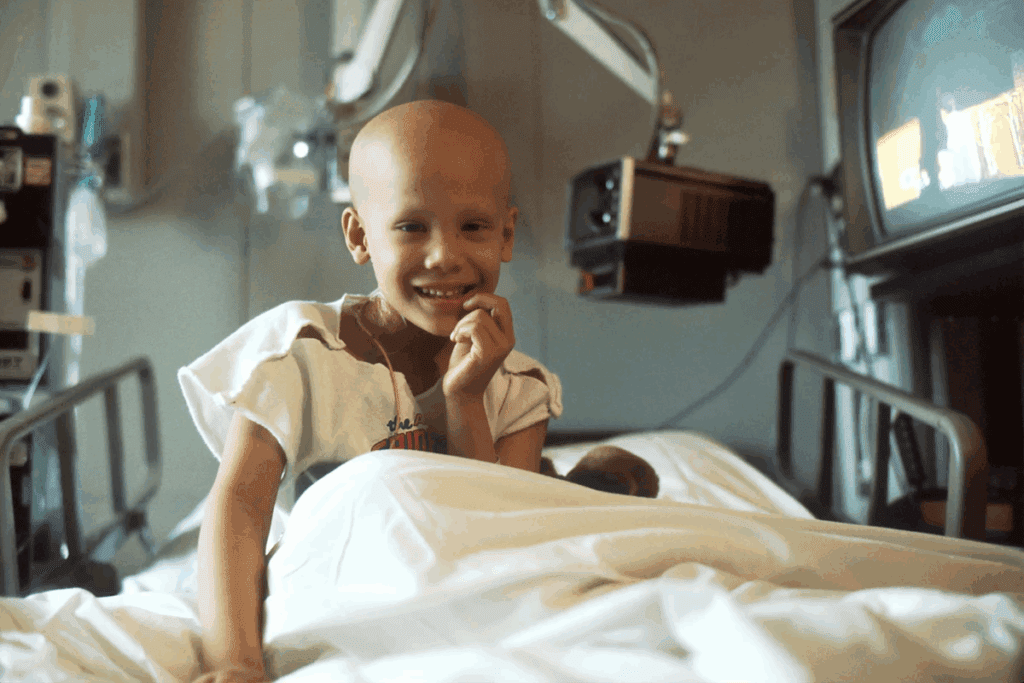
Did you know that neuroblastoma is a common cancer in kids under five? Early detection is key for better treatment and survival. As a parent, spotting early signs can be tough. But it’s vital for getting your child the help they need fast.
Neuroblastoma grows in nerve tissue of kids, showing signs that are not always clear. We’ll look at the usual signs of this disease. This will help you know what to watch for in your child.
Key Takeaways
- Neuroblastoma is a common cancer in children under five.
- Early detection is critical for effective treatment.
- Recognizing early signs is essential for timely medical attention.
- Neuroblastoma symptoms can be non-specific and easily overlooked.
- Understanding the disease can help parents seek medical help.
Understanding Neuroblastoma in Children
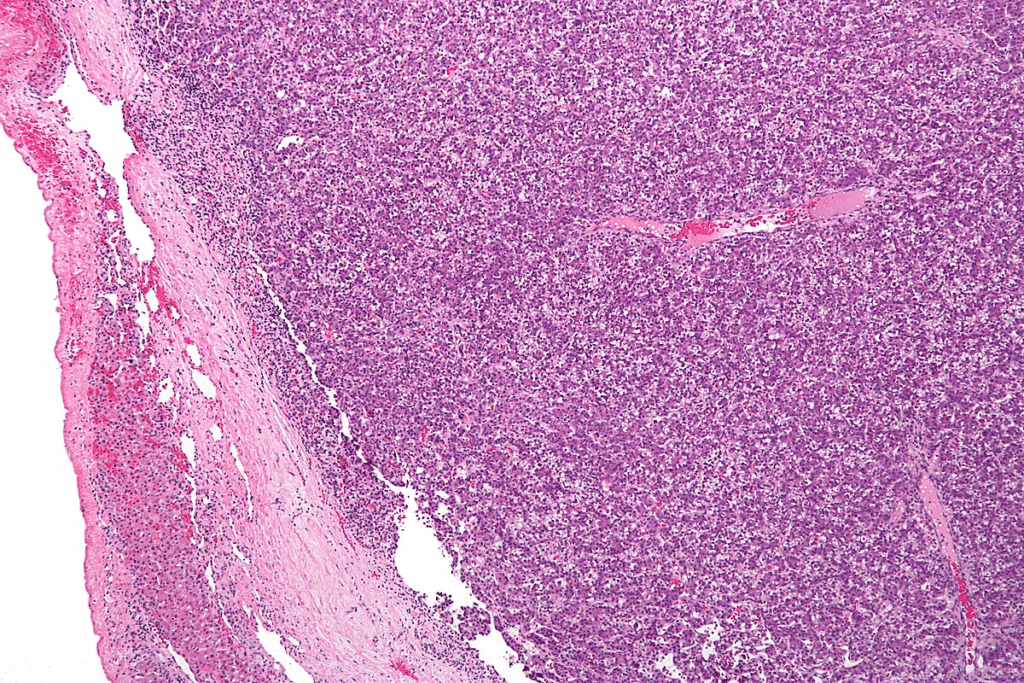
Neuroblastoma is a major cause of cancer in kids. It’s important to understand it well to help with diagnosis and treatment. This condition starts in immature nerve cells, or neuroblasts. It can happen in places like the adrenal glands, neck, chest, and pelvis.
What is Neuroblastoma?
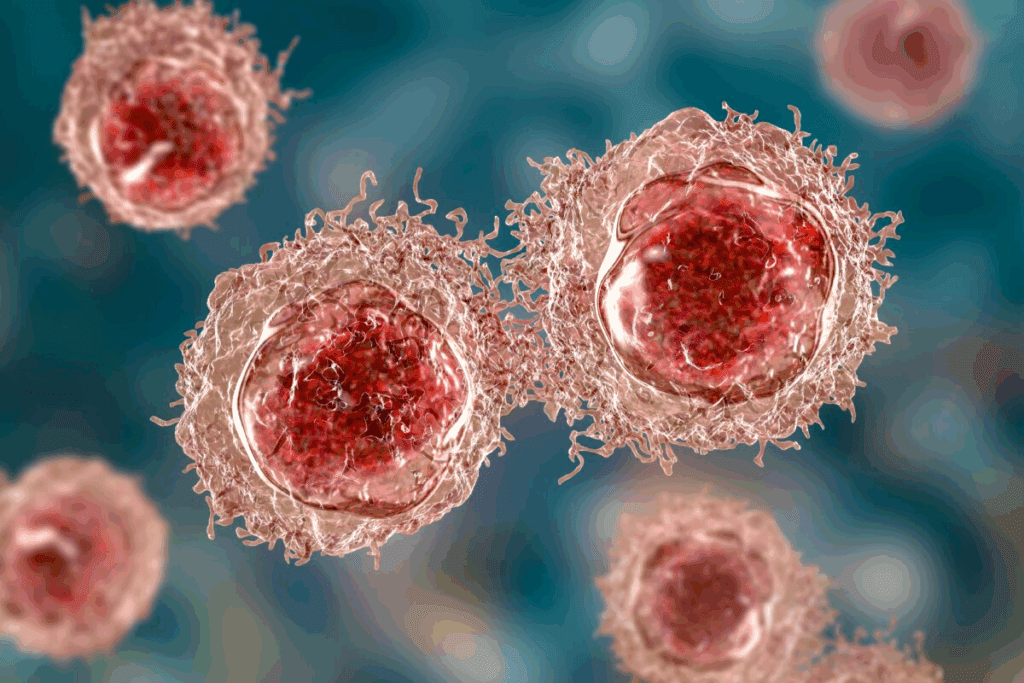
Neuroblastoma is a cancer that starts in nerve tissue. It mostly affects kids under five. It happens when neuroblasts, the young nerve cells, don’t grow right and form tumors.
The exact reason for neuroblastoma is not known. But, research shows that genetic changes are a big part of it. Genetic testing can find these changes. This helps doctors understand the disease better.
Who is Affected by Neuroblastoma?
Neuroblastoma mainly hits young kids, mostly those under five. It’s more common in boys than girls. It can happen in any ethnic group, but the chances and outcomes vary.
Knowing who gets neuroblastoma helps find risk factors. It also helps in early detection and treatment. Families with a history of neuroblastoma or related genetic conditions should talk to a genetic counselor. This can help them understand their risks.
Recognizing Early Neuroblastoma Symptoms
It’s key for parents and caregivers to spot early signs of neuroblastoma. This ensures quick medical help. We’ll look at the first symptoms that worry parents and how they change over time.
First Signs Parents Often Notice
Parents are often the first to see something’s off when their child has neuroblastoma. The first signs can be small and might look like other, less serious issues. Common early signs include a lump or swelling in the neck, chest, or belly.
Some kids might have eye problems like droopy eyelids or uneven pupils. This is because the tumor is near the eyes.
Other symptoms include unexplained tiredness, loss of appetite, and being easily upset. In babies, a lump or mass found during a check-up or bath might mean neuroblastoma. It’s vital for parents to listen to their gut and get medical help if they worry about their child’s health.
Timeline of Symptom Development
The time it takes for symptoms to show up in neuroblastoma varies a lot. Some kids get symptoms fast, in just a few weeks. Others might take months.
How fast symptoms get worse can tell doctors a lot about the tumor. For example, a tumor that grows quickly might be more aggressive. Knowing this timeline helps doctors figure out the best treatment.
Parents should watch for any changes in their child closely. Note when symptoms started and how they’ve changed. This info is super helpful for doctors to plan the next steps.
Abdominal Manifestations of Neuroblastoma
Neuroblastoma can show up in the abdomen, causing different symptoms that need quick action. A lump in the belly is a common sign of abdominal neuroblastoma. It might also cause stomach problems.
In kids, finding an abdominal mass often means they have neuroblastoma. This condition in the belly can lead to belly pain or discomfort.
It’s important to know these signs early. This helps in catching neuroblastoma in the belly quickly. We need to watch for these signs to help kids get the right treatment fast.
FAQ
What are the common symptoms of neuroblastoma in children?
Symptoms include a lump or swelling in the neck, chest, or abdomen. Dark circles under the eyes and gastrointestinal issues are also common. Sometimes, a bluish lump or bump appears under the skin.
How is neuroblastoma diagnosed?
Diagnosis involves imaging tests like CT scans or MRI. A biopsy confirms cancerous cells. More tests help determine the disease’s stage and spread.
What are the early signs of neuroblastoma in infants?
Infants may show a lump or swelling, often in the neck or abdomen. Changes in eye appearance, like dark circles or bulging eyes, are also signs. Irritability and bowel or bladder changes can indicate the disease too.
Can neuroblastoma occur in adults?
Yes, though it’s rarer in adults than in children. Symptoms and treatment in adults differ from those in kids.
What is the significance of a lump in the abdomen in neuroblastoma?
A lump in the abdomen is a common sign, often from an adrenal gland tumor. It’s a reason for immediate medical check-up.
Are dark circles under the eyes a symptom of neuroblastoma?
Yes, dark circles or periorbital ecchymosis can be a symptom. But, this symptom alone needs further investigation.
How does neuroblastoma affect the body?
It can affect different parts of the body, depending on the tumor’s location. Symptoms range from swelling to systemic effects, based on the disease’s extent and spread.
What is the treatment for neuroblastoma?
Treatment depends on the disease’s stage, the child’s age, and other factors. It may include surgery, chemotherapy, radiation, or a mix of these.
Can neuroblastoma be cured?
Cure rates vary based on the stage at diagnosis, the child’s age, and tumor characteristics. Early detection and proper treatment can greatly improve outcomes.
References
- Wang, J. Y. (2025). Pay attention to the value of liver regeneration in the recompensation of decompensated cirrhosis. Chinese Journal of Gastroenterology, 25(6), Article 115. https://pmc.ncbi.nlm.nih.gov/articles/PMC12207540/