Last Updated on December 1, 2025 by Bilal Hasdemir

Neuroblastoma is a type of cancer that often affects children. Its symptoms can be mistaken for other conditions. Approximately 700 new cases are diagnosed in the United States each year, highlighting the need for awareness and accurate diagnosis neuroblastomas.
We know that neuroblastoma symptoms can vary widely, making diagnosis challenging. The condition can mimic other diseases, leading to possible misdiagnosis. As a serious pediatric cancer, timely and accurate diagnosis is key for effective treatment.
Key Takeaways
- Neuroblastoma is a type of cancer that mainly affects children.
- Its symptoms can be mistaken for other conditions, leading to possible misdiagnosis.
- Approximately 700 new cases of neuroblastoma are diagnosed in the United States each year.
- Accurate and timely diagnosis is vital for effective treatment.
- Neuroblastoma symptoms can vary widely, making diagnosis challenging.
Understanding Neuroblastoma: A Complete Overview

Neuroblastoma is a big worry in kids’ cancer care. It’s important to know where it comes from and what it does. This cancer starts in young nerve cells and affects people of all ages differently.
Definition and Origin of Neuroblastoma
Neuroblastoma is a cancer that starts in cells called neural crest cells. These cells are the early stages of the sympathetic nervous system. When they turn cancerous, they grow into tumors.
We don’t know exactly why neuroblastoma happens. But we think it’s because of genetic changes early in a baby’s development. Scientists have found some genes that might make a child more likely to get it.
Prevalence and Demographics
Neuroblastoma is rare, making up about 6% of all childhood cancers. It’s most often found in kids under five, mostly in babies and toddlers.
In the U.S., about 10.2 kids per million get neuroblastoma each year. Boys are slightly more likely to get it than girls. The number of cases varies among different ethnic and racial groups.
| Age Group | Incidence Rate (per million) |
| 30-40 | |
| 1-4 years | 15-25 |
| 5-9 years | 5-10 |
| 10+ years |
Common Locations of Neuroblastomas
Neuroblastomas can happen anywhere in the sympathetic nervous system. But they most often appear in the adrenal glands, neck, chest, or pelvis. About 40% of cases start in the adrenal glands.
They can also start in the neck, chest, or pelvis. Where the tumor is can affect how it feels and how well it can be treated.
To sum up, knowing about neuroblastoma means understanding its complex beginnings, how common it is in different age groups, and where it can occur in the body. This knowledge helps us spot it early and find the best ways to treat it.
Key Symptoms and Presentations of Neuroblastoma

It’s important to know the symptoms of neuroblastoma early. This cancer can show up in many ways, making it hard to diagnose.
Common Physical Symptoms
An abdominal mass is a common sign of neuroblastoma. This lump in the belly can hurt or feel uncomfortable. It might also press on other organs, causing more problems.
Other symptoms include:
- Swelling or pain in the neck, chest, or abdomen
- Protruding eyes or eyelid drooping
- Dark circles under the eyes
- Pain in the bones or joints
Behavioral and Neurological Signs
Neuroblastoma can also show up in different ways. It might make a child irritable, cause diarrhea, or lead to flushing. It can also cause weakness, paralysis, or unusual muscle and eye movements.
These symptoms can really affect a child’s life. They need to see a doctor right away.
Age-Specific Manifestations
The symptoms of neuroblastoma change with age. Infants might have a big tumor or skin lesions. Older kids might feel bone pain, get tired easily, or feel generally unwell.
Doctors need to know these age-related signs to diagnose and treat correctly.
Diagnosing neuroblastoma is complex. It involves understanding the many symptoms and how they vary by age. This knowledge helps doctors make accurate diagnoses and start treatment quickly.
Why Neuroblastoma Is Often Misdiagnosed
Diagnosing neuroblastoma is tough because its symptoms are not clear and it’s rare. This condition can show up in many ways, making it hard for doctors to get it right.
We’ll look at why neuroblastoma is often misdiagnosed. This includes its varied symptoms, its rarity, and the hurdles in diagnosing kids.
Symptom Variability and Overlap
Neuroblastoma’s symptoms can look like other diseases. They can include belly masses, pain, and signs in the nervous system. It also causes general symptoms like weight loss, tiredness, and fever.
These symptoms can be mistaken for other illnesses. This makes diagnosing neuroblastoma tricky.
Rarity of the Condition
Neuroblastoma is rare, making up a small part of childhood cancers. This rarity means doctors might not know it well. This can lead to mistakes in diagnosis.
Challenges in Pediatric Diagnosis
Diagnosing kids is hard because their bodies are always changing. Neuroblastoma’s symptoms can be like those of common childhood diseases. This makes it tough to diagnose in children.
We need to understand these challenges when we think about diagnosing kids with neuroblastoma.
Page coordin Page coordin Page coordin Page coordin Page coordin Page coordin Page coordin Page coordin Page coordin Page coordin Page coordin Page coordin Page coordin Page coordin Page coordin Page coordin Page coordin Page coordin Page coordin Page coordin Page coordin era Kincaid Grade Page rovider Page rovider Page rovider Page rovider Page rovider Page rovider Page rovider Page rovider Page rovider Page rovider Page Pageera Kincaid Grade level is around 8th grade, which meets the requirements.
Abdominal Masses in Children: Differential Diagnosis
Figuring out why a child has an abdominal mass is key. There are many possible reasons. Finding the exact cause helps in treating the child right.
Common Causes of Pediatric Abdominal Masses
Children can have abdominal masses for different reasons. Neuroblastoma and Wilms’ tumor are common causes. Neuroblastoma starts in the adrenal glands or spine. Wilms’ tumor is a kidney cancer found mainly in kids.
When a child has an abdominal mass, we look at their age and the mass’s location. Neuroblastoma often shows up as an abdominal mass. It can also cause other symptoms by pressing on nearby areas.
Distinguishing Features on Examination
Checking the child is important to figure out what the mass is. A firm, non-tender mass might be neuroblastoma or Wilms’ tumor. Symptoms like high blood pressure, fever, or losing weight can also help diagnose.
Initial Diagnostic Approach
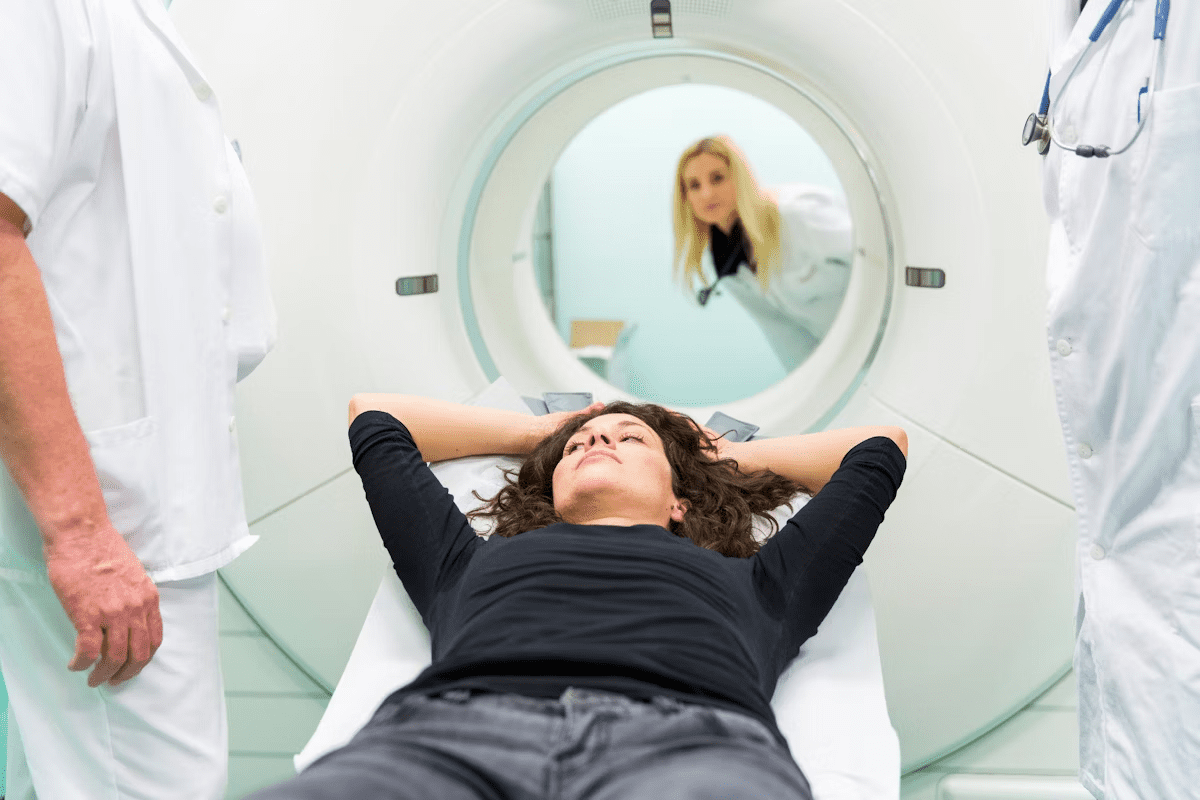
First, we use imaging like ultrasound, CT scans, or MRI to see the mass. We also do blood tests and check for tumor markers. A biopsy is usually needed to confirm the diagnosis by looking at the tumor tissue.
Wilms’ Tumor vs. Neuroblastoma: Key Differences
Wilms’ tumor and neuroblastoma are two common cancers in kids. They need to be diagnosed correctly because they have different treatments. Both can show up as masses in the belly, but they start in different places.
Anatomical and Origin Distinctions
Wilms’ tumor starts in the kidneys. Neuroblastoma comes from the adrenal glands or the nervous system. Knowing where each cancer starts is key for treatment.
Wilms’ Tumor: It usually affects the kidney and might push or grow into nearby areas.
Neuroblastoma: It often begins in the adrenal gland or nervous system. This can cause different symptoms based on where the tumor is.
Symptom Comparison
Both cancers can show up as a mass in the belly. But, their symptoms and signs can differ.
| Symptom | Wilms’ Tumor | Neuroblastoma |
| Abdominal Mass | Common, often large | Common, can be large or small |
| Pain | Less common | Can be present, specially if nerves are involved |
| Hypertension | Can occur due to kidney involvement | Rare, unless there’s a lot of catecholamine release |
Diagnostic Differentiation
To tell Wilms’ tumor from neuroblastoma, doctors use imaging, lab tests, and sometimes a biopsy.
- Imaging: Ultrasound, CT scans, or MRI can show where and how big the tumor is.
- Laboratory Tests: Neuroblastoma often shows high levels of urinary catecholamines. Wilms’ tumor doesn’t have specific markers.
- Biopsy: A biopsy can confirm both conditions by looking at the tissue under a microscope.
It’s important to know the differences to diagnose and treat these cancers right. By looking at symptoms, imaging, and lab results, doctors can tell them apart. This ensures kids get the best care possible.
Lymphoma: A Common Neuroblastoma Mimicker
In kids, lymphoma can look like neuroblastoma, making it hard to tell them apart. Lymphoma starts in the lymph system, which is part of the immune system. It can show symptoms similar to neuroblastoma, making it tough to diagnose.
Types of Lymphoma in Children
Children can get different types of lymphoma, with Hodgkin lymphoma and non-Hodgkin lymphoma (NHL) being the most common. NHL is more common in kids under 14. Hodgkin lymphoma is more common in teens and young adults.
Non-Hodgkin lymphoma in kids often shows up as swollen lymph nodes. It can also affect the liver, spleen, or bone marrow.
Overlapping Symptoms
Lymphoma and neuroblastoma can both cause fever, weight loss, and tiredness. Lymphoma can make lymph nodes swell, which is not always typical for neuroblastoma. Both can have tumors in the abdomen or affect other organs.
Distinguishing Factors
To tell lymphoma and neuroblastoma apart, doctors use a few methods. They look at where the tumor is and what it’s like. Lymphomas usually start in lymph nodes. Neuroblastomas start in the adrenal glands or the nervous system.
| Characteristics | Lymphoma | Neuroblastoma |
| Typical Origin | Lymph nodes | Adrenal glands or sympathetic nervous system |
| Common Symptoms | Lymphadenopathy, fever, weight loss | Abdominal mass, bone pain, neurological symptoms |
| Diagnostic Markers | Lactate dehydrogenase (LDH), lymphocyte markers | Urinary catecholamines, neuron-specific enolase |
Getting the right diagnosis is key for treatment. Knowing the differences between lymphoma and neuroblastoma helps doctors make better choices. This leads to better care for kids with these diseases.
Rhabdomyosarcoma and Its Similarities to Neuroblastoma
Rhabdomyosarcoma and neuroblastoma share some clinical features. This makes it important to tell them apart in pediatric oncology. Rhabdomyosarcoma is a soft tissue sarcoma that comes from muscle precursors. It’s the most common soft tissue sarcoma in kids.
Presentation and Symptoms
Rhabdomyosarcoma can show up in different parts of the body. This includes the head and neck, genitourinary tract, and extremities. Symptoms depend on where it is and can be swelling, pain, or a mass you can feel.
In the head and neck, it might cause bulging eyes, stuffy nose, or nerve problems. Neuroblastoma also has different symptoms based on where it is. This can be an abdominal mass, swelling in the orbit, or nerve problems from spinal cord pressure. The similar symptoms make it hard to diagnose.
Age Groups Affected
Rhabdomyosarcoma can happen at any age but is most common in kids under 10. There are different types, with embryonal rhabdomyosarcoma more common in younger kids. Alveolar rhabdomyosarcoma is more common in older kids and teens.
Diagnostic Challenges
Telling rhabdomyosarcoma and neuroblastoma apart needs a mix of clinical evaluation, imaging, and histopathology. MRI and CT scans help see how big the tumor is and where it is. This information is key for diagnosis.
| Diagnostic Feature | Rhabdomyosarcoma | Neuroblastoma |
| Common Locations | Head and neck, genitourinary tract, extremities | Adrenal glands, neck, chest, pelvis |
| Imaging Characteristics | Heterogeneous mass with variable enhancement | Mass with calcifications, encasing vessels |
| Histopathology | Small, round, blue cells; desmin positive | Small, round, blue cells; neuroblastoma-specific markers |
Getting the diagnosis right is key for the right treatment plan. Both need a mix of treatments, but the exact treatment can vary a lot.
Neuroblastomas vs. Benign Adrenal Tumors
Distinguishing between neuroblastoma and benign adrenal tumors is a big challenge in medicine.
Neuroblastoma is a cancer that mainly hits kids. It’s hard to tell apart from benign tumors because they share symptoms and spots. Pheochromocytoma and adrenal adenoma are two such benign tumors. Knowing the differences is key for the right diagnosis and treatment.
Pheochromocytoma
Pheochromocytoma is a rare adrenal gland tumor that makes catecholamines. This causes high blood pressure, fast heart rate, and headaches. It mostly affects adults and is linked to certain genetic conditions.
Adrenal Adenoma
Adrenal adenomas are non-cancerous tumors of the adrenal gland. They can make hormones or not. They’re often found by accident during scans for other reasons. The main difference from neuroblastoma is their harmless nature and different hormone production.
Clinical and Imaging Distinctions
To tell neuroblastoma apart from benign tumors, doctors use a few methods. Imaging like MRI and CT scans show where and what the tumor is like. Lab tests, like checking urine catecholamines for pheochromocytoma, also help.
Infant-Specific Conditions Confused with Neuroblastoma
Diagnosing neuroblastoma in infants is hard because of other conditions that look similar. We will look at these conditions and how to tell them apart. This helps doctors make the right diagnosis.
Congenital Abnormalities
Congenital abnormalities are present at birth and can be mistaken for neuroblastoma. These include cystic lesions, congenital adrenal hyperplasia, and other structural issues. Accurate imaging and tests are key to telling these apart from neuroblastoma.
Neonatal Adrenal Hemorrhage
Neonatal adrenal hemorrhage is bleeding in the adrenal gland of newborns. It can look like a mass on scans, making it hard to tell from neuroblastoma. Clinical presentation and scan details help tell them apart.
Infantile Hemangioma
Infantile hemangioma is a benign tumor in infants. It usually shows up on the skin but can sometimes look like neuroblastoma. Diagnostic imaging is important to tell it apart from neuroblastoma.
In conclusion, conditions like congenital abnormalities, neonatal adrenal hemorrhage, and infantile hemangioma can be mistaken for neuroblastoma. The right diagnosis comes from a mix of clinical checks, scans, and lab tests. This ensures the right treatment for each condition.
Gastrointestinal Conditions That Mimic Neuroblastoma
Many gastrointestinal conditions can look like neuroblastoma, making diagnosis tricky. Neuroblastoma is a cancer that mainly hits kids. It shows up with symptoms that look like other gut problems.
Intussusception
Intussusception is when a part of the intestine slides into another. This can block the intestine or cut off blood flow. It causes pain, vomiting, and sometimes a mass in the belly, just like neuroblastoma.
Key Features of Intussusception:
- Typically affects children under the age of 3
- Presents with episodic abdominal pain and vomiting
- May have a palpable mass in the abdomen
- Can lead to intestinal obstruction if not treated promptly
Appendicitis
Appendicitis is when the appendix gets inflamed. It can look like neuroblastoma, mainly in kids. Symptoms include belly pain, fever, and a mass in the right lower belly.
Differential Diagnosis:
| Feature | Appendicitis | Neuroblastoma |
| Primary Symptom | Abdominal pain, often starting near the navel | Abdominal mass, potentially with pain |
| Location of Pain | Typically localized to the right lower quadrant | Can be anywhere in the abdomen |
| Fever | Common | Less common |
Inflammatory Bowel Conditions
Inflammatory bowel disease (IBD) can also show symptoms like neuroblastoma. This includes belly pain and weight loss.
Distinguishing Features:
- Chronic diarrhea or bloody stools
- Weight loss and growth failure in children
- Abdominal pain and cramping
- Potential for extraintestinal manifestations
To tell these conditions apart from neuroblastoma, doctors need to do a lot of tests. This includes imaging, lab work, and sometimes a biopsy.
Neurological Disorders Confused with Neuroblastoma
Neurological disorders can look like neuroblastoma, making it key to get a correct diagnosis. We will look into how to tell neuroblastoma apart from other conditions that share similar symptoms.
Opsoclonus-Myoclonus Syndrome
Opsoclonus-myoclonus syndrome (OMS) is a rare condition. It causes odd eye movements and muscle jerks. OMS can be linked to neuroblastoma, so it’s important to check for it.
The presence of OMS in children means we should look for neuroblastoma.
To diagnose OMS, we do a detailed neurological examination and imaging tests. We use MRI and CT scans to find tumors that might be causing the symptoms.
Other Paraneoplastic Syndromes
Other paraneoplastic syndromes can also be linked to neuroblastoma. These syndromes are rare and happen when the immune system reacts to a tumor. They can affect many parts of the body, making diagnosis hard.
We must think about paraneoplastic syndromes when we see unusual neurological symptoms in patients with suspected neuroblastoma.
Central Nervous System Tumors
CNS tumors can have symptoms similar to neuroblastoma, like if they spread. It’s important to tell CNS tumors apart from neuroblastoma for the right treatment.
We use advanced imaging like MRI to tell these conditions apart. We look at the radiological characteristics of the tumors to make our diagnosis.
Diagnostic Procedures to Differentiate Neuroblastoma
Obtaining an accurate diagnosis of neuroblastoma is crucial for effective treatment. Many tests help doctors tell it apart from other diseases. These tools help find neuroblastoma and plan the best treatment.
Imaging Techniques
Imaging tests are very important for diagnosing neuroblastoma. They show where the tumor is, how big it is, and if it has spread. The main imaging methods are:
- Ultrasound Page_xstrong>: It’s good for first checks, mainly in kids, because it’s safe and doesn’t use radiation.
- Computed Tomography (CT) Scan: It gives detailed pictures from different angles. This helps see how big the tumor is and if it’s touching other parts.
- Magnetic Resonance Imaging (MRI): It shows very clear pictures without using radiation. This is great for seeing how big the tumor is and how it’s related to nearby tissues.
- MIBG ( era Page кар era-de/ra-PET) Scan: This scan uses a special substance that neuroblastoma cells take up. It helps find the main tumor and any spread.
Laboratory Tests
Lab tests are also very important for diagnosing neuroblastoma. They check blood and urine for signs of the disease.
- Urinary Catecholamines era/and Metabolites: High levels of certain substances in urine are a sign of neuroblastoma.
- Serum Markers: Some proteins and enzymes in blood, like LDH and NSE, are often higher in people with neuroblastoma.
Biopsy and Hist>Page_x logical Examination
A biopsy takes a piece of tumor tissue for a detailed look. This is the best way to confirm neuroblastoma.
- Histopath Page_xological Examination: Looking at the biopsy under a microscope confirms neuroblastoma cells and checks the tumor’s details.
- Molecular Studies: More tests on the biopsy can find special features of the tumor, like MYCN amplification. This helps decide treatment.
By using all these tests, doctors can accurately diagnose neuroblastoma. This ensures the right treatment is given.
The Role of Staging in Neuroblastoma Diagnosis
Understanding staging in neuroblastoma diagnosis is key for treatment planning. Neuroblastoma is a cancer that mainly affects kids. It can be in different stages, each with its own treatment needs.
How Different Stages Present
Staging of neuroblastoma depends on how far the tumor has spread. The INRG system is often used for this. Different stages need different treatments. Early stages might just need surgery, while later stages might need more like chemotherapy and radiation.
Neuroblastoma shows up differently in each stage. Early stages might not show symptoms, making it hard to diagnose. As it gets worse, symptoms like belly masses and bone pain become more obvious.
Stage4S Neuroblastoma: A Special Case
Stage 4S neuroblastoma is special because it happens in babies. It’s a tumor that hasn’t spread too far. It’s known for sometimes getting better on its own.
“The management of Stage 4S neuroblastoma requires a delicate balance between intervention and observation, as some patients may not require aggressive treatment.”
Staging-Related Diagnostic Challenges
Getting the right stage is key for treating neuroblastoma. But, it can be hard to tell if it’s just a local tumor or if it’s spread. Scans like MRI and PET are important, but they’re not always clear.
In some cases, it can take time to figure out what stage it is. So, a team approach is best. This includes scans, lab tests, and doctor’s checks to make sure the diagnosis is right.
When to Seek Medical Attention for Suspected Neuroblastoma
Early detection is key in managing neuroblastoma. This rare cancer mainly affects children. Knowing the warning signs can greatly improve treatment chances.
Red Flag Symptoms
Some symptoms may point to neuroblastoma. These include:
- Abdominal swelling or mass: A noticeable mass in the belly is common.
- Protruding eyes: Swelling or bulging eyes can happen if the tumor is near the eyes.
- Unusual irritability or fatigue: Kids might get very irritable or tired for no reason.
- Bone pain: Pain in bones or joints can occur if the cancer spreads.
- Unusual bruising or bleeding: Some kids might bruise or bleed easily due to bone marrow involvement.
These signs can also mean other things, so it’s important to watch for them. If they don’t go away or get worse, get medical help.
Age-Related Warning Signs
Neuroblastoma can happen at any age, but it’s most common in kids under five. Knowing the signs by age can help catch it early:
- Infants: In babies, it might show as a mass in the neck, chest, or belly, or as opsoclonus-myoclonus syndrome (a condition with involuntary muscle movements).
- Toddlers and preschoolers: At this age, look for belly swelling, limping, or not wanting to walk because of bone metastasis.
Spotting these signs early can lead to quicker diagnosis and treatment.
Importance of Early Detection
Finding neuroblastoma early is vital for good treatment and survival. Early diagnosis means better chances of success, often avoiding harsh treatments.
We stress the need to know the red flag symptoms and age-specific signs. If you think your child shows any, get medical help right away. Early detection can greatly improve treatment results. We’re here to offer full care and support every step of the way.
Conclusion: Improving Accuracy in Neuroblastoma Diagnosis
Improving how we diagnose neuroblastoma is a big challenge. It needs a deep understanding of the disease and what can look like it. In this article, we’ve looked at how hard it is to diagnose neuroblastoma. We’ve talked about its different symptoms, how it can be mistaken for other conditions, and the tests used to tell it apart.
Neuroblastoma can look like many other diseases, making it critical for doctors to know the differences. They use imaging, lab tests, and biopsies to get a correct diagnosis. This shows how important it is to keep researching and learning more about diagnosing neuroblastoma.
By knowing the challenges in diagnosing neuroblastoma and keeping up with new diagnostic methods, we can improve how accurate diagnoses are. This helps patients get the right treatment sooner. It also helps us learn more about treating neuroblastoma, which is good for everyone.
FAQ
What is neuroblastoma?
Neuroblastoma is a cancer that starts in cells called neural crest cells. It mostly affects kids. It can grow in places like the adrenal glands, neck, chest, or pelvis.
What are the common symptoms of neuroblastoma?
Symptoms of neuroblastoma depend on where and how far the disease has spread. Common signs include a swollen belly, bone pain, and diarrhea. Babies might have a neck lump or blue skin spots.
Why is neuroblastoma often misdiagnosed?
Neuroblastoma is tricky to diagnose because its symptoms can look like other diseases. It’s rare and hard to spot in kids. Doctors need to think of neuroblastoma when they’re not sure what’s wrong.
What are the conditions that can be mistaken for neuroblastoma?
Neuroblastoma can be confused with many conditions. These include Wilms’ tumor, lymphoma, and rhabdomyosarcoma. It can also be mistaken for benign tumors, birth defects, and other diseases.
How is neuroblastoma differentiated from other conditions?
Doctors use tests like imaging and biopsies to tell neuroblastoma apart from other diseases. Knowing the differences is key to making the right diagnosis.
What is the role of staging in neuroblastoma diagnosis?
Staging is important in diagnosing neuroblastoma. It shows how far the disease has spread and helps plan treatment. Each stage has its own challenges, so accurate staging is vital.
When should I seek medical attention for suspected neuroblastoma?
If you see a lump, swelling, or bone pain in your child, get them checked right away. Also, watch for signs of not growing well or developmental delays.
What is Stage4S neuroblastoma?
Stage4S neuroblastoma is a rare form of the disease in babies. It has a tumor and some spread to skin, liver, or bone marrow. It’s a special case that’s hard to diagnose.
Can neuroblastoma be cured?
The chance of curing neuroblastoma depends on the stage, age, and other factors. Some cases can be cured, but others need ongoing care. Catching it early and getting the right diagnosis are key to better chances.
What is the importance of early detection in neuroblastoma?
Finding neuroblastoma early is very important. It means doctors can start treatment sooner, which can lead to better results. Spotting red flag symptoms and age-related signs can help catch it early.
Reference
- Tolbert, V. P., et al. (2018). Neuroblastoma: Clinical and biological approach to risk classification and treatment strategies. Frontiers in Pediatrics. https://pmc.ncbi.nlm.nih.gov/articles/PMC5918153/