Last Updated on November 24, 2025 by
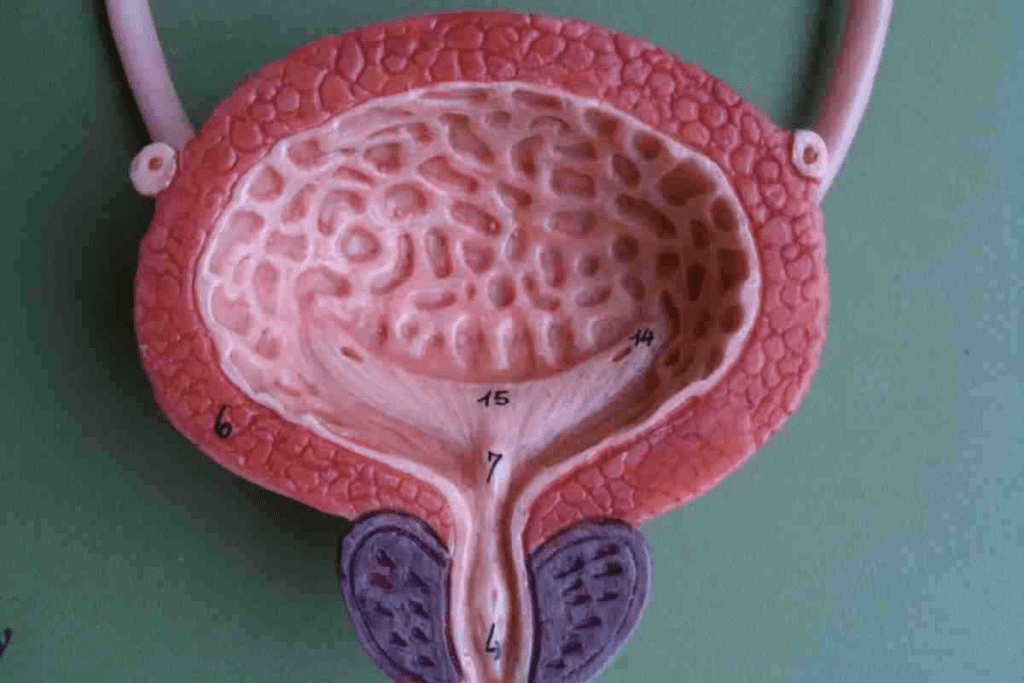
Neurogenic bladder happens when the bladder and nervous system can’t talk to each other properly. This can cause many urinary issues and make infections more likely. What are the four types of neurogenic bladder? Learn the crucial, powerful distinctions between the different forms of nerve-related urinary dysfunction.
This problem starts when something like an injury or disease messes up the signals between the nervous system and the bladder. Knowing about the different kinds of neurogenic bladder is important for treating it well.
There are four main types of this condition, each with its own set of symptoms and needs.
Key Takeaways
- Neurogenic bladder comes from nerve damage or neurological issues.
- There are four main types of neurogenic bladder.
- Knowing the type is key to managing it well.
- Each type has its own symptoms and treatment plans.
- Getting the right diagnosis is essential for the best care.
Understanding Neurogenic Bladder
When the nervous system can’t control the bladder, it leads to a neurogenic bladder. This condition happens when the brain, spinal cord, or nerves that control the bladder are damaged. It causes problems with bladder control, leading to either an overactive or underactive bladder.
Definition and Pathophysiology
Neurogenic bladder means you can’t control when you pee because of nerve damage. The problem is that the bladder and nervous system can’t talk to each other properly. This can make the bladder too active or too weak.
This condition can show up as a weak bladder or an overactive one. It’s important to know why it happens to treat it well.
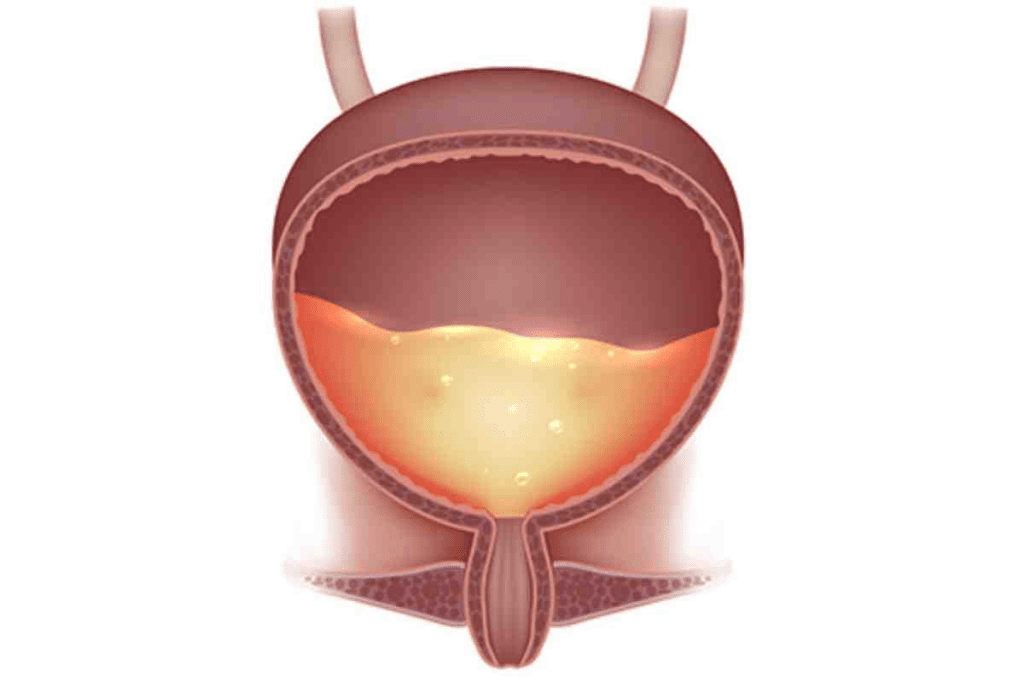
Normal Bladder Function vs. Neurogenic Dysfunction
Usually, the bladder and nerves work together to control when you pee. The bladder holds urine until it’s full, then the nerves tell it to empty. But with a neurogenic bladder, this teamwork doesn’t work right, causing problems with peeing.
The main difference is how well the bladder can hold and release urine. With a neurogenic bladder, it can’t do this right, leading to an overactive or underactive bladder.
“Understanding the distinction between normal bladder function and neurogenic bladder is essential for developing effective treatment plans.” –
Expert in Urology
Causes and Risk Factors of Neurogenic Bladder
It’s important to know what causes a neurogenic bladder to manage it well. This condition happens when the bladder and nervous system can’t talk properly.
Neurological Conditions
Many neurological conditions can lead to a neurogenic bladder. For example, multiple sclerosis and Parkinson’s disease can affect bladder control. Diabetes can also damage nerves, causing a neurogenic bladder.
Injuries and Trauma
Spinal cord injuries are a big risk for neurogenic bladder. These injuries can mess up the brain’s signals to the bladder. The injury’s severity can affect how much the bladder is affected.
Other Contributing Factors
Other things can also cause a neurogenic bladder. Infections and some medical conditions can harm the nerves that control the bladder. This leads to symptoms of neurogenic bladder.
Sensory Neurogenic Bladder: Loss of Sensation
Sensory neurogenic bladder happens when the bladder’s sensory pathways are disrupted. This makes it hard to feel when the bladder is full. It can be caused by diabetes and tabes dorsalis, which harm the nerves that tell us when to go to the bathroom.
Characteristics and Clinical Presentation
The main sign of sensory neurogenic bladder is not feeling when the bladder is full. This can cause the bladder to get too big. People might have trouble starting to pee or not feel the urge to go, leading to holding urine.
- Reduced or absent sensation of bladder fullness
- Potential for chronic urinary retention
- Increased risk of urinary tract infections due to incomplete bladder emptying
Underlying Causes
Sensory neurogenic bladder is often linked to nerve damage. This can be from:
- Diabetic neuropathy, a diabetes complication that affects nerves, including those related to bladder sensation.
- Tabes dorsalis, a condition from untreated syphilis that damages the spinal cord and causes loss of bladder sensation.
Complications and Long-term Effects
If not treated, a sensory neurogenic bladder can cause serious problems. These include:
- Chronic urinary tract infections can occur from holding urine and not emptying the bladder fully.
- Bladder damage from being too full can make the bladder less able to hold urine.
- Renal impairment in severe cases, due to urine flowing back into the kidneys.
It’s important to catch and treat sensory neurogenic bladder early. This helps avoid these problems and improves life quality for those affected.
Motor Paralytic Neurogenic Bladder: Detrusor Weakness
The motor paralytic neurogenic bladder happens when nerves to the detrusor muscle get damaged. This leads to detrusor weakness. Damage can come from trauma, surgery, or neurological issues. It makes it hard for the bladder to empty properly.
Key Features and Symptoms
Motor paralytic neurogenic bladder weakens the detrusor muscle. This makes it hard for the bladder to contract and empty. People with this condition often have urinary retention because their bladder can’t fully empty. Other symptoms include:
- Incomplete bladder emptying
- Urinary tract infections due to urine stasis
- Potential for overflow incontinence
Common Causes
The main reason for motor paralytic neurogenic bladder is damage to the nerves that control the detrusor muscle. This damage can come from:
- Trauma or injury to the spinal cord or pelvic area
- Surgical complications
- Neurological diseases or conditions affecting nerve function
Hypotonic Bladder Consequences
A hypotonic bladder, caused by detrusor weakness, can lead to serious problems if not managed well. These include:
- Recurrent urinary tract infections
- Bladder distension and possible long-term damage
- Impact on quality of life due to urinary symptoms and possible incontinence
Knowing the causes and symptoms of motor paralytic neurogenic bladder is key to effective treatment. By fixing the nerve damage and managing symptoms, patients can live better lives.
Uninhibited Neurogenic Bladder: Urgency and Frequency
The uninhibited neurogenic bladder causes urgency and frequency. It’s usually linked to lesions above the pons. This condition greatly affects the quality of life, causing distress and disrupting daily activities.
Clinical Manifestations
An uninhibited urge to urinate is marked by a sudden, intense urge to urinate. It also leads to frequent urination. These symptoms can disrupt both personal and professional life.
Neurological Origins
The main cause is lesions above the pons, often from stroke or Parkinson’s disease. These lesions mess with normal bladder control, causing the symptoms seen in this condition.
Impact on Patient Quality of Life
The symptoms of uninhibited neurogenic bladder can greatly affect a patient’s life. The urgency and frequency can lead to:
- Disruption of daily activities
- Emotional distress
- Social withdrawal
- Sleep disturbances
Reflex Neurogenic Bladder: Involuntary Contractions
Involuntary bladder contractions are a key feature of reflex neurogenic bladder. This condition often results from spinal cord injuries. It leads to a loss of bladder control, causing involuntary contractions.
Symptoms and Diagnostic Features
Symptoms include frequent and involuntary bladder contractions, causing urinary incontinence. Urodynamic testing is used to check bladder function and look for detrusor overactivity.
Other symptoms include urgency and frequency. Diagnosis involves clinical evaluation, patient history, and tests like urodynamics.
Relationship to Spinal Cord Injury
Reflex neurogenic bladder is common in those with spinal cord injuries, mainly above the sacral level. The injury disrupts communication between the bladder and brain, causing the detrusor muscle to contract involuntarily.
The severity and level of the injury affect bladder dysfunction. Understanding this relationship is key to managing the condition.
Management Challenges
Managing a reflex neurogenic bladder is complex due to the neurological damage. Treatment includes medications, catheterization, and sometimes surgery. The aim is to protect the upper urinary tract and improve the quality of life.
A team approach involving urologists and rehabilitation specialists is vital for care. This ensures the best possible management of the condition.
Diagnosis and Assessment of Neurogenic Bladder
Getting a correct diagnosis for neurogenic bladder is key. It involves a detailed check-up, tests to see how the bladder works, and scans to find the cause. This helps doctors create a good treatment plan.
Clinical Evaluation
The first step is a detailed medical history. Doctors look for any past injuries or conditions that might affect the bladder. A physical exam also checks for signs of nerve damage.
Doctors use tools like questionnaires and symptom diaries. These help them understand the patient’s symptoms better. This info guides further tests and treatment.
Urodynamic Testing
Urodynamic tests are very important for diagnosing a neurogenic bladder. They check how well the bladder and urethra work. Tests like uroflowmetry and cystometry are used.
These tests show how the bladder works. They help doctors find the right treatment. For example, they can spot problems like an overactive or underactive bladder.
Imaging Studies
Imaging studies help doctors see the urinary tract’s structure. They look for any problems like stones or tumors. Ultrasound, CT, and MRI scans are often used.
These scans can find issues that cause bladder problems. They also check the upper urinary tract. This helps doctors understand the whole picture.
By combining all these steps, doctors get a full picture of a neurogenic bladder. They can then make a treatment plan that fits each patient’s needs.
Conclusion: Living with Neurogenic Bladder
Living with a neurogenic bladder means you need a detailed plan to manage symptoms and live better. Even though it can’t be cured, there are many ways to help. These include treatments and strategies to make life easier.
Managing a neurogenic bladder well means making lifestyle changes, using medicines, and sometimes using catheters. Knowing about the condition and its types helps patients choose the best treatments. This way, they can make smart choices about their health.
People with neurologic bladder can stay active with the right management plan. This might include regular doctor visits, watching for problems, and making lifestyle changes. These steps help reduce symptoms.
Being proactive in managing a neurogenic bladder can greatly improve your health. It helps you live a fuller life, even with the condition.
FAQ
What is a neurogenic bladder?
Neurogenic bladder is a condition where nerve damage affects the bladder. This disrupts its normal function.
What are the main types of neurogenic bladder?
There are four main types: sensory, motor, paralytic, uninhibited, and reflex neurogenic bladder. Each has its own symptoms and characteristics.
What causes a neurogenic bladder?
It can be caused by many things, like multiple sclerosis, Parkinson’s disease, and spinal cord injuries. Diabetes and trauma also play a role.
What is sensory neurogenic bladder?
This type happens when the bladder’s sensory nerves are damaged. It often occurs in people with diabetes or tabes dorsalis.
What are the symptoms of motor paralytic neurogenic bladder?
Symptoms include weak bladder muscles and trouble emptying the bladder. This can lead to urinary retention and infections.
What is an uninhibited neurogenic bladder?
This type is marked by urgency and frequent urination. It’s often seen in people with stroke or Parkinson’s disease.
What is a reflex neurogenic bladder?
It’s characterized by involuntary bladder contractions. This is common in those with spinal cord injuries or severe diseases.
How is a neurogenic bladder diagnosed?
Diagnosing it involves a thorough check-up, urodynamic tests, and imaging. This helps find the cause and plan treatment.
How is a neurogenic bladder managed?
Management includes lifestyle changes, medications, and sometimes catheter use. This improves quality of life.
What is the impact of neurogenic bladder on quality of life?
It can greatly affect a person’s life, causing distress and disrupting daily activities. This is more common in certain types.
What are the complications of an atonic bladder or bladder flaccidity?
An atonic bladder can lead to bladder overdistension. This may cause infections and damage to the bladder.
Can a neurogenic bladder be associated with other conditions, like a hyperreflexive or spastic neurogenic bladder?
Yes, it can also be hyperreflexive or spastic. These types are marked by overactive bladder and involuntary contractions.
References
- Averbeck, M. A., & de O. Lisboa, F. (2014). An update on the diagnosis and management of neurogenic bladder. International Braz J Urol, 40(4), 438-450. https://www.ncbi.nlm.nih.gov/pmc/articles/PMC4751493/
- Wyndaele, J. J. (2006). Diagnosis and treatment of neurogenic bladder in a clinical setting. Current Opinion in Urology, 16(4), 263-268. https://journals.lww.com/co-urology/abstract/2006/07000/diagnosis_and_treatment_of_neurogenic_bladder_in_a.10.aspx