Last Updated on December 1, 2025 by Bilal Hasdemir

Did you know over 200,000 brain surgeries happen every year in the United States? This shows how important and complex neurosurgical procedures are. Neurosurgery is a medical field that deals with surgeries for the nervous system. It’s a major surgical procedure that needs a lot of skill and care.
5 essential Neurosurgeon Consultation Expectations. This amazing guide prepares you for your first visit, from tests to critical questions.
Neurosurgery uses invasive techniques to treat brain, spinal cord, and nerve problems. These operations are very detailed and require a lot of skill. This makes neurosurgery a complex medical intervention.
Key Takeaways
- Neurosurgery is a major surgical specialty.
- It involves surgical treatments for nervous system disorders.
- Procedures can be highly complex and invasive.
- Expertise and precision are key in neurosurgery.
- Annual brain surgeries in the US exceed 200,000.
Defining Major Surgery in Medical Context
In medical terms, major surgery means operations that are very invasive and complex. They often need a lot of time to recover and carry big risks for the patient.
Criteria for Classifying Surgical Procedures
Doctors sort surgeries by a few important factors. These include how invasive the surgery is, where it’s done, and what it needs to be done.
Invasiveness and Anatomical Considerations
The more a surgery invades the body, the more it’s seen as major. The area being worked on also matters a lot.
Resource Requirements and Specialization
The tools and people needed for surgery also help decide its level. For example, neurosurgery needs special training and gear.
Where Neurosurgery Fits in the Spectrum
Neurosurgery is a major field because of its complexity and the skill needed.
Historical Classification of Neurological Surgery
Neurosurgery has always been seen as risky and complex. It needs precise methods and lots of resources.
Modern Perspectives on Neurosurgical Complexity
Neurosurgery keeps getting more complex with new tech and techniques. This makes it even more specialized and demanding.
Criteria | Description | Example in Neurosurgery |
Invasiveness | Level of intrusion into the body | Brain tumor resection |
Anatomical Considerations | Delicacy and importance of the area operated on | Surgery near critical brain structures |
Resource Requirements | Specialized equipment and personnel needed | Use of neurosurgical microscopes and monitoring equipment |
The Neurosurgery Complexity Assessment Framework

The neurosurgery complexity assessment framework is a key tool for evaluating the complexity of brain surgeries. It helps standardize how we assess these surgeries. This ensures patients get care that fits their unique needs.
Development and Purpose of the Assessment
The framework was created to have a systematic way to check surgical complexity. Its main goal is to assess the factors that make a brain surgery complex. This includes surgical duration and anesthesia requirements.
Key Components and Evaluation Criteria
The framework looks at several factors. These include how invasive the surgery is, the patient’s health, and the resources needed. These are key to figuring out a surgery’s complexity.
How Complexity Scores Are Determined
Objective Measures in Complexity Evaluation
Objective measures are things we can count, like how long the surgery takes, blood loss, and special equipment needed. These show how complex the surgery is.
Subjective Factors in Assessment
Subjective factors involve the surgeon’s skill and judgment. These are important for a full understanding of the surgery’s complexity.
By mixing both types of factors, the framework gives a detailed look at brain surgeries. This helps doctors make better decisions for patient care and neurological surgical planning.
Types of Neurosurgical Procedures and Their Complexity
Neurosurgical procedures cover a wide range of surgeries, each with its own level of complexity. Neurosurgeons face different challenges, from simple operations to very complex ones.
Brain Tumor Resections and Neuro-oncological Interventions
Removing brain tumors is a complex task. The surgery’s difficulty depends on the tumor’s size, location, and type. Microsurgical techniques help to protect the surrounding brain tissue.
Spinal Cord Surgery and Neurological Reconstruction
Spinal cord surgery treats various spine issues, like herniated discs or spinal deformities. Neurological reconstruction aims to restore function and reduce pain. These surgeries need precise techniques to avoid spinal cord damage.
Cerebrovascular Procedures and Intracranial Interventions
Cerebrovascular procedures, like aneurysm clipping, are very complex. Intracranial interventions, such as surgeries for bleeding in the brain, require quick and precise actions.
Functional Neurosurgery and Nerve Repair Techniques
Functional neurosurgery treats conditions like movement disorders with deep brain stimulation. Nerve repair techniques address nerve damage or compression. These surgeries need advanced microsurgical techniques and careful patient selection.
Pediatric Neurosurgery Considerations
Pediatric neurosurgery focuses on conditions unique to children, like brain tumors or hydrocephalus. It requires understanding the developing brain and using age-specific treatments.
Procedure Type | Complexity Level | Key Considerations |
Brain Tumor Resections | High | Tumor location, size, and type |
Spinal Cord Surgery | High | Spinal cord protection, reconstruction needs |
Cerebrovascular Procedures | Very High | Meticulous planning, precise technique |
In conclusion, neurosurgical procedures vary greatly in complexity and chalNeurosurgeon Consultation Expectationslenges. It’s important to understand these differences for effective treatment planning and patient care.
Factors That Determine Neurosurgical Complexity

The complexity of neurosurgical procedures comes from anatomical, pathological, and patient-specific factors. These operations on the brain, spine, and nervous system need careful planning and execution.
Anatomical Considerations and Surgical Precision Requirements
Anatomical factors are key in neurosurgery. The delicate nature of brain and spinal cord structures requires high precision. Surgeons must know the patient’s anatomy well to navigate these complex areas.
Pathological Factors and Disease Progression
Pathological factors, like the type and stage of the disease, affect neurosurgical complexity. For example, brain tumors vary in complexity based on their location, size, and type. Knowing how the disease progresses helps surgeons prepare for challenges during surgery.
Patient-Specific Variables and Health Assessment
Patient-specific variables, such as age, comorbidities, and previous surgeries, are important in assessing neurosurgical complexity. Older patients or those with multiple health conditions may need extra considerations during planning.
Age and Comorbidities
Age and comorbidities can make neurosurgical procedures more complex. Older patients may face higher risks due to reduced physiological reserves.
Previous Surgical History
A patient’s past surgeries can affect the complexity of future neurosurgical procedures. Adhesions or scar tissue from previous surgeries can make dissection harder and increase complication risks.
Surgical Duration and Resource Intensity
The length and resource needs of neurosurgical procedures also matter. Longer surgeries need more resources, like specialized equipment and a larger team.
Advanced Surgical Techniques in Modern Neurosurgery
The field of neurosurgery has seen a big change with new surgical methods. These new ways have made patients’ outcomes better and recovery times shorter.
Microsurgical Approaches and High-Precision Operations
Microsurgery is key in neurosurgery, making high-precision operations possible. It uses an operating microscope and special tools for detailed work.
Minimally Invasive Neurosurgery Options
Minimally invasive neurosurgery is popular for its benefits. It has smaller cuts, less damage, and faster recovery. Endoscopic surgery is an example, with less risk and less pain after surgery.
Computer-Assisted and Robotic Interventions
Computer-assisted and robotic systems have improved neurosurgery. They help surgeons do complex tasks with better accuracy and less invasion.
Specialized Surgical Technique Selection
Choosing the right surgical technique is key for good results. The patient’s condition, the type of neurological disorder, and the surgeon’s skills matter.
Matching Techniques to Patient Needs
Surgeons must look at each patient’s needs to pick the best surgery. This approach makes sure patients get the best treatment.
Technology-Enhanced Precision
Advanced technologies, like navigation systems and robotic help, improve neurosurgery’s precision. This tech is essential for doing complex surgeries safely.
Anesthesia Requirements for Neurosurgical Procedures
Neurosurgical procedures need careful anesthesia management for safety and the best results. The complexity of neurosurgery means each patient and procedure gets a custom anesthesia plan.
General vs. Awake Craniotomy Approaches
Anesthesia for neurosurgery can be general or awake craniotomy. General anesthesia makes the patient sleep, which is good for some surgeries. Awake craniotomy lets patients stay awake, helping monitor important brain functions like speech and movement.
Monitoring Techniques During Surgery
Advanced monitoring is key during neurosurgery. Tools like EEG, SSEP, and BIS monitoring check the depth of anesthesia and brain health.
Anesthetic Challenges Specific to Neurosurgery include managing brain pressure and blood flow. Anesthesiologists must also be ready for complications like brain swelling or blood vessel spasms.
Patient Monitoring and Intraoperative Assessment
Keeping a close eye on patients is essential during neurosurgery. This includes watching vital signs and doing neurological checks when possible. Imaging and neurophysiological monitoring give feedback for quick adjustments to care plans.
Good anesthesia care in neurosurgery needs teamwork. Neurosurgeons, anesthesiologists, and nurses work together. Understanding neurosurgery’s unique challenges helps improve patient care and results.
The Neurosurgical Team: Expertise Required
Neurosurgical success depends on a team’s expertise and teamwork. Neurosurgery is complex, needing many skills and specialties for success.
Composition of a Complete Neurosurgical Team
A complete team includes neurosurgeons, anesthesiologists, nurses, and more. Each brings their special skills, ensuring patient care is fully covered.
Specialized Training and Certification Needs
Neurosurgeons get years of training, including residency and fellowships. They must be certified by the American Board of Neurological Surgery (ABNS). Anesthesiologists and nurses also need special training in neuroanesthesia and neurosurgical care.
Collaborative Approach to Complex Cases
Complex neurosurgical cases need teamwork. This means multidisciplinary planning and intraoperative teamwork.
Multidisciplinary Planning
Before surgery, the team plans together. They discuss the best methods, possible problems, and how to solve them. This planning is key for the best patient results.
Intraoperative Teamwork
During surgery, teamwork is essential. Neurosurgeons, anesthesiologists, and nurses work together. They adapt to the surgery’s changes and make decisions as needed.
Medical Team Involvement Throughout Patient Journey
The team’s role goes beyond the operating room. They are involved from preparation to follow-up. They provide ongoing care and support to the patient.
Preoperative Preparation for Major Neurosurgery
The preoperative phase is key for major neurosurgery success. It includes many important steps.
Diagnostic Imaging and Neurological Surgical Planning
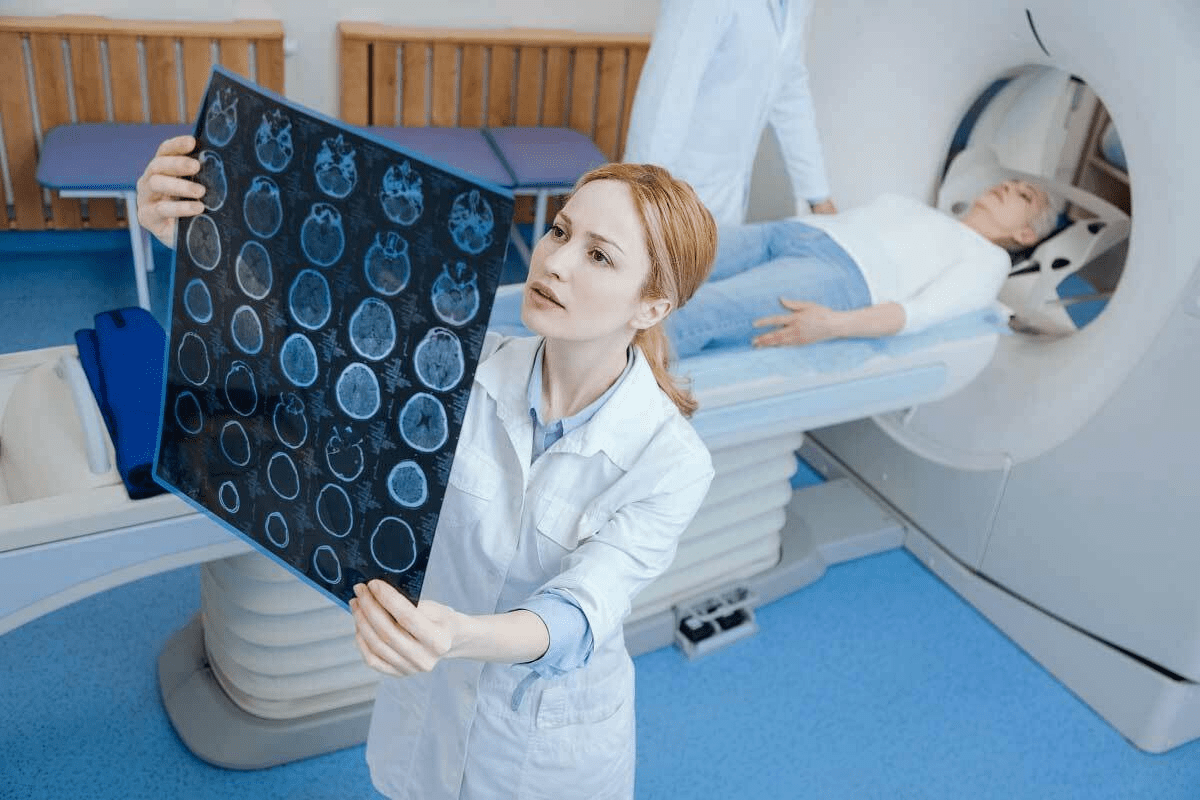
Diagnostic imaging is vital for neurosurgery planning. MRI and CT scans give detailed brain images. This helps surgeons plan the surgery carefully.
Advanced imaging like fMRI and DTI shows brain function and structure. This is important for surgeries near important brain areas.
Patient Health Optimization Strategies
Improving patient health before surgery is critical. It helps lower surgery risks. This includes managing conditions like high blood pressure and diabetes.
Patients are also told to stop smoking. They should avoid medicines that could affect surgery or recovery, like blood thinners.
Psychological Preparation and Expectations Management
Psychological prep is a big part of preoperative care. Patients and families learn about the surgery, possible results, and recovery.
This education helps manage hopes and fears. Counseling or support is offered to those who need it.
Surgical Preparation Protocols
Surgical prep includes many steps for a safe procedure.
Equipment and Resource Allocation
The team makes sure all needed equipment is ready and works well. This includes tools, monitors, and imaging gear.
Contingency Planning
Contingency planning is about being ready for unexpected surgery issues. It includes emergency plans and having the right people and resources ready.
Preoperative Preparation Aspect | Description | Importance |
Diagnostic Imaging | Detailed imaging for surgical planning | High |
Patient Health Optimization | Managing chronic conditions and lifestyle adjustments | High |
Psychological Preparation | Educating patients and managing expectations | Medium |
Surgical Preparation Protocols | Ensuring equipment readiness and contingency planning | High |
Potential Complications and Neurosurgical Risk Assessment
Neurosurgery is a complex field with risks that must be managed carefully. Understanding these risks is key to keeping patients safe and ensuring the best results.
Common Complications in Invasive Brain Surgery
Invasive brain surgery can cause infections, bleeding, and damage to the brain. Understanding these risks is vital for finding ways to prevent them. For example, using prophylactic antibiotics and strict cleanliness during surgery can help prevent infections.
Risk Stratification Methods and Prediction Models
Risk stratification in neurosurgery looks at factors like age, health conditions, and surgery complexity. New prediction models are being created to predict complications better and improve patient care.
Informed Consent and Risk Communication
Informed consent is very important in neurosurgery. It makes sure patients know the risks and benefits of their surgery. Good risk communication builds trust and helps patients make informed choices.
Surgical Risk Factors and Mitigation Strategies
Finding surgical risk factors is important for reducing risks. This includes making patients as healthy as possible before surgery, using the latest surgical methods, and providing strong care after surgery.
Preventable Complications
Many complications in neurosurgery can be avoided with the right care. This includes careful surgery, choosing the right patients, and following evidence-based guidelines.
Emergency Response Protocols
Even with careful planning, complications can happen. Having emergency response protocols ready is key to handling these situations well and keeping patients safe.
Recovery Timeline After Major Neurosurgical Interventions
Recovering from neurosurgery is a complex process. It involves immediate care and long-term rehabilitation. Knowing the recovery timeline helps patients and families prepare for what’s ahead.
Immediate Post-Operative Period and Critical Care
The first days after surgery are very important. Patients often stay in an intensive care unit (ICU). Medical teams watch for complications and manage pain closely. Close monitoring is key to catching and fixing any problems quickly.
Short-Term Recovery Milestones and Postoperative Care
In the short term, patients start to get stronger and move more easily. Postoperative care includes managing pain, preventing infections, and watching for neurological changes. Doctors also teach patients how to care for their surgical site and what activities to avoid.
- Follow a medication regimen as prescribed
- Attend follow-up appointments with healthcare providers
- Gradually increase physical activity as recommended
Long-Term Rehabilitation Considerations
Long-term rehabilitation is vital for recovery. It focuses on getting back lost functions and adapting to changes. This may include physical therapy, occupational therapy, and speech therapy, based on individual needs.
Rehabilitation Protocols and Patient Recovery Strategies
Rehabilitation plans are made for each patient’s specific situation. Physical therapy approaches might include exercises for strength, flexibility, and movement. Cognitive rehabilitation methods help with any cognitive problems caused by surgery or the condition itself.
Physical Therapy Approaches
Physical therapy is essential for regaining strength and mobility. Therapists create a customized exercise plan to meet each patient’s needs and goals.
Cognitive Rehabilitation Methods
Cognitive rehabilitation aims to improve memory, attention, and problem-solving skills. It uses cognitive training and strategies to help with lasting cognitive changes.
Understanding the recovery timeline and its components helps patients navigate their journey after neurosurgery.
Comparing Neurosurgery to Other Surgical Specialties
Neurosurgery stands out for its complexity and need for precision. It focuses on the nervous system, which is vital for our bodies.
Unique Aspects of Neurological Surgery
Neurosurgery is all about the brain and spinal cord. These areas control many of our body’s functions. It requires a lot of skill and often involves working with other doctors.
Similarities with Other Major Surgical Fields
Neurosurgery has some things in common with other surgeries, like heart and bone surgeries. All these fields need advanced training and use the latest technology. They also rely on detailed medical checks before surgery.
Interdisciplinary Approaches to Complex Medical Interventions
Neurosurgery often needs a team effort. Neurosurgeons work with neurologists, radiologists, and others. This teamwork is key to the best results for patients.
Surgical Outcome Prediction Across Specialties
Predicting how well a surgery will go is important in neurosurgery, just like in other fields. Things like the patient’s health and how the surgery is done matter a lot. New tools like advanced stats and machine learning help make these predictions better.
Conclusion: The Major Nature of Neurosurgical Procedures
Neurosurgery is a complex field that needs careful planning and precise execution. It also requires detailed postoperative care. The complexity of these procedures is judged by looking at several factors.
Major neurosurgical procedures, like brain tumor removals and spinal cord surgeries, need a lot of skill. They also require advanced medical tools. Evaluating the complexity of these surgeries helps find the best treatment and predict results.
A complete surgical process includes preparation before surgery, care during it, and recovery after. The team of neurosurgeons, anesthesiologists, and rehabilitation experts is key. They work together to help patients recover well from major neurosurgical procedures.
In summary, neurosurgery is a major surgery that needs a team effort for patient care. Knowing the details of neurosurgical procedures helps improve treatment plans and patient outcomes.
FAQ
What is neurosurgery, and is it considered major surgery?
Neurosurgery is a medical field that deals with surgeries for brain, spine, and nervous system issues. It’s seen as major surgery because of its complexity and the risks involved. The areas treated are very delicate.
What factors contribute to the complexity of neurosurgical procedures?
Several things make neurosurgery complex. These include the body’s anatomy, the disease type, the patient’s health, and how long the surgery takes. Also, the need for precise and special techniques adds to the complexity.
What are some common types of neurosurgical procedures?
Neurosurgery includes many procedures. These include removing brain tumors, spinal cord surgery, and fixing blood vessels in the brain. It also includes repairing nerves and other specialized surgeries.
How is the complexity of neurosurgery assessed?
To measure neurosurgery complexity, a framework is used. It looks at the surgery type, the patient’s health, and the surgeon’s expertise. This helps set a complexity score and plan the surgery.
What advanced techniques are used in modern neurosurgery?
Modern neurosurgery uses cutting-edge methods. These include tiny surgical approaches, minimally invasive methods, and robotic assistance. These techniques help improve precision and outcomes.
What are the anesthesia considerations for neurosurgical procedures?
Anesthesia for neurosurgery is carefully chosen. It can be general anesthesia or awake craniotomy. The team also uses special monitoring and manages anesthesia challenges specific to the brain.
What is the role of the neurosurgical team in patient care?
The neurosurgical team is key in patient care. They work together, using their specialized skills. They help the patient from before surgery to after and during recovery.
How are potentially complications and risks assessed in neurosurgery?
Neurosurgery risks are evaluated using risk models and informed consent. Understanding these risks helps in reducing them. This ensures the best results for the patient.
What is the typical recovery timeline after major neurosurgical interventions?
Recovery after neurosurgery varies. It includes an immediate recovery phase, short-term goals, and long-term rehabilitation. Each patient’s recovery plan is tailored to their needs and surgery specifics.
How does neurosurgery compare to other surgical specialties?
Neurosurgery is unique because it focuses on the brain, spine, and nervous system. While it shares some similarities with other surgeries, it requires special skills. It often involves working with other specialists for complex cases.
What is involved in preoperative preparation for neurosurgery?
Preparing for neurosurgery includes several steps. These include imaging tests, improving the patient’s health, and psychological preparation. Specific surgical protocols are also followed to ensure the best results.
References
National Center for Biotechnology Information. Evidence-Based Medical Insight. Retrieved from https://pubmed.ncbi.nlm.nih.gov/29189592/