Last Updated on December 1, 2025 by Bilal Hasdemir

Did you know over 700,000 people in the United States get diagnosed with a brain tumor each year? Many of these cases need a doctor who specializes in nervous system surgery.
A neurological surgeon, also known as a neurosurgeon, deals with brain, spine, and nervous system issues. If you have chronic back pain, seizures, or severe headaches, your doctor might send you to a neurosurgeon. They will check you out and might suggest surgery.
Key Takeaways
- A neurosurgeon is a medical doctor specializing in surgical treatments of the nervous system.
- Conditions like brain tumors, chronic back pain, and severe headaches may require a neurosurgeon’s expertise.
- A referral to a neurosurgeon typically comes from a primary care physician after initial evaluation.
- Neurosurgeons diagnose and treat a wide range of neurological conditions.
- Surgical intervention is often a last resort, with other treatments explored first.
Understanding the Role of a Neurosurgeon

Neurosurgeons are highly trained doctors. They diagnose and treat neurological disorders. They use both surgery and non-surgical methods.
What Is a Neurosurgeon?
A neurosurgeon is a medical specialist. They focus on the nervous system, including the brain and spinal cord. They use both surgery and non-surgical treatments.
Neurosurgeon vs. Neurologist: Key Differences
Neurosurgeons and neurologists both work with the nervous system. But, they treat conditions differently. Neurologists use non-surgical methods. Neurosurgeons perform surgery when needed.
The Extensive Training of Neurosurgeons
To become a neurosurgeon, one needs a lot of education and training. After medical school, they do years of residency. This training helps them handle complex cases.
It’s important for patients to understand what a neurosurgeon does. Knowing the difference between neurosurgeons and other specialists helps patients make better choices.
Common Neurological Symptoms That May Prompt a Referral

Neurological symptoms like headaches, numbness, and balance problems can be worrying. They might mean you need to see a neurosurgeon. These signs could point to serious issues that need expert care.
Persistent or Severe Headaches
Headaches that don’t go away or are very bad could mean something serious. Frequent migraines or headaches with nausea or light sensitivity need checking out.
Numbness or Weakness in Extremities
Feeling numb or weak in your arms or legs might mean nerve problems. Issues like carpal tunnel syndrome or peripheral neuropathy could be the cause.
Balance and Coordination Problems
Having trouble with balance or coordination could be a sign of a brain or spinal cord issue. Symptoms like dizziness or losing your balance might need a neurosurgeon’s look.
Vision Changes and Other Sensory Disturbances
Seeing double or losing part of your vision could be a sign of a neurological problem. Hearing loss or tinnitus might also mean you need to see a neurosurgeon.
| Symptom | Potential Cause |
| Persistent or Severe Headaches | Migraine, Tension Headache, Brain Tumor |
| Numbness or Weakness in Extremities | Nerve Compression, Peripheral Neuropathy |
| Balance and Coordination Problems | Inner Ear Issues, Spinal Cord Injury |
| Vision Changes | Optic Neuritis, Brain Tumor |
These symptoms could mean many different neurological conditions. Seeing a neurosurgeon is key to figuring out what’s wrong and how to fix it.
Brain Conditions Requiring Neurosurgical Consultation
Brain conditions like tumors and injuries often need a neurosurgeon’s help. These issues are complex and need special care.
Brain Tumors: Benign and Malignant
Benign brain tumors are not cancerous but can cause problems. Malignant brain tumors are cancerous and can spread to other brain areas.
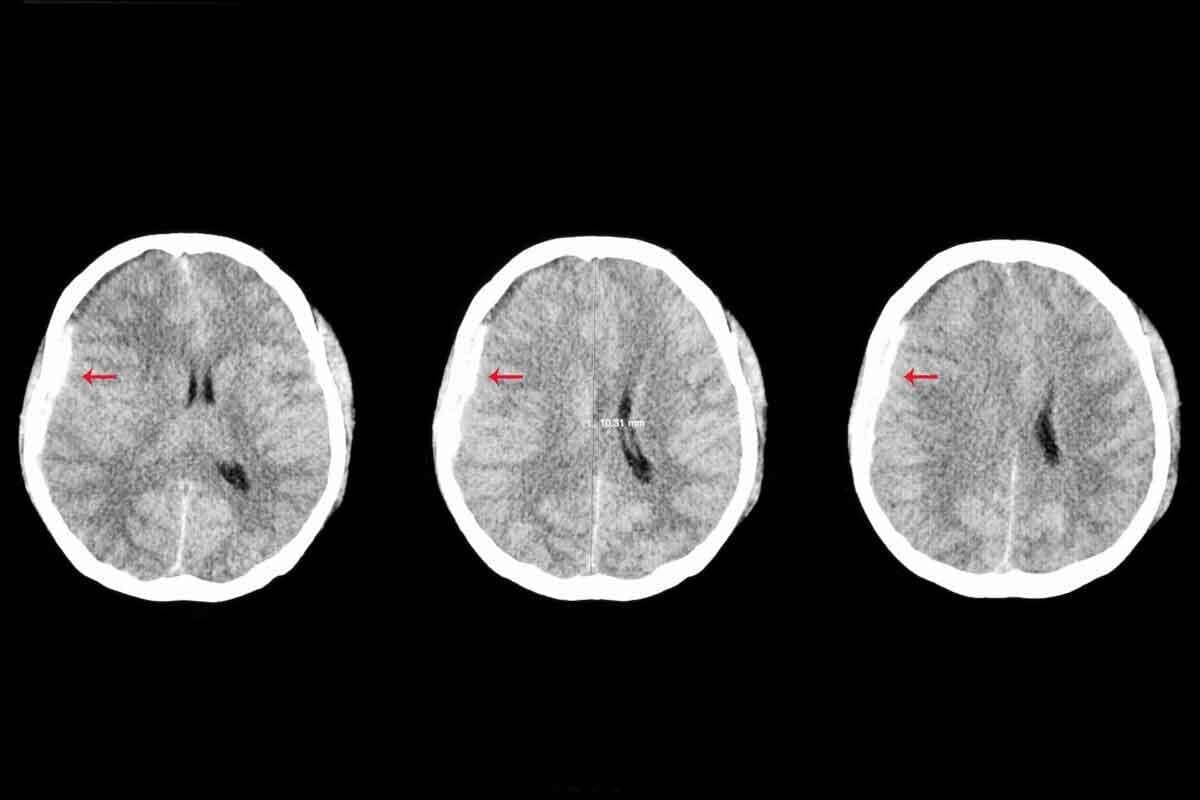
Symptoms of brain tumors vary, including headaches and seizures. Doctors use MRI or CT scans for diagnosis.
Traumatic Brain Injuries
Traumatic brain injuries (TBI) happen when the brain is damaged by outside forces. These injuries can be mild or severe.
Treatment for TBI depends on the injury’s severity. It may include medicine, surgery, or rehab to help regain lost functions.
Cerebral Aneurysms and Vascular Malformations
Cerebral aneurysms are bulges in blood vessels that can burst. Vascular malformations are abnormal blood vessels that can cause bleeding or other problems.
To treat cerebral aneurysms, doctors may use clipping or coiling to prevent rupture.
Hydrocephalus (Fluid on the Brain)
Hydrocephalus is when too much fluid builds up in the brain. Symptoms include headaches and trouble walking.
Doctors treat hydrocephalus by placing a shunt to drain excess fluid. They may also use an endoscopic third ventriculostomy to improve fluid flow.
| Condition | Description | Treatment Options |
| Brain Tumors | Benign or malignant growths in the brain | Surgery, radiation, chemotherapy |
| Traumatic Brain Injuries | Injuries caused by external forces | Medications, surgery, rehabilitation |
| Cerebral Aneurysms | Bulges in blood vessels that can rupture | Clipping, coiling, monitoring |
| Hydrocephalus | Excess fluid in the brain | Shunting, endoscopic third ventriculostomy |
Spine Disorders That May Lead to a Neurosurgeon Referral
Spine disorders like herniated discs and spinal stenosis often lead to neurosurgeon referrals. These issues can cause a lot of pain and discomfort. This can really affect someone’s quality of life.
Herniated Discs and Spinal Stenosis
Herniated discs happen when the soft center of the disc leaks out. This can press on nerves and cause pain. Spinal stenosis is when the spine spaces narrow, putting pressure on nerves. This can lead to numbness, weakness, and pain in the back, legs, or arms.
Degenerative Disc Disease
Degenerative disc disease is when the discs between vertebrae wear down. This can cause pain and discomfort. It often happens due to aging, wear and tear, or injury. In these cases, a neurosurgical consultation is often needed.
Spinal Cord Injuries
Spinal cord injuries can happen from trauma, like falls or car accidents. They can cause partial or complete loss of function below the injury. Neurosurgeons are key in treating these injuries, working with other specialists.
Spinal Deformities
Spinal deformities, like scoliosis or kyphosis, involve abnormal spine curvatures. In severe cases, they can cause a lot of discomfort and neurological issues. In these cases, neurosurgery might be needed to fix the problem.
In conclusion, many spine disorders may need a neurosurgeon’s help. It’s important to understand these conditions to know the best treatment.
Peripheral Nerve Conditions Requiring Specialized Care
Peripheral nerve disorders can cause a range of symptoms that need expert medical attention. These conditions affect the nerves outside the brain and spinal cord. They impact various bodily functions.
Peripheral nerve conditions come in different forms. Each has its own symptoms and treatment approaches. It’s important to understand these conditions for effective management.
Carpal Tunnel Syndrome
Carpal tunnel syndrome happens when the median nerve in the wrist is compressed. Symptoms include numbness, tingling, and weakness in the hand. Treatment options include wrist splints, physical therapy, and surgery in severe cases.
Peripheral Neuropathy
Peripheral neuropathy is damage or dysfunction of peripheral nerves. It causes pain, numbness, or weakness. Causes include diabetes, infections, and trauma. Managing it involves addressing the cause and alleviating symptoms.
Nerve Compression Syndromes
Nerve compression syndromes happen when nerves are compressed or pinched. This leads to pain and other symptoms. Common syndromes include ulnar nerve entrapment and radial tunnel syndrome. Treatment may include physical therapy, medication, or surgery to relieve compression.
In conclusion, conditions like carpal tunnel syndrome, peripheral neuropathy, and nerve compression syndromes need specialized care. Understanding symptoms and treatment options is key to improving patient outcomes.
The Neurosurgeon Referral Process Explained
The path to seeing a neurosurgeon often begins with a referral from a primary care doctor or another specialist. This step is key to making sure patients get the right care for their brain or spine issues.
How Primary Care Physicians Determine When to Refer
Primary care doctors are important in deciding when to send a patient to a neurosurgeon. They look at how bad the patient’s symptoms are. They figure out if the patient needs a specialist’s help.
They consider things like if the symptoms are very bad or keep coming back. If they can’t handle it, they send the patient to a neurosurgeon.
Specialist-to-Neurosurgeon Referrals
At times, a patient might see a specialist like a neurologist or an orthopedic surgeon first. Then, they might get sent to a neurosurgeon. This happens if the specialist thinks surgery or more brain care is needed.
Self-Referral vs. Physician Referral
Some patients might go straight to a neurosurgeon on their own. But most get there through a doctor’s referral. Doctors make sure patients get to the right specialist based on their health needs.
| Referral Source | Description |
| Primary Care Physician | Initial assessment and referral based on symptom severity |
| Specialist Referral | Referral from a specialist like a neurologist or orthopedic surgeon |
| Self-Referral | Patient directly seeking neurosurgical care |
Emergency vs. Non-Emergency Neurosurgical Referrals
It’s important to know the difference between emergency and non-emergency neurosurgical referrals. This helps ensure you get the right care at the right time. Some neurosurgical conditions need immediate help, while others can wait for a scheduled visit.
Recognizing Neurological Emergencies
Neurological emergencies like severe head injuries or sudden stroke need quick action. It’s key to spot the signs early. Look out for sudden severe headaches, loss of consciousness, or weakness or numbness in your body.
Prompt action is vital. It can save lives and prevent more damage to your brain or spine.
Urgent Referral Timeframes
For urgent cases, how fast you get to a neurosurgeon matters. Issues like suspected brain tumors or certain blood vessel problems need quick checks. The doctor decides how fast based on how bad the symptoms are and how quickly they could get worse.
For suspected neurological emergencies, you might see a neurosurgeon the same day or within a couple of days. This depends on the doctor’s judgment.
Managing Non-Urgent Neurological Conditions
Non-urgent conditions, like chronic back pain, aren’t life-threatening but need attention. They can really affect your life quality. Seeing a neurosurgeon for these usually takes a few weeks. This allows for a full check-up and talking about treatment plans.
Handling non-urgent cases right means looking at your medical history, doing tests, and talking with the patient. This helps figure out the best treatment.
The Diagnostic Process with a Neurosurgeon
The diagnostic process with a neurosurgeon is key to treating neurological conditions. It’s thorough and includes several important steps. These steps help ensure a correct diagnosis.
Initial Consultation and Examination
The first step is an initial consultation. Here, the neurosurgeon looks at the patient’s medical history. They also do a detailed neurological examination. This is vital to understand the symptoms and the patient’s condition.
Advanced Imaging Techniques
Advanced imaging is a big part of the process. Tools like MRI (Magnetic Resonance Imaging) and CT (Computed Tomography) scans are used. They give detailed pictures of the brain and spinal cord, helping spot any issues.
Specialized Neurological Testing
There’s also specialized testing needed. This includes tests like electromyography (EMG) and nerve conduction studies (NCS). These tests check how nerves and muscles work.
| Diagnostic Tool | Purpose | Benefits |
| MRI | Detailed imaging of soft tissues | High-resolution images of brain and spinal cord |
| CT Scan | Quick imaging of internal structures | Effective for detecting acute hemorrhages and fractures |
| EMG/NCS | Assessment of nerve and muscle function | Helps diagnose nerve damage and muscle disorders |
By using these different methods, neurosurgeons can accurately find and treat many neurological conditions. They can then create effective treatment plans.
Non-Surgical Treatment Options a Neurosurgeon May Recommend
Before surgery, neurosurgeons often suggest non-surgical treatments. These options aim to ease symptoms and improve life quality. They might also help avoid surgery.
Medication Management
Medication management is a key non-surgical approach. Neurosurgeons prescribe drugs to control pain, seizures, or muscle spasms. They aim to find the best medication with minimal side effects.
Physical Therapy and Rehabilitation
Physical therapy is vital in non-surgical treatments. It helps patients regain strength and mobility. A physical therapist creates a custom exercise plan for each patient.
Pain Management Techniques
Pain management is essential for treating neurological conditions. Neurosurgeons might suggest injections, nerve blocks, or spinal cord stimulators. These methods help manage chronic pain.
| Treatment Option | Description | Benefits |
| Medication Management | Use of medications to manage symptoms | Reduces symptoms, improves quality of life |
| Physical Therapy | Personalized exercise programs to improve mobility and strength | Enhances functional ability, reduces pain |
| Pain Management Techniques | Includes injections, nerve blocks, and implantable devices | Provides relief from chronic pain, improves quality of life |
When Surgery Becomes the Recommended Option
When other treatments don’t work, neurosurgeons might suggest surgery. They make this choice after checking the patient’s health and seeing if other treatments helped.
Exhausting Conservative Treatments
Before surgery, patients try many treatments. These include medicines, physical therapy, and ways to manage pain. If these don’t help, surgery might be next.
Progressive Neurological Deterioration
For worsening neurological conditions, surgery is sometimes needed. This is true for things like brain tumors, aneurysms, or spinal cord injuries. Quick action is key.
Quality of Life Considerations
Thinking about how surgery will affect life is also important. Neurosurgeons look at the surgery’s benefits and risks. They want to know if it will make the patient’s life better.
| Condition | Conservative Treatments | Surgical Intervention |
| Brain Tumors | Medication, Radiation Therapy | Surgical Removal |
| Spinal Stenosis | Physical Therapy, Pain Management | Decompression Surgery |
| Cerebral Aneurysms | Monitoring, Medication | Clipping or Coiling |
The choice to have surgery depends on many things. It’s based on the patient’s health, condition, and what they want.
Common Neurosurgical Procedures Explained
Neurosurgery covers many procedures, from open surgeries to minimally invasive ones. These methods help treat brain, spine, and nervous system issues. Knowing about these procedures can help patients understand their treatment options better.
Craniotomy and Brain Tumor Removal
A craniotomy involves removing part of the skull to reach the brain. It’s often done to take out brain tumors, whether they’re benign or cancerous. The aim is to remove as much tumor as possible while keeping the brain safe.
Spine Surgery Techniques
Spine surgery includes many procedures to ease pressure on the spinal cord or nerves. This can involve removing a herniated disc, fusing vertebrae together, or taking out part of a vertebra to relieve pressure.
Minimally Invasive Neurosurgical Approaches
Minimally invasive neurosurgery uses small incisions and special tools to cause less damage and speed up recovery. It includes endoscopic surgery, where surgeons work through tiny openings, reducing harm to the patient.
Endovascular Procedures
Endovascular neurosurgery is done through blood vessels. It uses methods like coiling for aneurysms or embolization for AVMs to treat brain vascular conditions.
| Procedure | Description | Common Applications |
| Craniotomy | Temporary removal of part of the skull to access the brain | Brain tumor removal, aneurysm clipping |
| Spine Surgery | Various techniques to relieve pressure on the spinal cord or nerves | Herniated disc removal, spinal fusion, laminectomy |
| Minimally Invasive Surgery | Small incisions and specialized tools to minimize tissue damage | Endoscopic surgery, tumor removal, disc surgery |
| Endovascular Procedures | Procedures performed through blood vessels | Cerebral aneurysm coiling, AVM embolization |
Preparing for Your Neurosurgeon Appointment
When you’re set to see a neurosurgeon, being ready is key. Having the right info and questions can make your visit more effective.
Essential Medical Records to Bring
It’s important to collect all your medical records before you go. You’ll need:
- Previous medical imaging (MRI, CT scans)
- Lab test results
- Medical history, including past surgeries or hospital stays
- A list of your current medications and how much you take
Having these records helps your neurosurgeon understand your health better. This makes it easier for them to diagnose and plan your treatment.
Questions to Ask Your Neurosurgeon
Make a list of questions to cover all your concerns. Ask about:
| Category | Sample Questions |
| Diagnosis | What is my diagnosis? What are the possible causes? |
| Treatment Options | What treatment options are available? What are the risks and benefits? |
| Prognosis | What can I expect in terms of recovery or outcome? |
Understanding Treatment Options and Risks
Your neurosurgeon will talk about different treatments, like surgery or other methods. It’s important to know the risks and benefits of each. Ask for more details if you need it.
Empowering patients with knowledge is key to making informed decisions about their care.Being prepared is the first step in this empowerment.
Insurance and Financial Considerations for Neurosurgical Care
Patients going through neurosurgery face many insurance and financial hurdles. Neurosurgery is expensive, and knowing the costs is key to managing them.
Navigating Insurance Approvals for Neurosurgery
Getting insurance approval is a big step in neurosurgery. Patients need to check their insurance and know what’s needed for approval. Working with the neurosurgeon’s office is important to make sure all paperwork is sent to the insurance company.
Understanding Out-of-Network Neurosurgeon Coverage
It’s important to know if your insurance covers out-of-network neurosurgeons. While in-network doctors are cheaper, some patients might need an out-of-network specialist. Knowing the extra costs and what’s covered is essential.
Financial Assistance Programs for Neurosurgical Procedures
For those struggling financially, there are programs to help with neurosurgery costs. These include hospital aid, non-profit groups, and government help. Patients should ask about these when talking about their treatment with their neurosurgeon.
By understanding insurance, getting approvals, and looking into financial help, patients can handle the money side of neurosurgery better.
Seeking a Second Opinion from Another Neurosurgeon
Getting a second opinion from another neurosurgeon is key to getting the best care for your brain or spine issue. This means talking to another expert to check or change your first diagnosis and treatment plan.
Knowing when to ask for a second opinion is important. Complex or severe neurological conditions usually need more than one expert’s view.
When to Consider a Second Opinion
If you’re not sure about your diagnosis or treatment choices, a second opinion might be right for you. This is true for conditions that might need surgery or have big long-term effects.
How to Request Medical Records
To get a second opinion, you need to ask for your medical records from your current doctor. You’ll need to call your doctor’s office and fill out a form to request your records. Make sure you get all important documents, like imaging studies and test results.
Finding Qualified Neurosurgical Specialists
To find a good neurosurgeon for a second opinion, ask your primary doctor for suggestions or check with groups like the American Association of Neurological Surgeons (AANS). It’s important to check if the neurosurgeon is qualified and knows a lot about your specific condition.
By getting a second opinion, you can learn more about your condition and make better choices about your care.
What to Expect During Recovery from Neurosurgery
The journey to recovery after neurosurgery involves several key steps. Patients should be aware of these to ensure a smooth healing process. Knowing the different phases of recovery helps manage expectations and improve outcomes.
Immediate Post-Operative Care
Immediate post-operative care is vital for a successful recovery. This phase starts in the hospital’s post-anesthesia care unit (PACU). Medical staff monitor the patient’s vital signs and manage pain. Close monitoring is essential to quickly identify and address any complications.
- Monitoring of vital signs and neurological status
- Pain management through medication
- Observation for signs of complications
Rehabilitation and Physical Therapy
Rehabilitation is key in the recovery process. It helps patients regain strength, mobility, and function. A tailored rehabilitation program may include physical therapy, occupational therapy, and speech therapy, depending on the individual’s needs.
- Physical therapy to improve mobility and strength
- Occupational therapy to assist with daily activities
- Speech therapy for patients with speech or swallowing difficulties
Long-term Recovery Timelines
Long-term recovery timelines vary significantly. They depend on the type of neurosurgery performed and the individual’s overall health. It’s essential for patients to follow their neurosurgeon’s instructions and attend follow-up appointments to monitor their progress.
Key factors influencing long-term recovery include the extent of the surgery, the patient’s age, and their pre-surgery health status. By understanding these factors and adhering to the recommended recovery plan, patients can optimize their recovery outcomes.
Conclusion: Navigating Your Neurosurgical Journey
Understanding your neurosurgical journey is key. Knowing about neurosurgeons, how they diagnose, and treatment choices helps you make smart decisions.
We’ve looked at many conditions needing neurosurgical help. These include brain and spine issues, and nerve problems. We’ve also talked about different ways to treat these, from non-surgical methods to surgery.
Being well-informed helps you navigate your neurosurgical path. This means knowing how to get a referral, the diagnostic steps, and all treatment options. With the right knowledge and support, you can make choices that lead to the best outcomes.
Getting care from a neurosurgeon means knowing your condition well and the treatment choices. By working with your healthcare team and getting the right info, you can have a successful journey.
FAQ
What is a neurosurgeon?
A neurosurgeon is a doctor who specializes in brain, spine, and nervous system surgeries.
What is the difference between a neurologist and a neurosurgeon?
A neurologist treats neurological conditions without surgery. A neurosurgeon performs surgeries for these conditions.
What kind of conditions do neurosurgeons treat?
Neurosurgeons treat many conditions. These include brain tumors, spinal disorders, and nerve problems.
What are some common symptoms that may lead to a referral to a neurosurgeon?
Symptoms like severe headaches, numbness, and vision changes may lead to a neurosurgeon visit.
How do I prepare for a neurosurgeon appointment?
Bring your medical records and ask about your condition and treatment. Understand the surgery risks.
What is the neurosurgeon referral process?
A primary care doctor or specialist may refer you to a neurosurgeon based on your symptoms.
Can I self-refer to a neurosurgeon?
Yes, you can refer yourself. But, it’s often better to get a referral from a doctor first.
What are some common neurosurgical procedures?
Common procedures include craniotomy and spine surgery. There are also minimally invasive and endovascular procedures.
How do I navigate insurance approvals for neurosurgery?
Work with your insurance and neurosurgeon’s office to understand and get approval for coverage.
What can I expect during recovery from neurosurgery?
Recovery includes immediate care, rehabilitation, and physical therapy. The timeline varies.
When should I consider seeking a second opinion from another neurosurgeon?
Seek a second opinion if you’re unsure about your diagnosis or treatment. Or if you’re not improving.
How do I find a qualified neurosurgeon?
Ask your doctor for a referral or check with your insurance. You can also research online.
What are some non-surgical treatment options that a neurosurgeon may recommend?
Non-surgical options include medication, physical therapy, and pain management.
When does surgery become the recommended option?
Surgery is often recommended when other treatments fail. Or when there’s significant decline or risk.
References
Hopkins B.S., Dallas J., Guerra G., et al. “The value of a neurosurgeon: is neurosurgical compensation proportional to value added? A systematic review of the literature and an update on a changing healthcare economy.” Journal of Neurosurgery. 2024 Nov 29;142(4):1163-1175. PMID: 39612487. Available at: https://pubmed.ncbi.nlm.nih.gov/39612487/