Last Updated on December 1, 2025 by Bilal Hasdemir

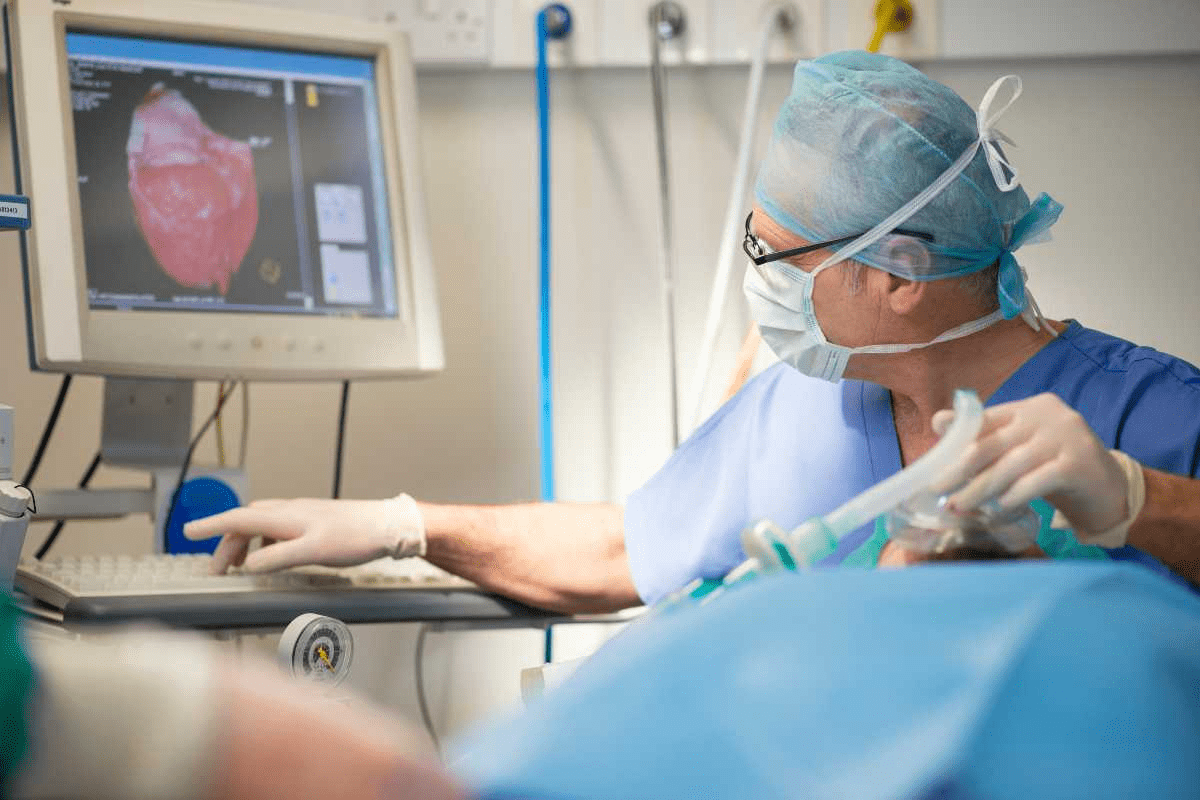
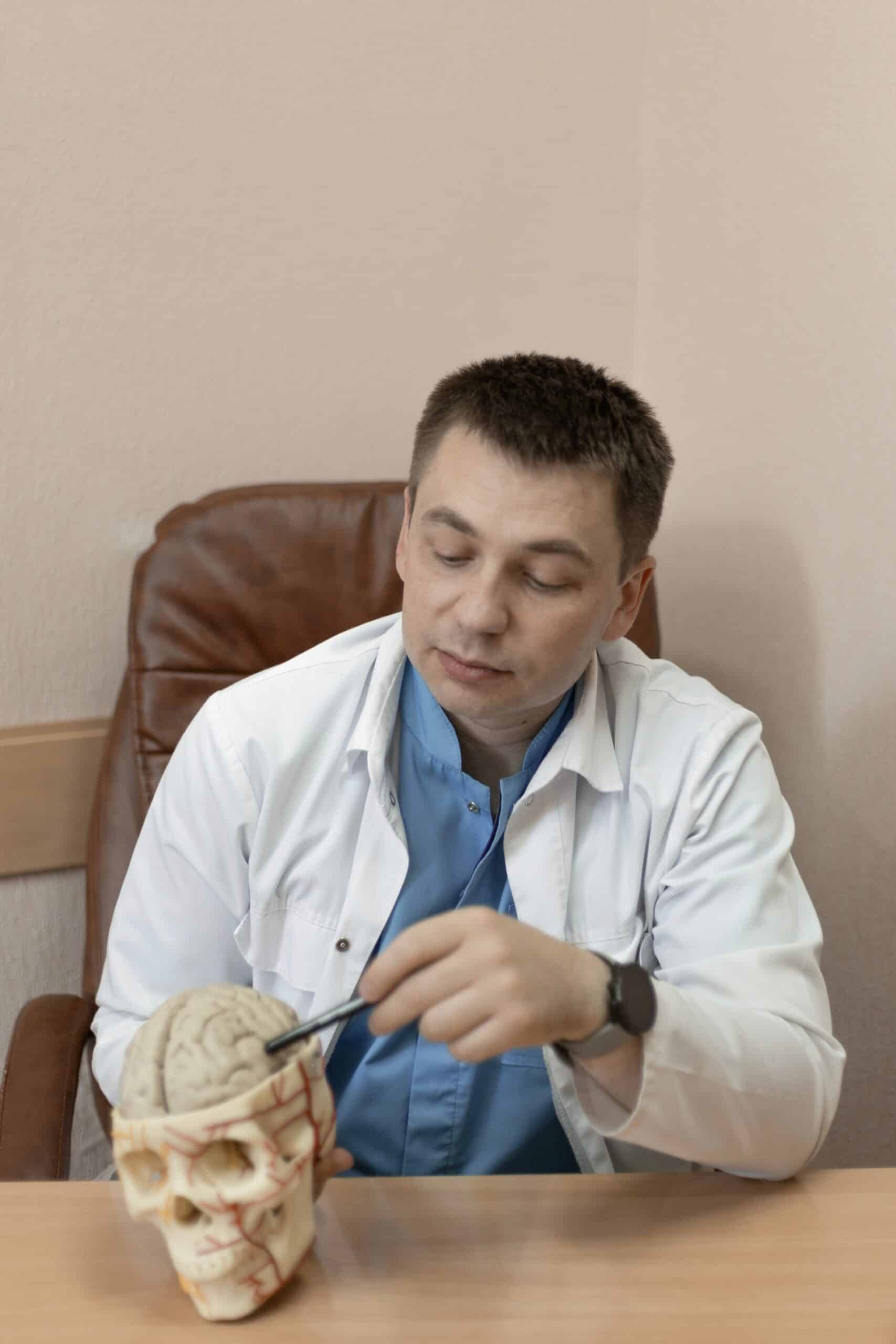
A neurosurgeon is a medical expert who finds and treats conditions affecting the nervous system. This includes the brain, spinal cord, and nerves. Every year, over 100,000 neurosurgeries are done in the United States. These doctors are key in helping patients live better lives.
Neurosurgeons use surgical and nonsurgical interventions to treat many issues. This includes brain tumors, spinal cord injuries, and epilepsy. They are skilled in doing aneurysm clipping and spinal cord surgery. These procedures need a lot of precision and skill.
Key Takeaways
- Neurosurgeons diagnose and treat conditions affecting the nervous system.
- Surgical and nonsurgical interventions are used to address various conditions.
- Brain tumor removal is a common neurosurgical procedure.
- Aneurysm clipping and spinal cord surgery require great precision.
- Epilepsy surgical intervention can significantly improve patients’ lives.
Understanding the Role of a Neurosurgeon

A neurosurgeon is a highly trained medical specialist. They focus on surgical interventions for neurological disorders. They go through extensive education and training to master complex surgical procedures.
Education and Training Requirements
Neurosurgeons go through a tough training process. They complete medical school and then six years of Royal College-approved training (Source: Third web source). This training prepares them to handle a wide range of neurological conditions.
Difference Between Neurosurgeons and Neurologists
Neurosurgeons and neurologists both deal with neurological disorders. But they approach it differently. Neurologists use non-surgical methods to treat conditions. On the other hand, neurosurgeons specialize in surgical interventions. Understanding this distinction is key for patients to get the right care.
Specialist | Primary Focus | Treatment Approach |
Neurosurgeon | Surgical interventions for neurological disorders | Surgical |
Neurologist | Diagnosis and treatment of neurological conditions | Non-surgical |
When to Consult a Neurosurgeon
Patients should see a neurosurgeon for conditions needing surgery. This includes brain or spinal tumors, cerebrovascular disorders, or traumatic injuries. A neurosurgeon can advise on the best treatment options.
“The decision to undergo surgery should be made after thorough consultation with a neurosurgeon, considering the risks and benefits of the procedure.” –
A renowned neurosurgeon
Common Conditions Requiring Neurosurgical Intervention

Neurosurgery deals with many conditions, like brain injuries and spine problems. Neurosurgeons can diagnose and treat complex issues affecting the brain, spinal cord, and nervous system.
Brain and Spinal Cord Tumors
Brain and spinal cord tumors are abnormal growths. They can be harmless or cancerous. Neurosurgeons remove these tumors to ease pressure and improve patient health.
Cerebrovascular Disorders
Cerebrovascular disorders affect the brain’s blood vessels. They can be serious if not treated. Neurosurgeons use clipping and coiling to manage these issues.
Traumatic Brain and Spinal Injuries
Traumatic injuries damage the brain or spinal cord. Neurosurgeons are key in treating these injuries. They perform surgeries to repair tissues and help restore function.
Degenerative Spine Conditions
Degenerative spine conditions, like herniated discs, cause pain and disability. Neurosurgeons use surgeries like spinal fusion to help. They aim to improve quality of life.
Condition | Description | Neurosurgical Intervention |
Brain Tumors | Abnormal growths in the brain | Surgical removal to relieve pressure |
Cerebrovascular Disorders | Aneurysms, arteriovenous malformations | Clipping, coiling, and other endovascular techniques |
Traumatic Brain Injuries | Damage from external forces | Surgery to repair damaged tissues |
Degenerative Spine Conditions | Herniated discs, spinal stenosis | Spinal fusion, decompression surgery |
Diagnostic Procedures in Neurosurgery
Diagnosing neurological disorders requires advanced neuroimaging and detailed clinical exams.
Neuroimaging Techniques
Neuroimaging is key in finding neurological issues. It uses different methods to show the brain and spinal cord clearly.
MRI and CT Scans
MRI (Magnetic Resonance Imaging) and CT (Computed Tomography) scans are main tools. MRI shows soft tissues well, while CT scans are better for bones and bleeding.
Angiography
Angiography helps see brain blood vessels. It spots problems like aneurysms and malformations.
Neurological Examination
A detailed neurological examination checks brain function. It looks at thinking, nerve function, and how muscles and senses work.
Electrophysiological Studies
Electrophysiological studies like EEG and EMG check brain and muscle electrical activity. They help find issues like epilepsy and nerve problems.
These tests are vital for correct diagnosis and treatment plans in neurosurgery.
Brain Tumor Removal Techniques
Removing brain tumors needs careful and precise methods. Often, surgical resection or awake craniotomy are used. Neurosurgeons must think about the tumor’s size, location, and type to choose the best surgery.
Surgical Resection Approaches
Surgical resection is a main way to remove brain tumors. The aim is to take out as much tumor as possible without harming nearby brain tissue. The method depends on where the tumor is and how easy it is to reach.
Awake Craniotomy
An awake craniotomy lets the patient stay awake during surgery. It’s very helpful for tumors close to important brain areas. This way, the neurosurgeon can check the patient’s brain function as they work.
Intracranial Tumor Resection
Intracranial tumor resection means removing tumors inside the brain. The neurosurgeon uses advanced imaging and tools to find and remove the tumor accurately.
Post-Surgical Adjuvant Therapies
After surgery, post-surgical adjuvant therapies like radiation or chemotherapy might be suggested. These treatments aim to kill any tumor cells left behind. The choice of treatment depends on the tumor type, how aggressive it is, and the patient’s health.
A leading neurosurgeon says, “The secret to successful brain tumor removal is teamwork. It combines surgery skills, modern technology, and care after surgery.”
“Advances in neurosurgery have greatly improved patient results, giving new hope to those with brain tumors.”
Neurosurgeon Treatment Approaches for Spine Disorders
Neurosurgeons use many treatments for spine disorders to help patients. These disorders include spinal disc herniation, degenerative spine issues, and nerve root compression. Each condition needs a specific treatment plan.
Spinal Disc Herniation Procedures
Spinal disc herniation happens when the soft part of the disc leaks out. Neurosurgeons perform discectomy to remove the herniated part. A study found that surgery can greatly improve symptoms and quality of life for those who don’t get better with other treatments.
“Surgical intervention for lumbar disc herniation is effective in relieving symptoms and improving function,”
as a leading neurosurgical journal noted.
Spinal Fusion Surgery
Spinal fusion surgery joins two or more vertebrae to stabilize the spine and reduce pain. It’s used for conditions like spondylolisthesis or severe degenerative disc disease. Neurosurgeons use bone grafts, rods, or screws to help the vertebrae fuse.
Nerve Root Compression Surgery
Nerve root compression happens when a nerve is squeezed, often by a herniated disc or bone spur. Surgery is needed to relieve the pressure and restore function. Techniques like laminectomy or foraminotomy are used to create more space for the nerve.
Spine Structural Correction
For spinal deformity or structural issues, spine structural correction is needed. This can involve complex surgeries like osteotomy or spinal reconstruction. These surgeries aim to realign the spine and improve function and appearance.
Neurosurgeons work with patients to find the best treatment. They consider the condition, overall health, and lifestyle. With advanced diagnostic tools and surgical techniques, neurosurgeons can greatly improve outcomes for patients with spine disorders.
Cerebrovascular Disease Treatment
Neurosurgeons lead in treating cerebrovascular diseases. They use the latest technology and methods. These diseases affect the brain’s blood vessels, like aneurysms and malformations.
Aneurysm Clipping and Coiling
Clipping and coiling are key treatments for aneurysms. Clipping involves placing a clip on the aneurysm’s neck to stop bleeding. Coiling is a less invasive method where coils fill the aneurysm to prevent rupture.
Arteriovenous Malformation Repair
Repairing AVMs is a complex task. It involves fixing the abnormal artery-vein connection in the brain. Treatments include surgery, endovascular embolization, and radiosurgery.
Brain Hemorrhage Intervention
Intervening in brain hemorrhages is vital. Neurosurgeons might surgically remove the hematoma or use minimally invasive methods to ease brain pressure.
Cerebral Vascular Malformation Treatment
Treating cerebral vascular malformations requires a tailored approach. Treatments include surgery, endovascular methods, and radiosurgery, based on the malformation’s specifics.
Treatment | Description | Indications |
Aneurysm Clipping | Surgical placement of a clip around the aneurysm neck | Large aneurysms, ruptured aneurysms |
Arteriovenous Malformation Repair | Surgical removal or closure of AVM | Symptomatic AVMs, ruptured AVMs |
Brain Hemorrhage Intervention | Surgical evacuation or minimally invasive relief of pressure | Large hematomas, increased intracranial pressure |
Functional Neurosurgery for Movement Disorders
Functional neurosurgery has changed how we treat movement disorders. It brings new hope to those with severe conditions. Disorders like Parkinson’s disease, essential tremor, and dystonia greatly affect a person’s life. This surgery aims to reduce symptoms and improve movement.
Deep Brain Stimulation
Deep brain stimulation (DBS) is a major part of functional neurosurgery. It involves putting electrodes in the brain to control abnormal activity. This method has shown to lessen symptoms of Parkinson’s disease, essential tremor, and dystonia.
Surgical Treatment for Parkinson’s Disease
Parkinson’s disease is a condition that gets worse over time. Surgery, including DBS, can help manage its symptoms. This can improve a patient’s life quality by reducing tremors, rigidity, and slow movements.
Essential Tremor Interventions
Essential tremor causes involuntary shaking, usually in the hands. Functional neurosurgery, like DBS, can greatly help those with this condition.
Dystonia Management
Dystonia is a disorder where muscles contract without control. Surgery, including DBS, can manage its symptoms. This improves movement and reduces pain.
Functional neurosurgery has greatly improved treatment for movement disorders. It offers patients new and effective ways to manage their conditions.
Epilepsy Surgical Intervention
Surgical options are key for treating epilepsy that doesn’t get better with medicine. Neurosurgeons use different methods to help patients with drug-resistant epilepsy.
Seizure Focus Resection
Seizure focus resection removes the brain area where seizures start. It works best for those with a clear seizure focus. Advanced neuroimaging techniques help find the exact spot.
Vagus Nerve Stimulation
Vagus nerve stimulation (VNS) involves a device that sends electrical impulses to the vagus nerve. It can lower seizure frequency for some patients. The treatment can be adjusted for each person’s needs.
Corpus Callosotomy
Corpus callosotomy cuts or partially divides the corpus callosum. This is a major bridge between the brain’s hemispheres. It’s considered for those with severe, widespread seizures.
Responsive Neurostimulation
Responsive neurostimulation (RNS) implants a device that detects and stops abnormal brain activity. It has shown to reduce seizures. This is a new and promising treatment.
Surgical Intervention | Description | Benefit |
Seizure Focus Resection | Removal of seizure-causing brain area | Potential for complete seizure elimination |
Vagus Nerve Stimulation | Electrical stimulation of the vagus nerve | Reduction in seizure frequency |
Corpus Callosotomy | Sectioning of the corpus callosum | Reduction in severity and frequency of generalized seizures |
Responsive Neurostimulation | Device detects and responds to abnormal brain activity | Adaptive seizure prevention |
Pediatric Neurological Corrections
Neurosurgeons who focus on kids are key in treating brain issues. They handle hydrocephalus and cerebral palsy. These conditions need careful surgery to help symptoms.
Pediatric neurological corrections include many surgeries. Here are some main areas:
Hydrocephalus Surgical Management
Hydrocephalus is when too much fluid builds up in the brain. This causes high pressure. Doctors use a shunt to drain the fluid.
Congenital Brain Malformation Repairability
Congenital brain malformations happen before birth. Surgery can greatly help kids with these issues.
Pediatric Brain Tumor Approaches
Pediatric brain tumors need special surgery. Neurosurgeons use new methods to remove tumors safely.
Cerebral Palsy Surgical Options
Cerebral palsy affects movement and muscle tone. Surgery, like selective dorsal rhizotomy, can help symptoms and improve life.
Condition | Surgical Intervention | Goal |
Hydrocephalus | Shunt placement | Drain excess CSF |
Congenital Brain Malformations | Surgical repair | Correct developmental abnormalities |
Pediatric Brain Tumors | Tumor resection | Remove tumor, preserve brain tissue |
Cerebral Palsy | Selective dorsal rhizotomy | Alleviate symptoms, improve mobility |
Peripheral Nerve Surgery
Peripheral nerve surgery is a special field that deals with nerves outside the brain and spinal cord. Neurosurgeons do these precise surgeries to fix nerve problems. This helps patients live better lives.
Nerve Decompression Techniques
Nerve decompression is a surgery to take pressure off a nerve. It’s done in different ways, like:
- Releasing tight tissues
- Removing tumors or cysts that press on the nerve
- Moving the nerve to a safer spot
Peripheral Nerve Injury Reconstruction
Fixing damaged nerves is called peripheral nerve injury reconstruction. The methods include:
- Using nerve grafts to connect gaps
- Transferring nerves to fix functions
- Doing nerve decompression to ease pressure
Cranial Nerve Reconstruction
Cranial nerve reconstruction is a detailed surgery. It’s for fixing damaged cranial nerves. This helps restore function and ease symptoms.
Trigeminal Neuralgia Management
Managing trigeminal neuralgia involves surgery for those who can’t get relief from meds. The surgeries include:
- Microvascular decompression to ease pressure on the trigeminal nerve
- Gamma Knife radiosurgery for precise nerve treatment
These surgeries give hope to those with nerve disorders. They offer relief and better function.
Skull Base and Pituitary Tumor Surgery
Dealing with skull base and pituitary tumors needs a deep understanding of the complex anatomy. Neurosurgeons must master various techniques to safely treat these conditions.
Approaches to the Skull Base
Surgeons pick different ways to reach the skull base, based on the tumor’s location and size. They use endoscopic endonasal approaches for less invasive surgery through the nose. They also use open craniotomies, opening the skull to directly access the tumor.
Pituitary Tumor Removal
Pituitary tumors are usually removed through transsphenoidal surgery. This method accesses the gland through the sphenoid sinus. It reduces the risk of damage and shortens recovery time.
Acoustic Neuroma Treatment
Acoustic neuromas are benign tumors on the nerve from the inner ear to the brain. Treatment includes microsurgery and stereotactic radiosurgery. These aim to remove or shrink the tumor, keeping hearing and facial nerve function intact.
Microsurgical Nerve Techniques
Microsurgical techniques are key in neurosurgery, allowing for precise nerve dissection and repair. These are vital in skull base surgery, where nerves are near tumors.
Minimally Invasive Neurosurgical Techniques
Today, neurosurgeons use new, less invasive methods to treat brain and spine problems. These methods cause less damage, cut down recovery time, and lead to better results for patients.
Endoscopic Neurological Interventions
Endoscopic neurosurgery uses a thin, flexible tube with a camera and light. It lets doctors see and work on areas in the brain or spine. This method is great for things like third ventriculostomy and tumor biopsies.
Stereotactic Neurosurgery
Stereotactic neurosurgery uses a three-dimensional system to find and reach small spots in the brain. It’s key for deep brain stimulation and biopsies. This way, doctors can work with great precision and little harm to the surrounding tissue.
Gamma Knife Radiosurgery
Gamma Knife radiosurgery is a way to treat brain areas with focused radiation without surgery. It’s used for tumors, arteriovenous malformations, and more. This method is safe and effective.
Laser Interstitial Thermal Therapy
Laser interstitial thermal therapy (LITT) uses a laser to heat and kill specific brain tissue. It’s used for some brain tumors and epilepsy by removing the seizure focus. This technique is precise and minimally invasive.
Technique | Application | Benefits |
Endoscopic Neurosurgery | Tumor biopsies, third ventriculostomy | Minimally invasive, reduced recovery time |
Stereotactic Neurosurgery | Deep brain stimulation, biopsy | High precision, minimal tissue damage |
Gamma Knife Radiosurgery | Tumors, AVMs | Non-invasive, precise radiation delivery |
Laser Interstitial Thermal Therapy | Brain tumors, epilepsy | Minimally invasive, targeted tissue ablation |
These new neurosurgical techniques are big steps forward in treating brain and spine issues. They offer safer and more effective treatments for patients.
Advanced Technologies in Neurosurgery
Neurosurgery is changing thanks to new technologies. These tools help doctors do surgeries more accurately and effectively. Now, neurosurgeons use advanced tools and methods to get better results.
Robotic-Assisted Neurosurgical Techniques
Robotic-assisted neurosurgery is a big step forward. It gives surgeons more control and precision. Robotic systems help doctors do complex surgeries with less invasion. This means patients recover faster and do better.
Intraoperative Imaging
Intraoperative imaging lets surgeons see the brain and spinal cord live during surgery. This is key for ensuring the accuracy of surgeries. It also lets doctors make changes as they go.
Neuronavigation Systems
Neuronavigation systems give surgeons 3D images of the brain. This helps them navigate during tough surgeries. These systems are very useful for tumor resections and other precise operations.
Precision Neurosurgical Interventions
New technologies have made precision neurosurgical interventions possible. This means treatments that are more targeted and have fewer side effects. Examples include stereotactic radiosurgery and laser interstitial thermal therapy.
These advanced tools are changing neurosurgery for the better. They offer new hope for people with complex brain conditions. As these technologies get even better, they will likely make neurosurgery even more effective.
Neurological Pain Management
Chronic pain can be very hard to deal with. Neurosurgeons use many ways to manage it. They focus on finding and treating the pain’s source.
Spinal Cord Stimulation
Spinal cord stimulation is a method where a device sends electrical impulses to the spinal cord. This stops pain signals from reaching the brain. It’s very helpful for those with chronic pain who haven’t found relief elsewhere.
Intrathecal Drug Delivery
Intrathecal drug delivery involves a pump that sends medicine into the spinal fluid. This method targets pain more precisely. It can have fewer side effects than taking pills.
Nerve Compression Syndrome Repair
Nerve compression syndrome repair is a surgery to relieve nerve pressure. This can include carpal tunnel release or other surgeries. It aims to stop the pain caused by nerve pressure.
Complex Regional Pain Syndrome Treatment
Complex regional pain syndrome (CRPS) is a condition with chronic pain, usually in a limb. Treatment for CRPS includes many options. These range from medication to spinal cord stimulation.
Treatment | Description | Benefit |
Spinal Cord Stimulation | Implantable device sending electrical impulses to the spinal cord | Effective for chronic pain relief |
Intrathecal Drug Delivery | Implantable pump delivering medication into spinal fluid | Targeted pain relief with fewer side effects |
These treatments show the many ways to manage neurological pain. They offer hope to those with chronic pain.
Post-Operative Care and Rehabilitation
Good post-operative care is key for patients after neurosurgery. It affects their recovery and long-term health. Neurosurgeons offer detailed care, handling possible issues and helping patients get back to normal.
Intracranial Pressure Management
Keeping intracranial pressure (ICP) in check is vital for neurosurgery patients. High ICP can cause brain damage or even death. Doctors use medicines, ventricular drainage, and watch ICP levels to manage it.
Neurological Functional Restoration
Recovering neurological function is a main goal of post-op rehab. It includes physical, occupational, and speech therapy. These help patients regain skills and live independently again.
Physical and Occupational Therapy
Physical and occupational therapy are key in rehab for neurosurgery patients. They help patients get stronger, move better, and do daily tasks. This improves their life quality.
Long-term Follow-up Care
Long-term care is important to check on patients and handle any issues after they leave the hospital. This care ensures patients get the best results and recover well.
Conclusion: The Future of Neurosurgical Treatments
The field of neurosurgery is changing fast. New technology and methods are making treatments better. Techniques like robotic-assisted surgery and intraoperative imaging are making surgeries more precise and effective.
Now, treatments are tailored to each patient’s needs. This is key for complex medical conditions. The future looks bright, with ongoing research leading to new treatments for many neurological disorders.
As treatments get better, patients will see improved results and a better quality of life. The mix of new surgical approaches and techniques is vital. It offers hope for those with conditions that were once untreatable.
FAQ
What is the role of a neurosurgeon in treating brain and spinal conditions?
Neurosurgeons are experts who treat brain, spinal cord, and nervous system issues. They often use surgery to help patients.
What are the differences between a neurosurgeon and a neurologist?
Neurosurgeons can perform surgery. Neurologists focus on diagnosing and treating without surgery.
What are the common conditions that require neurosurgical intervention?
Neurosurgeons treat many conditions. These include brain and spinal tumors, stroke, brain injuries, and spine problems.
What diagnostic procedures are used in neurosurgery?
Neurosurgeons use MRI and CT scans. They also do neurological exams and electrophysiological studies.
What are the treatment options for brain tumors?
For brain tumors, surgery is often used. They might also use awake craniotomy and other treatments like radiation.
How are spine disorders treated by neurosurgeons?
Neurosurgeons fix spine problems with surgery. They repair herniated discs and fuse the spine. They also correct nerve compression and the spine’s structure.
What are the treatment approaches for cerebrovascular diseases?
For cerebrovascular diseases, they use clipping and coiling. They also repair malformations and treat hemorrhages.
How is deep brain stimulation used in treating movement disorders?
Deep brain stimulation helps with Parkinson’s and other movement disorders. It sends electrical impulses to the brain.
What are the surgical interventions used to treat epilepsy?
Surgery for epilepsy includes removing seizure focus and using vagus nerve stimulation. They also do corpus callosotomy and responsive neurostimulation.
How are pediatric neurological conditions treated by neurosurgeons?
Neurosurgeons treat kids’ brain problems with surgery. They manage hydrocephalus and repair malformations. They also treat brain tumors and cerebral palsy.
What are the surgical techniques used to treat peripheral nerve conditions?
For nerve problems, they do nerve decompression and reconstruction. They also fix cranial nerves and manage trigeminal neuralgia.
What are the minimally invasive neurosurgical techniques used?
They use endoscopy and stereotactic surgery. They also do gamma knife radiosurgery and laser therapy.
How is neurological pain managed by neurosurgeons?
Neurosurgeons treat pain with spinal cord stimulation and drug delivery. They repair nerve compression and treat complex pain syndrome.
What is the importance of post-operative care and rehabilitation?
After surgery, care and rehab are key. They manage pressure, restore function, and help with recovery through therapy.
What are the advancements in neurosurgical treatments?
New techniques and approaches are being developed. This includes robotic-assisted surgery and precise interventions.
References
Neurosurgeon Treatment Approaches: Ultimate guide https://pmc.ncbi.nlm.nih.gov/articles/PMC10957582/