Last Updated on December 1, 2025 by Bilal Hasdemir

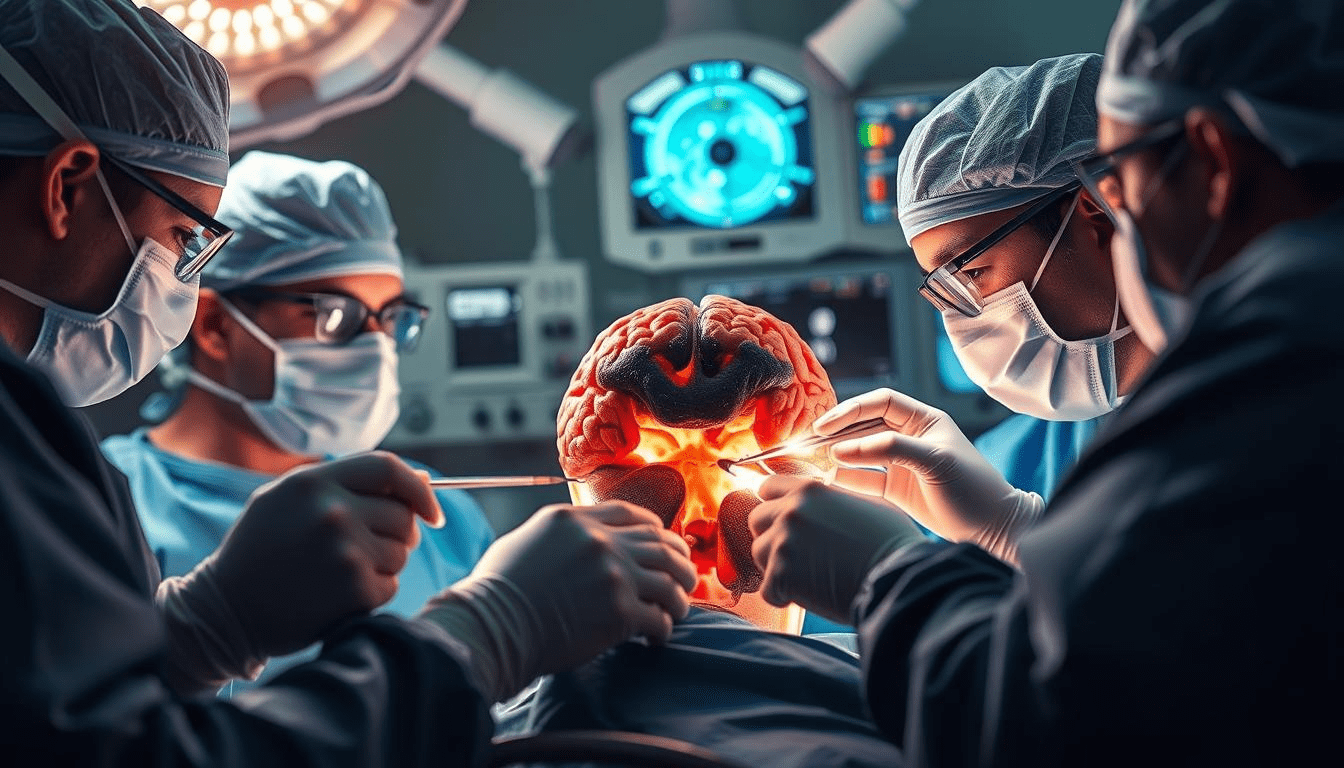
Did you know that neurosurgery times can vary a lot? They can last from a few hours to a whole day or even longer. The surgical procedure complexity and the patient’s health are key in figuring out how long it will take. Discover the surprising facts about Neurosurgery Operation Duration. Learn the critical factors that determine how long you’ll be in surgery.
It’s important for patients and their families to understand what affects the length of a neurosurgery operation. The surgical procedure complexity and neurosurgical risk assessment are big things neurosurgeons think about when they plan and do these complex surgeries.
Key Takeaways
- The duration of a neurosurgery operation can vary widely.
- Surgical procedure complexity affects the length of the operation.
- Patient condition and neurosurgical risk assessment are key factors.
- Knowing these helps patients and families get ready.
- Neurosurgeons carefully plan based on complexity and risk.
The Complexity of Neurosurgical Procedures
The brain and spine are very complex. Neurosurgery is about delicate and detailed operations. These need careful planning and precise execution.
The Delicate Nature of Brain and Spine Surgery
Brain and spine surgeries are very complex. The brain controls the body, and the spine sends nerve signals. Any surgery here must be done with great care.
The surgical complexity of neurosurgery is high. Surgeons must avoid damaging critical brain structures and spinal nerves.
Why Timing Matters in Neurosurgery
Timing in neurosurgery is very important. It affects the patient’s neurological condition during and after surgery. The length of the operation can have big effects.
Surgeons plan and do neurosurgical procedures with great care. They consider the patient’s condition and the operation’s complexity.
Understanding Neurosurgery Operation Duration

Neurosurgery operations are complex and can last from a few hours to over six hours. This depends on the procedure type and the patient’s health.
General Timeframes for Different Types of Procedures
Neurosurgeries vary in length. For example, a neuroendoscopy might be done in under an hour. But, surgeries like aneurysm clipping or tumor resections can take longer than six hours. The time needed depends on the patient’s health, the surgery’s complexity, and the surgeon’s skill.
Neurosurgical operations are grouped by their typical duration. Simple surgeries are quicker, while complex ones take longer.
Why Duration Estimates Vary Widely
Operation times in neurosurgery can differ a lot. This is because each patient’s situation is unique. The size and location of a tumor or the complexity of a vascular issue can greatly affect the surgery time.
Statistical Averages vs. Individual Cases
While statistical averages give a general idea of surgery time, they don’t always match individual cases. Surgeons and medical teams must look at the patient’s health and their condition’s specifics to estimate the surgery time more accurately.
It’s important to understand these differences for planning and patient communication. By considering both averages and unique case aspects, healthcare providers can give more accurate expectations and prepare better for the surgery.
Key Factors Influencing Operation Length
Many important things can change how long a neurosurgery operation takes. Knowing these factors is key for both doctors and patients before the surgery.
Patient-Specific Considerations
Things about the patient can really affect how long surgery lasts. This includes the patient’s age and overall health status. These can make the surgery more complex and longer.
Age and Overall Health Status
Older patients or those with health issues might need more time and care. For example, older adults might have blood vessels that are more fragile. This makes the surgery harder.
Previous Surgical History
A patient’s previous surgical history is also very important. If a patient has had surgery before, it can cause adhesions or scar tissue. This can make the current surgery more complicated and longer.
Anatomical Variations and Challenges
Every patient’s body is different, which can make surgery harder. These differences can make the surgery more complex and longer.
| Factor | Impact on Surgery Duration | Example |
| Age | Increased complexity due to health issues | Older patients may have more health problems |
| Previous Surgical History | Adhesions or scar tissue can complicate the procedure | Previous brain surgery may lead to adhesions |
| Anatomical Variations | Unique anatomy can require adjustments in technique | Aneurysm location may vary, affecting approach |
Doctors can better guess how long surgery will take by knowing these factors. This helps them prepare better. It also makes the surgery better for the patient.
Brain Tumor Resection Timeframes

Knowing how long a brain tumor surgery takes involves looking at several important factors. The time it takes can change a lot. This depends on the tumor’s type, grade, and where it is in the brain.
Duration Based on Tumor Characteristics
The type and grade of a brain tumor greatly affect surgery time. For example, glioblastomas, being very aggressive, might need longer surgeries than less aggressive tumors. The tumor’s structure also plays a big role. It can affect how the surgeon works and how long the surgery lasts.
Location Considerations: Deep vs. Surface Tumors
Tumors deep in the brain or in important brain areas are harder to deal with. Eloquent brain areas control important things like speech and movement. Surgery here needs to be very careful and precise, which can make the surgery longer. Tumors on the brain’s surface are easier to get to, which might make the surgery shorter.
Eloquent Brain Areas and Extended Timeframes
When surgery is in eloquent brain areas, it needs a lot of planning and care. Doctors might use awake craniotomy to protect important brain functions. This method can make the surgery longer but is key for the best results.
| Tumor Location | Typical Resection Time | Complexity Level |
| Surface Tumors | 2-4 hours | Low to Moderate |
| Deep-Seated Tumors | 4-6 hours | High |
| Tumors in Eloquent Areas | 4-8 hours | Very High |
The table shows the usual times and how hard the surgery is based on where the tumor is. Knowing this helps doctors and patients understand what to expect.
Spine Surgery Duration Expectations
Knowing how long spine surgery will take is important for both patients and doctors. The surgery’s length affects how well you prepare before, how the operating room is scheduled, and your recovery after.
Cervical, Thoracic, and Lumbar Procedure Times
How long spine surgery lasts depends on where in the spine it happens. Cervical spine surgeries, which are in the neck, are often simpler and shorter. For example, a cervical discectomy might last 1-2 hours.
Lumbar spine surgeries, like laminectomies or fusions, can take longer. They might last 2 to 4 hours or more, depending on how complex they are.
Single-Level vs. Multi-Level Interventions
The number of levels being operated on also matters. Single-level interventions, where just one vertebra is treated, usually take less time. For example, a single-level lumbar fusion might last 2-3 hours.
On the other hand, surgeries that involve more levels can take longer. A multi-level fusion could take over 4 hours.
Minimally Invasive vs. Traditional Open Approaches
The type of surgery also affects how long it lasts. Minimally invasive spine surgery (MISS) is often quicker and causes less damage. For example, a minimally invasive discectomy might last 1-2 hours.
Traditional open surgeries, which require more exposure, can take longer. They might need more time because of the bigger incisions and muscle disruption.
- Minimally invasive procedures have smaller incisions and less muscle disruption.
- Traditional open surgeries offer wider exposure but may lead to longer recovery times.
In conclusion, the length of spine surgery depends on several factors. These include the spine region, the number of levels, and the surgical method. Knowing these can help set realistic expectations for both patients and surgeons.
Cerebrovascular Surgery Timeframes
Cerebrovascular surgery includes many complex procedures. These include aneurysm clipping and coiling, and the removal of AVMs and cavernomas. These surgeries are key for treating brain vascular conditions.
Aneurysm Clipping and Coiling Duration
Aneurysm clipping and coiling are main treatments for cerebral aneurysms. The time needed for these procedures depends on the aneurysm’s size, location, and complexity. Aneurysm clipping can take 2 to 6 hours. Endovascular coiling usually takes 1 to 3 hours.
AVM and Cavernoma Removal Times
Removing AVMs and cavernomas is also a key part of cerebrovascular surgery. The time needed depends on the malformation’s size, location, and depth. AVM removal can take 4 to 8 hours or more. Cavernoma removal times vary but are similar.
Emergency vs. Elective Vascular Procedures
The urgency of the procedure affects its duration. Emergency procedures, like those for ruptured aneurysms or AVMs, must be done quickly. They can be needed within hours of diagnosis. On the other hand, elective procedures have more preparation time. This can lead to better surgical conditions and times.
It’s important to understand the differences between emergency and elective cerebrovascular surgeries. This helps manage patient expectations and improve surgical outcomes.
Functional Neurosurgery Time Considerations
Functional neurosurgery includes many procedures that need careful planning and execution. These surgeries aim to treat conditions like movement disorders and epilepsy. They target specific brain areas.
Deep Brain Stimulation Installation
Deep Brain Stimulation (DBS) is used for diseases like Parkinson’s and essential tremor. The time it takes for DBS surgery varies. This depends on the case’s complexity and the need for tests during surgery.
DBS surgery involves several steps:
- Preoperative planning and imaging
- Intraoperative electrophysiological recording and stimulation
- Implantation of the DBS device
The whole process can last several hours. It often ranges from 4 to 6 hours per electrode implantation.
Epilepsy Surgery Duration Factors
Epilepsy surgery is a key part of functional neurosurgery. It aims to reduce or stop seizures in drug-resistant epilepsy patients. The surgery’s length depends on the procedure type and the need for mapping and monitoring during surgery.
Mapping and Monitoring Requirements
Intraoperative mapping and monitoring are vital in epilepsy surgery. They help find the seizure source and protect important brain areas. Tools like electrocorticography (ECoG) and functional MRI (fMRI) are used. These add to the surgery’s time but are key for success.
| Procedure | Typical Duration | Factors Influencing Duration |
| Deep Brain Stimulation | 4-6 hours | Complexity of the case, intraoperative testing |
| Epilepsy Surgery | 2-8 hours | Type of procedure, need for mapping and monitoring |
Pediatric Neurosurgery Special Timing Factors
The timing of neurosurgical operations in children is very important. Pediatric neurosurgery faces unique challenges. These include the child’s age and developmental stage.
Craniosynostosis and Congenital Malformation Repair
Craniosynostosis is a condition where the skull bones fuse too early. Surgery is needed. The timing depends on how severe it is and the child’s health. Early intervention can prevent problems like increased pressure and developmental delays.
Congenital malformations, like spina bifida, also need surgery. The timing depends on the malformation’s severity and any complications.
Hydrocephalus Treatment Timeframes
Hydrocephalus is when the brain has too much cerebrospinal fluid. A common treatment is putting in a shunt to drain it. The child’s age and size affect the surgery details and timing.
Age-Related Considerations in Children
The child’s age is key in deciding when to do neurosurgery. Younger kids might need more checks because of their growth stage. Important age-related factors include:
- The child’s overall health and developmental stage
- The severity of the condition being treated
- The presence of any associated complications
- The impact on growth and development after surgery
Advanced Technology’s Impact on Surgical Duration
Modern neurosurgery is changing fast thanks to new tech. Tools like intraoperative imaging, navigation systems, and robotic help are making surgeries better.
Intraoperative MRI and CT Scanning
Intraoperative MRI and CT scanning have made surgeries more precise. They let surgeons see what’s happening in real time. This means they can adjust their plan as they go.
These imaging tools can make surgeries longer because of the scans. But, they also help avoid mistakes and might make recovery faster.
Navigation Systems and Surgical Planning Tools
Navigation systems and planning tools are key in today’s neurosurgery. They help plan surgeries before they start and guide during the operation. This makes surgeries more accurate.
Robotic Assistance in Neurosurgery
Robotic help is getting more common in neurosurgery. Robots add precision, flexibility, and control. This lets surgeons do more complex surgeries with better results.
The table below shows how new tech changes neurosurgery:
| Technology | Impact on Surgical Duration | Benefits |
| Intraoperative MRI/CT | May add time for scanning | Improved precision, reduced complications |
| Navigation Systems | Streamlines procedure | Enhanced accuracy, better outcomes |
| Robotic Assistance | Can be more efficient | Increased precision, complex procedures feasible |
Pre-Surgical Preparation and Duration
Pre-surgical preparation is key for neurosurgery success. It involves several important steps that affect the surgery’s length. These steps are critical for the procedure’s success.
Anesthesia Induction and Positioning
Anesthesia induction is a vital step. The type of anesthesia and how the patient reacts to it can change the surgery’s length. Also, how the patient is positioned is important for reaching the surgical area. Wrong positioning can cause problems and make the surgery longer.
Proper patient positioning is essential to prevent nerve damage and ensure optimal surgical exposureProper patient positioning is essential to prevent nerve damage and ensure optimal surgical exposure.
Surgical Setup and Equipment Preparation
Setting up the surgical area and preparing equipment are also key. The team must make sure all needed tools are ready, clean, and work well. This includes neurosurgery tools, monitoring devices, and imaging equipment.
Patient-Specific Preparation Requirements
Every patient has unique needs before surgery. Things like age, medical history, and other health issues can affect how long preparation takes. For example, patients with bleeding problems may need extra steps to keep them safe during surgery.
| Preparation Element | Time Requirement | Factors Influencing Time |
| Anesthesia Induction | 15-30 minutes | Type of anesthesia, patient response |
| Patient Positioning | 10-20 minutes | Complexity of position, patient anatomy |
| Surgical Setup | 20-40 minutes | Equipment availability, team experience |
Good pre-surgical preparation is vital for safe and efficient neurosurgery. Knowing what affects preparation time helps teams plan better and use their resources well.
Intraoperative Monitoring and Extended Timeframes
Neurosurgeons use intraoperative monitoring to keep brain function safe during surgery. This is key to the success of complex operations.
Neurophysiological Monitoring Techniques
Techniques like electroencephalography (EEG) and electromyography (EMG) watch the nervous system live during surgery. They spot any damage early, helping surgeons make changes.
For example, EMG checks nerve roots during spinal surgery, lowering injury risk. EEG checks brain activity during brain surgeries.
Awake Craniotomy Procedures
An awake craniotomy lets the patient stay awake during surgery. It helps surgeons see how the brain works in real-time. This is key for surgeries near language or motor areas.
Language and Motor Mapping Duration
Mapping language and motor functions during awake craniotomies can make surgery longer. But, it’s critical for avoiding brain damage after surgery.
The time needed for mapping depends on the surgery’s complexity and the brain areas involved.
| Monitoring Technique | Typical Duration | Purpose |
| EEG | 30 minutes to 1 hour | Monitor cortical activity |
| EMG | 1-2 hours | Monitor nerve root function |
| Awake Craniotomy with Mapping | 2-4 hours | Identify critical brain areas |
A leading neurosurgeon says, “Intraoperative monitoring has changed neurosurgery. It lets us do complex surgeries more safely and accurately.”
“The use of advanced monitoring in neurosurgery has greatly improved patient results.”
Managing Complications and Time Extensions
Handling complications in neurosurgery is key. Issues like bleeding or unexpected findings can make the surgery longer. This affects the patient’s recovery and the team’s workload.
Bleeding Control and Management
Bleeding is a big problem in neurosurgery that needs quick action. Effective bleeding control comes from planning before surgery, techniques during it, and care after. Surgeons use special agents and careful surgery to stop bleeding.
| Bleeding Control Method | Description | Application |
| Hemostatic Agents | Substances used to promote blood clotting | Intraoperative bleeding control |
| Surgical Technique | Meticulous dissection and tissue handling | Preoperative and intraoperative |
| Postoperative Monitoring | Close observation for signs of bleeding | Postoperative care |
Unexpected Anatomical Findings
Surprises in anatomy can make surgery harder. Intraoperative decision-making is vital. Surgeons must adjust their plan based on new info.
Intraoperative Decision-Making Processes
Surgeons need to act fast and wisely with surprises. They assess the situation, talk with the team, and choose the best action. This ensures safety and the best results for the patient.
Good intraoperative decision-making is key to handling problems and keeping surgery on track. Experience, technology, and teamwork help surgeons deal with tough situations. This leads to successful surgeries.
Surgeon Experience and Procedural Efficiency
Surgeon experience is key in neurosurgery. It affects how long and successful operations are. Neurosurgery is complex and requires a lot of skill.
The Learning Curve in Neurosurgical Procedures
Neurosurgery is very specialized and has a steep learning curve. Surgeons spend years learning and practicing. The more they do, the faster and better they get.
Studies show that experienced surgeons have better results and shorter surgeries. This is because they have done more cases.
High-Volume Centers vs. Community Hospitals
High-volume centers do a lot of neurosurgery. They are more efficient and have better team work. These centers have teams that work together often, making surgeries smoother.
Community hospitals do fewer surgeries. This can make surgeries longer because the team doesn’t practice as much.
Team Coordination and Communication
Good team coordination is key in neurosurgery. A well-working team can make surgeries faster. They prepare better, work well during surgery, and take care of patients after.
High-volume centers are usually better at this because they work together a lot.
| Factor | High-Volume Centers | Community Hospitals |
| Surgeon Experience | High | Variable |
| Team Coordination | Excellent | Good |
| Procedural Efficiency | High | Variable |
In conclusion, the skill of the neurosurgeon and the team’s efficiency are very important. High-volume centers usually have better results and shorter surgeries because of their experience and teamwork.
Post-Operative Recovery Related to Operation Length
Recovery after neurosurgery depends on the surgery’s length and complexity. The operation’s duration affects both immediate and long-term recovery.
Immediate Recovery Timeframes
Right after surgery, patients need time to recover. Longer and more complex surgeries mean more ICU time for monitoring.
Staying in the ICU varies. But, it’s to watch for any complications or brain issues.
Long-Term Recovery Expectations
Recovery over time depends on the surgery type and length. More extensive surgeries take longer to recover strength and brain function.
Rehabilitation Needs Based on Procedure Duration
Rehab needs match the surgery’s length and complexity. Longer surgeries need more intense rehab programs.
| Procedure Duration | Rehabilitation Needs | Recovery Timeframe |
| Short ( | Minimal physical therapy | Several weeks |
| Moderate (2-4 hours) | Standard physical therapy | Several months |
| Long (> 4 hours) | Intensive rehabilitation program | Several months to a year or more |
Conclusion: The Balancing Act of Neurosurgical Timing
Neurosurgical timing is a delicate balance. It looks at the surgery’s complexity, the patient’s health, and the team’s skills. Getting the timing right is key for the best results.
The length of neurosurgery varies a lot. This depends on the surgery type, the patient’s needs, and if monitoring is needed during the surgery. Knowing these helps set realistic goals and makes the surgery more efficient.
For good neurosurgical timing, planning is key. The team must be precise and ready to handle surprises. By focusing on timing, surgeons can improve patient results and shorten recovery times.
The mix of surgery complexity and patient success shows how vital skill and technology are in neurosurgery. As surgery methods improve, focusing on timing will stay important for good outcomes.
FAQ
What is the average duration of a neurosurgery operation?
Neurosurgery operations can last from a few hours to several hours. This depends on the procedure type, complexity, and patient factors.
How does the complexity of a neurosurgical procedure impact its duration?
More complex procedures, like those for brain tumors or cerebrovascular conditions, take longer. This is because they are delicate and need precise monitoring.
What are the general timeframes for different types of neurosurgical procedures?
Timeframes vary. Spine surgeries can last 1 to 4 hours. Brain tumor resections can take 4 to 8 hours or more. Cerebrovascular surgeries, like aneurysm clipping, can last 4 to 6 hours.
How do patient-specific considerations influence the length of a neurosurgery operation?
Patient-specific factors, like anatomical variations and health status, affect operation length. These factors influence the surgical approach and duration.
What role does the surgeon’s expertise play in determining the duration of a neurosurgery operation?
A surgeon’s experience is key. More experienced surgeons work more efficiently. High-volume centers with experienced teams tend to have better outcomes.
How do advanced technologies impact the duration and outcomes of neurosurgical procedures?
Advanced technologies, like intraoperative imaging and navigation systems, improve precision and outcomes. They can also extend operation times.
What is the relationship between the duration of a neurosurgery operation and post-operative recovery?
Longer operations may lead to longer recovery times. But, recovery also depends on the patient’s condition and rehabilitation needs.
How does the type of neurosurgical procedure affect the operation duration?
Procedure type greatly affects duration. Minimally invasive spine surgeries are shorter. Deep brain stimulation procedures require more time for precise mapping and monitoring.
What are the factors that influence the duration of brain tumor resection surgeries?
Tumor type, grade, and location are key factors. Tumors in sensitive areas require longer times for precise surgery and monitoring.
How do cerebrovascular surgeries, such as aneurysm clipping, impact operation duration?
Cerebrovascular surgeries, like aneurysm clipping, are complex and take longer. They require precise techniques and monitoring for the best outcomes.
References
National Center for Biotechnology Information. Evidence-Based Medical Insight. Retrieved from https://pubmed.ncbi.nlm.nih.gov/25526613/