
No breast tenderness after embryo transfer
Embryo transfer is a big step for those trying to start a family. The two-week wait that follows is filled with hope and worry. People look for early signs of successful embryo transfer during this time.
At Liv Hospital, we know how important this period is. We want to help you understand what might happen. Signs like mild cramping and spotting could mean good news. But, they’re not sure signs yet.
We support our patients through this time with care and knowledge. Knowing about early signs can make the wait easier. It helps prepare you for what’s next.
Key Takeaways
- Common early signs of successful embryo transfer include mild cramping and spotting.
- Understanding these signs can help ease concerns during the two-week wait.
- Liv Hospital provides compassionate care and support throughout this period.
- Early pregnancy signs after IVF transfer can vary among individuals.
- Our team is dedicated to guiding patients through every step of their journey.
The Embryo Transfer Journey: From Procedure to Pregnancy Test
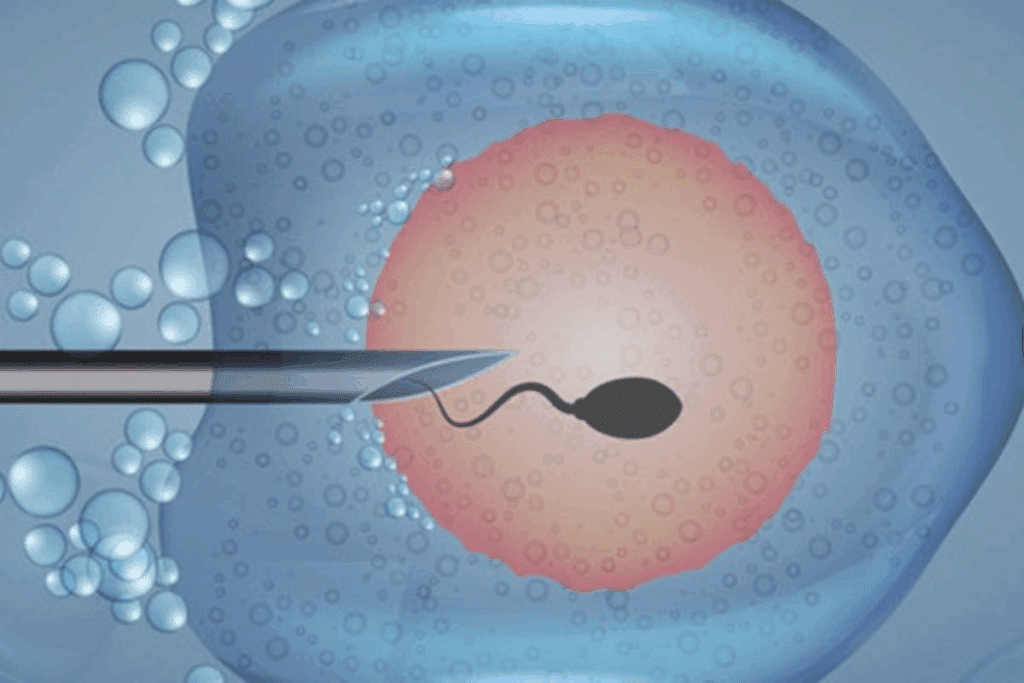
Embryo transfer is the first step towards becoming parents. It involves placing the embryo in the uterus. Then, a two-week wait follows before a pregnancy test can be done.
What Happens During an Embryo Transfer
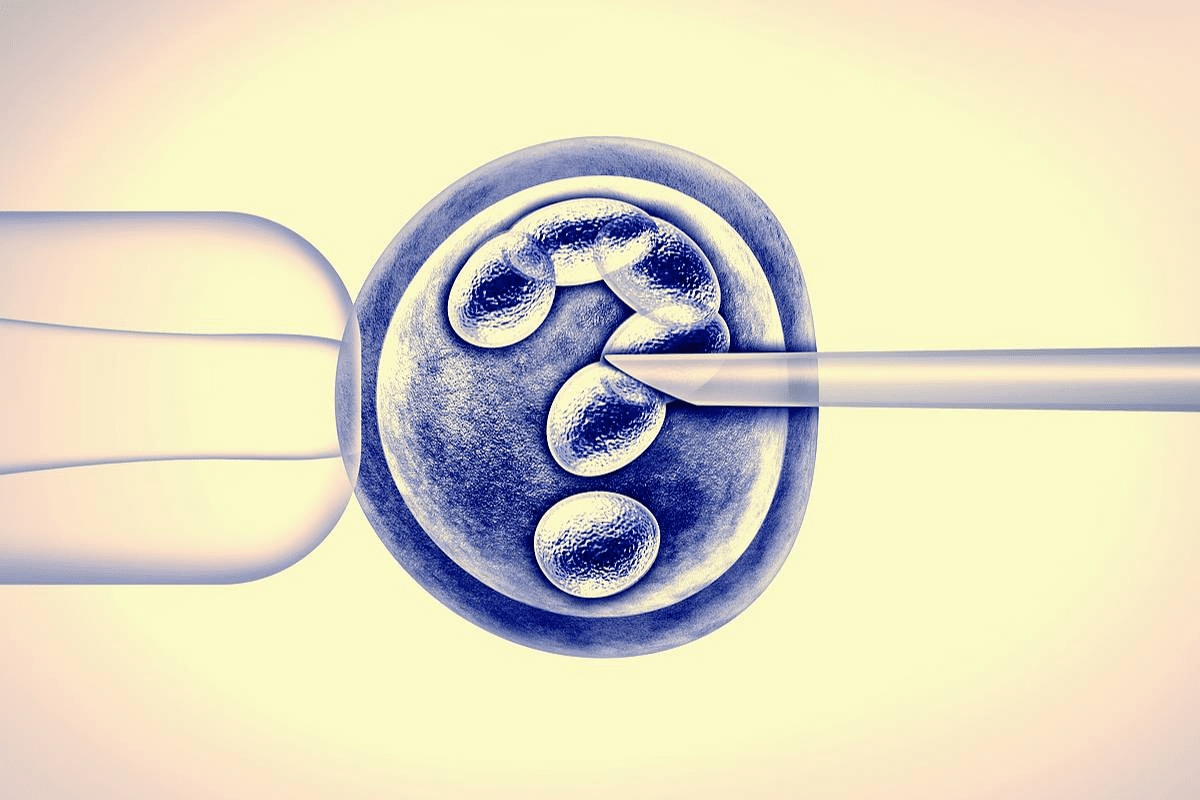
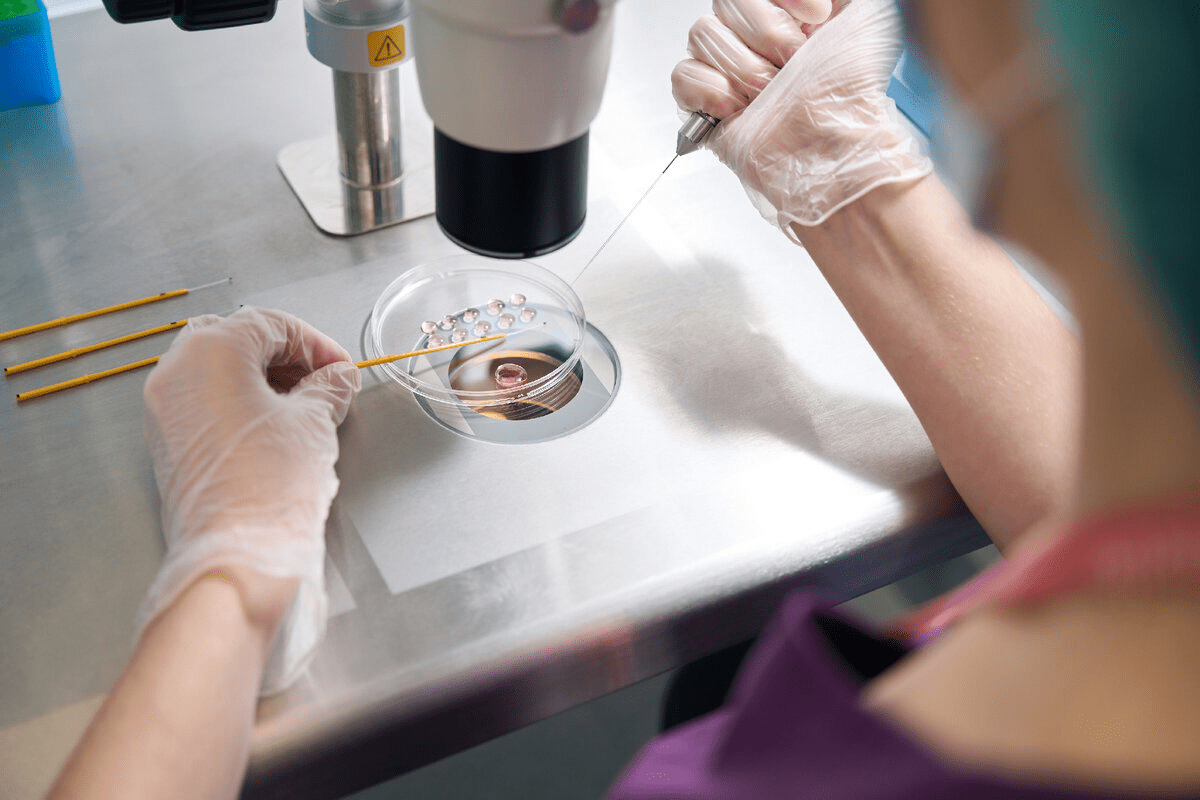
During an embryo transfer, the embryo is gently placed into the uterus using a catheter. This process is usually painless and doesn’t need anesthesia. Our team is here to make it as comfortable as possible for you.
The Critical Two-Week Waiting Period
The two weeks after the embryo transfer are very important. It’s a time of anticipation and anxiety as you wait for the pregnancy test. Here are some key things to consider during this time:
- Monitoring for early signs of pregnancy
- Managing emotional well-being
- Following post-transfer care instructions
Knowing what to expect can help ease some of the anxiety during this waiting period.
The Biology Behind Early Pregnancy Signs After IVF
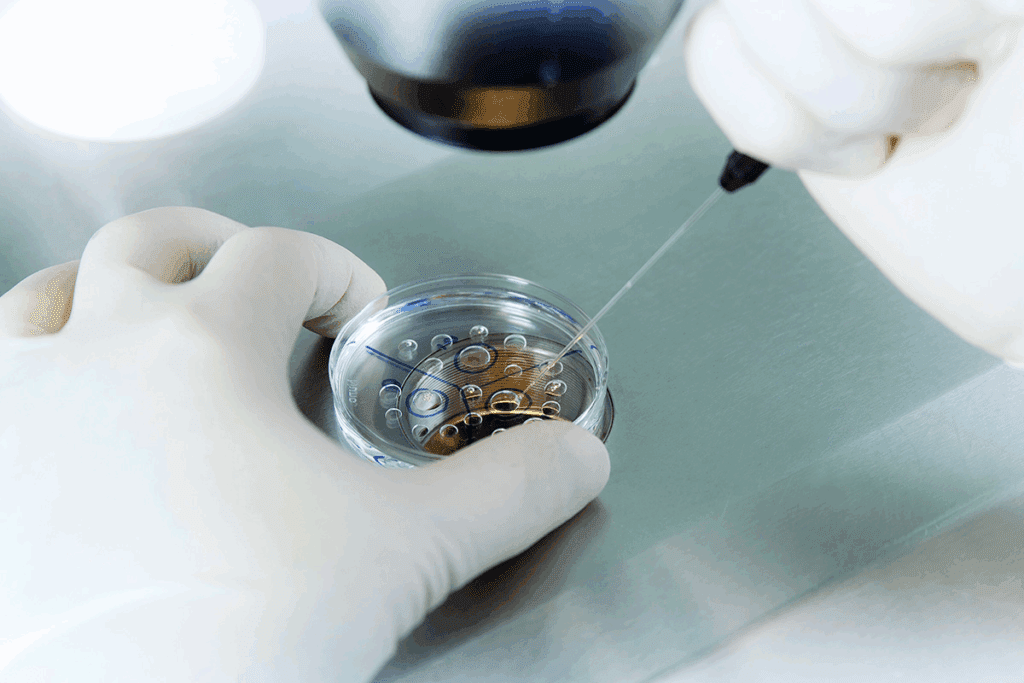
It’s important to know the biological steps after IVF to spot early pregnancy signs. After a successful embryo transfer, the body goes through changes that show if you’re pregnant.
How Implantation Occurs
Implantation is key in starting a pregnancy after IVF. It happens when the embryo sticks to the uterine lining. This action starts hormonal changes that help the embryo grow and produce pregnancy hormones.
Hormonal Changes Following Successful Transfer
After implantation, the body sees big hormonal shifts. The levels of human chorionic gonadotropin (hCG) go up, which is vital for keeping the pregnancy. These changes can cause early signs like mood swings, bloating, and tiredness.
| Hormone | Role in Pregnancy | Effects on the Body |
|---|---|---|
| hCG | Maintains the pregnancy | Increased levels can cause nausea and fatigue |
| Progesterone | Supports embryonic development | Can cause drowsiness and mood changes |
| Estrogen | Regulates fetal growth | May lead to breast tenderness and bloating |
Understanding these biological steps and hormonal shifts is key to spotting early pregnancy signs after IVF. Knowing these signs can help people better understand their IVF journey.
No Breast Tenderness After Embryo Transfer: What It Means
Many women going through IVF wonder if not feeling breast tenderness means it failed. Breast tenderness is a sign of pregnancy, but it’s not the only sign. Its presence or absence doesn’t tell us if the embryo transfer was successful.
Why Absence of Breast Changes Doesn’t Indicate Failure
Not feeling breast tenderness after embryo transfer doesn’t mean it failed. Hormonal changes after a successful transfer can be different for everyone. Some women might feel a lot of tenderness, while others might not feel anything.
When Breast Tenderness Typically Develops
Breast tenderness comes from hormonal changes, like more progesterone. It can start at different times for different women. It usually starts 1-2 weeks after the transfer, but it can vary.
Individual Variations in Hormone Sensitivity
How sensitive you are to hormones affects if you feel breast tenderness. Things like your hormone levels, how sensitive you are to them, and your body’s unique traits all play a part. Remember, not feeling tenderness doesn’t mean your IVF treatment failed.
Knowing this can help ease the worry during the two-week wait after the transfer. While tenderness can hint at pregnancy, not feeling it doesn’t mean it’s failed. We suggest looking for other early signs of pregnancy. And most importantly, wait for the pregnancy test to know for sure.
Mild Cramping: A Possible Sign of Implantation
After an embryo transfer, some women might feel mild cramping. This could mean the embryo is attaching to the uterine lining. Knowing about this cramping helps manage hopes during the wait.
5 Days Post Embryo Transfer Cramping Patterns
Cramping after an embryo transfer can differ for everyone. Some feel sharp, short cramps, while others have a dull ache that lasts. The type and how long it lasts can hint at its cause.
| Cramping Characteristics | Possible Interpretation |
|---|---|
| Mild, intermittent | Potential implantation cramping |
| Severe, persistent | Possible ovarian hyperstimulation syndrome (OHSS) or other complications |
| Localized to one side | May indicate implantation on that side |
Distinguishing Between Implantation Cramping and Medication Effects
It’s key to tell the difference between cramping from implantation and from fertility meds. Implantation cramping is usually mild and short. But, meds can cause more intense and lasting cramps.
When Cramping Might Signal a Concern
While some cramping is normal, severe or lasting cramps need a doctor’s check. Watch how long and how bad the cramping is. If it’s really bad or you have other symptoms, get help right away.
Implantation Spotting: Characteristics and Timing
After an embryo transfer, some wonder if they might see implantation spotting. This is a light bleeding that shows the embryo is attaching to the uterine lining. Not all women see this symptom, but it can mean the transfer was successful.
Characteristics of Implantation Spotting
Implantation spotting looks like light bleeding or spotting, often pink or brown. It’s much lighter than a regular period and can last a few hours to days. It usually happens 6-12 days after fertilization, or 4-10 days after the transfer.
No Spotting After IVF Transfer: It’s Not a Failure
Not seeing spotting after an IVF transfer doesn’t mean it failed. Many women who get pregnant after IVF don’t spot at all. Spotting is just one sign of a successful implantation, and it’s not the only one.
When Bleeding Requires Medical Attention
Light spotting is usually okay, but heavy bleeding or severe pain isn’t. If you have heavy bleeding or severe pain, call your fertility specialist right away.
| Characteristics | Normal Implantation Spotting | Concerning Bleeding |
|---|---|---|
| Color | Light pink or brown | Bright red |
| Amount | Light, spotting | Heavy, soaking pads |
| Duration | A few hours to a few days | Prolonged or increasing |
| Associated Symptoms | Mild cramping | Severe pain, clots |
Knowing about implantation spotting can help during the wait after an embryo transfer. But remember, every woman is different. Spotting or not spotting is just one thing that might affect your IVF cycle’s outcome.
Bloating After Embryo Transfer as an Early Indicator
Many women going through IVF notice bloating after embryo transfer. This could mean the embryo is implanting well. The discomfort is due to hormonal changes in the body.
Hormonal Causes of Abdominal Bloating
The main reason for bloating is the hormonal shift, mainly the rise in progesterone. This hormone gets the uterus ready for implantation and supports early pregnancy. But, it can also make you hold more water and cause gas, leading to bloating.
Even though bloating is a good sign, it doesn’t mean you’re definitely pregnant. But, it’s a common feeling for many women trying IVF.
Duration and Management of Bloating Symptoms
Bloating after embryo transfer can last from a few days to a couple of weeks. To manage it, you can make lifestyle changes and seek medical advice if needed.
| Management Strategies | Description |
|---|---|
| Dietary Changes | Avoid foods that cause gas and eat a balanced diet with fruits, veggies, and whole grains. |
| Hydration | Drink lots of water to help flush out your system and reduce bloating. |
| Physical Activity | Do gentle exercises like walking or yoga to help with digestion. |
Talk to your healthcare provider if you have severe or lasting bloating. They can give you advice and reassurance, helping you through your IVF journey.
Knowing why and how to manage bloating after embryo transfer can help women deal with it. This way, they can focus on the positive parts of their fertility treatment.
Gas and Flatulence After Embryo Transfer
Hormonal changes after an embryo transfer can cause gas and bloating. These symptoms are part of the body’s way of getting ready for a possible pregnancy.
Why Passing Gas Increases Following Transfer
The rise in progesterone levels after an embryo transfer slows down digestion. This leads to more gas and bloating. Progesterone makes the digestive muscles relax, slowing down food processing. This is a natural part of early pregnancy but can be uncomfortable.
Managing Digestive Discomfort During Early Pregnancy
To ease gas and flatulence, eat a balanced diet full of fiber. Drink plenty of water and do gentle exercises. Avoid foods like beans and cabbage that can cause gas. If needed, talk to your doctor about over-the-counter remedies during early pregnancy.
When Digestive Symptoms Typically Appear
Digestive issues can start a few days after the embryo transfer. They might last through the first trimester. But, how bad and long they last can vary. Some women feel better after the first trimester, while others may have ongoing discomfort.
Fatigue and Energy Changes: 4DP5DT to 6DPT Symptoms
The time between 4DP5DT and 6DPT can bring big changes in energy for women going through IVF. Hormonal shifts from embryo implantation can make you feel very tired.
The Onset of Pregnancy-Related Tiredness
Pregnancy tiredness usually starts when the embryo implants, around 6-10 days after fertilization. This tiredness comes from higher progesterone levels, which can make you feel sleepy.
Balancing Rest and Normal Activities
It’s key to listen to your body and rest when you need to. But stopping all activities is not good. Maintaining a balance between rest and light exercise helps manage tiredness. Try adding relaxation methods like meditation or deep breathing to your day.
Distinguishing Between Stress Fatigue and Pregnancy Fatigue
Telling stress fatigue from early pregnancy fatigue can be hard. Stress fatigue often feels more mental, with anxiety and restlessness. Pregnancy fatigue is more physical, feeling like deep exhaustion.
Signs your tiredness might be from pregnancy include:
- A constant feeling of tiredness that rest doesn’t fix
- Physical signs like tender breasts or mild cramps
- A general feeling of being “drained”
Timeline of Early Signs: From 3DPT to 28 Days After Transfer
After embryo transfer, you might notice physical changes that could mean you’re pregnant. Knowing these signs and when they happen can give you insight into your pregnancy’s progress.
3DPT Symptoms: What Happens Immediately
At 3 days post-transfer (3DPT), some women might feel mild symptoms. These could be slight cramping or spotting. But, many women don’t feel anything during this early time.
First Week Milestones (4DP5DT to 7DPT)
In the first week after transfer, symptoms can get stronger for some. You might feel:
- Mild cramping
- Spotting or light bleeding
- Bloating and gas
- Fatigue
These feelings come from hormonal changes and the embryo implanting itself.
Second Week Changes and Beyond
By the second week (around 7-14 days post-transfer), symptoms can become more obvious. You might notice breast tenderness, more trips to the bathroom, and mood swings. By 28 days after transfer, many women know they’re pregnant and feel these symptoms more strongly.
Remember, every woman’s experience is different. Having or not having these symptoms doesn’t mean your embryo transfer was successful or not.
Signs of Successful Embryo Transfer: Variations Among Patients
After an embryo transfer, patients may notice a range of symptoms, or perhaps none at all. This variability can be attributed to individual differences in hormonal sensitivity and overall health.
Why Some Experience All Symptoms While Others Have None
The experience of symptoms after embryo transfer is highly subjective. Some patients may experience several early signs of pregnancy, while others may not notice any significant changes. Research suggests that this variability is normal and can be influenced by factors such as hormone levels and individual sensitivity to hormonal changes.
Early Signs of Pregnancy After Blastocyst Transfer
When it comes to blastocyst transfer, the timing and intensity of early pregnancy signs can differ. Some common symptoms include mild cramping, bloating, and fatigue. But, the absence of these symptoms doesn’t necessarily indicate an unsuccessful transfer.
Research on Symptom Prevalence in Successful IVF
Studies have shown that the prevalence of symptoms in successful IVF cases varies widely. A key finding is that the presence or absence of symptoms doesn’t reliably predict the success of the embryo transfer. We emphasize that each patient’s journey is unique, and the presence or absence of symptoms should not be a cause for undue concern.
- Variability in symptoms is normal after embryo transfer.
- The presence or absence of symptoms doesn’t predict IVF success.
- Individual factors influence the experience of early pregnancy signs.
Liv Hospital’s Approach to Supporting Patients During the Wait
Liv Hospital is dedicated to helping patients through their IVF journey, including the waiting time. We know this period can be filled with worry and doubt. We aim to offer both medical and emotional support.
Medical Monitoring and Testing Protocols
Our medical team keeps a close eye on patients during the wait. They make sure any needed tests or actions are done quickly. This helps reduce worries and aims for the best results.
Emotional Support Resources
We know the emotional side of IVF is just as key as the medical. Liv Hospital offers emotional support, like counseling and support groups. These help patients get through this tough time.
When to Contact Your Fertility Specialist
It’s important for patients to know when to contact their fertility specialist. We give clear advice on this. This way, patients feel supported and know what to expect during the wait.
At Liv Hospital, we treat more than just infertility; we care for people. Our full approach to IVF, including the waiting period, aims to give the best care and support.
Conclusion: Embracing the Uniqueness of Your IVF Journey
Every person’s IVF journey is different. It’s key to understand this to manage your hopes and feelings during the process. We’ve seen how signs of a successful embryo transfer can vary a lot from one person to another.
At Liv Hospital, we know how important emotional support is during IVF. Our care goes beyond just medical treatment. We offer emotional guidance and resources to help you through tough times.
The IVF journey is both physically and emotionally challenging. By recognizing the uniqueness of each experience and providing personalized support, we help our patients stay strong and confident.
Remember, your IVF journey is your own, and comparing it to others won’t help. Keep an eye on your own progress. And don’t be afraid to ask for help from your fertility specialist or support groups when you need it.
FAQ
What are the early signs of successful embryo transfer?
Early signs might include mild cramping, bloating, and breast tenderness. You might also feel tired or notice spotting. But remember, not everyone gets all these signs. And having them doesn’t always mean the transfer was successful.
Is it normal to experience gas and flatulence after embryo transfer?
Yes, gas and flatulence can happen due to hormonal changes. You can try changing your diet or using relaxation techniques to feel better.
What does mild cramping after embryo transfer indicate?
Mild cramping might mean implantation is happening. But it could also be from the procedure or hormonal shifts. If the cramping is bad or lasts a long time, talk to a fertility expert.
Is no spotting after IVF transfer a sign of failure?
No, not spotting doesn’t mean the transfer failed. Not all women experience implantation spotting. Its presence or absence doesn’t confirm success.
How long do early signs of pregnancy last after embryo transfer?
Early signs can last differently for everyone. Some symptoms, like bloating, might stay through the first trimester. Others, like fatigue, might change. Usually, these signs get better after a few weeks.
Can I experience breast tenderness after embryo transfer if I’m not pregnant?
Yes, breast tenderness can happen from hormonal changes from IVF meds. Not having it doesn’t mean the transfer failed.
When should I contact my fertility specialist during the two-week waiting period?
Call your specialist if you have severe symptoms like heavy bleeding or fever. Or if you’re worried about your symptoms or the IVF process.
How does Liv Hospital support patients during the waiting period after embryo transfer?
Liv Hospital offers medical monitoring, emotional support, and advice on when to contact your specialist. They help you through the waiting period and any symptoms.
Are the symptoms of successful embryo transfer the same for everyone?
No, symptoms can vary a lot. Some people might have all the usual signs, while others might have few or none. Studies show that symptom prevalence can differ among successful IVF women.
References
National Center for Biotechnology Information. (2025). 7 Early Signs of Successful Embryo Transfer What. Retrieved from https://pubmed.ncbi.nlm.nih.gov/33801104/