Last Updated on November 26, 2025 by Bilal Hasdemir
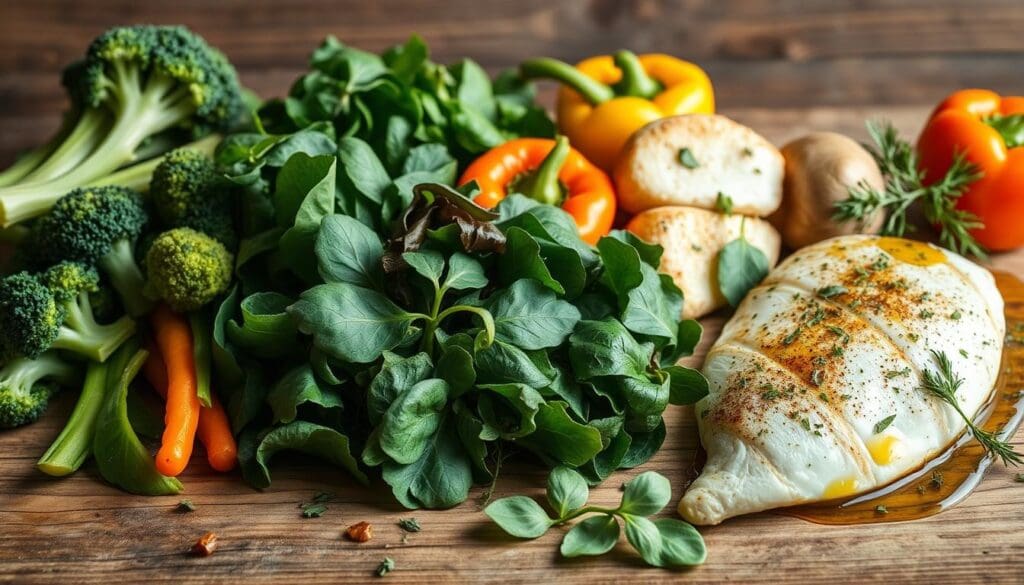
At Liv Hospital, we know how key a good gallbladder diet plan is. It helps manage biliary colic and gallstones symptoms.
Eating a low-fat diet can lower the chance of gallbladder attacks. It also boosts digestive health. Adding fiber-rich foods and protein-rich vegetables helps make better choices.
We aim to cut down on fat and boost good food intake. This reduces gallbladder stress. Knowing what foods are best for gallbladder health helps manage the condition well.
Key Takeaways
- A well-structured diet plan can reduce the risk of gallbladder attacks.
- Incorporating fiber-rich foods can help alleviate symptoms.
- Low-fat foods are essential for managing biliary colic and gallstones.
- Protein-rich vegetables can contribute to overall digestive health.
- A personalized diet plan can significantly improve gallbladder health.
Understanding Gallbladder Disease and Dietary Impact
The gallbladder is key to our digestion. Its problems can cause serious health issues. Knowing how it works, how gallstones form, and diet’s role in health is vital.
The Function of Your Gallbladder
The gallbladder is a small organ under the liver. It stores bile from the liver. Bile breaks down fats, helping us absorb nutrients.
When it contracts, it releases bile into the small intestine. This helps with fat digestion.
How Gallstones Form and Cause Biliary Colic
Gallstones are hard deposits in the gallbladder. They’re often made of cholesterol or bilirubin. They form when bile’s balance is off.
When gallstones block bile ducts, they cause biliary colic. This is severe abdominal pain. It happens because the gallbladder tries to push against the blockage.
Knowing how gallstones form is key to avoiding biliary colic and managing gallbladder disease. Diet, genetics, and some medical conditions raise gallstone risk.
Why Diet Matters for Gallbladder Health
Diet is very important for gallbladder health. A low-fat, high-fiber diet can prevent gallstones and ease symptoms. Foods like fruits, vegetables, and whole grains help digestion and reduce gallbladder strain.
For those with cholecystitis, avoiding high-fat and fried foods is essential. These can trigger attacks and worsen symptoms. Making smart food choices can greatly improve gallbladder health and overall well-being.
The Essential Gallbladder Diet Plan Principles
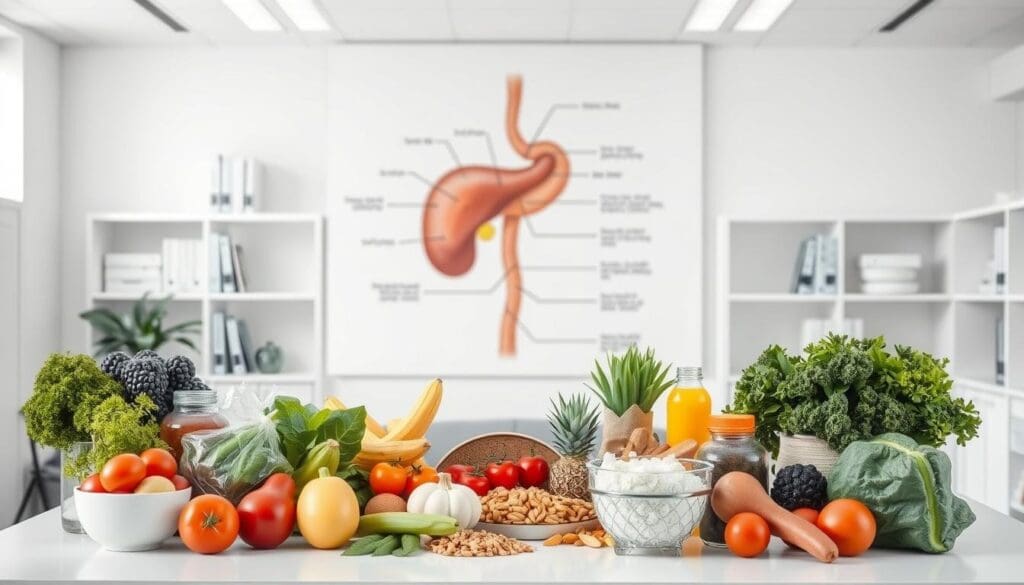
A good gallbladder diet plan is key for keeping your gallbladder healthy. We’ll cover the main points to ease symptoms and boost your health.
Recommended Fat Intake
A diet for the gallbladder should have less than 30 to 40 grams of fat daily. This low-fat diet eases the gallbladder’s workload.
To stick to this, eat lean proteins, veggies, and fruits. Avoid foods high in fat. Here’s a daily fat intake guide:
| Meal | Recommended Fat Intake |
| Breakfast | 5-8g |
| Lunch | 10-12g |
| Dinner | 10-12g |
| Snacks | 5g |
| Total Daily Intake | 30-40g |
The Importance of Fiber and Hydration
Fiber-rich foods can lower gallstone risk by improving digestion and bile cholesterol levels. Drinking enough water is also vital for digestive health, preventing gallstones.
We advise eating lots of fiber from fruits, veggies, and whole grains. Aim for 25-30 grams of fiber daily.
Meal Timing and Portion Control
Timing and portion size are key in a gallbladder diet. Eating smaller, more frequent meals eases symptoms by lessening gallbladder strain.
We recommend 4-6 small meals a day, including healthy snacks. This helps keep digestion regular and reduces discomfort.
10 Best Low-Fat Foods for Gallbladder Health
Eating the right foods, like those low in fat, can help manage gallbladder disease. It’s key to focus on a diet that’s easy on your digestive system when dealing with gallbladder issues.
We suggest adding a variety of low-fat foods to your diet. This can help ease symptoms and boost digestive health. Here are some top picks:
Lean Proteins: Skinless Poultry and Fish
Lean proteins are great for those with gallbladder problems. Skinless poultry and fish are low in fat but packed with nutrients.
- Skinless chicken breast
- Turkey breast
- Fish like cod, salmon, and tilapia
Fresh Fruits: Apples, Berries, and Citrus
Fresh fruits are a fantastic addition to a diet friendly for the gallbladder. They’re full of fiber, vitamins, and antioxidants.
- Apples
- Berries such as strawberries, blueberries, and raspberries
- Citrus fruits like oranges, grapefruits, and lemons
Vegetables: Leafy Greens and Cruciferous Options
Vegetables are essential for a healthy diet, and some are better for gallbladder health than others.
- Leafy greens like spinach, kale, and collard greens
- Cruciferous vegetables such as broccoli, cauliflower, and Brussels sprouts
Whole Grains and Low-Fat Dairy Alternatives
Whole grains and low-fat dairy alternatives can cut down fat intake while adding important nutrients.
| Food Category | Examples | Benefits |
| Whole Grains | Oatmeal, quinoa, brown rice | Rich in fiber, vitamins, and minerals |
| Low-Fat Dairy Alternatives | Almond milk, soy milk, low-fat yogurt | Lower in fat, rich in calcium and vitamins |
By adding these low-fat foods to your diet, you can manage gallbladder health better. This can also lower the risk of complications.
5 Healing Meal Ideas for Gallbladder Issues
Managing gallbladder issues means choosing the right foods. A diet low in fat helps prevent attacks. Meals rich in fiber, lean proteins, and whole grains are best for symptoms and health.
Breakfast: Oatmeal with Berries and Steamed Apple
Start with oatmeal, berries, and a steamed apple for breakfast. Oatmeal boosts digestion with fiber. Berries add sweetness and antioxidants. The apple adds more fiber for a smooth digestive system.
Lunch: Poached Fish with Steamed Vegetables
For lunch, try poached fish with steamed veggies. Fish is lean and low in fat. Steamed veggies are easy to digest and full of nutrients. This meal is healing and supports health without straining the gallbladder.
Dinner: Lean Chicken and Quinoa Bowl
Dinner can be a lean chicken and quinoa bowl. It’s a mix of protein, carbs, and fiber. Quinoa is a complete protein, making it nutritious. This meal is good for those with gallbladder issues.
Let’s look at the nutritional benefits of these meals:
| Meal | Protein Content (g) | Fat Content (g) | Fiber Content (g) |
| Oatmeal with Berries and Steamed Apple | 5 | 2 | 8 |
| Poached Fish with Steamed Vegetables | 30 | 4 | 5 |
| Lean Chicken and Quinoa Bowl | 35 | 6 | 7 |
Adding these meals to your diet can help with gallbladder issues. Focus on low-fat, nutrient-rich foods to ease gallbladder strain and improve digestion.
Foods to Strictly Avoid with Gallstones and Biliary Colic
Knowing which foods to avoid is key to managing gallbladder health. People with gallstones or biliary colic must be careful about their diet.
High-Fat and Fried Foods
High-fat and fried foods can trigger gallbladder attacks. Foods like fried chicken, fatty meats, and processed snacks are big no-nos. Eating these can cause severe pain and serious issues.
Examples of high-fat foods to avoid:
- Fatty meats like lamb and pork
- Full-fat dairy products such as cheese and cream
- Fried foods like french fries and fried chicken
Common Trigger Foods That Cause Flare-Ups
Some foods can make gallbladder disease worse. Spicy foods, citrus fruits, and high-fat dairy products are common culprits. Knowing these can help manage symptoms.
Common trigger foods:
- Spicy foods that can irritate the digestive system
- Citrus fruits like oranges and lemons
- High-fat dairy products
Hidden Sources of Fat in Processed Foods
Processed foods often have hidden fats that can trigger gallbladder symptoms. It’s important to check food labels for these hidden fats. Foods like processed meats, baked goods, and snack foods are often culprits.
| Food Category | Examples | Reason to Avoid |
| High-Fat Foods | Fatty meats, full-fat dairy | Trigger gallbladder attacks |
| Fried Foods | Fried chicken, french fries | High in fat, trigger attacks |
| Processed Snacks | Chips, processed meats | Contain hidden fats |
Specific Diet Approaches for Different Gallbladder Conditions
Changing your diet based on your gallbladder condition is key to feeling better. We’ll look at diets for biliary colic, cholecystitis, and gallstones without symptoms.
Low-Fat Diet for Biliary Colic Prevention
To prevent biliary colic, eating less fat is recommended. Aim for 30-40 grams of fat daily. High-fiber foods and plenty of water are also important.
Here are some low-fat foods to help prevent biliary colic:
- Lean proteins like skinless poultry and fish
- Fresh fruits such as apples, berries, and citrus fruits
- Vegetables like leafy greens and cruciferous options
- Whole grains and low-fat dairy alternatives
Diet in Cholecystitis and Acute Inflammation
When you have cholecystitis or acute inflammation, what you eat matters a lot. Avoiding high-fat and fried foods is key to reduce inflammation and ease symptoms.
A doctor advises, “To help your gallbladder heal, avoid fatty foods and stick to a low-fat diet.” This helps ease the gallbladder’s workload and aids in recovery.
| Foods to Avoid | Recommended Foods |
| High-fat dairy products | Low-fat dairy alternatives |
| Fried foods and fatty meats | Lean proteins and vegetables |
| Processed snacks | Fresh fruits and whole grains |
Dietary Management for Gallstones Without Symptoms
If you have gallstones but don’t feel symptoms, managing your diet is important. Keeping a healthy weight, eating a balanced diet, and drinking enough water are essential.
Eating a balanced diet for gallstones without symptoms means including foods from all groups. Watch your fat intake and adjust as needed to manage your condition.
Practical Implementation of Your Gallbladder Diet Plan
Managing gallbladder health through diet is more than just knowing what to eat. It also involves a practical approach to meal planning and eating out. We will guide you through the essential steps to implement your gallbladder diet plan effectively.
Weekly Meal Planning Strategies
Effective meal planning is key to a successful gallbladder diet plan. By planning your meals in advance, you can ensure you’re eating the right nutrients. You’ll also avoid high-fat foods that can trigger biliary colic. Here are some strategies to help you plan your meals:
- Create a weekly meal calendar to organize your meals and snacks.
- Shop for ingredients in advance to ensure you have the necessary items on hand.
- Prepare meals in bulk to save time during the week.
- Incorporate a variety of low-fat foods, such as lean proteins, fruits, and vegetables, into your meals.
Navigating Restaurants and Social Eating
Eating out or attending social gatherings can be challenging on a gallbladder diet. But with some preparation and awareness, you can navigate these situations successfully. Here are some tips:
- Research the restaurant’s menu in advance to identify low-fat options.
- Ask your server about the preparation methods used in dishes you’re interested in.
- Choose grilled, baked, or steamed dishes instead of fried foods.
- Be mindful of portion sizes and avoid overeating.
Reading Food Labels for Fat Content
Reading food labels is a key skill for managing fat intake. When shopping for groceries, take the time to read the nutrition labels on packaged foods. Look for products that are labeled as low-fat or fat-free, and be aware of the serving size to ensure you’re not consuming more fat than you realize.
When reading labels, pay attention to the total fat content, as well as the types of fat present, such as saturated and trans fats. Aim to limit your intake of these unhealthy fats as much as possible.
When to Seek Medical Help Beyond Diet
Knowing when to seek medical help is key to managing gallbladder disease. A good diet can help, but some situations need a doctor’s care.
Warning Signs That Require Medical Attention
It’s important to know the signs that mean you need to see a doctor right away. These include:
- Severe abdominal pain that doesn’t get better or gets worse
- Jaundice, which is yellow skin and eyes
- Fever over 101.5°F (38.6°C)
- Vomiting blood or constant nausea
If you see any of these signs, get medical help right away. They could mean a serious problem with your gallbladder.
Integrating Diet with Medical Treatment
For many with gallbladder disease, diet is just part of the treatment. Combining diet with medical treatment is key for the best care.
Your doctor might suggest medicines to dissolve gallstones or control symptoms. Sometimes, removing the gallbladder surgically is needed.
By mixing diet changes with medical care, you can manage your gallbladder health well. This helps avoid serious problems.
Conclusion
We’ve outlined a detailed gallbladder diet plan. It focuses on low-fat foods to help with biliary colic and gallstones. Understanding diet’s role in gallbladder health is key. It helps people take steps to ease symptoms and boost digestive health.
A good diet plan is essential for gallbladder health. Eating low-fat foods and avoiding certain foods can help manage the condition. It’s best to include lean proteins, fresh fruits, veggies, whole grains, and low-fat dairy in your meals.
Following a gallbladder diet plan needs dedication and knowing which foods help or hurt. Making smart food choices can greatly improve gallbladder health and life quality. Our tips on meal planning, eating out, and reading labels can help on this journey.
In summary, a gallbladder diet plan is critical for managing gallbladder health. By choosing a balanced diet, people can lessen symptoms, better their digestive health, and improve overall well-being.
FAQ
What is a gallbladder diet plan, and how can it help manage gallbladder disease?
A gallbladder diet plan focuses on low-fat foods to ease symptoms of gallbladder issues. It helps lower the risk of attacks and boosts digestive health.
What are the key principles of a gallbladder diet plan?
The main principles include eating 30-40g of fat daily, staying hydrated, and controlling meal sizes. These steps help create a diet tailored to your needs.
What are some of the best low-fat foods for gallbladder health?
Good choices include lean meats, fresh fruits, leafy greens, and whole grains. Adding these to your diet can ease symptoms and improve digestion.
What foods should be avoided by individuals with gallstones and biliary colic?
Stay away from high-fat and fried foods, as well as foods that can trigger flare-ups. Knowing which foods to avoid is key to managing symptoms.
How can I implement a gallbladder diet plan in my daily life?
Start by planning meals for the week and being mindful of fat content in foods. This way, you can stick to your diet and manage your health.
When should I seek medical help beyond dietary changes?
If you experience severe pain or other concerning symptoms, seek medical help. Combining diet with medical treatment is important for full care.
Can a gallbladder diet plan help prevent biliary colic?
Yes, a well-planned diet can reduce the risk of gallbladder attacks and improve digestion, helping prevent biliary colic.
What is the recommended fat intake for a gallbladder diet?
The daily fat intake should be 30-40g to manage gallbladder health and ease symptoms.
Are there specific dietary approaches for different gallbladder conditions?
Yes, different conditions like biliary colic and gallstones need specific diets. Knowing the right diet for your condition is important for managing health.
How can a gallbladder diet plan improve overall well-being?
A gallbladder diet plan can reduce gallbladder problems and improve digestion. This leads to better overall health and well-being.
REFERENCES:
National Center for Biotechnology Information. Dietary Considerations in Cholecystectomy: Investigating the Impact of Various Dietary Factors on Symptoms and Outcomes. Retrieved from https://pmc.ncbi.nlm.nih.gov/articles/PMC11200314/