

Did you know that nearly 1 in 5 adults in the United States suffers from snoring? This condition can lead to serious health issues like heart disease and stroke.non-apnea snoring
Snoring is a big worry for many, not just the person who snores. It can affect their loved ones too. Doctors say it’s important to get medical help for snoring. They might suggest changes in lifestyle, using medical devices, or even surgery.
Learning about snoring’s causes and effects is a big step. It helps people find good snoring remedies and stop snoring solutions. We’ll look at different ways to treat snoring, including snoring treatment options.
Snoring is a common sound, but its causes and health effects are not well known. It happens when the soft tissues in the throat vibrate. This vibration is due to partial blockage of the airway.
To understand snoring, knowing the anatomy is key. The soft palate, uvula, and tongue are important. When we sleep, these muscles relax. If the airway is partially blocked, they vibrate, causing snoring.
The shape of our airway greatly affects snoring.
Many factors lead to snoring. Obesity is a big risk factor because it can narrow the airway. Sleeping on your back can also cause the tongue and soft palate to obstruct the airway.
Nasal congestion, anatomical issues, and alcohol or sedatives before bed also contribute. These relax the throat muscles, leading to snoring.
“Snoring is not just a minor annoyance; it’s a sign that something is amiss in the body’s ability to manage airflow during sleep.”
Snoring is more than a nuisance; it can harm your health. Chronic snoring raises the risk of sleep apnea, where breathing stops and starts. It can also cause daytime fatigue due to poor sleep quality.
The strain on the throat and poor sleep can lead to heart problems and other health issues.
Snoring is complex and needs a detailed approach to tackle its causes and effects. By understanding snoring’s anatomy, causes, and health impacts, we can find better treatments and prevention strategies.
Snoring can be more than just a nuisance; it can be a sign of an underlying health issue that requires medical attention. We understand that snoring can be a sensitive topic, but it’s vital to address it to prevent health complications.
Certain signs indicate that your snoring might be more than just a simple annoyance. These include:
If you’re experiencing any of these symptoms, it’s essential to consult a doctor. They can help you identify the cause of your snoring and recommend appropriate snoring treatment options.
Seeking medical help for snoring is key to prevent health complications. If left untreated, snoring can lead to serious health issues, including sleep apnea and cardiovascular disease. By seeking help, you can address underlying issues and find effective snoring relief. We offer various stop snoring solutions tailored to your specific needs, ensuring you get the best care.
During your consultation, your doctor will discuss your medical history, lifestyle, and sleep habits. They will determine the best course of action. This may involve lifestyle changes, medical devices, or other treatments to help you manage your snoring effectively.
Doctors often suggest making lifestyle changes to reduce snoring. Adopting healthier habits and making simple changes can help. This can improve sleep quality.
Managing weight is key to snoring prevention. Excess weight, mainly around the neck, can cause snoring. A healthy diet and regular exercise are recommended to maintain a healthy weight.
The way we sleep affects snoring. Sleeping on our back can cause the tongue and soft palate to relax, obstructing the airway. We suggest trying sleep position adjustments to reduce snoring.
Drinking alcohol and sedatives before bed can relax throat muscles, leading to snoring. We advise limiting or avoiding these substances to alleviate chronic snoring.
By following these doctor-recommended lifestyle changes, individuals can reduce snoring and improve health. It’s important to consult with a healthcare professional for the best approach.
Medical devices are key in managing snoring. They offer relief to those who suffer from it. We’ll look at the various devices, their success, and how they help treat snoring.
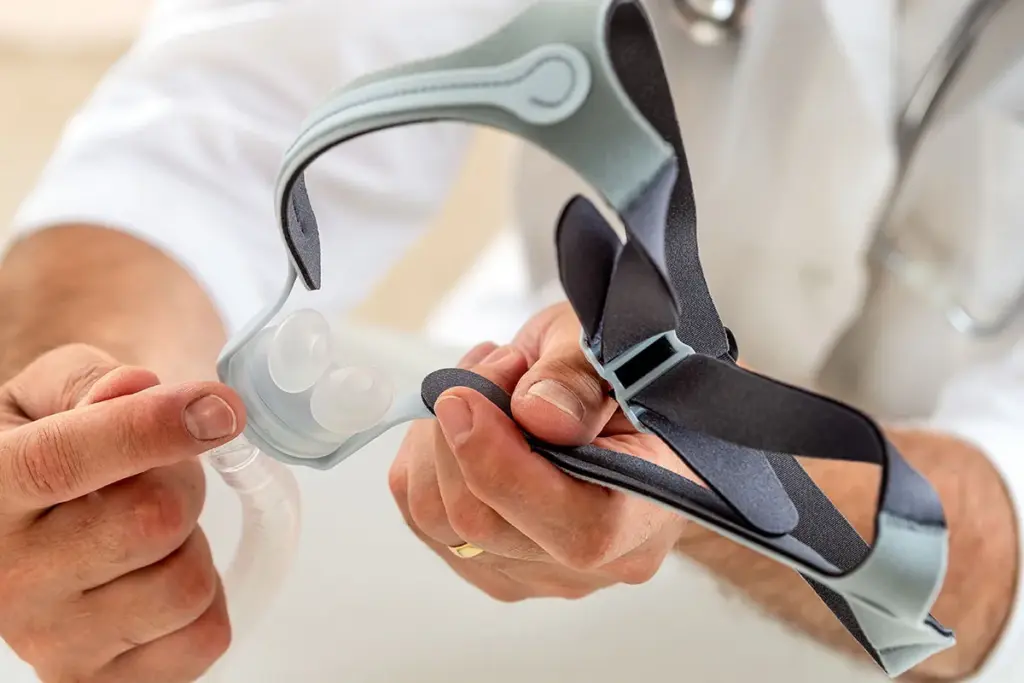
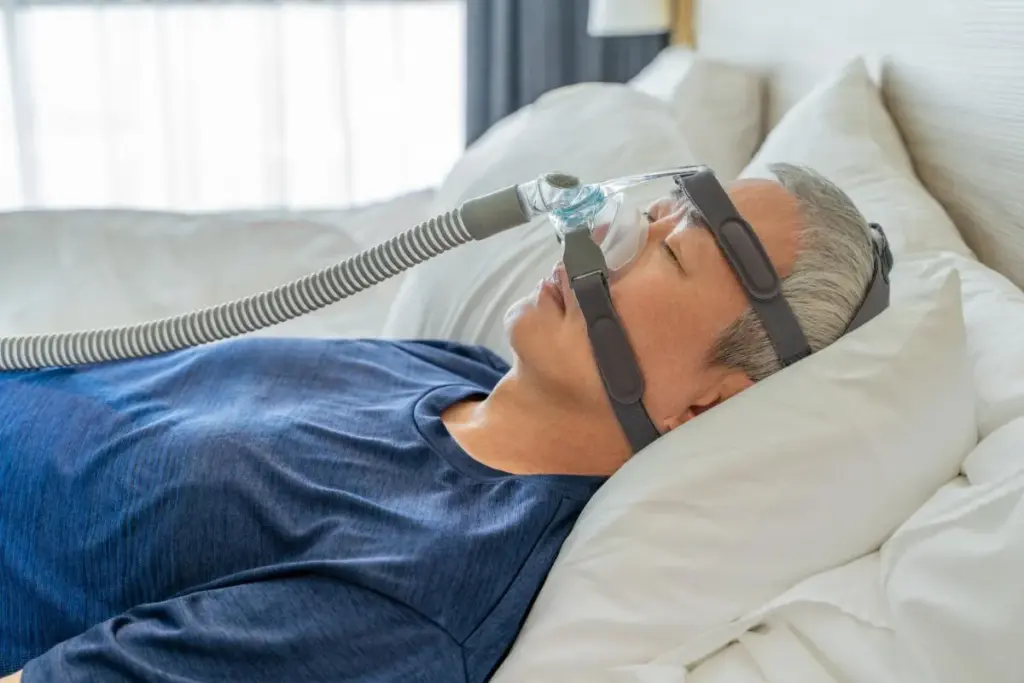
CPAP machines are a common treatment for sleep apnea and can also help with snoring. They deliver a steady stream of air through a mask. This mask covers the nose and sometimes the mouth, keeping the airway open.
Benefits of CPAP Machines: They are very effective for sleep apnea, a condition often linked to snoring. By keeping the airway open, CPAP machines can greatly reduce snoring.
But, some people find it hard to use them because of discomfort or feeling trapped by the mask.
Mouthpieces and oral appliances are another option for treating snoring. These are custom-made by a dentist. They move the lower jaw forward, keeping the airway open.
Advantages: They are often more comfortable than CPAP machines for some users. They can also be effective in reducing snoring.
It’s important to get a professional fitting. This ensures the device is both comfortable and effective.
Non-surgical treatments offer many options to help with snoring. They are appealing because they are less invasive and often work well.
Nasal strips and sprays are popular choices for snoring relief. Nasal strips open the nasal passages, improving airflow and reducing snoring. They are easy to use and great for those who snore due to nasal congestion.
Nasal sprays help by reducing nasal congestion or lubricating the nasal passages. Some sprays have saline solutions or steroids to fight inflammation. It’s important to pick a spray that fits your needs and follow the instructions.
There are also home remedies and natural solutions for snoring. These include:
Some natural solutions suggest using oils like peppermint or eucalyptus in a diffuser or applied diluted to open airways.
The success of these remedies can vary. It’s key to find the cause of your snoring to choose the best remedy.
|
Treatment |
Description |
Potential Benefits |
|---|---|---|
|
Nasal Strips |
Adhesive strips placed on the bridge of the nose to open nasal passages |
Improves airflow, reduces snoring caused by nasal congestion |
|
Nasal Sprays |
Sprays used to reduce nasal congestion or lubricate nasal passages |
Reduces inflammation, moisturizes nasal passages, can decrease snoring |
|
Elevating the Bed |
Raising the head of the bed to improve airflow |
Can reduce snoring by improving airway alignment |
|
Humidifiers |
Devices that add moisture to the air |
Reduces nasal congestion, can decrease snoring |
Exploring these non-surgical treatments can help find effective snoring remedies and snoring relief. This can lead to better sleep and improved health.
When lifestyle changes and medical devices don’t help with severe snoring, surgery might be an option. It can be scary to think about surgery, but for many, it greatly improves their life.
UPPP is a surgery that removes extra tissue in the throat to open the airway. This helps stop the airway from collapsing during sleep. UPPP is often chosen for those with big blockages in the throat.
The surgery is done under general anesthesia. Recovery time can vary. It’s important to talk about the risks and benefits with a doctor, as it’s not right for everyone.
This surgery uses radiofrequency energy to shrink throat tissue. It helps by reducing tissue that can block the airway. It’s a quicker procedure with a shorter recovery time.
But, how well it works can vary. You might need more than one session. Always talk to a doctor to see if it’s right for you.
In summary, surgeries like UPPP and radiofrequency tissue volume reduction offer hope for those with severe snoring. It’s key to talk to a healthcare provider about the best treatment. They can explain the benefits and risks of these surgeries.
Snoring is more than just a noise; it can be a sign of sleep apnea. This sleep disorder is closely linked to snoring. We will look at how snoring can signal sleep apnea and the treatments available.
Sleep apnea causes pauses in breathing or shallow breathing during sleep. Snoring happens when the airway is partially blocked, causing throat tissues to vibrate. Not all who snore have sleep apnea, but it can be a sign, along with other symptoms like daytime tiredness and morning headaches.
Key indicators that snoring may be related to sleep apnea include:
Effective treatment for sleep apnea can greatly improve life quality. Treatment options depend on the condition’s severity and may include lifestyle changes, medical devices, or surgery.
Lifestyle Changes: Simple changes can help with mild sleep apnea. Losing weight, exercising, quitting smoking, and avoiding alcohol before bed are helpful. Sleeping on your side can also reduce symptoms.
Medical Devices: CPAP machines are used for moderate to severe sleep apnea. They deliver pressurized air through a mask, keeping the airway open.
Surgical Options: Surgery may be needed for severe cases. It can remove excess throat tissue or reposition the jaw. This can widen the airway and reduce sleep apnea symptoms.
Understanding the connection between snoring and sleep apnea is key for diagnosis and treatment. Recognizing signs and seeking medical care can help alleviate symptoms and improve health.
Good sleep hygiene is key to less snoring and better sleep. We’ll look at how a regular sleep routine and a comfy sleep space can help stop snoring.
Having a sleep routine is essential for good sleep hygiene. Going to bed and waking up at the same time every day, even on weekends, helps your body’s clock. This can make your sleep better and cut down on snoring.
A comfy sleep space is also vital. A dark, quiet, and cool bedroom makes sleep better.
By using these tips, you can improve your sleep hygiene. This can help reduce snoring.
Finding the right snoring treatment takes time and ongoing medical advice. We’ve looked at many options, from changing your lifestyle to using medical devices and surgery. These can help reduce chronic snoring.
It’s important to check how well these treatments work. We suggest working with healthcare experts to find the best treatment for you. This way, you get the most effective snoring relief.
If you have chronic snoring, getting ongoing medical advice is key. Regular doctor visits and updates to your treatment plan can greatly improve your sleep and health.
Being proactive and well-informed can help manage your snoring. We urge you to talk to healthcare professionals to find the right solution for your snoring.
Snoring is a common sleep issue that makes loud, raspy sounds while breathing. It’s not usually serious on its own. But, it can mean there’s a bigger health problem that needs a doctor’s help.
Snoring can happen for many reasons. Being overweight, sleeping in a bad position, and having a stuffy nose are some causes. Drinking alcohol or sedatives before bed can also make you snore.
You can try many things to stop snoring without surgery. Losing weight, sleeping on your side, and using nasal strips can help. Avoiding alcohol and sedatives before bed is also good. Oral appliances and snoring sprays can also reduce snoring.
Good sleep hygiene is key to less snoring. Having a regular sleep schedule and a comfy sleep space is important. Avoiding activities that get you excited before bed also helps.
Yes, snoring can mean you have sleep apnea. This is when you stop breathing for short times while sleeping. If you snore loudly, stop breathing, or feel tired during the day, see a doctor.
Sleep apnea treatments include lifestyle changes and medical devices. Losing weight and changing how you sleep can help. CPAP machines and oral appliances are also options. Sometimes, surgery is needed to fix physical problems.
Yes, tongue and lip exercises can strengthen your throat muscles. This can help reduce snoring. Good sleep habits and a healthy weight also help.
CPAP machines are great for snoring and sleep apnea. They keep your airways open by providing constant air pressure. This stops them from collapsing.
Yes, nasal strips and sprays can help by opening up your nose. This improves airflow and can reduce snoring. But, how well they work depends on your snoring cause.
See a doctor if you snore loudly, stop breathing, or feel tired during the day. If you’ve tried other ways to stop snoring and they didn’t work, a doctor can help find other solutions.
What causes snoring in women? Sleep Foundation. Retrieved December 19, 2025, from https://www.sleepfoundation.org/snoring/what-causes-snoring-in-females/
