Last Updated on November 27, 2025 by Ugurkan Demir
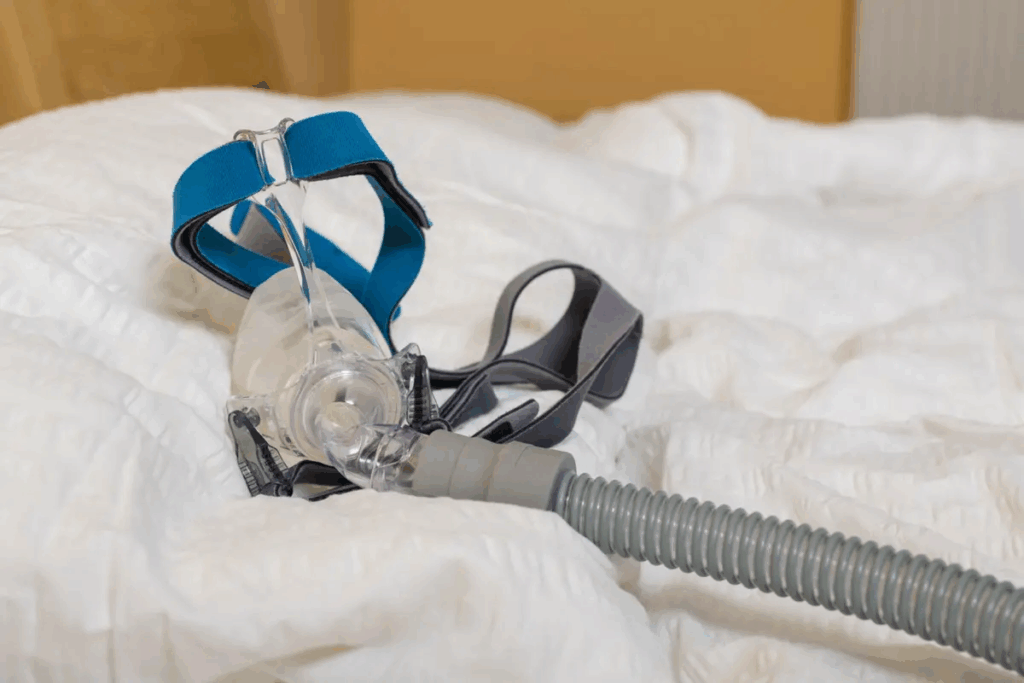
Sleep apnea affects millions of adults worldwide, with a big impact in the U.S. Obstructive sleep apnea affects 10% to 30% of adults. It disrupts sleep quality and health.
Many patients can’t use CPAP therapy, the usual treatment for sleep apnea. Up to 83% of patients have trouble sticking with CPAP long-term. This shows we need other options.
At Liv Hospital, we know CPAP therapy is hard for many. We offer sleep apnea treatment alternatives. Our focus is on you, ensuring you get the best treatments for your needs. This improves your life quality.
7 effective non cpap treatment for sleep apnea alternatives, including oral appliances, lifestyle changes, and surgical options.
Key Takeaways
- Millions of adults in the U.S. suffer from obstructive sleep apnea.
- CPAP therapy is not effective for many patients due to adherence issues.
- Liv Hospital offers alternative treatments for sleep apnea.
- A patient-centered approach ensures tailored treatment plans.
- Effective alternatives can significantly improve patients’ quality of life.
Understanding Sleep Apnea and Its Impact
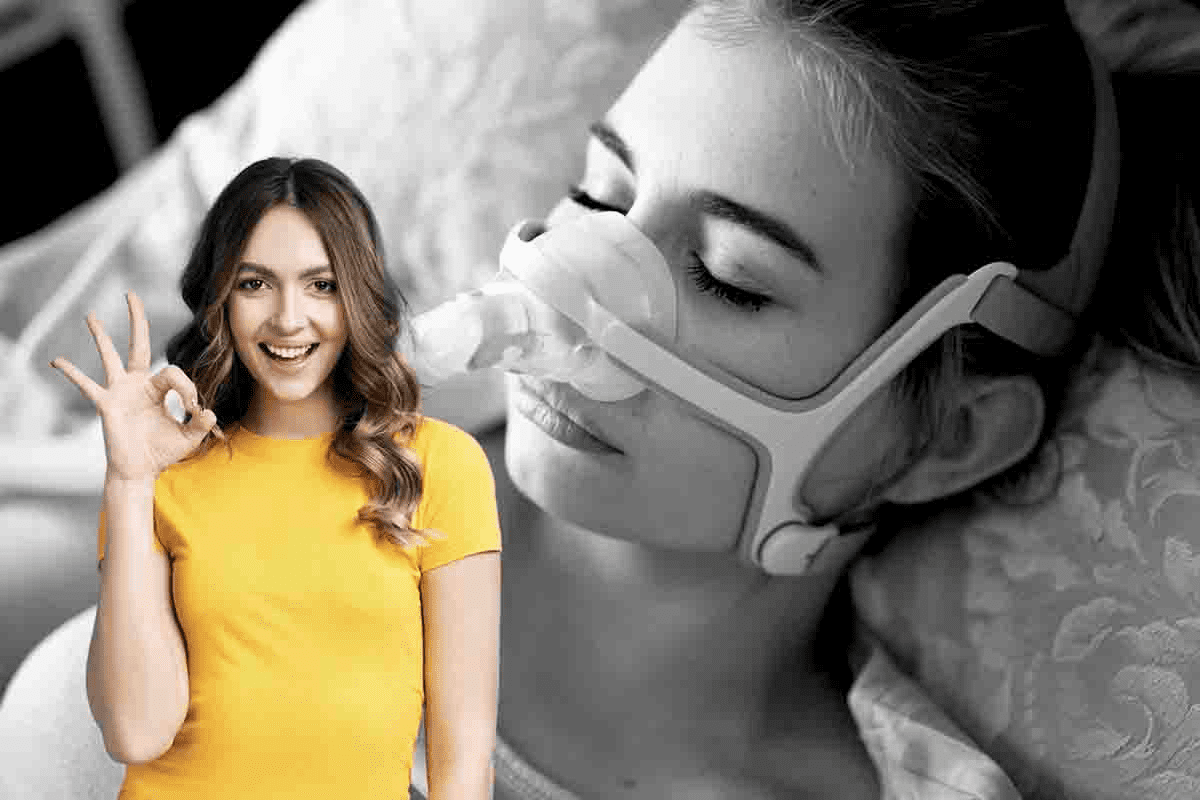
Understanding sleep apnea is key for those who have it. It can harm your health a lot. Sleep apnea makes you stop breathing often during sleep. This messes up your sleep and can cause health problems.
What is Obstructive Sleep Apnea?
Obstructive sleep apnea (OSA) is the most common type. It happens when your throat muscles relax too much. This blocks your airway and causes breathing pauses.
These pauses, or apneas, can happen many times at night. They really hurt your sleep quality and health. Signs of OSA include loud snoring, morning headaches, and feeling very tired during the day.
Prevalence and Health Consequences
Sleep apnea affects millions of people globally. Many of them don’t even know they have it. If you don’t treat sleep apnea, it can lead to serious health issues.
- It can increase your risk of heart disease and stroke.
- It can make you feel very tired and less productive during the day.
- It can also hurt your brain, causing memory and concentration problems.
- It can lead to mood issues like depression and anxiety.
These problems show why treating sleep apnea is so important.
Signs You May Need Treatment
If you’re experiencing any of these symptoms, you should see a doctor:
- Loud snoring or gasping during sleep.
- Feeling very tired during the day, even after sleeping enough.
- Having morning headaches or a dry mouth.
- Having trouble focusing or remembering things.
Seeing a doctor about these symptoms can help prevent serious problems. It can also make your life better.
Why Many Patients Seek Non-CPAP Treatment for Sleep Apnea
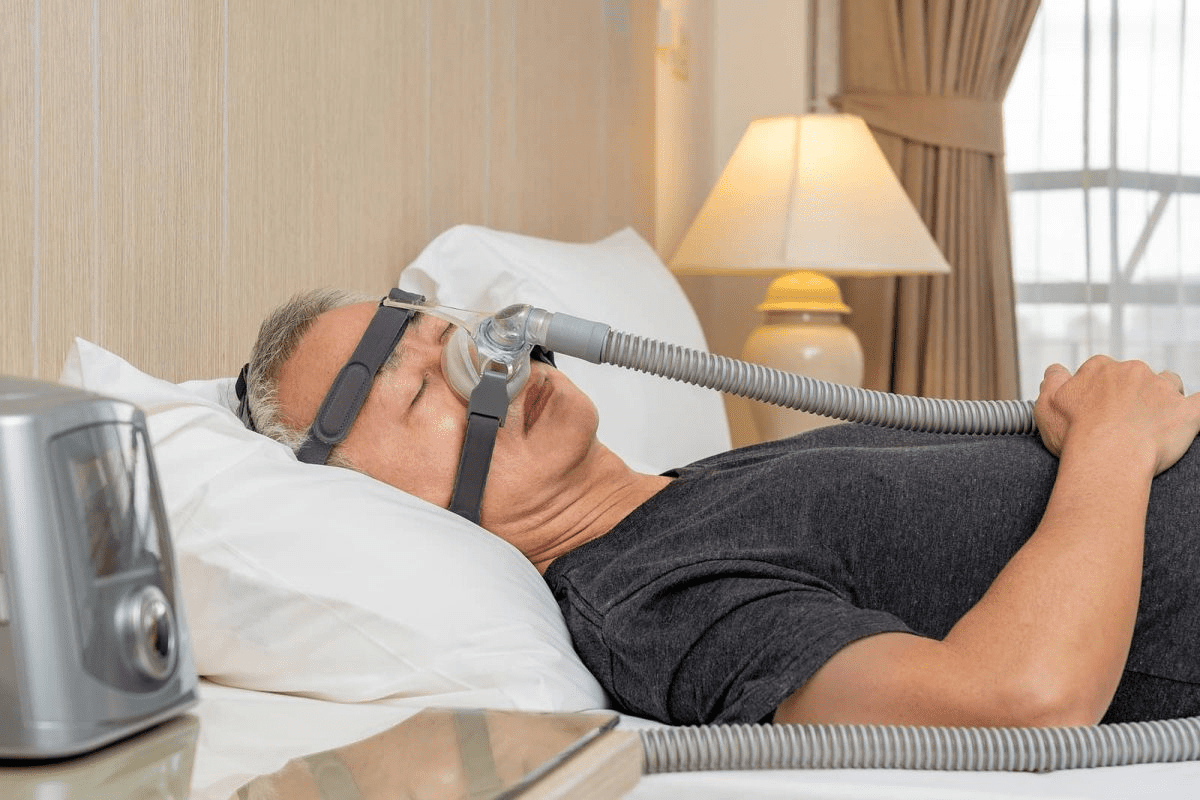
CPAP therapy is common for sleep apnea but has its downsides. Many struggle to stick with it, looking for other options. This search for alternatives is growing.
CPAP Compliance Challenges
CPAP therapy faces a big hurdle: getting patients to use it long-term. Up to 83% of patients find it hard to keep using CPAP due to discomfort and noise.
Common CPAP Complaints
Patients often complain about CPAP therapy. They mention discomfort, noise, and feeling trapped. Adjusting to the mask and skin irritation are also common issues.
- Discomfort from the mask
- Noise from the device
- Claustrophobia or feeling trapped
- Difficulty in adjusting to wearing the mask
- Skin irritation or pressure sores
One patient said, “The CPAP machine was too big and uncomfortable. It made it hard to sleep.”
“The CPAP was a constant reminder that I had a condition, and it was intrusive.”
The Importance of Finding Viable Alternatives
With CPAP’s challenges, finding other treatments is key. These alternatives can be more comfortable and easier to use. We’ll look at these options next.
Treatment Option | Description | Benefits |
Oral Appliances | Custom-made devices to advance the lower jaw | Comfortable, easy to use |
Positional Therapy | Devices or techniques to prevent sleeping on back | Simple, non-invasive |
Lifestyle Modifications | Changes in diet, exercise, and sleep habits | Holistic approach, multiple benefits |
In conclusion, while CPAP is a standard treatment, its challenges push patients towards alternatives. By exploring these options, patients can find better ways to manage their sleep apnea.
Evaluating Your Need for Sleep Apnea Treatment Alternatives
Before looking into CPAP alternatives, it’s key to know how severe your sleep apnea is. This helps find the best treatment for you.
Assessing Sleep Apnea Severity
A sleep study is used to check how bad sleep apnea is. This can be done at home or in a sleep lab. Sleep studies look at things like how often you stop breathing, how well your oxygen levels stay up, and how well you sleep.
- Home sleep apnea tests (HSAT) for simpler assessments
- In-lab polysomnography (PSG) for more detailed checks
These tests give doctors the info they need to say how bad your sleep apnea is. It can range from mild to very severe.
Consulting Healthcare Providers
After a sleep study, talking to your doctor is next. They’ll go over your diagnosis and what treatment options you have. They can suggest other ways to treat sleep apnea instead of CPAP.
Doctors look at many things when choosing a treatment. These include:
- Your overall health and medical history
- How bad your sleep apnea is
- What your lifestyle and preferences are
Understanding Treatment Goals
Setting treatment goals is a team effort between you and your doctor. These goals are made just for you. They might include better sleep, less daytime tiredness, and avoiding problems linked to sleep apnea.
Working with your healthcare team, you can create a treatment plan that fits you perfectly.
Oral Appliances: The Most Common Alternative
Oral appliances are becoming more popular as a non-invasive option for sleep apnea. They are designed to move the lower jaw or hold the tongue, keeping the airway open. This treatment is promising for those with mild to moderate sleep apnea.
Mandibular Advancement Devices (MADs)
MADs advance the lower jaw to keep the airway open. MADs are custom-made to fit each patient’s mouth. They are adjustable, making them effective for mild to moderate sleep apnea.
Tongue Retaining Devices
Tongue Retaining Devices hold the tongue in place, preventing it from blocking the airway. They are good for those whose sleep apnea is caused by a falling tongue.
Effectiveness for Mild to Moderate Sleep Apnea
Oral appliances, like MADs, are very effective for mild to moderate sleep apnea. Studies show they can lower the Apnea-Hypopnea Index (AHI). This improves sleep quality and health outcomes.
Getting Properly Fitted by a Dental Professional
The success of oral appliances depends on a proper fit. Working with a qualified dental professional is key. They will choose the right device and ensure it fits well based on your needs.
Positional Therapy: Simple Yet Effective
Positional therapy is becoming more popular as a simple yet effective way to treat sleep apnea. It focuses on preventing people from sleeping on their backs. This position can make sleep apnea worse.
Sleeping Position and Breathing
The way we sleep affects our breathing. Sleeping on our backs can block our airways, causing sleep apnea. Positional therapy encourages side-sleeping to prevent this.
Studies show that avoiding sleeping on our backs can greatly reduce sleep apnea. This is true for those with positional obstructive sleep apnea. Their apnea happens mainly when they’re on their backs.
Devices and Techniques
There are many devices and techniques to help people sleep on their sides. These include special pillows and devices that vibrate when you roll onto your back. There’s also wearable technology to monitor and adjust your sleep position.
The positional therapy vest is a common device. It has a pocket that makes lying on your back uncomfortable. Another option is using a wedge pillow to keep you sleeping on your side.
Effectiveness for Positional Obstructive Sleep Apnea
Positional therapy works well for mild to moderate positional obstructive sleep apnea. It can greatly reduce apnea events per night. This improves sleep quality.
But, it’s not for everyone, mainly those with severe sleep apnea. A healthcare professional should decide if it’s right for you.
Combining with Other Treatments
Positional therapy can be used with other sleep apnea treatments. For example, it can be combined with oral appliance therapy or lifestyle modifications. This can make treatment more effective.
By using a complete approach to manage sleep apnea, people can reduce their need for invasive treatments like CPAP. This can improve their quality of life.
Lifestyle Modifications That Reduce Sleep Apnea Severity
Lifestyle changes are key in managing sleep apnea. They can greatly improve sleep quality and health.
Weight Management Strategies
Keeping a healthy weight is vital for sleep apnea management. Excess weight, mainly around the neck, can block the airway during sleep. We suggest a mix of diet changes and exercise to keep a healthy weight. Even a 10% weight loss can greatly reduce sleep apnea symptoms.
Eating a balanced diet with fruits, veggies, and whole grains, plus regular exercise, can help. Avoiding fatty foods and sugars is also good to prevent weight gain.
Alcohol and Sedative Reduction
Drinking alcohol and taking sedatives can relax throat muscles, leading to airway collapse during sleep. Cutting down on these can lessen sleep apnea episodes. We recommend limiting alcohol and talking to your doctor about sedative alternatives.
Smoking Cessation Benefits
Smoking can cause throat fluid buildup and airway collapse risk. Quitting smoking is good for health and can reduce sleep apnea severity. Many programs and resources are available to help quit smoking.
Sleep Hygiene Improvements
Good sleep hygiene is also critical for managing sleep apnea. This includes a regular sleep schedule, a sleep-friendly environment, and avoiding bedtime activities. Creating a calming bedtime routine can help signal sleep time, improving sleep quality.
By making these lifestyle changes, people can actively manage sleep apnea and enhance their life quality. It’s important to work with healthcare professionals to customize these changes and track their success.
Hypoglossal Nerve Stimulation: A Technological Solution
The search for better sleep apnea treatments has led to hypoglossal nerve stimulation. This new method is changing how we manage sleep disorders. It involves a device that stimulates the hypoglossal nerve, helping to keep the airway open during sleep.
How Upper Airway Stimulation Works
Upper airway stimulation works by stimulating the nerve that controls tongue movement. This helps prevent the tongue from blocking the airway, a common problem in sleep apnea. The device is set to stimulate the nerve at regular times during sleep, keeping the airway open.
The key to its success is its ability to match the stimulation with the patient’s breathing. This matching is key to keeping the airway open and preventing breathing disruptions seen in sleep apnea.
The Implantation Procedure
The procedure for hypoglossal nerve stimulation involves several steps. First, the patient is prepared for surgery with anesthesia. Then, the surgeon makes small incisions to implant the device. This includes a nerve stimulator, a sensing lead, and a breathing sensor. The surgery is usually done on an outpatient basis and takes a few hours.
The procedure is complex but designed to be as minimally invasive as possible to reduce recovery time. Patients usually go home the same day and may feel sore at the incision sites. This soreness is managed with pain medication.
Candidate Selection Criteria
Not all sleep apnea patients are good candidates for hypoglossal nerve stimulation. The criteria include the severity of sleep apnea, previous treatments, and overall health. Those with moderate to severe sleep apnea who can’t use CPAP therapy are often the best candidates.
- Moderate to severe obstructive sleep apnea
- Inability to tolerate CPAP therapy
- No significant anatomical obstruction
Success Rates and Patient Satisfaction
Clinical trials and studies show hypoglossal nerve stimulation can greatly reduce sleep apnea severity. Success rates vary, but many patients see a big improvement in sleep quality and symptom reduction.
Patient satisfaction is generally high, with many reporting better quality of life and health. The ability to sleep well without CPAP therapy is a big factor in their satisfaction.
EPAP Devices: Single-Use Nasal Valves
EPAP devices are a new option for those not using CPAP therapy. They use single-use nasal valves to help keep the airway open. This can reduce sleep apnea episodes.
How EPAP Technology Functions
EPAP technology works by using nasal valves for exhalation. This creates resistance and pressure in the airway. This pressure stops the airway from collapsing, reducing sleep apnea episodes.
Key benefits of EPAP devices include:
- Non-invasive and easy to use
- No need for a machine or electricity
- Portable and convenient for travel
- Single-use valves ensure hygiene
Popular EPAP Options on the Market
There are many EPAP devices available, each with unique features. Provent and similar products have FDA clearance for sleep apnea treatment. They are designed to be easy to use and effective, making them a good alternative to CPAP therapy.
Effectiveness Compared to CPAP
Research shows EPAP devices can reduce sleep apnea events. But, their effectiveness depends on the condition’s severity and individual factors. While CPAP is the top choice for severe sleep apnea, EPAP devices are great for mild to moderate cases or for those who can’t use CPAP.
It’s essential to consult with a healthcare provider to find the best treatment for your sleep apnea.
Ideal Candidates for EPAP Therapy
EPAP therapy is best for those with mild to moderate sleep apnea looking for CPAP alternatives. It’s for those who found CPAP uncomfortable or ineffective, or prefer a simpler, portable solution. A healthcare professional must evaluate if EPAP therapy is right for you.
Surgical Interventions for Persistent Sleep Apnea
Persistent sleep apnea can be treated with surgery. This helps those who have tried other methods. Surgery changes the upper airway to help breathing during sleep.
Uvulopalatopharyngoplasty (UPPP)
UPPP is a surgery that removes extra tissue in the throat. It makes the airway wider. This can lessen sleep apnea by reducing blockages.
Benefits: UPPP can greatly reduce sleep apnea symptoms. It improves sleep quality and health.
Maxillomandibular Advancement
Maxillomandibular advancement is a more complex surgery. It moves the upper and lower jaws forward. This enlarges the airway by changing the tongue and soft palate’s position.
Effectiveness: This surgery works well for sleep apnea, mainly for those with certain body features.
Soft Palate Procedures
Soft palate procedures modify the soft palate to reduce blockages. Techniques include uvulopalatal flap or expansion sphincter pharyngoplasty.
Considerations: The right soft palate procedure depends on the patient’s anatomy and sleep apnea severity.
Recovery and Success Rates
Recovery times and success rates differ by surgery. Patients usually face some discomfort and swelling after surgery.
Surgical Procedure | Typical Recovery Time | Success Rate |
UPPP | 2-4 weeks | 40-50% |
Maxillomandibular Advancement | 6-8 weeks | 75-90% |
Soft Palate Procedures | 1-3 weeks | 30-60% |
It’s important for patients to talk to their healthcare provider. They should discuss the benefits and risks of surgery. This helps choose the best surgery for their condition.
Complementary and Alternative Approaches
More people are looking for new ways to treat sleep apnea. They want to use treatments that work with, not instead of, traditional methods. This includes CPAP, which is often used, but some people want more options.
Oropharyngeal Exercises
Oropharyngeal exercises, or myofunctional therapy, focus on the upper airway muscles. They aim to make these muscles stronger. This could help lessen sleep apnea symptoms.
Studies show these exercises can really help, mainly for those with mild to moderate sleep apnea.
Key Exercises Include:
- Tongue exercises to improve tongue strength and coordination
- Soft palate exercises to enhance the stability of the upper airway
- Throat exercises to strengthen the muscles surrounding the airway
Acupuncture and Traditional Medicine
Acupuncture is part of traditional Chinese medicine. It involves putting thin needles into certain body points. Some studies suggest it might help with sleep apnea by making breathing easier and improving sleep.
But, the research is not complete. More studies are needed to know for sure how well it works.
Therapy | Description | Potential Benefits |
Acupuncture | Insertion of thin needles into specific body points | Improved airway patency, enhanced sleep quality |
Oropharyngeal Exercises | Targeted exercises for upper airway muscles | Reduced sleep apnea severity, improved muscle strength |
Herbal Remedies and Supplements
Some people try herbal remedies and supplements for sleep apnea. Herbs like peppermint, eucalyptus, and thyme might help with breathing. But, there’s not much proof they work well for sleep apnea.
It’s important to talk to a doctor before trying these. They could affect other treatments.
Scientific Evidence and Limitations
There’s growing interest in new treatments for sleep apnea. But, the evidence is not always strong. Many studies are small or have flaws.
So, it’s best to be careful and talk to a doctor before trying new treatments.
Using both traditional and new treatments might help manage sleep apnea better. As research grows, we might find even better ways to treat it.
Creating a Comprehensive Non-CPAP Treatment for Sleep Apnea
Treating sleep apnea without CPAP means using a mix of therapies. We’ll look at how to make a treatment plan that uses different non-CPAP methods. This ensures sleep apnea is managed well.
Combining Multiple Approaches
A good non-CPAP treatment plan uses many methods together. This might include oral appliances, positional therapy, and lifestyle changes. These combined treatments help manage sleep apnea better and improve life quality.
For example, using a mandibular advancement device (MAD) with positional therapy can help keep the airway open. Lifestyle changes like weight management and better sleep hygiene also help a lot.
Working with Your Healthcare Team
Creating a treatment plan needs teamwork with healthcare professionals. This team includes sleep specialists, dentists, and others. They guide on the best treatment strategies.
It’s important to work closely with your healthcare team. They help find the right mix of treatments for you. They also check how well the treatment is working and make changes as needed.
Monitoring Treatment Effectiveness
It’s key to keep an eye on how well your treatment is working. This might mean sleep studies, doctor visits, and tracking your symptoms and sleep quality.
By watching how your treatment is doing, you and your team can make smart changes. This could mean adjusting your oral appliance, changing your positional therapy, or making lifestyle changes to get better results.
When to Reconsider CPAP Therapy
Even with a good non-CPAP plan, sometimes CPAP therapy is needed again. This might happen if your sleep apnea gets worse, new symptoms appear, or your current plan isn’t working.
It’s important to stay open to changing your treatment plan if needed. If your non-CPAP plan isn’t helping enough, talk to your healthcare team. They can help you decide if it’s time to try CPAP therapy again or look at other options.
Conclusion: Finding Your Path to Better Sleep Without CPAP
We’ve looked at many ways to manage sleep apnea without CPAP. These include oral appliances, positional therapy, and lifestyle changes. These alternatives offer hope for those looking for non-invasive treatments.
Knowing about these options, you can work with your doctor to create a treatment plan. This might mean using oral appliances and making lifestyle changes together. This way, you can get the best results.
Non-invasive treatments can greatly improve your sleep and health. We suggest talking to your doctor about these options. This way, you can find the best solution for your needs.
FAQ
What are the alternatives to CPAP therapy for sleep apnea?
We offer several alternatives. These include oral appliances, positional therapy, and lifestyle changes. We also have hypoglossal nerve stimulation, EPAP devices, and surgical options.
How do oral appliances help in treating sleep apnea?
Oral appliances, like mandibular advancement devices, move the lower jaw forward. They also hold the tongue in place. This keeps the airway open during sleep.
Can lifestyle changes really help reduce sleep apnea severity?
Yes, making lifestyle changes can help. Losing weight, cutting down on alcohol and sedatives, and quitting smoking can reduce sleep apnea. Improving sleep hygiene also helps.
What is hypoglossal nerve stimulation and how does it work?
Hypoglossal nerve stimulation involves a device that stimulates the tongue’s nerve. This helps keep the airway open during sleep.
Are there any non-invasive sleep apnea treatment alternatives?
Yes, non-invasive options include positional therapy, EPAP devices, and lifestyle changes.
How effective are EPAP devices compared to CPAP therapy?
EPAP devices are effective for some, mainly those with mild to moderate sleep apnea. But results can vary compared to CPAP therapy.
What surgical options are available for treating sleep apnea?
Surgical options include uvulopalatopharyngoplasty (UPPP) and maxillomandibular advancement. Soft palate procedures also help by removing or repositioning airway tissue.
Can complementary and alternative approaches help manage sleep apnea?
Some approaches, like oropharyngeal exercises and acupuncture, may help. But the evidence is limited. Always use them under a healthcare provider’s guidance.
How do I determine the best non-CPAP treatment plan for my sleep apnea?
Consult your healthcare provider to assess your sleep apnea. They will help choose the best treatment options for you.
Can I combine multiple treatments for better results?
Yes, combining treatments like lifestyle changes with oral appliances can improve results. Work with your healthcare team to find the right combination.
What is the role of a healthcare provider in managing sleep apnea without CPAP?
Your healthcare provider is key in diagnosing and managing sleep apnea. They help choose and monitor non-CPAP treatments.
Are alternative treatments for sleep apnea covered by insurance?
Coverage varies by insurance provider and treatment. Always check with your insurance to see what’s covered.
Reference
National Center for Biotechnology Information. (2025). How to Treat Sleep Apnea Without CPAP 7. Retrieved from https://www.ncbi.nlm.nih.gov/pmc/articles/PMC3738032/