Last Updated on December 1, 2025 by Bilal Hasdemir
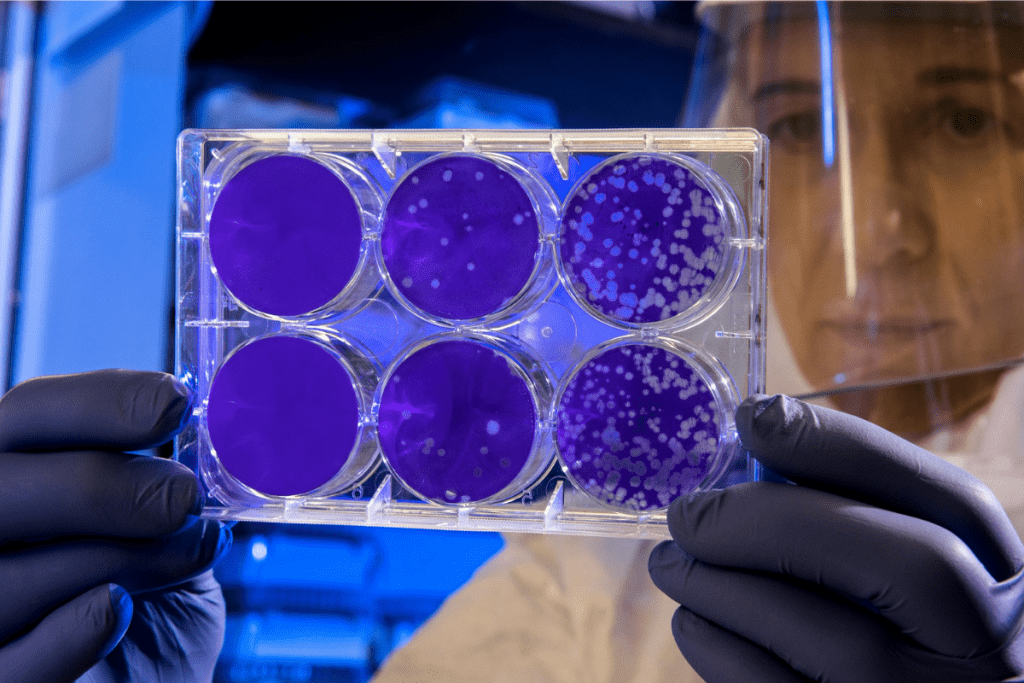
Did you know that umbilical cord blood and tissue are among the richest sources of stem cells? These cells are key in regenerative medicine. They offer hope for treating many diseases and injuries. The power of umbilical cord stem cells comes from their ability to turn into different cell types. This makes them very useful for medical studies and treatments. The good news is that non-invasive stem cell collection from umbilical cord blood allows families to preserve these cells without any risk or harm, making it a safe and effective option for the future of healthcare.
This article will dive into why umbilical cord stem cells are so important in regenerative medicine. We’ll see how they could change healthcare for the better.
Key Takeaways
- Umbilical cord blood and tissue are rich in stem cells.
- Stem cells are key to regenerative medicine.
- The collection of umbilical cord stem cells is non-invasive.
- These cells can turn into many different cell types.
- Umbilical cord stem cells are great for medical research and therapy.
Understanding Stem Cells and Their Importance
Stem cells are key to understanding human growth and could change healthcare with regenerative medicine. They can turn into different cell types. This makes them very important for medical studies and treatments.
Types of Stem Cells and Their Potency
There are many types of stem cells, each with its own power level. The main types are:
- Totipotent stem cells, which can become any cell type, including placental cells.
- Pluripotent stem cells, which can turn into almost any cell type.
- Multipotent stem cells, which can become multiple cell types, but only in a specific group.
- Unipotent stem cells, which can only turn into one cell type.
The power of stem cells is key to figuring out their uses in medicine.
The Role of Stem Cells in Medicine and Research
Stem cells are very important in regenerative medicine and fixing damaged tissues. They can turn into different cell types. This makes them perfect for:
- Fixing damaged tissues.
- Treating diseases that get worse over time.
- Helping us understand human growth and disease.
There’s also research on immunomodulatory stem cells. It’s looking into how they can change the immune system. This could help treat immune problems.
Common Sources of Stem Cells
Stem cells hold great promise for medicine. Knowing where they come from is key. They can be found in different places, each with its own benefits and uses.
Embryonic Stem Cells
Embryonic stem cells come from embryos. They can turn into any cell in the body. But, their use is debated because of where they come from.
Adult Stem Cells
Adult stem cells are in adult bodies. They can become several types of cells but not as many as embryonic stem cells. They are used in treatments and are seen as more acceptable ethically.
Induced Pluripotent Stem Cells (iPSCs)
Induced pluripotent stem cells are made in labs from adult cells. This method is seen as a good alternative to embryonic stem cells. It could change personalized medicine.
The table below shows the main differences between these stem cell types:
| Stem Cell Type | Source | Potency | Ethical Considerations |
| Embryonic Stem Cells | Embryos | Pluripotent | High ethical controversy |
| Adult Stem Cells | Adult tissues | Multipotent | Lower ethical controversy |
| Induced Pluripotent Stem Cells (iPSCs) | Reprogrammed adult cells | Pluripotent | Ethically acceptable alternative |
Umbilical Cord Blood: A Rich Source of Stem Cells
Umbilical cord blood is packed with stem cells, making it very useful for treatments. It’s the blood left in the umbilical cord after a baby is born. This blood is full of hematopoietic stem cells, which are key for making blood cells.
Composition of Umbilical Cord Blood
Umbilical cord blood has many types of stem cells, including hematopoietic stem cells. These stem cells can turn into any blood cell type. Because of this, cord blood is perfect for hematopoietic stem cell transplantation.
The main parts of umbilical cord blood are:
- Hematopoietic stem cells
- Mesenchymal stem cells
- Other progenitor cells
Hematopoietic Stem Cells from Cord Blood
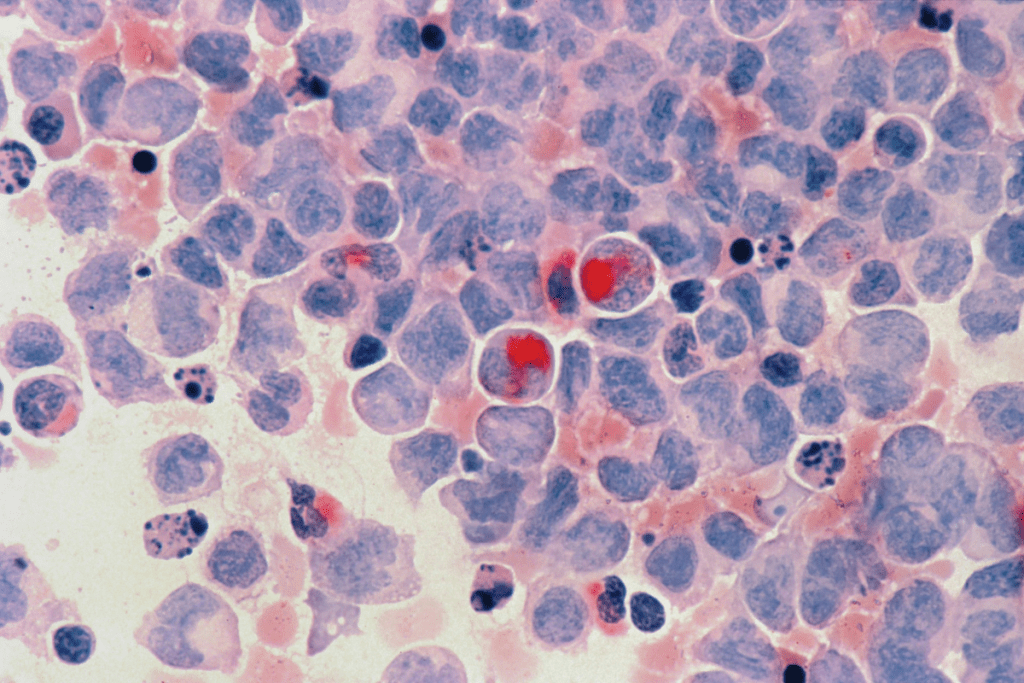
Hematopoietic stem cells from cord blood have helped treat many blood diseases. These include leukemia and lymphoma. They can rebuild the bone marrow, making healthy blood cells.
Using cord blood stem cells has many benefits:
- They are easy to get
- There’s less chance of graft-versus-host disease
- They work well even with partial HLA mismatch
Cord blood banking involves preserving umbilical cord blood for future medical use, including autologous or allogeneic stem cell transplants. It is considered a valuable resource for treating various diseases.
Umbilical Cord Tissue: Beyond Cord Blood
Umbilical cord tissue is gaining attention in regenerative medicine, beyond just cord blood. It’s a treasure trove of stem cells, often overlooked as medical waste. These stem cells hold great promise for different treatments.
Wharton’s Jelly and Its Stem Cell Content
Wharton’s jelly, a soft part of the umbilical cord, is packed with mesenchymal stem cells (MSCs). These cells can differentiate into multiple specialized cell types, like bone and fat cells. They also help control the immune system, which is key for treating many diseases.
MSCs from Wharton’s jelly are relatively easy to isolate and expand in laboratory conditions, making them suitable for tissue and organ repair.
Mesenchymal Stem Cells from Umbilical Cord
Mesenchymal stem cells from the umbilical cord are getting a lot of interest in regenerative medicine. They’re versatile and can help fix many health problems. These cells are easy to grow in the lab, making them a reliable choice for treatments.
Studies show these MSCs can help with autoimmune diseases and degenerative disorders. They can modulate the immune system and support tissue repair, making them a promising tool in regenerative medicine.
Non-invasive Stem Cell Collection: The Umbilical Cord Advantage
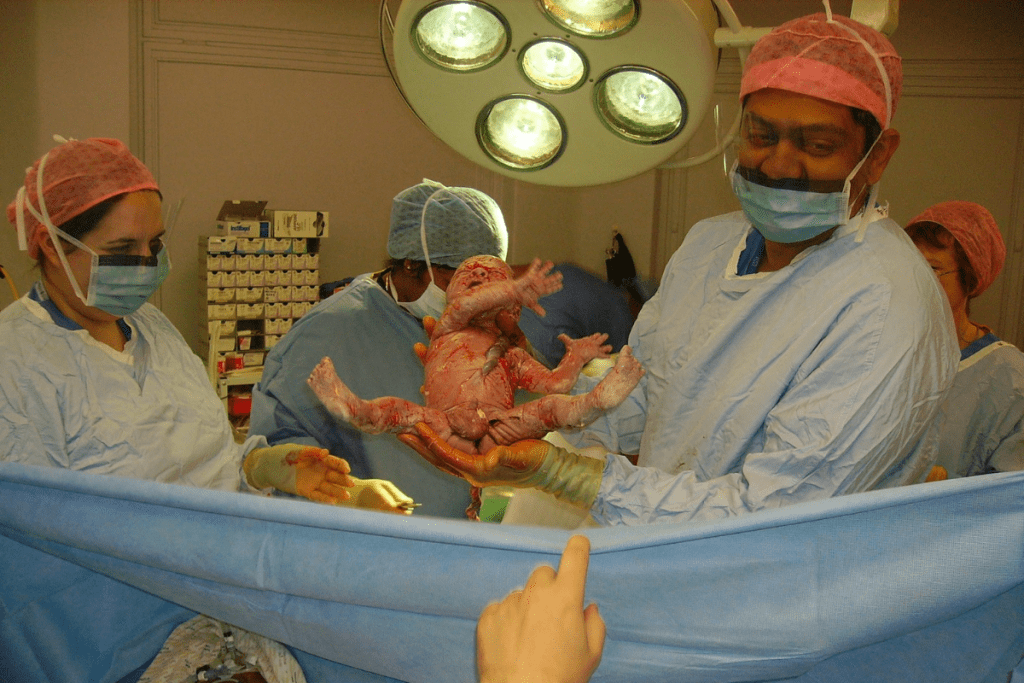
Using umbilical cord stem cells for therapy has many benefits. It’s a non-invasive method that avoids the risks of other procedures. This makes it a safe and ethical choice.
Collection Procedures and Protocols
Getting stem cells from the umbilical cord is safe and easy. Collection procedures happen right after a baby is born. This way, it doesn’t disrupt the delivery and doesn’t harm the mother or child.
The umbilical cord is cut as usual, and then the blood is collected. This whole process is non-invasive and painless.
Healthcare professionals with special training follow strict rules. They make sure the stem cells are of high quality and safe for use later.
Comparison with Other Collection Methods
Umbilical cord stem cell collection is much less invasive than other methods. It doesn’t need surgery or anesthesia. This makes it a better choice for patients.
Also, umbilical cord stem cells are seen as an ethical stem cell source. They come from tissue that’s usually thrown away after birth. This avoids the ethical issues of using embryonic stem cells, making it a good option for research and therapy.
Cord Blood Banking: Preserving Stem Cells for Future Use
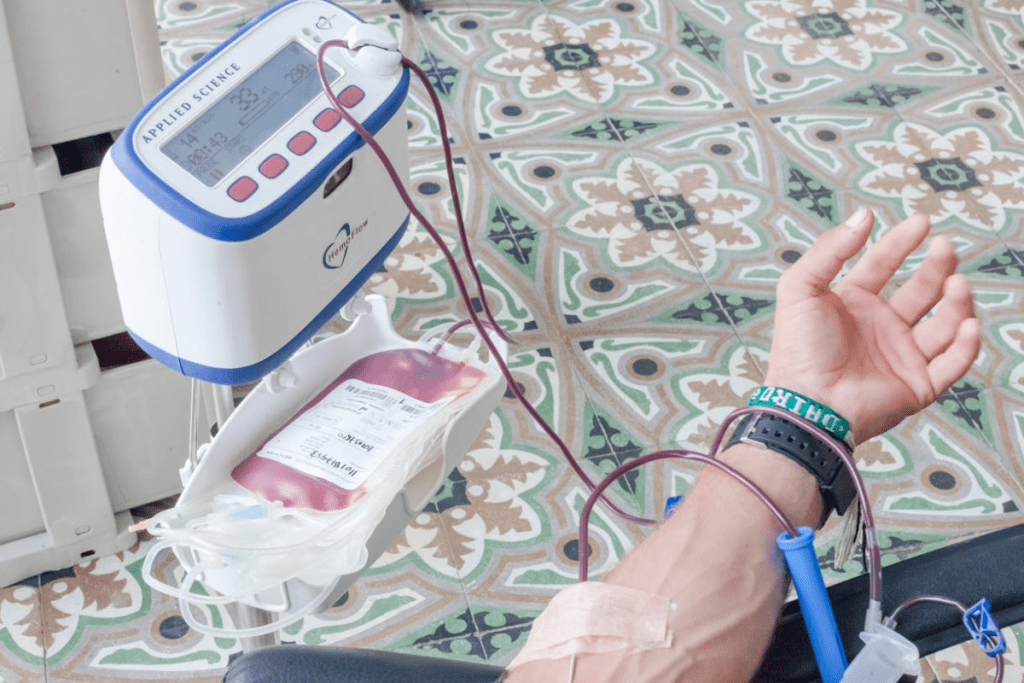
Deciding to bank cord blood is a big choice. It can save lives by providing stem cells for future medical needs. Cord blood is collected and stored after birth. It’s full of stem cells that can treat many diseases.
Public vs. Private Cord Blood Banking
There are two main ways to bank cord blood: public and private. Public cord blood banking means donating to a bank for anyone needing a transplant. It’s free but the family doesn’t get the stem cells back. Private cord blood banking stores the blood for the family’s use only. It costs money but is chosen by families with a history of certain diseases.
Long-term Storage and Viability
Keeping cord blood viable for future use is key. New freezing methods have made it possible to keep stem cells alive for decades. Most banks freeze the cells in liquid nitrogen at very low temperatures.
| Storage Method | Viability Duration | Cost Considerations |
| Cryopreservation in Liquid Nitrogen | 20+ years | Initial fee + annual storage |
| Advanced Cryopreservation Techniques | 25+ years | Higher initial fee, potentially lower storage costs |
In conclusion, cord blood banking is a chance to save stem cells for future medical needs. Knowing the options and how to store them helps families make the right choice.
Therapeutic Applications of Umbilical Cord Stem Cells
Stem cells from the umbilical cord are changing how we treat diseases. Their unique abilities make them key for regenerative medicine.
Current FDA-Approved Treatments
Umbilical cord stem cells are used in several FDA-approved treatments. They are used to treat blood disorders like leukemia and lymphoma. These cells can turn into different blood cell types, helping patients with blood diseases.
Approved therapies also include treatments for immune system issues and genetic diseases. Using umbilical cord stem cells has shown great promise. Many patients see better results and fewer complications.
Emerging Clinical Trials and Research
Umbilical cord stem cells are being studied in many new clinical trials. They are looking at treating neurological disorders, heart disease, and autoimmune diseases. Their versatility makes them a good choice for many treatments.
Researchers are also looking at umbilical cord-derived mesenchymal stem cells. These cells have anti-inflammatory and immunomodulatory properties. They could help repair tissues and control the immune system, giving hope for complex disease treatments.
Immunomodulatory Properties of Cord-Derived Stem Cells
Recent studies show cord-derived stem cells can change the immune system. These cells come from umbilical cord blood and tissue. They are promising for treating immune disorders because of their immunomodulatory properties.
Cord-derived stem cells can change how the immune system reacts. This makes them useful for treatments. Their immunomodulatory effects help manage immune system problems.
Graft-versus-Host Disease Treatment
Graft-versus-host disease (GVHD) is a serious issue after stem cell transplants. Cord-derived stem cells might help treat GVHD. They can calm the immune system and help it accept new cells.
- Cord blood-derived stem cells are used in GVHD treatment.
- They help lessen GVHD’s severity.
- More research is needed to fully understand their benefits.
Immune System Modulation Capabilities
Cord-derived stem cells can change the immune system. This makes them useful for more than just GVHD.
- They can stop the immune system from overreacting.
- These cells help the immune system react correctly.
- They are being studied for treating autoimmune diseases.
In conclusion, cord-derived stem cells are a promising area for research and treatment. They could help with many immune-related conditions.
Comparing Stem Cell Sources: Why Umbilical Cord May Be Superior
Looking at different stem cell sources, umbilical cord stem cells stand out. They are easier to get, have fewer ethical issues, and work better for treatments. Scientists are always looking for the best stem cells for medicine.
Cell Quantity and Quality Considerations
Umbilical cord stem cells have a big plus: lots of cells and high quality. They are not as controversial or hard to find as embryonic stem cells. These cells grow well and can turn into many types of cells.
Differentiation Ability
The ability of stem cells to change into different types is key for treatments. Umbilical cord stem cells can turn into many cell types. This makes them great for fixing or replacing damaged tissues.
Ethical and Practical Benefits
Umbilical cord stem cells are better from an ethical point of view. They come from a part that is usually thrown away after birth. This avoids the big ethical problems of embryonic stem cells. Plus, getting them is safe and easy for the donor. The main benefits are:
- Non-invasive collection process
- No risk to the donor
- High cell quality and quantity
- Broad differentiation ability
In summary, umbilical cord stem cells are the best choice. They have big ethical and practical benefits, and they work well for treatments.
Conclusion: The Future of Umbilical Cord Stem Cells in Medicine
The future of umbilical cord stem cells in medicine is bright. They can turn into many different cell types. This makes them key players in stem cell therapy.
Umbilical cord blood and tissue are full of stem cells. They are easy to get and can help a lot of people. Many clinical trials are showing good results in treating diseases.
Stem cell therapy is getting better, and umbilical cord stem cells are leading the way. As regenerative medicine grows, these cells will help create new treatments. This brings hope to patients all over the world.
FAQ
What are stem cells, and why are they important?
Stem cells can turn into different cell types. They are key in fixing damaged tissues and treating diseases. This makes them very important in medicine.
What is the difference between embryonic stem cells, adult stem cells, and induced pluripotent stem cells?
Embryonic stem cells come from embryos. Adult stem cells are found in grown-up bodies. Induced pluripotent stem cells are made from adult cells that can become many types.
What is umbilical cord blood, and why is it a valuable source of stem cells?
Umbilical cord blood is left in the umbilical cord after birth. It’s full of stem cells. These stem cells can help treat blood disorders.
What are mesenchymal stem cells, and what are their applications?
Mesenchymal stem cells come from different tissues, like the umbilical cord. They help fight inflammation and repair tissues. This makes them good for treating many diseases.
How are umbilical cord stem cells collected, and what are the advantages of this method?
Stem cells from the umbilical cord are taken after birth. This method is safe and doesn’t hurt. It’s also seen as ethical.
What is cord blood banking, and why is it important?
Cord blood banking stores blood from the umbilical cord for future use. It’s key for treating diseases and cancers with stem cells.
What are the differences between public and private cord blood banking?
Public banking donates blood to help anyone. Private banking keeps it for the family. Both have their benefits and drawbacks.
What are the therapeutic applications of umbilical cord stem cells?
These stem cells can treat blood disorders, cancers, and more. They’re also being tested for autoimmune diseases and tissue damage.
Can umbilical cord stem cells modulate the immune system?
Yes, they can. Mesenchymal stem cells from the umbilical cord help control the immune system. This is good for treating immune disorders.
What is the future of umbilical cord stem cells in regenerative medicine?
They will be very important in medicine’s future. Research is ongoing to use them for treating many diseases. Their collection method and benefits make them promising.
References
- Marino, L., Insausti, C. L., Montes, R. H., et al. (2019). Mesenchymal Stem Cells from the Wharton’s Jelly: Potential Therapeutic Applications and Some Biologic Characteristics. Stem Cells and Development, 28(17), 1005-1018. https://doi.org/10.1089/scd.2018.0100
- Discusses the yield, proliferation, molecular profiles of Wharton’s Jelly MSCs vs adult sources. Emphasizes WJ-MSCs as generous, non-invasive, ethically acceptable source. PMC
- Discusses the yield, proliferation, molecular profiles of Wharton’s Jelly MSCs vs adult sources. Emphasizes WJ-MSCs as generous, non-invasive, ethically acceptable source. PMC
- Penny, T. R., Jenkin, G., Miller, S. L., McDonald, C. A., et al. (2024). Umbilical cord blood derived cell expansion: A potential neuroprotective therapy. Stem Cell Research & Therapy, 15, Article 234. https://doi.org/10.1186/s13287-024-03830-0
- Highlights UCB as rich in stem/progenitor and immunomodulatory cells; examines efforts to expand UCB cells to overcome low cell dose challenges. BioMed Central
- Highlights UCB as rich in stem/progenitor and immunomodulatory cells; examines efforts to expand UCB cells to overcome low cell dose challenges. BioMed Central