Last Updated on December 2, 2025 by Bilal Hasdemir

Did you know that nearly 800,000 people in the United States undergo hernia repair surgery each year? A hernia happens when an organ or tissue bulges through a weak spot in the muscle or tissue. This can be very painful and serious. Many people are looking for ways other than surgery to fix this.Can you use non surgical hernia treatment? We reveal the shocking truth about trusses, exercise, and the critical risks of avoiding surgery.
At our institution, we provide premium care for those with hernias. We look into non-surgical ways to help. This includes using a hernia belt for temporary relief and a truss device for support. We also help with weight loss to make hernias better.
Key Takeaways
- Understanding what a hernia is and its various types.
- Exploring non-surgical treatment options.
- The role of a hernia belt in providing temporary relief.
- How a truss device can offer hernia support.
- The importance of weight loss in hernia improvement.
Understanding Hernias: Causes and Symptoms
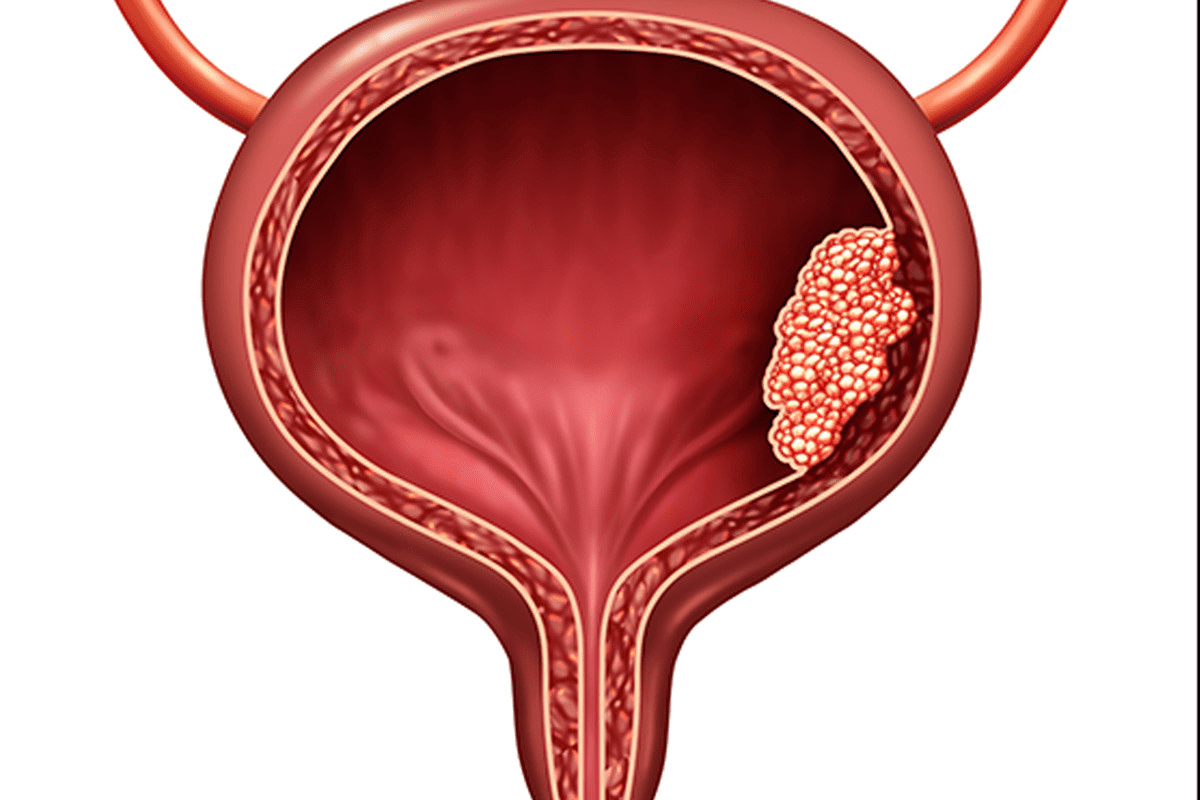
A hernia happens when an organ or tissue bulges through a weak spot in the muscle. This can be painful and may lead to serious problems if not treated. We’ll look at the causes, types, and symptoms of hernias to help you understand them better.
What is a Hernia?
A hernia is when an organ or tissue bulges through a weak spot. This usually happens in the abdominal wall. It can be caused by genetic predisposition, aging, or lifestyle factors like heavy lifting or straining.
Common Types of Hernias
There are many types of hernias, each with its own features. The most common ones are:
- Inguinal Hernia: This happens when tissue bulges through a weak spot in the abdominal muscles in the groin.
- Umbilical Hernia: It occurs near the belly button, often due to a weak spot in the abdominal wall.
- Incisional Hernia: This develops through a scar or incision in the abdominal wall from previous surgery.
- Hiatal Hernia: It happens when the stomach bulges up into the chest through an opening in the diaphragm.
Symptoms to Watch For
The symptoms of a hernia can vary. Common signs include:
- A noticeable bulge or lump in the affected area.
- Pain or discomfort, often when coughing, lifting, or bending over.
- A feeling of heaviness or pressure in the groin or abdomen.
- In some cases, nausea or vomiting if the hernia becomes incarcerated or strangulated.
Making dietary changes can help manage hernia symptoms. Avoiding foods that cause constipation can help. Exercise can also strengthen the abdominal wall. Certain yoga poses may help by strengthening core muscles and improving flexibility. It’s also good to avoid straining during bowel movements by eating a high-fiber diet and staying hydrated.
Exploring Non-Surgical Treatment Options

Non-surgical ways to handle hernias are getting more attention. They offer a chance to ease symptoms without surgery. Surgery isn’t the only solution for everyone with hernias. So, it’s key to look into non-surgical options.
Lifestyle Changes and Modifications
Changing your lifestyle can help a lot with hernia symptoms. Eating right to avoid constipation is important. A diet full of fiber, drinking plenty of water, and keeping a healthy weight are essential steps. Also, avoid heavy lifting and bending to lessen strain.
Some important lifestyle changes include:
- Eating smaller, more frequent meals to reduce digestive strain
- Avoiding foods that cause gas or bloating
- Engaging in gentle exercises to improve core strength without straining the hernia
Physical Therapy Approaches
Physical therapy is a big part of non-surgical hernia care. We help patients create exercise plans that strengthen the core and improve posture. This helps reduce discomfort. Techniques include gentle stretching, core strengthening, and learning proper body mechanics.
Physical therapy also uses supportive garments to manage symptoms. These garments offer extra stability and comfort, which is helpful during activities that might make the hernia worse.
Medication and Pain Management
There are many ways to manage pain from hernias. We often start with over-the-counter pain relievers. Sometimes, stronger prescription drugs are needed. It’s important to work with a healthcare provider to find the right treatment and avoid side effects.
Other pain management methods can also help. These include alternative therapies like acupuncture or chiropractic care. Some people find these helpful in easing pain.
The Role of Dietary Changes
What we eat affects how our body handles a hernia. Making dietary changes can help manage symptoms like constipation and weight loss. By choosing the right foods, we can reduce discomfort and improve our health.
Foods that Support Recovery
Some foods can help in recovering from a hernia. These include:
- Fiber-rich foods like fruits, vegetables, and whole grains that help prevent constipation.
- Lean proteins such as chicken, fish, and beans that support muscle health.
- Healthy fats found in nuts, seeds, and avocados that promote overall well-being.
Eating these foods can lessen the strain on the affected area. It can also improve our quality of life.
Supplements and Vitamins
Along with diet changes, some supplements and vitamins can help manage a hernia. These may include:
- Vitamin C for its role in collagen production and tissue repair.
- Omega-3 fatty acids for their anti-inflammatory properties.
- Probiotics to support gut health and prevent constipation.
Always talk to a healthcare professional before taking any supplements. They can ensure they are safe and right for you.
The Benefits of Wearing a Hernia Support Belt

A hernia support belt is a simple yet effective tool for providing temporary relief and supporting the abdominal wall. These belts can be a valuable part of a non-surgical management plan for hernias.
How to Choose the Right Belt
Choosing the right hernia support belt is key for effective management. Here are some factors to consider:
- Size and Fit: Ensure the belt is comfortable and fits properly to provide adequate support.
- Material: Look for breathable materials that will not irritate the skin.
- Adjustability: An adjustable belt can accommodate changes in swelling or discomfort.
Wearing Guidelines and Tips
To get the most out of a hernia support belt, it’s essential to wear it correctly. Here are some guidelines:
- Wear the belt as directed by your healthcare provider.
- Ensure the belt is snug but not too tight, as this can cause discomfort or restrict movement.
- Monitor your skin for any signs of irritation and adjust the belt if needed.
“Using a hernia support belt has been a lifesaver for me. It provides the support I need without the need for immediate surgery.”
A satisfied patient
Feature | Basic Hernia Belt | Advanced Hernia Belt |
Material | Cotton | Moisture-wicking fabric |
Adjustability | Velcro straps | Multiple adjustment points |
Support Level | Basic support | Customizable support |
Alternative Therapies for Hernia Management
Alternative therapies offer a new way to manage hernias without surgery. They are great for those who want to try something different or need more help. These methods can work together with traditional treatments for better care.
Acupuncture and Its Benefits
Acupuncture is a traditional Chinese medicine that uses thin needles. It’s thought to help the body heal and reduce pain. For hernia patients, it might lessen discomfort and boost overall health.
Some benefits of acupuncture for hernia management include:
- Reduced pain and inflammation
- Improved digestive function
- Enhanced overall health
Chiropractic Care Insights
Chiropractic care deals with fixing joint misalignments, mainly in the spine. For hernia patients, it can ease pressure and improve spinal alignment.
The benefits of chiropractic care for hernia management may include:
- Relief from pain and discomfort
- Improved spinal flexibility and alignment
- Enhanced nervous system function
Adding alternative therapies to treatment plans can lead to better results and a higher quality of life for patients.
Mind-Body Techniques for Pain Relief
Living with a hernia can be tough, mainly when dealing with pain. Mind-body techniques are helpful in managing hernia pain. They focus on the mind-body connection, improving overall well-being and reducing symptoms.
Meditation for Stress Reduction
Meditation is a strong tool for reducing stress and promoting calm. It can help those with hernias feel less pain and live better. Meditation stress reduction is great when used with other treatments.
Starting with meditation is easy. There are many guided resources like apps and online tutorials. Even a few minutes a day can make a big difference.
Yoga for Core Strengthening
Yoga poses for hernia relief can strengthen the core and improve stability. Certain poses support the affected area and aid in healing. Yoga is a key part of a full treatment plan.
Finding a qualified yoga teacher is key. They can create a practice that fits your needs and limits. Core strengthening non-surgical approaches like yoga are good for avoiding surgery.
Good yoga poses for hernia relief include gentle pelvic tilts, modified planks, and supported bridge poses. These poses strengthen the core and improve flexibility.
The Importance of Gradual Physical Activity
Starting with slow physical activity can really help people with hernias. It makes the abdominal wall stronger. We know that being careful with physical activity is key. It helps avoid making the hernia worse while keeping you healthy.
Exercises to Strengthen the Abdominal Wall
Some exercises can make the abdominal muscles stronger. This helps support the hernia. Here are some good ones:
- Pelvic tilts: These strengthen the core muscles gently.
- Gentle stretching: Stretching can make you more flexible and less uncomfortable.
- Core stabilizing exercises: These exercises help keep the core stable and support the abdominal wall.
Activities to Avoid
It’s also important to stay away from activities that could make the hernia worse. Here are some to avoid:
- Heavy lifting: Avoid lifting heavy things to prevent straining the abdominal wall.
- Strenuous exercises: Stay away from weightlifting, bending, or any exercise that strains the abdomen.
- High-impact activities: Avoid running, jumping, or any activity that could shake the abdominal contents.
By doing gradual physical activity and avoiding harmful activities, you can manage your hernia well. This improves your overall health. We’re here to help you through this process.
Knowing When Surgery is Necessary
Non-surgical treatments can help manage hernias, but sometimes surgery is needed. It’s important to know when surgery is required. Also, getting advice from a healthcare professional is key for doctor-monitored hernia management.
Signs That Indicate Surgery is Needed
Some symptoms and conditions mean you might need surgery for your hernia. These include:
- Severe pain that makes it hard to do daily tasks
- A growing hernia
- Signs of strangulation, like nausea, vomiting, or fever
- Incarceration, where the hernia gets stuck
Medical experts say early treatment is key for better outcomes with hernias.
“The decision to undergo surgery should be made in consultation with a healthcare provider, taking into account the individual’s overall health and the specific characteristics of the hernia.” – Medical Expert, General Surgeon
Consultation with a Healthcare Professional
Talking to a healthcare professional is a big step in figuring out the best treatment for a hernia. They will check the hernia and decide if non-invasive hernia care is enough or if surgery is needed.
Factors Considered | Description |
Hernia Size and Location | The size and location of the hernia are important for choosing treatment. |
Symptoms and Complications | Symptoms like pain, nausea, or strangulation signs might mean surgery is needed. |
Patient’s Overall Health | The patient’s health, including any other health issues, affects the treatment choice. |
Personalized care is vital for hernia management. A healthcare professional will decide the best treatment plan. This could be surgery or non-invasive management strategies.
Real-Life Success Stories of Non-Surgical Treatments
Non-surgical treatments for hernias have shown great success in real-life stories. Many people have found relief without surgery. This is thanks to alternative therapies and changes in lifestyle.
Testimonials from Patients
Patients who chose non-surgical treatments often see big improvements. For example, one patient said,
“After starting physical therapy and wearing a hernia support belt, I noticed a big drop in my pain.”
Another patient shared,
“Acupuncture and changing my diet really helped with my hernia. I feel more in charge of my health now.”
These stories show how non-surgical methods can help. They can greatly improve life for those with hernias.
Insights from Healthcare Experts
Healthcare experts stress the need for a full approach to hernia management. A specialist noted,
“A mix of lifestyle changes, alternative therapies, and education is vital for non-surgical success.”
Experts suggest trying natural remedies to lessen hernia symptoms. This includes eating better and taking supplements for health.
Patients who stick to a complete treatment plan often do better. Our team helps create care plans that include alternative therapies for hernia relief.
- Dietary changes to support recovery
- Physical therapy to strengthen core muscles
- Wearing a hernia support belt for added stability
- Exploring alternative therapies like acupuncture
By using these non-surgical methods, many patients have seen big improvements. We support our patients every step of the way. We make sure they get the best care possible.
Future Research and Innovations in Non-Surgical Options
Medical technology and treatment methods are getting better. The future of non-surgical hernia care is looking bright. Researchers are working hard to create new, non-invasive ways to treat hernias. These new methods will focus on making patients comfortable and getting good results.
Advancements in Treatment
New studies have made big steps in non invasive hernia care. They’re working on doctor monitored hernia management to tailor treatments to each patient. This is key to better results and shorter recovery times.
Emerging Trends
The area is seeing a lot of future research non surgical hernia treatment. New techniques and technologies are being explored. These could change how we manage hernias for the better.
We’re dedicated to using the latest in non-surgical hernia treatments. Our goal is to give our patients the best care possible.
FAQ
What is a hernia and how does it occur?
A hernia happens when an organ bulges through a weak spot in the muscle. This can be due to strain, being overweight, or being born with it.
Can lifestyle changes really help manage hernia symptoms?
Yes, changing your lifestyle can help with hernia symptoms. Keep a healthy weight, avoid heavy lifting, and don’t strain when you go to the bathroom. These steps can ease discomfort and stop the hernia from getting worse.
How can dietary changes aid in hernia recovery?
Eating a diet high in fiber can help prevent constipation, which strains the abdominal wall. Foods full of antioxidants and nutrients also support health and recovery.
What is the role of a hernia support belt in managing hernias?
A hernia support belt can offer temporary relief by applying gentle pressure. Choose a belt that fits well and follows the manufacturer’s wear guidelines.
Are there alternative therapies that can help with hernia management?
Yes, therapies like acupuncture and chiropractic care can help with pain. Always talk to a healthcare professional before trying these options.
How can physical activity impact hernia symptoms?
Starting with gentle exercises, like yoga or swimming, can help. Avoid heavy lifting and high-impact activities. These can strengthen your abdominal wall.
When is surgery necessary for a hernia?
Surgery is needed if a hernia becomes trapped or causes a lot of pain. Always talk to a doctor to decide the best treatment for you.
Can non-surgical treatments really be effective for hernia management?
Yes, non-surgical treatments can work well, along with lifestyle changes and alternative therapies. Many people manage their symptoms without surgery.
What are the benefits of mind-body techniques for hernia-related pain?
Mind-body techniques like meditation and yoga can reduce stress and pain. They improve overall well-being and are part of a good treatment plan.
How can I prevent constipation to manage my hernia?
Preventing constipation is key to managing hernias. Eat a high-fiber diet, drink plenty of water, and stay active. This helps prevent straining and complications.
What are the latest developments in non-surgical hernia treatment?
New research and innovations are improving non-surgical treatments for hernias. We keep up with these advances to offer the best care for our patients.
References
National Institutes of Health. Evidence-Based Medical Insight. Retrieved from https://www.niddk.nih.gov/health-information/digestive-diseases/inguinal-hernia