At Liv Hospital, we know that a nuclear cardiology stress test can worry many patients. This test checks how well blood flows to the heart when you’re active and when you’re not. It helps find heart problems and see how well the heart works.
Many patients ask if they can drive after the test. We promise to give you top-notch care and support. In this article, we’ll tell you what to expect during the test. This includes how long it lasts, what happens during it, and what to think about after.
We put your safety and care first at our hospital. We’ll tell you if you can drive after the nuclear stress test. We’ll also share what you need to know to get ready.
Key Takeaways
- Understand the purpose and process of a nuclear cardiology stress test.
- Learn about the test duration and what to expect during the procedure.
- Discover whether you can drive after the test and post-test considerations.
- Find out how Liv Hospital prioritizes patient safety and care.
- Get insights into preparing for your nuclear cardiology stress test.
Understanding Nuclear Cardiology Stress Tests
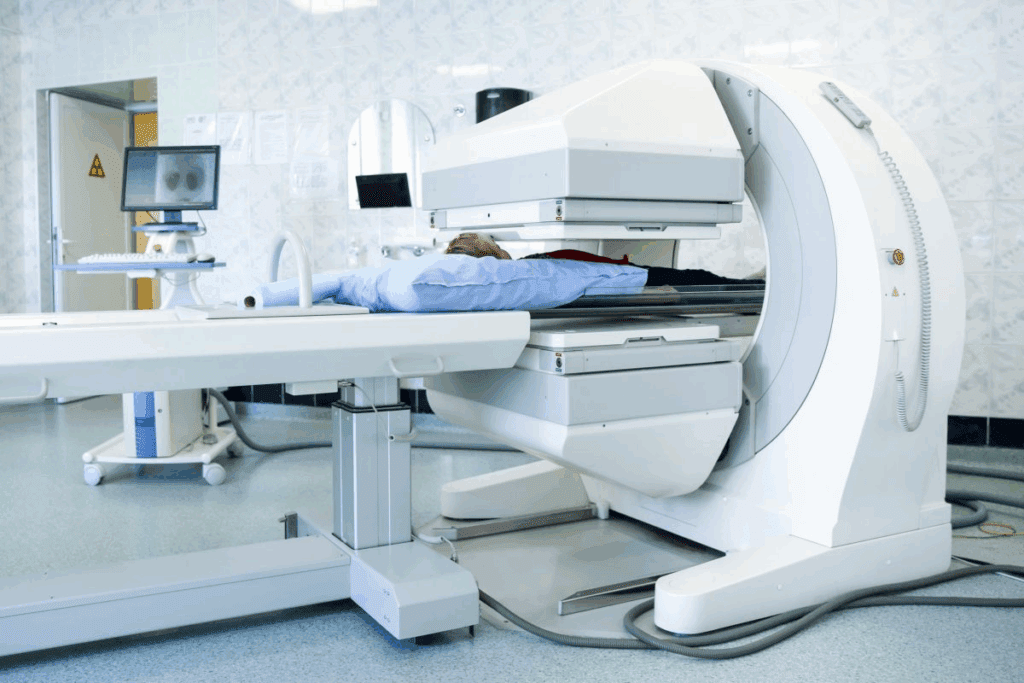
To understand nuclear cardiology stress tests, we need to know the basics. These tests show how well your heart works when stressed. They use a small amount of radioactive tracer in your blood to take pictures of your heart’s blood flow at rest and during exercise.
Definition and Purpose
A nuclear cardiology stress test, or nuclear stress test, checks your heart’s function under stress. This stress is usually from exercise or medicine. The main goal is to find heart areas that don’t get enough blood flow when active. This could mean you have heart disease or other heart issues.
The test has two parts: resting and stress phases. First, we take pictures of your heart at rest. Then, we take more pictures while your heart is stressed, either from exercise or medicine.
Types of Nuclear Stress Tests
There are two main types of nuclear stress tests: exercise and pharmacological.
- Exercise Nuclear Stress Test: This test uses physical exercise, like on a treadmill, to stress the heart.
- Pharmacological Nuclear Stress Test: For those who can’t exercise, medicine is used to mimic exercise’s effects on the heart.
The test usually takes 2 to 4 hours. This time can vary based on the test type and your situation. Here’s what you can expect:
| Procedure Step | Time Allocation | Description |
| Preparation | 30 minutes | Getting ready for the test, including IV insertion and initial imaging. |
| Resting Phase | 30-60 minutes | Capturing images of the heart at rest. |
| Stress Phase | 30-60 minutes | Capturing images of the heart under stress, either through exercise or medication. |
| Imaging and Analysis | 1-2 hours | Processing and analyzing the captured images. |
Knowing about nuclear cardiology stress tests helps you prepare for the procedure. It also tells you what to expect during and after the test.
When and Why Nuclear Stress Tests Are Recommended

Our cardiology experts often suggest nuclear stress tests for patients with heart symptoms. These tests help diagnose and manage heart conditions. They give important insights into the heart’s blood flow when it’s under stress.
Common Heart Conditions Diagnosed
Nuclear stress tests are great for finding coronary artery disease and how severe it is. This disease happens when arteries narrow or block due to plaque. It can lead to heart attacks.
Common conditions diagnosed with nuclear stress tests include:
- Coronary artery disease
- Ischemia (reduced blood flow to the heart muscle)
- Infarction (heart attack)
Advantages Over Other Cardiac Tests
Nuclear stress tests have many benefits over other heart tests. They show detailed images of the heart’s blood flow. This helps doctors make a better diagnosis and treatment plan.
They can see how well the heart works under stress. This is key for spotting problems. At Liv Hospital, we care about patient safety. We suggest having someone with you after the test. Some patients might feel effects for a while.
Preparing for Your Nuclear Cardiology Stress Test
At Liv Hospital, we help you get ready for a nuclear cardiology stress test. This ensures your comfort and the test’s accuracy. Proper preparation is essential for reliable results and your safety.
Dietary Restrictions and Guidelines
To prepare for your test, you might need to follow dietary rules. Avoid eating or drinking for a few hours before the test. This helps ensure accurate results. Also, avoid caffeine for at least 24 hours before, as it can affect the test’s outcome.
Here’s a summary of dietary guidelines to follow:
| Dietary Item | Guideline |
| Food and Drink | Avoid for 4-6 hours before the test |
| Caffeine | Avoid for 24 hours before the test |
| Smoking | Avoid for a few hours before the test |
Medication Adjustments Before Testing
Tell your healthcare provider about any medications you’re taking. Some might need to be adjusted or stopped before the test. This includes heart medications and over-the-counter drugs or supplements.
Always consult with your healthcare provider before making any changes to your medication regimen.
What to Wear and Bring on Test Day
Wear comfortable clothes and shoes for exercise on test day. You might need to remove jewelry or other items that could interfere with the test equipment.
Bring a list of your medications, medical records, and ID. If you have questions, contact our team at Liv Hospital.
After the test, you might not be able to drive home. This is because some medications can make you drowsy. The test usually takes a few hours. Knowing how to prepare and what to expect can make the process easier.
Step-by-Step: The Nuclear Cardiology Stress Test Procedure
At Liv Hospital, we walk you through the nuclear cardiology stress test step by step. We aim to make the process smooth and stress-free. This way, we can get clear images of your heart.
Initial Assessment and Preparation
First, our team assesses you to prepare for the test. They attach sensors to your chest, arms, and legs to track your heartbeat. A healthcare professional will explain everything and make sure you’re comfortable.
We also look at your medical history and current medications. This helps us tailor the test to your needs and keep you safe.
The Stress Component: Exercise vs. Pharmacological
The stress part of the test is key. You might walk on a treadmill or pedal a bike to stress your heart. Or, we might give you a medication to mimic exercise. We watch your heart rate and blood pressure closely.
This stress part usually lasts under 15 minutes. We check how your heart reacts to stress to spot any issues.
Imaging Process and Technology
After the stress part, we use advanced imaging to see your heart’s blood flow. We use a radioactive tracer to highlight any areas not getting enough blood.
Our imaging tech gives us clear images to diagnose and manage heart conditions. We take images after stress and at rest to compare them.
| Procedure Component | Duration | Description |
| Initial Assessment and Preparation | Variable | Preparation and attachment of electrodes |
| Stress Component | Less than 15 minutes | Exercise or pharmacological stress test |
| Imaging Process | Variable | Capturing images of heart’s blood flow |
The stress test itself is short, but the whole process takes a few hours. We know it’s a long time, but we aim to make it as comfortable as possible.
“The nuclear stress test is a valuable diagnostic tool that helps us understand how well your heart functions under stress,” says one of our cardiologists. “By using advanced imaging technology, we can identify possible heart conditions early, allowing for timely and effective treatment.”
How Long Does a Nuclear Stress Test Take?
At Liv Hospital, we know your time is important. We aim to make your nuclear stress test quick and easy. The test usually lasts between 2 to 4 hours. This depends on the test type and your health.
The test’s length can change based on a few things. These include the radioactive tracer and the imaging tests needed. Generally, you’ll spend about 2 hours with us. But, some tests might take longer.
Wondering how long a stress test takes at the hospital? Don’t worry, we’re here to make it smooth. Our team will help you every step of the way. They’ll tell you what to expect and how long it will take. So, plan for a few hours when asking about the test’s duration.
FAQ
Can you drive after a nuclear stress test?
We usually tell patients not to drive after a nuclear stress test, mainly if it’s a pharmacological stress test. The medicine can make you feel sleepy or dizzy, which isn’t safe for driving. It’s safer to have someone else drive you home.
How long does a nuclear stress test take?
At Liv Hospital, a nuclear stress test can take 2 to 4 hours. This depends on the test type and your health. We make sure you know how long it will take.
What is a nuclear cardiology stress test?
A nuclear cardiology stress test checks how well your heart works when stressed. It uses a tiny amount of radioactive tracer in your blood. This lets us see your heart’s blood flow at rest and when you’re active.
Why can’t you drive after a stress test?
You might not be able to drive after a stress test because of the medicine or the exercise. We care about your safety. So, we suggest having someone else drive you home.
How long does a cardiac stress test take?
A cardiac stress test usually takes 2 to 4 hours. This includes getting ready and recovering.
Can I drive myself home after a nuclear stress test?
We don’t recommend driving yourself home after a nuclear stress test, mainly if it’s a pharmacological test. The medicine can affect your ability to drive safely.
What are the different types of nuclear stress tests?
There are various nuclear stress tests, like those using exercise or medication. Our cardiology team will choose the best one for you.
How long does it take to do a stress test?
The actual test is shorter than the whole visit. The whole process, from start to finish, takes about 2 to 4 hours.
Can I drive after a chemical stress test?
We usually advise against driving after a chemical stress test. The medicine’s side effects can be a problem. It’s safer to have someone else drive you home.