
At Liv Hospital, we know how vital gynecological surgery is for women’s health. Our team of experts offers top-notch care. We use the latest techniques to get the best results.
Gynecological surgical procedures cover many treatments, from small surgeries to big ones. We aim to give caring support to our patients at every step.
We have a lot of experience in gynecological surgery procedures. This includes things like hysterectomy and endometrial ablation. We make sure to give care that fits each patient’s special needs.
Key Takeaways
- Understanding the range of gynecological surgery procedures available
- Recognizing the importance of expert care in women’s health
- Liv Hospital’s commitment to innovative, compassionate treatment
- Personalized care for each patient’s unique needs
- Expertise in various gynecological surgical procedures
The Evolution and Significance of Gynecological Surgery
Gynecological surgeries have a long history and are key to women’s health today. It’s important to know how these surgeries have developed and what they do now.
Historical Development of Female Surgical Interventions
The history of gynecological surgery is filled with important moments. Advancements in medical technology and surgical techniques have made surgeries safer and more effective.
At first, gynecological surgeries were risky. But, the use of antiseptics, anesthesia, and modern tools has changed that. Now, we have less invasive surgeries that help patients recover faster and feel better sooner.
Current Statistics and Impact on Women’s Health
Today, gynecological surgeries are a big part of women’s healthcare. Over 600,000 hysterectomies are done each year in the US. This shows how important these surgeries are for women’s health.
Doctor are experts in treating women’s health issues. Gynecological surgeries help women feel better, treat conditions, and improve their lives.
We keep learning and improving in gynecological surgery. Our goal is to give top-notch care and support to our patients.
Common Diagnostic Ob Procedures in Modern Practice
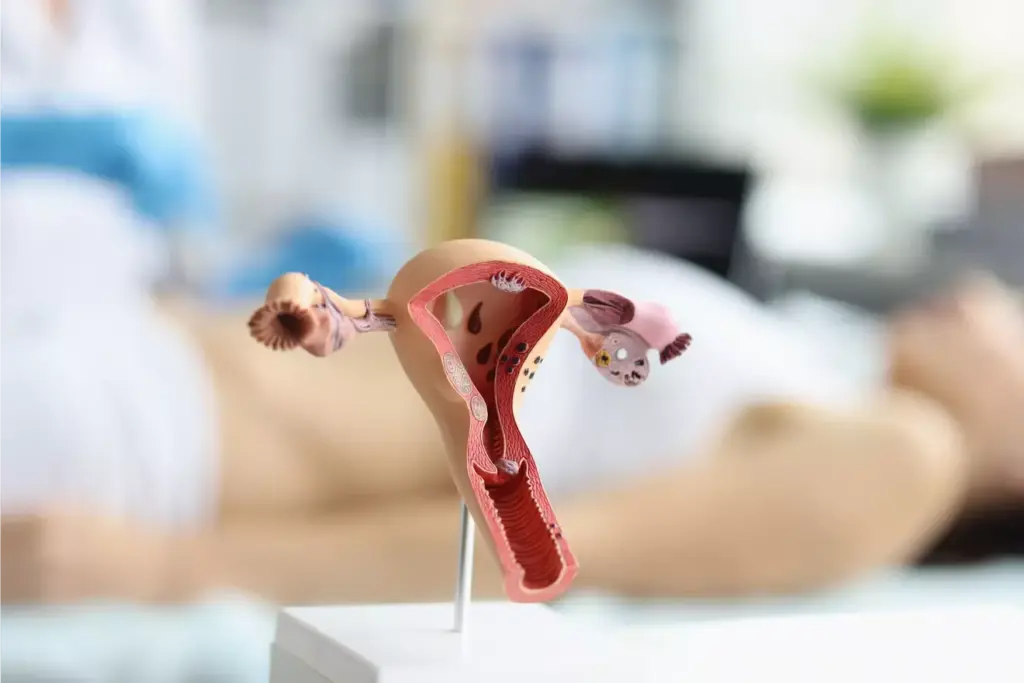
In today’s gynecology, diagnostic tests are key to spotting and treating women’s health problems. They help doctors see the reproductive organs, find issues, and plan treatments.
Colposcopy: Examining Cervical Abnormalities
A colposcopy is a tool for checking the cervix, vagina, and vulva for diseases. A special device called a colposcope is used to see the cervix’s cells closely. This helps find abnormal cell changes that could turn into cancer.
Colposcopy is suggested when a Pap smear shows odd results or if the cervix looks unusual during a check-up. It’s quick and done in a doctor’s office.
Hysteroscopy: Visualizing the Uterine Cavity
Hysteroscopy lets doctors see inside the uterus with a hysteroscope. This thin, flexible tool goes through the cervix. It shows the inside of the uterus, helping find issues like fibroids and polyps.
Hysteroscopy can also fix some problems. It’s great for finding why there’s unusual bleeding, infertility, or miscarriages.
Diagnostic Laparoscopy: Minimally Invasive Exploration
Diagnostic laparoscopy is a small surgery that lets doctors see the pelvic organs. It makes small cuts in the belly to put in a laparoscope. This tool has a camera and light.
This method is good for finding problems like endometriosis and ectopic pregnancy. It also checks the fallopian tubes and ovaries.
These tests are vital in today’s gynecology. They help doctors give accurate diagnoses and treatments for many women’s health issues.
Uterine Procedures for Common Gynecological Conditions
Women’s health is greatly affected by uterine conditions. Uterine procedures are key in gynecological care. They help treat many common conditions, improving women’s lives.
Endometrial Ablation: Treatment for Abnormal Bleeding
Endometrial ablation treats abnormal uterine bleeding, a common issue. It removes or destroys the uterus lining to stop bleeding. This method is very effective, with over 80% success rate.
Benefits of Endometrial Ablation:
- Minimally invasive, reducing recovery time
- High success rate in reducing or eliminating abnormal uterine bleeding
- Alternative to more invasive surgical procedures like hysterectomy
Uterine Fibroid Removal: Myomectomy Techniques
Uterine fibroids are non-cancerous growths that cause discomfort and health issues. Myomectomy removes these growths while keeping the uterus. Different techniques, like laparoscopic and robotic-assisted surgery, are used to reduce recovery time and risks.
| Myomectomy Technique | Description | Recovery Time |
|---|---|---|
| Laparoscopic Myomectomy | Minimally invasive surgery using small incisions | 1-2 weeks |
| Robotic-Assisted Myomectomy | Precision surgery using robotic instruments | 1-2 weeks |
| Abdominal Myomectomy | Traditional open surgery with a larger incision | 4-6 weeks |
Dilation and Curettage (D&C): Purposes and Procedure
Dilation and Curettage (D&C) is a common gynecological procedure. It involves dilating the cervix and removing tissue from the uterus. It’s used for both checking and treating uterine conditions, like abnormal bleeding.
The D&C procedure is done under anesthesia to reduce pain. It’s a quick procedure, but following post-operative instructions is key for healing and avoiding complications.
Hysterectomy: The Most Common Major Gynecological Surgery
Every year, over 600,000 women in the US have a hysterectomy. This surgery removes the uterus, and sometimes other organs too. It depends on the patient’s health and the surgery type.
Total vs. Partial Hysterectomy: Indications and Differences
A total hysterectomy removes the whole uterus, including the cervix. On the other hand, a partial or subtotal hysterectomy takes out just the top part of the uterus. The choice depends on the condition, like fibroids or cancer.
Total hysterectomy is more common for serious conditions like cancer. Partial hysterectomy is less common but might be used for some benign conditions. It’s less common because it might leave diseased tissue behind.
Abdominal Hysterectomy: Traditional Approach
Abdominal hysterectomy is done through an abdominal incision. It’s used for complex cases or large uteri. This method allows surgeons to see the pelvic organs clearly.
It has a longer recovery time than newer methods. Yet, it’s a key option for many, including those with complications or large uteri.
Vaginal Hysterectomy: Benefits and Recovery
A vaginal hysterectomy removes the uterus through the vagina. It’s less invasive and has a shorter recovery time. It also causes less pain after surgery.
It’s often chosen for uterine prolapse or other conditions. Success depends on the uterus size and any adhesions or complications.
Laparoscopic and Robotic-Assisted Hysterectomy Techniques
Laparoscopic hysterectomy uses small incisions for instruments and a camera. Robotic-assisted hysterectomy uses a robotic system for better precision and flexibility.
Both offer benefits like shorter recovery times, less blood loss, and smaller scars. They’re great for women wanting to get back to normal quickly.
Minimally Invasive Gynecological Surgery Procedures
Minimally invasive gynecological surgery has changed women’s health. We use new methods to cut down on recovery time and lower risks.
Advanced Laparoscopic Techniques and Applications
Advanced laparoscopic techniques have changed gynecological surgery. These methods involve small cuts. A laparoscope and tools are put through these cuts.
These surgeries offer many benefits. They reduce pain after surgery and cut down on hospital stays. We’ve seen big improvements in these techniques. This lets surgeons do complex surgeries with more accuracy.
Robotic-Assisted Gynecological Surgery: Precision and Control
Robotic-assisted surgery brings better precision and control. This technology lets us do detailed surgeries with less invasion.
This surgery has better results for patients. It cuts down on blood loss and helps patients recover faster. The robots help surgeons do precise work.
Patient Benefits: Reduced Recovery Time and Complications
The main perks of minimally invasive surgery are quicker recovery and fewer problems.
Patients usually feel less pain after surgery and stay in the hospital less. This means they can get back to their daily lives faster. They are also happier with their care.
| Procedure Type | Average Recovery Time | Complication Rate |
|---|---|---|
| Traditional Open Surgery | 6-8 weeks | Higher |
| Minimally Invasive Surgery | 2-4 weeks | Lower |
Ovarian and Fallopian Tube Surgical Interventions
We look into the key surgeries for ovarian and fallopian tube issues. These are key in women’s health. They help diagnose and treat many gynecological problems.
Oophorectomy: Indications and Surgical Approaches
Oophorectomy removes one or both ovaries. It’s done for cancer, severe endometriosis, and ovarian torsion. The choice to remove one or both ovaries depends on the condition, age, and fertility wishes.
Surgical Approaches to Oophorectomy:
- Laparoscopic oophorectomy uses small cuts and a camera.
- Open oophorectomy is for complex cases or with other surgeries.
Salpingectomy: Removal of Fallopian Tubes
Salpingectomy removes one or both fallopian tubes. It’s for ectopic pregnancies, tubal damage, or cancer risk. It can be laparoscopic or open surgery.
Benefits of Salpingectomy:
- It lowers ovarian cancer risk in high-risk women.
- It treats ectopic pregnancies and prevents future ones.
- It can be done with other gynecological surgeries.
Ovarian Cystectomy: Preserving Ovarian Function
Ovarian cystectomy removes cysts while keeping the healthy tissue. It’s key for women who want to keep their fertility.
| Surgical Procedure | Indications | Surgical Approaches |
|---|---|---|
| Oophorectomy | Ovarian cancer, endometriosis, ovarian torsion | Laparoscopic, Open |
| Salpingectomy | Ectopic pregnancy, tubal damage, cancer prevention | Laparoscopic, Open |
| Ovarian Cystectomy | Ovarian cysts, preserving fertility | Laparoscopic |
These surgeries are critical for managing gynecological conditions. Knowing the reasons and benefits helps women make informed choices about their health.
Pelvic Floor and Vaginal Reconstructive Procedures
Advances in pelvic floor surgery have changed how we treat vaginal prolapse and urinary incontinence. These issues can really affect a woman’s life, making everyday tasks hard. Now, we have effective surgeries to help with these problems.
Pelvic Organ Prolapse Repair: Surgical Options
Pelvic organ prolapse happens when the muscles and tissues supporting the pelvic organs get weak. This causes the organs to drop into the vagina. Surgery is often needed to fix this and restore normal anatomy.
- Vaginal vault suspension: This procedure lifts the top of the vagina to a stable spot, like the sacrum, to stop further prolapse.
- Sacrocolpopexy: A less invasive method that uses mesh to support the prolapsed organ and attach it to the sacrum.
- Anterior and posterior colporrhaphy: These surgeries tighten the vaginal walls by fixing the tissue around the bladder and rectum.
Vaginal Reconstructive Surgery: Techniques and Outcomes
Vaginal reconstructive surgery aims to restore the vagina’s normal anatomy and function. These surgeries can greatly improve a woman’s life by reducing discomfort, improving sex, and boosting pelvic health.
Some common techniques include:
- Colporrhaphy: This repairs the vaginal walls to strengthen support for pelvic organs.
- Perineorrhaphy: It reconstructs the perineum to enhance vaginal tightness and support.
- Vaginal mesh procedures: These use synthetic mesh to support the vaginal walls and improve durability.
Surgical Management of Urinary Incontinence
Urinary incontinence is a common issue that can really affect a woman’s daily life. Surgery offers effective solutions for stress urinary incontinence (SUI) and other types of incontinence.
Some surgical options include:
- Mid-urethral sling procedures: These place a supportive sling under the urethra to prevent leakage during activities that increase abdominal pressure.
- Botox injections: They treat overactive bladder by relaxing the bladder muscle.
- Sacral neuromodulation: This procedure stimulates the sacral nerves to improve bladder control.
We know each patient is different, and we customize our surgeries to fit their needs. This ensures the best results for each person.
Essential Obstetric Procedures for Maternal and Fetal Health
Keeping mothers and their babies healthy is a top priority. Obstetric procedures are key in this effort. These medical interventions are done during pregnancy, childbirth, or after birth. They help manage complications and improve care quality.
Cesarean Section: Techniques, Indications, and Recovery
A cesarean section, or C-section, is a surgical delivery. It involves incisions in the abdomen and uterus to deliver the baby. This is done when a vaginal delivery is not safe.
Reasons for a C-section include fetal distress and placenta previa. The procedure starts with an incision in the abdomen, followed by one in the uterus.
Key aspects of cesarean section include:
- Planned or elective C-sections for known complications
- Emergency C-sections due to unforeseen complications during labor
- Regional anesthesia, such as epidural or spinal anesthesia, for pain management
Cervical Cerclage: Prevention of Premature Birth
Cervical cerclage stitches the cervix closed to prevent early opening. It’s recommended for women at risk of preterm labor.
The procedure involves a purse-string suture around the cervix. It’s usually done between 12 and 14 weeks of pregnancy.
“Cervical cerclage has been shown to reduce the risk of preterm birth in women with a history of cervical insufficiency,” according to a study published in obstetric journals.
Surgical Management of Ectopic Pregnancy
Ectopic pregnancy happens when a fertilized egg implants outside the uterus. Surgical management is needed to prevent rupture and severe bleeding.
The most common surgery is laparoscopic salpingectomy or salpingostomy. This involves removing the ectopic pregnancy and possibly repairing or removing the fallopian tube.
| Surgical Approach | Description | Indications |
|---|---|---|
| Laparoscopic Salpingectomy | Removal of the ectopic pregnancy and the affected fallopian tube | Ruptured ectopic pregnancy, significant bleeding |
| Laparoscopic Salpingostomy | Removal of the ectopic pregnancy while preserving the fallopian tube | Unruptured ectopic pregnancy, desire to preserve fertility |
These obstetric procedures are vital for ensuring the health and well-being of mothers and their babies. Understanding the indications, techniques, and outcomes of these procedures is essential for providing high-quality care.
Technological Advancements in Ob Procedures and Gynecological Surgery
Technology is changing Ob procedures and gynecological surgery for the better. It’s making surgeries more precise and improving patient care. This shift is making a big difference for women all over the world.
Advanced Imaging Technologies
Advanced imaging has changed gynecological surgery a lot. Tools like 3D ultrasound and MRI help surgeons plan better before surgery. This leads to more accurate and effective surgeries.
Key Benefits of Advanced Imaging:
- Enhanced diagnostic accuracy
- Improved preoperative planning
- Better visualization during surgery
For example, 3D imaging in hysteroscopy helps spot uterine issues better. This means treatments can be more focused and effective.
Computer-Assisted and AI-Enhanced Surgical Techniques
Computer-assisted and AI-enhanced surgery are becoming more common. Robotic systems, for instance, give surgeons more control and precision. This makes complex surgeries easier and more accurate.
| Technology | Benefits | Applications |
|---|---|---|
| Robotic-Assisted Surgery | Enhanced precision, reduced recovery time | Hysterectomy, myomectomy, endometriosis treatment |
| AI-Enhanced Diagnostic Tools | Improved diagnostic accuracy, predictive analytics | Cancer detection, abnormal bleeding diagnosis |
Future Innovations in Gynecological Surgery
Technology is always getting better, and so will gynecological surgery. New things like augmented reality and nanotechnology could make surgeries even better. They promise to improve patient care and outcomes.
The future of gynecological surgery looks very promising. New technologies will lead to more effective, less invasive, and personalized treatments.
Conclusion: Navigating Choices in Gynecological Surgical Care
Choosing the right gynecological surgical care can be tough for international patients. We know how vital it is to make smart choices about ob gyn surgery and obstetric operations. At Liv Hospital, we aim to offer top-notch healthcare and full support for patients from abroad.
Our modern facilities and skilled doctors promise great results in gynecological surgery. We focus on personalized care, meeting each patient’s specific needs during ob gyn surgery or other obstetric procedures.
By picking Liv Hospital, patients get all-around support during their treatment. We’re here to help patients make well-informed decisions about their care. This way, we ensure the best results in gynecological surgical care.
What are the most common gynecological surgery procedures?
Common surgeries include hysterectomy, cesarean section, and ovarian cystectomy. Minimally invasive surgeries like laparoscopic and robotic-assisted procedures are also common.
What is the difference between total and partial hysterectomy?
Total hysterectomy removes the whole uterus, including the cervix. Partial hysterectomy removes the uterus but keeps the cervix. The choice depends on the patient’s health and the surgeon’s advice.
What is the purpose of endometrial ablation?
Endometrial ablation treats abnormal uterine bleeding by removing the uterus lining. It’s for women who have stopped having children and have heavy or irregular periods.
What are the benefits of minimally invasive gynecological surgery?
These surgeries have less recovery time and less pain. They also have fewer complications than traditional surgery.
What is the significance of diagnostic laparoscopy in gynecological practice?
Diagnostic laparoscopy lets surgeons see inside the body. It helps diagnose conditions like endometriosis and ectopic pregnancy.
What is the difference between abdominal and vaginal hysterectomy?
Abdominal hysterectomy removes the uterus through the belly. Vaginal hysterectomy removes it through the vagina. Vaginal hysterectomy usually means less pain and quicker recovery.
What are the indications for oophorectomy?
Oophorectomy removes one or both ovaries. It’s for conditions like ovarian cancer or cysts. The decision depends on the patient’s health.
What is the purpose of cervical cerclage?
Cervical cerclage prevents premature birth by keeping the cervix closed. It’s for women at risk of preterm labor.
How do advanced imaging technologies improve gynecological surgery?
Technologies like ultrasound and MRI give detailed images. This helps surgeons plan and perform complex surgeries more accurately.
What is the role of AI-enhanced surgical techniques in gynecological surgery?
AI helps improve surgery by analyzing data and predicting complications. It helps surgeons optimize their techniques.
What are the benefits of robotic-assisted gynecological surgery?
Robotic surgery offers precision, less blood loss, and less pain. It allows for complex procedures with better control.
What is the significance of pelvic floor reconstructive surgery?
This surgery treats conditions like pelvic organ prolapse and incontinence. It greatly improves women’s quality of life.
What are the different types of hysterectomy procedures?
Types include total and partial hysterectomy, and various methods like abdominal, vaginal, laparoscopic, and robotic-assisted. The choice depends on the patient’s condition and the surgeon’s expertise.
What is the purpose of D&C (Dilation and Curettage)?
D&C diagnoses and treats conditions like abnormal bleeding. It involves removing tissue from the uterus.
What are the benefits of uterine fibroid removal?
Removing fibroids, or myomectomy, relieves symptoms like heavy bleeding and pain. It also preserves the uterus.