Occupational therapy is key for babies, helping them learn basic skills for daily life. It’s vital for their growth and independence. Early help can greatly improve a baby’s life from birth to 12 months.
Early occupational therapy helps a lot with fine motor skills, sensory processing, and development. It sets a strong base for kids to grow and develop well.
In this guide, we’ll look at how occupational therapy helps babies. We’ll give you the tools to support your child’s growth.
Key Takeaways
- Occupational therapy is vital for babies, boosting their independence and daily activities.
- Early help can enhance fine motor skills, sensory processing, and overall development.
- A step-by-step guide helps parents understand and use occupational therapy effectively.
- Occupational therapy supports children’s growth and development from birth to 12 months.
- Parents can greatly impact their child’s development with the right occupational therapy practices.
Understanding Occupational Therapy for Babies
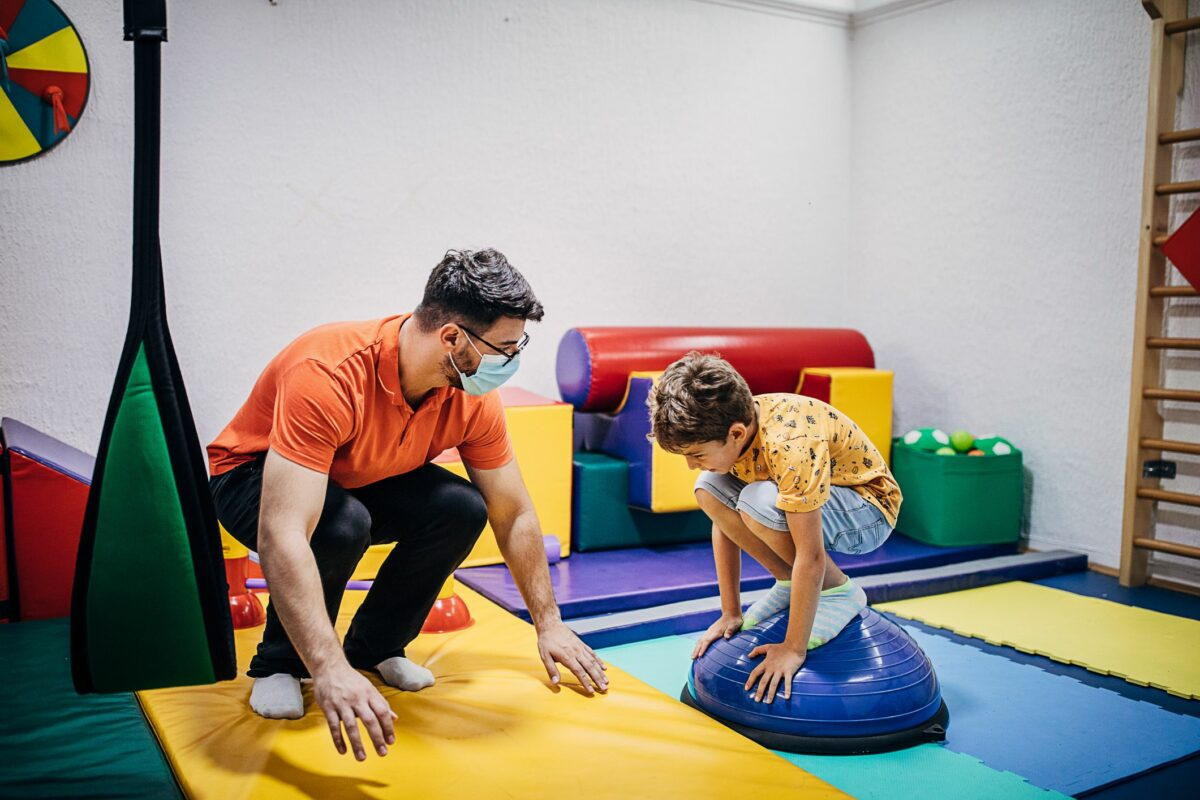
Occupational therapy is very helpful for babies. It supports their growth in many ways. This includes physical, sensory, cognitive, and social skills.
What Constitutes “Occupation” for Infants
“Occupation” means activities that fill a person’s time. For babies, it’s about basic things like eating, sleeping, and playing. Occupational therapists help babies do these things better. This builds their confidence and independence early on.
The Science Behind Early Intervention
Studies show early therapy can improve babies’ fine motor skills by 33%. This shows how important it is to start early. The first year is key for brain growth.
Occupational therapists use this to create special plans for each baby. This helps them grow in the best way possible.
Key Developmental Areas Addressed
Pediatric occupational therapy covers many areas. These include fine motor skills, sensory processing, and more. The table below explains why these areas are important:
Developmental Area | Importance | Examples of Activities |
Fine Motor Skills | Essential for grasping and manipulating objects | Playing with toys, grasping fingers |
Sensory Processing | Critical for integrating sensory information | Sensory play, exposure to different textures |
Cognitive Abilities | Vital for problem-solving and understanding the environment | Interactive games, problem-solving toys |
By focusing on these areas, occupational therapy can greatly impact a baby’s development. It sets them up for success in the future.
When Your Baby Might Need Occupational Therapy
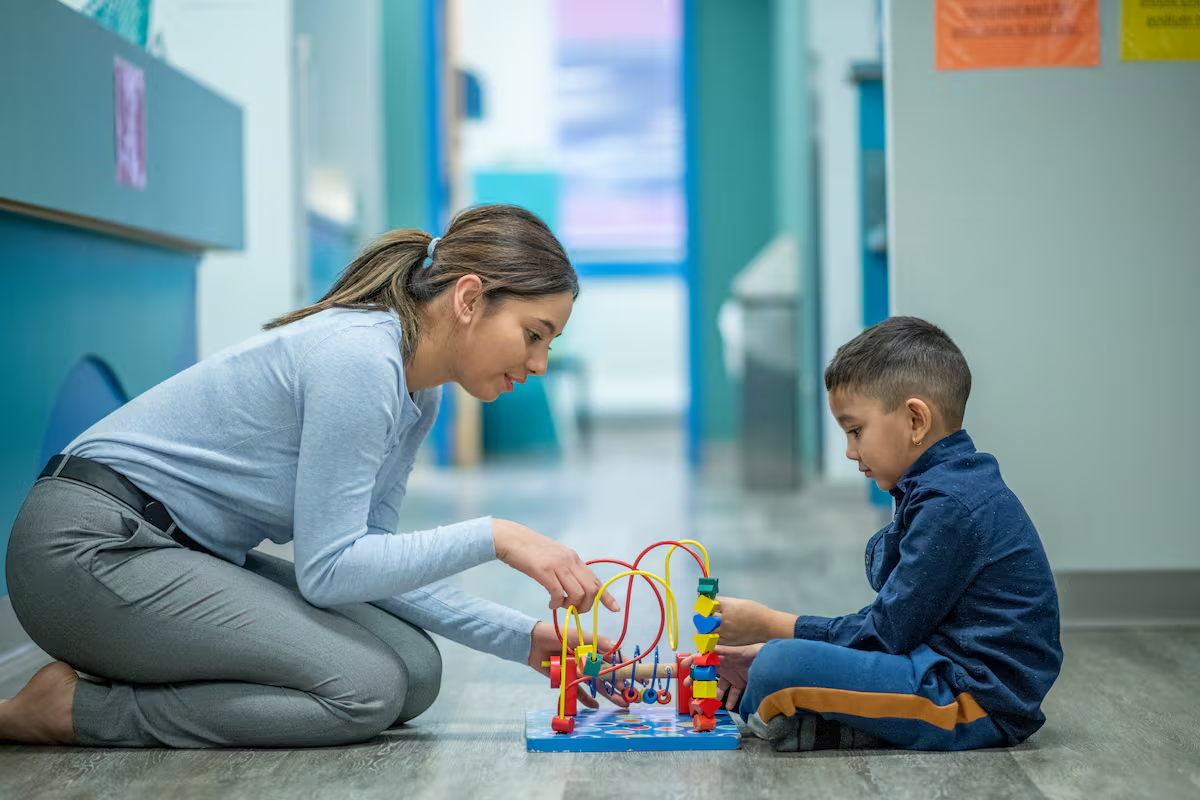
Knowing when your baby needs occupational therapy is important for their growth. As parents, we worry about our baby’s development and milestones.
Common Signs of Developmental Delays
Babies grow at different speeds. Some signs show they might need occupational therapy. These include trouble with fine motor skills, like grasping toys.
They might also have issues with sensory processing. This could be being too sensitive to sounds or textures. Other signs include trouble with self-care tasks and physical development.
For example, if your baby has trouble feeding or shows delays in rolling, sitting, or standing, talk to your pediatrician.
Risk Factors That May Indicate Need for OT
Some babies are more likely to have developmental delays. Premature birth, low birth weight, and certain medical conditions are risk factors. A family history of developmental delays or genetic conditions also plays a role.
If your baby has faced these risks, watch their development closely. Consult with your healthcare provider.
The Referral and Evaluation Process
If you or your pediatrician have concerns, a referral for occupational therapy evaluation is next. This involves a detailed assessment of your baby’s abilities and challenges.
An occupational therapist will observe your baby’s movements and responses to stimuli. They will also discuss your concerns and your baby’s medical history.
Based on the evaluation, the therapist will create a personalized plan. This plan includes strategies and exercises for your daily routine. It helps your baby thrive.
Working together with parents, caregivers, and occupational therapists is essential. It helps identify specific needs and track progress. This ensures your baby gets the support they need to reach their full growth.
The Critical Importance of Early Intervention
The first year of life is key for brain growth. Early occupational therapy is vital. During this time, a child’s brain grows fast, laying the groundwork for future skills.
Brain Development in the First Year
In the first year, babies’ brains grow quickly, making new connections. “The first year of life is a time of significant brain development, with the brain doubling in size,” says a key fact. Occupational therapy helps by giving specific exercises and activities for each baby’s needs.
Every baby is different, shaped by genes and environment. Starting occupational therapy early helps babies catch up and boosts their skills.
Long-term Benefits of Early OT
Early occupational therapy brings lasting benefits. It improves cognitive and motor skills, social interaction, and adapting to new places. A top pediatric therapist notes, “Early occupational therapy intervention can have a profound impact on a child’s developmental trajectory, leading to improved outcomes and increased independence.”
Occupational therapy exercises for infants help parents support their child’s growth. It’s key to work together with therapists to create a plan that meets the baby’s needs.
Statistical Improvements in Developmental Outcomes
Research shows early occupational therapy makes a big difference. Infants who get it early do better than those who don’t. For example, early OT can raise cognitive scores by 25% compared to others.
We aim to give top-notch occupational therapy to infants. We support their growth and empower parents with the tools to help. Together, we can help infants reach their full promise and succeed in the future.
The Professional Assessment Process
The journey to support your child’s growth starts with a detailed professional assessment. As a parent, you might feel a mix of emotions. Our occupational therapists aim to make this process easy and informative for you.
What to Expect During Initial Evaluations
Our occupational therapists will check your child’s fine motor skills and sensory processing during the first evaluation. They use tools like standardized tests and observations to see your child’s strengths and challenges.
Key components of the initial evaluation include:
- Observing your child’s movements and interactions
- Assessing their ability to perform daily activities
- Evaluating their sensory processing and integration
- Discussing your concerns and observations as a parent
Developmental Milestone Assessment
Occupational therapists check developmental milestones like head control and neck strength. They also look at sensory stimulation exercises. These help us see how your child is growing and find areas needing extra help.
Developmental Milestone | Typical Age Range | Significance |
Head Control | 1-4 months | Essential for further motor development |
Neck Strength | 1-3 months | Critical for supporting head control |
Sensory Stimulation | 0-12 months | Important for cognitive and motor development |
Creating an Individualized Therapy Plan
We make a personalized therapy plan based on the assessment. This plan sets specific goals and strategies for your child’s development.
“Our goal is to empower your child to reach their full capacity by providing a supportive and nurturing environment.”
The plan might include activities like sensory integration exercises and fine motor skill development. We work with you to make sure the plan is followed in all settings, like home and therapy sessions.
Step-by-Step Occupational Therapy for Babies: Newborns (0-3 months)
The first three months of a baby’s life are full of growth. Occupational therapy helps a lot during this time. Babies start to explore their world and learn basic skills.
Promoting Head Control and Neck Strength
Occupational therapy focuses on helping newborns control their head and neck. Simple exercises are used for this. For example, tummy time is key for strengthening neck and back muscles.
Start with short tummy time sessions. As the baby gets used to it, increase the time. Another method is gently lifting the baby’s head while they are on their tummy. This strengthens the neck and builds upper body strength.
Sensory Stimulation Exercises
Sensory stimulation is important for newborns. It helps them develop their senses. Occupational therapists use different ways to stimulate touch, sound, and sight.
- Gentle stroking or rubbing of the baby’s skin to enhance tactile awareness.
- Using different textures and fabrics to stimulate touch.
- Playing soothing music or nature sounds to stimulate auditory development.
- Using bright colors and contrasting patterns to capture visual attention.
Bonding and Social Interaction Activities
Bonding and social interaction are key in occupational therapy for newborns. These activities help create a strong bond between the baby and caregivers. They also support the baby’s social and emotional growth.
Effective bonding activities include skin-to-skin contact, eye contact, and talking back to the baby. Parents should do these activities often. They are very important for the baby’s development.
By adding these occupational therapy steps to daily routines, parents can greatly help their newborn. It’s important to work with an occupational therapist. They can make these activities fit the baby’s needs and abilities.
Essential OT Exercises for Infants (4-8 months)
Occupational therapy for infants aged 4-8 months focuses on key skills. These skills are the building blocks for future growth. Babies start to explore their world, interact with it, and develop basic motor skills.
Infant occupational therapy aims to improve reaching and grasping, rolling and sitting, and sensory integration. These abilities are vital for growth and future achievements.
Developing Reaching and Grasping Skills
Between 4 to 8 months, infants start to develop reaching and grasping. Occupational therapists use exercises to boost these skills. For example:
- Placing toys or objects just out of reach to encourage stretching and grabbing
- Using different textures and colors to stimulate interest and engagement
- Providing support under the arms or chest during tummy time to help strengthen muscles
Promoting Rolling and Sitting
Rolling and sitting are big milestones for gross motor skills. Occupational therapy for this age includes:
- Gently placing the infant on their side to encourage rolling
- Using pillows or soft blocks to support the baby in a sitting position
- Engaging the infant in play that requires them to move their body from side to side
These activities strengthen muscles for sitting and eventually crawling.
Sensory Integration Activities
Sensory integration is key for infants as they learn to handle different sensory inputs. Baby OT includes activities like:
- Exposing infants to various textures through touch and exploration
- Using music and different sounds to stimulate auditory development
- Providing visual stimulation with contrasting colors and patterns
These activities help infants develop their ability to process and integrate sensory information. This is essential for their overall development.
By adding these occupational therapy exercises for infants to daily routines, parents can support their baby’s development. This lays a strong foundation for future skills.
OT Strategies for Mobile Babies (9-12 months)
As babies get closer to one year old, they start moving more. Occupational therapy is key in helping them grow. At this time, babies learn to move around and occupational therapists help them.
Supporting Crawling and Pre-Walking Skills
Between 9 to 12 months, babies start crawling, cruising, and walking. Occupational therapists use many ways to help them. This includes:
- Creating a safe space for babies to practice moving
- Using toys to get babies to move towards them
- Helping babies balance and move their weight
Crawling is a big step for future skills like walking and running. Occupational therapists help babies get strong, coordinated, and confident.
Enhancing Fine Motor Precision
Occupational therapists also work on fine motor skills. This means helping babies:
- Play with toys of different textures and sizes
- Use their fingers and thumbs to pick up small things
- Learn to let go of objects and improve hand-eye coordination
Fine motor skills are important for everyday tasks like eating, dressing, and playing. They also help with future skills like writing and drawing.
Encouraging Independent Play
Independent play is a big part of occupational therapy for mobile babies. It helps them solve problems, think, and feel confident.
To support independent play, occupational therapists might:
- Offer a variety of toys and materials for exploration
- Make a safe space for babies to play without too much watching
- Make play activities more challenging as babies get better
By helping with crawling, fine motor skills, and independent play, occupational therapists help mobile babies grow and reach their goals.
Implementing Home-Based Occupational Therapy Programs
Home-based occupational therapy programs are flexible and effective for your baby’s growth. They help your baby develop in a comfortable, familiar place.
Essential Equipment and Adaptive Tools
To start a home-based occupational therapy program, you’ll need some key items. These include:
- Sensory toys and materials
- Adaptive seating and positioning devices
- Fine motor skill development tools
- Sensory integration equipment
Adaptive tools make daily activities easier and more fun for your baby. For instance, a swing or hammock helps with sensory integration.
Equipment/Tool | Purpose | Benefits |
Sensory Balls | Stimulate senses, promote motor skills | Enhances sensory integration, encourages physical activity |
Adaptive Spoons | Assist with feeding, develop fine motor skills | Makes feeding easier, promotes independence |
Sensory Mats | Provide tactile stimulation, encourage movement | Stimulates sensory development, supports motor skill growth |
Incorporating OT into Daily Routines
Making occupational therapy part of your daily routine is simple and effective. Here are some tips:
- During bath time, use different textures and temperatures to stimulate sensory awareness.
- Use mealtime to practice fine motor skills with adaptive utensils.
- Incorporate tummy time into daily play to strengthen neck and back muscles.
Collaborating with Professional Therapists
Working with professional occupational therapists is key for your home-based program’s success. They offer:
- Personalized therapy plans tailored to your baby’s needs
- Guidance on using equipment and adaptive tools effectively
- Regular progress monitoring and adjustments to the therapy plan
By teaming up with occupational therapists, you can make sure your program is effective and safe for your baby.
Conclusion: Making Occupational Therapy a Positive Experience
Understanding occupational therapy for babies can make it a positive experience. It helps in organizing, motivating, and making play fun. This drives independence in children.
We can create a supportive environment for our infants to grow. Working with professional therapists and using occupational therapy strategies daily helps a lot. It makes a big difference in our baby’s development.
Occupational therapy is key for infant development. It covers important areas and offers long-term benefits. By following this guide, we support our child’s growth and independence. This sets a strong foundation for their future.
We know how important it is to make occupational therapy positive for our babies. Doing so helps them thrive and reach their full abilities.
FAQ
What is occupational therapy for babies, and how can it help my infant?
Occupational therapy helps babies learn skills for everyday life. This includes fine motor skills, sensory processing, and more. We help babies improve their motor skills and adapt to their surroundings, setting them up for success.
How do I know if my baby needs occupational therapy?
Look for signs like trouble reaching or sitting. If you see these, talking to an occupational therapist is a good idea. They can check your baby’s development and make a plan to help.
What can I expect during an initial occupational therapy evaluation for my baby?
At the first meeting, the therapist will check your baby’s skills. They’ll look at fine motor, sensory processing, and overall development. Then, they’ll create a plan just for your baby.
What are some essential OT exercises for infants aged 4-8 months?
For babies 4-8 months, we focus on reaching, grasping, and rolling. These skills are key for their growth and future abilities.
How can I support my baby’s occupational therapy at home?
We can show you how to use special tools and activities at home. This way, you can help your baby develop in a familiar setting.
What are the benefits of early intervention through occupational therapy for babies?
Starting OT early boosts brain development. It leads to better outcomes and helps your baby thrive from the start.
Can occupational therapy help my baby with sensory processing issues?
Yes, OT can help with sensory processing. We use activities to help your baby handle sensory information better.
How often should my baby receive occupational therapy sessions?
The number of sessions depends on your baby’s needs. Our therapist will work with you to find the right schedule.
What is the role of occupational therapy in supporting crawling and pre-walking skills in babies?
OT helps babies with crawling and walking. We use exercises to build strength and balance, preparing them for these big milestones.
How can occupational therapy enhance fine motor precision in my baby?
OT improves fine motor skills through activities. These help your baby learn to reach and grasp, setting them up for independence.
References
National Center for Biotechnology Information. Evidence-Based Medical Guidance. Retrieved from https://pubmed.ncbi.nlm.nih.gov/1570929/