Knowing your fertility is key when you want to have a baby. As women get older, after 35, getting pregnant naturally gets harder. The risk of miscarriage and problems with the baby’s chromosomes also goes up a lot.
By 39, the chance of getting pregnant naturally each month is about 10%. This number drops to around 5% by 40. This drop in fertility odds by age is something to think about if you’re planning a family.
At Liv Hospital, we focus on trust and using medical evidence to help women. We aim to give full care and advice during the family planning journey. Our experts also guide patients in understanding the odds of getting pregnant at 39, offering personalized support and the latest fertility options to improve their chances of conception.
Key Takeaways
- Understanding fertility odds is essential for family planning.
- A woman’s chances of conception decline significantly after 35.
- At 39, the monthly probability of natural pregnancy is around 10%.
- Fertility odds continue to decline with age.
- Liv Hospital offers full support for family planning.
The Relationship Between Age and Female Fertility

Female fertility decreases with age, but knowing the details is key for planning a family. We’ll look at how fertility changes over a woman’s life. This knowledge is very important.
How Fertility Changes Throughout a Woman’s Reproductive Years
Fertility in women changes over time. It starts to drop slowly around age 32. Then, it drops faster from age 37. This is due to fewer and lower-quality eggs.
As women get closer to their mid-to-late 30s, getting pregnant becomes harder. Research shows a big drop in chances after 37. Knowing this helps women plan their reproductive health better.
Why Understanding Age-Related Fertility Decline Matters
It’s important for women planning to have kids to know about fertility decline. Knowing the fertility odds by age and chances of conception helps set realistic goals. It also helps in making timely family planning decisions.
The percentage of becoming pregnant and odds to get pregnant change a lot with age. Women who know these numbers can prepare for the challenges of conceiving later in life.
Understanding fertility decline helps women take steps to improve their chances of getting pregnant. This knowledge lets women make smart choices about their reproductive health. It helps whether they’re planning for a baby or looking at other options.
Fertility Baseline: Pregnancy Chances in Your Early 30s

The early 30s mark a peak in fertility, with high conception rates. Women’s fertility is stable during this time. It’s a key period for understanding fertility trends.
Conception Rates at Age 31
At 31, women’s fertility is high. Studies show that the chance of getting pregnant is similar to women in their late 20s. So, the chances of getting pregnant at 31 are quite good.
Key statistics on conception rates at 31 include:
- A monthly conception probability of around 20%
- A cumulative pregnancy rate of over 90% within 12 months of trying
- Fecundability rates comparable to those in the late 20s
What Makes Early 30s the Fertility Reference Point
The early 30s are a key time for fertility. Women are physically and emotionally ready for pregnancy. Fertility is also higher compared to later years.
The reasons why early 30s is considered a fertility baseline include:
- High conception rates
- Low risk of age-related fertility decline
- Optimal physical and emotional health for pregnancy
Knowing about fertility in the early 30s helps women and doctors plan families better. It’s a time when fertility is at its peak.
Odds of Getting Pregnant at 39
Trying to get pregnant at 39 is tough, but knowing the stats helps. As women hit their 40s, getting pregnant gets harder. It’s key to know these odds to set realistic hopes and make smart choices about fertility.
Monthly Conception Probability: The 10% Reality
At 39, the chance of getting pregnant each month is lower. Research shows it’s about 10%. This means 10 out of 100 women trying each month will get pregnant. This fact shows how hard it is for women to conceive at 39.
Looking at it another way, getting pregnant naturally gets harder with age. The 10% monthly rate gives a clear idea of what to expect.
Cumulative Pregnancy Rates When Trying for 6-12 Months
Trying for longer gives a clearer picture of chances. For women 39, trying for 6 months, the chance of getting pregnant is about 37%. Trying for 12 months raises this to around 50%.
| Trying Period (Months) | Cumulative Pregnancy Rate (%) |
|---|---|
| 6 | 37 |
| 12 | 50 |
These numbers show the need for patience and persistence at 39. Remember, individual factors can change these rates. Some women might get pregnant faster than these averages.
“Understanding the odds of getting pregnant at 39 can help women make informed decisions about their fertility options.”
Expert Opinion
By 39, the chance of getting pregnant drops below 50%. Many turn to assisted reproductive methods. Knowing these stats and talking to a doctor can guide women through their fertility journey.
The Fertility Cliff at Age 40
Turning 40 is a big deal for women’s fertility. It’s when fertility drops sharply, known as the “fertility cliff.” At this age, getting pregnant becomes much harder. It’s key to know what this means.
Understanding the 5% Monthly Conception Rate
By 40, a woman’s chance of getting pregnant each month is about 5%. This is a big drop from the 30s. It shows how fertility changes with age.
“The chances of getting pregnant at 40 are significantly lower compared to younger ages,” say fertility experts. This drop is due to fewer and lower-quality eggs with age.
The 53% Reduction in Fecundability Compared to Ages 30-31
The fertility drop at 40 is huge, a 53% fall from 30-31. Fecundability is the chance of getting pregnant in one cycle. This big drop shows the challenges of conceiving at 40.
Knowing this is key for women planning to have a baby at 40. It shows the importance of making family plans early. A study says, “The age-related decline in female fertility is complex.”
Age matters a lot when talking about fertility. Women near 40 should understand these facts. It helps them make smart choices about their reproductive health.
Chances of Conceiving Naturally at 42
At 42, the chances of conceiving naturally are lower. But knowing the odds can help manage hopes. As women age, their eggs quality and number drop, making it harder to get pregnant.
Many factors lower fertility at this age. These include egg quality and miscarriage risks. Yet, many women do get pregnant naturally at 42, but at a lower rate than when they were younger.
Statistical Pregnancy Probability per Cycle
Studies show the chance of getting pregnant at 42 is much lower than in younger years. It’s about 4-7% per cycle.
A study in a fertility journal found women aged 42-44 have a big drop in their ability to conceive.
| Age | Probability of Pregnancy per Cycle |
|---|---|
| 30-31 | 20% |
| 42 | 4-7% |
| 44 | 1-3% |
Annual Conception Rates and Realistic Expectations
The monthly chance of getting pregnant at 42 is low. But over a year, it’s a bit higher. It’s key to have realistic hopes.
Cumulative Pregnancy Rates: Over 12 months, about 30-40% of women at 42 can get pregnant. This means about 30-40 out of 100 women trying to conceive at 42 can get pregnant in a year.
Remember, these stats are averages. Your results might be different. Your health, lifestyle, and any fertility issues can affect your chances.
Knowing the chances of conceiving naturally at 42 helps women make smart choices about their reproductive health. While natural conception is possible, it’s not a sure thing. Other options might be needed.
Pregnancy Possibilities at Age 44
At 44, trying to get pregnant is harder, but it’s not out of the question. Women thinking about pregnancy at this age should know the risks and chances.
Natural Conception Odds in Your Mid-40s
The odds of getting pregnant at 44 are much lower than when you’re younger. Studies show that the chance of getting pregnant each month is less than 5% for women over 44. This drop is mainly because of lower egg quality and fewer eggs.
Key factors affecting natural conception at 44 include:
- Reduced ovarian reserve
- Lower egg quality
- Increased risk of aneuploidy
As Medical Expert, a fertility specialist, notes,
“While natural conception at 44 is possible, it’s vital for women to understand the decline in fertility and possible issues.”
Miscarriage Risks of 33-50% and Chromosomal Considerations
Miscarriage risks go up a lot after 40, and even more so at 44. The risk of miscarriage can be between 33% and 50% at 44. This is mainly because of chromosomal problems, like Down syndrome.
The risk of aneuploidy, or abnormal chromosomal numbers, also rises with age. By 44, the chance of aneuploidy is much higher. This can lead to miscarriage and chromosomal disorders.
It’s important for women thinking about pregnancy at 44 to know these risks. While the chances are tough, it’s not impossible. Talking to a fertility specialist can offer personalized advice and support.
The Science Behind Age-Related Fertility Decline
It’s important to know how age affects fertility for women thinking about having a baby later in life. As we get older, our bodies change in ways that make it harder to get pregnant.
Egg Quality and Quantity: Understanding Ovarian Reserve
A woman’s ability to get pregnant depends a lot on her ovarian reserve. This is how many and how good her eggs are. As we age, we have fewer and lower-quality eggs. This gets worse in our late 30s and early 40s, making it harder to conceive.
Our eggs decrease in number over time because of a process called atresia. By menopause, we’ve lost most of our eggs. The quality of our eggs also goes down with age, mainly because of chromosome abnormalities.
Aneuploidy Rates: From 42% at Age 37 to 60% at Advanced Ages
Another big reason for fertility decline with age is the rise in aneuploidy rates. Aneuploidy happens when an egg or sperm has the wrong number of chromosomes. This can cause miscarriages, failed pregnancies, or conditions like Down syndrome.
Research shows aneuploidy rates jump a lot with age. At 37, it’s about 42%, but by older ages, it’s around 60%. This big increase is why fertility drops sharply after 40.
- Key Factors in Age-Related Fertility Decline:
- Decline in egg quantity and quality
- Increase in aneuploidy rates
- Rise in chromosome abnormalities
Knowing these factors helps women make better choices about their reproductive health. They might consider preserving their fertility or getting medical help when trying to conceive later in life.
Optimizing Your Fertility After 39
To improve fertility after 39, you need to make lifestyle changes and track your fertility. As women get older, their ability to have children decreases. It’s key to use strategies that boost their chances of getting pregnant.
Lifestyle Modifications That May Improve Conception Chances
Healthy lifestyle choices can greatly affect your fertility. Maintaining a healthy weight is very important. Being too thin or too heavy can mess with ovulation and hormone levels.
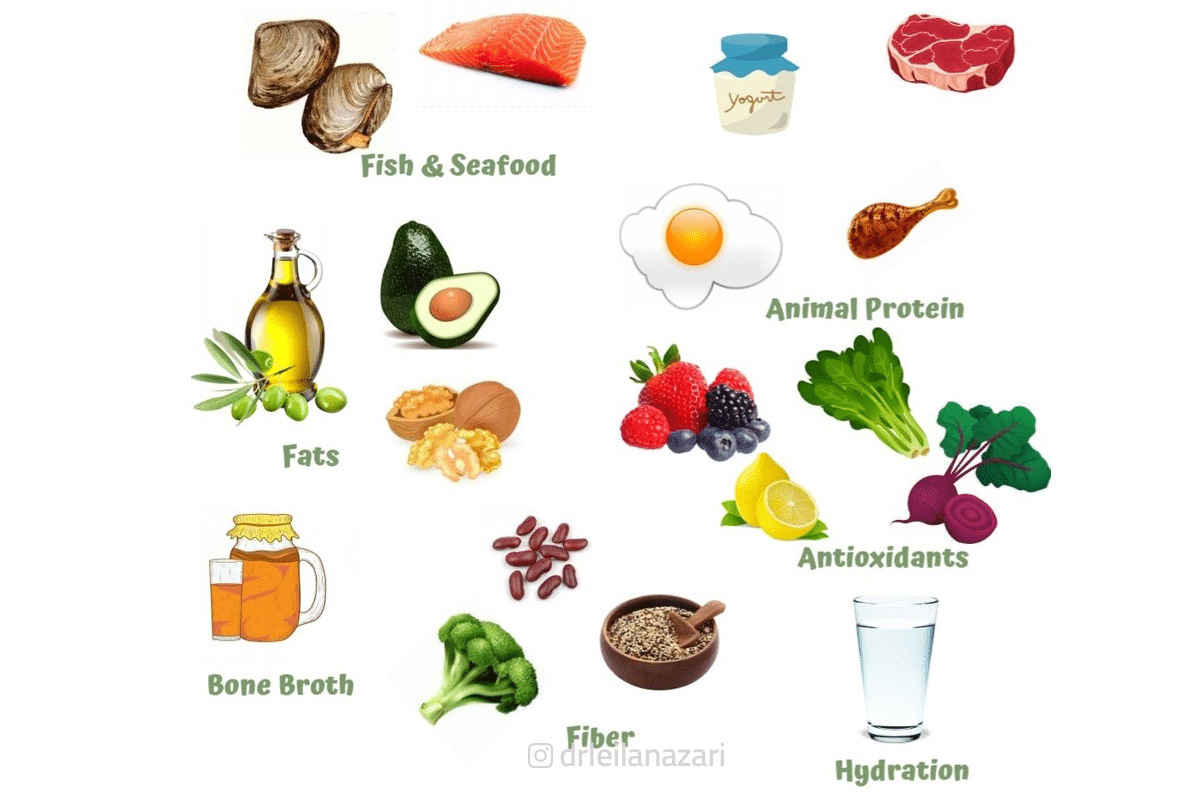
We suggest eating a diet full of antioxidants, omega-3 fatty acids, and folate. These foods can help improve egg quality and reproductive health.
Other changes include reducing stress with meditation or yoga. Also, avoiding harmful substances like tobacco and too much alcohol is good. Regular, moderate exercise can also help by improving health and lowering stress.
Timing Intercourse and Fertility Tracking at Advanced Maternal Age
Knowing your menstrual cycle and when to have sex is key when trying to conceive, more so at older ages. We recommend using fertility tracking methods like basal body temperature, ovulation predictor kits, or apps to find your best days to conceive.
By making lifestyle changes and tracking your fertility, women over 39 can increase their chances of getting pregnant. It’s also wise to consult with a healthcare provider for personalized advice and support.
Fertility Treatment Success Rates by Age
As women get older, knowing how well fertility treatments work is key. Treatments like IVF can help many, but success rates change with age.
IVF Outcomes at Different Ages
IVF success rates drop as women age. This is because egg quality and number decrease. We’ll look at success rates at 39, 42, and 44 to help you understand what to expect.
| Age | IVF Success Rate | Cumulative Pregnancy Rate |
|---|---|---|
| 39 | 15-20% | 40-50% |
| 42 | 5-10% | 15-25% |
| 44 |
Table: This shows how IVF success rates drop with age.
When to Consider Egg Donation or Other Alternatives
For women over 42, egg donation is a good option. It uses eggs from a younger donor, boosting pregnancy chances. We’ll talk about its benefits and what to think about.
Egg donation success rates are often better than using your own eggs, which is key for older women. Success rates can hit 50-60% per transfer, depending on the donor’s age and sperm quality.
Financial and Emotional Considerations of Fertility Treatments
Fertility treatments can be tough on your wallet and emotions. IVF costs $15,000 to $20,000 per cycle, plus extra for meds and tests. Egg donation is even pricier.
The emotional toll is real, with the risk of failed cycles and uncertainty. Having a strong support network is vital.
Choosing fertility treatments is a big decision. We aim to give you all the info and support you need to make the right choice for your fertility journey.
Conclusion: Making Informed Decisions About Pregnancy After 39
Knowing how age affects fertility is key for women thinking about pregnancy after 39. We’ve looked at how age impacts getting pregnant at 39, 42, and 44. We also talked about fertility treatments available.
While getting pregnant gets harder with age, there are ways for women to conceive later. It’s important to understand how fertility works and what affects it. This knowledge helps women make smart choices about pregnancy after 39.
Women can plan their reproductive health by knowing the odds of getting pregnant. They should also understand the success of fertility treatments like IVF. This knowledge helps in making informed decisions.
We suggest women get professional advice tailored to their needs. Talking to a healthcare provider can offer personalized guidance. This support helps women make the best choices for their health and well-being.
FAQ
What are the chances of getting pregnant at 39?
At 39, the chance of getting pregnant each month is about 10%. Over 6-12 months, about 75% of women can get pregnant.
How does female fertility change with age?
Female fertility slowly goes down with age, more so after 40. This makes it harder to get pregnant because of egg quality and quantity issues.
What are the pregnancy odds at 44?
At 44, getting pregnant naturally is very hard. The risk of miscarriage and birth defects goes up. The chance of getting pregnant is less than 5% each month.
What is the probability of becoming pregnant at 42?
At 42, the chance of getting pregnant each month is about 4-6%. While annual chances vary, getting pregnant naturally is tough.
How can I optimize my fertility after 39?
To boost fertility, try healthy habits like a good weight, not smoking, and less stress. Timing sex and tracking fertility can also help.
What are the success rates of IVF at different ages?
IVF success rates drop with age. At 39, it’s 20-25% per cycle. At 42, it’s 5-10%. At 44, it’s less than 5%.
When should I consider egg donation or other alternatives?
If you’re having trouble getting pregnant or have low egg count, think about egg donation. The choice depends on your age, health, and past fertility treatments.
What are the risks associated with pregnancy at an advanced age?
Advanced age pregnancy risks include miscarriage, birth defects, and complications. Always talk to a doctor about these risks.
How does age affect egg quality and quantity?
Older women have fewer and lower quality eggs. This hurts fertility and raises the risk of birth defects or miscarriage.
What is the fertility baseline in the early 30s?
In the early 30s, fertility is stable, with a 20% chance of getting pregnant each month. This age is a good baseline because fertility risks are lower.
References
National Center for Biotechnology Information. Evidence-Based Medical Guidance. Retrieved from https://pmc.ncbi.nlm.nih.gov/articles/PMC4893975/
National Center for Biotechnology Information. Evidence-Based Medical Guidance. Retrieved from https://pubmed.ncbi.nlm.nih.gov/14702673/
National Center for Biotechnology Information. Fertility Decline: Pregnancy Chances at Ages 39, 42, 44. Retrieved from https://pmc.ncbi.nlm.nih.gov/articles/PMC5896115/).