Last Updated on November 27, 2025 by Bilal Hasdemir
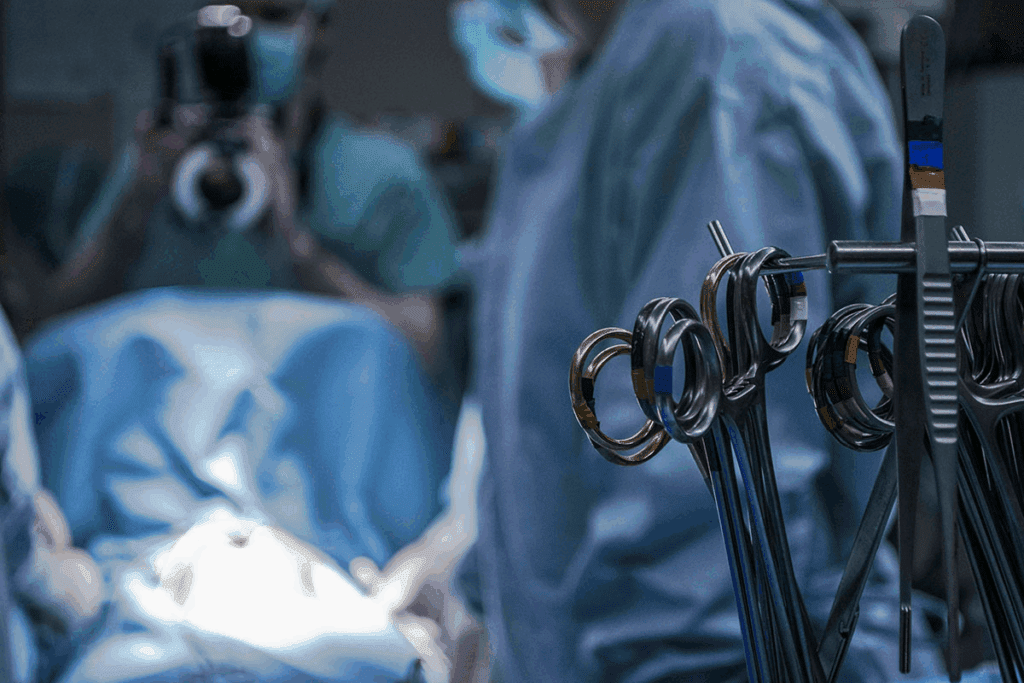
Robotic cardiac surgery is changing how we treat heart problems. It has been used in over 100,000 procedures worldwide. This method is less invasive, leading to quicker recovery times and less harm to the patient.Considering open heart surgery? Understand the potential side effects and risks with this crucial guide before making your important decision.
The field of cardiac surgery is evolving fast. Robotic-assisted surgeries are gaining more attention. They use a robotic system for heart operations. This approach lowers the risk of problems and helps patients heal faster.
Key Takeaways
- Robotic cardiac surgery is a minimally invasive procedure.
- Reduced recovery time is one of the significant benefits.
- Less trauma to the patient is another advantage.
- Over 100,000 procedures have been performed worldwide.
- Robotic-assisted cardiac surgery is becoming increasingly popular.
Robotic vs. Traditional Open Heart Surgery

It’s important to know the differences between robotic and traditional open heart surgery. We’ll look at how they differ in surgical approach, incision size, and recovery time. This will help patients make better choices.
Key Differences in Surgical Approach
Robotic heart surgery uses a minimally invasive method. It uses advanced robotic technology for complex procedures through small incisions. Traditional open heart surgery, on the other hand, needs a bigger incision in the chest for direct heart access.
Robotic surgery has many benefits. It offers better precision, less blood loss, and less harm to the patient. The robotic system lets surgeons do detailed work with more control and skill.
Incision Size and Invasiveness Comparison
The incision sizes and numbers are very different between robotic and traditional open heart surgery. Robotic surgery uses several small incisions, about 1-2 cm each. Traditional surgery needs one big incision, usually 20-30 cm long.
| Surgical Aspect | Robotic Heart Surgery | Traditional Open Heart Surgery |
| Incision Size | Multiple small incisions (1-2 cm) | Single large incision (20-30 cm) |
| Invasiveness | Minimally invasive | Highly invasive |
| Blood Loss | Reduced | Significant |
Recovery Timeline Differences
The recovery times are different for each surgery type. Patients who have robotic heart surgery usually recover faster. They have shorter hospital stays and less pain after surgery.
Traditional open heart surgery, though, takes longer to recover from. This is because of the bigger incision and more tissue damage.
Common Side Effects of Robotic Heart Surgery

It’s important for patients to know about the side effects of robotic heart surgery. This surgery is known for being precise and less invasive. But, it does come with some risks and side effects.
Immediate Post-Operative Effects
Right after robotic heart surgery, patients might feel a few things. These can include:
- Drowsiness and disorientation
- Nausea and vomiting
- Pain or discomfort at the surgical site
- Fatigue
Doctors use medicine and rest to help with these effects. It’s key for patients to be closely watched by healthcare teams during this time.
Short-Term Side Effects (First Few Weeks)
When patients start recovering at home, they might notice some side effects. These can last for a few weeks and include:
- Swelling or bruising around the incision sites
- Numbness or tingling sensations
- Shortness of breath or coughing
- Changes in heart rhythm
It’s vital for patients to stick to their doctor’s advice and go to follow-up appointments. This helps in tracking their recovery and solving any issues.
Pain and Discomfort Levels
Pain and discomfort are common after robotic heart surgery. The extent can vary. Robotic surgery is usually less painful than traditional open-heart surgery. Yet, some patients might feel:
- Mild to moderate pain at the incision sites
- Discomfort from surgical drains or tubes
- Muscle soreness from surgery position
Doctors use different methods to manage pain. This includes medicine and other therapies. These help patients deal with discomfort during recovery.
Potential Complications During Robotic Heart Procedures
Exploring robotic heart procedures, it’s key to know the possible issues.
Robotic heart surgery, like any surgery, has risks. Knowing these helps patients make smart choices.
Anesthesia-Related Complications
Anesthesia problems can happen during robotic heart surgery. These include:
- Respiratory issues, like pneumonia or trouble breathing
- Cardiac problems, like arrhythmias or cardiac arrest
- Allergic reactions to anesthesia
To lessen these risks, anesthesiologists check patients before surgery and watch them closely during it.
Technical and Equipment-Related Issues
Robotic system problems can also be a risk during surgery. These include:
- Malfunction of robotic instruments
- Software or hardware failures
- Loss of connection between the robotic system and the surgeon’s controls
Surgeons and teams get a lot of training to deal with these problems well.
Conversion to Open Surgery Scenarios
In some cases, a robotic heart procedure might need to switch to open surgery. This happens when:
- Complications come up that can’t be fixed with robotic surgery
- Bleeding can’t be stopped with robotic tools
- The surgeon thinks a more direct approach is needed
Understanding these possible complications helps patients get ready for the risks of robotic heart surgery.
Long-Term Side Effects to Consider
It’s important for patients to know about the long-term effects of robotic heart surgery. This surgery has benefits like being less invasive and leading to quicker recovery. But, there are also long-term side effects to be aware of.
Chronic Pain Possibilities
Chronic pain is a possible long-term side effect. Even though the surgery is less invasive, some people might feel ongoing pain. Effective pain management strategies are key to dealing with this.
Long-Term Cardiovascular Implications
Robotic heart surgery can lead to future heart issues or worsening of heart disease. Regular cardiovascular check-ups and a healthy lifestyle can help manage these risks.
Incision Site Complications
Complications like hernias or adhesions can happen at the incision site. Taking good care of the wound and attending follow-up appointments can reduce these risks.
| Long-Term Side Effect | Description | Management Strategies |
| Chronic Pain | Persistent discomfort or pain following surgery | Pain management medications, physical therapy |
| Cardiovascular Implications | Risk of future heart problems or disease progression | Regular cardiovascular check-ups, lifestyle modifications |
| Incision Site Complications | Hernias, adhesions, or other complications at the incision site | Proper wound care, follow-up appointments |
Psychological Effects After Robotic Heart Surgery
The mind’s response to robotic heart surgery is key to healing. As we improve in heart surgery, knowing how it affects the mind is vital. This knowledge helps us care for patients better.
Post-Surgery Depression and Anxiety
After robotic heart surgery, patients might feel sad or worried. This can be due to the surgery’s stress, changes in how they move, or health worries. Healthcare teams must watch for these signs and support patients.
Depression and anxiety show up in many ways. Some people might feel a little off, while others could be really affected. Catching these early and helping can make a big difference.
Cognitive Changes Following Cardiac Procedures
After heart surgery, some might have trouble remembering things or focusing. These problems are usually short-term but can worry patients. Reassuring them and using strategies to improve thinking can help.
| Cognitive Issue | Potential Cause | Management Strategy |
| Memory Issues | Anesthesia, surgery stress | Cognitive rehabilitation, memory aids |
| Difficulty Concentrating | Medication side effects, post-surgery fatigue | Adjusting medications, rest and relaxation techniques |
Body Image and Emotional Adjustment
Even though robotic heart surgery is less invasive, it changes the body a lot. Patients must get used to their new body and the feelings of having had big surgery. Support groups and counseling are very helpful in this adjustment.
It’s important to understand and deal with the mind’s response to robotic heart surgery for a full recovery. By recognizing these effects and giving complete care, we can help patients heal better and live better lives.
Open Heart Surgery: Traditional Approach and Its Side Effects
Open heart surgery is a traditional method for treating heart problems. It involves a big cut and comes with side effects. This surgery has been used for many years to fix complex heart issues.
Sternotomy-Related Complications
One major risk of traditional open heart surgery is sternotomy complications. Sternotomy means cutting the sternum to reach the heart. Problems can include infections, bleeding, and harm to nearby areas.
Common sternotomy-related complications:
- Infection at the incision site
- Bleeding or hematoma formation
- Damage to the sternum or surrounding tissues
Recovery Challenges with Traditional Methods
Recovering from traditional open heart surgery is tough. The surgery is very invasive. Patients often face pain, discomfort, and can’t move much during recovery.
Key recovery challenges:
| Challenge | Description |
| Pain Management | Managing pain effectively during the recovery period |
| Limited Mobility | Reduced physical activity due to the large incision |
| Risk of Complications | Increased risk of complications such as infection or bleeding |
Long-Term Effects on Physical Mobility
Traditional open heart surgery can affect a patient’s mobility long-term. The sternotomy incision can cause chronic pain or discomfort. This can make it hard to do everyday tasks.
Long-term mobility issues:
- Chronic pain or discomfort
- Reduced range of motion
- Increased risk of osteoporosis or fractures
It’s important for patients to know these long-term effects before choosing traditional open heart surgery. Talking to a healthcare provider about these risks is key to making a well-informed decision.
Patient Selection for Robotic Heart Surgery
Choosing the right patients for robotic heart surgery is key. We look at their health and if they’re right for this new surgery. We check many things to see if they’re a good fit for this advanced method.
Ideal Candidates and Contraindications
Good candidates for robotic heart surgery have certain heart problems. These include some valve repairs or coronary artery bypass grafting. But, those with complex heart disease or past chest surgery might not be good candidates.
Some people can’t have robotic heart surgery. This includes those with severe lung disease or big problems with blood flow. We check for these issues to make sure it’s safe.
Risk Assessment Process
We do a deep dive into a patient’s health before surgery. We look at their medical history, current health, and test results. This helps us find risks and plan how to avoid them.
| Risk Factor | Description | Mitigation Strategy |
| Age | Older patients may have higher risks due to comorbidities. | Careful preoperative evaluation and optimization of comorbid conditions. |
| Lung Disease | Severe lung disease can complicate single-lung ventilation. | Assessment of lung function and consideration of alternative surgical approaches. |
| Previous Cardiac Surgery | Adhesions from previous surgery can increase complexity. | Review of previous surgical records and planning for possible adhesions. |
When Traditional Surgery May Be Preferred
Robotic heart surgery is great, but sometimes open-heart surgery is better. This is true for complex repairs or when the robotic method can’t be used. We talk to patients about the pros and cons of each to choose the best option.
We want to make sure patients get the best care. So, we discuss the benefits and drawbacks of each surgery type with them.
Risk Factors That Increase Side Effect Likelihood
Several key risk factors can increase the chance of side effects from robotic heart surgery. It’s important for patients and doctors to understand these factors. This knowledge helps make better decisions and lower risks.
Pre-Existing Conditions That Elevate Risk
Health conditions before surgery can affect the outcome. Diabetes, high blood pressure, and COPD can make surgery and recovery harder. Managing these conditions well before surgery is key to reduce risks.
For example, uncontrolled diabetes can cause problems with wound healing. Unmanaged high blood pressure can increase heart problems during surgery.
Age and Health Status Considerations
Age and health status are also important. Older patients or those with heart disease may face more risks. Checking the patient’s health and making changes before surgery can help lower risks.
This includes looking at the patient’s physical health, medical history, and lifestyle.
Lifestyle Factors Affecting Outcomes
Lifestyle choices, like smoking, diet, and exercise, impact surgery outcomes. Stopping smoking and getting more active before surgery can lower risks.
Eating well and exercising regularly can improve health and speed up recovery after surgery.
Recovery Process After Robotic Heart Surgery
Knowing what to expect after robotic heart surgery is key. It helps patients get ready for their recovery journey. The process includes several stages, from hospital stay to long-term rehab.
Hospital Stay and Immediate Recovery
The first part of recovery happens in the hospital. Here, doctors watch for any problems right after surgery. Most stay a few days.
During this time, pain management and early mobilization are very important. Patients start with gentle exercises and breathing techniques. The medical team helps manage pain, making sure patients are comfortable.
Physical Therapy and Cardiac Rehabilitation
After leaving the hospital, physical therapy and cardiac rehabilitation start. These programs help patients get stronger and healthier. They also learn how to live a heart-healthy life.
Going to these programs is very important. They help prevent future problems and improve heart health. Patients should stick to their plan and keep up with check-ups.
Long-Term Rehabilitation Timeline
The time it takes to recover fully can vary. It depends on the patient’s health, the surgery’s complexity, and following the rehab plan. Most see big improvements in a few months.
It’s important to be patient and keep up with the recovery plan. Full recovery can take months. By listening to the healthcare team and making lifestyle changes, patients can improve their heart health over time.
Minimizing Side Effects: Pre-Surgery Preparation
Getting ready for robotic heart surgery can make recovery easier and reduce side effects. The time before surgery can be tough, but the right steps can help a lot. Patients can greatly improve their results with the right preparation.
Medical Optimization Before Surgery
Medical optimization is key before robotic heart surgery. We review the patient’s medical history, current health, and medications. We work with patients to:
- Adjust medications that could interfere with surgery or recovery
- Manage chronic conditions such as diabetes or hypertension
- Conduct necessary tests to ensure the patient is fit for surgery
Optimizing a patient’s health before surgery lowers the risk of problems and improves results.
Lifestyle Changes to Improve Outcomes
Lifestyle changes are important for preparing for robotic heart surgery. We suggest that patients:
- Quit smoking at least 4-6 weeks before surgery to improve lung function and reduce complications
- Maintain a healthy diet rich in fruits, vegetables, and whole grains to support overall health
- Engage in moderate physical activity as recommended by their healthcare provider to improve cardiovascular health
These changes help the body get ready for surgery and aid in a quicker recovery.
Mental Preparation and Expectation Setting
Mental preparation is as important as physical. We advise patients to:
- Understand the surgical process and what to expect during recovery
- Set realistic expectations about their recovery timeline and capabilities post-surgery
- Practice stress-reducing techniques such as meditation or deep breathing exercises
Preparing mentally helps patients feel less anxious and more in control of their surgery.
In conclusion, thorough preparation before surgery is vital for a good outcome. Focusing on medical optimization, lifestyle changes, and mental preparation can greatly enhance recovery after robotic heart surgery.
Managing Side Effects During Recovery
Managing side effects well is key to a good recovery after robotic heart surgery. We face many challenges during recovery. It’s important to give patients the care they need.
Pain Management Strategies
Pain management is very important during recovery. We use medicine and other methods to reduce pain. This helps patients do physical therapy and cardiac rehab, making recovery easier.
Some ways to manage pain include:
- Medication: Given carefully to control pain.
- Physical therapy: Gentle exercises to move better and feel less stiff.
- Alternative therapies: Like deep breathing, meditation, or relaxation exercises.
Addressing Emotional and Physical Challenges
Recovery from robotic heart surgery is not just about the body. It’s also about the mind. We focus on both to help patients fully recover.
Emotional challenges are tackled through:
- Counseling: Professional help for anxiety or depression.
- Support groups: Meeting others who have gone through similar things.
- Family support: Getting loved ones involved in recovery.
Physical challenges are managed by:
- Cardiac rehabilitation programs: Exercises and education for heart health.
- Gradual increase in activity: Encouraging patients to slowly get back to normal.
- Monitoring progress: Regular check-ups to see how recovery is going.
Follow-up Care and Monitoring
Follow-up care is key to watching recovery and fixing problems fast. We have regular appointments to check on patients and adjust care plans as needed.
| Follow-up Care Aspect | Description | Frequency |
| Post-operative check-ups | Monitoring wound healing and overall recovery | Weekly for the first month |
| Cardiac rehabilitation progress | Checking heart health and physical function | Bi-weekly |
| Medication management | Changing medications as needed to manage side effects | As needed |
A healthcare professional says, “Good follow-up care is vital. It helps catch and fix problems early, leading to the best results for patients after robotic heart surgery.”
“The key to a successful recovery lies in the effective management of side effects and a well-structured follow-up care plan.”
A Cardiothoracic Surgeon
When to Seek Medical Attention Post-Surgery
Knowing when to get medical help after robotic heart surgery is key. It helps prevent and manage complications. It’s important to know the signs that mean you need to see a doctor right away.
Warning Signs of Serious Complications
After robotic heart surgery, watch your health closely. Warning signs that mean you need to see a doctor right away include:
- Severe chest pain or discomfort that doesn’t improve with medication
- Shortness of breath or difficulty breathing
- Swelling, redness, or discharge from the surgical site
- Fever above 100.4°F (38°C)
- Unusual fatigue or weakness
- Dizziness or fainting spells
If you have any of these symptoms, call your doctor or go to the emergency room.
Normal vs. Abnormal Recovery Symptoms
Telling normal from abnormal symptoms can be hard. Some pain, bruising, and swelling are okay after surgery. But, it’s not normal to have severe or getting worse symptoms. If you’re not sure, always talk to your doctor.
Emergency Response Protocol
Having a plan for emergencies is important. If you or a family member has severe symptoms, call emergency services right away. Keep a list of emergency numbers, like your surgeon’s office and local emergency services.
Being ready and informed helps your recovery. Knowing when to get medical help can lower the risk of problems. This ensures the best outcome after robotic heart surgery.
Conclusion
Robotic heart surgery has changed cardiac surgery a lot. It’s a new way to do heart surgery that’s less invasive than old methods. This new method helps patients recover faster, feel less pain, and have smaller cuts.
But, like any surgery, robotic heart surgery has risks and side effects. These can be immediate or long-term. It’s important for patients to know about these to make good choices about their treatment.
To lower the risks of robotic heart surgery, we need to pick the right patients. We also need to prepare them well before surgery and take good care of them after. As technology gets better, we’ll see even more improvements in heart surgery. This will help patients live better lives.
FAQ
What is robotic heart surgery?
Robotic heart surgery is a new way to do heart surgery. It uses a robotic system for the procedure.
How does robotic heart surgery differ from traditional open heart surgery?
Robotic heart surgery has smaller cuts and less blood loss. It also means a quicker recovery. Open heart surgery has bigger cuts and more damage.
What are the common side effects of robotic heart surgery?
Right after surgery, you might feel pain, discomfort, and tiredness. You could also have swelling, bruising, and trouble moving.
What are the possible complications during robotic heart procedures?
Complications can include problems with anesthesia, issues with the robotic system, and needing to switch to open surgery.
What are the long-term side effects of robotic heart surgery?
Long-term, you might face chronic pain, heart issues, and problems at the incision site. But these are rare.
How can patients manage side effects during recovery?
To manage side effects, use pain relief, tackle emotional and physical challenges, and follow up with your doctor.
What are the benefits of robotic heart surgery?
Benefits include smaller cuts, less blood loss, quicker recovery, and fewer complications than open heart surgery.
Who is a candidate for robotic heart surgery?
Good candidates have heart conditions that can be treated with minimally invasive surgery. They should not have severe lung disease or previous surgeries that could make the procedure harder.
How can patients prepare for robotic heart surgery?
Prepare by getting your health in check, making lifestyle changes, and mentally preparing for the surgery.
When should patients seek medical attention post-surgery?
Seek medical help if you have severe pain, trouble breathing, or signs of infection. Or if you’re unsure about your symptoms.
What is the recovery process like after robotic heart surgery?
Recovery starts with a hospital stay, then physical therapy and cardiac rehab. It’s a long process that can take weeks or months.
What are the risks associated with coronary artery bypass grafting?
Risks include bleeding, infection, and graft failure, among others.
How does robotic heart surgery impact physical mobility in the long term?
Robotic heart surgery usually has less impact on mobility than open heart surgery. It has smaller cuts and less tissue damage.
Reference
- Chatterjee, S., & Feldman, D. N. (2016). Robotic cardiac surgery: Current perspectives and outcomes. Journal of Thoracic Disease, 8(Suppl 3), S172–S179. https://www.ncbi.nlm.nih.gov/pmc/articles/PMC4811294/
- Murphy, D. A., Miller, J. S., Langford, D. A., & Snyder, A. B. (2016). Robotic cardiac surgery: A systematic review of patient outcomes and complications. Innovations: Technology and Techniques in Cardiothoracic and Vascular Surgery, 11(4), 243–249. https://www.ncbi.nlm.nih.gov/pmc/articles/PMC5343773/