Last Updated on November 27, 2025 by Bilal Hasdemir
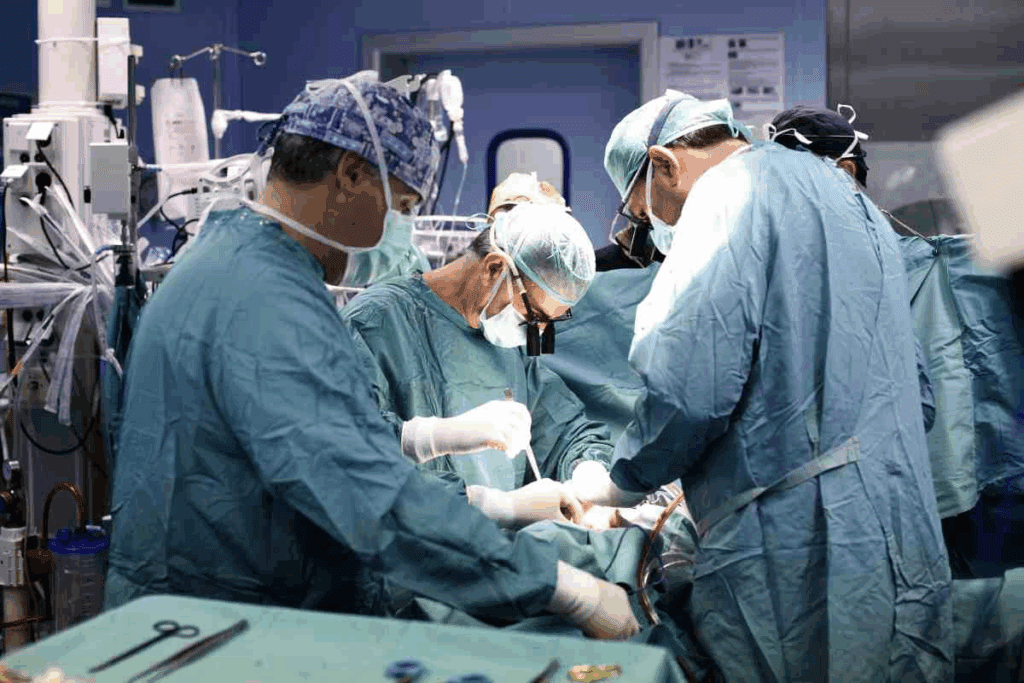
Did you know that medical technology has greatly improved the open heart surgery survival rate in recent years? This is a ray of hope for many patients facing heart surgery.
Heart surgery can be scary. But, thanks to new surgical methods and better care after surgery, the life expectancy after heart bypass operation has gone up a lot.
Looking into cardiac surgery survival statistics shows that many things affect how well patients do long-term. In this article, we’ll look at what affects survival rates and what patients can expect after heart surgery.
Key Takeaways
- Advances in medical technology have improved heart surgery outcomes.
- Life expectancy after heart bypass operation has increased significantly.
- Understanding cardiac surgery survival statistics is key for patient care.
- Many factors influence long-term survival rates after heart surgery.
- Post-operative care is very important for patient recovery.
Understanding Heart Surgery: Types and Purposes

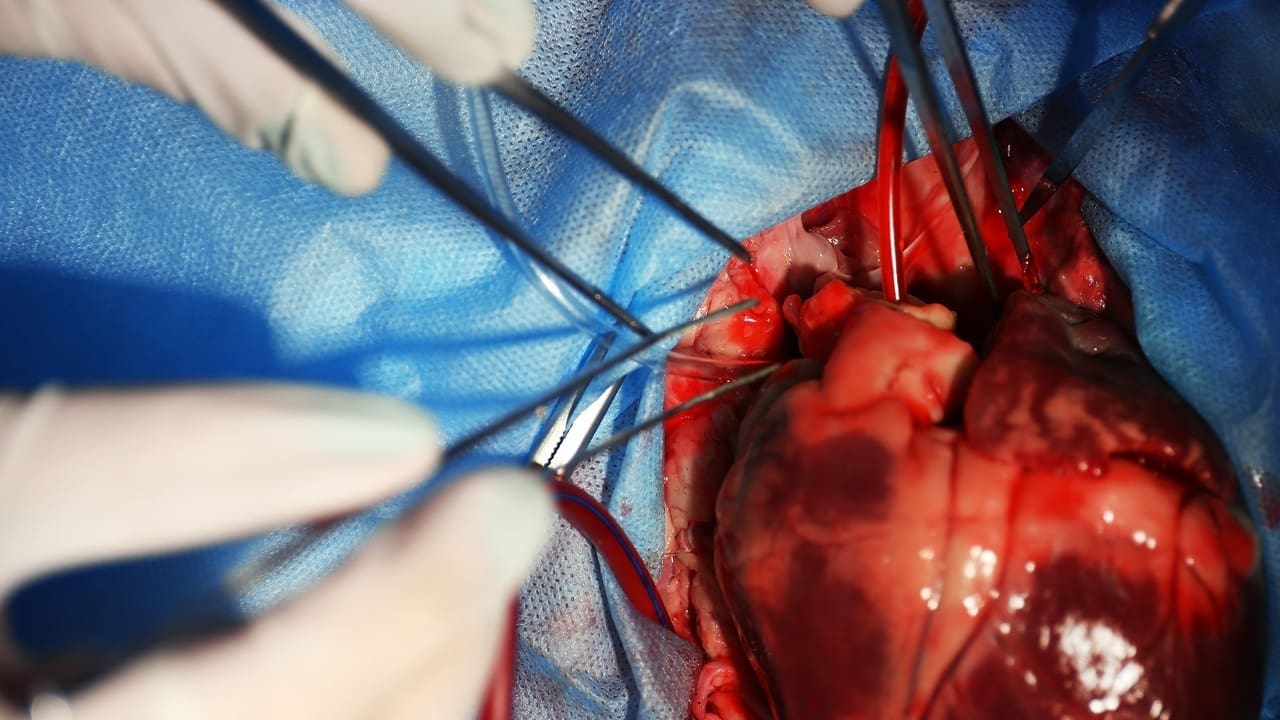
It’s important to know about the different heart surgeries and why they’re done. Heart surgery fixes or replaces damaged heart parts. This helps treat heart problems.
Doctors suggest heart surgery when other treatments don’t work or the problem is serious. Choosing to have surgery means weighing the benefits against the risks.
Common Types of Cardiac Procedures
There are many heart surgeries, each for a specific reason:
- Coronary Artery Bypass Grafting (CABG): This surgery bypasses blocked arteries. It helps blood flow better to the heart.
- Valve Repair or Replacement: This fixes or replaces damaged heart valves. It helps blood flow smoothly.
- Heart Transplant: In extreme cases, a new heart is needed. This replaces the patient’s heart with a donor’s.
These surgeries can greatly improve life for patients. They can make the heart surgery success rate higher.
When Surgery Becomes Necessary
Surgery is needed when heart problems are severe or other treatments don’t work. The choice depends on the patient’s health, age, and the heart issue.
| Condition | Typical Surgical Intervention | Impact on Life Expectancy |
| Coronary Artery Disease | CABG | Can improve life expectancy after bypass surgery |
| Valve Disease | Valve Repair/Replacement | Enhances quality of life and potentially increases longevity |
| Heart Failure | Heart Transplant | Significantly improves survival chances in end-stage heart failure |
Knowing these details helps patients and doctors decide on heart surgery. They consider the open-heart surgery survival rate by age.
Modern Heart Surgery Techniques and Advancements
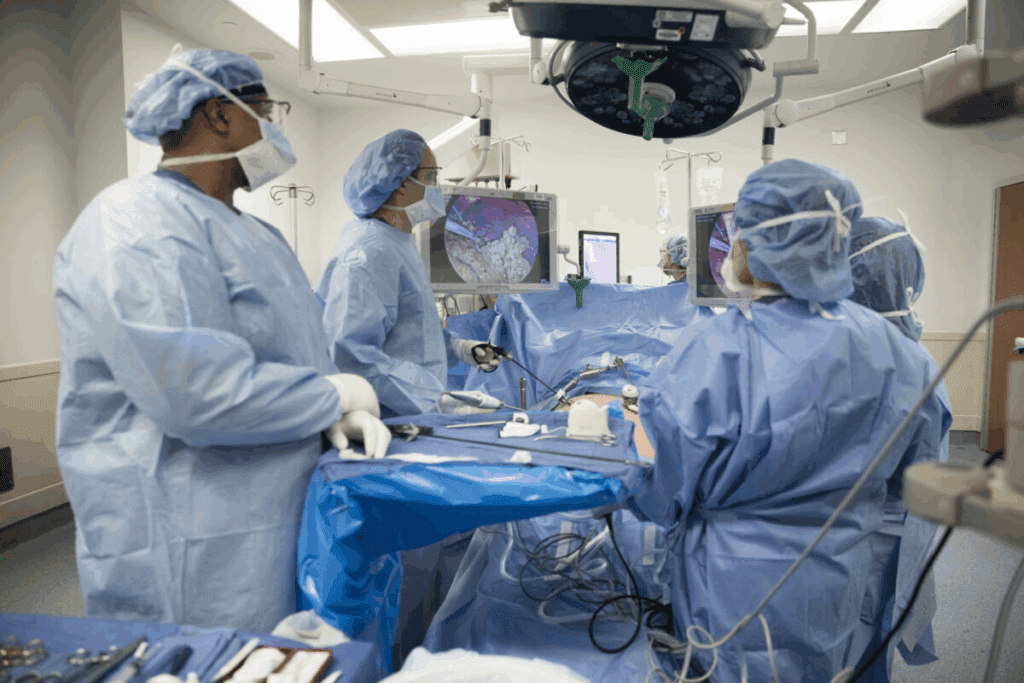
Modern heart surgery is leading the way in medical innovation. It combines the latest technology with expert surgical skills. This mix has greatly improved results for heart surgery patients, boosting survival rates and quality of life.
Traditional vs. Minimally Invasive Approaches
Heart surgery has changed a lot, moving from big open-heart surgeries to smaller, less invasive ones. These new methods use smaller cuts, cause less damage, and lead to faster recoveries than old ways.
Today, we see many new, small techniques being used. These include:
- Port-access cardiac surgery, which uses small ports between the ribs for operations.
- Robotic-assisted surgery, where robots help surgeons do complex tasks with better precision.
- Transcatheter procedures, which use catheters through arteries to fix heart valves or other parts.
Technological Innovations Improving Outcomes
New technologies are key to better heart surgery results. Things like 3D printing for planning, advanced imaging, and robotic surgery systems improve precision and safety.
The table below shows some important tech advancements and their benefits in heart surgery:
| Technological Innovation | Benefits |
| 3D Printing | Helps plan surgeries better, improves precision |
| Advanced Imaging Techniques | Shows heart structures clearly, makes diagnosis more accurate |
| Robotic-Assisted Surgery | Increases precision, cuts recovery time, reduces patient trauma |
These new tools and methods are helping make open heart surgery success rates and cardiac surgery survival statistics better. By using the latest tech and techniques, we can give patients the best chances for a good outcome, improving survival and life quality after surgery.
Open Heart Surgery Survival Rate: What the Statistics Show
Recent studies have shown a big improvement in open heart surgery survival rates. Many patients now live long, healthy lives after their surgery. This is thanks to better surgical techniques, improved care after surgery, and a better understanding of each patient’s risks.
Immediate Post-Operative Survival
The time right after surgery is very important for recovery. Studies show that survival rates have greatly improved. Key statistics include:
- Survival rates ranging from 98% to 99% for patients under 70 years old.
- A mortality rate of less than 2% for low-risk patients undergoing coronary artery bypass grafting (CABG).
These numbers highlight the progress in surgery and care after surgery. They show how open heart surgery survival rates have gotten better.
Long-Term Survival Statistics
Long-term survival statistics give us a glimpse into how well open heart surgery works over time. Research shows that:
- Five-year survival rates after CABG are about 90% for patients with no major health issues.
- Ten-year survival rates are between 70% to 80%. This depends on factors like age, health, and other heart conditions.
These long-term stats are hopeful. They show that many patients can live a long time after surgery. Important factors for long-term survival include lifestyle changes, sticking to medication, and ongoing heart care.
The survival rates for heart bypass surgery depend on many things. These include the patient’s health before surgery, how complex the surgery is, and the quality of care after surgery. Knowing these stats helps patients and doctors make better choices about treatment.
Life Expectancy After Bypass Surgery: The Big Picture
Life expectancy after bypass surgery depends on many things. These include the type of surgery and the patient’s health. Knowing these factors helps patients understand their chances of living longer.
Single vs. Multiple Bypass Procedures
The complexity of the surgery affects life expectancy. Single bypass procedures are simpler than doing multiple bypass surgeries. Studies show that patients with single bypasses might have better long-term results than those with multiple grafts.
Let’s look at some data to see how the number of bypass grafts affects life expectancy:
| Type of Bypass | Average Life Expectancy | 5-Year Survival Rate | 10-Year Survival Rate |
| Single Bypass | 15-20 years | 85% | 70% |
| Multiple Bypass | 10-15 years | 80% | 60% |
Comparing to General Population Longevity
Research shows that bypass surgery patients can live as long as the average person. This is true if they follow a healthy lifestyle and take their medicine. It’s key to remember that bypass surgery is a treatment, not a cure.
Many things affect how long a patient will live after surgery. These include their overall health, lifestyle, and other health issues. By managing these, patients can live longer after bypass surgery.
We stress the need for a full approach to heart health after surgery. This includes regular check-ups, eating well, and staying active. By doing these things, patients can greatly improve their life quality and expectancy.
Age as a Factor in Heart Surgery Outcomes
Age plays a big role in how well heart surgery works out. As more people live longer, knowing how age affects surgery results is key.
Survival Rates by Age Group
Studies show age really matters in heart surgery success. Younger people usually do better because they’re healthier. Older folks face more challenges, like diabetes and high blood pressure.
A study in a Journal found big differences in survival rates. People under 60 do better than those over 80 after heart surgery.
| Age Group | 1-Year Survival Rate (%) | 5-Year Survival Rate (%) |
| <60 | 95 | 85 |
| 60-69 | 90 | 75 |
| 70-79 | 85 | 65 |
| >80 | 75 | 55 |
Considerations for Older Adults
Heart surgery for older adults needs careful thought. Preoperative assessment is key to check their health and surgery risks.
“The decision to proceed with heart surgery in elderly patients should be based on a complete evaluation, including their functional status, cognitive function, and any comorbid conditions.”
Creating personalized care plans is vital for older adults. These plans should include rehabilitation and social support tailored to their needs.
Knowing how age affects surgery results helps doctors and patients. It sets realistic hopes and improves care.
Recovery Timeline After Open Heart Surgery
Recovering from open heart surgery takes time, from the hospital stay to long-term rehab. Each stage has its own challenges and milestones. Knowing these can help patients and their families prepare for what’s ahead.
Hospital Stay and Immediate Recovery
The first part of recovery happens in the hospital. Here, patients are watched closely for any problems. They usually stay for 7 to 10 days, slowly getting off life-supporting machines.
Effective pain management is key to comfort and early movement. As patients get better, they move from the ICU to a regular ward. Here, they start with early physical therapy and movement to prevent blood clots and improve recovery.
The Critical First 3 Months After Open-Heart Surgery
The first three months after leaving the hospital are very important. Patients should follow a structured rehabilitation program that includes exercise, diet changes, and stress management. It’s also important to watch for any signs of complications like infections.
By 6-8 weeks, many patients start to feel much better. They can slowly do more strenuous activities. But, it’s important to listen to their doctors to avoid doing too much too soon.
Long-Term Recovery Milestones
Recovery after heart surgery varies, but most see improvement over time. By 3 months after open-heart surgery, many are back to a good level of function. Full recovery can take up to 6 months or more.
Understanding that long-term recovery after heart surgery means making lifestyle changes is key. This includes diet, exercise, and managing stress to keep the heart healthy.
By knowing the recovery timeline and following doctor’s orders, patients can improve their life after open heart surgery.
Triple and Quadruple Bypass Surgery Survival Rates
Knowing the survival rates and life expectancy after triple and quadruple bypass surgery is key. These surgeries are for patients with severe coronary artery disease. They need to fix many blockages.
Understanding Complex Bypass Procedures
Triple and quadruple bypass surgeries are complex. They involve grafting blood vessels to bypass blocked arteries. A skilled team and top-notch facilities are needed for these surgeries. The success depends on the patient’s health, disease severity, and the team’s skill.
These surgeries aim to improve blood flow to the heart. This reduces heart attack risk and boosts quality of life. Doctors decide on these surgeries after detailed tests and evaluations.
Success Rates and Life Expectancy
Research shows good survival rates for these surgeries. Patients often see a big improvement in life expectancy and quality of life. Success comes from choosing the right patients, precise surgery, and good care after surgery.
Life expectancy after CABG varies. It depends on age, health, and other conditions. But, thanks to better surgery and care, many patients live longer, healthier lives.
- Improved Survival Rates: Better surgery and care have led to higher survival rates for complex bypass surgeries.
- Enhanced Quality of Life: Successful surgeries can greatly improve a patient’s life. They can do normal activities and enjoy better health.
- Long-Term Outcomes: Long-term success depends on lifestyle changes, sticking to medication, and ongoing medical care.
Understanding triple and quadruple bypass surgeries helps patients and doctors make better choices. It’s about knowing the complexities and outcomes of these surgeries.
Heart Surgery Success Rate: Procedure-Specific Outcomes
Different heart surgeries have their own success rates. These rates are influenced by the surgery type, patient health, and care after surgery. We’ll look at the results of valve replacement and coronary artery bypass grafting (CABG).
Valve Replacement Surgery Outcomes
Valve replacement surgery greatly improves patient outcomes. Mechanical valves and bioprosthetic valves are used. The choice depends on the patient’s age, lifestyle, and health.
The success rate for this surgery is high, with low death rates during surgery. But, long-term success depends on managing blood thinners for mechanical valves and how well bioprosthetic valves last.
Coronary Artery Bypass Grafting (CABG) Success
CABG is a common treatment for heart disease. Success is measured by graft function, symptom relief, and survival. Arterial grafts, like the internal mammary artery, last longer than vein grafts.
CABG success depends on several factors. These include the number of grafts, the patient’s health before surgery, and post-operative care. Studies show CABG can greatly improve survival and quality of life for those with severe heart disease.
Knowing the success rates of these surgeries helps patients and doctors make better choices. By looking at valve replacement and CABG outcomes, we see the progress in heart surgery and what makes it successful.
Long-Term Side Effects of Open Heart Surgery
The journey after open heart surgery is not just about getting better. It’s also about understanding and dealing with long-term side effects. While the surgery saves many lives, it’s key to know about possible long-term complications.
Physical Complications
Physical issues after open heart surgery can differ for each person. Some common problems include:
- Chest wall pain: Chest pain or discomfort can last for months or years.
- Swelling and inflammation: Swelling or inflammation in the legs or feet can happen.
- Palpitations: Irregular heartbeats or palpitations can occur due to the surgery.
- Physical limitations: Some patients may feel weaker or less energetic.
It’s important for patients to talk to their healthcare provider about these possible complications. This way, they can learn how to manage them well.
Cognitive and Psychological Effects
Some patients may also face cognitive or psychological effects after open heart surgery. These can include:
- Memory issues: Some patients have trouble remembering things or concentrating.
- Mood changes: Depression or anxiety can happen during recovery.
- Sleep disturbances: Trouble sleeping or insomnia can be a challenge for some.
Knowing about these effects can help patients and their families get ready for recovery. It also helps them find the right support when needed.
We stress the need for follow-up care and rehabilitation. These steps can help reduce long-term side effects. They can also improve the quality of life after open heart surgery.
How Long Does a Bypass Last?
The life of a bypass graft can vary a lot. It depends on many things. For those who have had a coronary artery bypass graft (CABG), how long it lasts is a big worry.
Graft Durability Factors
Several things can affect how long a bypass graft lasts. These include:
- The type of graft used (e.g., saphenous vein graft vs. internal mammary artery graft)
- Patient lifestyle choices, such as diet, exercise, and smoking cessation
- Post-operative care and adherence to medication regimens
- Underlying health conditions, including diabetes and hypertension
Graft type is very important. For example, grafts from the internal mammary artery usually last longer than those from the saphenous vein.
Signs of Graft Failure
It’s key for patients to know when a graft might fail. Look out for:
- Recurrence of angina symptoms or chest pain
- Shortness of breath or decreased exercise tolerance
- Fatigue or general feeling of being unwell
Spotting graft failure early can help a lot. It might even save your life. Seeing your doctor regularly is a must to check on your graft.
Living a healthy lifestyle and following your doctor’s advice can help your graft last longer. Knowing what affects graft longevity and the signs of failure can help you stay healthy. This way, you can keep your heart in good shape.
Lifestyle Changes That Extend Life After Heart Surgery
Making big changes in your lifestyle after heart surgery can really help you live longer and healthier. Eating right, exercising regularly, and managing stress are key. These habits can make a big difference in how well you do after heart surgery.
Nutrition and Exercise Guidelines
Eating well is key for a healthy heart. Eat lots of fruits, veggies, whole grains, and lean meats. Try to avoid foods high in bad fats, cholesterol, and salt.
Staying active is also vital. Exercise helps you recover and keeps your heart strong. Talk to your doctor to create a workout plan that’s right for you.
| Nutritional Element | Recommended Foods | Benefits |
| Fruits and Vegetables | Leafy greens, berries, citrus fruits | Rich in vitamins, minerals, and antioxidants |
| Whole Grains | Oatmeal, brown rice, quinoa | High in fiber, helps lower cholesterol |
| Lean Proteins | Chicken, fish, legumes | Low in saturated fats, supports heart health |
Stress Management and Mental Health
Keeping stress levels down is important for your heart. Try meditation, deep breathing, or yoga to relax. Also, keep in touch with loved ones and get help if you’re feeling down or anxious.
By making these lifestyle changes, you can greatly improve your health after heart surgery. It’s all about caring for yourself and working with your healthcare team for the best results.
Cardiac Rehabilitation’s Impact on Survival
Cardiac rehabilitation is key after heart surgery. It offers many benefits that help patients do better. It includes exercise, education, and support, which improve recovery and survival chances.
Components of Effective Rehabilitation
Good cardiac rehab programs have several parts:
- Supervised Exercise Training: Custom exercise plans boost heart health and physical strength.
- Education on Heart Health: Patients learn how to manage their heart condition and live healthier.
- Nutritional Counseling: Advice on eating right to keep the heart healthy.
- Stress Management: Ways to handle stress and keep the mind healthy.
Statistical Benefits for Long-Term Outcomes
Many studies show cardiac rehab’s benefits after heart surgery. It leads to:
- Improved Survival Rates: It lowers death rates among heart surgery patients.
- Reduced Hospital Readmissions: It helps patients stay healthy and avoid more hospital visits.
- Enhanced Quality of Life: Patients feel better physically and have fewer symptoms.
Cardiac rehab is vital for long-term health and well-being after heart surgery.
Success Stories: Living 30+ Years After Bypass Surgery
Many patients live 30 or more years after bypass surgery. This is thanks to advances in surgery and care after surgery. These survivors often share common factors that help them live longer and better.
Notable Cases and Common Factors
Studies have shown patients living 30+ years after coronary artery bypass grafting (CABG). A study in a found that younger patients and those who adopted healthy habits did better.
Common factors among these survivors include:
- Adherence to medication: Taking prescribed meds for conditions like high blood pressure and cholesterol.
- Lifestyle modifications: Eating heart-healthy, exercising regularly, and managing stress.
- Regular follow-up care: Going to check-ups to keep an eye on heart health.
Quality of Life Considerations
Living 30+ years after bypass surgery means a good life for many. They can travel, spend time with family, and enjoy hobbies without heart disease limits.
Aspects that improve life after surgery include:
- Physical rehabilitation: Joining cardiac rehab to get stronger and more energetic.
- Psychological support: Getting help from loved ones or mental health experts to deal with recovery emotions.
- Lifestyle adjustments: Making lasting changes to diet and exercise for heart health.
Looking at these success stories helps us understand the benefits of bypass surgery. It also shows the importance of good care after surgery.
Monitoring Your Heart Health Post-Surgery
Keeping an eye on your heart health after surgery is key to a smooth recovery. Your heart is extra vulnerable after surgery. Regular check-ups with your doctor are vital to track its recovery and health.
Essential Follow-Up Care
Follow-up care after heart surgery is more than just checking for immediate problems. It’s a detailed plan to keep your heart healthy. Regular check-ups include:
- Monitoring blood pressure and heart rate
- Adjusting medications as necessary
- Echocardiograms or other imaging tests to assess heart function
- Discussing any symptoms or concerns with your healthcare provider
These visits are key for catching problems early and adjusting your treatment plan. Keep a log of your symptoms, medications, and questions for your doctor. This will help you get the most from these visits.
| Follow-Up Care Component | Purpose | Frequency |
| Blood Pressure Monitoring | To ensure it’s within a healthy range | At every visit |
| Medication Adjustment | To manage heart health effectively | As needed based on health status |
| Echocardiograms | To assess heart function and structure | Typically every 1-2 years or as recommended |
Warning Signs to Never Ignore
Knowing the warning signs of complications after heart surgery is important. Never ignore symptoms like:
- Chest pain or discomfort
- Shortness of breath
- Swelling in the legs, ankles, or feet
- Dizziness or fainting
- Persistent fatigue
If you notice any of these symptoms, call your doctor right away. Quick action can stop small problems from becoming big ones.
By being careful and keeping up with follow-up care, you can greatly improve your recovery after heart surgery. We’re here to support you every step of the way.
Conclusion: The Future After Heart Surgery
Medical technology and care are getting better, making life after heart surgery more hopeful. Knowing about the heart surgery survival rate and what affects it can give hope to those facing or recovering from heart surgery.
We’ve looked at what makes recovery successful. This includes new surgical methods, the need for lifestyle changes, and cardiac rehab. These things together help many patients live well after surgery.
Looking ahead, it’s clear that new discoveries will keep improving survival rates and life quality. By staying informed and caring for their health, people can look forward to a long, healthy life after surgery.
FAQ
What is the average lifespan after heart bypass surgery?
The lifespan after heart bypass surgery varies. It depends on the procedure type, patient characteristics, and health. Studies show patients can live 10 to 20 years or more. Some even live up to 30 years or more.
How long does it take to recover from open heart surgery?
Recovery from open heart surgery takes 6 to 12 weeks. The hospital stay is usually 5 to 7 days. Then, patients need rest and rehabilitation at home.
What are the long-term side effects of open heart surgery?
Long-term side effects include physical issues like wound infections and heart failure. There are also cognitive and psychological effects, such as memory problems and depression. Regular care and monitoring can help manage these risks.
Can you live 30 years after bypass surgery?
Yes, living 30 years or more after bypass surgery is possible. A healthy lifestyle, ongoing medical care, and no significant health issues are key. Some patients live into their 80s and 90s.
What is the survival rate for triple bypass heart surgery?
The survival rate for triple bypass heart surgery is high. Short-term mortality is around 1-3%. Long-term survival varies but many see big improvements in quality of life and life expectancy.
How long does a bypass graft last?
A bypass graft’s lifespan varies. It depends on the graft type, patient health, and lifestyle. Vein grafts last about 10-15 years. Arterial grafts can last 20 years or more.
What lifestyle changes can enhance longevity after heart surgery?
A healthy lifestyle is key. This includes a balanced diet, regular exercise, stress management, and not smoking. Cardiac rehabilitation programs offer valuable guidance and support.
What is the role of cardiac rehabilitation in enhanced survival after heart surgery?
Cardiac rehabilitation is vital for survival and quality of life after heart surgery. It includes exercise, education on heart-healthy living, and stress reduction. It helps patients cope with heart disease’s emotional aspects.
How often should I have follow-up care after heart surgery?
Regular follow-up care is essential. It helps monitor heart health and address complications. Patients should see their healthcare provider every 6 to 12 months, based on individual needs.
What are the warning signs to watch out for after heart surgery?
Watch for signs like chest pain, shortness of breath, dizziness, or leg swelling. Also, monitor for infection signs, such as fever or redness around the surgical site. Seek medical help quickly if you notice any concerning symptoms.
Reference
- Mohr, F. W., Morice, M. C., Kappetein, A. P., Feldman, T. E., Ståhle, E., Colombo, A., & Serruys, P. W. (2013). Coronary artery bypass graft surgery versus percutaneous coronary intervention in patients with three-vessel disease and left main coronary disease: 5-year outcomes from the SYNTAX trial. The Lancet, 381(9867), 629–638. https://www.ncbi.nlm.nih.gov/pmc/articles/PMC4379244/