Last Updated on November 27, 2025 by Bilal Hasdemir
Every year, over 200,000 men in the United States have prostate surgery. It’s a big deal, and knowing when to start showering again is key. This helps with the healing process.
Knowing how to recover after you operate prostate is important for a smooth healing. Men often wonder when they can shower after a prostatectomy. Everyone heals differently. Always follow your doctor’s advice to heal properly.
Key Takeaways
- Understand the general guidelines for showering after prostate surgery.
- Learn about the factors that influence recovery time.
- Discover the importance of following your doctor’s instructions.
- Find out when you can typically resume normal hygiene practices.
- Get insights into managing discomfort during the recovery period.
Understanding Prostate Surgery and Its Types
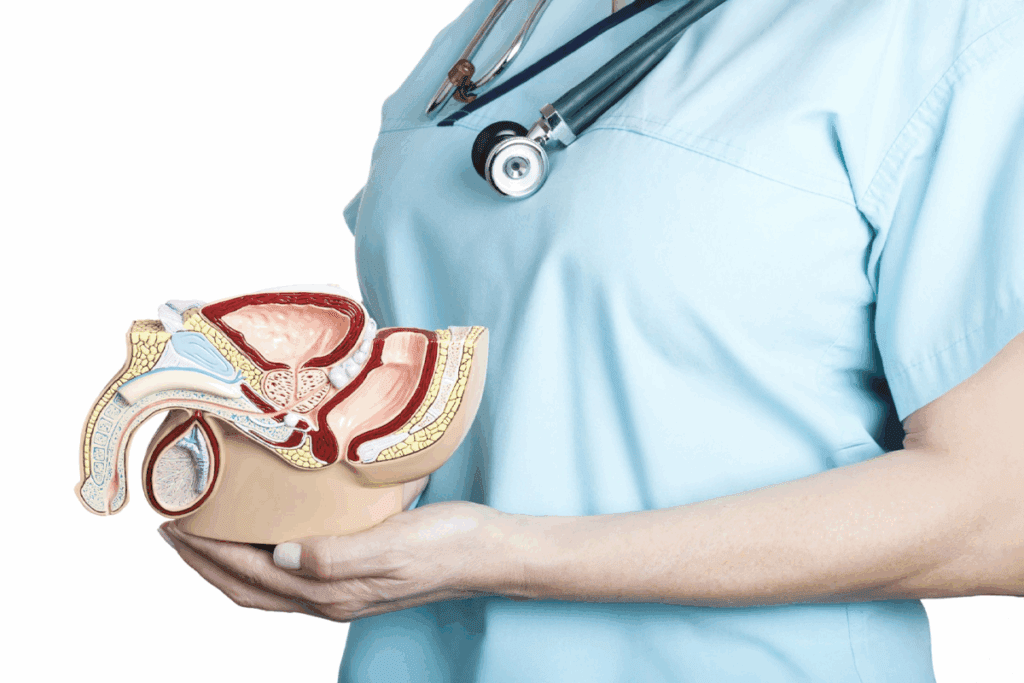
Prostatectomy is a surgery for prostate issues. It comes in different types, each with its own benefits and risks. The choice of surgery depends on the cancer stage, the patient’s health, and the surgeon’s skill.
Open Radical Prostatectomy
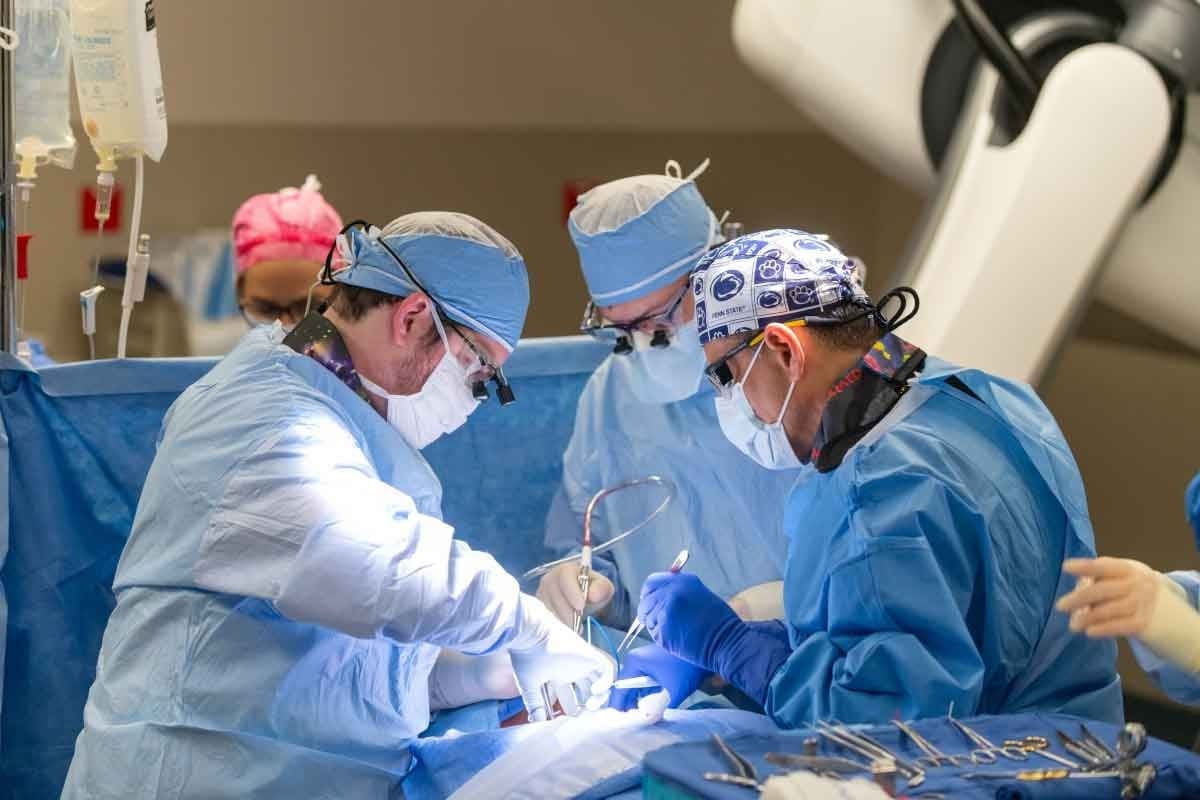
Open radical prostatectomy makes a big incision in the belly to reach the prostate. It’s often chosen for high-risk cancer or big tumors. The surgeon can directly see and remove the prostate and seminal vesicles. But it takes longer to recover than other methods.
Laparoscopic Prostatectomy
Laparoscopic prostatectomy uses small cuts and a camera for surgery. It causes less damage and heals faster than open surgery. The camera gives a clear view, helping the surgeon remove the prostate accurately.
Robotic-Assisted Prostatectomy
Robotic-assisted prostatectomy is a laparoscopic surgery with a robotic system. It offers better control and a 3D view for precise surgery. This method leads to less blood loss, fewer complications, and quicker healing.
The table below shows the main differences between these surgeries:
| Surgical Technique | Incision Details | Recovery Time | Potential Complications |
| Open Radical Prostatectomy | Single large incision | Typically longer | Higher risk of blood loss and infection |
| Laparoscopic Prostatectomy | Several small incisions | Quicker than open surgery | Risk of injury to surrounding organs |
| Robotic-Assisted Prostatectomy | Several small incisions | Generally the quickest | Risk of robotic system failure, though rare |
Immediate Post-Surgery Care
The time right after prostate surgery is very important. Knowing what care is needed can really help with healing. Good care includes both hospital recovery and home care tips.
Hospital Recovery Period
In the hospital, doctors watch patients closely for any problems. They also work hard to manage pain. Pain management is key to keeping patients comfortable and helping them heal faster.
Most patients stay in the hospital for just a day or two. This depends on the surgery type and the patient’s health. Doctors tell patients to move around as soon as they can. This helps prevent blood clots and other issues.
Initial Home Care Instructions
When patients go home, they get important care tips. These include how to take care of the wound, manage medicines, and what activities to skip. It’s very important to follow these tips to avoid problems.
- Keep the incision site clean and dry.
- Follow the prescribed medication regimen for pain management.
- Avoid heavy lifting and strenuous activities.
By sticking to these guidelines, patients can make their recovery at home easier and more successful.
When Can You Shower After Prostate Surgery?
The timing of your first shower after prostate surgery depends on several factors. This includes the type of surgery you underwent.
Timeline for Different Surgery Types
Different surgical techniques have varying recovery timelines. Patients who undergo minimally invasive surgeries, like laparoscopic or robotic-assisted prostatectomy, may shower sooner. Those who have open surgery might wait longer.
- Laparoscopic Prostatectomy: Patients can usually shower within 24 to 48 hours after surgery.
- Robotic-Assisted Prostatectomy: Showering is permitted within 24 to 48 hours post-surgery.
- Open Radical Prostatectomy: Patients might need to wait around 48 to 72 hours before showering.
It’s vital to follow your surgeon’s specific instructions. They may vary based on your individual case and the surgical techniques used.
Factors That May Delay Showering
Several factors can influence when you can shower after prostate surgery. These include:
- The presence of a catheter or drainage tubes.
- The type of dressing or wound care required.
- Any complications during or after surgery.
- Your overall health and recovery progress.
| Factor | Impact on Showering |
| Catheter Presence | May need to avoid submerging the catheter site in water. |
| Wound Care | Specific instructions for keeping the wound dry or cleaning it during showering. |
| Surgical Complications | Could delay showering until the complication is resolved. |
Doctor’s Specific Recommendations
Your doctor’s guidance is key in determining when it’s safe to shower after prostate surgery. They will give personalized advice based on your surgery type, overall health, and any specific recovery needs.
Always follow your doctor’s instructions regarding showering and other post-surgery care to ensure a smooth and safe recovery.
How to Safely Shower After Prostate Surgery
Showering safely after prostate surgery is key to a smooth recovery. It helps prevent infections and ensures the incision heals properly. This guide will help you shower safely after prostate surgery.
Preparing Your Bathroom Environment
Before showering, make your bathroom safe to avoid slipping or falling. Remove any rugs or mats that could be slippery. Consider installing grab bars near the shower for support. Make sure the water is comfortable, not too hot or cold.
Protecting Incision Sites and Wounds
It’s important to protect your incision sites and wounds while showering. For the first 24 to 48 hours, keep them dry. Use a waterproof dressing or a plastic bag to cover them. Clean the area gently with mild soap and water, then pat it dry.
Step-by-Step Showering Technique
Here’s a step-by-step guide for safe showering after prostate surgery:
- Turn on the water and adjust the temperature before getting in.
- Enter the shower carefully, using grab bars if available.
- Keep the shower short to avoid fatigue.
- Use mild soap and avoid scrubbing the incision sites.
- Rinse thoroughly and pat dry, focusing on the incision sites.
- Exit the shower carefully, using grab bars for support.
By following these steps and precautions, you can shower safely after prostate surgery. This ensures a safe and smooth recovery.
Catheter Management During Recovery
Learning how to care for your catheter is key after prostate surgery. Good catheter management helps you recover smoothly and without problems.
Showering With a Catheter
Showering with a catheter needs some care to avoid infections and keep the catheter in place. It’s best to keep the catheter and its bag dry. You can use a waterproof cover or take a sponge bath instead.
Tips for showering with a catheter:
- Use a waterproof dressing or plastic bag to cover the catheter and bag.
- Avoid submerging the catheter or drainage bag in water.
- Keep the genital area clean to prevent infection.
Catheter Care and Cleaning
Cleaning and caring for your catheter is vital to avoid infections. Clean the area around the catheter with soap and water daily. Also, empty the drainage bag often to prevent it from getting too full.
Catheter care routine:
- Wash your hands before handling the catheter.
- Gently clean around the catheter site with soap and water.
- Rinse thoroughly and dry the area.
| Catheter Care Task | Frequency | Notes |
| Cleaning around the catheter site | Daily | Use soap and water |
| Emptying the drainage bag | When 2/3 full | Avoid overfilling |
| Checking the catheter for kinks or blockages | Regularly | Ensure proper urine flow |
What to Expect When the Catheter is Removed
Removing the catheter might cause some discomfort or leakage. This is usually short-lived. Your healthcare provider will guide you on what to expect and how to handle any issues after removal.
Following your healthcare provider’s advice on catheter care and removal is critical for a smooth recovery. If you have concerns or notice signs of infection, like fever, redness, or swelling, contact your healthcare provider right away.
Why Doctors Operate on Prostate Glands
Doctors operate on the prostate glands for many reasons. This surgery can greatly improve a patient’s life. They carefully consider the patient’s health and condition before deciding to operate.
Prostate Cancer Treatment Options
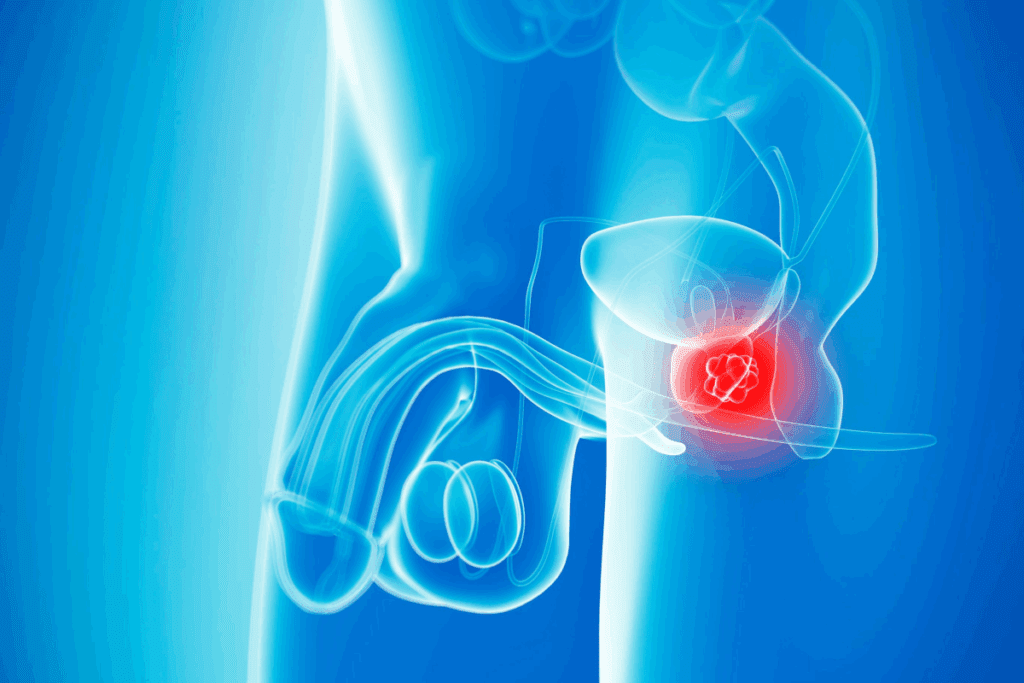
Prostate cancer is a main reason for surgery. Radical prostatectomy, which removes the prostate gland, is a common treatment.
The goal is to remove cancer cells and stop the disease from spreading. There are different ways to do prostate cancer surgery. These include open surgery, laparoscopic surgery, and robotic-assisted surgery. Each method has its own benefits and is chosen based on the patient’s needs and the surgeon’s skills.
Benign Prostatic Hyperplasia (BPH) Surgery
BPH, or an enlarged prostate, is a non-cancerous condition. It can cause serious urinary problems. When other treatments don’t work, surgery might be needed.
Transurethral resection of the prostate (TURP) is a common surgery for BPH. It involves removing part of the prostate that blocks urine flow. Other options like laser surgery and open prostatectomy are less common but can be used depending on the situation.
Other Conditions Requiring Prostate Surgery
Other than cancer and BPH, some conditions may need surgery. Prostatitis, or inflammation of the prostate, can sometimes require surgery if it causes abscesses. Also, prostate stones or chronic prostatitis/chronic pelvic pain syndrome may need surgical treatment in some cases.
The decision to have surgery for these conditions comes after trying other treatments. The type of surgery depends on the condition and its severity.
What Happens When the Prostate is Removed
Having a prostate removed is a big change that can affect how you urinate and have sex. It’s important to know what might happen to your body after surgery. This helps you get ready for life after the operation.
Physiological Changes
Removing the prostate gland changes your body in many ways. One big change is in how you urinate. The prostate is near the urethra, and removing it can make it harder to control your bladder.
“Studies have shown that most men regain urinary control within a few months to a year after surgery.”
Journal of Urology
But how long it takes can vary a lot from person to person.
Another big change is in the nerves around the prostate. These nerves help you have an erection. Doctors try to save these nerves during surgery. But even so, some men might have trouble with sex after surgery.
Impact on Urinary Function
After the prostate is removed, men often have trouble with their urine. Urinary incontinence is a common problem. It can range from a little leakage to not being able to hold your urine at all.
How bad it is and how long it lasts can vary a lot. Some men get better right away, while others take longer.
To help with incontinence, doctors often suggest pelvic floor exercises. These are also known as Kegel exercises. They help strengthen the muscles that control your urine, which can make incontinence less severe.
Effects on Sexual Function
Prostate removal can also affect how you have sex. The surgery can make it harder to get an erection. How much it affects you depends on whether the nerves around the prostate were saved during surgery.
Nerve-sparing prostatectomy tries to protect these nerves. This might help you avoid erectile dysfunction.
Even with nerve-sparing surgery, some men might have trouble with sex. This can include erectile dysfunction or a lower sex drive. There are treatments available, like medicines, counseling, and other options that fit each person’s needs.
It’s important for men to understand what might happen after prostate removal. This helps them prepare and make good choices about their care. Talking to their doctors can help them get ready for life after surgery.
Managing Pain and Discomfort During Recovery
Managing pain well is key after prostate surgery. It makes recovery smoother and lets patients get back to normal faster.
Medication Management
Doctors often give pain meds after surgery. It’s important to take them as told to control pain. Common pain relief medications include opioids and NSAIDs, based on pain level and medical history.
Knowing the side effects of pain meds is important. If you have concerns, tell your doctor. They can adjust your meds if needed.
Non-Pharmaceutical Pain Relief Methods
There are also non-med ways to ease pain. These include:
- Use heat or cold packs as your doctor suggests.
- Doing gentle exercises like pelvic tilts to loosen up and heal.
- Try relaxation techniques like deep breathing or meditation to relax.
These methods can help with pain and comfort, along with meds.
When Pain Indicates a Problem
Some pain is normal after surgery. But some pain or pain that gets worse can mean a problem. Look out for signs like:
| Signs | Possible Indication |
| Severe or worsening pain | Infection or internal complication |
| Pain with fever or chills | Infection |
| Pain when you pee | Urinary tract infection or catheter issue |
If you see these signs, call your doctor right away. Quick action can prevent bigger problems.
Incision Care and Wound Healing
Recovering from prostate surgery means taking care of your incision. It’s not just about avoiding infection. It’s also about healing well.
Signs of Proper Healing
Watch your incision site for healing signs. Look for:
- The incision site is gradually closing
- A decrease in swelling and redness around the incision
- The presence of a scab or scar tissue forming over the incision
Proper healing means no severe pain, bleeding, or bad smell from the incision.
Warning Signs of Infection
Be alert for infection signs. These include:
- Increased redness, swelling, or warmth around the incision site
- Pus or discharge from the incision
- A foul odor from the incision site
- Fever or chills
If you see these signs, contact your healthcare provider right away.
Best Sleeping Positions for Recovery
Choose sleeping positions that don’t put pressure on your incision. Here are some tips:
- Avoid sleeping on your stomach, as this can put pressure on the incision site.
- Sleeping on your back with a pillow under your knees can help reduce strain on your abdominal area.
- If you prefer sleeping on your side, use a supportive pillow between your knees to keep your hips aligned.
These tips can help your recovery go smoothly and lower the chance of problems.
Diet and Nutrition After Prostate Surgery
Eating well is key for men recovering from prostate surgery. A balanced diet helps with healing and reduces complications. It also boosts overall health.
Foods to Include in Your Diet
Focus on foods packed with nutrients after surgery. Lean proteins like chicken, fish, and beans aid in healing. Vegetables and fruits are full of antioxidants and fiber, supporting recovery and health.
Whole grains such as brown rice, quinoa, and whole-wheat bread are rich in fiber and nutrients. Foods high in omega-3 fatty acids, like salmon and walnuts, reduce inflammation. Also, a diet rich in vitamins and minerals, including vitamin D and zinc, is good for men after prostate surgery.
Foods to Avoid After Surgery
Some foods can slow down recovery. It’s best to limit or avoid processed foods, sugary snacks, and foods with saturated fats. These can cause inflammation and other issues.
Caffeine and alcohol should be used in moderation. Drinking plenty of water is important. But limit drinks that can irritate the bladder, like those with caffeine or alcohol.
Importance of Hydration
Drinking enough water is essential after prostate surgery. It helps flush out the system and lowers infection risk. Water is the best choice, and you should drink lots of it all day.
Always follow your healthcare provider’s dietary advice. They may have specific recommendations based on your health and surgery type.
Physical Activity Guidelines During Recovery
Recovery from prostate surgery is not just about resting. It’s about doing the right exercises at the right time. Gentle movements can help your body heal faster, prevent problems, and cut down on recovery time.
Recommended Exercises and Activities
After prostate surgery, doctors often suggest starting with light activities. Walking is a top choice because it’s easy on the body and can be done anywhere. Pelvic floor exercises, or Kegels, also help with bladder control by strengthening the muscles.
Other activities you might be told to try include:
- Light stretching to keep your muscles flexible
- Breathing exercises to boost lung health
- Slowly building up strength in your upper body
Activities to Avoid After Surgery
While some activity is good, there are things to avoid early on. These include:
- Heavy lifting (more than 10-15 pounds)
- Strenuous exercises or bending
- High-impact activities like running or jumping
Staying away from these activities helps avoid putting too much pressure on the surgical area. It also lowers the chance of complications.
Gradually Increasing Activity Levels
It’s important to slowly increase how much you move around. Start with small steps and watch how your body feels. Listen to your body and don’t push too hard. The aim is to make steady progress without feeling too tired or sore.
As you get better, you can do more intense and longer activities. But always listen to your doctor’s advice. They can give you personalized tips based on how you’re doing.
Emotional and Psychological Aspects of Recovery
Recovering emotionally and psychologically after prostate surgery is key. It’s not just about the body; it’s also about the mind and heart.
Dealing With Anxiety and Depression
Many patients feel anxious or depressed after surgery. Uncertainty about the future, worries about cancer coming back, or changes in how they pee or have sex can make it tough.
Getting help from professionals, loved ones, and finding personal ways to cope is important. Cognitive-behavioral therapy (CBT) and mindfulness-based stress reduction (MBSR) are good ways to deal with these feelings.
Impact on Self-Image and Relationships
Prostate surgery can also change how a person sees themselves and their relationships. For example, changes in sexual function can make someone feel less masculine or affect their bond with their partner.
Talking openly with partners and doctors is key. Seeing a therapist or counselor can help deal with these changes. It can make relationships stronger and improve how you feel emotionally.
Support Resources Available
There are many resources for men recovering from prostate surgery. Support groups, both in-person and online, offer a place to share and get support from others who understand.
Healthcare organizations also provide counseling services and educational programs for prostate cancer survivors and their families. Using these resources can really help with recovery.
By understanding the emotional and psychological sides of recovery and using available support, people can better handle the challenges of prostate surgery. This leads to a more complete healing process.
Returning to Normal Activities
Knowing when and how to get back to normal after prostate surgery is key. Patients often wonder about doing daily tasks, driving, going back to work, and starting sexual activity again. We aim to guide you through these steps to make your recovery smoother.
Driving After Prostate Surgery
Driving after surgery needs careful thought. Most doctors say to wait at least one to two weeks, or as they advise. This time helps reduce pain and stops medication that could affect your driving.
- Make sure you’re off pain meds long enough before driving.
- Start with short drives to check how you feel and react.
- Have someone with you on your first few drives.
Returning to Work Guidelines
When you can go back to work depends on your job and surgery type. Desk jobs might let you return in a few weeks. Jobs that need physical work might take longer.
- Talk to your doctor about your job to get advice tailored to you.
- Slowly add more to your work as you get better.
- Look into flexible work options if you need them.
Resuming Sexual Activity Safely
Many patients worry about starting sexual activity again after surgery. The timing depends on your recovery and surgery type. Always follow your doctor’s advice on when it’s okay to start again.
Key Considerations:
- Wait for your doctor’s okay before starting again.
- Begin with gentle, slow steps in intimacy.
- Remember, some changes in sexual function might happen.
Conclusion
Recovering from prostate surgery needs careful attention to post-surgery care. This ensures a smooth and effective prostate surgery recovery. The type of surgery done affects how long it takes to recover and what care is needed.
Knowing how to manage a catheter, care for incisions, and handle pain is key. These steps are important for those having a prostatectomy. Eating well and slowly getting back to physical activities helps, too. This way, patients can improve their post-surgery care and avoid complications.
A successful recovery from prostate surgery comes from good medical care and patient effort. Support from healthcare teams and loved ones also plays a big role. Being informed and proactive helps individuals recover well and achieve the best results.
FAQ
What is the typical recovery time for prostate surgery?
Recovery times for prostate surgery vary. It depends on the surgery type and individual factors. Most men recover in weeks to a few months.
How long after prostate surgery can I shower?
Showering times after surgery vary. It depends on the surgery type and your doctor’s advice. Usually, you can shower a few days after surgery.
What are the benefits of robotic-assisted prostatectomy?
Robotic-assisted prostatectomy has many benefits. It uses smaller incisions, results in less blood loss, and has a quicker recovery than traditional surgery.
How do I manage pain after prostate surgery?
Managing pain after surgery involves medication and non-medical methods. Techniques like relaxation and heat or cold therapy help.
What are the signs of proper healing after prostate surgery?
Proper healing signs include less pain, swelling, and bruising. You’ll also see a return to normal bodily functions.
What foods should I avoid after prostate surgery?
Avoid foods that irritate the bladder or urinary tract after surgery. This includes spicy, acidic, high-sugar, and high-salt foods.
When can I resume sexual activity after prostate surgery?
Resuming sexual activity timing varies. It depends on individual factors and your doctor’s advice. Generally, wait several weeks.
How do I care for my catheter after prostate surgery?
Catheter care includes keeping it clean and dry. Secure it to your leg. Follow your doctor’s instructions for the drainage bag.
What are the possible complications of prostate surgery?
Complications include infection, bleeding, urinary incontinence, and erectile dysfunction. These are among the possible risks.
How long does it take to recover from a robotic prostatectomy?
Robotic prostatectomy recovery is generally shorter. Most men recover in several weeks compared to traditional surgery.
Can I drive after prostate surgery?
Driving timing varies. It depends on your recovery and your doctor’s advice. Wait until you’re off narcotic pain meds and feel comfortable.
What are the emotional and psychological aspects of recovery after prostate surgery?
Recovery can involve emotional and psychological challenges. This includes anxiety, depression, and changes in self-image and relationships. Seek support from loved ones, support groups, or mental health professionals.
Reference
- Ko, Y. H., Park, Y. H., & Choi, H. Y. (2018). Functional recovery after radical prostatectomy for prostate cancer: Importance of Kegel exercises. PMC, 9(27), 1-9. https://pmc.ncbi.nlm.nih.gov/articles/PMC6784702/