Last Updated on November 27, 2025 by Bilal Hasdemir
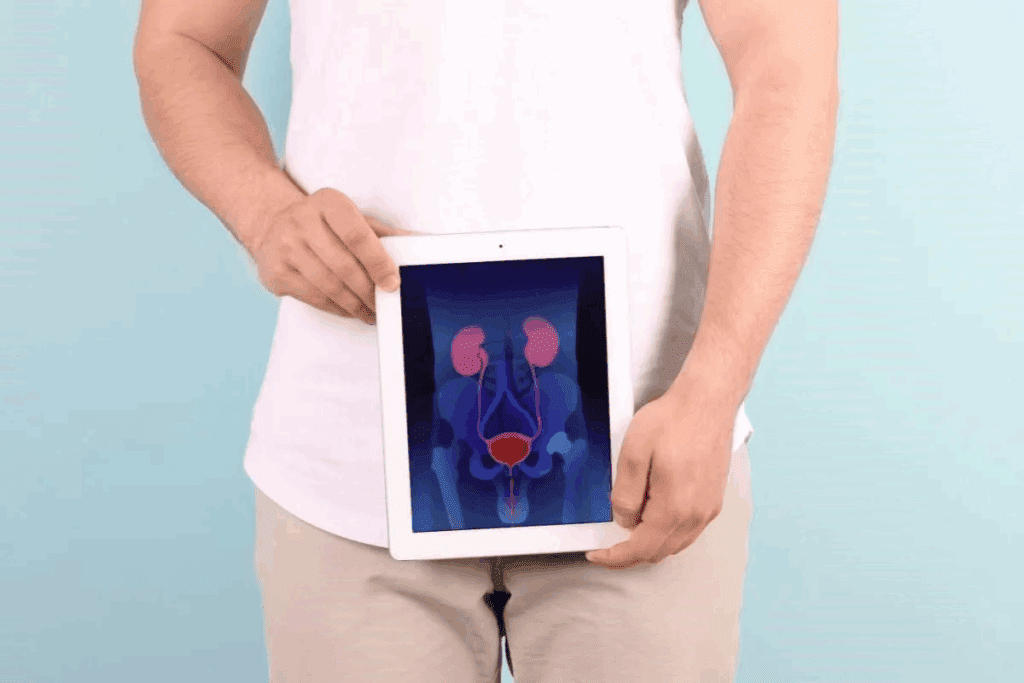
Benign Prostatic Hyperplasia (BPH), or enlarged prostate, affects millions of men worldwide and can significantly impact their quality of life. Symptoms range from mild to severe, including frequent urination, weak urine flow, and prolonged urination.
As men age, the likelihood of developing BPH increases, making it a common concern among older men. Fortunately, there are several ways doctors operate prostate to relieve symptoms effectively. Choosing the right surgical method can improve overall well-being and quality of life.
When deciding how to operate prostate, doctors consider factors such as the size of the prostate, severity of symptoms, and the patient’s overall health. Options include minimally invasive procedures, laser surgery, and traditional surgical techniques.
Understanding how doctors operate prostate and what to expect during recovery helps patients make informed decisions and reduces anxiety about the procedure. Proper preparation and following post-operative care guidelines ensure the best outcomes after surgery to operate prostate.
Key Takeaways
- Understanding BPH and its symptoms is key for finding the right treatment.
- There are many surgical options for treating an enlarged prostate.
- Choosing the right surgery can greatly improve your quality of life.
- It’s important to talk to a healthcare professional to find the best treatment.
- Effective treatment can reduce symptoms and improve overall well-being.
Understanding Benign Prostatic Hyperplasia (BPH)
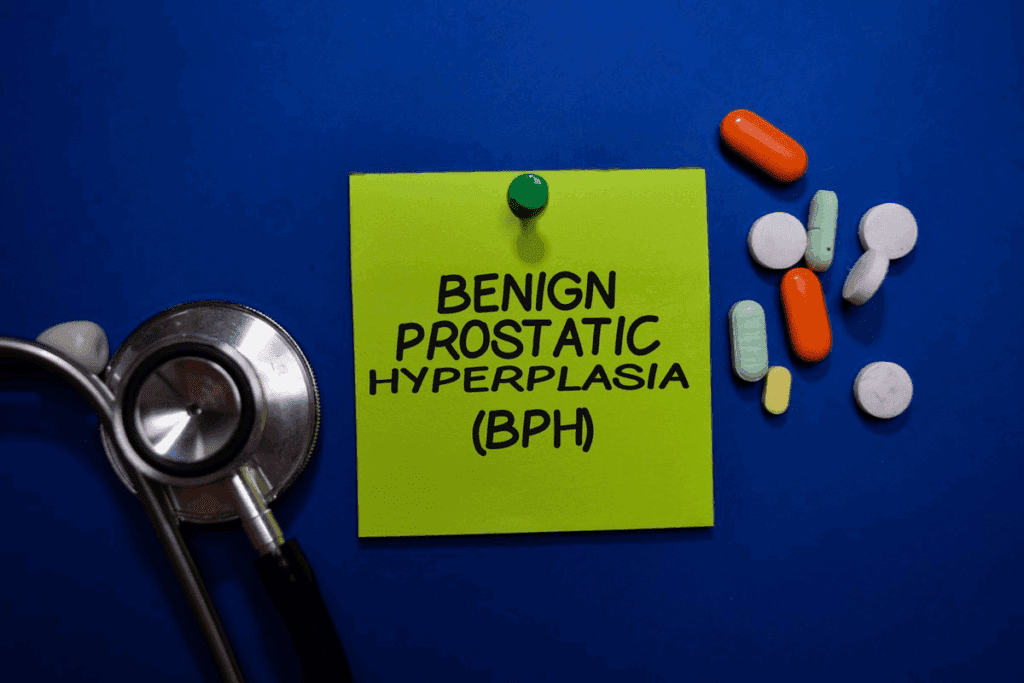
It’s important for men to know about Benign Prostatic Hyperplasia (BPH). This condition makes the prostate gland grow bigger. It can cause problems with urination and other health issues.
What Causes an Enlarged Prostate?
The exact reason for BPH isn’t known. But, it’s thought to be related to hormonal changes in older men. Dihydrotestosterone (DHT), a strong form of testosterone, is key in making the prostate bigger.
As men age, DHT levels go up. This leads to more prostate cells growing. The prostate gets bigger, which can block the urethra and make it hard to pee.
Common Symptoms of BPH
The signs of BPH differ from person to person. But common ones include:
- Frequent urination
- Urgent need to urinate
- Weak or interrupted urine flow
- Difficulty starting urination
- Straining while urinating
These symptoms can really affect a man’s life. It’s important to see a doctor if they don’t go away or get worse.
When Medical Intervention Becomes Necessary
When BPH symptoms really bother you or cause problems, you need to see a doctor. It’s key to talk to a healthcare professional for the right diagnosis and treatment. Treatments can be medicines, lifestyle changes, or surgery.
Knowing when to get medical help is important. If you have trouble peeing, pain while peeing, or keep getting urinary tract infections, get help right away.
Non-Surgical Treatment Options for BPH

Before looking into surgery, it’s key to know about non-surgical BPH treatments. Many men with an enlarged prostate find relief through meds and lifestyle changes.
Medications for Prostate Enlargement
There are several meds for BPH symptoms. Alpha-blockers help relax muscles in the prostate and bladder neck. 5-alpha-reductase inhibitors shrink the prostate over time. Sometimes, a mix of both is suggested.
Talking to your doctor about these meds’ side effects is important. While they’re usually safe, they can cause dizziness or lower sex drive in some.
Lifestyle Changes to Manage Symptoms
Changing your lifestyle can help a lot with BPH symptoms. Drinking less before bed can cut down on nighttime trips to the bathroom. Avoiding caffeine and alcohol helps too. Exercise also boosts prostate health.
Eating more fruits, veggies, and whole grains can help. Staying at a healthy weight is also key, as extra weight can make symptoms worse.
When to Consider Surgical Intervention
Non-surgical treatments work for many, but surgery is needed sometimes. If meds and lifestyle changes don’t help, or if you have urinary problems, surgery might be the next step.
It’s vital to talk to your urologist about the best treatment. Your symptoms, health, and what you prefer will guide this choice. Knowing about alternatives to TURP surgery, like laser prostate surgery, helps you decide.
Why Doctors Operate Prostate Glands: Indications for Surgery
When treatments for BPH don’t work, surgery might be needed. It helps men with big prostate glands feel better. Surgery is an option when symptoms are bad, when problems happen, or when other treatments don’t help.
Severe Urinary Symptoms
Severe urinary problems are a big reason for prostate surgery. Issues like weak urine flow, needing to pee a lot, waking up to pee at night, and trouble starting or stopping pee can really mess up a man’s life. If these problems are very bad and get in the way of daily life, doctors might suggest surgery.
- Weak or interrupted urine flow
- Frequent urination, specially at night
- Difficulty starting or maintaining urination
- Straining while urinating
Complications of Untreated BPH
Not treating BPH can cause serious problems. These include urinary tract infections, bladder stones, and kidney damage. In the worst cases, a person might not be able to pee. These serious issues might need surgery to avoid lasting harm.
When Medications Fail to Provide Relief
Medicines are usually the first thing doctors try for BPH. But if these medicines don’t work well or cause bad side effects, surgery is an option. Prostate operation by laser and other small procedures can help men who don’t get better with medicine.
Choosing the right surgery depends on many things. This includes how big the prostate is, how bad the symptoms are, and the patient’s health. New methods like HoLEP (Holmium Laser Enucleation of the Prostate) are popular because they work well and don’t take long to recover from.
Traditional Prostate Surgical Procedures
For years, traditional prostate surgeries have helped men with benign prostatic hyperplasia (BPH). These methods have improved over time. They offer effective ways to manage BPH symptoms.
Transurethral Resection of the Prostate (TURP)
TURP is a common surgery for enlarged prostate. It removes parts of the prostate that block urine flow. The TURP operation is done under spinal or general anesthesia and requires a hospital stay.
The benefits of TURP include:
- Significant improvement in urinary symptoms
- High success rate in relieving obstruction
- Well-established procedure with a long history of use
But, TURP also has risks. These include bleeding, infection, and retrograde ejaculation. This is when semen goes into the bladder instead of coming out.
Open Prostatectomy
Open prostatectomy is a more invasive surgery. It involves making a big incision in the lower abdomen to reach the prostate. This method is for men with very large prostates or those with complications that can’t be fixed by less invasive methods.
The advantages of open prostatectomy include:
- Effective for very large prostates
- Can address complications such as bladder stones or diverticula
But, open prostatectomy has a longer recovery time. It also has a higher risk of complications.
Transurethral Incision of the Prostate (TUIP)
TUIP is a less invasive option compared to TURP. It involves making small incisions in the prostate and bladder neck to relieve obstruction. This procedure is often recommended for men with smaller prostates.
The benefits of TUIP include:
- Less invasive than TURP or open prostatectomy
- Shorter recovery time
- Preservation of sexual function
In conclusion, traditional prostate surgeries like TURP, open prostatectomy, and TUIP are used to treat BPH. Each has its own benefits and drawbacks. The right procedure depends on the patient’s specific needs.
Laser Prostate Surgery: Advanced Options
Advanced laser technologies have changed how we treat enlarged prostate. They offer new, less invasive surgical options. These modern methods reduce bleeding, pain, and hospital stays.
HoLEP (Holmium Laser Enucleation of the Prostate)
HoLEP is a top laser surgery for enlarged prostate. It uses a holmium laser to remove the prostate gland. This is great for men with big prostates, avoiding open surgery.
Benefits of HoLEP: It works for any prostate size, causes little bleeding, and has few risks.
GreenLight Laser Therapy (PVP)
GreenLight Laser Therapy, or PVP, is another advanced option. It uses a GreenLight laser to remove excess prostate tissue. This helps fix urinary problems.
Advantages of GreenLight Laser Therapy: It’s precise, has low bleeding risk, and you recover quickly.
Thulium Laser Prostate Surgery
Thulium laser prostate surgery is a new method. It uses a thulium laser to remove or vaporize the prostate. It’s known for being safe and efficient.
Key Benefits: It’s precise, lowers complication risk, and you heal faster.
Benefits of Prostate Operation by Laser
Laser prostate surgery has many benefits. It reduces bleeding, pain, and catheter time. These help you get back to normal faster and feel better.
| Laser Technique | Key Benefits | Suitable for Prostate Size |
| HoLEP | Minimal bleeding, low risk of complications | Any size |
| GreenLight Laser Therapy | High precision, quick recovery | Small to medium |
| Thulium Laser Prostate Surgery | High precision, reduced complications | Small to large |
Minimally Invasive Prostate Procedures
Minimally invasive prostate procedures are a new hope for men with enlarged prostate symptoms. These treatments aim to reduce recovery time and minimize complications. They also offer effective relief from symptoms.
Prostatic Urethral Lift (UroLift)
The UroLift system is a groundbreaking treatment. It lifts or holds the enlarged prostate tissue away from the urethra. This widens the urethra. The procedure is done under local anesthesia and takes about 30-60 minutes.
Benefits: Quick recovery, few side effects, and sexual function is preserved.
Rezūm Water Vapor Therapy
Rezūm uses water vapor to shrink the enlarged prostate. It injects water vapor directly into the prostate tissue. This reduces the obstruction.
Advantages: It’s minimally invasive, has a short procedure time, and effectively reduces symptoms.
Prostate Artery Embolization (PAE)
PAE cuts off the blood supply to the enlarged prostate, causing it to shrink. This is done by embolizing the prostatic arteries.
Benefits: It’s minimally invasive and reduces the risk of complications related to sexual function.
Aquablation Therapy
Aquablation therapy is a cutting-edge, minimally invasive treatment. It uses image guidance and robotics to remove prostate tissue. It aims to provide effective symptom relief while preserving sexual and urinary function.
Advantages: It offers high precision, effective symptom relief, and preserves sexual function.
| Procedure | Recovery Time | Side Effects | Preservation of Sexual Function |
| UroLift | Less than 1 day | Minimal | Yes |
| Rezūm | 1-3 days | Minimal | Yes |
| PAE | 1-3 days | Minimal | Generally preserved |
| Aquablation | 1-3 days | Minimal | Yes |
Alternatives to TURP Surgery: Comparing Options
The world of prostate surgery is changing. Now, there are many options other than TURP surgery for treating BPH. These new choices are made possible by advances in medical technology.
When to Consider TURP Alternatives
Some patients might look into TURP alternatives for several reasons. These include how bad their symptoms are, their overall health, and what they prefer. Alternative treatments might appeal to those wanting a quicker recovery or less risk of surgery problems.
Comparative Effectiveness of TURP Alternatives
Research shows that many TURP alternatives work just as well, or even better, than traditional surgery. For example, laser surgeries like HoLEP and GreenLight Laser Therapy are effective in treating BPH with fewer side effects.
We’ll look at how these alternatives compare. We’ll consider how well they improve symptoms, how long they last, and how often patients need more treatment. This information helps both patients and doctors choose the best treatment.
Recovery Advantages of Alternative Procedures
One big plus of TURP alternatives is they might let you recover faster. Less invasive methods like UroLift and Rezūm Water Vapor Therapy cause less damage. This means you heal quicker.
Minimally invasive procedures let you get back to your life sooner. This is great for people with busy lives or other health issues.
Preservation of Sexual Function
Keeping sexual function after prostate surgery is important to many. Some TURP alternatives aim to protect this by avoiding nerve damage or keeping surgery small.
For instance, UroLift and Aquablation Therapy might cause less sexual problems than TURP. We’ll talk about what this means for patients worried about their sex life.
HoLEP Prostate Operation: A Detailed Analysis
HoLEP prostate operation is a big step in urology. It’s a less invasive way to treat Benign Prostatic Hyperplasia (BPH). This method is known for being effective with fewer side effects.
Advantages of HoLEP Over Traditional Surgery
HoLEP has many benefits over old surgery methods for BPH. It can handle larger prostates, which is hard for other surgeries. It also has less bleeding and fewer risks than open surgery or TURP.
- Effective for larger prostates
- Minimal bleeding and fewer complications
- Less postoperative pain
- Shorter hospital stay
The HoLEP Prostate Operation Process
The HoLEP procedure uses a holmium laser to remove the prostate gland. It does this by dissecting the prostate from the capsule and then cutting it up for removal. The laser’s precision helps avoid harming nearby tissues.
Recovery After HoLEP
Recovery from HoLEP is faster than old surgeries. Most people see improvement in their urine flow right after. The catheter comes out in 24 to 48 hours, and most can get back to normal in a few weeks.
- Catheter removal within 24-48 hours
- Rapid improvement in urinary symptoms
- Return to normal activities within a few weeks
Long-term Outcomes of HoLEP
Research shows HoLEP gives long-lasting relief from BPH symptoms. The need for more surgery is low, and patients are very happy with the results. The outcomes are as good as, or better than, traditional surgeries.
In summary, HoLEP is a safe and effective way to treat BPH. Its benefits, like fewer complications and lasting results, make it a great choice for patients and doctors.
Comparing Effectiveness of Prostate Surgical Options
When thinking about surgery for an enlarged prostate, it’s key to know how different methods compare. There are many surgical options, each with its own benefits and outcomes.
Symptom Improvement Rates
Research shows that different surgeries can improve symptoms in different ways. For example, Transurethral Resection of the Prostate (TURP) greatly helps most patients. Holmium Laser Enucleation of the Prostate (HoLEP) also shows high success in symptom relief.
- TURP: 80-90% symptom improvement rate
- HoLEP: 85-95% symptom improvement rate
- GreenLight Laser Therapy: 70-85% symptom improvement rate
Long-term Outcomes and Durability
Looking at long-term results is important when choosing a prostate surgery. HoLEP and Open Prostatectomy offer lasting benefits with low chance of needing more surgery.
Patients who get these surgeries often keep feeling better for many years.
Retreatment Rates Across Procedures
How often you might need another surgery varies by procedure. For instance, TURP might need more follow-up surgeries than HoLEP. Knowing this helps set realistic hopes for patients.
- TURP: 10-15% retreatment rate over 5 years
- HoLEP: 5-10% retreatment rate over 5 years
- GreenLight Laser Therapy: 15-20% retreatment rate over 5 years
BPH Treatment Surgery: Which Works Best?
Choosing the best surgery for BPH depends on many things. These include the size of the prostate, the patient’s health, and the surgeon’s skill. HoLEP is often top for big prostates, but UroLift is good for quick recovery and less invasive.
We suggest talking to a urologist to find the best surgery for you.
Recovery Time and Post-Operative Care
Recovery time and post-operative care are key parts of prostate surgery. Knowing about them helps manage expectations and ensures a smooth recovery.
Hospital Stay Duration by Procedure
The time you stay in the hospital depends on the surgery type. For example, UroLift or Rezūm Water Vapor Therapy might let you go home the same day. But, open prostatectomy surgeries often need longer stays.
| Procedure | Typical Hospital Stay |
| UroLift | Same day or 1 day |
| Rezūm Water Vapor Therapy | Same day or 1 day |
| Open Prostatectomy | 2-3 days |
| TURP | 1-2 days |
Return to Normal Activities
How long it takes to get back to normal varies by surgery. Generally, it’s a few weeks. For UroLift, it’s a few days to a week. But, TURP or open prostatectomy might take 2-4 weeks.
Post-Surgical Care Requirements
Good post-surgical care is key for a smooth recovery. This means following the doctor’s advice on meds, appointments, and lifestyle changes. Avoid heavy lifting and certain foods to help heal.
Prostate Operation Procedure: What to Expect After
After surgery, you might face side effects like urinary issues or erectile dysfunction. But, these are usually temporary. Regular check-ups with your doctor are important to address any issues and track your healing.
By understanding the recovery process and following post-operative care, patients can greatly improve their outcomes after prostate surgery.
Potential Risks and Complications
It’s important to know the risks and complications of prostate surgery. This knowledge helps you make informed choices. Prostate surgery is a common and effective treatment for an enlarged prostate. But, it’s good to know about possible bad outcomes.
Sexual Function Considerations
Men worried about prostate surgery should think about its impact on sex. This includes erectile dysfunction (ED) and changes in ejaculation. The risk depends on the surgery type.
Sexual health is key to a man’s overall well-being. Preserving sexual function is a big goal in prostate surgery. The risk to sex function varies based on the surgery, the surgeon’s skill, and the patient’s sex life before surgery.
Urinary Incontinence Risks
Urinary incontinence is another risk of prostate surgery. It can be mild or severe. The risk changes with different surgeries.
Temporary incontinence is common. But, some people might face permanent incontinence. The risk depends on age, prostate size, and surgery type.
Other Possible Side Effects
Prostate surgery can also lead to bleeding, infection, and urinary tract problems. Knowing these risks helps manage expectations.
Talking to your healthcare provider about these side effects is important. They can explain how they might affect you.
Minimizing Complications: Surgeon Experience Factor
The surgeon’s experience is key to avoiding complications. More experienced surgeons usually have better results.
| Surgeon Experience Level | Complication Rate |
| Low Experience | Higher |
| Moderate Experience | Moderate |
| High Experience | Lower |
Choosing an experienced surgeon can lower complication risks. Always ask about your surgeon’s experience with your procedure.
Cost Considerations for Prostate Surgeries
It’s important for patients and doctors to understand the costs of prostate surgeries. These costs can be high and depend on many factors.
Comparative Costs of Different Procedures
The cost of prostate surgeries can change a lot based on the procedure, the doctor’s fee, hospital costs, and where you are. Here’s a quick look at the costs:
- TURP: This is often the cheaper option, costing between $8,000 and $15,000.
- Laser surgeries (HoLEP, GreenLight): These newer methods can cost more, from $10,000 to $20,000.
- Minimally invasive procedures (UroLift, Rezūm): These newer techniques might cost more upfront, from $8,000 to $18,000.
Long-term Economic Benefits
The initial cost of prostate surgery can be high. But, there are long-term savings to think about. Effective surgery can cut down on medication costs, lower the chance of complications, and improve life quality.
For example, a successful surgery can stop the need for expensive BPH meds. This can save thousands of dollars over time. It also lowers the risk of problems like urinary retention or infections, which can save more money.
By looking at these points, patients and doctors can choose the best and most affordable treatment for prostate surgeries.
How to Choose the Right Prostate Procedure
Choosing the right prostate procedure is a team effort between you and your urologist. You’ll consider several important factors. This choice is key to treating your condition well and avoiding side effects.
Factors to Consider with Your Urologist
When talking to your urologist, think about a few things. These include the severity of your symptoms, your health, and the size of your prostate. Your urologist will help you understand the pros and cons of each option.
It’s important to talk openly about your sexual health and any worries about urinary continence. This helps pick a procedure that keeps these functions intact.
Prostate Size and Procedure Selection
The size of your prostate is a big factor in choosing a procedure. Larger prostates might need more complex surgeries like HoLEP (Holmium Laser Enucleation of the Prostate). Smaller prostates might do well with less invasive options like UroLift.
Personal Health Considerations
Your overall health and any health issues you have can affect your procedure choice. For example, people with heart problems might need procedures that reduce bleeding risks. Your urologist will look at your health to suggest the best option.
Age and overall physical condition are also important. Older patients or those with serious health problems might do better with less invasive procedures. These procedures often have quicker recovery times.
Finding Prostate Specialists Near You
Finding a skilled urologist who specializes in prostate procedures is essential. Start by asking your primary care doctor for recommendations or ask friends and family who have had similar treatments.
Technological Advancements in Prostate Surgeries
Today, prostate surgeries are changing thanks to new technology. Urology has made big strides, making surgeries better and faster. We’re entering a new age in prostate surgery, thanks to advanced tech that makes procedures safer and more precise.
Robotic-Assisted Prostate Procedures
Robotic surgery is leading the way in prostate procedures. Systems like the da Vinci Surgical System give surgeons better views and control. This means surgeries can be done with smaller cuts, leading to less pain and quicker healing for patients.
The benefits of robotic-assisted prostate surgery include:
- Improved precision and accuracy
- Enhanced visualization for surgeons
- Smaller incisions, reducing scarring
- Less blood loss and reduced risk of complications
- Faster recovery times
Emerging Techniques and Technologies
New methods are also changing prostate surgery. Aquablation therapy and Prostatic Urethral Lift (UroLift) are becoming more common. Aquablation uses water jets to remove tissue, while UroLift lifts tissue without cutting or removing it.
| Technique | Description | Benefits |
| Aquablation | Uses high-velocity water jets to remove prostate tissue | Minimally invasive, preserves sexual function, quick recovery |
| UroLift | Lifts prostate tissue away from the urethra | Minimally invasive, preserves sexual function, quick recovery |
| Robotic-Assisted Surgery | Utilizes robotic systems for enhanced precision | High precision, less blood loss, faster recovery |
Future Directions in BPH Treatment
Technology will keep improving, leading to new BPH treatments. We might see better laser tech, advanced robotic systems, and treatments that fit each patient’s needs.
Potential future advancements include:
- Personalized medicine approaches tailored to individual patient needs
- Advancements in imaging technologies for better diagnosis and treatment planning
- Integration of artificial intelligence in surgical procedures
We’re dedicated to keeping up with these advancements. This ensures our patients get the best treatments. As we explore new tech, prostate surgery’s future looks bright, promising better results and quality of life for patients.
Conclusion: Determining the Best Surgery for Enlarged Prostate
Choosing the right surgery for an enlarged prostate depends on several things. These include how bad the symptoms are, the size of the prostate, and your overall health. We’ve looked at different surgeries, from old methods like Transurethral Resection of the Prostate (TURP) to new laser surgeries like HoLEP and GreenLight Laser Therapy.
Each surgery has its good points and possible downsides. For example, HoLEP works well for big prostates, while UroLift is a less invasive option with faster recovery. The most important thing is to talk to a urologist to figure out what’s best for you.
Men should think about how bad their symptoms are, their prostate size, and their health when deciding. It’s smart to talk to a doctor about each surgery’s effectiveness, risks, and how long it takes to get better. This helps pick the best surgery for you.
The best surgery for an enlarged prostate is one that balances effectiveness, safety, and quality of life improvements.With help from skilled urologists and knowing about the latest in prostate surgery, you can choose your treatment with confidence.
What is the best surgery for an enlarged prostate?
The best surgery for an enlarged prostate depends on several factors. These include the size of the prostate, overall health, and the severity of symptoms. Options include TURP, HoLEP, GreenLight Laser Therapy, and UroLift, among others.
What are the common symptoms of BPH?
Common symptoms of BPH include weak urine flow, frequent urination, and difficulty starting urination. Other symptoms include nocturia and incomplete bladder emptying.
How effective is HoLEP surgery compared to traditional TURP?
HoLEP surgery is highly effective and often considered superior to TURP for larger prostates. It offers a lower risk of complications and better long-term outcomes.
Are there any minimally invasive prostate procedures?
Yes, minimally invasive procedures include UroLift, Rezūm Water Vapor Therapy, PAE, and Aquablation Therapy. These options offer reduced recovery times and fewer complications.
How do I choose the right prostate procedure?
Choosing the right prostate procedure involves considering several factors. These include prostate size, overall health, symptom severity, and personal preferences. Consulting with a urologist is essential to determine the best option.
What is the recovery time after prostate surgery?
Recovery time varies depending on the procedure. Minimally invasive procedures often allow for quicker recovery. Traditional surgeries may require longer recovery periods.
Are there any risks or complications associated with prostate surgery?
As with any surgery, there are risks and complications. These include issues with sexual function, urinary incontinence, and other side effects. The risk can be minimized by choosing an experienced surgeon.
How much does prostate surgery cost?
The cost of prostate surgery varies widely. It depends on the procedure, location, and insurance coverage. It’s essential to check with your insurance provider and discuss costs with your healthcare provider.
Will insurance cover prostate surgery?
Many insurance plans cover prostate surgery, but coverage can vary. It’s vital to verify coverage with your insurance provider before undergoing surgery.
What are the long-term outcomes of different prostate surgical options?
Long-term outcomes vary by procedure. HoLEP and TURP have established long-term efficacy. Newer procedures like UroLift and Aquablation Therapy are showing promising results.
Can prostate surgery improve symptoms of BPH?
Yes, prostate surgery can significantly improve symptoms of BPH. This includes urinary flow, frequency, and nocturia. It enhances quality of life.
What are the technological advancements in prostate surgeries?
Technological advancements include robotic-assisted procedures, laser surgeries, and emerging techniques like Aquablation Therapy. These advancements offer improved outcomes and reduced recovery times.
How do I find a specialist for prostate surgery?
To find a specialist, ask for referrals from your primary care physician. Check professional directories or research online for urologists specializing in prostate surgery.
FAQ
Reference:
National Center for Biotechnology Information (NCBI). Surgical treatments for female stress urinary incontinence.
https://www.ncbi.nlm.nih.gov/pmc/articles/PMC2852629
Medical News Today. Stress Urinary Incontinence: Causes and Treatment.