Last Updated on November 25, 2025 by
Men with prostate cancer or an enlarged prostate often think about surgery. A procedure to operate prostate, known as radical prostatectomy, removes the prostate gland. It’s a cure for early prostate cancer. Know Clinic says it can also treat some prostate issues.

Choosing surgery is a big decision. It’s about weighing the good against the bad. For early prostate cancer, surgery can be very effective, with almost everyone surviving five years.
Key Takeaways
- Prostate surgery is a curative option for localized prostate cancer.
- Radical prostatectomy involves removing the prostate gland.
- Five-year survival rates are near 100% for localized prostate cancer.
- Surgery is a significant consideration for men with prostate cancer or an enlarged prostate.
- Understanding the implications of prostate surgery is key to making a good choice.
The Current State of Prostate Cancer Treatment in the US
Prostate cancer is a big health issue in the US. There are various treatment options like surgery, radiation therapy, and active surveillance.
Rising Incidence: 3% Annual Increase
The US sees a steady rise in prostate cancer cases, with a 3% annual increase from 2014. This shows we need better treatments. Says knowing the cancer’s stage and type is key to picking the right treatment.
Types of Prostate Surgical Procedures
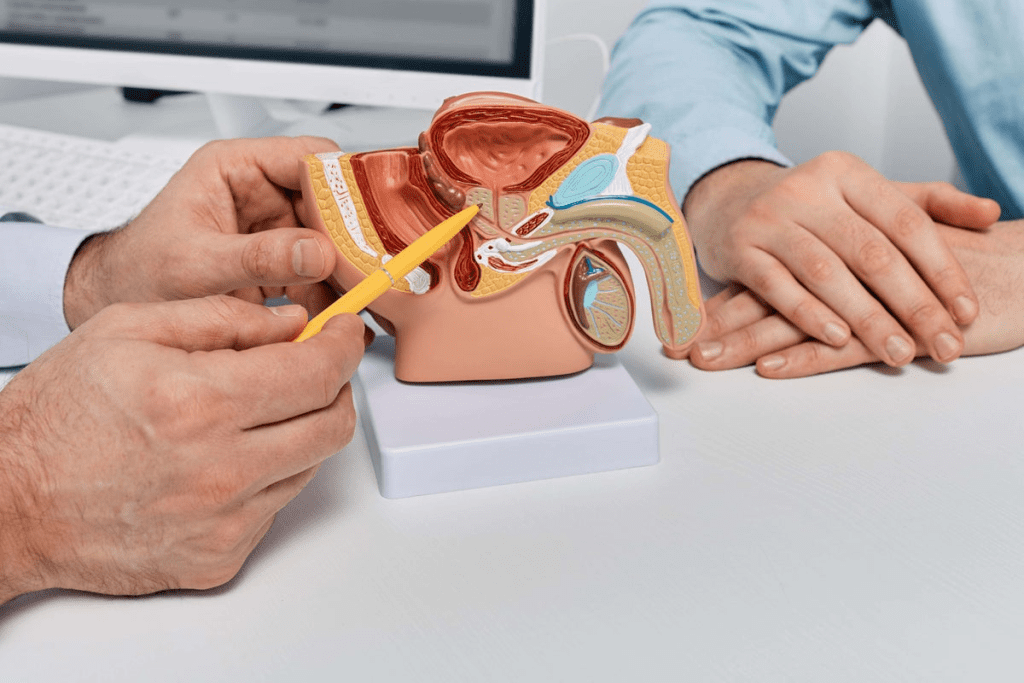
Surgery is a common prostate cancer treatment, mainly for localized cancer. The type of surgery depends on the stage and type of cancer. TURP (Transurethral Resection of the Prostate) helps with urinary issues, while radical prostatectomy removes the prostate gland for cancer treatment.
- TURP: Relieves urinary symptoms
- Radical Prostatectomy: Removes the prostate gland
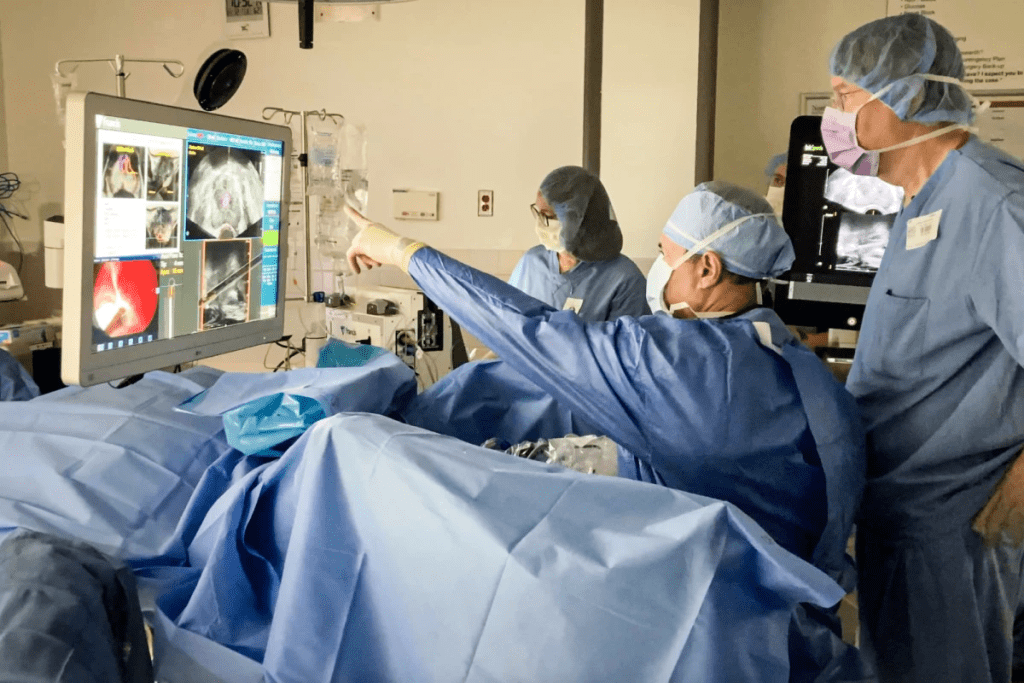
- Robotic-assisted surgery: Enhances precision
Overall Survival Rates: 97.9% Five-Year Relative Survival
Even with more cases, the five-year survival rate for prostate cancer in the US is 97.9%. This is good news, showing progress in treatments and early detection. The Canadian Cancer Society says surgery helps keep survival rates high when cancer is caught early.
5 Significant Benefits of Choosing to Operate on the Prostate
Prostate surgery is a key treatment for men with localized cancer or an enlarged prostate. It offers many benefits. The choice to have surgery depends on several factors, including the procedure’s advantages.
1. Curative Effect for Localized Cancer
One major benefit of prostate surgery is its curative effect for localized cancer. For men with cancer that only affects the prostate, removing the gland can be very effective. Research shows that surgery can greatly improve survival rates for these patients.
2. Near 100% Five-Year Survival Rate for Localized Cases
Men with localized prostate cancer who have surgery often have a great outlook. Their five-year survival rate is almost 100%. This shows how effective surgery can be when cancer is caught early.
3. Complete Removal of the Prostate Gland
Surgery lets doctors completely remove the prostate gland. This can remove cancerous tissue. It gives patients peace of mind, knowing the cancer source is gone.
4. Relief from Urinary Symptoms in Enlarged Prostate Cases
For men with an enlarged prostate, surgery can greatly help with urinary symptoms. InformedHealth.org says surgery can reduce problems from an enlarged prostate. This improves life quality for those who haven’t found relief elsewhere.
Prostate surgery offers many benefits, from treating localized cancer to easing urinary symptoms. These advantages make surgery a good choice for many patients.
- Curative effect for localized prostate cancer
- A near 100% five-year survival rate for early-stage cancer
- Complete removal of the prostate gland
- Relief from urinary symptoms associated with an enlarged prostate
- Potential improvement in quality of life
5 Important Risks and Side Effects of Prostate Surgery
It’s key to know the possible problems with prostate surgery before deciding. While it can help, it’s important to think about the risks and side effects.
Erectile Dysfunction: Affecting 15% of Patients
Erectile dysfunction is a big risk, affecting about 15% of patients. It can really change a person’s life, so talking about it with a doctor is vital.
Urinary Incontinence: Occurring in 17% of Cases
Urinary incontinence happens in about 17% of cases. It can be anything from a little leak to not being able to control your bladder at all. It can really affect your daily life.
Surgical Complications and Recovery Period
Prostate surgery, like any surgery, has risks like bleeding, infection, and reactions to anesthesia. How long it takes to recover can also vary a lot.
Impact on Quality of Life
The side effects of prostate surgery can really affect your life. It’s important to think about these risks and talk to your doctor about them.
The Clinics says risks include bleeding, urinary tract infections, and trouble with bladder control. Knowing these risks can help you make better decisions about your treatment.
When is Prostate Surgery Worth It? 5 Decision-Making Factors
Deciding if prostate surgery is needed involves looking at several important decision-making factors. These include the cancer’s stage and how aggressive it is, the patient’s health, and how long they might live.
Says surgery is often considered for cancer that’s only in the prostate. The Canadian Cancer Society also notes that surgery might be used for localized prostate cancer.
Cancer Risk Classification: Low, Intermediate, and High-Risk
The cancer risk classification is key in deciding if surgery is needed. Patients are put into low, intermediate, or high-risk groups. This is based on their PSA level, Gleason score, and clinical stage. Those in the high-risk group often see the most benefit from surgery.
Age and Life Expectancy Considerations
Age and life expectancy are big factors in making this decision. Older patients or those with a shorter life span might not get much benefit from surgery. On the other hand, younger patients with more years ahead of them might see more benefits from surgery.
Active Surveillance as an Alternative for Low-Risk Disease
For those with low-risk prostate cancer, active surveillance could be a good option instead of surgery. This method involves watching the cancer closely with regular tests and biopsies. It allows for action if the cancer starts to grow.
How to Shrink Your Prostate Without Surgery
Some might look for ways to manage their prostate without surgery. Lifestyle changes, certain medications, and other treatments can help shrink the prostate and ease symptoms. Knowing about these options is important for making a well-informed choice.
In summary, deciding on prostate surgery requires weighing many factors. These include cancer risk, age, life expectancy, and the possibility of non-surgical treatments or active surveillance.
Conclusion: Making an Informed Decision About Prostate Surgery
Choosing prostate surgery needs careful thought. You must consider the good and bad sides and other options. Knowing about prostate cancer treatment helps you decide what’s best for you.
Liv Hospital focuses on personalized care and the latest treatments. This helps patients get the best results. Many hospitals, including Liv Hospital, aim to give top-notch care and good outcomes.
Deciding on prostate surgery is key to a good life. You should think about the pros and cons and talk to your doctor. This way, you can make a choice that fits your health goals and needs.
FAQ
What is prostate surgery?
Prostate surgery is a treatment for prostate issues like cancer or an enlarged prostate. It includes procedures like radical prostatectomy and TURP (Transurethral Resection of the Prostate).
What are the benefits of prostate surgery?
It can cure localized cancer and offer a high survival rate. It also removes the prostate gland and eases urinary symptoms.
What are the risks and side effects of prostate surgery?
Risks include erectile dysfunction and urinary incontinence. There are also surgical complications and a recovery period that affects quality of life.
How do I decide if prostate surgery is worth it?
Consider your cancer risk, age, life expectancy, and other treatment options. This helps decide if surgery is right for you.
What is TURP, and how is it used in prostate surgery?
TURP removes prostate tissue to improve urine flow. It’s a common treatment for an enlarged prostate.
Can the prostate be removed, and what are the implications?
Yes, radical prostatectomy removes the prostate. It can cure cancer and relieve urinary symptoms, but has risks and side effects.
Are there alternatives to prostate surgery?
Yes, options include active surveillance for low-risk cancer and non-surgical treatments. These can shrink the prostate without surgery.
How does prostate surgery impact quality of life?
Surgery can lead to erectile dysfunction and urinary incontinence. Knowing these effects helps in making a decision.
What are the current survival rates for prostate cancer in the US?
The five-year survival rate for prostate cancer in the US is 97.9%. This shows a high survival rate with proper treatment.
How can I make an informed decision about prostate surgery?
Understand the benefits, risks, and alternatives. Consider your health goals and talk to healthcare providers for guidance.
Reference
- American Cancer Society. (2024). Prostate Cancer: What is Prostate Cancer?