Last Updated on November 27, 2025 by Bilal Hasdemir

Cancer treatment is changing, moving towards what’s best for patients. Oral chemotherapy for breast cancer lets patients take their meds at home. This makes treatment easier and more comfortable.
The Canadian Cancer Society says chemotherapy kills cancer cells with drugs. These can be taken orally or through IV. We’re looking into how oral chemo helps those with stage IV breast cancer. For them, keeping a good quality of life is key.
Key Takeaways
- Oral chemotherapy offers a more convenient treatment option for breast cancer patients.
- At Liv Hospital, we focus on giving care that uses the newest research and treatments.
- Patients can take their medication at home, improving their quality of life.
- Oral chemotherapy is specially good for patients with stage IV breast cancer.
- Chemotherapy drugs can be given orally or through IV.
- Oral chemotherapy makes it easier to fit treatment into a busy schedule.
What You Need to Know About Breast Cancer Chemotherapy Pills

Breast cancer treatment is changing, with oral chemotherapy becoming a big option. This shift means patients have more choices in how they treat their cancer. Oral chemotherapy gives patients more flexibility in their treatment plans.
Defining Oral Chemotherapy
Oral chemotherapy is when you take pills to fight cancer cells. It’s like IV chemotherapy but you can take it at home. Oral chemotherapy drugs, like capecitabine, are used for advanced or metastatic breast cancer, as noted by Medical News Today.
These drugs stop cancer cells from growing and killing them. How well oral chemotherapy works depends on the cancer type and stage, and the patient’s health.
The Shift from IV to Pill Form Treatments
The move from IV to oral chemotherapy is a big change in breast cancer treatment. It’s because oral treatments are more convenient and can reduce hospital visits. Patients can now treat themselves at home, which can make their lives better during treatment.
This change is not just about how treatment is given. It’s also about making care better for patients. Oral chemotherapy lets patients keep their daily routines while getting treatment.
6 Key Facts About Oral Chemo for Breast CancerOral Chemo for Breast Cancer
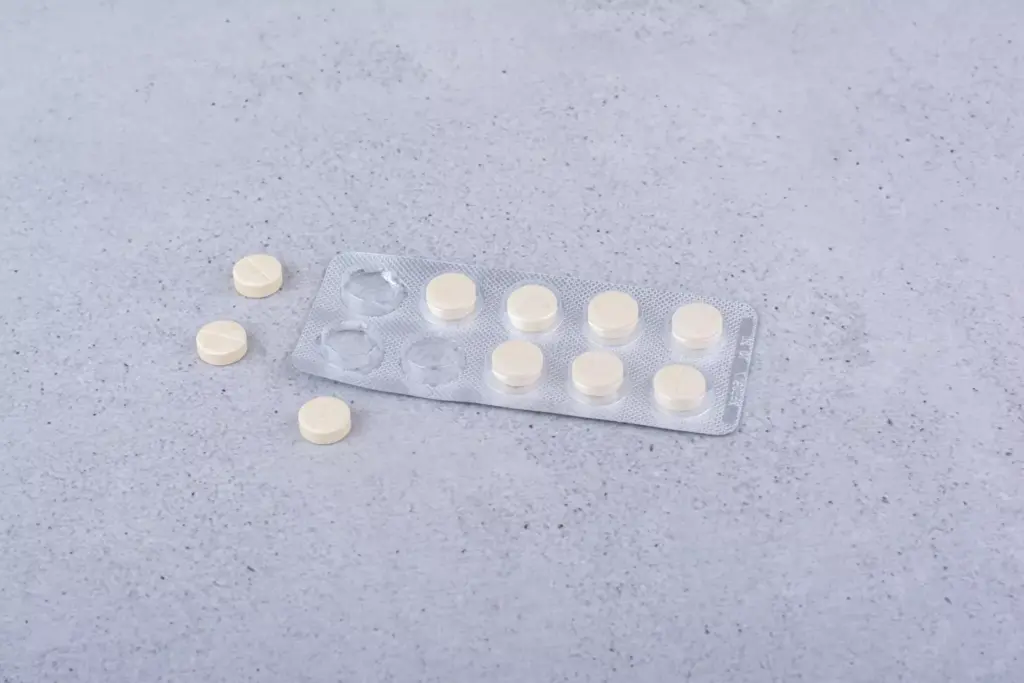
Oral chemotherapy is a big deal in treating breast cancer. It brings many benefits and things to think about. Let’s dive into the main points about oral chemo for breast cancer. It’s changing how we fight cancer.
Fact 1: Convenience of Home Administration
Oral chemo is super convenient. You can take it at home, skipping the need for many hospital trips. This lets you keep your life normal and feel more in control.
Home administration also means you can plan your treatment around your life. This is great for those with lots to do or family to take care of.
Fact 2: Less Frequent Hospital Visits Required
Oral chemo means you don’t have to go to the hospital as often. This makes life easier, saving time and stress. You won’t have to spend as much time traveling or waiting in hospitals.
But, you’ll need to see your doctor regularly. They’ll check how you’re doing and help with any side effects.
Fact 3: Different Side Effect Profiles Than IV Chemo
Oral chemo can cause different side effects than IV chemo. Some side effects might be the same, but others might be more common or severe. For example, oral chemo might upset your stomach more, while IV chemo could affect your whole body right away.
It’s important to know what side effects you might face. Our team helps you understand and manage them.
Fact 4: Growing Availability of Oral Options
More oral chemo options are coming for breast cancer. Thanks to research, there are more drugs to choose from. This gives you and your doctor more ways to treat your cancer.
This means you can get a treatment plan that really fits you. The right oral chemo can be picked based on your cancer and needs.
Common Oral Chemo Drugs for Breast Cancer Treatment
Several oral chemotherapy drugs are key in treating breast cancer. These drugs are easier to take and may have fewer side effects than traditional IV chemotherapy.
Capecitabine (Xeloda): The Most Common Option
Capecitabine, or Xeloda, is a top choice for breast cancer treatment. It tricks cancer cells into thinking they have what they need, then kills them. Medical News Today says it works well for some types of breast cancer.
Capecitabine has many benefits:
- It’s easy to take by mouth.
- It might cause fewer side effects than IV chemotherapy.
- It’s good for treating different stages of breast cancer.
Other FDA-Approved Oral Chemotherapy Medications
Capecitabine isn’t the only option. Other FDA-approved drugs are also used:
- Vinorelbine (Navelbine): Good for advanced breast cancer.
- Eribulin (Halaven): Helps with metastatic breast cancer.
- Abemaciclib (Verzenio): Used with other treatments for advanced breast cancer.
These drugs give patients and doctors more choices. This helps tailor treatment to each person’s needs.
Oral Chemo for Breast Cancer: Stage-by-Stage Treatment Approaches
Oral chemotherapy is key in treating breast cancer, with different methods for each stage. The right treatment depends on the cancer’s stage and the patient’s needs. It’s vital to tailor the treatment to fit each person’s situation.
Stage 1: Early Intervention with Oral Chemotherapy
In stage 1 breast cancer, oral chemo is used early to lower the chance of cancer coming back. Capecitabine (Xeloda) is a common drug for this stage. We work with patients to find the best treatment, looking at the cancer and the patient’s health.
Stage 2: Adjuvant Oral Chemotherapy Options
For stage 2 breast cancer, oral chemo is used after surgery as adjuvant therapy. It aims to get rid of any cancer cells left behind and lower the chance of it coming back. Adjuvant oral chemotherapy helps those with hormone receptor-negative tumors or other high-risk features. We talk with patients about the benefits and side effects to help them decide.
Stage 3: Combining Oral Chemo with Other Treatments
In stage 3, oral chemo is often used with other treatments like surgery, radiation, or targeted therapy. This mix of treatments tries to control the disease and improve survival chances. We look at the patient’s health, the disease’s extent, and other factors to choose the best treatments.
Stage 4: Palliative and Life-Extending Oral Therapies
For stage 4 breast cancer, the focus is on treatments that improve quality of life and extend life. Oral chemo helps manage symptoms and maintain quality of life. We work with patients to find a treatment plan that works well and doesn’t interfere too much with daily life.
Important things to consider with oral chemo at different stages include:
- Effectiveness: Checking if the drug works well for breast cancer at different stages.
- Side Effects: Managing side effects to improve quality of life.
- Combination Therapies: Using oral chemo with other treatments for better results.
- Patient Preferences: Considering what the patient prefers and their lifestyle when choosing treatments.
Understanding how oral chemo is used at each stage helps us give personalized care. Our goal is to get the best results while keeping quality of life high.
Benefits of Choosing Chemotherapy Pills for Breast Cancer
Oral chemotherapy has changed how we treat breast cancer. It’s more convenient and less invasive. Patients really like it for many reasons.
Maintaining Daily Routines During Treatment
Chemotherapy pills let patients keep up with their daily lives. They can take their medicine at home, avoiding many hospital trips. Medical News Today says many patients prefer this because it’s easy and less painful.
Staying active helps patients feel more normal. This is good for their mind and heart.
Quality of Life Considerations
Oral chemotherapy boosts a patient’s quality of life. They don’t have to go to the hospital as much. This lets them take care of their personal and family needs.
| Aspect | Oral Chemotherapy | IV Chemotherapy |
|---|---|---|
| Administration | At home | In hospital/clinic |
| Frequency of Visits | Less frequent | More frequent |
| Discomfort | Generally less | Can be more due to IV insertion |
Reduced Impact on Work and Family Responsibilities
Chemotherapy pills help patients keep up with work and family. They can take their medicine at home. This means they can keep working and caring for their family without big breaks.
Choosing oral chemotherapy helps patients manage their treatment and life better. It makes their breast cancer treatment time better overall.
Managing Side Effects of Oral Chemotherapy at Home
Managing side effects of oral chemotherapy is key for breast cancer patients. Oral chemotherapy is easy to take but can cause side effects that affect daily life. Knowing how to handle these side effects at home is vital for effective treatment.
Common Side Effects of Breast Cancer Chemo Pills
Oral chemotherapy for breast cancer can lead to side effects like nausea and vomiting, fatigue, and hand-foot syndrome. The Mayo Clinic notes that side effects differ based on the drugs and the patient’s health. Some may lose their hair, while others might get diarrhea or mouth sores.
Self-Care Strategies and Management Techniques
To manage oral chemotherapy side effects, patients can try several self-care methods. For nausea, eating small meals and avoiding strong smells helps. Staying hydrated is also important. For fatigue, pacing activities and resting regularly can help. Hand-foot syndrome can be managed by moisturizing the skin and wearing loose shoes.
Understanding how chemotherapy affects the body and taking steps to reduce side effects is beneficial. This includes eating well, exercising, and resting enough. For more information, see how chemotherapy affects the body.
When to Seek Immediate Medical Attention
While many side effects can be managed at home, some require immediate medical help. Severe reactions like difficulty breathing, chest pain, or severe allergic reactions need emergency care. If side effects get worse or if there are signs of infection, patients should contact their healthcare provider quickly.
Being aware of oral chemotherapy side effects and knowing how to manage them can greatly improve treatment. By using effective self-care strategies and knowing when to seek medical help, patients can maintain a better quality of life during treatment.
The Patient Experience: Daily Life on Oral Chemotherapy
Life on oral chemotherapy for breast cancer is more than just taking pills. It’s about adjusting to a new way of living. Patients face challenges but also find opportunities for growth.
Establishing Medication Routines
Managing oral chemotherapy means setting up a regular routine. This includes taking pills at the same time every day. It’s also important to store them right and watch for interactions with other medicines or food. Sticking to the treatment plan is key for success.
Many use pill boxes or phone alarms to remember to take their meds. Some take their pills with breakfast or before bed. This helps them stay on track.
Real Patient Stories and Insights
Listening to those who’ve been through oral chemotherapy offers valuable lessons. Medical News Today reports that patients share their experiences. They talk about the tough times and how they overcame them.
“I learned to take my medication with food to minimize side effects. It was a game-changer for me.” – Sarah, breast cancer survivor
Patients often stress the value of having a support system. This can be family, friends, or support groups. These networks provide emotional support and practical help.
Support Systems and Resources
Support systems are essential for patients on oral chemotherapy. This includes doctors, family, friends, and support groups. A strong support network can greatly improve a patient’s life and treatment success.
| Support System | Description | Benefits |
|---|---|---|
| Healthcare Providers | Oncologists, nurses, and other medical professionals | Medical guidance, side effect management |
| Family and Friends | Loved ones who provide emotional and practical support | Emotional comfort, help with daily tasks |
| Support Groups | Groups of patients and survivors sharing experiences | Community, coping strategies, emotional support |
Understanding the patient experience helps us better support those on oral chemotherapy. This way, we can make their journey easier.
Financial Considerations: Costs and Coverage
It’s important for patients with breast cancer to know about the money side of oral chemotherapy. The costs can be high, and figuring out insurance and patient help is key to handling these expenses.
Typical Expenses Associated with Oral Chemo Drugs
The price of oral chemotherapy drugs can change a lot. Capecitabine (Xeloda), a drug for breast cancer, can cost between $1,000 to $3,000 each month, says the Mayo Clinic. This can be a big problem for many patients.
Insurance Navigation and Patient Assistance Programs
Understanding insurance is a big part of dealing with oral chemotherapy costs. Many plans cover these drugs, but how much can vary. Patients should check their policies to know what they’ll pay for. Also, programs from drug makers and charities can help with costs for those who qualify.
Oral Chemotherapy Parity Laws
Many states have laws to make sure insurance covers oral and IV chemotherapy equally. These laws help make oral chemotherapy more affordable. Patients should know about these laws in their state and how they affect their insurance.
Knowing about the money side of oral chemotherapy helps patients make better choices and manage costs. It’s vital for patients to talk about money worries with their doctors. They should also look into ways to lessen the financial load of treatment.
Trends in Oral Chemotherapy Development and Usage
Oral chemotherapy for breast cancer is becoming more popular. This is thanks to new drug developments and what patients want. The move to oral chemotherapy marks a big change in how we treat cancer.
Current Market Statistics
The market for oral chemotherapy is growing fast. Reports say the global market will keep growing. This is because more people have breast cancer and want to treat it at home.
| Year | Market Size (USD Billion) | Growth Rate (%) |
|---|---|---|
| 2022 | 12.5 | 8.2 |
| 2023 | 13.6 | 9.0 |
| 2024 | 14.8 | 9.5 |
The table shows the market size is expected to grow a lot. This shows more people are choosing oral chemotherapy.
Emerging Oral Chemotherapy Options
New oral chemotherapy options are giving breast cancer patients hope. These include new drugs and ways to take them. For example, new generation oral SERDs (Selective Estrogen Receptor Degraders) might help treat hormone receptor-positive breast cancer.
“The development of new oral chemotherapy agents is key for better breast cancer treatment. These new options will be important for the future of cancer care.” –
Research Directions and Clinical Trials
Research and clinical trials are important for oral chemotherapy. They help us learn how well new drugs work and how safe they are. They also help figure out the best doses.
- Combination therapies involving oral chemotherapy
- Personalized medicine approaches based on genetic profiling
- Looking at oral chemotherapy’s role in early-stage breast cancer
As we keep exploring, we’ll see more effective and targeted oral chemotherapy options for breast cancer patients.
Integrating Oral Chemo into Comprehensive Cancer Care
Comprehensive cancer care now often includes oral chemotherapy. This method is key as cancer treatment evolves. It’s becoming more vital in care plans.
Combination Treatment Approaches
Oral chemotherapy is paired with surgery, radiation, and other therapies. The Canadian Cancer Society says this mix can lead to better results. Combination treatment approaches help tailor care to each patient.
Benefits of mixing oral chemotherapy with other treatments include:
- Enhanced treatment efficacy
- Improved patient outcomes
- Increased flexibility in treatment planning
Sequencing with Surgery and Radiation
Sequencing oral chemotherapy with surgery and radiation is key in cancer care. Sequencing means the order of treatments, which affects results.
For instance, oral chemotherapy might be given before surgery to reduce tumors. After surgery, it continues to kill any remaining cancer cells. Sometimes, it’s used with radiation therapy to boost its effect.
A study in a top medical journal shows oral chemotherapy with other treatments improves outcomes. This highlights its role in cancer care.
“The integration of oral chemotherapy into cancer treatment protocols has revolutionized patient care, providing a more personalized and flexible approach.”
Discussing Oral Chemotherapy with Your Healthcare Team
Talking about oral chemotherapy with your healthcare team can really change your treatment. It’s key to be involved in your care. This way, your treatment fits what you need and want.
Essential Questions for Your Oncologist
When you talk to your oncologist about oral chemotherapy, ask important questions. Here are some:
- What are the benefits and risks of oral chemotherapy?
- How will you take the treatment, and how long will it last?
- What side effects might happen, and how can we manage them?
- How will we check if the treatment is working?
- Are there any lifestyle changes or precautions I should take?
These questions help you understand your treatment better. They help you make informed choices about your care.
Advocating for Your Treatment Preferences
Talking about what you prefer in your treatment is very important. We suggest you share your thoughts and worries with your healthcare team. You might want to discuss:
- How treatment affects your daily life and activities
- Any worries about side effects or how it might mix with other medicines
- Whether you prefer taking treatment orally or through IV
By sharing your preferences, you and your healthcare team can create a treatment plan that suits you.
Shared Decision-Making Process
The shared decision-making process is a team effort. It includes you, your healthcare team, and your family (if you want). This way, your treatment plan is made just for you.
Key parts of shared decision-making are:
- Good communication between you and your healthcare team
- Talking about all your treatment options and their pros and cons
- Thinking about your preferences, values, and lifestyle
- Checking and changing your treatment plan as needed
By being part of shared decision-making, you know your care is tailored to you. It’s made to meet your needs and preferences.
Conclusion: The Evolving Landscape of Oral Chemotherapy for Breast Cancer
We are seeing a big change in how we treat breast cancer with oral chemotherapy. Medical News Today says it’s a big step forward. It gives patients easier ways to get treatment.
Oral chemotherapy is becoming more important in treating breast cancer. Soon, patients will have access to treatments that are more targeted and effective. This will make their lives better and their treatment more successful.
As research goes on and new drugs come out, breast cancer treatment will get even better. More people will have access to oral chemotherapy. This is changing how we care for breast cancer patients, making it more focused on what each person needs.
The world of oral chemotherapy for breast cancer is always changing. It’s key to keep up with the latest in treatment. This way, patients and doctors can make the best choices together. They can use oral chemotherapy to get the best results in treating breast cancer.
FAQ
What is oral chemotherapy for breast cancer?
Oral chemotherapy for breast cancer is a treatment where you take pills at home. These pills target cancer cells, similar to IV chemotherapy.
How does oral chemotherapy work?
Oral chemotherapy mimics what cancer cells need to grow. This disrupts their function and kills them. Capecitabine (Xeloda) is a common example of this type of drug.
What are the benefits of oral chemotherapy for breast cancer?
Oral chemotherapy offers convenience and less hospital visits. It lets you keep your daily routine, improving your quality of life.
What are the common side effects of oral chemotherapy?
Side effects include nausea, fatigue, and hand-foot syndrome. Self-care strategies can help manage these issues.
Can oral chemotherapy be used at any stage of breast cancer?
Yes, it can be used at various stages. This includes stage 1, stage 2, stage 3, and stage 4 for different treatments.
How do I manage the costs of oral chemotherapy?
Understanding your insurance and exploring patient assistance programs can help. Also, know about oral chemotherapy parity laws for equal coverage.
What should I discuss with my healthcare team about oral chemotherapy?
Talk to your team about the treatment plan and side effects. Discuss how to manage them and your treatment preferences.
Are there any new developments in oral chemotherapy for breast cancer?
Yes, new oral chemotherapy options are being researched. Clinical trials are ongoing to find new treatments.
How can I integrate oral chemotherapy into my overall cancer care plan?
Combine oral chemotherapy with other treatments like surgery and radiation. Tailor the treatment to your specific needs and cancer type.
References
- PatientPower. (n.d.). Chemo pills for breast cancer. Retrieved from https://www.patientpower.info/breast-cancer/chemo-pills-for-breast-cancer
- Breast Cancer Research Foundation (BCRF). (n.d.). Chemotherapy & breast cancer. Retrieved from https://www.bcrf.org/about-breast-cancer/chemotherapy-breast-cancer/
- Hanna, K., & Mayden, K. (2021). The use of real-world evidence for oral chemotherapies in breast cancer. Journal of the Advanced Practitioner in Oncology, 12(Suppl 2), 13–20. https://www.ncbi.nlm.nih.gov/pmc/articles/PMC8020943/ PMC
- American Cancer Society. (n.d.). Oral chemotherapy. Retrieved from https://www.cancer.org/cancer/managing-cancer/treatment-types/chemotherapy/oral-chemotherapy.html
- Susan G. Komen. (n.d.). Chemotherapy drugs for breast cancer. Retrieved from https://www.komen.org/breast-cancer/treatment/type/chemotherapy/drugs/