Last Updated on October 21, 2025 by
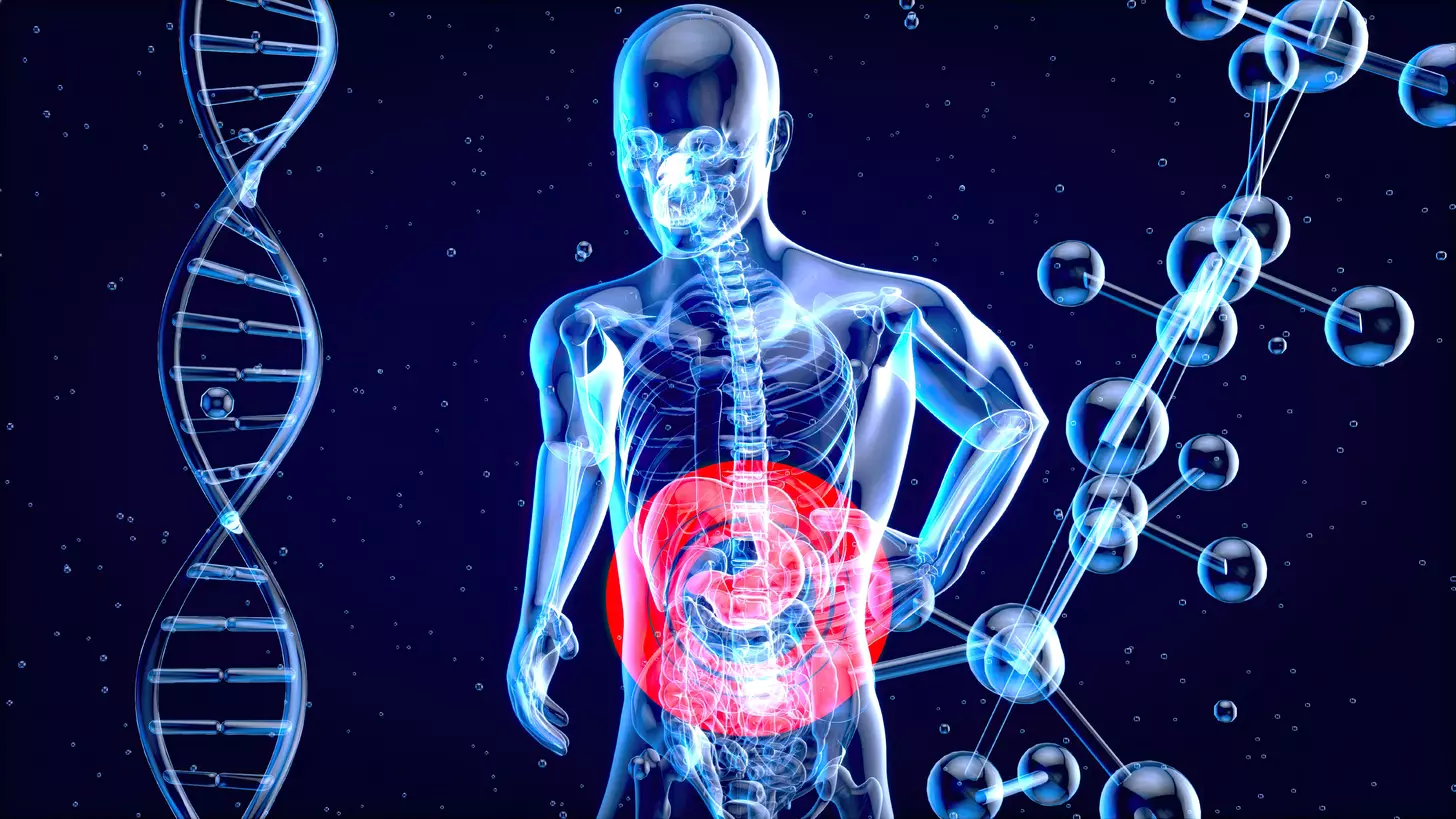
At Liv Hospital, we’re leading a medical revolution. We use stem cells to fix or grow organs. Recent discoveries in growing organs with stem cells offer new hope to those waiting for transplants or facing organ failure.
Our team focuses on innovative, patient-focused care. We use the latest in stem cell research to grow heart, liver, and brain tissues in the lab. We’re making strides in organ regeneration, aiming for a future where stem cell treatments are common.
Key Takeaways
- Advances in stem cell research are driving progress in organ regeneration.
- Liv Hospital is at the forefront of this medical revolution, providing new treatments.
- Growing organs with stem cells offers hope for transplant patients.
- Personalized stem cell therapies are becoming more possible.
- Breakthroughs in regenerating heart, liver, and brain tissues are happening.
The Current State of Organ Regeneration Science
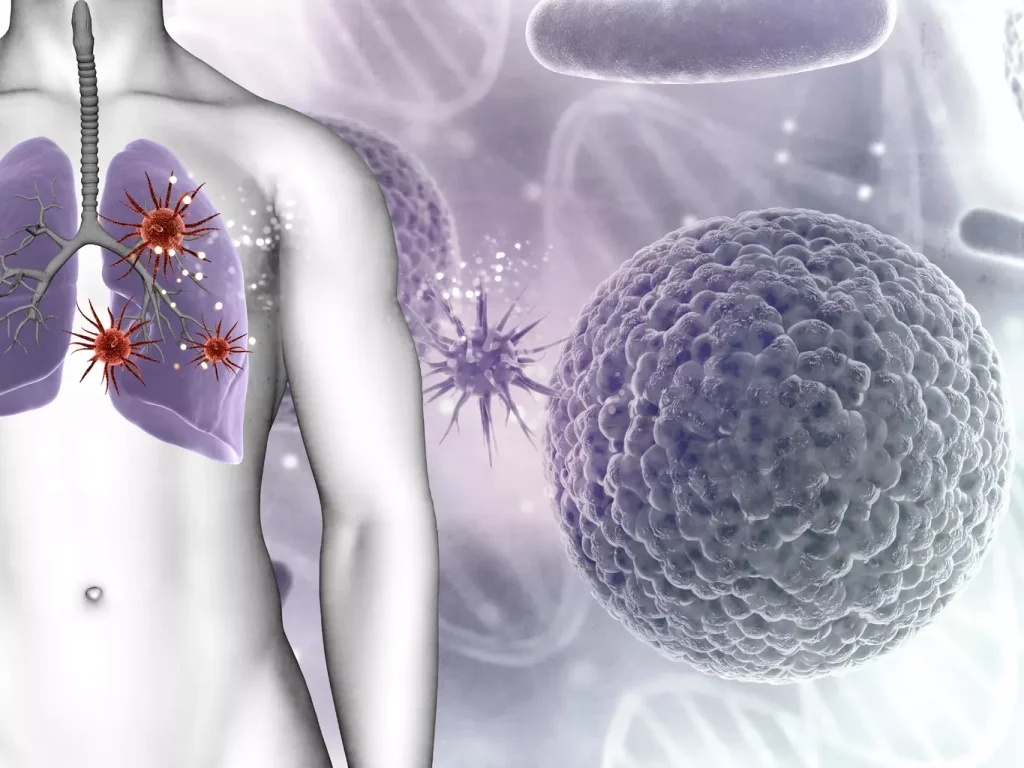
Today, organ regeneration science relies on stem cells to fix or grow new organs. This complex process needs many cell types, growth factors, and signals to work. We’re learning how to use stem cells to fix or replace damaged tissues.
The Critical Need for Alternative Organ Sources
There’s a big gap between the need for organ transplants and the number of organs available. This gap has led researchers to look for new sources, like using stem cells to make new tissue.
Thousands of patients are waiting for organ transplants. Many wait too long or lose their chance due to health issues. The table below shows the organ shortage in the United States.
| Organ Type | Patients Waiting | Transplants Performed Annually |
|---|---|---|
| Kidney | over 90,000 | around 23,000 |
| Liver | over 11,000 | around 8,000 |
| Heart | around 4,000 | around 3,500 |
What Organs Naturally Regenerate in Humans
Some human organs can naturally grow back. For example, the liver can fully recover after damage or surgery. Learning how these organs regenerate can help us create new treatments.
Liver Regeneration: The liver is famous for its ability to heal itself. It can grow back lost or damaged tissue, which is key for recovering from liver problems.
How Stem Cells Function in Organ Regeneration
Stem cells are key in organ regeneration because they can turn into different cell types. They can be guided to form specific tissues or organs, helping solve the organ shortage.
Stem Cell Differentiation: How stem cells specialize into specific cells is vital for organ growth. Scientists are studying how to control this process to create working organs.
Advance 1: Cardiac Tissue Engineering and Heart Regeneration
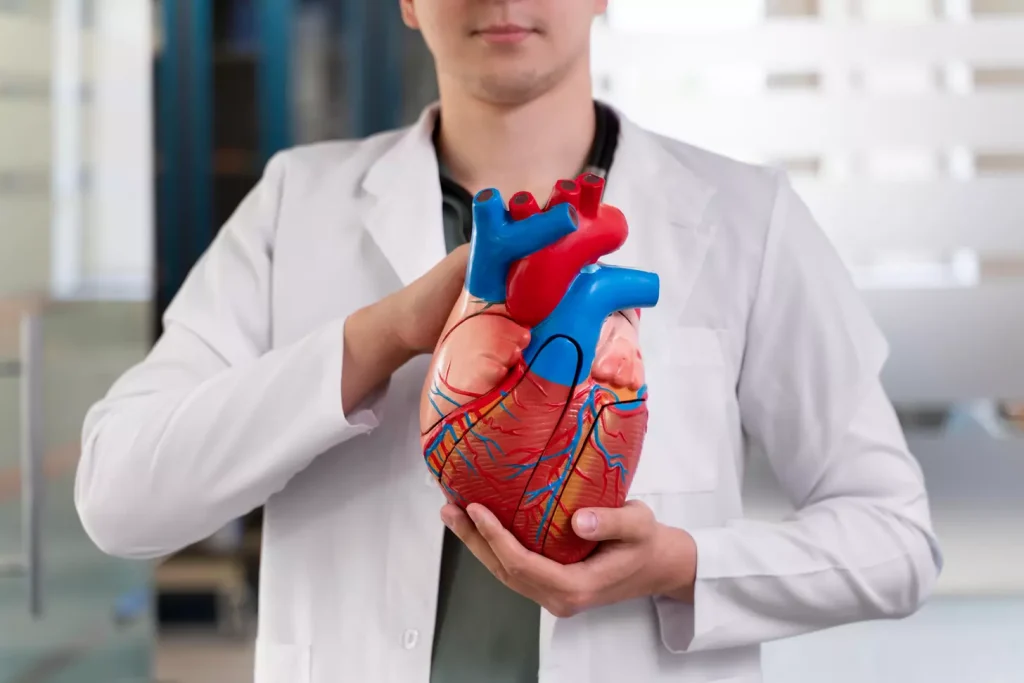
Cardiac tissue engineering is changing how we treat heart diseases. It’s making it possible to grow new heart tissue from stem cells. This is helping repair damaged heart muscle and starting clinical trials for new treatments.
Growing Functional Heart Tissue from Stem Cells
Creating functional heart tissue from stem cells is a big deal in cardiac tissue engineering. Scientists are getting better at turning stem cells into heart cells. This new tissue could help fix or replace damaged heart muscle, helping those with heart failure.
But, making this tissue work well is hard. It needs to be strong, have blood vessels, and fit with the heart. Researchers are using new materials and systems to help it grow. These steps are bringing us closer to using this tissue in real treatments.
Repairing Damaged Heart Muscle After Infarction
Fixing heart muscle after a heart attack is a key area of research. Heart attacks can scar a lot of the heart, leading to failure. Using stem cells to make new heart tissue could help fix these damaged areas and improve heart function.
Studies show that stem cells can help the heart work better. But, we’re not sure how they do it yet. It might be by reducing inflammation, making new blood vessels, or even turning into heart cells.
Clinical Trials in Cardiac Regenerative Medicine
There are many clinical trials testing new heart treatments. These trials use stem cells to help patients with heart failure or after a heart attack. So far, they’re showing good results, like better heart function and fewer symptoms.
We need to keep watching these trials and improving our methods. Our goal is to make these new treatments available to patients with heart disease.
Advance 2: Liver Tissue Generation and Transplantation
The liver’s ability to regrow itself has always amazed scientists. This has led to big steps in making new liver tissue and transplanting it. The liver’s power to heal itself makes it perfect for new treatments. Now, we’re seeing big improvements in making liver tissue from stem cells and aiming for full liver replacement.
Enhancing the Liver’s Natural Regenerative Capacity
The liver can heal itself after damage or when part of it is removed. Scientists are working to make this healing power even stronger. They’re studying how the liver regenerates to create new treatments. These include growth factors, gene therapy, and cell treatments to help the liver heal.
Key factors influencing liver regeneration include growth factors, the liver’s blood supply, and no chronic disease. By changing these, researchers hope to make the liver heal better. This could mean fewer liver transplants are needed.
Creating Mini-Livers from Stem Cells
Creating mini-livers from stem cells is a big deal in liver medicine. These mini-livers, or liver organoids, start as stem cells that turn into liver cells. These cells then form structures that look and work like a real liver.
Making mini-livers is a detailed process. It starts with stem cells turning into liver cells. These mini-livers can help test drugs, study diseases, and maybe even be used for transplants.
Progress Toward Full Liver Replacement
While mini-livers are a big step, the goal is to make full livers for transplants. Researchers are working to grow liver organoids big enough for humans. This could lead to livers that work well enough for transplants.
| Approach | Description | Potential Benefits |
|---|---|---|
| Liver Organoids | Generating mini-livers from stem cells that mimic liver structure and function | Drug testing, disease modeling, possible transplantation |
| Bioengineered Livers | Using decellularized liver scaffolds repopulated with liver cells | Functional livers for transplantation |
| Stem Cell Therapies | Using stem cells to enhance liver regeneration or replace damaged liver cells | Treating liver failure, reducing need for transplantation |
These advances in liver tissue and transplantation are very promising. As research keeps going, we might soon have fully working livers for transplants. This could change the field of liver medicine and give new hope to those with liver failure.
Advance 3: Neural Tissue and Brain Regeneration
Stem cell research is changing how we view neural tissue regeneration. For a long time, the brain’s inability to heal itself was a big problem. But, new stem cell therapies are giving us hope.
Overcoming the Limited Regenerative Capacity of Neural Tissue
The human brain can only repair itself so much. This makes it hard to recover from brain injuries or diseases. Stem cell therapies are being looked at to help. They aim to grow new neural tissue and fix damaged areas.
Researchers are using different methods to help. These include:
- Using stem cells to make the brain more flexible
- Helping the brain repair itself better
- Creating new neural cells from stem cells for transplant
Stem Cell Therapies for Neurodegenerative Diseases
Diseases like Parkinson’s, Alzheimer’s, and ALS cause the brain to lose cells. Stem cell treatments might be able to replace these cells. They could also reduce inflammation and help the brain stay healthy.
Researchers are working on a few things. They include:
- Creating specific brain cells from stem cells for transplant
- Using stem cell secretions to keep the brain healthy
- Trying gene editing to fix genetic problems in the brain
Spinal Cord Injury Repair Breakthroughs
Spinal cord injuries can cause a lot of loss of function. Stem cell treatments are being studied to see if they can fix damaged spinal cords. This could improve function and quality of life for those affected.
Some progress has been made. This includes:
- Creating treatments with stem cells to reduce scar tissue
- Helping nerve fibers grow across injury sites
- Improving the survival and integration of new neural cells
Advance 4: Induced Pluripotent Stem Cells for Personalized Organ Growth
Induced pluripotent stem cells (iPSCs) have changed regenerative medicine. They let us grow organs that fit each patient. This is done by making stem cells that are specific to each person.
Generating Patient-Specific Stem Cells
These stem cells are made by changing a patient’s cells back into a special state. This is done by adding certain genes. Then, these cells can turn into different types of cells, helping to grow new organs.
Being able to make stem cells from a patient’s own cells is very important. It means we can grow organs that match the patient perfectly. This lowers the chance of the body rejecting the new organ.
Eliminating Immune Rejection in Transplantation
One big problem with organ transplants is when the body rejects the new organ. Using iPSCs to grow organs from a patient’s own cells solves this. This way, the organs won’t be seen as foreign by the body.
This method also means we don’t need as many drugs to keep the body from rejecting the transplant. Research shows that organs made from iPSCs are less likely to be rejected. This makes them a great option for people needing transplants.
Key benefits of using iPSCs for organ transplantation include:
- Reduced risk of immune rejection
- Minimized need for immunosuppressive drugs
- Increased likelihood of successful transplantation
Current Applications in Disease Modeling
iPSCs are also used to study diseases. By making iPSCs from patients with certain conditions, scientists can create models of those diseases. This helps them understand how the disease works and find new treatments.
These models can help test new treatments and find personalized therapies. For example, iPSCs from people with genetic disorders can help scientists find ways to treat those disorders. This way, they can develop treatments that work just for that person.
“The use of induced pluripotent stem cells has revolutionized our ability to model human diseases and develop personalized therapies.”
As research keeps getting better, we’ll see more progress in growing organs and studying diseases with iPSCs. This is exciting for the future of medicine.
Advance 5: Bioprinting Technologies for Growing Organs
Bioprinting is changing how we make organs. It uses 3D printing with living cells to create real tissue. This tech can make new organs or fix damaged ones.
3D Printing Organ Structures with Living Cells
Bioprinting works by layering cells and materials to build organs. 3D printing technologies help make detailed structures. These structures help cells grow into working tissue.
There are many bioprinting methods, like extrusion and inkjet. Each has its own benefits and problems. The right method depends on the cells and the organ being made.
Vascularization Challenges and Solutions
One big problem in bioprinting is making blood vessels. Organs need blood vessels to get oxygen and nutrients. Without them, tissues can die.
To solve this, scientists are finding new ways to add blood vessels. They include:
- Bioprinting blood vessels with the organ
- Using materials that dissolve to make channels
- Adding factors that help blood vessels grow
| Vascularization Strategy | Description | Advantages |
|---|---|---|
| Bioprinting Blood Vessels | Printing blood vessels along with organ tissue | Immediate vascular network, complex structures possible |
| Sacrificial Materials | Using materials that can be dissolved to create vascular channels | Flexible, can create complex vascular networks |
| Angiogenic Factors | Incorporating factors that promote the growth of new blood vessels | Encourages natural vascularization, can be used in combination with other strategies |
Successfully Bioprinted Tissues in Clinical Use
Bioprinting is making progress in medicine. Skin substitutes and other products are being used in hospitals. They help heal wounds and repair tissues.
As bioprinting gets better, we’ll see more organs made for transplants. Combining bioprinting with stem cell therapy could make organ regeneration even more powerful.
Advance 6: Organoids as Models for Organ Development
Organoids, mini-organs from stem cells, are changing how we see organ growth and disease. These 3D cell cultures can form structures like human organs. This makes them a powerful tool for scientists.
Self-Organizing Mini-Organs from Stem Cells
Making organoids from stem cells is a complex process. Stem cells are guided to become specific cell types with growth factors and signals. As they grow, they organize into structures that look like real organs.
For example, brain organoids can model neurodevelopmental disorders. They have different neural cells and can form brain regions. Studying these interactions in a lab helps us understand neurological diseases better.
“The development of organoids has revolutionized the field of disease modeling, allowing us to study complex diseases in a way that was previously impossible.”
Applications in Drug Testing and Disease Research
Organoids are also great for drug testing and disease research. They can model specific diseases, helping test treatments in a more human-like way.
- Drug toxicity screening
- Personalized medicine approaches
- Modeling of infectious diseases
Liver organoids, for instance, can study drug metabolism and toxicity. This helps spot safety issues early in drug development.
| Organoid Type | Disease Modeling Application | Drug Testing Potencial |
|---|---|---|
| Brain Organoids | Neurodevelopmental disorders (e.g., autism, schizophrenia) | Testing neuroactive drugs |
| Liver Organoids | Liver diseases (e.g., cirrhosis, hepatitis) | Drug metabolism and toxicity studies |
| Gut Organoids | Gastrointestinal diseases (e.g., Crohn’s disease, colorectal cancer) | Testing drugs for GI disorders |
Scaling Organoids to Transplantable Size
Scaling up organoids for transplantation is a big challenge. Researchers are working on growing larger, more complex organoids for regenerative medicine.
New bioengineering methods, like 3D printing and biomaterials, are being explored.
As organoid technology improves, we’ll see big steps in regenerative medicine. This could lead to new treatments for many diseases and injuries.
Advance 7: Secretome and Exosome Therapies for Organ Repair
Stem cell secretions are changing how we think about fixing damaged organs. Researchers are looking into secretome and exosome therapies. These methods use what stem cells release, not the cells themselves, for fixing organs.
Harnessing Stem Cell Secretions Instead of Cells
The secretome is what stem cells release, like growth factors and exosomes. These secretions help cells talk to each other and aid in fixing tissues. Scientists hope to create new treatments that fix organs without transplanting cells.
Research shows that stem cell secretions can help grow new blood vessels, reduce swelling, and fix damaged tissues. Exosomes, in particular, are being studied for their role in carrying healing signals to damaged areas.
Regenerative Effects Without Cell Transplantation
Secretome and exosome therapies offer a big advantage: they can fix tissues without transplanting cells. This means less risk of immune rejection or tumors. Instead, they use the body’s own healing signals to repair damaged areas.
- Promoting angiogenesis and improving blood supply to damaged areas
- Reducing inflammation and oxidative stress
- Stimulating the proliferation and differentiation of endogenous stem cells
To learn more about exosome and secretome therapy, visit this page.
Clinical Applications in Inflammatory and Degenerative Conditions
Secretome and exosome therapies show promise for treating many diseases. They are being studied for conditions like kidney disease, liver cirrhosis, neurodegenerative disorders, and heart disease.
- Kidney disease
- Liver cirrhosis
- Neurodegenerative disorders
- Cardiovascular disease
Clinical trials are underway to see if these therapies are safe and effective in humans. Early results are promising, showing better organ function and patient outcomes.
The Future of Organ Regeneration: Challenges and Opportunities
The field of organ regeneration is on the verge of big leaps. This is thanks to advances in stem cell research, bioengineering, and new technology. Several key areas are emerging that will shape this field’s future.
Combining Technologies for Whole Organ Cloning
Whole organ cloning is a thrilling area in organ regeneration. It combines stem cell technology with bioengineering to create transplantable organs. The goal is to make organs that work well and match the body they’re going into.
To achieve whole organ cloning, we need to bring together stem cell biology, biomaterials science, and tissue engineering. 3D bioprinting and organoid cultures are being explored. As these technologies improve, we’ll see major advancements in creating transplantable organs.
Regulatory Pathways to Clinical Implementation
As organ regeneration tech gets better, we must navigate the regulatory landscape. Regulatory agencies ensure new therapies are safe and work before they’re approved for patients.
Researchers, clinicians, and regulatory bodies are working together. They’re creating clear paths for approving regenerative medicine products. This includes setting standards for stem cell products and proving their effectiveness.
- Establishing clear regulatory guidelines
- Ensuring safety and efficacy of new therapies
- Fostering collaboration between stakeholders
Addressing Ethical Considerations in Regenerative Medicine
As organ regeneration tech evolves, it raises ethical questions. These include where stem cells come from, access to these therapies, and the ethics of artificial organs.
We need to keep talking with ethicists, policymakers, and the public. This ensures organ regeneration tech is developed and used ethically. It helps build trust and makes sure these innovations help everyone.
By tackling these challenges and opportunities, we can fully realize the promise of organ regeneration. This will change patient care and lead to better outcomes in the future.
Conclusion
We’ve seen big steps forward in fixing damaged organs with stem cells. This has changed how we think about fixing bodies. The seven key advances we talked about show how powerful stem cells can be.
These advances are showing great promise in early tests. They could lead to new ways to treat diseases. As we keep working on these ideas, we’re getting closer to making a big difference in healthcare.
Using stem cells could give patients new hope for organ transplants. This could make regenerative medicine even better for everyone.
What is organ regeneration, and how does it relate to stem cells?
Organ regeneration is the process of fixing or growing new organs. Stem cells are key because they can turn into different cell types. This helps in growing new tissues and organs.
Which organs can be regenerated using stem cells?
Scientists have made big steps in growing new heart, liver, and brain tissues with stem cells. They’re also looking into other organs.
How do induced pluripotent stem cells contribute to personalized organ growth?
Induced pluripotent stem cells come from a patient’s own cells. This makes it possible to grow organs that won’t be rejected by the body.
What is bioprinting, and how is it used in organ regeneration?
Bioprinting uses 3D printing to make organs with living cells. It’s a big step towards making real, working organs for transplants.
What are organoids, and how are they used in disease research?
Organoids are tiny, self-organizing organs made from stem cells. They help researchers study how organs develop and diseases progress. This way, they can test new treatments.
What is the role of secretome and exosome therapies in organ repair?
Secretome and exosome therapies use the substances that stem cells release to fix organs. They show promise in treating inflammation and degenerative diseases.
What are the challenges and opportunities in the field of organ regeneration?
Organ regeneration has made great strides, but there are hurdles like improving blood flow and making organoids big enough for transplants. There are also ethical issues. But, combining technologies could lead to cloning whole organs and getting treatments to patients.
How do stem cells function in organ regeneration?
Stem cells can become different cell types, helping to fix or grow new organs. They can repair damaged organs and their secretions help in organ repair.
What is the current state of cardiac tissue engineering and heart regeneration?
Cardiac tissue engineering has made big strides, using stem cells to grow heart tissue. Clinical trials are underway to see if these methods are safe and work well.
What are the potentials of organ regeneration in disease treatment?
Organ regeneration could change how we treat many diseases, like heart and liver issues, and neurodegenerative conditions. It might also help create transplantable organs for those in need.
References
- Rottinghaus, M. L. (2025, April 1). A new kind of stem cell is revolutionizing regenerative medicine. ASBMB Today. Retrieved October 11, 2025, from https://www.asbmb.org/asbmb-today/science/040125/stem-cells-revolutionize-regenerative-medicine ASBMB+1
- SciTechDaily. (n.d.). Stroke damage reversed as stem cells regrow the brain. Retrieved October 11, 2025, from https://scitechdaily.com/stroke-damage-reversed-as-stem-cells-regrow-the-brain/
- DVC Stem. (n.d.). Stem cell research. Retrieved October 11, 2025, from https://www.dvcstem.com/post/stem-cell-research
- Le, A., Zhang, Q., He, P., Shi, S., Xu, Q., Granquist, E., Winkelstein, B. A., & Shanti, R. M. (2025, July 31). Study shows optimized human stem cell secretions show promise in boosting regeneration of damaged oral tissues. Penn Dental Medicine. Retrieved October 11, 2025, from https://www.dental.upenn.edu/news-events/2025/07/31/study-shows-optimized-human-stem-cell-secretions-show-promise-in-boosting-regeneration-of-damaged-oral-tissues/ Penn Dental Medicine
- MIT Whitehead Institute. (n.d.). Science of self-repair: Regeneration research at the Whitehead Institute. Retrieved October 11, 2025, from https://wi.mit.edu/news/science-self-repair-regeneration-research-whitehead-institute
- ISSCR. (n.d.). Home page. Retrieved October 11, 2025, from https://www.isscr.org