Last Updated on November 26, 2025 by Bilal Hasdemir
Ovarian cancer is a big worry worldwide, with a high death rate among gynecological cancers. Nearly 20,000 new cases are found in the United States every year. Recent studies show how early detection and treatment can significantly boost survival rates. Getting a diagnosis of ovarian cancer can feel scary, but new medical treatments are showing great promise in making this disease more treatable. The curability of ovarian cancer depends heavily on the stage at diagnosis, with early-stage disease having a five-year survival rate of over 90%, while advanced stages have lower survival rates. Factors such as tumor grade, surgical success, and response to chemotherapy also influence outcomes. Knowing theWhat is the Hardest Cancer to Cure? ovarian cancer curability helps patients and doctors make informed decisions about treatment options. It is also useful to consider broader cancer prognosis data, including leukemia survival rate by age, to understand how survival varies across cancer types and age groups.
Key Takeaways
- Early detection significantly improves ovarian cancer survival rates.
- Advancements in medical treatments have enhanced the curability of ovarian cancer.
- Understanding the factors that influence curability is key for effective treatment.
- Ovarian cancer survival rates vary globally, showing the need for advanced treatments.
- Personalized treatment plans are essential for better patient outcomes.
Assessing Ovarian cancer curability: How curable is it?

It’s important to know the different types of ovarian cancer to treat it well. Ovarian cancer isn’t just one disease. It includes many types, each with its own traits and how it grows.
Common Types of Ovarian Cancer
Ovarian cancer is divided into several types based on where it starts. The most common types are:
- Serous carcinomas: These are the most common, often found when it’s already spread a lot.
- Mucinous carcinomas: Less common, but can grow big before being found.
- Clear cell carcinomas: These are hard to treat with regular chemotherapy.
Experts say knowing the type of ovarian cancer is very important. This helps doctors find the right treatment.
How Ovarian Cancer Develops and Spreads
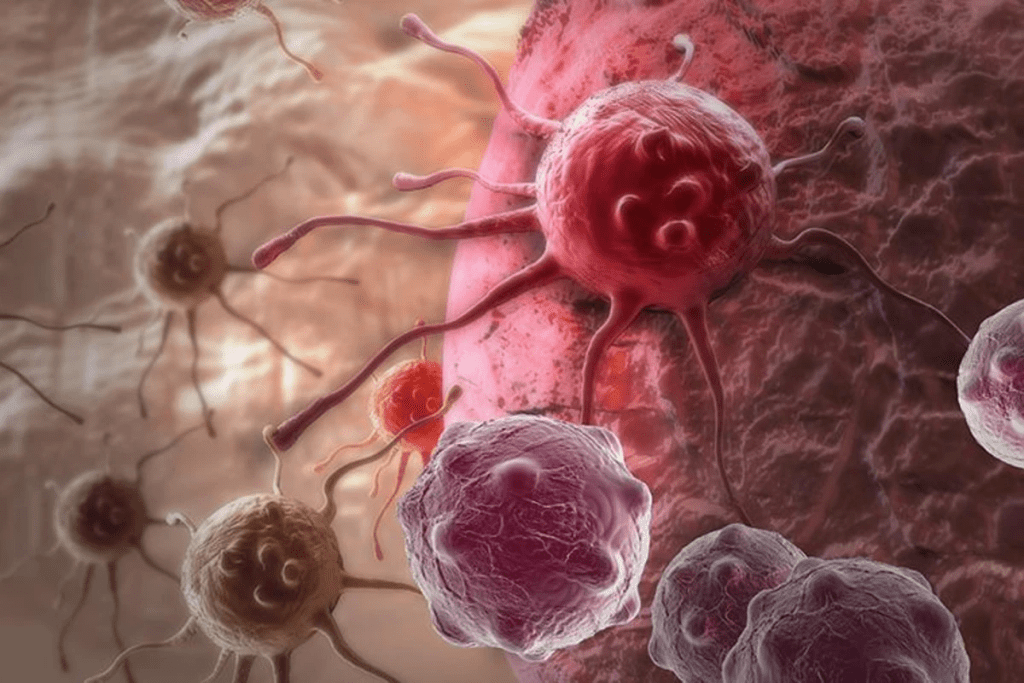
Ovarian cancer begins when abnormal cells in the ovary grow and divide uncontrollably. It can spread in the pelvis and belly before it’s found, often when it’s already advanced.
The process includes:
- Genetic changes that cause cells to grow too much.
- Cells invade nearby tissues and organs.
- It spreads to other places through blood or lymph nodes.
Finding it early is critical to increase chances of survival. Early detection means treatment can start sooner.
“The earlier ovarian cancer is detected, the better the chances for successful treatment and survival.”
Ovarian Cancer Curability: An Overview

When we talk about ovarian cancer, the idea of a “cure” is complex. A “cure” means the disease is gone for good, and the patient won’t get it back. But, ovarian cancer is a tricky disease. Its curability depends on many things.
We’ll look into what it means to be “cured” of ovarian cancer. We’ll also talk about what affects curability. This will help us understand the disease better.
Defining “Cure” in the Context of Cancer
In cancer, a “cure” means the disease is completely gone, with no chance of coming back. But, this is hard to say for ovarian cancer. It often comes back, even after treatment seems to work. That’s why understanding ovarian cancer curability requires a more nuanced approach.
Key things to think about when talking about ovarian cancer curability include:
- The stage at which the cancer was found
- How well the first treatment worked
- If there’s any cancer left behind
Factors That Influence Curability
Many things affect how curable ovarian cancer is. Knowing these is important for both patients and doctors. When discussing ovarian cancer curability, the following factors are most relevant:
- Stage at Diagnosis: Early ovarian cancer is easier to cure than late-stage.
- Tumor Type and Grade: The type and grade of the tumor greatly affect treatment results.
- Patient’s Overall Health: Patients who are generally healthy tend to do better.
A top oncologist says, “Ovarian cancer curability depends a lot on when it’s found and the patient’s health. Finding it early and treating it well are key to better survival chances.”
Early Detection and Its Impact on Curability
Finding ovarian cancer early is key to improving ovarian cancer curability. Early diagnosis allows more effective treatments and better outcomes.
Challenges such as vague symptoms and lack of screening tools make early diagnosis difficult, directly affecting ovarian cancer curability in many patients.
Stage 1 Ovarian Cancer: Cure Rates and Prognosis
Stage 1 ovarian cancer offers the highest level of ovarian cancer curability. With proper treatment, many women are cured, and recurrence rates are low. A 90% 5-year survival rate reflects the positive outlook for ovarian cancer curability at this stage.
Stage 2 Ovarian Cancer: Treatment Success and Outlook
At stage 2, ovarian cancer curability is still relatively high, especially with prompt surgery and chemotherapy. Outcomes depend on how much cancer is removed and how well patients respond to treatment.
Healthcare providers often emphasize the importance of early and aggressive treatment to enhance ovarian cancer curability at this stage.
Stage 3 Ovarian Cancer: Life Expectancy and Treatment Options
As the cancer advances, ovarian cancer curability becomes more difficult, though not impossible. Multimodal treatments improve the chances, and long-term remission is possible.
Combining surgery, chemo, and targeted therapy can significantly impact ovarian cancer curability, especially in patients who achieve optimal debulking.
Stage 4 Ovarian Cancer: Survival Chances and Management
At this stage, ovarian cancer curability is low, but not out of reach for all patients. While treatments often focus on life extension and comfort, some achieve long-term remission with aggressive therapy.
Doctors stress realistic expectations while maintaining hope for improving ovarian cancer curability through new treatment avenues.
Surgical Interventions and Their Impact on Cure Rates
Surgery is one of the most critical factors influencing ovarian cancer curability. Especially in early-stage cases, complete cytoreduction leads to the best outcomes.
Even in advanced stages, successful surgery can increase the possibility of ovarian cancer curability when combined with other treatments.
Chemotherapy Effectiveness in Ovarian Cancer Treatment
Chemotherapy is central to efforts in increasing ovarian cancer curability. Both first-line regimens and maintenance therapy with PARP inhibitors aim to prolong remission and prevent relapse, contributing to long-term ovarian cancer curability for some patients.
Remission and Long-Term Survival Rates
Achieving complete remission is an important marker of ovarian cancer curability. While remission doesn’t always mean cure, many long-term survivors remain cancer-free for years.
Emerging Treatments: Targeted Therapy and Immunotherapy
New treatments are reshaping the landscape of ovarian cancer curability. PARP inhibitors, immunotherapy, and cancer vaccines offer hope for patients even at advanced stages.
As research progresses, these therapies may significantly improve ovarian cancer curability across all stages.
Recurrence Rates and Second-Line Treatment Success
Recurrent disease challenges the idea of ovarian cancer curability, but new therapies are improving outcomes. For platinum-sensitive recurrence, second-line treatment may lead to another remission, keeping ovarian cancer curability within reach for select patients.
Age, Genetics, and Other Factors Affecting Ovarian Cancer Outcomes
Genetics and age play major roles in ovarian cancer curability. BRCA mutations, for example, may increase risk but also improve response to targeted treatments, influencing long-term outcomes and increasing ovarian cancer curability in those individuals.
Conclusion: The Future of Ovarian Cancer Treatment and Cure
In conclusion, ovarian cancer curability depends on many factors”early detection, treatment quality, patient health, and emerging medical advances. As research evolves, there’s hope that ovarian cancer curability rates will continue to rise.
We’re optimistic about the future of ovarian cancer care and remain committed to improving ovarian cancer curability through innovation, research, and personalized medicine. we’re hopeful for even better results. We’re looking forward to a time when ovarian cancer is easier to manage.
FAQ
Is ovarian cancer curable, and what factors influence its curability?
Ovarian cancer’s curability depends on several factors. These include the stage at diagnosis, the type of cancer, and the patient’s overall health. Early detection is key to improving treatment chances.
What are the common types of ovarian cancer, and how do they affect treatment?
Ovarian cancer types include epithelial, germ cell, and stromal tumors. Knowing the type is important for choosing the right treatment.
How does the stage of ovarian cancer impact treatment options and survival rates?
The stage of ovarian cancer is very important. Early stages have better treatment options and survival rates. Advanced stages need more aggressive treatments.
What is the significance of early detection in ovarian cancer, and what screening methods are available?
Early detection is critical for ovarian cancer. It greatly improves treatment outcomes. Screening methods like ultrasound and CA-125 blood tests help find cancer early.
What are the treatment approaches for stage1 ovarian cancer, and what are the cure rates?
Stage1 ovarian cancer treatment often includes surgery and chemotherapy. Cure rates for stage1 are high, with a five-year survival rate around 90%.
How effective is chemotherapy in treating ovarian cancer, and what are the common regimens used?
Chemotherapy is a main treatment for ovarian cancer. Its success depends on the cancer’s stage and type. Common treatments like carboplatin and paclitaxel have shown great success.
What is the role of surgery in ovarian cancer treatment, and what are the benefits of minimally invasive surgery?
Surgery is key in treating ovarian cancer, aiming to remove as much tumor as possible. Minimally invasive surgery offers benefits like less recovery time and less scarring.
What are the emerging treatments for ovarian cancer, and how do they improve outcomes?
New treatments like targeted therapy and immunotherapy offer hope for ovarian cancer patients. They target specific cancer cells and boost the immune system, improving outcomes.
How do BRCA mutations affect ovarian cancer outcomes, and what are the implications for treatment?
BRCA mutations can raise ovarian cancer risk and affect treatment response. Knowing BRCA status helps guide treatment and identify benefits from targeted therapies.
What are the rates of ovarian cancer recurrence, and what treatment options are available after relapse?
Ovarian cancer recurrence rates vary by stage and treatment. After relapse, treatments include chemotherapy, targeted therapy, and palliative care to manage symptoms and improve quality of life.
How does age impact ovarian cancer treatment response and survival rates?
Age can affect treatment response and survival rates in ovarian cancer. Older patients face more challenges. But, tailored treatment plans can improve outcomes for all ages.
What is the difference between platinum-sensitive and platinum-resistant recurrence, and how does it impact treatment?
Platinum-sensitive recurrence responds well to platinum-based chemotherapy. Platinum-resistant recurrence is less responsive. Knowing the type of recurrence is key for choosing the best treatment.
Can ovarian cancer be cured completely, and what are the long-term survival statistics?
Ovarian cancer can be hard to cure completely, but treatment advances have improved survival rates. Many patients can live long-term, thanks to early detection and effective treatment.
References
- National Cancer Institute. (2023). Ovarian, Fallopian Tube, and Primary Peritoneal Cancer”Patient Version. https://www.cancer.gov/types/ovarian