Last Updated on November 26, 2025 by Bilal Hasdemir
Approximately 1 in 78 women will develop ovarian cancer during their lifetime. It’s a big health worry for women everywhere. Knowing the risks and taking steps to reduce them is key. When would a doctor suspicion ovarian cancer? Learn key signs, tests, and red flags that prompt medical evaluation.
Living a healthy life and knowing about new medical options can lower ovarian cancer risk. This guide will show you how to make healthy choices. You’ll learn about food changes and medical tests to help you stay healthy.
Key Takeaways
- Understand the risk factors associated with ovarian cancer.
- Learn about lifestyle changes that can help reduce the risk.
- Discover the importance of early detection and medical screenings.
- Explore dietary changes that can contribute to ovarian cancer prevention.
- Stay informed about the latest medical interventions and research.
Understanding Ovarian Cancer: What You Need to Know

Knowing about ovarian cancer is key for early detection and prevention. It’s a big health issue for women around the world. Learning about it can help manage and lower its risk.
What is Ovarian Cancer?
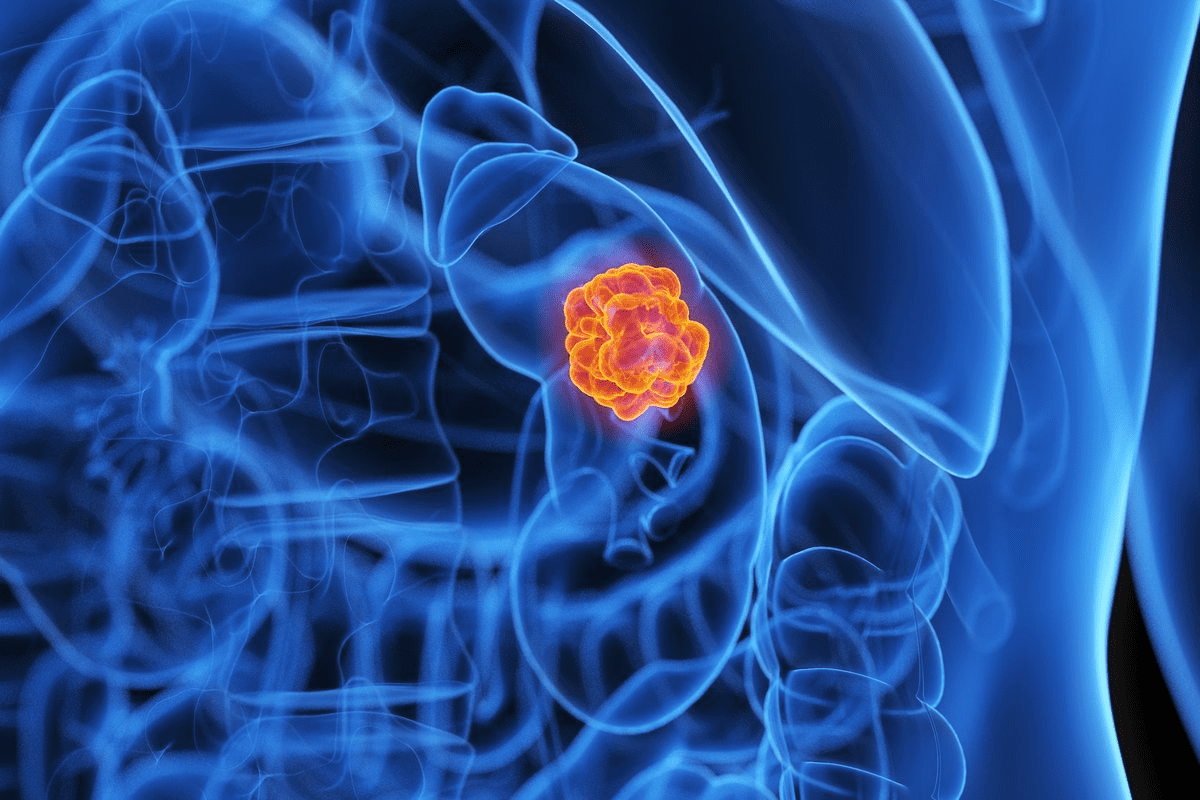
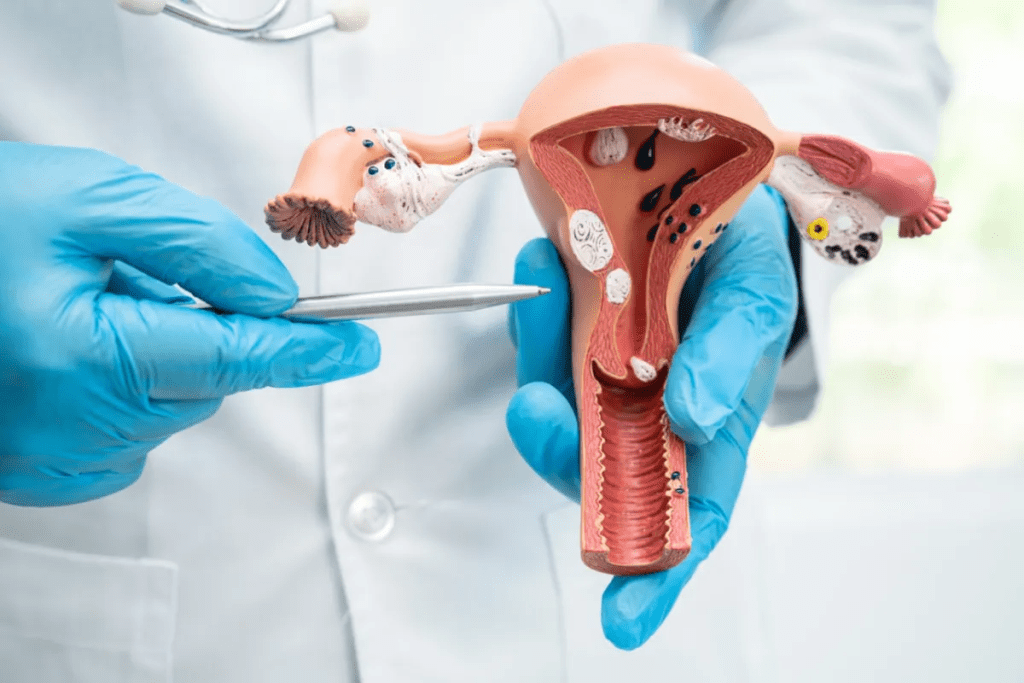
Ovarian cancer starts in the ovaries, which are part of the female reproductive system. It happens when abnormal cells grow and multiply without control, forming a tumor. Epithelial ovarian cancer, starting in the outer layer of the ovaries, is the most common type.
Types of Ovarian Cancer
There are several types of ovarian cancer, based on where they start. These include:
- Epithelial ovarian cancer: The most common type, making up about 90% of cases.
- Germ cell ovarian cancer: Starts in the cells that produce eggs.
- Stromal ovarian cancer: Begins in the connective tissue that holds the ovary together.
Why Prevention Matters
Prevention is vital because ovarian cancer is often found late, when it’s harder to treat. Early detection and preventive measures can greatly improve survival chances and treatment results. Knowing the risk factors, like genetic and lifestyle choices, is important for taking steps to prevent ovarian cancer.
By understanding ovarian cancer risk factors and taking preventive steps, women can control their health. This includes knowing how genetic factors, like BRCA1 and BRCA2 mutations, affect risk. It also means making smart lifestyle choices to prevent ovarian cancer.
Recognizing the Risk Factors for Ovarian Cancer

Ovarian cancer risk factors can be divided into two groups: non-modifiable and modifiable. Each group plays a big role in how likely someone is to get the disease. Knowing these factors helps in making good prevention plans.
Non-Modifiable Risk Factors
Non-modifiable risk factors are things you can’t change. For ovarian cancer, these include BRCA1 and BRCA2 mutations, family history of ovarian or breast cancer, and age. The risk goes up a lot after 50.
A gynecologic oncologist, says, “A woman’s risk of ovarian cancer is greatly influenced by her genes and family history.”
“Knowing your genetic risk helps you make better health choices.”
Modifiable Risk Factors
Some risk factors can be changed through lifestyle choices and medical actions. For ovarian cancer, using birth control pills can lower the risk. Pregnancy and breastfeeding also play a role.
What you eat and how much you exercise also matters. Eating well and staying active can help lower ovarian cancer risk. A diet full of fruits, veggies, and whole grains, along with regular exercise, can protect you.
Assessing Your Personal Risk
Figuring out your personal risk means looking at both non-modifiable and modifiable factors. Doctors use tools like the Ovarian Cancer Risk Assessment to guess your risk based on your unique situation.
By tackling modifiable risk factors, women can lower their ovarian cancer risk. This includes talking about genetic testing with your doctor, using birth control pills to reduce risk, and living a healthy lifestyle.
Genetic Factors in Ovarian Cancer Development
Genetic factors play a big role in ovarian cancer risk. Certain mutations and syndromes can increase this risk. Knowing about these factors helps find high-risk individuals and prevent ovarian cancer.
BRCA1 and BRCA2 Mutations
BRCA1 and BRCA2 mutations are well-known ovarian cancer risks. These genes help fix DNA damage. But, if they’re mutated, they can’t do their job well, leading to cancer.
Women with these mutations face a higher risk of ovarian cancer. This risk is much higher than for the general population.
Key Facts About BRCA1 and BRCA2 Mutations:
- Increased Risk: Women with BRCA1 mutations face up to a 40% lifetime risk of ovarian cancer. Those with BRCA2 mutations have up to a 20% risk.
- Genetic Testing: Testing for BRCA1 and BRCA2 mutations is available. It’s recommended for those with a family history of breast or ovarian cancer.
- Prevention Options: Women with these mutations might consider removing their ovaries or enhanced surveillance to prevent cancer.
Lynch Syndrome and Other Genetic Conditions
Lynch syndrome, or hereditary nonpolyposis colorectal cancer (HNPCC), also raises ovarian cancer risk. It’s caused by DNA mismatch repair gene mutations. This increases the risk of several cancers, including ovarian cancer.
Other genetic conditions that may increase ovarian cancer risk include:
- Peutz-Jeghers syndrome
- BRIP1 gene mutations
- RAD51C and RAD51D gene mutations
Family History Considerations
A family history of ovarian or breast cancer is a big risk factor. If you have a first-degree relative (mother, sister, or daughter) with ovarian cancer, your risk is higher. Checking family history is key to finding those who might need genetic testing and counseling.
Assessing Family History:
- Gather information about cancer diagnoses in first- and second-degree relatives.
- Identify patterns of cancer occurrence, such as multiple cases of breast or ovarian cancer.
- Discuss family history with a healthcare provider to determine the need for genetic testing.
The Role of Genetic Testing in Ovarian Cancer Prevention
Genetic testing is key in finding out if you might get ovarian cancer. It’s very important for people with a family history of the disease. It helps find specific genetic mutations, like in the BRCA1 and BRCA2 genes. This way, people can understand their risk better and take steps to prevent it.
Who Should Consider Genetic Testing
If you have a family history of ovarian or breast cancer, you should think about genetic testing. This includes those with a mother, sister, or daughter who had these cancers, and if they were young when diagnosed. Also, people of Ashkenazi Jewish descent should get tested because they have a higher chance of BRCA mutations.
Types of Genetic Tests Available
There are many genetic tests for ovarian cancer risk. BRCA gene testing is very common because it checks for mutations in genes that raise the risk of breast and ovarian cancers. Other tests look for mutations linked to Lynch syndrome, which also raises ovarian cancer risk.
Understanding Your Test Results
Getting your genetic test results can be tough, but it’s important to understand them. A positive result means you have a mutation that raises your cancer risk. A negative result doesn’t mean you’re safe. Genetic counseling helps make sense of your results and talk about how to stay safe, like more check-ups or surgery.
Talking to a healthcare provider or genetic counselor is key. They can help figure out the best steps for you based on your risk.
Ovarian Cancer Prevention: Evidence-Based Strategies
There are many ways to prevent ovarian cancer. These include medical treatments, lifestyle changes, and health screenings. By using these methods, people can lower their risk of getting ovarian cancer.
Medical Interventions
Medical treatments are key in preventing ovarian cancer. Birth control pills are very effective in reducing this risk. Risk-reducing surgeries, like removing the ovaries, are also options for those at high risk.
| Medical Intervention | Description | Risk Reduction |
| Birth Control Pills | Oral contraceptives that reduce ovarian cancer risk | Up to 50% |
| Prophylactic Oophorectomy | Surgical removal of ovaries to prevent cancer | Up to 90% |
Lifestyle Modifications
Changing your lifestyle is also important. Eating a healthy diet full of fruits, veggies, and whole grains helps. Also, regular exercise can lower cancer risk.
Preventive Healthcare Practices
Regular health checks and screenings are key. Talking to your doctor about your health history can help spot risks. This way, you can take steps to prevent ovarian cancer.
By mixing medical treatments, lifestyle changes, and health screenings, you can take a strong step against ovarian cancer.
Hormonal Factors and Their Impact on Ovarian Cancer Risk
It’s important for women to know how hormones affect ovarian cancer risk. Hormones play a big role in both causing and preventing ovarian cancer. This knowledge helps women make better health choices.
Birth Control Pills and Ovarian Cancer Risk
Birth control pills are linked to a lower risk of ovarian cancer. Research shows that women who use oral contraceptives face less risk than those who don’t. The longer you use them, the more protection you get.
- Women who use birth control pills for 5 or more years see a big drop in ovarian cancer risk.
- The benefits of birth control pills can last even after you stop using them.
Pregnancy, Breastfeeding, and Risk Reduction
Pregnancy and breastfeeding also lower ovarian cancer risk. Women who have been pregnant, and those who have breastfed, face less risk. This is true, even more so for younger pregnancies and longer breastfeeding periods.
- Having more pregnancies can lower ovarian cancer risk even more.
- Breastfeeding for longer can add to the protection against ovarian cancer.
Hormone Replacement Therapy Considerations
Hormone replacement therapy (HRT) can increase ovarian cancer risk, mainly with long-term use. The type and how long you use HRT matters a lot.
- Women on estrogen-alone HRT might face different risks than those on estrogen-progestin HRT.
- Choosing HRT should be a careful decision, considering risks and benefits, and family history of ovarian cancer.
In summary, hormones greatly affect ovarian cancer risk. Knowing about birth control pills, pregnancy, breastfeeding, and HRT helps women and doctors make better choices to lower ovarian cancer risk.
Preventive Surgical Options for High-Risk Women
Women at high risk of ovarian cancer should talk to their doctors about preventive surgery. This is key for those with BRCA1 or BRCA2 mutations or other risk factors.
Prophylactic Oophorectomy
Removing the ovaries can greatly lower ovarian cancer risk. It can cut the risk by up to 90% for high-risk women. But, it means starting menopause early, which can affect health.
Key considerations for prophylactic oophorectomy include:
- The timing of the surgery, typically recommended after childbearing is complete
- The need for hormone replacement therapy (HRT) to manage menopausal symptoms
- The impact on long-term health, including bone density and cardiovascular health
Hysterectomy and Ovarian Cancer
Removing the uterus might also be considered. It doesn’t prevent ovarian cancer directly but can be part of a broader plan. The choice should depend on individual risk and health.
It’s essential to discuss the following with your healthcare provider:
- The benefits of hysterectomy in reducing other gynecological cancer risks
- The available surgical options, including minimally invasive ones
- The recovery process and long-term effects
Timing and Considerations for Preventive Surgery
Choosing when to have preventive surgery is a big decision. It depends on age, health, and risk factors. For BRCA mutation carriers, it’s about weighing cancer risk against early menopause.
Deciding on preventive surgery should involve talking to doctors and thinking about personal circumstances.
Diet and Nutrition for Ovarian Cancer Prevention
Eating a healthy diet full of important nutrients can help prevent ovarian cancer. Many studies have looked into how diet and nutrition can lower cancer risk. They found that some foods and eating patterns are better than others.
Foods That May Lower Ovarian Cancer Risk
Adding certain foods to your diet might lower ovarian cancer risk. Fruits and vegetables are packed with antioxidants, vitamins, and minerals. These help fight cancer. Leafy greens like spinach and kale are great because they have lots of folate and other nutrients.
Berries are full of antioxidants, and fatty fish like salmon have omega-3 fatty acids. These nutrients are good for your health and might help prevent cancer.
Dietary Patterns Associated with Reduced Risk
Following a healthy diet pattern is better than just eating certain foods. The Mediterranean diet is rich in fruits, vegetables, whole grains, and healthy fats. It’s linked to lower cancer risk, including ovarian cancer.
Eating whole grains and legumes gives you fiber, vitamins, and minerals. These are good for your health and might lower cancer risk.
Nutritional Supplements and Cancer Prevention
While a balanced diet is best, some people might use nutritional supplements to get more nutrients. But, it’s important to be careful and talk to a doctor first. Some supplements can interact with medicines or cause problems.
Some supplements, like vitamin D and omega-3 fatty acids, might help prevent cancer. But, we need more research to know for sure how they affect ovarian cancer risk.
Exercise and Physical Activity: Protective Effects Against Ovarian Cancer
Exercise and physical activity are key in preventing ovarian cancer. They are good for your health and help lower cancer risk, including ovarian cancer.
Reducing Cancer Risk through Exercise
Physical activity helps in many ways. It keeps you at a healthy weight, lowers insulin resistance, and reduces harmful hormone levels. It also boosts your immune system, helping fight cancer cells.
Key mechanisms by which exercise reduces ovarian cancer risk include:
- Regulation of menstrual cycles and ovulation
- Reduction in inflammation and oxidative stress
- Improvement in immune function
- Maintenance of a healthy body weight
Recommended Types and Amounts of Physical Activity
The American Cancer Society suggests at least 150 minutes of moderate or 75 minutes of vigorous activity weekly. Strength training twice a week is also good.
Examples of moderate and vigorous physical activities include:
| Moderate Activities | Vigorous Activities |
| Brisk walking | Running |
| Cycling on flat ground | Swimming laps |
| Gardening | Aerobics classes |
Incorporating Movement into Daily Life
Making physical activity a part of your daily life is easy and fun. Try walking, cycling, or dancing to add movement to your day.
Tips for incorporating more physical activity:
- Take the stairs instead of the elevator
- Walk or cycle for short trips
- Engage in household chores or gardening
- Participate in recreational sports or activities
Environmental Factors and Ovarian Cancer Risk
It’s important to know how environmental factors can raise the risk of ovarian cancer. Things like chemicals and workplace hazards can play a role. Knowing about these can help prevent the disease.
Chemical Exposures to Avoid
Some chemicals are linked to a higher risk of ovarian cancer. These include talc powder, asbestos, and certain industrial chemicals. Women in jobs that involve these might face a higher risk.
To lower your risk, wear protective gear when dealing with dangerous chemicals. Also, choose products that don’t contain talc.
Workplace Hazards
Jobs in certain places can increase the risk of ovarian cancer. This is because of the hazardous materials involved. Industries like manufacturing, chemical processing, and construction are at higher risk.
Employers can help by setting up safety rules and training workers on safe handling of dangerous materials.
Creating a Healthier Home Environment
Keeping your home environment safe is also key. Use non-toxic cleaning products and try to avoid pesticides. Make sure your home has good air flow to cut down on pollution.
Small changes can make a big difference. Choose organic food when you can and avoid heating food in plastic. These actions help make your home environment healthier.
By understanding and reducing environmental risks, women can take steps to lower their ovarian cancer risk. It’s all about being proactive and making smart choices.
Early Detection: Recognizing Ovarian Cancer Symptoms
It’s key to know the signs of ovarian cancer early. This can lead to better treatment and survival chances.
Common Warning Signs
Ovarian cancer symptoms can be tricky to spot. They might look like other health issues. Look out for:
- Pelvic or abdominal pain
- Bloating or swelling in the abdomen
- Difficulty eating or feeling full quickly
- Urinary urgency or frequency
- Unexplained weight loss or gain
These signs can be vague. They often point to other health problems, making early ovarian cancer detection hard.
When to See a Doctor
If you notice any of these symptoms persistently or they’re severe, see a doctor. Early check-ups can mean quicker diagnosis and treatment.
Women with a family history of ovarian or breast cancer should watch closely. Talk to your doctor about your risk.
Current Screening Options and Limitations
There’s no perfect test for ovarian cancer yet. But, doctors use:
- Pelvic examination
- Transvaginal ultrasound (TVUS)
- CA-125 blood test
These tools can spot problems, but they’re not 100% reliable. The CA-125 test, for example, can show false positives.
Knowing the limits of these tests helps manage expectations. It’s important for making smart health choices.
Natural Approaches to Supporting Ovarian Health
Adding natural methods to your life can boost your health and might lower ovarian cancer risk. Focus on anti-inflammatory choices, stress management, and complementary therapies. These steps help support your ovarian health.
Anti-inflammatory Lifestyle Choices
Eating an anti-inflammatory diet is key. Include fruits, vegetables, and omega-3 fatty acids. Foods like berries and leafy greens are full of antioxidants, which help fight cancer.
Nutritional Elements to Emphasize:
- Omega-3 fatty acids found in fatty fish
- Antioxidant-rich foods like berries and leafy greens
- Whole grains and fiber-rich foods
Stress Management Techniques
Too much stress can harm your health and raise cancer risk. Try meditation, yoga, and deep breathing to relax and lower stress hormones.
Effective Stress Management Practices:
- Meditation and mindfulness exercises
- Yoga and tai chi
- Deep breathing exercises
Complementary Therapies for Overall Wellness
Therapies like acupuncture and herbal supplements can also help your ovaries. But, talk to a doctor first to make sure they’re safe and work well for you.
| Therapy | Potential Benefits | Considerations |
| Acupuncture | Stress reduction, improved overall well-being | Ensure practitioner is licensed and experienced |
| Herbal Supplements | Antioxidant properties, hormonal balance | Consult with healthcare provider regarding interactions with medications |
By using these natural methods every day, you can help keep your ovaries healthy and improve your overall well-being.
Conclusion: Creating Your Personal Ovarian Cancer Prevention Plan
Understanding risk factors and prevention strategies is key. This guide helps you make smart health choices. You can create a plan to prevent ovarian cancer.
This plan starts with knowing your risk. Then, you make lifestyle changes and consider genetic testing. These steps help lower your risk.
Reducing ovarian cancer risk needs a mix of medical care, lifestyle changes, and health checks. Adding these to your daily routine boosts your health and well-being.
Creating a prevention plan is a big step towards fighting ovarian cancer. It’s important to talk to doctors to find the right plan for you. They’ll consider your risk and health.
By controlling your health and making smart choices, you can lower your ovarian cancer risk. This leads to a healthier future for you.
FAQ
What are the most significant risk factors for ovarian cancer?
Ovarian cancer risk factors include genetic predispositions like BRCA1 and BRCA2 mutations. Family history of ovarian or breast cancer also plays a role. Certain genetic conditions, such as Lynch syndrome, increase risk. Age and reproductive history are non-modifiable risk factors.
How can genetic testing help in preventing ovarian cancer?
Genetic testing can spot genetic mutations that raise ovarian cancer risk. If you test positive, you might consider preventive surgeries or enhanced surveillance. Lifestyle changes can also help reduce your risk.
What lifestyle changes can help reduce the risk of ovarian cancer?
To lower ovarian cancer risk, eat a healthy diet with lots of fruits, veggies, and whole grains. Stay active, avoid hormone therapy, and think about birth control pills.
Are there any specific foods that can help prevent ovarian cancer?
No food can guarantee ovarian cancer prevention. But, a diet rich in fruits, veggies, whole grains, and healthy fats may help. These foods contain nutrients and antioxidants that could protect you.
How does exercise contribute to ovarian cancer prevention?
Exercise can lower ovarian cancer risk. It helps keep you healthy, reduces inflammation, and boosts overall health. All these factors can help prevent ovarian cancer.
Can preventive surgery eliminate the risk of ovarian cancer?
Prophylactic oophorectomy can greatly reduce ovarian cancer risk in high-risk individuals. But, it doesn’t remove all risk. A small chance of primary peritoneal cancer remains.
What are the benefits and considerations of using birth control pills for ovarian cancer prevention?
Birth control pills may lower ovarian cancer risk. But, weigh their benefits against risks and side effects. Always talk to your healthcare provider before starting.
How does hormone replacement therapy impact ovarian cancer risk?
Hormone replacement therapy (HRT) may increase ovarian cancer risk, mainly with long-term use. The type of HRT and your risk factors matter. Discuss the risks and benefits with your doctor.
What are the early warning signs of ovarian cancer?
Early signs of ovarian cancer include pelvic or abdominal pain, bloating, and feeling full quickly. Also, look out for urinary urgency or frequency. If symptoms persist or worsen, see a doctor.
Are there any natural approaches that can support ovarian health?
Natural methods to support ovarian health include an anti-inflammatory diet and stress management. Regular exercise is also beneficial. While these can improve overall health, their direct impact on ovarian cancer risk is being studied.
How can I create a personal ovarian cancer prevention plan?
To create a prevention plan, understand your risk factors and adopt healthy habits. Consider genetic testing if needed. Talk to your healthcare provider about preventive measures. This approach can help reduce your risk and improve your health.
References
- National Cancer Institute. (2023). Ovarian, Fallopian Tube, and Primary Peritoneal Cancer Prevention (PDQ ®)“Patient Version. https://www.cancer.gov/types/ovarian/patient/ovarian-prevention-pdq