Last Updated on November 26, 2025 by Bilal Hasdemir

Ovarian cancer is a major health concern, and many people wonder about ovarian cancer transmission and whether it can spread like a contagious disease. The truth is that ovarian cancer is not contagious ” it cannot be passed from one person to another.
Research shows that ovarian cancer develops from a combination of factors, including genetic mutations, hormonal influences, and environmental exposure. This means the disease arises within the body rather than being transmitted between individuals.
Key Takeaways
- Ovarian cancer is not contagious.
- Genetic and environmental factors contribute to its development.
- Understanding risk factors can help in early detection.
Understanding Ovarian Cancer Basics
To understand ovarian cancer, we need to know the basics. It’s a serious disease that affects many women around the world. We’ll look at what it is, its types, and how common it is.
Types of Ovarian Cancer
Ovarian cancer can be different types, based on where it starts. The main kinds are:
- Epithelial tumors: These are the most common, starting from the outer layer of the ovary.
- Germ cell tumors: These start in the cells that make eggs.
- Stromal tumors: These are rare and start in the connective tissue of the ovaries.
Prevalence and Statistics in the United States
Ovarian cancer is a big health problem in the U.S. Here are some important numbers:
| Category | Statistic |
| New Cases Estimated (annually) | Approximately 19,680 |
| Deaths Estimated (annually) | Around 12,740 |
| Lifetime Risk | About 1 in 78 women |
Knowing these basics helps us understand ovarian cancer better. We’ll keep learning about it in the next parts.
Is Ovarian Cancer Contagious?
To clear up fears and myths about ovarian cancer, we need to know what contagious means. Contagious diseases spread from person to person, either directly or indirectly.
Defining Contagious Diseases
A disease is contagious if it’s caused by germs like bacteria, viruses, or fungi. These can be passed from one person to another. Examples include the flu, tuberculosis, and HIV. The main thing is the presence of an infectious agent.
Ovarian cancer doesn’t fit into this category. It’s not caused by an infectious agent that can be spread from person to person.
Why Cancer Is Not Considered Contagious
Cancer happens when cells mutate and grow out of control. These mutations can come from genetics, environment, or DNA errors. Because cancer isn’t caused by an infectious agent, it can’t be spread through touching or being near someone with cancer.
You can’t “catch” ovarian cancer from someone else. The idea that cancer is contagious might come from not understanding how it spreads in the body. This is different from passing a disease from one person to another.
Common Misconceptions About Cancer Transmission
Many think you can get cancer from being close to someone who has it. This might come from seeing how cancer can move within a body. But, this movement is not the same as passing a disease from one person to another.
Knowing the truth about cancer can help us not worry so much about catching it. We can then support those dealing with the disease better.
Ovarian Cancer Transmission: Facts and Myths
It’s important to know how ovarian cancer starts to clear up wrong ideas about it. Ovarian cancer is a complex disease with many causes.
How Cancer Actually Develops
Cancer starts with genetic changes in cells. These changes can come from genes passed down or from environmental factors. For ovarian cancer, these changes happen in the ovaries, causing tumors.
Genetic predisposition is a big factor in ovarian cancer. Genes like BRCA1 and BRCA2 raise the risk. But, these genes are not contagious; they come from parents.
Cellular Mutations vs. Infectious Agents
Ovarian cancer isn’t caused by germs or viruses. It’s due to cell mutations leading to cancer. This is key to understanding why it’s not contagious.
Infectious agents can cause some cancers, like HPV and cervical cancer. But, ovarian cancer isn’t one of them. The idea that it can be spread through contact is not true.
Why You Cannot “Catch” Ovarian Cancer
Ovarian cancer isn’t contagious because it’s not caused by something you can catch. Risk factors include genetics, age, and reproductive history, not being near someone with it.
It’s vital to know you can’t get ovarian cancer from someone else. This knowledge helps reduce fear and supports those dealing with it.
Ovarian Cancer Spread vs. Transmission
Ovarian cancer can spread within the body, but it’s not transmitted from person to person. It’s important to understand the difference between metastasis and transmission.
Metastasis is a complex process. First, cancer cells must invade the surrounding tissue. Then, they enter the bloodstream or lymphatic system. There, they must survive until they reach a new location to establish a new tumor.
Metastasis vs Transmission
Ovarian cancer is not contagious and cannot be transmitted from one person to another. It’s a disease that develops from abnormal cell growth in the ovaries.
Can Ovarian Cancer Be Sexually Transmitted?
Many people wonder if ovarian cancer can spread through sex. We’ll clear up this worry, explaining how sex and ovarian cancer are linked.
Addressing Common Concerns
Some folks think sex might raise their risk of getting ovarian cancer. But, studies prove that’s not true. Ovarian cancer isn’t passed on through sex.
Scientific Evidence
Research has found no link between sex and ovarian cancer. The real risks include genes, hormones, and the environment.
HPV, a common virus, can cause some cancers. But, its connection to ovarian cancer is not fully understood yet.
To sum up, sex doesn’t spread ovarian cancer. Knowing what causes it helps ease worries and spreads awareness.
Blood Contact and Ovarian Cancer
Blood contact and ovarian cancer is a concern for many. We will explore the risks and safety protocols.
Can Cancer Cells Survive in Donated Blood?
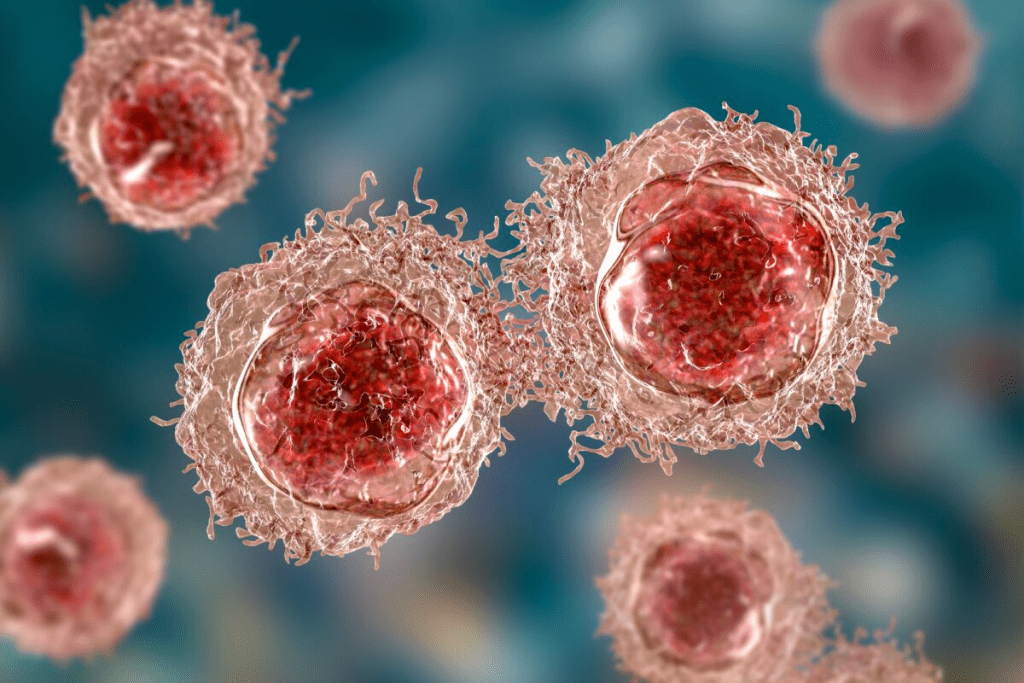
Cancer cells can be present in the blood. But the chance of passing them through transfusion is very low.
Blood Transfusion Safety Protocols
Blood banks screen donors and test for infectious diseases. This ensures safety for everyone.
Risk Assessment for Healthcare Workers
Healthcare workers follow strict infection control guidelines. This helps minimize their exposure.
Hereditary Factors in Ovarian Cancer
For many women, the risk of ovarian cancer is tied to their genes. We’ll look at how genes play a role in ovarian cancer. This includes understanding genetic inheritance and how it differs from contagion.
Genetic Inheritance vs. Contagion
Ovarian cancer is not contagious. It can’t spread from person to person. But, certain genetic mutations that raise the risk of ovarian cancer can be passed down through families.
BRCA1 and BRCA2 Mutations
Mutations in the BRCA1 and BRCA2 genes greatly increase the risk of ovarian and breast cancers. Women with these mutations should talk to their doctors about their risk and options.
Other Genetic Factors Linked to Ovarian Cancer
Other genetic syndromes, like Lynch syndrome, also raise the risk of ovarian cancer. Knowing about these genetic factors is key for early detection and prevention.
| Genetic Factor | Description | Risk Implication |
| BRCA1 Mutation | Mutation in the BRCA1 gene | Increased risk of ovarian and breast cancer |
| BRCA2 Mutation | Mutation in the BRCA2 gene | Increased risk of ovarian and breast cancer |
| Lynch Syndrome | Genetic disorder affecting DNA repair | Increased risk of ovarian, colorectal, and other cancers |
Family Risk of Ovarian Cancer Explained

Many worry about ovarian cancer if they have family members who have had it. It’s important to understand the risks if you have relatives with ovarian cancer.
Why Cancer “Runs in Families”
Ovarian cancer can seem to run in families because of inherited genes. Genetic mutations in the BRCA1 and BRCA2 genes raise the risk. If many family members have ovarian cancer, it might mean a genetic link.
But, it’s key to know that genetics isn’t the only factor. Environmental and lifestyle choices also play a part, though less than genetics.
Calculating Your Risk Based on Family History
Think about how many relatives with ovarian cancer you have and how close they are to you. Healthcare professionals use a family history assessment to understand your risk. They look at your relatives’ health and any cancer cases.
| Family History | Risk Level |
| One first-degree relative with ovarian cancer | Moderate |
| Two or more first-degree relatives with ovarian cancer | High |
| Known BRCA1 or BRCA2 mutation in the family | High to Very High |
When to Consider Genetic Counseling
If you have a big family history of ovarian cancer, genetic counseling is a good idea. Counselors can look at your family history and decide if genetic testing is right for you.
Genetic counseling is a must for those with a strong family history of ovarian or breast cancer, and if it happened at a young age. It helps you understand your risks and make choices about prevention or monitoring.
Can Ovarian Cancer Be Passed to Children?
Many families worry about passing ovarian cancer to their children. The risk of genetic mutations that raise the chance of ovarian cancer is real.
Ovarian cancer is caused by genes, environment, and lifestyle. While most cases happen by chance, many have a family link.
Understanding Hereditary Risk Transmission
Genes like BRCA1 and BRCA2 are key in family-linked ovarian cancer. These genes are passed down in a special way. Just one copy of the mutated gene can raise cancer risk.
| Genetic Mutation | Inheritance Pattern | Risk of Passing to Offspring |
| BRCA1 | Autosomal Dominant | 50% |
| BRCA2 | Autosomal Dominant | 50% |
Pregnancy and Ovarian Cancer
Studies suggest pregnancy might protect against ovarian cancer. But, the link between pregnancy and ovarian cancer is not fully understood.
Genetic Testing for Family Planning
Genetic tests can spot harmful genes. This lets people plan their families better and prevent cancer.
Is Ovarian Cancer Communicable During Pregnancy?
It’s important to know if ovarian cancer can spread during pregnancy. Pregnancy is a time when both mom and baby’s health is key. If ovarian cancer is found, it brings up worries about risks and how to handle them.
Mother-to-Child Transmission Concerns
Women with ovarian cancer during pregnancy worry about passing it to their baby. Luckily, there’s no proof that ovarian cancer can pass from mom to child during pregnancy.
Key Facts:
- The placenta stops cancer cells from reaching the fetus.
- Studies show there’s no risk of ovarian cancer passing from mom to child.
- Though rare, cancer during pregnancy needs careful management.
Cancer During Pregnancy: Management and Risks
Handling ovarian cancer during pregnancy is complex. It involves looking at both mom’s health and the baby’s safety. The treatment plan depends on the cancer’s stage, the baby’s age, and mom’s health.
Key Considerations:
- The cancer’s stage at diagnosis.
- The baby’s age and the risk of early birth.
- Mom’s overall health and any past treatments.
Scientific Evidence on Placental Barriers
The placenta is key in keeping the fetus safe from ovarian cancer. Research shows the placenta blocks cancer cells from reaching the baby.
Evidence Highlights:
- Studies prove cancer cells don’t pass through the placenta to the fetus.
- The placenta’s barrier is strong, stopping harmful cells like cancer from reaching the baby.
In summary, while ovarian cancer in pregnancy is challenging, there’s no risk of passing it to the baby. Moms with ovarian cancer should team up with their doctors to manage their condition well.
Primary Risk Factors for Ovarian Cancer
Knowing the risk factors for ovarian cancer is key to catching it early. Several things can increase a woman’s chance of getting ovarian cancer.
Age is a big risk factor. Most ovarian cancer cases happen in women over 50. The risk goes up as women get older. Hormones also play a part.
A woman’s reproductive history matters too. Women who have never had a baby are at higher risk. But, those who have had children, even at a young age, might have a lower risk.
Lifestyle choices, like diet and exercise, can also affect ovarian cancer risk. Staying healthy is a good idea.
Genetic Testing for Ovarian Cancer Risk
Genetic testing is key for many women to know their ovarian cancer risk. It can spot those at higher risk due to genes like BRCA1 and BRCA2. This info helps them take steps to protect their health.
Who Should Consider Genetic Testing
Those with a big family history of ovarian or breast cancer should think about genetic testing. Women with such a history should talk to their doctor about it. Also, people of Ashkenazi Jewish descent are at higher risk and might want to get tested.
Types of Genetic Tests Available
There are many genetic tests for ovarian cancer risk. Single-gene tests look at genes like BRCA1 and BRCA2. Multi-gene panel tests check many genes linked to cancer risk. Our doctors will help pick the right test for you.
Understanding Your Test Results
Genetic test results can be hard to understand. A positive result means you have a gene linked to higher cancer risk. A negative result doesn’t mean you’re safe. We help you make sense of your results and plan for your risk.
Insurance Coverage for Genetic Testing
Many insurance plans cover genetic testing for high-risk ovarian cancer. Check with your insurance to see what’s covered. Our team can help with the insurance process and support you in getting tested.
Prevention Strategies for High-Risk Individuals
Those at high risk of ovarian cancer can take steps to lower their risk. For those with a family history or genetic predisposition, like BRCA1 and BRCA2 mutations, it’s key to understand and use prevention strategies.
Surveillance Options
Regular checks are important for those at high risk. This includes:
- Transvaginal ultrasound (TVUS) to watch the ovaries for any issues.
- CA-125 blood tests to check a protein level that can rise in ovarian cancer.
These tests are done every 6-12 months. They start at age 30-35 or 5-10 years before the earliest family case of ovarian cancer.
Prophylactic Surgery Considerations
Some high-risk people might consider surgery to prevent cancer. This could be:
- Risk-reducing salpingo-oophorectomy (RRSO), which removes the ovaries and fallopian tubes.
- Some might also think about hysterectomy, but this should be carefully thought over, considering if they want to have children.
“The choice to have prophylactic surgery should be made after careful talk and thinking about the risks and benefits.”
Medication Options for Risk Reduction
Some medicines can help lower ovarian cancer risk in high-risk people. These include:
- Oral contraceptives, which can greatly lower cancer risk.
- Aspirin and other NSAIDs might also help, but more research is needed.
Lifestyle Modifications
Medical steps aren’t the only way to lower risk. Lifestyle changes can also help:
- Keeping a healthy weight, as being overweight increases risk.
- Eating a diet full of fruits, vegetables, and whole grains.
- Avoiding talc powder on the genital area, as some studies link it to cancer risk.
By using these strategies, high-risk individuals can lower their chance of getting ovarian cancer. It’s vital to talk to a healthcare provider to find the best plan for your risk and health.
When to Seek Medical Advice About Ovarian Cancer Risk
Knowing when to get medical advice about ovarian cancer risk is key for early detection and prevention. Ovarian cancer often has non-specific symptoms, making it hard to diagnose early. But, knowing the warning signs and talking openly with your healthcare provider can greatly improve your health outcomes.
Warning Signs and Symptoms
Spotting the warning signs of ovarian cancer is the first step in getting timely medical advice. Common symptoms include:
- Pelvic or abdominal pain
- Bloating or swelling in the abdomen
- Difficulty eating or feeling full quickly
- Urinary urgency or frequency
- Unexplained weight loss or gain
If you have any of these symptoms that last, it’s important to talk to your healthcare provider. Early detection can improve treatment outcomes, so don’t hesitate to seek advice if you’re worried.
Discussing Family History with Your Doctor
Your family history is a big factor in your ovarian cancer risk. If you have a family history of breast or ovarian cancer, it’s important to talk to your healthcare provider. Genetic counseling can help figure out your risk and suggest ways to prevent it.
When talking about your family history, be ready to share:
- The types of cancer in your relatives
- The age they were diagnosed
- Any known genetic mutations in your family
By understanding your risk factors and talking to your healthcare provider, you can make smart choices about your health.
Conclusion
Understanding how ovarian cancer spreads and the risks involved is very important. Knowing about risk factors like family history and genetic mutations helps a lot. It lets people take steps to prevent it.
Being informed helps people make choices that lower their risk. Regular health checks and screenings are also key. They help find cancer early, which is critical for treatment.
In short, while ovarian cancer is serious, knowing the risks and taking steps to prevent it can make a big difference. Staying informed is essential.
FAQs
Is ovarian cancer contagious?
No, ovarian cancer is not contagious. You can’t catch it from someone else through touch or being near them.
Can ovarian cancer be transmitted through sexual contact?
No, ovarian cancer is not spread through sex. Some STIs might raise cancer risk, but not ovarian cancer.
Can I inherit ovarian cancer from my family?
While it’s not a sure thing, some genes like BRCA1 and BRCA2 can up your risk. If your family has a history, talk to a doctor about your risk.
How does ovarian cancer spread within the body?
Ovarian cancer spreads through blood or lymph to other body parts. This is not contagious. It’s about cancer cells moving within one person, not between people.
Can ovarian cancer be prevented?
There’s no foolproof way to stop ovarian cancer, but some steps can lower your risk. Using birth control, getting pregnant, or having tubal ligation might help. Genetic tests can also show who’s at higher risk.
Should I get genetic testing for ovarian cancer?
If you have a family history of ovarian or breast cancer, or worry about your risk, talk to a doctor about genetic testing. They can decide if it’s right for you.
What are the warning signs of ovarian cancer?
Look out for symptoms like bloating, pelvic pain, trouble eating, and needing to pee a lot. If you notice these, see your doctor.
Can ovarian cancer be detected early?
There’s no sure way to catch it early, but knowing your body and telling your doctor about odd symptoms can help find problems early.
Is it safe to donate blood if I have a family history of ovarian cancer?
Yes, having a family history of ovarian cancer doesn’t mean you can’t donate blood. Blood banks have strict rules to keep the blood safe.
Can I reduce my risk of ovarian cancer through lifestyle changes?
Living a healthy life, eating well, and exercising can lower your cancer risk. But how it affects ovarian cancer risk is being studied.
References
- National Cancer Institute. (2023). Ovarian Cancer Prevention (PDQ ®)“Health Professional Version. https://www.cancer.gov/types/ovarian/hp/ovarian-prevention-pdq
- American Cancer Society. (2023). Ovarian Cancer Risk Factors. https://www.cancer.org/cancer/ovarian-cancer/causes-risks-prevention/risk-factors.html