Last Updated on November 26, 2025 by Bilal Hasdemir
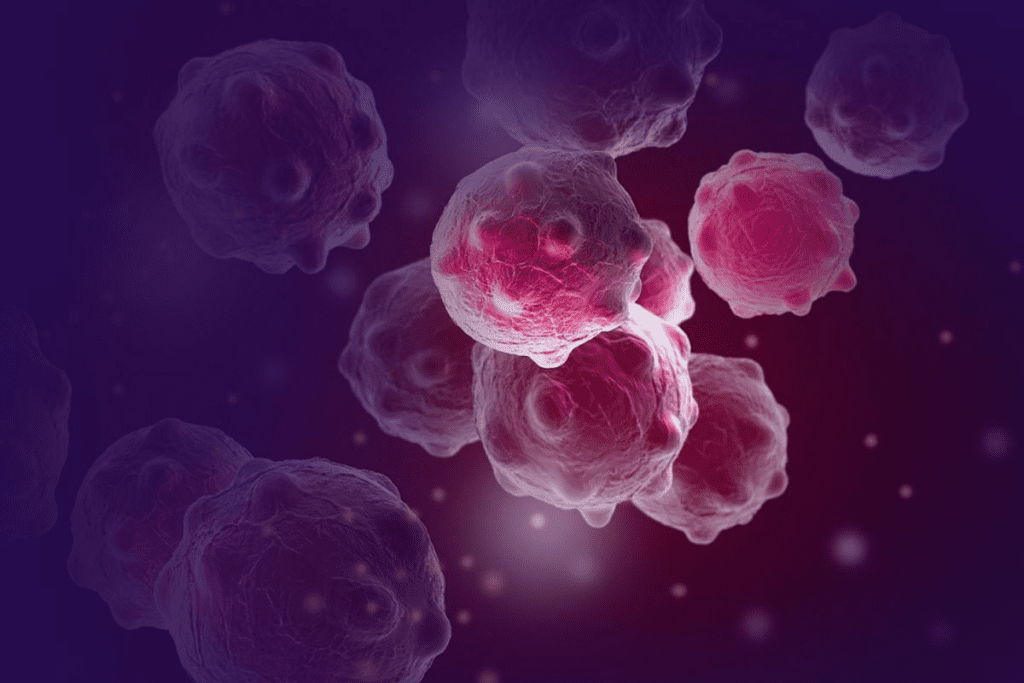
Did you know that ovarian cancer is often diagnosed late? This makes finding effective treatment key for better patient outcomes. We know how complex this disease is, and we also know it needs a mix of treatments to fight it. New advances in chemotherapy, targeted therapy, and immunotherapy are showing great promise in killing cancer cells. In some cases, ovary removal ovarian cancer cure may also be part of the treatment plan to eliminate the source of the disease. This guide will show you the different treatment options out there”you’ll learn about the newest therapies and what they can do.
Key Takeaways
- Understanding the complexity of ovarian cancer and its treatment.
- Exploring recent advancements in chemotherapy and targeted therapy.
- Learning about the role of immunotherapy in cancer treatment.
- Discovering the importance of a multifaceted treatment approach.
- Gaining insights into the latest therapies and their benefits.
The Nature of Ovarian Cancer Cells

It’s key to know how ovarian cancer cells work to find better treatments. These cells grow fast and often resist treatments.
Biological Characteristics of Ovarian Cancer Cells
Ovarian cancer cells have unique traits. These include:
- Rapid Proliferation: They grow and divide quickly, forming big tumors.
- Resistance to Apoptosis: They find ways to avoid dying, making them tough.
- Genetic Instability: They often have genetic changes that help them become cancerous.
Why Ovarian Cancer Cells Are Challenging to Eliminate
Ovarian cancer cells are hard to get rid of because of their special traits. They can resist many treatments. The area around the tumor also helps them survive and grow.
Some big reasons why it’s hard to get rid of these cells include:
- Multidrug Resistance: They can resist many drugs, making chemotherapy less effective.
- Tumor Heterogeneity: The genetic variety in tumors means different responses to treatment.
- Immunosuppressive Microenvironment: The tumor area can weaken the immune system, letting cancer cells hide and grow.
Knowing these challenges helps us find new ways to treat ovarian cancer.
Conventional Chemotherapy for Ovarian Cancer Cell Treatment

Chemotherapy is a key part of treating ovarian cancer. We use different drugs to kill cancer cells. Our goal is to help patients get the best results.
Platinum-Based Chemotherapy Agents
Drugs like carboplatin and cisplatin are common in ovarian cancer treatment. They work by damaging DNA, which kills cancer cells. Carboplatin is often chosen because it has fewer side effects than cisplatin.
Taxane-Based Treatments: Paclitaxel
Paclitaxel is a key part of ovarian cancer treatment. It stops cells from dividing and leads to cell death. Paclitaxel is often paired with platinum drugs to improve treatment results.
Chemotherapy-Induced Cancer Cell Death Pathways
Chemotherapy kills cancer cells through several ways. The main ways are apoptosis, necrosis, and autophagy. Knowing these pathways helps us create better treatments and fight resistance.
By using both platinum and taxane drugs, we attack cancer cells in different ways. This increases the chances of successful treatment.
Carboplatin and Paclitaxel: The Gold Standard Combination
The mix of carboplatin and paclitaxel is key in fighting ovarian cancer. It’s a powerful way to tackle this disease. This combo is now the top choice because it works well and has fewer side effects.
Synergistic Effects Against Ovarian Cancer Cells
Carboplatin and paclitaxel work together in a special way. Carboplatin messes with DNA, causing cells to die. Paclitaxel stops cells from dividing by stabilizing microtubules. This makes a strong team that kills cancer cells better.
This combo is more effective than each drug alone. Carboplatin damages DNA, making cells more susceptible to paclitaxel’s effects. This teamwork is what makes it so powerful.
Clinical Outcomes and Response Rates
Many studies have shown carboplatin and paclitaxel’s success in treating ovarian cancer. They’ve found this combo improves survival and time without cancer coming back.
Response rates are high, from 60% to 80%, depending on the cancer’s type and stage. This makes carboplatin and paclitaxel a vital part of first-line treatment for ovarian cancer.
Managing and Minimizing Treatment Side Effects
While effective, carboplatin and paclitaxel can cause side effects. These include low blood counts, nerve damage, and hair loss. We focus on managing these to keep our patients’ quality of life good.
We use different methods to lessen these side effects. This includes adjusting doses, using supportive care, and teaching patients how to handle nerve damage. By tackling these issues head-on, we help patients stay on track with their treatment.
Radiation Therapy’s Role in Killing Ovarian Cancer Cells
Radiation therapy is key in treating ovarian cancer, mainly in certain cases. Surgery and chemotherapy are the main treatments. But, radiation therapy is used in some cases to target cancer cells well.
Indications for Radiation in Ovarian Cancer
Radiation therapy is not a common treatment for ovarian cancer. Yet, it’s used in specific cases, like when symptoms need relief or when cancer is in one place. Here are the main reasons for using radiation therapy in ovarian cancer:
- Palliative care to ease symptoms like pain or bleeding
- Treating isolated recurrences or metastases
- Managing localized disease that doesn’t respond to other treatments
Radiation-Induced DNA Damage Mechanisms
Radiation therapy kills cancer cells by damaging their DNA. This leads to cell death. Here’s how radiation damages DNA:
- Ionizing radiation directly damages the DNA of cancer cells, causing double-strand breaks.
- The damaged DNA triggers cell cycle arrest, allowing for DNA repair or apoptosis if the damage is irreparable.
- Radiation also generates reactive oxygen species (ROS) that further contribute to cellular damage.
Limitations and Challenges of Radiotherapy
Radiation therapy has its limits and challenges in treating ovarian cancer. Here are some of these challenges:
- Radiation toxicity to surrounding healthy tissues, potentially leading to side effects
- Limited effectiveness against widespread or diffuse ovarian cancer
- The need for precise targeting to maximize efficacy and minimize damage to adjacent structures
Understanding radiation therapy’s role in ovarian cancer treatment helps us see its benefits and limits. As cancer treatment technologies improve, radiation therapy’s use will likely change. This could bring new hope to ovarian cancer patients.
Targeted Therapy: PARP Inhibitors Revolution
PARP inhibitors have changed how we treat ovarian cancer, bringing new hope to patients everywhere. This shift marks a big change in treating ovarian cancer, with targeted therapies leading the way.
Synthetic Lethality Concept in Cancer Treatment
The idea of synthetic lethality is key to understanding PARP inhibitors. It happens when a mix of gene defects causes cell death, but one defect alone doesn’t. In ovarian cancer, PARP inhibitors work by blocking the PARP enzyme, killing cancer cells.
Key aspects of synthetic lethality include:
- The presence of a genetic mutation, such as BRCA1 or BRCA2, in cancer cells.
- The use of PARP inhibitors to block the PARP enzyme’s function.
- The resulting cell death due to the inability of cancer cells to repair DNA damage.
Olaparib’s Effectiveness Against BRCA-Mutated Cells
Olaparib is a leading PARP inhibitor, showing great results in treating ovarian cancer, mainly in BRCA mutation patients. Studies have shown olaparib can extend survival and improve response rates in these patients.
The benefits of olaparib include:
- Improved progression-free survival in BRCA-mutated ovarian cancer patients.
- Enhanced overall response rates compared to traditional chemotherapy.
- A relatively favorable side effect profile.
Niraparib and Other Emerging PARP Inhibitors
Niraparib is another promising PARP inhibitor for ovarian cancer. It’s approved for recurrent ovarian cancer and works well in both BRCA-mutated and wild-type tumors. Other new PARP inhibitors are also being tested, giving more hope to ovarian cancer patients.
The advantages of niraparib and other emerging PARP inhibitors include:
- Efficacy in a broader range of ovarian cancer subtypes.
- Potential for use in combination with other therapies to enhance effectiveness.
- Ongoing research into their use as maintenance therapy.
Immunotherapy Approaches to Ovarian Cancer Cell Death
Immunotherapy is a new way to fight ovarian cancer. It uses the body’s immune system to find and kill cancer cells. This method is more precise and less harsh than old treatments.
Checkpoint Inhibitors: PD-1/PD-L1 and CTLA-4
Checkpoint inhibitors are key in fighting ovarian cancer with immunotherapy. They help the immune system by blocking proteins like PD-1, PD-L1, and CTLA-4. Cancer cells use these proteins to hide from the immune system. By stopping these proteins, we help the immune system find and destroy ovarian cancer cells.
Therapeutic Monoclonal Antibodies in Development
Therapeutic monoclonal antibodies are another exciting area in ovarian cancer treatment. These antibodies are made in the lab to target specific proteins on cancer cells. They help the immune system destroy these cells. Some antibodies can even kill cancer cells directly or deliver toxic substances to them, protecting healthy tissues.
Overcoming Immunosuppressive Tumor Microenvironment
One big challenge in treating ovarian cancer with immunotherapy is the tumor microenvironment. Cancer cells create a shield that stops the immune system from working. Scientists are working on ways to break through this shield, like using treatments that target different parts of the tumor environment at the same time.
By tackling these challenges, we can make immunotherapy for ovarian cancer even better. This could lead to better results and a better life for patients.
Natural Compounds That Fight Ovarian Cancer Cells
Natural compounds are showing promise in fighting ovarian cancer. They are being looked at as alternatives to traditional treatments. Some natural substances have shown to fight ovarian cancer cells in early studies.
Curcumin and Turmeric Research
Curcumin, found in turmeric, is being studied for its cancer-fighting abilities. It can slow down the growth of ovarian cancer cells and cause them to die. Its anti-inflammatory and antioxidant properties also help in fighting cancer.
Key findings on curcumin include:
- Inhibition of ovarian cancer cell proliferation
- Induction of apoptosis in cancer cells
- Anti-angiogenic effects, preventing tumor blood vessel formation
Green Tea Extract and EGCG Mechanisms
Green tea extract, with its EGCG, is also showing promise. EGCG can affect how cancer cells grow and survive. It works by changing the signals in cancer cells.
The mechanisms by which EGCG exerts its effects include:
- Inhibition of cell cycle progression
- Induction of apoptosis
- Antioxidant activity, reducing oxidative stress
Other Promising Natural Compounds
Other natural compounds are also being studied for ovarian cancer treatment. These include:
| Natural Compound | Potential Effects |
| Resveratrol | Inhibits cancer cell growth, induces apoptosis |
| Quercetin | Antioxidant, anti-inflammatory, anti-cancer effects |
| Omega-3 fatty acids | Anti-inflammatory, potentially inhibits tumor growth |
While these natural compounds show promise, they should not replace traditional treatments. They may be used alongside them with a doctor’s guidance.
Understanding Apoptosis in Ovarian Cancer Cell Death
Apoptosis, or programmed cell death, is key in fighting ovarian cancer. It’s a controlled way cells die, helping get rid of damaged cells. In ovarian cancer, it’s how many treatments work.
Intrinsic and Extrinsic Apoptotic Pathways
Apoptosis has two main paths: the intrinsic and extrinsic pathways. The intrinsic pathway comes from the mitochondria, controlled by Bcl-2 proteins. It starts when cells face stress, like DNA damage.
The extrinsic pathway is set off by outside signals, like death receptors on the cell surface. Both paths lead to caspases, which carry out cell death. Knowing these paths helps us make better treatments for ovarian cancer.
How Various Treatments Trigger Programmed Cell Death
Many treatments for ovarian cancer aim to start apoptosis in cancer cells. Chemotherapy causes DNA damage, starting the intrinsic pathway. Targeted therapies, like PARP inhibitors, also cause DNA damage, killing cells that can’t fix DNA.
Immunotherapies boost the immune system to fight cancer. Checkpoint inhibitors, for example, help the immune system kill cancer cells, including through apoptosis.
| Treatment Type | Mechanism of Action | Apoptotic Pathway |
| Chemotherapy | DNA damage | Intrinsic |
| PARP Inhibitors | DNA damage in BRCA-mutated cells | Intrinsic |
| Immunotherapy (Checkpoint Inhibitors) | Enhances immune response | Both Intrinsic and Extrinsic |
Resistance Mechanisms Against Apoptosis
Cancer cells can resist apoptosis, making treatments less effective. This resistance can come from overactive anti-apoptotic proteins or mutations in pro-apoptotic proteins.
Understanding these resistances is key to finding new ways to fight cancer. We need therapies that can get past these resistances or make cancer cells more sensitive to apoptosis.
By learning more about apoptosis in ovarian cancer, we can create better treatments. This will help improve outcomes for patients.
Emerging Drugs Killing Ovarian Cancer Cells
The fight against ovarian cancer is changing with new treatments. We are entering a new era in cancer care. New drugs and therapies are being made to better fight ovarian cancer cells.
Antibody-Drug Conjugates (ADCs)
Antibody-drug conjugates (ADCs) are a promising new treatment. They use antibodies to find cancer cells and then kill them. This way, they harm healthy cells less.
ADCs work by attaching to cancer cells and then releasing a deadly payload inside. This targeted method could solve problems with old chemotherapy, like harsh side effects and resistance.
Novel Small Molecule Inhibitors
Small molecule inhibitors are also showing promise. They target specific pathways in cancer cells. This can stop tumors from growing and kill cancer cells.
Researchers are looking at inhibitors for the PI3K/AKT and MAPK pathways. They also explore combining these with other treatments to make them work better.
Drugs Targeting Cancer Stem Cells
Cancer stem cells are key in ovarian cancer. Targeting them could lead to better treatments. We are working on drugs to kill these stem cells.
Our strategies include blocking pathways like Wnt/β-catenin and Notch. By getting rid of cancer stem cells, we aim for longer-lasting treatments and possibly a cure.
In summary, new treatments are changing how we fight ovarian cancer. As research keeps moving forward, we are hopeful for better patient outcomes and a better quality of life.
Clinical Trials and Experimental Ovarian Cancer Therapies
Ongoing clinical trials are exploring new treatments for ovarian cancer. This gives hope to patients. These trials help us understand the disease better and find better treatments.
Promising Phase II and III Trials
Phase II and III trials are showing great promise in treating ovarian cancer. For example, trials with PARP inhibitors and other therapies are showing great results. They could improve patient outcomes a lot.
We’re moving towards treatments that are more tailored to each patient. Trials are focusing on therapies based on a tumor’s genetics. This approach could make treatments more effective and reduce side effects.
| Trial Phase | Therapy Type | Key Findings |
| Phase II | PARP Inhibitors + Chemotherapy | Improved Progression-Free Survival |
| Phase III | Immunotherapy + Targeted Therapy | Enhanced Overall Response Rate |
| Phase II | Gene Therapy | Promising Results in BRCA-Mutated Patients |
Experimental Vaccines for Ovarian Cancer
Experimental vaccines are a promising area of research. They aim to boost the immune system to fight ovarian cancer cells better.
Early results from vaccine trials are encouraging. They target specific antigens linked to ovarian cancer. While there are challenges, vaccines could play a big role in treating ovarian cancer.
Gene Therapy and RNA-Based Approaches
Gene therapy and RNA-based approaches are at the forefront of ovarian cancer research. They aim to fix genetic issues or change gene expression to stop tumors from growing.
Gene editing technologies like CRISPR/Cas9 and RNA therapies like siRNA and mRNA are being tested. These are early days, but they show great promise for future treatments.
As research goes on, we expect these new therapies to keep improving. They could lead to more effective and targeted treatments for ovarian cancer patients.
HIPEC: Heat-Based Therapy for Ovarian Cancer Cells
HIPEC is a new way to fight ovarian cancer. It uses hot chemotherapy to kill cancer cells in the belly. This method has shown great promise in helping patients with advanced ovarian cancer.
Mechanism of Hyperthermic Intraperitoneal Chemotherapy
HIPEC delivers chemotherapy into the belly at a high temperature. This hot chemotherapy is better at killing cancer cells in the belly. The belly is a common place for ovarian cancer to spread.
First, doctors remove visible tumors. Then, they use heated chemotherapy all over the belly. This method makes sure cancer cells get a lot of the drug, making it more effective.
Key benefits of HIPEC include:
- Targeted delivery of chemotherapy to the site of cancer
- Increased effectiveness due to the heated nature of the chemotherapy
- Reduced systemic side effects compared to traditional chemotherapy
Patient Selection Criteria for HIPEC
Not every ovarian cancer patient is right for HIPEC. Doctors decide based on the cancer’s stage, the patient’s health, and past treatments.
HIPEC is usually for patients with:
- Advanced ovarian cancer that hasn’t responded to other treatments
- Little cancer left after surgery
- Good health to handle the procedure
Clinical Outcomes and Survival Benefits
Research shows HIPEC can greatly improve survival for some ovarian cancer patients. Combining surgery with HIPEC has led to better survival rates in studies.
Even though HIPEC has risks, it’s very helpful for the right patients. Doctors are always working to make it better and help more people.
Combination Therapy: Maximizing Ovarian Cancer Cell Death
Combination therapy is a key strategy in fighting ovarian cancer. It offers hope for better treatment results. By mixing different treatments, we can make them work better together. This helps kill more ovarian cancer cells and improves patient outcomes.
Synergistic Treatment Approaches
Using different treatments together can have powerful effects. For example, mixing chemotherapy with PARP inhibitors is promising for BRCA-mutated ovarian cancers. This combo not only boosts response rates but also may delay resistance.
Combining treatments targets different parts of ovarian cancer. Chemotherapy causes DNA damage, while PARP inhibitors stop cancer cells from fixing this damage. This makes the treatment more effective.
Strategies for Overcoming Treatment Resistance
Ovarian cancer cells can resist single treatments through genetic changes and other ways. Combination therapy attacks cancer from multiple angles. This way, we can beat resistance and keep treatments working.
Adding anti-angiogenic agents to chemotherapy can also help. It targets the tumor’s environment and fights resistance.
Personalized Combination Strategies
Personalized medicine tailors treatments to each patient. It uses genetic and molecular tests to guide these choices. This approach is key to making treatments more effective.
By finding specific genetic or molecular changes in tumors, we pick the best treatments. This method boosts treatment success and reduces side effects.
Precision Medicine in Ovarian Cancer Cell Treatment
Precision medicine is changing how we treat ovarian cancer. It uses targeted therapies based on each patient’s cancer. This makes treatments more effective, improving life quality and outcomes.
Comprehensive Genetic Testing Approaches
Genetic testing is key in precision medicine for ovarian cancer. We use advanced DNA sequencing to find cancer-specific mutations. This helps us create treatment plans that target the cancer’s weak spots.
Genetic testing looks at genes like BRCA1 and BRCA2 linked to ovarian cancer risk. Those with these mutations might get PARP inhibitors. We also check other genetic markers for therapy targets.
| Genetic Marker | Associated Therapy | Clinical Benefit |
| BRCA1/BRCA2 Mutations | PARP Inhibitors | Improved Progression-Free Survival |
| HRD (Homologous Recombination Deficiency) | Platinum-Based Chemotherapy | Enhanced Response Rates |
Advanced Tumor Profiling Technologies
Advanced tumor profiling gives us a detailed look at ovarian cancer’s molecular makeup. Next-generation sequencing (NGS) and proteomic analysis find tumor growth drivers and targets.
Knowing the tumor’s molecular details lets us create personalized treatment plans. This approach boosts treatment success and reduces side effects by avoiding ineffective therapies.
Future Directions in Personalized Therapy
The future of ovarian cancer treatment is bright with precision medicine advancements. New technologies and research will improve personalized therapy. We’re moving towards using liquid biopsies and real-time treatment monitoring.
Artificial intelligence and machine learning will soon play a big role in analyzing genomic data. They will help find new targets and optimize treatments.
Conclusion: The Future of Ovarian Cancer Treatment
Our understanding of ovarian cancer cells is growing. This means better treatments are on the horizon. Research is leading to new ways to fight ovarian cancer that are more effective and have fewer side effects.
Personalized medicine is becoming a big part of treatment. This includes genetic testing and tumor profiling. It helps doctors create treatment plans that fit each patient’s needs. New treatments like PARP inhibitors and immunotherapy are also being used.
The future of ovarian cancer treatment will combine these new approaches. This will help kill cancer cells more effectively while protecting healthy tissues. We can look forward to better treatment results and care for patients.
Investing in ovarian cancer research and clinical trials is key. It helps us find more effective and kinder treatments. This brings hope to those fighting ovarian cancer.
FAQ
What are the most effective chemotherapy drugs for ovarian cancer?
For ovarian cancer, doctors often use carboplatin and paclitaxel. These are platinum and taxane-based treatments. Together, they are the best choice for many patients.
How do PARP inhibitors work in treating ovarian cancer?
PARP inhibitors, like olaparib and niraparib, target cancer cells with BRCA mutations. They stop DNA repair, killing the cancer cells.
What is the role of immunotherapy in ovarian cancer treatment?
Immunotherapy, including checkpoint inhibitors and monoclonal antibodies, is being tested. It aims to boost the immune system against ovarian cancer.
Can natural compounds help fight ovarian cancer cells?
Yes, compounds like curcumin and green tea extract might help. They can cause cancer cells to die and slow their growth.
What is HIPEC and how is it used in ovarian cancer treatment?
HIPEC, or Hyperthermic Intraperitoneal Chemotherapy, uses heat and chemotherapy in the abdomen. It’s good for treating ovarian cancer in the abdominal cavity.
How does combination therapy improve ovarian cancer treatment?
Using multiple treatments together can be more effective. It helps overcome resistance and targets cancer in different ways.
What is precision medicine in ovarian cancer treatment?
Precision medicine uses genetic testing to tailor treatments. It aims to improve treatment results and reduce side effects.
What are the emerging drugs and therapies for ovarian cancer?
New treatments include antibody-drug conjugates and small molecule inhibitors. Clinical trials are exploring these and other innovative options.
How does apoptosis relate to ovarian cancer cell death?
Apoptosis is how treatments kill ovarian cancer cells. Understanding this process helps in finding better treatments.
What are the future directions in ovarian cancer treatment?
Future treatments will focus on personalized medicine and new combinations. Gene therapy and RNA-based approaches are also being researched.
References
- González-MartÃn, A., Pothuri, B., Vergote, I., DePont Christensen, R., Graybill, W., Mirza, M. R., McCormick, C., Lorusso, D., Hoskins, P., Freyer, G., Baumann, K., Jardon, K., Redondo, A., Moore, R. G., Vulsteke, C., O’Cearbhaill, R. E., Lund, B., Backes, F., Barretina-Ginesta, P., ¦ Monk, B. J. (2019). Niraparib in patients with newly diagnosed advanced ovarian cancer. The New England Journal of Medicine, *381*(25), 2391“2402. https://www.nejm.org/doi/full/10.1056/NEJMoa1910962