Last Updated on October 31, 2025 by

Benign Prostatic Hyperplasia (BPH) is a common issue for millions of men. It leads to symptoms like needing to urinate often and having a weak urine flow. Finding effective relief is very important for men dealing with BPH.
Find the 7 best over the counter prostate drugs and natural supplements that are effective in providing relief for BPH symptoms.
Over-the-counter (OTC) prostate medications and supplements can help manage BPH symptoms. Options include alpha blockers that start working in days and herbal supplements like saw palmetto. These have been used for centuries.
At Liv Hospital, we focus on patient-centered care. We help men understand their OTC prostate treatment choices. Knowing your options is the first step to feeling better and improving your quality of life.
Key Takeaways
- OTC medications can help manage BPH symptoms.
- Alpha blockers and herbal supplements are common OTC options.
- Patient-centered care is key in treating BPH.
- Understanding treatment options is key to relief.
- BPH affects millions of men worldwide.
Understanding Benign Prostatic Hyperplasia (BPH)
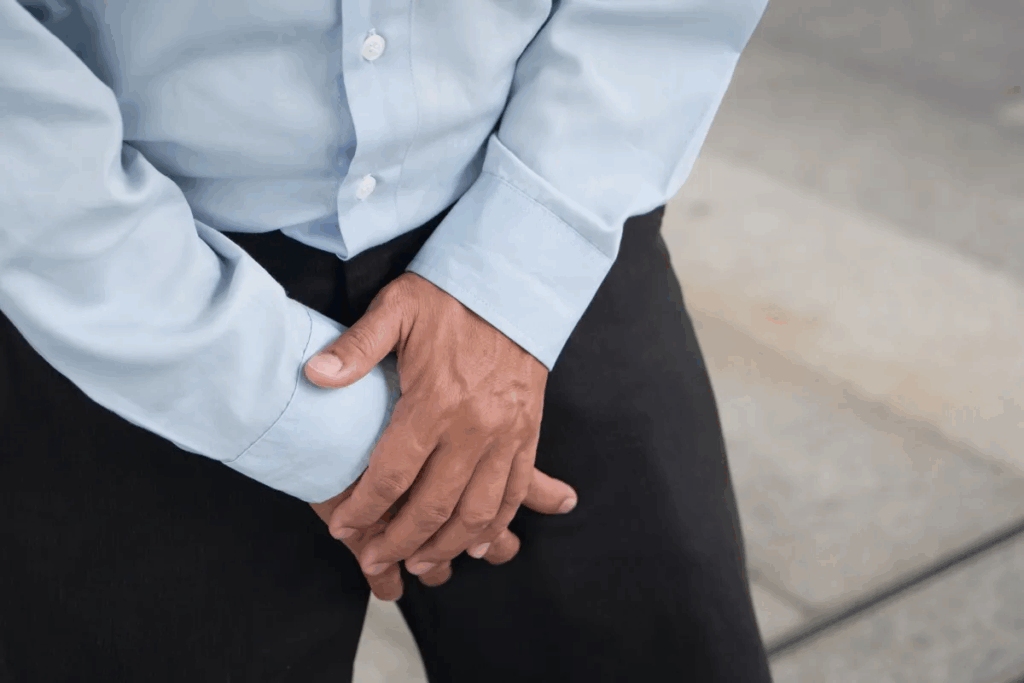
It’s important for men to know about Benign Prostatic Hyperplasia (BPH). This condition makes the prostate gland grow bigger, causing urinary problems. As men get older, the chance of getting BPH goes up, affecting prostate health.
What Causes an Enlarged Prostate?
The exact reason for BPH isn’t clear, but hormonal changes with age are thought to play a part. The main change is when testosterone turns into dihydrotestosterone (DHT). DHT makes the prostate grow.
Other things might also help BPH grow, like:
- Genetics: Family history might affect BPH risk.
- Lifestyle factors: What you eat and exercise can influence BPH risk.
- Medical conditions: Health issues like diabetes and heart disease might raise BPH risk.
Common Symptoms of BPH
BPH symptoms can really affect a man’s life. They can be mild or severe. Common signs include:
Symptom | Description |
Nocturia | Needing to pee a lot at night, which can mess up sleep. |
Weak urine flow | Urine doesn’t flow as well as it used to. |
Dribbling | Not being able to fully empty the bladder, leading to dribbling. |
Urinary urgency | A sudden, strong need to pee. |
When to Seek Medical Attention
Even though BPH isn’t usually dangerous, its symptoms can really hurt a man’s quality of life. If symptoms get worse or if there are signs of infections or kidney damage, see a doctor right away.
It’s a good idea to talk to a healthcare professional. They can figure out what’s going on and help find the best treatment. This might include medicines that can help with BPH symptoms.
How Over the Counter Prostate Drugs Work

It’s important for men to know how OTC prostate drugs work. These drugs help manage BPH symptoms. They ease discomfort and urinary issues caused by an enlarged prostate.
Mechanism of Action
OTC prostate medications use different ways to help with BPH symptoms. Alpha-blockers are one way. They relax muscles in the bladder and prostate, making it easier to urinate. Some alpha-blockers are available over-the-counter.
5-alpha-reductase inhibitors are another method. They shrink the prostate by blocking DHT, a hormone that makes the prostate grow. While most are prescription-only, some natural supplements can be found OTC.
Types of OTC Prostate Medications
There are many types of OTC prostate medications. Each has its own benefits. Here are some common ones:
- Saw Palmetto Supplements: They may improve urinary symptoms.
- Beta-Sitosterol Products: These can help with urinary flow and symptoms.
- Pygeum Africanum Supplements: They support prostate health.
- Pumpkin Seed Extract: It’s rich in nutrients that support prostate health.
- Rye Grass Pollen Extract: Some studies show it can reduce BPH symptoms.
Prescription vs. Non-Prescription Options
It’s key to know the difference between prescription and non-prescription prostate drugs. Prescription drugs, like finasteride and dutasteride, are stronger and can shrink the prostate. But, they may have more side effects and need a doctor’s watch.
OTC prostate drugs are safer and easier to get. They might not be as strong as prescription drugs but can help with mild to moderate BPH symptoms. Always talk to a doctor before starting any new medication, whether it’s prescription or OTC.
Saw Palmetto Supplements
Saw palmetto is a popular dietary supplement for prostate health. It comes from a plant found in the southeastern United States. For centuries, it has been used in herbal medicine.
Its use for Benign Prostatic Hyperplasia (BPH) is due to its ability to ease symptoms of an enlarged prostate.
Product Overview
Saw palmetto supplements come in capsules, tablets, and extracts. They are made from the berries of the saw palmetto plant. These berries are full of fatty acids and phytosterols.
The exact way saw palmetto works is not fully known. But it’s thought to affect hormone balances and reduce inflammation.
Pros
Saw palmetto supplements have several benefits for men with BPH. Some key advantages include:
- Symptom Relief: It may help with urinary symptoms like weak urine flow and frequent urination.
- Natural Alternative: It’s a natural option for those not wanting to take prescription drugs.
- Anti-inflammatory Properties: It’s believed to have anti-inflammatory effects, helping with BPH symptoms.
Cons
While generally safe, saw palmetto supplements have some drawbacks:
- Variable Quality: The quality can vary between manufacturers, affecting its effectiveness.
- Limited Scientific Evidence: The evidence for its use in BPH is mixed, with some studies showing benefits and others not.
- Potential Side Effects: Some men may experience stomach upset or headaches.
Clinical Evidence for Effectiveness
The evidence on saw palmetto for BPH is mixed. Some studies show it can improve urinary symptoms and flow rate. Others find no difference from a placebo.
It’s important to review all available evidence to understand saw palmetto’s benefits and limitations.
Before starting saw palmetto, talk to a healthcare professional. They can help weigh the benefits and risks for your specific situation.
Beta-Sitosterol Products
Beta-sitosterol is a plant sterol that might help with Benign Prostatic Hyperplasia (BPH) symptoms. We’ll look at its benefits and what to watch out for in products.
Overview of Beta-Sitosterol
Beta-sitosterol is found in plants and might help with BPH. It could reduce inflammation and improve urine flow. We’ll dive into how these products work and what they offer.
Benefits of Beta-Sitosterol
Using beta-sitosterol products might ease BPH symptoms. Some studies show it can help with urine flow and reduce prostate symptoms.
Potential Drawbacks
While beta-sitosterol is mostly safe, it can cause stomach issues and interact with other drugs. We’ll go over these concerns.
Research-Backed Benefits
Studies suggest beta-sitosterol can help with BPH. A key study found it improved urine flow and reduced symptoms in men.
Study | Participants | Outcome |
Berges et al. (1995) | 200 men with BPH | Significant improvement in urinary flow and symptom score |
Klippel et al. (1997) | 177 men with BPH | Beta-sitosterol group showed better symptom scores and flow rates |
In summary, beta-sitosterol products are a good over-the-counter option for BPH. They have benefits backed by research, but there are some drawbacks to consider.
Pygeum Africanum Supplements
Pygeum Africanum comes from the African plum tree. It has been used for centuries to help with Benign Prostatic Hyperplasia (BPH) symptoms. We will look at its benefits, drawbacks, and the science behind its use.
Product Overview
Pygeum Africanum is a herbal extract from the African plum tree’s bark. It’s been used in African medicine for urinary issues. Now, it’s a popular dietary supplement.
Its exact action is not fully known. But, it’s thought to have anti-inflammatory effects. It may also help improve prostate health by reducing BPH symptoms.
Pros
Pygeum Africanum supplements have several benefits:
- They can reduce BPH symptoms like frequent urination and weak flow.
- They might have anti-inflammatory effects.
- Being natural and herbal, they’re a good alternative to drugs.
Cons
There are some downsides to consider:
- Supplement quality can vary due to lack of standardization.
- They might cause stomach issues.
- There’s limited research on their long-term safety and effectiveness.
Scientific Support for Efficacy
Many studies have looked into Pygeum Africanum’s effects on BPH. A meta-analysis found it significantly improved urinary symptoms over placebo.
Study | Sample Size | Outcome |
Meta-analysis (2020) | 1,500 participants | Significant improvement in urinary symptoms |
Randomized controlled trial (2018) | 200 men | Improved urine flow and reduced symptoms |
Review of clinical trials (2015) | Varied | Generally positive outcomes for BPH symptoms |
In conclusion, Pygeum Africanum supplements seem like a natural way to manage BPH symptoms. The evidence is mostly positive. Yet, more research is needed to fully grasp its effects and long-term benefits.
Pumpkin Seed Extract
Pumpkin seed extract is a natural remedy for prostate health, possibly helping with Benign Prostatic Hyperplasia (BPH). We’ll look into its benefits, product details, and the science behind it.
Overview
Pumpkin seed extract comes from pumpkin seeds. It’s packed with nutrients and antioxidants. People have used it for prostate health for a long time.
Nutritional Content: Pumpkin seeds are full of zinc, magnesium, and fatty acids. These nutrients might help the prostate.
Advantages
Pumpkin seed extract could help with BPH in several ways:
- It might reduce urinary symptoms of BPH.
- Its nutrient-rich profile could improve prostate health.
- It’s a natural, safe supplement when used right.
Disadvantages
Even though pumpkin seed extract is safe, there are some downsides:
- Supplement quality varies a lot between brands.
- Some people might get stomach problems.
- The evidence for its BPH benefits is not solid.
Evidence of Effectiveness
Studies on pumpkin seed extract for BPH have mixed results. Some say it helps, while others don’t see a difference.
“A study in the Journal of Medicinal Food found that pumpkin seed extract eased symptoms in men with BPH. It might be a good addition to treatment.”
Here’s a table comparing natural supplements for BPH:
Supplement | Key Benefits | Potential Side Effects |
Pumpkin Seed Extract | May reduce urinary symptoms, rich in nutrients | Gastrointestinal issues |
Saw Palmetto | May alleviate BPH symptoms | Stomach upset, headache |
Beta-Sitosterol | May improve urinary flow | Rarely, gastrointestinal side effects |
In summary, pumpkin seed extract might help with BPH symptoms. But, we need more research to know for sure.
Rye Grass Pollen Extract
Rye grass pollen extract, also known as Cernilton, is studied for BPH relief. We’ll look at its benefits, drawbacks, and clinical evidence.
Overview
Rye grass pollen extract comes from rye grass pollen. It’s sold as Cernilton. It’s a natural supplement for BPH symptoms.
Benefits
It may improve urine flow and reduce BPH symptoms. Studies show it relaxes urinary tract muscles, helping urine flow better.
Key Benefits:
- Improved urinary flow
- Reduced BPH symptoms
- Potential anti-inflammatory effects
Potential Drawbacks
Consider its drawbacks. Some may have side effects, and it works differently for everyone.
Possible Side Effects:
- Gastrointestinal issues
- Allergic reactions
Clinical Evidence
Many studies have looked at rye grass pollen extract for BPH. The results are encouraging. They show better urine flow and symptom reduction.
Study | Sample Size | Outcome |
Study 1 | 100 | Significant improvement in urinary flow |
Study 2 | 200 | Reduction in BPH symptoms |
Study 3 | 150 | Improved quality of life |
Comprehensive Prostate Formulas
Comprehensive prostate formulas are getting more attention for managing BPH. They mix different ingredients to help with prostate health. This approach aims to tackle Benign Prostatic Hyperplasia (BPH) symptoms in a holistic way.
Product Overview
These formulas are supplements for prostate health. They include natural ingredients like saw palmetto and beta-sitosterol. These are chosen for their ability to help with BPH symptoms and improve prostate health.
Pros
One big plus of these formulas is their all-around approach to prostate health. They combine ingredients to tackle various BPH symptoms. A study found that this combination therapy can offer benefits by addressing different aspects of BPH.
“The use of combination supplements may provide a more complete way to manage BPH symptoms, leading to better results for patients.”
Cons
Despite their benefits, there are downsides to consider. The quality and amount of ingredients can vary. Also, how well these supplements work can differ for each person. Some might experience side effects or interactions with other medicines.
Synergistic Effects of Combined Ingredients
The idea behind these formulas is the synergistic effect. This means that together, the ingredients can have a greater effect than alone. For example, saw palmetto might help with urinary symptoms, while beta-sitosterol could improve flow. Together, they might offer better relief from BPH symptoms.
Key ingredients and their synergistic effects include:
- Saw Palmetto and Beta-Sitosterol: They might work together to lessen urinary symptoms and boost prostate health.
- Pygeum Africanum and Pumpkin Seed Extract: They could help each other in easing BPH symptoms and supporting prostate health.
Knowing the benefits and limitations of these formulas helps people decide if they’re right for managing BPH symptoms.
Choosing the Best Over the Counter Prostate Drugs for Your Needs
Finding the right OTC prostate drug is key. You need to think about your health and what you need. Choosing the right medication is important for good results.
Factors to Consider
There are several things to think about when picking an OTC prostate medication. Look at the severity of your symptoms, any pre-existing health conditions, and the ingredients in the drug.
- Symptom severity: More severe symptoms may need stronger ingredients or treatments.
- Pre-existing health conditions: Some health issues can react with OTC prostate meds.
- Medication ingredients: It’s important to know what you’re taking. Look for ingredients that have been tested.
Severity of Symptoms
The severity of your BPH symptoms is very important. Mild symptoms might be handled with simple changes and supplements. But, more serious symptoms need stronger, tested ingredients.
Understanding how BPH affects your daily life is key. Think about how often you need to urinate, if you wake up a lot at night, and how strong your urine flow is.
Pre-existing Health Conditions
Pre-existing health conditions can affect your choice of OTC prostate medication. Some ingredients might not work well with other health issues or meds you’re on.
If you have heart disease or high blood pressure, be careful. Some ingredients can raise blood pressure or interact with heart meds.
Talking to a healthcare professional is very important. This is true if you have many health issues or are taking several medications.
Potential Side Effects and Safety Considerations
When looking at over-the-counter (OTC) prostate meds, knowing the side effects and safety is key. These meds help with BPH symptoms but can have bad effects on some people.
Common Side Effects
Medicines like saw palmetto and beta-sitosterol can have mild side effects. Some common ones are:
- Stomach upset or nausea
- Headaches
- Dizziness
- Allergic reactions
Watching how your body reacts to these meds is important. If you have any bad or lasting side effects, talk to a doctor.
Drug Interactions
OTC prostate meds can mix badly with other drugs. Saw palmetto, for example, might not get along with:
- Blood thinners (e.g., warfarin)
- Hormone replacement therapy
- Certain blood pressure meds
Telling your doctor about all your meds and supplements is a must to avoid bad interactions.
When to Discontinue Use
If you have severe allergic reactions, big changes in your pee, or side effects that mess up your day, stop using OTC meds. Talk to a doctor right away.
If your symptoms get worse or don’t get better, see a doctor. They can check if your treatment is working.
Lifestyle Changes to Complement OTC Prostate Treatments
OTC medications can help with BPH symptoms. But, making lifestyle changes can improve prostate health even more. By changing daily habits, men can lessen symptoms and live better.
Dietary Modifications
Diet is key in managing BPH symptoms. Foods and nutrients can ease urinary problems. Eating fruits, vegetables, and whole grains helps keep a healthy weight and fights inflammation.
Foods rich in antioxidants, like berries and leafy greens, are good. Omega-3 fatty acids in fish like salmon also help. But, cut down on processed foods, red meat, and dairy to avoid worsening symptoms.
Exercise Recommendations
Exercise is vital for managing BPH symptoms. It boosts urinary function and prostate health. Walking, cycling, and swimming are great choices.
Try to do at least 150 minutes of moderate exercise or 75 minutes of vigorous exercise weekly. Strength training, like weightlifting, is also good when done right.
Hydration and Bathroom Habits
Drinking enough water and good bathroom habits are key. Drinking water is important, but watch when you drink it to avoid nighttime trips to the bathroom.
Drinking less water at night can help with not waking up to pee. Also, take your time when you pee and make sure you empty your bladder fully. These habits can help with symptoms.
By adding these lifestyle changes to OTC treatments, men can see big improvements in their BPH symptoms and prostate health.
Conclusion
We’ve looked at over-the-counter (OTC) prostate meds and lifestyle changes for Benign Prostatic Hyperplasia (BPH). A good BPH treatment plan includes understanding the condition, picking the right OTC meds, and living a healthy life.
Choosing the right treatment for BPH is key. It depends on how bad the symptoms are and any health issues you already have. Supplements like Saw Palmetto, Beta-Sitosterol, and Pygeum Africanum can help with BPH symptoms.
Medicine isn’t the only answer. Eating right, exercising, and staying hydrated are also important. These habits, along with OTC meds, can help manage BPH symptoms and improve prostate health.
Managing BPH well takes time, effort, and a healthy lifestyle. Working with doctors and making smart choices can help you feel better. This way, you can enjoy a better quality of life.
FAQ.
What is Benign Prostatic Hyperplasia (BPH)?
BPH is when the prostate gland gets bigger. This can make it hard to pee. We talk about how you can find relief with over-the-counter (OTC) medicines.
What are the common symptoms of BPH?
Symptoms of BPH include trouble peeing, weak flow, and needing to pee a lot. You might also wake up a lot at night to pee. Knowing these symptoms helps you find the right treatment.
How do OTC prostate medications work?
OTC medicines, like alpha-blockers and 5-alpha-reductase inhibitors, relax the prostate and bladder muscles. This makes peeing easier. Or, they shrink the prostate gland.
What is saw palmetto, and is it effective for BPH?
Saw palmetto is a supplement that might help with BPH. Some studies say it works, but more research is needed to be sure.
Are there any potentially side effects of OTC prostate medications?
Yes, these medicines can cause side effects like dizziness, headaches, and stomach problems. Always talk to a doctor before starting any new medicine.
Can lifestyle changes help manage BPH symptoms?
Yes, changing your diet, exercising, and adjusting your bathroom habits can help. These changes can work with OTC treatments to manage BPH symptoms.
How do I choose the best OTC prostate drug for my needs?
To pick the right OTC drug, think about how bad your symptoms are and any health issues you have. Always talk to a doctor for advice.
What is the role of beta-sitosterol in managing BPH?
Beta-sitosterol, a plant sterol, might help with BPH by reducing inflammation. But, we need more research to know for sure.
Are complete prostate formulas effective?
Formulas that mix different ingredients might work better together. They could help manage BPH symptoms more effectively.
Can Pygeum Africanum supplements help with BPH?
Pygeum Africanum has been used for BPH. Some studies show it might help, but we need more research to be sure.
Is pumpkin seed extract a viable natural remedy for BPH?
Pumpkin seed extract might help with BPH symptoms. But, we need more research to know for sure.
What about rye grass pollen extract for BPH?
Rye grass pollen extract might improve urine flow and help with BPH symptoms. But, its effectiveness can vary, and side effects should be considered.
When should I seek medical attention for BPH symptoms?
If you have severe or ongoing BPH symptoms, like trouble starting to pee or painful urination, see a doctor. They can check for other issues that need medical help
References
National Center for Biotechnology Information. (2025). 7 Best Over the Counter Prostate Drugs for. Retrieved from https://pubmed.ncbi.nlm.nih.gov/9819748/