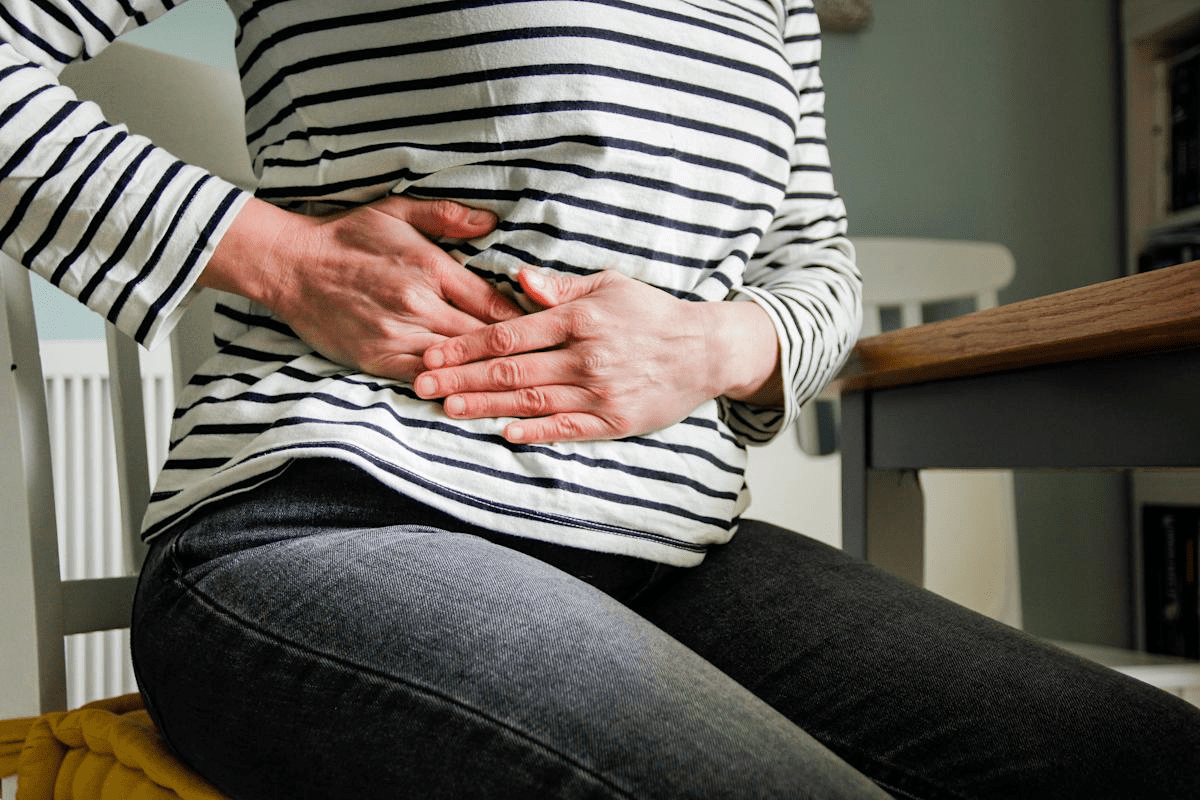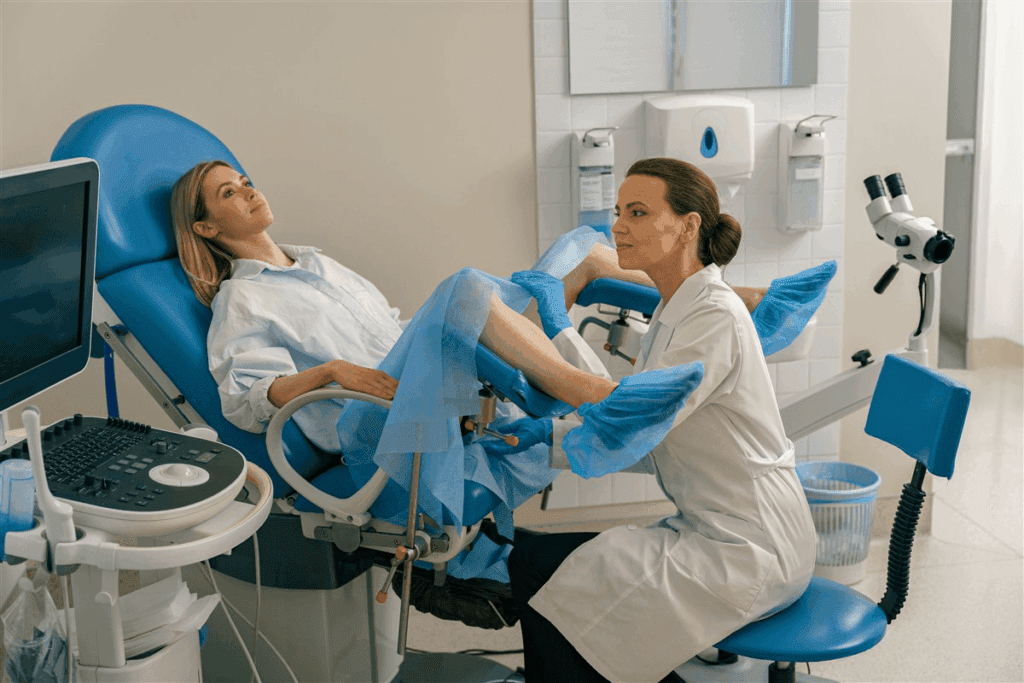
Many women feel pain in their lower abdomen after intercourse. This is more common than you might think. It’s called dyspareunia and can be mild or very severe. At Liv Hospital, we take these sensitive issues seriously. We offer detailed tests and treatments to help pain after sex in uterus.
About 75% of women experience post-coital pain at some time. This pain can come from many reasons, like health issues or other problems. Knowing why you have lower abdominal pain after sex is key to fixing it.
Key Takeaways
- Lower abdominal pain after sex is a common issue affecting many women.
- The discomfort can range from mild to severe and is not considered normal.
- Various factors contribute to this condition, including physiological and pathological conditions.
- Understanding the underlying causes is important for effective treatment.
- Seeking medical attention is important for addressing severe or persistent pain.
Understanding Lower Abdominal Pain After Sexual Intercourse

Pain in the lower abdomen after sex is a symptom that needs to be looked into. It’s important to find out why it happens and how to handle it. Feeling this pain can be upsetting, and knowing what might cause it is key.
Common Symptoms and Sensations
After sex, people might feel dull, cramping, or sharp pain in their lower abdomen. The pain can range from mild to very severe. It might stay the same or change over time. Understanding these symptoms is important for figuring out the cause.
Some people might feel pain during sex, which can lead to pain later. Others might not feel anything during sex but then get pain afterward. The type and how bad the pain is can help figure out what’s causing it.
Differentiating Between Normal Discomfort and Concerning Pain
Not all pain after sex is a big deal. Mild discomfort can sometimes be from being very active during sex or other minor reasons. But, it’s important to tell normal discomfort from pain that might mean there’s a health problem.
Pain that’s serious is usually very bad, lasts a long time, or comes with other symptoms like bleeding, fever, or unusual discharge. Knowing these signs is important for knowing when to see a doctor.
We will keep looking into why lower abdominal pain after sex happens in the next parts. We aim to give a full understanding of this complex issue.
Pain After Sex in Uterus: Common Causes and Mechanisms

Pain in the uterus after sex can come from many reasons. Knowing these reasons is key to finding the right treatment.
Physiological vs. Pathological Causes
Physiological causes are about normal body functions or short-term issues. For example, intense sex can sometimes cause discomfort or cramping. But, pathological causes point to serious health problems that need attention.
Conditions like Pelvic Inflammatory Disease (PID), uterine fibroids, ovarian cysts, and endometriosis are examples of pathological causes. These can cause inflammation, scarring, or structural problems leading to pain during or after sex.
Temporary vs. Chronic Pain Patterns
It’s important to tell temporary pain from chronic pain. Temporary pain might go away on its own or with a little help. But, chronic pain lasts longer and could mean a serious problem.
The table below shows the main differences between temporary and chronic pain:
Characteristics | Temporary Pain | Chronic Pain |
Duration | Short-term, resolves quickly | Long-term, persists over time |
Causes | Often related to vigorous sex, minor infections | Associated with chronic conditions like endometriosis, fibroids |
Impact | Minimal impact on daily life | Significant impact on daily life and well-being |
Knowing if the pain is temporary or chronic is important. It helps decide what steps to take next. Always talk to a healthcare professional for a proper check-up and care.
Urinary Tract Infections (UTIs) and Post-Coital Pain
Urinary tract infections (UTIs) often cause discomfort after sex. They lead to pain and other urinary symptoms. UTIs happen when bacteria get into the urinary tract. Sexual activity can introduce bacteria, which is more common in women because of their shorter urethra.
Development of UTIs After Sexual Activity
Sex can increase UTI risk by bringing bacteria into the urinary tract. The friction during sex can push bacteria into the urethra. Certain sexual practices and positions can also raise this risk.
While UTIs are more common in women, men can get them too. Anatomical differences, hygiene, and health conditions can affect UTI risk after sex.
Symptoms Specific to UTI-Related Pain
UTI pain can show up in different ways, including:
- A burning sensation during urination
- Frequent or intense urges to urinate
- Lower abdominal pain or discomfort
- Pain during sexual intercourse
- Abnormal urine appearance or odor
Prevention and Treatment Strategies for UTIs
Preventing UTIs requires good hygiene, lifestyle changes, and sometimes medical help. Here are some ways to prevent them:
Prevention Strategy | Description |
Hydration | Drinking plenty of water to flush out bacteria |
Urination After Sex | Helps to expel bacteria introduced during intercourse |
Proper Hygiene | Wiping from front to back to prevent bacterial spread |
Cranberry Products | May help prevent bacterial adhesion in the urinary tract |
Treatment usually involves antibiotics from a healthcare provider. It’s key to finish the antibiotics to clear the infection.
For personalized advice on managing UTIs and post-coital pain, consult a healthcare professional.
Pelvic Inflammatory Disease (PID) as a Serious Cause
Pelvic Inflammatory Disease (PID) is a serious cause of lower abdominal pain after sex. It’s an infection that affects the female reproductive organs. PID is usually caused by bacteria from sexually transmitted infections (STIs) like gonorrhea and chlamydia.
Connection Between STIs and PID Development
STIs are closely linked to PID. If these infections are not treated, they can spread. This leads to inflammation and infection of the reproductive organs. It’s vital to understand that PID can result from untreated STIs, making timely diagnosis and treatment essential.
Recognizing PID Symptoms Beyond Post-Coital Pain
PID can cause more than just pain after sex. Other symptoms include:
- Abnormal vaginal discharge
- Prolonged or heavy menstrual bleeding
- Fever and chills
- Pain during urination
- General pelvic discomfort or pain during activities other than sex
Recognizing these symptoms is key for early diagnosis and treatment.
Treatment Options and Long-Term Health Considerations
Treatment for PID usually involves antibiotics to fight the bacterial infection. Prompt treatment is vital to prevent long-term complications such as infertility, chronic pelvic pain, and increased risk of ectopic pregnancy.
Treatment Aspect | Description | Importance |
Antibiotic Therapy | Use of antibiotics to treat the bacterial infection | High |
Follow-Up Care | Follow-up appointments to ensure the infection is fully cleared | High |
Partner Treatment | Treatment of sexual partners to prevent reinfection | High |
Understanding treatment options and long-term health considerations is important. It helps individuals seek timely medical care. This reduces the risk of complications associated with PID.
Uterine Fibroids and Their Impact on Sexual Comfort
Uterine fibroids can greatly affect a woman’s life, including her sex life. They cause pain during and after sex. These growths are noncancerous and common in women of childbearing age.
Causes of Pain During and After Intercourse
Uterine fibroids can lead to pain during and after sex. The size, location, and number of fibroids play a big role. Large or fibroids near the uterine cavity can cause more pain.
Key factors contributing to pain include:
- Mechanical pressure on the uterine walls and surrounding tissues
- Inflammation or irritation of the uterine lining
- Alterations in uterine contractions during orgasm
Diagnostic Approaches for Fibroids
Diagnosing uterine fibroids involves several steps. A pelvic examination is often the first step. Imaging studies like ultrasound and MRI help confirm the diagnosis and assess the fibroids’ size and location.
Here’s an overview of diagnostic approaches:
Diagnostic Method | Description | Advantages |
Pelvic Examination | Manual examination to feel the uterus and detect abnormalities | Quick, non-invasive, and cost-effective |
Ultrasound | Imaging technique using sound waves to visualize the uterus and fibroids | Widely available, relatively inexpensive, and safe |
MRI | Detailed imaging using magnetic fields to assess fibroid size, location, and number | Highly accurate, useful for planning treatment |
Management and Treatment Options
Treatment for uterine fibroids varies based on several factors. These include the size and location of the fibroids, symptoms, and reproductive plans. Options range from pain relief medications and hormonal therapies to surgical removal of fibroids or hysterectomy in some cases.
Treatment choices are influenced by:
- The severity of symptoms
- Desire for future fertility
- Size and location of fibroids
Dealing with uterine fibroids and their impact on sex can be tough. It’s important to talk to a healthcare provider to find the best treatment for you.
Endometriosis: A Common Culprit for Severe Lower Abdominal Pain
Many people face severe lower abdominal pain after sex due to endometriosis. This chronic condition causes tissue like the uterus lining to grow outside the uterus. This leads to a lot of discomfort and pain.
Mechanisms of Pain
The pain from endometriosis comes from tissue growing outside the uterus. This tissue gets thick and bleeds with the menstrual cycle. This causes ongoing inflammation and pain.
Sex can make this pain worse because of the pressure and friction. Medical Expert, a leading gynecologist, says endometriosis is more than just pain. It affects many parts of a person’s life, including their sex life.
Diagnostic Challenges
Finding out if someone has endometriosis can be hard. Symptoms are not specific and can look like other conditions. Doctors usually need laparoscopic surgery to see the problem clearly. But, they are looking for easier ways to diagnose.
A study found that diagnosing endometriosis is often late. This is because symptoms don’t always match the disease’s severity. Better ways to diagnose are needed to help people sooner.
Treatment and Pain Management
There are several ways to treat endometriosis. These include hormonal therapies, pain relief medicines, and surgery. The right treatment depends on how bad the symptoms are and what the person wants for their future.
- Hormonal treatments to reduce menstrual bleeding and pain
- Pain relief medications, including NSAIDs and other analgesics
- Lifestyle changes, such as dietary adjustments and stress management
- Surgical options, including laparoscopic surgery to remove endometrial implants
Knowing how endometriosis causes pain and what treatments are available helps people manage their symptoms. This can greatly improve their life quality.
Other Gynecological Conditions That May Cause Discomfort
Many gynecological conditions can cause discomfort after sex. These issues often need medical help to feel better and avoid more problems.
Ovarian Cysts and Post-Coital Pain
Ovarian cysts are fluid-filled sacs on the ovaries. They can hurt during and after sex, if they burst or twist. Symptoms include sharp pain on one side of the lower abdomen, which gets worse with sex. We’ll look at how to diagnose and treat ovarian cysts to ease pain after sex.
“Ovarian cysts are common in women of childbearing age,” says Medical Expert, a gynecologist.
“While many cysts are harmless, they can be very painful, mainly if they’re big or burst during sex.”
Cervical Issues and Inflammation
Cervical problems, like cervicitis (inflammation of the cervix), can hurt during and after sex. This inflammation might be from infections, allergies, or irritants. Symptoms include abnormal vaginal discharge, painful sex, and bleeding after sex. We’ll talk about diagnosing and treating cervical issues.
- Cervicitis from infections needs antibiotics.
- Allergic reactions or irritants might mean avoiding certain products.
- In some cases, cauterization or other procedures may be needed.
Pelvic Floor Dysfunction
Pelvic floor dysfunction means the muscles in the pelvic floor can’t relax or work together, causing pain during and after sex. This can come from muscle damage, nerve problems, or mental factors. Treatment often includes physical therapy, relaxation methods, and sometimes medicine.
We know pelvic floor dysfunction can really affect a woman’s life. By understanding the causes and symptoms, we can help improve treatment and quality of life.
Non-Gynecological Causes of Lower Abdominal Pain After Sex
Lower abdominal pain after sex can come from many sources, not just gynecological ones. Other health issues can also cause discomfort. It’s important to know about these to get the right treatment.
Gastrointestinal Conditions
Gastrointestinal problems can lead to pain in the lower abdomen after sex. Issues like irritable bowel syndrome (IBS), inflammatory bowel disease (IBD), and infections can make things worse.
Here are some gastrointestinal conditions to look out for:
- Irritable Bowel Syndrome (IBS): It causes stomach pain, bloating, and changes in bowel movements.
- Inflammatory Bowel Disease (IBD): This includes Crohn’s disease and ulcerative colitis, causing long-term inflammation in the gut.
- Gastrointestinal infections: These can be bacterial, viral, or parasitic and cause stomach pain and discomfort.
Gastrointestinal Condition | Symptoms | Potential Impact on Sexual Activity |
Irritable Bowel Syndrome (IBS) | Abdominal pain, bloating, constipation or diarrhea | May cause discomfort during or after sex, depending on the position |
Inflammatory Bowel Disease (IBD) | Chronic diarrhea, abdominal pain, weight loss | Can make you feel tired and uncomfortable, affecting sex |
Gastrointestinal Infections | Abdominal pain, diarrhea, fever, nausea | May make you avoid sex because of discomfort or tiredness |
Musculoskeletal Factors
Musculoskeletal problems can also cause lower abdominal pain after sex. The physical act of sex can strain or make existing muscle issues worse.
Some musculoskeletal factors to consider include:
- Pelvic floor muscle tension or spasms
- Lower back pain or strain
- Abdominal muscle strain
Psychological Components of Pain
Psychological factors are also important in pain, including lower abdominal pain after sex. Conditions like anxiety, depression, and past trauma can affect how we feel pain.
Some psychological components to consider include:
- Anxiety or stress related to sex
- History of sexual trauma or abuse
- Depression or mood disorders
Dealing with these non-gynecological causes needs a team effort. Healthcare professionals like gastroenterologists, physical therapists, and mental health specialists are key. By understanding and addressing these factors, we can better support those with lower abdominal pain after sex.
Preventive Measures and Self-Care Strategies
To lower the chance of getting lower abdominal pain after sex, it’s key to take some steps. We’ll talk about ways to lessen discomfort. This includes what you do during sex, how you live your life, and talking with your partner.
Sexual Practices to Minimize Discomfort
Choosing comfortable sexual practices is important to avoid pain after sex. Pick positions that don’t put too much pressure on your lower belly. Also, avoid rough or vigorous sex.
- Try different positions to find what feels best for you and your partner.
- Use lubrication to cut down on friction and discomfort during sex.
- Make sure to have foreplay to get fully aroused and relaxed.
Sex experts say, “The key to comfortable sex is talking and understanding each other.”
“Comfortable sex is not just about the physical act; it’s about creating an environment where both partners feel safe and relaxed.”
Lifestyle Adjustments for Better Pelvic Health
Changing your lifestyle can greatly improve your pelvic health and lower the risk of pain after sex. Keep a healthy weight, practice good hygiene, and drink plenty of water.
Lifestyle Adjustment | Benefit |
Maintaining a healthy weight | Reduces pressure on the pelvic region |
Good hygiene practices | Decreases the risk of infections |
Staying hydrated | Helps maintain urinary tract health |
Communication With Partners About Pain
Talking openly with your partner about any pain or discomfort during or after sex is very important. It helps find out what’s causing it and how to fix it together.
Tips for effective communication:
- Be specific about the pain you’re feeling.
- Talk about what you’ve tried to make it better.
- Try new things together, like different positions or lubricants.
By using these preventive steps and self-care in your life, you can greatly lower the risk of lower abdominal pain after sex. This will also improve your overall sexual health.
Conclusion: When to Seek Medical Help and What to Expect
If you’re feeling persistent or severe pain in your lower abdomen after sex, you should get medical help. A doctor will check your symptoms, medical history, and do exams to find out why you’re in pain.
Knowing what might cause this pain, like infections or endometriosis, helps you understand your treatment choices. Your doctor might suggest antibiotics, pain relief, or surgery, based on what they find.
Getting medical help and looking into treatment options can help fix the pain’s cause. This improves your reproductive health. If you’re dealing with ongoing or severe pain, talk to your doctor right away.
FAQ
What are the common causes of lower abdominal pain after sex?
Lower abdominal pain after sex can stem from several sources. Gynecological issues like endometriosis, uterine fibroids, and ovarian cysts are common culprits. Pelvic inflammatory disease (PID) is another possible cause. Other factors include urinary tract infections (UTIs), gastrointestinal problems, musculoskeletal issues, and psychological factors.
How can I differentiate between normal discomfort and concerning pain after sex?
Normal discomfort after sex is usually mild and short-lived. Concerning pain, on the other hand, is severe, lasts longer, or comes with other symptoms like bleeding or fever. If you’re experiencing severe or ongoing pain, it’s critical to see a doctor.
Can UTIs cause lower abdominal pain after sex?
Yes, UTIs can lead to lower abdominal pain after sex. These infections happen when bacteria enter the urinary tract, often during sex. Symptoms include burning while urinating, frequent need to urinate, and abdominal discomfort.
What is PID, and how is it related to lower abdominal pain after sex?
PID is a serious infection of the reproductive organs, often caused by STIs. It can cause lower abdominal pain after sex, along with fever, vaginal discharge, and irregular periods.
Can endometriosis cause severe lower abdominal pain after sex?
Yes, endometriosis is a common cause of severe lower abdominal pain after sex. It occurs when tissue similar to the uterus lining grows outside the uterus, leading to inflammation, scarring, and pain.
How can I prevent lower abdominal pain after sex?
To prevent lower abdominal pain after sex, adopt comfortable sexual practices and maintain good pelvic health. Communicate with your partner about pain. Practicing safe sex and regular check-ups can also help prevent underlying conditions that may cause pain.
What are some self-care strategies for managing lower abdominal pain after sex?
Self-care strategies include using warm compresses, taking pain relievers, and practicing relaxation techniques like deep breathing or meditation. A healthy lifestyle, including a balanced diet and regular exercise, can also help alleviate symptoms.
When should I seek medical help for lower abdominal pain after sex?
Seek medical help if you have persistent or severe lower abdominal pain after sex, or if you experience other symptoms like bleeding, fever, or difficulty urinating. A healthcare provider can diagnose the cause and provide the right treatment.
What can I expect during a medical evaluation for lower abdominal pain after sex?
During a medical evaluation, a healthcare provider will perform a physical exam, take your medical history, and may order tests like ultrasound or laparoscopy. They will ask about your symptoms, sexual history, and medical history to find the cause of your pain.
Can non-gynecological conditions cause lower abdominal pain after sex?
Yes, non-gynecological conditions like gastrointestinal issues, musculoskeletal factors, and psychological components can also cause lower abdominal pain after sex. A thorough medical evaluation can help identify the cause.
How can I manage sharp pain in the lower abdomen after sex?
Managing sharp pain in the lower abdomen after sex involves identifying the cause and seeking appropriate treatment. This may include medical treatment, lifestyle changes, or self-care strategies. If the pain is severe or persistent, seek medical attention.
Can sore abdomen after sex be a sign of an underlying condition?
Yes, a sore abdomen after sex can be a sign of an underlying condition like endometriosis, uterine fibroids, or PID. If you’re experiencing persistent or severe soreness, it’s important to see a doctor to rule out any underlying conditions.
What are the treatment options for lower abdominal pain after sex?
Treatment options for lower abdominal pain after sex depend on the cause. They may include medical treatment, lifestyle adjustments, or self-care strategies. A healthcare provider can help determine the best treatment for your specific condition.
References
National Health Service (NHS). Evidence-Based Medical Guidance. Retrieved from https://www.nhs.uk/conditions/dyspareunia/