Last Updated on November 26, 2025 by Bilal Hasdemir

Cancer treatment is complex and tailored to each patient. For many, palliative chemotherapy is key. It helps ease symptoms and boost quality of life.
Deciding when to stop chemotherapy is a big decision. It depends on the patient’s health, treatment goals, and the risks and benefits. Palliative care aims to ease symptoms and stress from serious illnesses.
Choosing to keep or stop chemotherapy in palliative care varies. It’s based on the patient’s health and how they react to treatment.
Key Takeaways
- Understanding the role of palliative chemotherapy in cancer care.
- Factors influencing the decision to stop chemotherapy.
- The importance of palliative care in improving patient outcomes.
- Personalized treatment plans based on patient needs and health status.
- Relief from symptoms as a primary goal of palliative chemotherapy.
Understanding Chemotherapy in Cancer Treatment

Chemotherapy is a key part of cancer treatment. It uses drugs to kill cancer cells or stop them from growing. This helps in fighting cancer.
The Role of Chemotherapy in Fighting Cancer
Chemotherapy is very important in cancer treatment. It is a main treatment for some cancers. For others, it helps along with surgery or radiation therapy.
It targets cancer cells all over the body. This makes it great for treating cancers that have spread or could spread.
Curative vs. Non-Curative Treatment Goals
Chemotherapy has different goals. Curative chemotherapy aims to cure the cancer. It tries to get rid of the disease and help the patient live long-term.
Non-curative or palliative chemotherapy is different. It aims to control the cancer and improve life quality. This is when a cure is not possible.
| Treatment Goal | Description | Example |
| Curative | Aim is to cure the cancer | Adjuvant chemotherapy after surgery to eliminate remaining cancer cells |
| Non-Curative/Palliative | Focus on symptom management and quality of life | Palliative chemotherapy for stage 4 cancer to reduce pain and improve quality of life |
Choosing between curative and non-curative chemotherapy depends on many things. These include the cancer type and stage, the patient’s health, and their wishes. For stage 4 cancer patients, deciding if chemotherapy is worth it is tough. They must think about the benefits and the side effects on their life quality.
Palliative Chemotherapy: Definition and Purpose
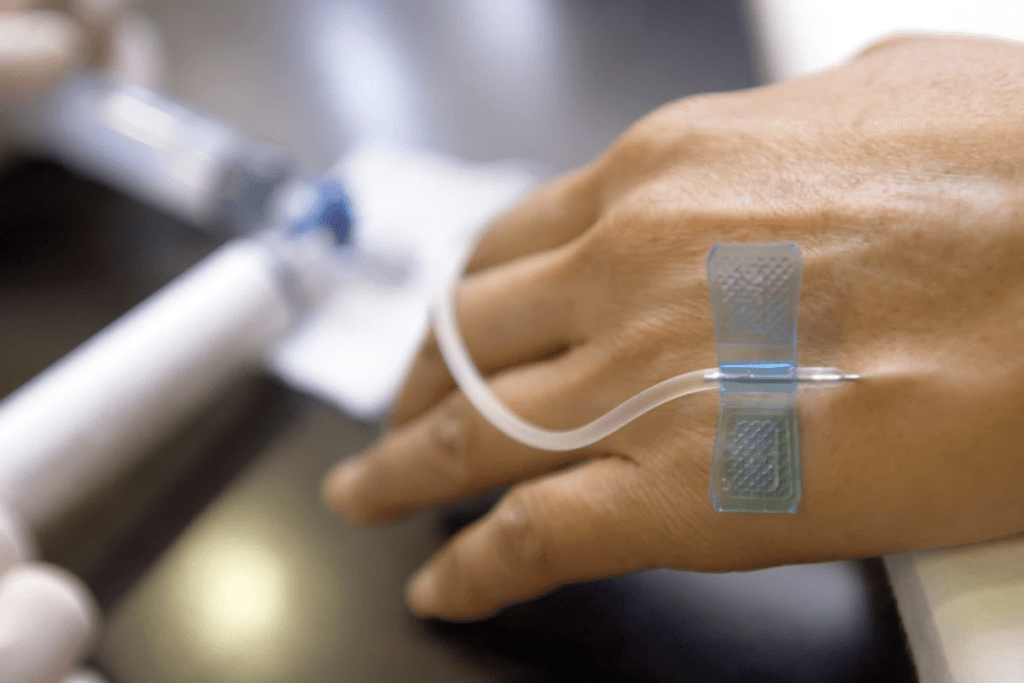
It’s important for patients with advanced cancer to know about palliative chemotherapy. This treatment helps ease symptoms, pain, and stress of cancer. It’s not meant to cure the disease.
What Defines Treatment as Palliative
Palliative chemotherapy aims to improve life quality for those with cancer that can’t be cured. It focuses on:
- Symptom management
- Pain relief
- Reducing cancer’s impact on the body
The main goal is to keep patients comfortable. This way, they can keep their dignity and function well.
How Palliative Chemotherapy Differs from Curative Treatment
Palliative chemotherapy is different from curative chemotherapy. Curative treatment tries to get rid of cancer. Palliative care, on the other hand, manages its effects. The main differences are:
- Treatment Goals: Curative treatment wants to remove cancer. Palliative care aims to ease symptoms.
- Patient Comfort: Palliative chemotherapy puts patient comfort first.
- Treatment Intensity: Palliative treatment’s intensity and frequency can change based on patient needs.
Knowing these differences helps patients and families understand cancer treatment better. They can make better choices about their care.
Goals of Palliative Chemotherapy
In cases of incurable cancer, palliative chemotherapy aims to improve patient comfort and quality of life. It focuses on easing symptoms, managing pain, and boosting overall well-being.
Symptom Management and Pain Relief
Palliative chemotherapy primarily focuses on easing symptoms such as pain, nausea, and fatigue, helping patients maintain daily comfort and dignity.It helps patients function daily and enjoy a better life. A leading oncologist notes,
“The primary goal of palliative chemotherapy is to provide relief from the symptoms and stress of a serious illness.”
Improving Quality of Life
This treatment greatly enhances the quality of life for cancer patients by easing symptoms and pain. It lets patients do things they love and stay independent. Improving quality of life means managing symptoms and also addressing emotional and psychological needs.
Potential Life Extension
In some cases, palliative chemotherapy can also extend life expectancy. It’s not about curing cancer but slowing its growth. This can lead to longer survival rates. Studies show that palliative chemotherapy survival rates depend on cancer type, patient health, and treatment response.
Knowing what helps cancer patients live longer is key in palliative care. Effective symptom management, pain relief, and quality of life are critical. Healthcare providers can offer complete care by focusing on these aspects, meeting the complex needs of cancer patients.
Key Factors That Trigger Stopping Chemotherapy
Deciding to stop chemotherapy is complex. It depends on how the disease is progressing and the patient’s health status. Doctors carefully look at these factors to decide what’s best for their patients.
Disease Progression Despite Treatment
One main reason to stop chemotherapy is if the disease keeps growing or spreading. Doctors use tests like imaging and lab work to check this.
Disease progression shows the treatment isn’t working. Continuing it might not help much and could cause more harm.
Severe or Unmanageable Side Effects
Severe or hard-to-handle side effects are another big factor. Chemotherapy can cause many side effects, some of which can really affect a person’s life.
If side effects become too hard to handle, doctors might stop chemotherapy. They do this to help the patient feel better. This decision is made with the patient’s input and what they can handle.
Declining Performance Status
A declining performance status is also important. This means the patient’s health and ability to do daily tasks are getting worse.
As cancer gets worse or treatment side effects increase, a patient’s performance status can drop. Doctors use scales like the Karnofsky Performance Status (KPS) or the Eastern Cooperative Oncology Group (ECOG) to check how well a patient can function.
| Factor | Description | Impact on Treatment Decision |
| Disease Progression | Cancer continues to grow or spread despite treatment | Indicates current treatment is not effective |
| Severe Side Effects | Side effects significantly impact quality of life | May lead to stopping treatment to improve patient well-being |
| Declining Performance Status | Patient’s overall health and ability to perform daily activities decline | Assessed using performance status scales to determine functional status |
It’s important for patients and their families to understand these factors. By looking at disease progression, side effects, and performance status, doctors can make the right call about stopping chemotherapy.
Medical Criteria for Discontinuing Chemotherapy
Stopping chemotherapy is based on several key medical factors. Doctors look at many criteria to decide when to stop treatment.
Tumor Response Assessment
How the tumor reacts to chemotherapy is a big factor. Doctors check if the tumor is getting smaller, staying the same, or growing.
Tumor response is checked with CT scans or MRI. The Response Evaluation Criteria in Solid Tumors (RECIST) is a common way to measure this.
| Tumor Response Category | Description |
| Complete Response | Disappearance of all target lesions |
| Partial Response | At least a 30% decrease in the sum of diameters of target lesions |
| Stable Disease | Neither sufficient shrinkage nor increase to qualify as partial response or progressive disease |
| Progressive Disease | At least a 20% increase in the sum of diameters of target lesions, or the appearance of new lesions |
Performance Status Scales
The patient’s performance status is also key. It shows how well they can do daily tasks. Doctors use scales like the Karnofsky Performance Status (KPS) or the Eastern Cooperative Oncology Group (ECOG) to measure this.
Organ Function Considerations
Organ function is another important factor. Chemotherapy can harm different organs. If an organ isn’t working well, treatment might need to stop.
Chemotherapy can affect the kidneys, liver, or bone marrow. Doctors use blood tests and other tools to keep an eye on organ function. This helps them make the right choices.
Quality of Life Considerations
Chemotherapy’s impact on quality of life is complex. It involves weighing the benefits against the burdens. As treatment goes on, it’s key to understand how it affects daily life.
Balancing Treatment Benefits and Burdens
Chemotherapy can shrink tumors, ease symptoms, and extend life. Yet, it also brings side effects, daily life challenges, and emotional stress. It’s vital to find a balance to protect the patient’s quality of life.
For example, some patients see a big improvement in pain relief, boosting their life quality. But, severe side effects might make the treatment’s benefits seem small, leading to a treatment plan change.
Impact of Chemotherapy on Daily Functioning
Chemotherapy can change a patient’s daily life a lot. It affects their ability to do everyday tasks, keep up with friends, and enjoy hobbies. How it impacts daily life is a big deal when judging treatment success.
Side effects like fatigue, nausea, and brain fog can make daily tasks hard. Patients might need to change their work schedule or get help from others. Knowing these challenges helps in giving better care.
Healthcare providers can aim to lessen chemotherapy’s effects on daily life. This way, they can improve the patient’s quality of life.
The Decision-Making Process
Deciding to stop chemotherapy is a complex process. It balances medical needs and what the patient wants.
The Oncologist’s Perspective
Oncologists are key in this decision. They use their knowledge to evaluate the patient’s health and treatment options.
Key factors considered by oncologists include:
- Disease progression despite chemotherapy
- Severe or unmanageable side effects
- Declining performance status
Patient and Family Involvement
Patients and their families are vital in this decision. They share their personal values and goals.
“The patient’s voice is critical in stopping chemotherapy. It’s not just about the medical facts, but what matters most to the patient.” –
Good communication is key. It helps ensure decisions are informed and reflect the patient’s wishes.
Shared Decision-Making Models
Shared decision-making models focus on teamwork. They involve healthcare providers, patients, and families. This way, decisions consider all aspects, including medical, emotional, and social.
Benefits of shared decision-making include:
- Increased patient satisfaction
- Better alignment with patient values and preferences
- Improved understanding of treatment options and outcomes
Whether oncologists tell patients about their life expectancy is complex. It depends on the patient’s condition and the oncologist’s communication style.
Timing of Chemotherapy Discontinuation
Deciding when to stop chemotherapy is key in cancer treatment. It’s a complex choice that looks at many factors. These include the cancer type, the patient’s health, and the treatment’s goals.
Chemotherapy uses drugs to kill cancer cells. The decision to stop it depends on if it’s working. This means shrinking tumors, easing symptoms, or improving life quality.
Early vs. Late Discontinuation
Chemotherapy might stop early if it’s not working or if side effects are too bad. It might also stop late if the disease gets worse despite treatment.
- Early Discontinuation: Stopping early might be needed if the cancer doesn’t respond or if side effects are too harsh.
- Late Discontinuation: Stopping late might happen if the disease gets worse, and more chemotherapy won’t help much.
Recognizing the Appropriate Time to Stop
Knowing when to stop chemotherapy is very important. It’s about checking how the patient is doing, the side effects, and their quality of life.
Some important factors for deciding when to stop include:
- Disease Progression: If the cancer keeps growing or spreading, it might be time to stop treatment.
- Severe Side Effects: If side effects are too severe, and quality of life is affected, stopping might be needed.
- Patient’s Overall Health: The patient’s health and well-being are key in deciding when to stop chemotherapy.
The final decision to stop chemotherapy should be made with the patient’s healthcare team. They consider the patient’s unique situation and needs.
Life Expectancy After Stopping Chemotherapy
Stopping chemotherapy is a big step in a patient’s journey. Life expectancy is a major concern. The decision to stop chemotherapy depends on many things. These include how well the treatment worked, the patient’s health, and if there are more benefits.
Variability in Prognosis
How long a patient lives after stopping chemotherapy can vary a lot. Many things affect this, like the cancer type and stage, the patient’s health, and how the cancer reacted to treatment.
Understanding this variability is key to managing expectations and making informed decisions about care. It’s important for patients and their families to talk to their healthcare provider. This way, they can get a better idea of what to expect.
Factors Affecting Survival Time
Several factors can affect how long a patient lives after stopping chemotherapy. These include:
- The type of cancer and its stage at diagnosis
- The patient’s overall health and presence of comorbidities
- The response to previous treatments, including chemotherapy
- The presence of any genetic mutations that could affect cancer behavior
Each patient’s situation is unique, and survival time can be influenced by a complex interplay of these factors.
| Factor | Description | Impact on Survival Time |
| Cancer Type and Stage | The type and stage of cancer at diagnosis play a significant role in determining prognosis. | Advanced stages generally have a poorer prognosis. |
| Overall Health | The presence of comorbidities and the patient’s overall health can affect survival. | Poor health can negatively impact survival time. |
| Response to Treatment | How well the cancer responded to chemotherapy is a critical factor. | A positive response can improve survival time. |
What Patients Can Expect
Patients who stop chemotherapy may face different outcomes. Some might start other treatments to manage symptoms and improve quality of life. Others might go into hospice care.
It’s essential for patients to have open and honest discussions with their healthcare providers about their expectations and the care options available to them. Knowing the goals of care and what to expect can help patients and their families during this tough time.
Life expectancy after stopping chemotherapy is complex and very individualized. By understanding the factors that influence prognosis and survival time, patients and their families can better navigate the challenges ahead.
Transitioning to End-of-Life Care
End-of-life care is a kind way to help those with serious illnesses. It focuses on easing symptoms, pain, and stress, not curing the disease.
Hospice and Palliative Care Services
Hospice and palliative care are key parts of end-of-life care. Hospice care is for those with a short time left, usually six months or less. It aims to make the patient’s life as comfortable and dignified as possible, with support for their body, mind, and spirit.
Palliative care, though, can start at any serious illness stage, not just the end. It helps manage symptoms, pain, and the illness’s emotional and social effects on the patient and their family.
- Symptom management and pain relief
- Emotional and spiritual support
- Assistance with daily living activities
- Support for family members and caregivers
Focus on Comfort and Dignity
Comfort and dignity are central to end-of-life care. Healthcare teams work hard to control symptoms, making sure patients are as comfortable as they can be. This includes managing pain, nausea, and other distressing symptoms.
Also, end-of-life care respects patients’ dignity by honoring their wishes. This might include talking about advance care plans, like living wills and do-not-resuscitate orders, to make sure care matches what the patient wants.
| Care Aspect | Description | Benefits |
| Symptom Management | Relief from symptoms such as pain, nausea, and shortness of breath | Improved comfort and quality of life |
| Emotional Support | Counseling and support for patients and their families | Reduced anxiety and depression |
| Spiritual Care | Support for spiritual needs and existential concerns | Enhanced sense of peace and closure |
Alternative Treatments When Chemotherapy Stops
When chemotherapy stops, patients can try different treatments to feel better. These treatments aim to improve life quality and manage symptoms after chemotherapy.
Symptom Management Approaches
Managing symptoms is key when chemotherapy ends. This includes strategies to reduce pain, nausea, and other symptoms. Medications and palliative care are important in this process.
- Pain management through medication and alternative methods like acupuncture
- Nausea control using antiemetic drugs and dietary adjustments
- Management of other symptoms such as fatigue, insomnia, and anxiety
Complementary Therapies
Complementary therapies can greatly improve a patient’s life. They are used alongside traditional treatments for a more holistic approach.
Some beneficial complementary therapies include:
- Mind-body therapies like meditation and yoga
- Physical therapies such as massage and physical activity
- Nutritional counseling to ensure optimal dietary intake
Clinical Trials and Experimental Options
Some patients might consider clinical trials or experimental treatments. These options offer new, innovative therapies not yet widely available.
Key considerations include:
- Understanding the benefits and risks of clinical trials
- Finding suitable clinical trials based on the patient’s condition and previous treatments
- Talking about the implications of experimental treatments with healthcare providers
Exploring these alternative treatments can help patients manage their condition better. It can also improve their quality of life after chemotherapy.
Emotional and Psychological Impact
When chemotherapy stops, it’s a big change. It brings both relief and worry about the future. This mix of feelings is common for many patients.
Coping with the End of Treatment
Ending chemotherapy is a complex mix of emotions. Patients might feel proud of finishing treatment but also scared of cancer coming back. It’s key for them and their families to find help.
Support Resources are very important. They help deal with the feelings after chemotherapy. Places like the American Cancer Society offer many services for cancer patients and their families.
Support Resources for Patients and Families
A strong support system is essential for those dealing with life after chemotherapy. This support can be from professional counselors to support groups. It helps a lot.
| Support Resource | Description | Benefits |
| Counseling Services | Professional guidance to address emotional and psychological needs | Helps patients cope with anxiety, depression, and other emotional challenges |
| Support Groups | Group sessions where patients and families can share experiences | Fosters a sense of community, reduces feelings of isolation |
| Online Resources | Websites, forums, and online communities providing information and support | Offers support and info from home |
Using these resources, patients and families can handle the emotional and psychological hurdles after chemotherapy. It’s about finding the right support to move forward.
Communication Between Doctors and Patients
Open and caring talk is key in the doctor-patient bond, more so when chemo fails. It’s vital for patients to know and feel supported during their treatment.
Breaking Difficult News
Oncologists must share tough news with patients, needing honesty and empathy. It’s important to be kind and considerate of the patient’s feelings. Effective communication helps patients deal with their situation better.
Doctors use different ways to share bad news. They might prepare patients, be clear yet gentle, and offer help to process the news.
Discussing Prognosis and Options
When chemo fails, talking about the future and choices is key. Doctors must be honest but also keep hope alive. They explain the situation, possible outcomes, and support available.
Patients need to know about their future and life quality. This helps them make choices, like moving to palliative or hospice care.
Addressing Questions and Concerns
Patients and families have many questions when chemo stops working. It’s important to answer these questions clearly. Oncologists and their teams should be ready to provide clear and concise answers, making patients feel understood.
Creating a space where questions are welcome helps reduce worry and uncertainty. It supports patients through this tough time.
Ethical Considerations in End-of-Treatment Decisions
Deciding to stop chemotherapy is a big ethical challenge. Doctors must think carefully about what’s best for their patients.
Balancing Hope and Realism
One big challenge is balancing hope and realism. Hope keeps patients going, but too much can cause suffering. Knowing if 30 rounds of chemo is a lot helps patients make choices.
Doctors need to talk clearly with patients. They must be honest about treatment outcomes but keep hope alive. It’s a tough job that needs empathy.
Respecting Patient Autonomy
Another key issue is respecting patient autonomy. Patients should decide their care, including stopping chemotherapy. They need to know all about their options.
Patients might ask about 20 rounds of chemo or 12 cycles of chemo. Doctors should give them all the facts to help them decide.
Cultural and Religious Factors
Cultural and religious factors are also important. Different beliefs about illness and treatment exist. Doctors must consider these when making decisions.
Some beliefs might make patients want more treatment or palliative care. Doctors should respect these views to care for patients better.
In summary, making end-of-treatment decisions is complex. Doctors must balance hope and realism, respect patient choices, and consider cultural and religious beliefs. This way, they can make decisions that are both informed and compassionate.
Conclusion
Knowing when oncologists stop chemo is key for cancer patients. Palliative chemotherapy helps manage symptoms and improves life quality. Stopping chemotherapy is a complex decision, based on disease progress, side effects, and how well a patient can function.
When patients finish chemotherapy, thinking about end-of-life care is important. Moving to hospice or palliative care can bring comfort and dignity. The last chemo session is a big milestone, and patients should know what to expect after it.
Cancer treatment is tailored to each patient. Deciding to stop chemotherapy should be a team effort with healthcare providers. Understanding palliative chemotherapy’s goals and what affects treatment choices helps patients make informed decisions about their care.
FAQ
What is palliative chemotherapy?
Palliative chemotherapy helps manage symptoms and improve life quality. It’s not aimed at curing cancer but can extend life.
Is palliative chemotherapy worth it for stage 4 cancer?
Deciding on palliative chemotherapy for stage 4 cancer involves many factors. These include the patient’s health, cancer type, and treatment benefits and drawbacks.
How long can you be on chemotherapy?
Chemotherapy time varies. It depends on the cancer type, treatment goals, and the patient’s health. It can last from months to years.
What happens when chemotherapy stops working?
If chemotherapy fails, the cancer is called refractory. Treatment goals then shift to managing symptoms and improving life quality.
How do oncologists decide when to stop chemotherapy?
Oncologists look at disease progression, severe side effects, and patient health when stopping chemotherapy.
What are the medical criteria for discontinuing chemotherapy?
Criteria for stopping chemotherapy include tumor response, performance status, and organ function checks.
How does chemotherapy impact quality of life?
Chemotherapy’s effects on life quality vary. It depends on treatment benefits and drawbacks and its impact on daily life.
What is the role of palliative care in cancer treatment?
Palliative care is key in managing symptoms, improving life quality, and supporting patients and families during treatment.
Can chemotherapy kill cancer?
Chemotherapy can kill cancer cells. Success depends on cancer type, treatment goals, and patient factors.
How often do you have chemotherapy?
Chemotherapy frequency varies. It depends on the treatment plan, from weekly to every three weeks or more.
Is 20 rounds of chemotherapy a lot?
The number of chemotherapy rounds considered “a lot” varies. It depends on the treatment context and patient factors. But 20 rounds is a significant amount.
Do oncologists tell you how long you have to live?
Oncologists may share life expectancy estimates. But this is a complex discussion. The accuracy of these predictions can vary.
What are the alternative treatments when chemotherapy stops working?
When chemotherapy fails, alternative treatments include symptom management, complementary therapies, and clinical trials. These can improve life quality.
How do patients cope with stopping chemotherapy?
Patients can cope by using support resources like counseling, support groups, and palliative care. These help with emotional and psychological challenges.
References
- World Health Organization (WHO). (2020). Palliative care. https://www.who.int/news-room/fact-sheets/detail/palliative-care