Last Updated on November 4, 2025 by mcelik
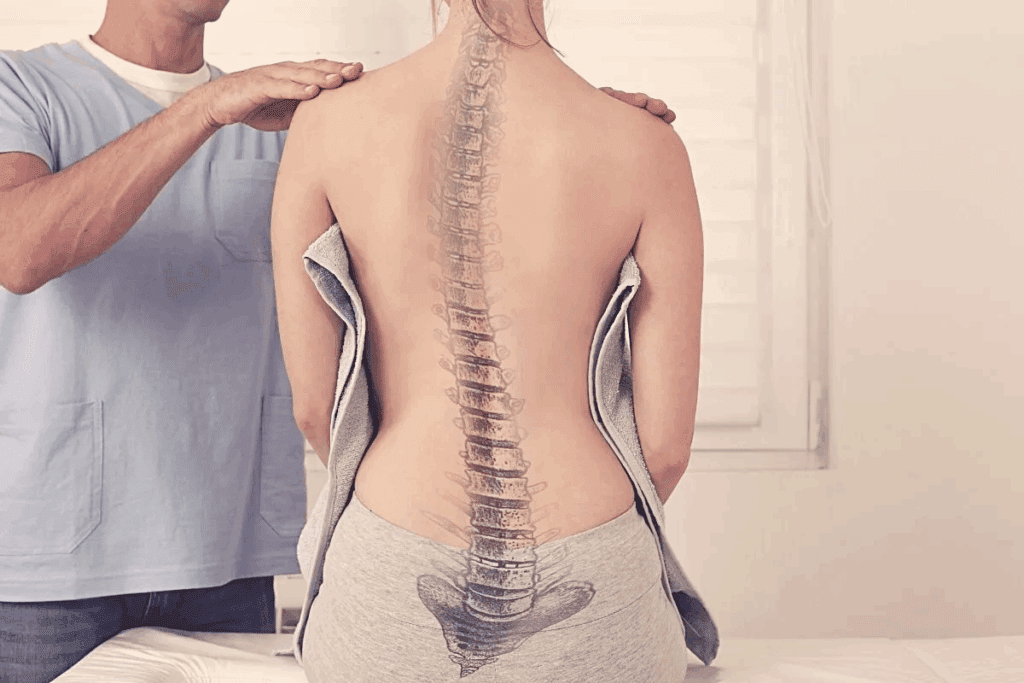
Understanding the paralysis risk in scoliosis surgery is crucial for anyone considering this complex spinal procedure. Scoliosis surgery carries significant risks, and while paralysis is rare, it remains one of the most serious potential complications.
Undergoing spinal surgery can feel overwhelming, and it’s natural to have concerns about the possible outcomes. At our institution, we are committed to providing world-class care and accurate medical information to help patients make informed decisions.
By learning about the paralysis risk in scoliosis surgery and other potential complications, patients and their families can better prepare for surgery and recovery. Our goal is to ensure every patient receives safe, personalized, and comprehensive spinal care.
Key Takeaways
- Understanding the risks associated with scoliosis surgery is key for making informed decisions.
- Scoliosis surgery is a complex procedure with possible complications, including paralysis.
- Comprehensive care and support are vital for dealing with spinal health complexities.
- Our institution is dedicated to providing top-notch healthcare information to international patients.
- Spinal surgery complications can have a big impact on patient outcomes.
Understanding Scoliosis and Surgical Intervention
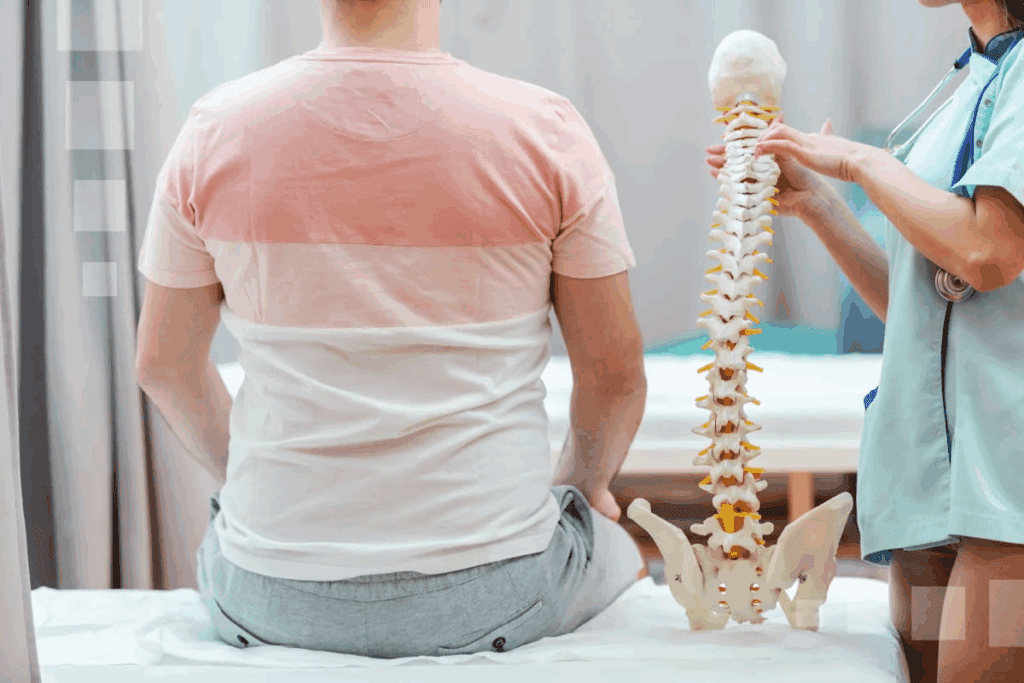
It’s important to know about scoliosis and surgery if you have this spinal condition. Scoliosis is a condition that causes the spine to curve abnormally, and while the degree of curvature can vary, surgery may be required in some cases to correct it.
What is Scoliosis and When is Surgery Necessary?
Scoliosis often starts in teens but can also happen in adults. It can be mild or severe. Surgery is usually needed when the curve is over 45-50 degrees.
Doctors decide on surgery based on many things. They look at how healthy you are, how much your spine curves, and if you have pain or other problems. They use X-rays and MRI scans to check this.
| Curvature Degree | Typical Treatment Approach | Potential Complications |
| Less than 20 degrees | Observation, physical therapy | Progression of curvature |
| 20-40 degrees | Bracing, physical therapy | Discomfort, skin issues due to bracing |
| 45-50 degrees or more | Surgical intervention | Neurological complications, infection |
Types of Scoliosis Surgical Procedures
There are different surgeries for scoliosis, each with its own benefits. The main goal is to fix the spine, keep it stable, and stop it from curving more.
Posterior Spinal Fusion (PSF) is a common method. It fuses vertebrae from the back. Anterior Spinal Fusion (ASF) is done from the front.
- Posterior Spinal Fusion (PSF): Involves fusion from the back.
- Anterior Spinal Fusion (ASF): Involves fusion from the front.
- Vertebral Column Resection (VCR): A more complex procedure involving the removal of vertebrae.
Paralysis Risk in Scoliosis Surgery: Statistical Overview
Scoliosis surgery is generally safe but carries a risk of neurological complications. It’s important to look at both past and present data on paralysis risk.
Historical Data on Neurological Complications
Neurological complications in scoliosis surgery have long been a worry. Over the years, studies have shown different rates of these issues. Early data showed a higher rate of neurological damage, leading to better surgery techniques and monitoring.
Older studies found complication rates from 0.5% to 5%. These rates were linked to the surgery’s complexity and the surgeon’s experience.
Current Statistical Evidence
New surgical methods and better neuromonitoring have lowered the risk of neurological problems. Today, the rate of paralysis and other issues is much lower. Recent studies show rates from 0.1% to 1.5%, a big drop.
Recent studies point to better patient choices, improved surgery techniques, and advanced monitoring as reasons for the decrease in complications.
Comparing Scoliosis Surgery to Other Spinal Procedures
It’s important to compare scoliosis surgery to other spinal surgeries. Scoliosis surgery is often more complex. This is because of the deformity’s nature and the need for correction.
Other spinal surgeries, like discectomies or laminectomies, also have risks. But scoliosis surgery has a higher risk of neurological complications. Yet, the latest data shows it’s getting safer.
Understanding the Spinal Cord and Its Role in Scoliosis Surgery
The spinal cord is key to our nervous system. It’s closely tied to scoliosis surgery. This part of the body runs from the brain to the lower back, protected by the spinal column.
To grasp the risks of scoliosis surgery, knowing the spinal cord’s anatomy is vital. This knowledge helps us see how it connects to scoliosis.
Anatomy of the Spinal Cord in Relation to Scoliosis
The spinal cord is wrapped in the spinal canal, made by vertebrae. Scoliosis can warp the spine, pressing on the spinal cord.
The spinal cord’s anatomy is complex. It has nerve roots branching out. These nerves handle movement and feeling.
In scoliosis, the spine’s curve can harm the spinal cord and nerves. Knowing this anatomy is key for surgeons to plan and do the surgery right.
How Nerve Damage Can Occur During Surgery
Nerve damage in scoliosis surgery comes from several factors. The main worry is the spine’s manipulation during surgery, which can stress the spinal cord.
- Direct injury to the spinal cord or nerves
- Compression or stretching of the nerves
- Ischemia or reduced blood flow to the spinal cord
Surgeons use many methods to lower these risks. They use intraoperative neuromonitoring to spot nerve damage during surgery.
| Mechanism of Injury | Description | Prevention Strategies |
| Direct Injury | Physical damage to the spinal cord or nerves during surgery | Careful surgical technique, neuromonitoring |
| Compression or Stretching | Nerves are compressed or stretched due to spinal manipulation | Monitoring nerve function, adjusting surgical approach |
| Ischemia | Reduced blood flow to the spinal cord | Maintaining stable blood pressure, minimizing surgical time |
Understanding nerve damage risks and taking steps to prevent them can greatly reduce complications.
“The key to minimizing neurological complications lies in a thorough understanding of the spinal cord’s anatomy and the risks of scoliosis surgery.”
Types of Neurological Complications
It’s important for patients to know about the risks of neurological problems after scoliosis surgery. This surgery aims to fix spinal curves but can affect the nervous system. We’ll look at the different neurological issues that can happen, helping patients and their families make informed choices.
Temporary vs. Permanent Nerve Damage
Nerve damage is a big worry during scoliosis surgery. It can be either short-term or permanent. Temporary nerve damage usually comes from swelling or minor injury and often gets better in a few months. But, permanent nerve damage can cause lasting or even permanent problems.
Knowing the difference between temporary and permanent damage is key. It helps set realistic expectations and plan for recovery.
Complete vs. Partial Paralysis
Paralysis is a serious issue that can be either complete or partial. Complete paralysis means no movement at all in the affected area. Partial paralysis means some movement but it’s weak or not as good as it should be. How bad the paralysis is depends on how severe and where the nerve damage is.
Other Neurological Complications
Other serious problems can also happen, like nerve root pain, feeling changes, and issues with bowel or bladder control. These can really affect a person’s life and need careful management.
| Complication Type | Description | Potential Outcome |
| Temporary Nerve Damage | Nerve injury resolving within months | Recovery expected |
| Permanent Nerve Damage | Irreversible nerve injury | Long-term neurological deficits |
| Complete Paralysis | Total loss of motor function | Significant impact on mobility |
| Partial Paralysis | Weakened or impaired motor function | Variable recovery |
It’s vital for those having scoliosis surgery to know about these possible problems. Being aware of the risks helps patients prepare for what might happen during their recovery.
Risk Factors That Increase Paralysis Probability
Paralysis during scoliosis surgery is a serious concern. It’s important to look at the risk factors. Knowing these risks helps both patients and surgeons make better choices.
Patient-Related Risk Factors
Some patient traits can raise the risk of paralysis during surgery. These include:
- Age: Older patients might face a higher risk because of less spinal flexibility and possible nerve damage.
- Pre-existing neurological conditions: Conditions like spinal cord injuries or neurological disorders can make surgery harder.
- Overall health: Patients with serious health problems, like diabetes or vascular disease, might be at greater risk.
Curve-Related Risk Factors
The scoliotic curve’s characteristics also play a role in paralysis risk. Important factors are:
- Curve severity: More severe curves are linked to a higher risk of nerve problems.
- Curve location: Curves in certain spine areas might be riskier.
- Curve rigidity: Rigid curves are harder to fix and might increase nerve damage risk.
Surgical Approach-Related Risks
The surgical method and techniques used can also affect paralysis risk. Key considerations are:
- Surgical technique: The choice between anterior, posterior, or combined approaches can change the risk level.
- Instrumentation and implants: The quality and type of hardware used can affect the surgery’s complexity and risk.
- Surgeon experience: The surgeon’s skill and experience are key in reducing risks.
Understanding these risk factors helps patients and surgeons prepare for scoliosis surgery. This can lower the chance of paralysis.
Modern Surgical Techniques Reducing Paralysis Risk
Recent advancements in surgery have greatly improved for scoliosis patients. These changes have lowered the risk of paralysis. New techniques make operations more precise and safer for the nerves.
Advances in Instrumentation and Implants
New tools and implants have been key in better scoliosis surgery results. These implants are more flexible and last longer. They help correct spinal deformities safely, reducing nerve damage risk.
Pedicle screws and rod systems are now used more often. They offer stronger support and more accurate correction.
| Type of Implant | Advantages | Impact on Paralysis Risk |
| Pedicle Screws | Stronger fixation, better correction | Reduced risk due to more stable construct |
| Rod Systems | Improved deformity correction, enhanced stability | Lower risk of neurological injury |
Minimally Invasive Approaches
Minimally invasive surgery (MIS) is a big step forward in treating scoliosis. It uses smaller incisions and less tissue disruption. This lowers the chance of complications, including nerve damage.
Computer-Assisted Navigation
Computer-assisted navigation is a major improvement in scoliosis surgery. It lets surgeons see the spine in real-time. This makes implant placement more accurate and reduces nerve injury risk.
Using intraoperative imaging and navigation systems helps a lot. It makes surgery safer and more effective.
We keep improving these modern techniques to give our patients the best care. By using advanced tools, MIS, and computer-assisted navigation, we aim for safer and more effective surgeries. This way, we can lower paralysis risk and ensure better outcomes for our patients.
Intraoperative Neuromonitoring: Safeguarding the Spinal Cord
Intraoperative neuromonitoring is now a key part of scoliosis surgery. It helps prevent damage to the spinal cord and nerves. This method keeps an eye on the spinal cord and nerves during surgery. It lets doctors act fast if there’s any sign of trouble.
Types of Neuromonitoring Techniques
There are many neuromonitoring techniques used in scoliosis surgery. Each one has its own role. Here are a few:
- Somatosensory Evoked Potentials (SSEP): SSEP checks the sensory pathways in the spinal cord. It gives feedback on the health of these pathways in real time.
- Motor Evoked Potentials (MEP): MEP looks at the motor pathways. It helps surgeons check if the motor tracts are working during surgery.
- Electromyography (EMG): EMG watches the electrical activity of muscles. It helps spot nerve root problems or injuries.
How Monitoring Prevents Neurological Damage
Intraoperative neuromonitoring is key in avoiding neurological damage. It gives the surgical team instant feedback. If there’s a change in the signals, they can adjust the surgery to avoid harm.
Studies show that using neuromonitoring can lower the risk of neurological problems. For example, one study found fewer neurological issues after surgery when neuromonitoring was used.
| Study | Neurological Complications Without Neuromonitoring | Neurological Complications With Neuromonitoring |
| Study A | 5.2% | 1.1% |
| Study B | 4.8% | 0.8% |
Limitations of Neuromonitoring
Neuromonitoring is very helpful but it’s not perfect. It can miss some problems, showing normal signals even when there’s damage. How well it works also depends on the team’s skill and the quality of the equipment.
It’s not right for every patient. Some may have conditions that make it less useful. The choice to use it should be based on the patient’s specific situation and the surgery planned.
The Surgeon Factor: Experience and Specialization
Surgeon experience is key in reducing complications during scoliosis surgery. Scoliosis surgery is complex, needing a skilled surgeon. Choosing the right surgeon is a big decision for patients.
Impact on Complication Rates
Research shows that more experienced surgeons have fewer complications. They have done many surgeries, improving their skills in spinal surgery.
A study in a top orthopedic journal found that surgeons with over 100 scoliosis surgeries had fewer neurological issues. This highlights the need to pick a surgeon with a good track record.
| Surgeon Experience Level | Complication Rate (%) |
| Less than 50 surgeries | 5.2 |
| 50-100 surgeries | 3.1 |
| More than 100 surgeries | 1.8 |
Choosing a Specialized Spine Surgeon
Choosing the right surgeon for scoliosis surgery is important. A specialized spine surgeon knows scoliosis well and keeps up with new techniques.
Look for surgeons who are fellowship-trained in spinal surgery. They should have a lot of scoliosis cases. Also, check for certifications from boards like the American Board of Orthopaedic Surgery.
By picking a surgeon with lots of experience and specialization in scoliosis, patients can lower their risk of complications. This improves their chances of a good outcome.
Pre-Surgical Preparation to Minimize Risks
To lower risks with scoliosis surgery, it’s key to prepare well before. This means doing many checks and making sure patients are ready for surgery. This helps patients get the best results.
Essential Pre-Operative Assessments
Before surgery, patients get checked to see how healthy they are. They do:
- Complete medical history and physical examination
- Laboratory tests (e.g., blood work, urinalysis)
- Imaging studies (e.g., X-rays, MRI, CT scans)
- Cardiovascular evaluation
- Pulmonary function tests
These checks help us identify patients at higher risk for problems. We then take steps to lower these risks.
Patient Optimization Before Surgery
It’s important to make patients as healthy as possible before surgery. This includes:
- Managing chronic conditions (e.g., diabetes, hypertension)
- Improving nutritional status
- Encouraging smoking cessation
- Reviewing and adjusting medications that may interfere with surgery
By making patients healthier, we can reduce the likelihood of complications during and after surgery.
| Pre-Operative Assessment | Purpose |
| Complete Medical History | Identify underlying conditions that may affect surgery |
| Laboratory Tests | Evaluate overall health and detect possible issues |
| Imaging Studies | Look at the spine and related areas |
Good pre-surgical prep is a team effort. The patient, surgeons, and healthcare team work together. This way, we can lower risks and get the best results.
Recovery and Rehabilitation After Scoliosis Surgery
Scoliosis surgery starts a recovery journey that’s as important as the surgery itself. We guide patients through this key phase. It’s vital to know the recovery timeline, watch for neurological issues, and use good rehab strategies.
Typical Recovery Timeline
The recovery time after scoliosis surgery varies. But, it usually follows a set timeline. Right after surgery, patients stay in the hospital for a few days. We focus on managing pain, caring for the wound, and starting to move.
As patients get better, they follow this recovery plan:
| Recovery Stage | Timeline | Key Activities |
| Immediate Post-Surgery | 0-3 days | Pain management, wound care, initial mobilization |
| Early Recovery | 3-6 weeks | Gradual increase in physical activity, follow-up appointments |
| Intermediate Recovery | 6-12 weeks | Physical therapy, strengthening exercises |
| Late Recovery | 3-6 months | Return to normal activities, continued physical therapy |
Recognizing Post-Operative Neurological Issues
Neurological problems are rare but can happen after surgery. It’s important for patients and caregivers to watch for signs. Look out for numbness, tingling, weakness, or changes in bowel or bladder function.
“Early detection of neurological complications is key to effective management and minimizing long-term impact.”
If you notice any unusual symptoms, tell your doctor right away.
Rehabilitation for Patients with Neurological Complications
Patients with neurological issues need a special rehab plan. This might include physical therapy, occupational therapy, and other treatments. The goal is to help them recover and adapt to any lasting changes.
We help patients create a rehab plan that meets their needs. This ensures the best possible results.
Understanding recovery and possible complications helps us give full care. We support patients every step of the way after scoliosis surgery.
Patient Stories: Living With and Overcoming Surgical Complications
Patient stories show how complex and unpredictable scoliosis surgery outcomes can be. Many patients have surgery without big problems. But, others face big challenges, like neurological issues.
Case Studies of Neurological Recovery
Many case studies show how different recovery can be after scoliosis surgery. For example, a young patient got temporary paralysis after a complex spinal surgery. Thanks to quick medical help and lots of rehab, they got their strength back in six months.
Another adult patient had partial paralysis after scoliosis surgery. With physical therapy and special rehab, they made a lot of progress. But, they never fully got their strength back.
What helps with recovery includes how bad the injury was, how fast and good the medical help was, and the patient’s health and strength.
Coping Strategies and Support Resources
Dealing with scoliosis surgery’s aftermath, with neurological issues, needs a lot of effort. Patients and their families find help in many places, like:
- Physical therapy made just for them
- Emotional support from counselors, groups, or online forums
- Info and workshops to help them understand their situation and recovery
Using these resources and staying positive, many patients get through the tough times and recover well.
The strength and bravery of these patients show how strong the human spirit is.
Alternative Treatments and Their Risk Profiles
It’s important to know all the ways to treat scoliosis, including non-surgical options. Surgery is needed for severe cases, but many can manage their condition with alternative treatments. These options avoid the risks of surgery.
Non-Surgical Approaches to Scoliosis Management
Non-surgical methods include bracing, physical therapy, and observation. Bracing helps kids and teens with moderate scoliosis grow without their curve getting worse. Physical therapy improves posture, strengthens muscles, and boosts spinal health.
For mild cases, observation is used. This means regular check-ups to watch the spine’s curve. Lifestyle changes like exercise and good posture can also help manage scoliosis.
Comparing Risks: Surgery vs. Conservative Treatment
Looking at surgery and non-surgical treatments, we see different risks. Surgery can lead to infections, nerve damage, and paralysis. Non-surgical treatments have fewer risks but might not work for everyone.
| Treatment Approach | Common Risks | Typical Candidates |
| Surgical Intervention | Infection, Neurological Damage, Paralysis | Severe Scoliosis, Failed Conservative Management |
| Bracing | Skin Irritation, Discomfort | Moderate Scoliosis in Children and Adolescents |
| Physical Therapy | Muscle Strain | Mild to Moderate Scoliosis, Post-Surgical Rehabilitation |
| Observation | Progression of Scoliosis if not monitored closely | Mild Scoliosis |
The choice between surgery and non-surgical treatments depends on the scoliosis’s severity and the patient’s health. Knowing the risks and benefits helps patients make the best choice for them.
Conclusion
It’s key to know the risks of scoliosis surgery for patients and their families. We’ve looked into scoliosis, the different surgeries, and the risks like paralysis. Advances in surgery and care have made these risks much lower.
We talked about how a team approach is best for scoliosis care. This includes getting ready for surgery, the surgery itself, and recovery. Choosing skilled surgeons and care centers helps lower risks and improves recovery.
In the end, scoliosis surgery can be very effective when needed. It’s important to make informed choices and get personalized care. With the right support, people can overcome the challenges of surgery and live better lives.
FAQ
What is the overall risk of paralysis during scoliosis surgery?
The risk of paralysis during scoliosis surgery is low. It ranges from less than 1% to about 3%. This depends on the surgery’s complexity and the techniques used.
How does the risk of paralysis compare between different types of scoliosis surgery?
The risk of paralysis varies with different surgeries. More complex surgeries have a higher risk. This is because they deal with bigger deformities or need more fusion levels.
What are the most significant risk factors for paralysis during scoliosis surgery?
Important risk factors include the spinal deformity’s severity and complexity. Patient age and health also matter. The surgical approach and the surgeon’s experience are key too.
Can intraoperative neuromonitoring reduce the risk of paralysis?
Yes, intraoperative neuromonitoring is very helpful. It keeps an eye on the spinal cord and nerves during surgery. This way, any problems can be fixed right away.
How important is surgeon experience in minimizing the risk of paralysis?
Surgeon experience is very important. Experienced surgeons know the spinal anatomy well. They use advanced techniques and handle complications quickly.
What pre-surgical steps can be taken to minimize the risk of paralysis?
Important steps before surgery include thorough assessments and improving patient health. Planning the surgical approach carefully is also key.
What are the signs of neurological issues after scoliosis surgery, and how should they be addressed?
Signs of neurological problems include numbness, weakness, or paralysis. If you notice these, get medical help right away. Quick action can lessen the problem’s impact.
Are there alternative treatments to surgery for scoliosis, and how do their risks compare?
Yes, there are alternatives like bracing, physical therapy, and observation. These have lower risks than surgery. But, they might not work for severe or growing deformities.
What is the typical recovery timeline after scoliosis surgery, and what rehabilitation is required for patients with neurological complications?
Recovery time varies, but it usually takes months. Patients with neurological issues need physical and occupational therapy. The therapy is tailored to each person’s needs.
Reference
- Centers for Disease Control and Prevention (CDC) on scoliosis: