Last Updated on November 18, 2025 by Ugurkan Demir
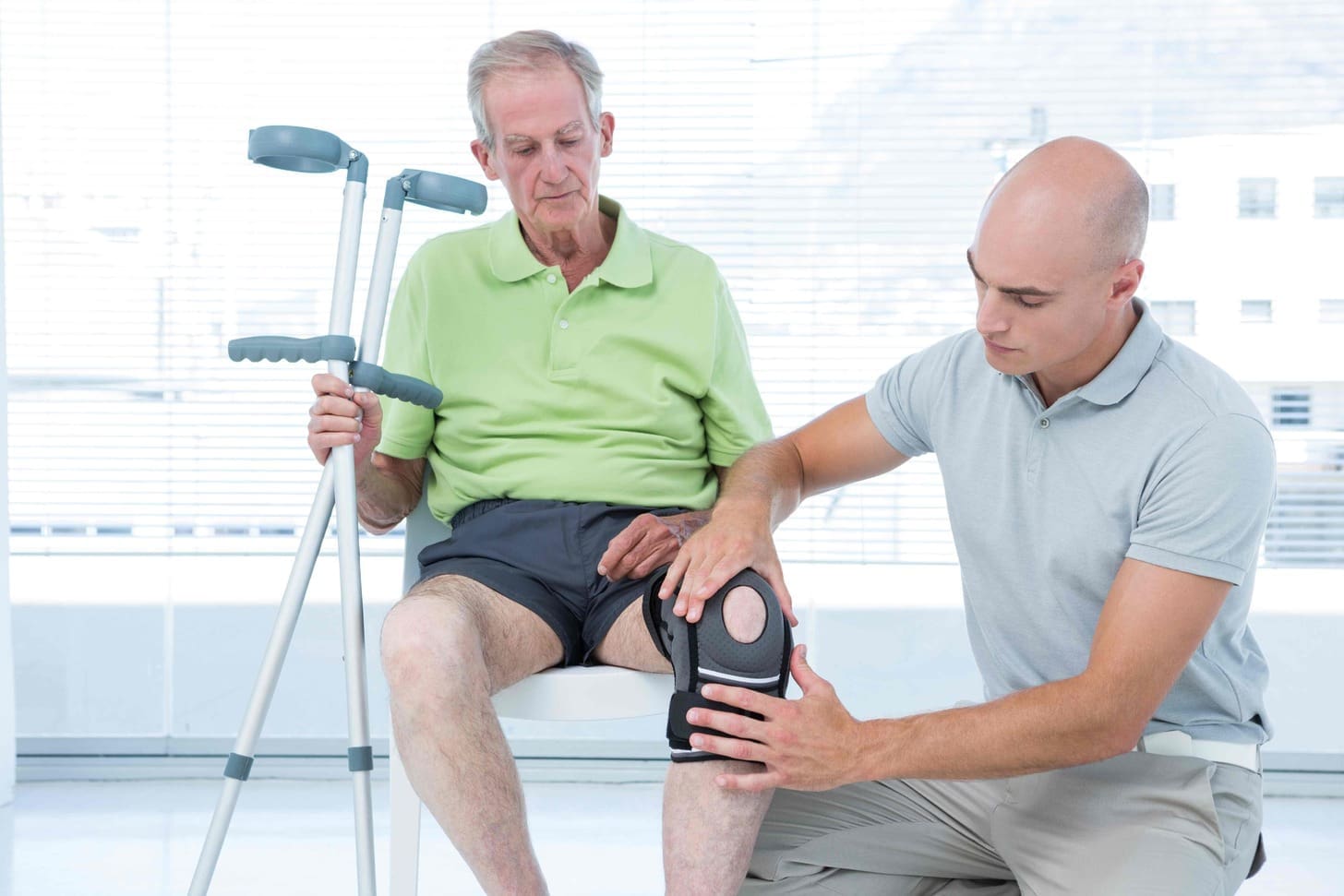
At Liv Hospital, we know how knee damage can affect your life. For those with knee problems, unicompartmental partial knee replacement is a game-changer. It keeps healthy parts of your knee safe, making recovery faster and surgery less invasive.
Choosing pkr knee surgery means a more precise fix. It targets the damaged area, leaving the rest of your knee intact. This leads to a quicker comeback to your daily life. Our advanced partial knee implant technology ensures you get the best care.
Key Takeaways
- Faster rehabilitation with less invasive surgery
- Preservation of healthy bone and tissues
- Targeted approach to addressing knee damage
- Advanced technology for better outcomes
- Quicker recovery and return to daily activities
What Is Unicompartmental Partial Knee Replacement?
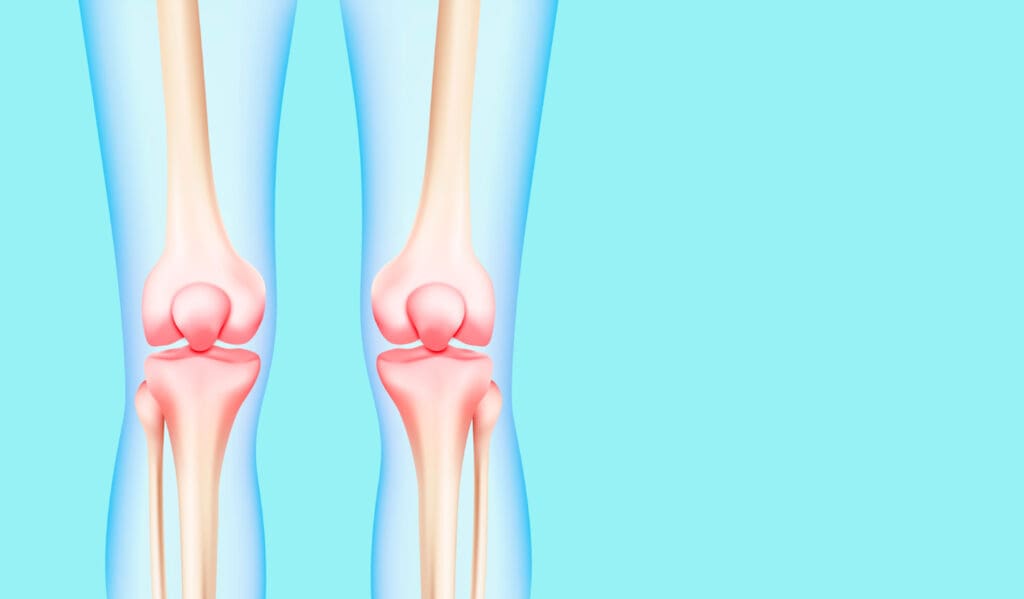
Unicompartmental partial knee replacement is a new surgery that fixes only the damaged part of the knee. It’s great for people with knee osteoarthritis in just one area.
The Targeted Approach to Knee Repair
This surgery is different from total knee replacement. Instead of replacing the whole knee, it just fixes the damaged part. This keeps the healthy parts of the knee intact.
The damaged area is replaced with artificial parts. These parts work well with the rest of the knee. This can lead to less pain and a faster recovery.
Differences Between Partial and Total Knee Replacement
Partial knee replacement only fixes the damaged part, unlike total knee replacement. Total knee replacement replaces the whole knee. Medial unicondylar knee arthroplasty is a type of partial knee replacement.
- Partial knee replacement keeps more of the natural knee.
- Total knee replacement is for more widespread damage.
- The choice depends on the damage’s extent and location.
Ideal Candidates for PKR Knee Surgery
Not everyone is a good fit for knee unicondylar arthroplasty. The best candidates have damage in just one area, usually from osteoarthritis. Their health, age, and how active they are also matter.
At the first meeting, doctors check if this surgery is right. They look at the damage and talk about what the patient wants and how they live.
The Anatomy of Knee Compartments and Surgical Approaches
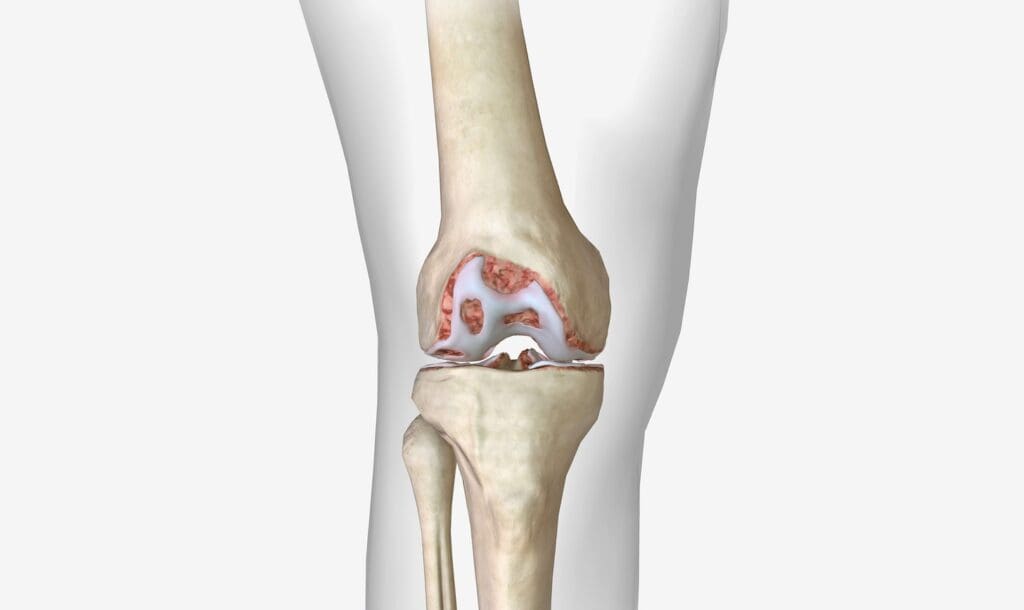
The knee joint has three parts and needs a careful surgical plan. It’s divided into the medial, lateral, and patellofemoral compartments. Each part is key to the knee’s function.
Understanding Medial, Lateral, and Patellofemoral Compartments
The medial compartment is on the inside of the knee. The lateral compartment is on the outside. The patellofemoral compartment is between the kneecap and the femur. Damage here might need partial knee replacement.
Medial Unicondylar Knee Arthroplasty Techniques
Medial unicondylar knee arthroplasty, or medial UKR, targets the medial part of the knee. It replaces the damaged area with a prosthetic, keeping healthy bone and ligaments. This aims to fix function and pain in that area.
This method is great for those with arthritis in just the medial part. It’s less invasive than total knee replacement.
Minimally Invasive Surgical Procedures
Modern partial knee replacements use small incisions. This means less tissue damage and quicker healing. Minimally invasive techniques also cut down on blood loss and pain.
These new methods make knee surgery more appealing. As tech gets better, so will the results for patients.
7 Essential Benefits of Partial Knee Replacement
For those with knee damage in just one area, partial knee replacement is a great option. This surgery, known as unicompartmental knee arthroplasty, fixes the damaged part without harming the rest of the knee.
Preservation of Healthy Bone and Natural Ligaments
One big plus of partial knee replacement is keeping healthy bone and ligaments intact. Unlike total knee replacement, which replaces the whole joint, partial knee surgery only fixes the damaged part. This keeps the knee’s natural shape and function, leading to better knee movement after surgery.
Less Invasive Surgery with Reduced Blood Loss
Uni arthroplasty knee surgeries are smaller and less damaging than total knee replacements. The smaller cut means less tissue damage and less blood loss. This is good news for those who might face problems with bigger surgeries.
Decreased Post-Operative Pain
People who get partial knee replacement often feel less pain after surgery. The smaller surgery means less harm to the knee and surrounding areas. This can make the recovery time more comfortable.
Shorter Hospital Stays
The smaller size of hemiarthroplasty knee surgeries means patients can leave the hospital sooner. Being at home can help with the healing process, making recovery easier.
These benefits show why partial knee replacement is a good choice for some patients. As we learn more about this surgery, it’s clear it can lead to better results and happier patients.
Recovery Timeline After Unicompartmental Knee Arthroplasty
The recovery after unicompartmental knee arthroplasty is a journey with many stages. It’s important to know what to expect at each step. This helps in planning and following the recovery process.
Immediate Post-Surgery Experience
Right after surgery, you might feel pain, swelling, and bruising in your knee. We use medicine and rest to help with the pain. Most people go home within a day or two after the surgery.
Key aspects of the immediate post-surgery experience include:
- Resting the knee to allow initial healing
- Managing pain through medication
- Monitoring for any signs of complications
Walking Unassisted: The 1-3 Week Milestone
Walking on your own is a big step in recovery, usually in 1-3 weeks. This is thanks to physical therapy and your body’s healing. We encourage you to slowly get stronger and move more.
One patient said, “I was surprised at how quickly I could walk without help after my surgery. The physical therapy team was key in my recovery.” – John D.
Physical Therapy Protocols and Progression
Physical therapy is vital for getting back strength, flexibility, and movement. We make a plan for each patient and let them progress at their own speed.
| Week | Physical Therapy Focus | Expected Outcomes |
|---|---|---|
| 1-2 | Gentle exercises, range of motion | Improved knee mobility |
| 3-6 | Strengthening exercises, balance training | Increased strength, better balance |
| 6-12 | Advanced strengthening, functional activities | Enhanced functional ability, return to daily activities |
Complete Recovery Expectations
While you’ll see big improvements in the first few months, full recovery can take up to a year. We encourage patience and consistent effort in your rehabilitation.
Types of Partial Knee Implants and Procedures
Patients now have many options for partial knee replacement. The choice depends on the knee damage, health, and lifestyle. It’s important to consider these factors.
Medial UKR and Unicompartmental Knee Options
Medial UKR (Unicompartmental Knee Replacement) is a common choice. It replaces the damaged medial part of the knee. This is good for those with damage in just one area.
This procedure keeps healthy bone and ligaments. It makes the knee feel more natural and can lead to a quicker recovery. Studies show it can improve knee function and reduce recovery time compared to total knee replacement.
Lateral Compartment Replacement Approaches
Lateral compartment replacement is another option. It replaces the lateral part of the knee. This is less common because lateral compartment arthritis is less common.
The surgery can be done in different ways. Some surgeons use traditional open surgery, while others prefer minimally invasive techniques. The choice depends on the patient’s condition and the surgeon’s skills.
Patellofemoral Hemiarthroplasty Knee Procedures
Patellofemoral hemiarthroplasty focuses on the patellofemoral joint. It resurfaces either the patella or the femoral groove with an artificial component. This is for patients with isolated patellofemoral arthritis.
This procedure aims to reduce pain and improve knee function. It addresses the damaged joint surface.
Advances in Partial Knee Implant Technology
New advancements in partial knee implant technology have improved outcomes. New materials and designs make implants more durable and functional.
| Implant Type | Material | Benefits |
|---|---|---|
| Medial UKR | Metal and Polyethylene | Preserves healthy bone, natural feeling |
| Lateral Compartment Replacement | Metal and Polyethylene | Addresses lateral compartment arthritis |
| Patellofemoral Hemiarthroplasty | Metal or Polyethylene | Targets patellofemoral joint damage |
These advancements offer more treatment options for knee damage. They allow for more personalized and effective care.
UKA Knee Arthroplasty vs. Total Knee Replacement
Patients often compare UKA knee arthroplasty and total knee replacement. Each has its own benefits and suits different needs.
Functional Outcomes and Patient Satisfaction Rates
UKA knee replacement leads to higher patient satisfaction. It’s less invasive and has faster recovery times. Patients enjoy more natural knee motion and less pain.
Total knee replacement is needed for more severe damage. It has a high success rate but takes longer to recover and may cause more pain.
Recovery Differences Between Procedures
Recovery times vary between UKA and total knee replacement. UKA knee replacement has a shorter hospital stay and less rehab time. This means patients can get back to normal faster.
Total knee replacement needs a longer rehab due to its invasive nature. But, better surgical techniques and care have improved recovery for these patients.
When Total Knee Replacement May Be Necessary
Total knee replacement is for severe damage. This includes advanced osteoarthritis, rheumatoid arthritis, or significant trauma.
Long-Term Outcomes of Medial Unicompartmental Knee Replacement
Medial unicompartmental knee replacement has shown promising long-term results in numerous studies. We will examine the key aspects that influence the longevity and success of this procedure.
Survival Rates Exceeding 90% at Ten Years
One of the most significant indicators of the success of medial unicompartmental knee replacement is its survival rate. Studies have consistently shown that at ten years post-surgery, the survival rate of these implants exceeds 90%. This high survival rate is a testament to the advancements in surgical techniques and implant design.
A study published in a reputable orthopedic journal found that the ten-year survival rate for medial unicompartmental knee replacements was 92%. This data provides reassurance to patients considering this procedure.
Factors Affecting Longevity of Uni Arthroplasty Knee
Several factors contribute to the longevity of uni arthroplasty knee implants. These include:
- Patient selection: Proper selection of candidates for the procedure is critical.
- Surgical technique: The skill and experience of the surgeon play a significant role.
- Implant design: Advances in implant technology have improved outcomes.
- Post-operative care: Effective rehabilitation protocols enhance recovery and longevity.
Potential Complications and Revision Surgery
While medial unicompartmental knee replacement is generally safe, complications can occur. These may include infection, loosening of the implant, or progression of arthritis in other compartments. In some cases, revision surgery may be necessary.
We have compiled data on common complications and revision rates in a comparative table:
| Complication | Rate | Revision Required |
|---|---|---|
| Infection | 1-2% | Yes |
| Implant Loosening | 2-3% | Yes |
| Progression of Arthritis | 5-10% | Sometimes |
Latest Research on Long-Term Success
Recent studies continue to support the long-term success of medial unicompartmental knee replacement. Researchers are focusing on improving implant materials, surgical techniques, and patient outcomes.
Ongoing research is critical in further improving the longevity and effectiveness of this procedure. As new evidence emerges, we can refine our approach to medial unicompartmental knee replacement, providing better results for patients.
Patient Experiences with Uni Knee Surgery
Many patients have seen big improvements in their lives after uni knee surgery. This section shares real stories of recovery, returning to activities, and sports. It also talks about the quality of life improvements and what to expect during the journey.
Real-World Recovery Stories
Patients say uni knee surgery leads to a smoother and quicker recovery than total knee replacement. For example, a 65-year-old retired teacher could walk without help in three weeks. They were back to gardening in six weeks.
These stories are common. The targeted approach of uni knee surgery means less invasive procedures. This results in less post-operative pain and faster recovery.
Return to Activities and Sports After Surgery
Uni knee surgery lets patients get back to activities and sports. They’ve reported getting back to cycling, swimming, and even golf after recovery.
- Cycling: Many patients can return to cycling within 6-8 weeks.
- Swimming: Swimming is often recommended as it’s low-impact; patients can usually return to swimming within 4-6 weeks.
- Golf: Golfers can typically return to golfing within 8-12 weeks, depending on their recovery pace.
Quality of Life Improvements
Uni knee surgery not only cuts down on pain but also boosts the quality of life. Patients say they can do daily activities easier and with more independence.
Key improvements include:
- Increased mobility
- Reduced pain
- Enhanced ability to participate in hobbies and sports
What to Expect During Your Journey
Knowing what to expect during recovery can help manage expectations and reduce anxiety. It’s essential to follow your surgeon’s instructions and do the physical therapy they recommend.
A typical recovery journey involves:
- Immediate post-surgery recovery (0-2 weeks)
- Physical therapy and rehabilitation (2-12 weeks)
- Gradual return to activities and sports (6-24 weeks)
Conclusion: Making an Informed Decision About Partial Knee Replacement
Partial knee replacement is a great option for those with knee damage in just one area. It helps patients understand the benefits and what to expect during recovery. This knowledge helps them choose the best treatment for their needs.
This procedure keeps healthy bone and ligaments intact. It’s less invasive, leading to shorter hospital stays and less pain after surgery. These advantages help patients recover faster and enjoy better results.
If you’re thinking about partial knee replacement, talk to a skilled orthopedic surgeon. They can help decide if it’s the right choice for you. Discussing your condition, lifestyle, and goals will give you a clear picture of how it can improve your knee health and quality of life.
FAQ
What is partial knee replacement?
Partial knee replacement is a surgery that fixes only the damaged part of the knee. It keeps the healthy bone and tissues intact.
How does partial knee replacement differ from total knee replacement?
Partial knee replacement only fixes the damaged part of the knee. This is less invasive than total knee replacement. It also means a faster recovery.
Who is a good candidate for partial knee replacement?
People with damage in just one part of the knee are good candidates. This damage is often from osteoarthritis or trauma. They should also have healthy ligaments and little deformity.
What are the benefits of medial unicondylar knee arthroplasty?
Medial unicondylar knee arthroplasty preserves healthy bone. It’s less invasive, reduces pain, and leads to quicker recovery.
How long does it take to recover from unicompartmental knee arthroplasty?
Recovery from this surgery takes weeks to months. Most people can walk without help in 1-3 weeks. They see big improvements in 3-6 months.
What are the different types of partial knee implants?
There are many types of partial knee implants. These include medial UKR, lateral compartment replacement, and patellofemoral hemiarthroplasty. Each is for different types of knee damage.
How do partial knee implants compare to total knee replacements in terms of longevity?
Modern partial knee implants can last over 10 years, just like total knee replacements. But, how long they last depends on many factors.
Can I return to sports and activities after partial knee replacement?
Yes, many people can go back to sports and activities after this surgery. How quickly you can do this depends on your health and the type of activity.
What are the possible complications of partial knee replacement?
Like any surgery, there are risks. These include infection, blood clots, and the implant wearing out. But, these are rare with today’s implants and surgery methods.