Last Updated on November 18, 2025 by Ugurkan Demir
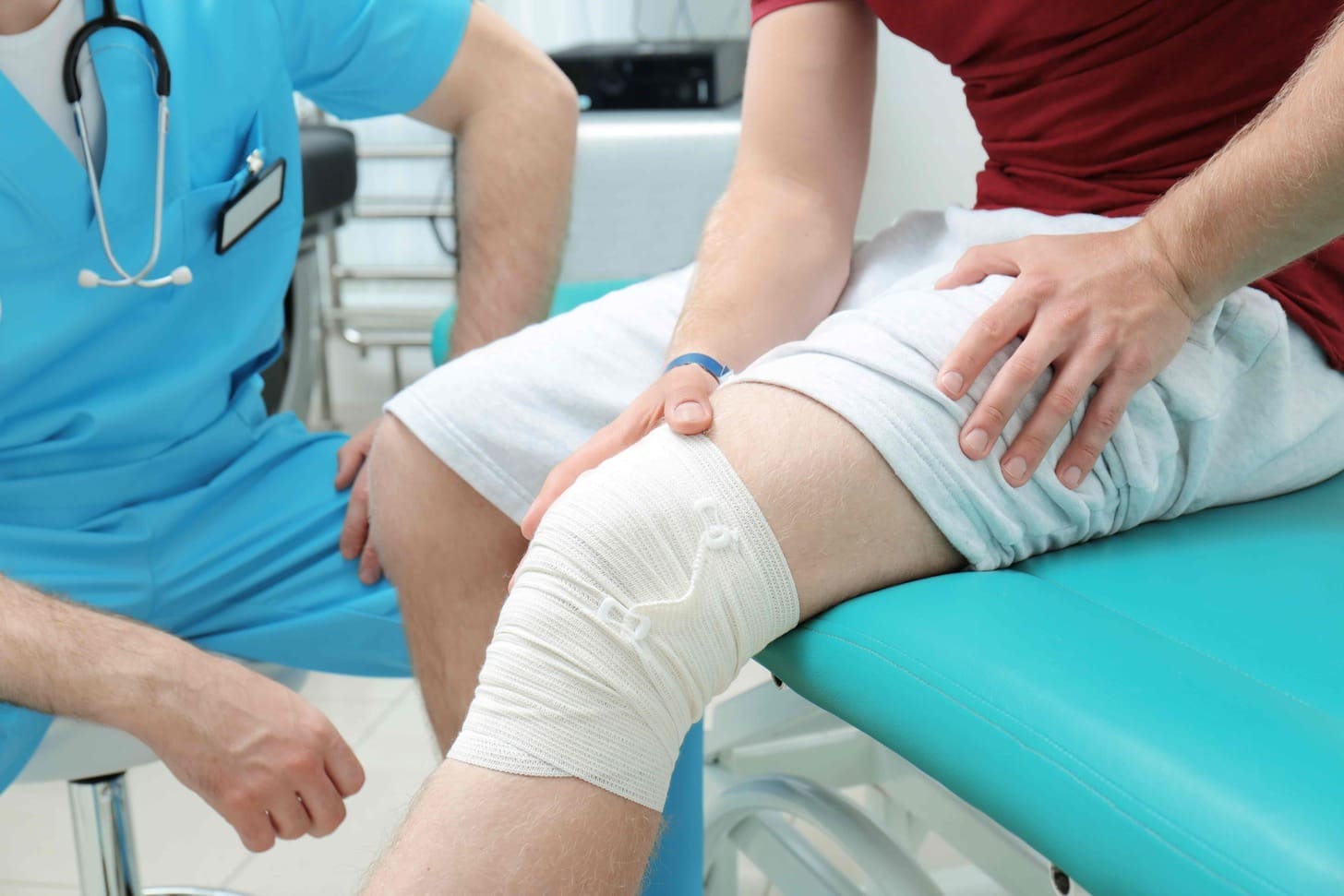
Wondering how fast you can bounce back after partial knee replacement? Knowing the recovery time is key. At Liv Hospital, we focus on you and your health.
Usually, recovery time for partial knee replacement is quicker than for total knee. Most people get back to normal in 3 to 6 weeks. For more info on recovering from partial knee replacement, we’ve got the details you need.
Key Takeaways
- Recuperation process after partial knee replacement surgery takes about three to six weeks.
- Patients can return to sports, such as golf, within 6 to 10 weeks.
- Surgery can often be performed on an outpatient basis.
- Immediately after surgery, patients may be able to put weight on the treated knee.
- Most people resume their activities and start doing light exercises after week six.
What Is Partial Knee Replacement Surgery?
Partial knee replacement surgery is a special surgery that fixes only the damaged part of the knee. It’s great for people with arthritis in just one part of their knee.
Definition and Purpose
Partial knee replacement, or unicompartmental knee replacement, is a surgery for knee arthritis in one part of the knee. It aims to ease pain and improve function by replacing the damaged area with artificial parts.
This surgery keeps the healthy parts of the knee intact. This can make the knee feel more natural after surgery and help you recover faster.
Unicompartmental vs. Bicompartmental Approaches
There are two types of partial knee replacement surgeries: unicompartmental and bicompartmental. Unicompartmental replaces one damaged area, which is the most common. Bicompartmental replaces two areas.
Choosing between these depends on the knee damage. Our surgeons decide based on each patient’s needs. For more info, visit https://www.hss.edu/health-library/conditions-and-treatments/partial-knee-replacement.
Ideal Candidates for Partial Knee Surgery
Partial knee replacement is for those with arthritis in just one part of the knee. It’s for people who haven’t found relief with other treatments. They should also have healthy knee structures.
Our team checks if you’re a good candidate through a detailed assessment. This includes looking at your medical history, doing a physical exam, and using imaging studies. This helps us decide if partial knee replacement is right for you.
Partial Knee Surgery Recovery Time: The Complete Timeline
Knowing the recovery timeline for partial knee surgery is key for patients. It helps them get ready for their path to full health. We’ll walk you through the recovery stages, from hospital stay to getting back to normal activities.
Hospital Stay Duration
The hospital stay after partial knee surgery is usually short, lasting 1 to 2 days. This is a big plus compared to longer surgeries. During this time, doctors will watch your progress, manage pain, and start your rehab.
Early Recovery Phase
The first two weeks after surgery are very important. They set the stage for a good recovery. During this time, patients should:
- Do gentle exercises to keep their range of motion
- Slowly start to bear more weight
- Use medication and other methods to control pain
Physical therapy is key here. It helps patients get stronger and move better.
Mid-Recovery Phase
Between 3 to 6 weeks after surgery, patients enter the mid-recovery phase. Here, most people see big improvements. They can:
- Move their joints more freely
- Build more strength
- Do more things on their own
Keep up with physical therapy to get the most out of your recovery and tackle any remaining challenges.
Return to Normal Activities
The last stage of recovery, after 6 weeks, focuses on getting back to normal and doing more activities. Patients can usually:
- Do most daily tasks in 3 to 6 weeks
- Start low-impact exercises after 6 weeks
- Slowly increase their activity levels with their doctor’s advice
Stick to your healthcare team’s recovery plan to get the best results.
Understanding the full recovery timeline for partial knee surgery helps patients prepare. It sets realistic goals and leads to the best outcomes.
7 Fast Facts About Partial Knee Replacement Recovery
Patients who know about partial knee replacement recovery tend to have an easier time getting better. This surgery, also known as unicompartmental knee arthroplasty, has many benefits. It causes less pain and allows for faster recovery times compared to total knee replacement.
Fact 1: 3-6 Weeks Until Return to Daily Activities
Partial knee replacement is known for its quick recovery. Most people can get back to their daily lives in 3 to 6 weeks after surgery. This is because the surgery is less invasive, keeping more of the natural knee structure intact.
Fact 2: Low-Impact Exercise Possible After 6 Weeks
After the initial recovery, patients can start low-impact exercises like cycling or swimming around 6 weeks post-surgery. These activities help in the recovery process and improve strength and mobility.
Fact 3: Less Pain Than Total Knee Replacement
Research shows that partial knee replacement patients often feel less pain than those with total knee replacement. This is due to the less invasive procedure and the preservation of more natural knee tissues.
Fact 4: Reduced Blood Loss During Surgery
Partial knee replacement surgery results in reduced blood loss during the operation. The smaller incision and less tissue disruption lead to fewer complications and a quicker recovery.
| Recovery Aspect | Partial Knee Replacement | Total Knee Replacement |
|---|---|---|
| Return to Daily Activities | 3-6 weeks | 6-12 weeks |
| Pain Level | Less Pain | More Pain |
| Blood Loss During Surgery | Reduced | More Significant |
These fast facts show the benefits of partial knee replacement recovery. They include a quicker return to daily activities, less pain, and reduced blood loss during surgery. Understanding these points helps patients make better choices about their treatment.
What Does a Partial Knee Replacement Look Like?
Understanding what a partial knee replacement looks like can help patients prepare for surgery. This procedure replaces only the damaged part of the knee. It uses artificial parts that look like the natural knee.
Visual Appearance of Partial Implants
Partial knee replacement implants are made of metal and plastic. The metal parts are usually titanium or cobalt-chromium. These materials are strong and safe for the body. The plastic part is a spacer that lets the knee move smoothly.
Metal Cap/Plate Design is a key feature of these implants. The metal cap or plate covers the damaged knee area. It makes movement smooth and reduces pain.
Preservation of Healthy Bone and Ligaments
Partial knee replacement is great because it keeps healthy bone and ligaments. Unlike total knee replacement, it only replaces the damaged parts. This keeps the knee feeling more natural and working better after surgery.
Keeping healthy bone and ligaments is key to the surgery’s success. It makes recovery easier and keeps the knee stable. People who get partial knee replacements often say their knee feels more natural than those with total knee replacements.
In short, partial knee replacement implants are made to look and work like the natural knee. The metal cap or plate design and keeping healthy bone and ligaments make the procedure effective.
The Rehabilitation Journey After Partial Knee Surgery
After partial knee surgery, patients start a special journey. This journey is made just for them. It’s key to getting back to normal and feeling confident again.
First Week Exercises and Movement
The first week focuses on gentle exercises. These help the knee heal and stay flexible. Patients do simple moves like straightening and bending their knee, ankle rotations, and static quadriceps contractions.
- Straight leg raises to maintain quadriceps strength
- Ankle pumps to improve circulation
- Gentle knee bends to maintain flexibility
It’s important to listen to the healthcare team. They adjust exercises based on how you’re doing and your surgery.
Weeks 2-6 Physical Therapy Protocol
Weeks 2-6 bring more structured and intense physical therapy. This phase aims to boost knee function and muscle strength. It also improves mobility.
A typical physical therapy protocol includes:
- Progressive resistance exercises to build strength
- Balance and proprioception training to improve stability
- Functional activities such as walking, climbing stairs, and squatting
Working with your physical therapist is key. They help tailor the program to your needs and progress.
Long-Term Strengthening Program
After six weeks, a long-term strengthening program is vital. It keeps the gains from rehab and improves knee function. This phase includes advanced exercises, cardio, and functional training.
Key components include:
- Progressive resistance training to continue building strength
- Low-impact cardiovascular exercises such as cycling or swimming
- Functional training to enhance performance in daily activities and sports
Expected Milestones in Recovery
Knowing the expected milestones can keep patients motivated. Recovery times vary, but common milestones are:
- Returning to daily activities within 3-6 weeks
- Achieving significant pain reduction and improved knee function within 6-12 weeks
- Returning to more strenuous activities and sports within 3-6 months
By sticking to a structured rehab program and working with their healthcare team, patients can achieve the best results. They can fully enjoy the benefits of partial knee surgery.
Partial vs. Total Knee Replacement: A Detailed Look
Partial and total knee replacement surgeries are two ways to treat knee arthritis. Each has its own benefits and things to think about. The choice depends on how damaged the knee is, your overall health, and what you prefer.
Surgical Technique Differences
Partial knee replacement only fixes the damaged part of the knee. It keeps the healthy bone and ligaments intact. On the other hand, total knee replacement replaces the whole knee joint with artificial parts. This big difference changes how complex and long the surgery is.
Recovery Timeline Comparison
Recovery times are different for partial and total knee replacements. People with partial knee replacements usually get back to normal in 3-6 weeks. Those with total knee replacements take longer, often 6-12 weeks or more.
| Recovery Milestone | Partial Knee Replacement | Total Knee Replacement |
|---|---|---|
| Return to Daily Activities | 3-6 weeks | 6-12 weeks |
| Full Recovery | 3-6 months | 6-12 months |
Pain Management Differences
Pain management varies between the two surgeries. People with partial knee replacements usually feel less pain because the surgery is less invasive. For more on pain management, check out Riverside Online’s comparison of partial vs. total knee.
Long-Term Outcomes and Durability
Both surgeries offer long-term benefits like pain relief and better function. But, the implants’ durability and the chance of needing another surgery can vary. Research shows that today’s implants can last 15-20 years or more with good care.
In summary, knowing the differences between partial and total knee replacements is key. Think about the surgery, recovery, pain management, and long-term results. This helps patients make the best choice for their knee condition.
Limitations and Considerations for Partial Knee Surgery
Partial knee replacement surgery has many benefits. But, there are certain limits and things to think about before getting it. Knowing these is key to deciding if it’s the best option for your knee problem.
When Partial Replacement Isn’t Suitable
Not everyone with knee arthritis can get partial knee replacement. The decision to have surgery depends on several things. These include how bad the arthritis is, the health of the knee ligaments, and the patient’s overall health.
One big thing to consider is how much arthritis is in the knee. Arthritis in multiple compartments means it’s not just one area. In such cases, a total knee replacement might be better.
Arthritis in Multiple Compartments
When arthritis hits more than one area of the knee, it’s a problem. Partial knee replacement only fixes one area. So, it might not help enough.
| Condition | Suitability for Partial Knee Replacement |
|---|---|
| Arthritis in a single compartment | Highly suitable |
| Arthritis in multiple compartments | Not suitable |
| Ligament damage | Generally not suitable |
Ligament Damage Considerations
The state of the knee ligaments is very important. Ligament damage, like to the ACL, makes partial knee replacement less likely. The ligaments help keep the knee stable, which is key for the surgery’s success.
Age and Activity Level Factors
Age and how active you are also matter. Older, less active people might do well with partial knee replacement. But, younger, more active folks might need something else because the implant could wear out faster.
We look at these factors to make sure patients know what to expect. This helps us pick the best treatment for their specific needs.
Modern Advances Improving Partial Knee Replacement Recovery
Orthopedic surgery has made big strides in partial knee replacements. These new methods help patients heal faster, feel less pain, and get better results. We’re always looking for the latest ways to care for our patients.
Minimally Invasive Surgical Techniques
Minimally invasive surgery has changed partial knee replacement. It uses smaller cuts, which means less damage to tissues. This leads to less pain and faster recovery.
It also means less scarring and fewer complications. This is a big win for patients.
Minimally invasive surgery has many benefits. It means less blood loss and shorter hospital stays. It also lowers the chance of infection thanks to smaller cuts.
Computer-Assisted Navigation
Computer-assisted navigation is a big step forward in surgery. It helps surgeons place implants with great accuracy. This leads to better results and longer-lasting implants.
This technology uses advanced imaging and tracking. It guides the surgeon, ensuring the implant fits perfectly. This reduces risks and improves outcomes.
Enhanced Recovery After Surgery (ERAS) Protocols
ERAS protocols are new ways to help patients recover better. They include pre-operative counseling, optimized anesthesia, and effective pain management. These protocols aim to standardize care and improve patient satisfaction.
They also focus on early movement and nutrition. Patients are encouraged to get up and eat soon after surgery. This helps them recover faster and lowers the risk of problems.
Pain Management Innovations
Pain management has seen big improvements, thanks to multimodal pain management. This method uses different pain relief methods together. It helps reduce opioid use and side effects.
New techniques like local infiltration anesthesia and nerve blocks are also being used. They offer effective pain relief without opioids. This makes recovery safer and more comfortable for patients.
Patient Success Stories and Recovery Experiences
Every patient’s journey after partial knee replacement is unique. They face both triumphs and challenges. Many regain their mobility and independence, enjoying their favorite activities again.
Active Adult Recovery Timeline
Active adults find the recovery timeline motivating. They can usually return to daily activities in 3-6 weeks. This includes low-impact exercises like cycling or swimming.
Within 6-12 weeks, they can start more active pursuits. For example, hiking and playing golf. A 45-year-old hiker was back on trails in 8 weeks. She was amazed at her quick recovery.
Senior Patient Recovery Journey
Senior patients also see great benefits from partial knee replacement. Recovery times vary, but many regain mobility and reduce pain quickly. We stress the importance of physical therapy and post-operative care.
A 75-year-old patient was back to his routine in a month. He said the surgery was a game-changer, allowing him to live independently.
| Recovery Milestone | Active Adults | Senior Patients |
|---|---|---|
| Return to Daily Activities | 3-6 weeks | 4-8 weeks |
| Resume Low-Impact Exercise | 6-12 weeks | 8-12 weeks |
| Full Recovery | 3-6 months | 4-6 months |
Common Challenges and How to Overcome Them
While partial knee replacement is often successful, challenges can arise. These include managing pain, regaining strength, and staying flexible. We advise following physical therapy and staying in touch with healthcare teams.
For more on partial knee replacement and patient success stories, visit Brigham and Women’s Orthopaedic Surgery resources.
Conclusion: Making an Informed Decision About Knee Surgery
Understanding the recovery process and options is key when thinking about knee surgery. We’ve looked at the benefits and advancements in partial knee replacement. This helps patients make better choices for their treatment.
Partial knee replacement offers less pain, less blood loss, and quicker recovery than total knee replacement. It’s important to talk to doctors to find the best option for you. This depends on your specific needs and health.
We at our institution are dedicated to top-notch healthcare for all patients, including those from abroad. Our team helps patients through every step of their care. We ensure they get the best support to make informed decisions about their knee surgery.
FAQ
What is partial knee replacement surgery?
Partial knee replacement surgery replaces only the damaged part of the knee. It uses an artificial implant. This way, the healthy bone and ligaments are preserved.
How long is the recovery time for partial knee replacement?
Recovery from partial knee replacement surgery usually takes 3-6 weeks. You can start doing daily activities again. Low-impact exercises are possible after 6 weeks.
What are the benefits of partial knee replacement compared to total knee replacement?
Partial knee replacement offers several advantages. It causes less pain and results in less blood loss during surgery. It also has a faster recovery time compared to total knee replacement.
What does a partial knee replacement look like?
A partial knee replacement implant has a metal cap or plate. It fits the damaged part of the knee. This way, the healthy bone and ligaments are preserved.
Who is a good candidate for partial knee replacement?
The best candidates for partial knee replacement have arthritis in only one part of the knee. They should also have minimal damage to their ligaments.
How does partial knee replacement compare to total knee replacement in terms of pain management?
Partial knee replacement usually results in less pain. This is because it preserves more of the natural knee structure than total knee replacement.
What is the rehabilitation process like after partial knee surgery?
After partial knee surgery, the rehabilitation process involves exercises and physical therapy. It includes early mobilization, strengthening, and range of motion exercises.
Are there any limitations or considerations for partial knee surgery?
Yes, partial knee surgery may not be right for everyone. It’s not suitable for those with arthritis in multiple parts of the knee. It also depends on the extent of ligament damage and age or activity level.
What modern advances are improving partial knee replacement recovery?
Modern advances are making partial knee replacement recovery better. These include minimally invasive surgery, computer-assisted navigation, Enhanced Recovery After Surgery (ERAS) protocols, and new pain management techniques.
What is the difference between unicompartmental and bicompartmental partial knee replacement?
Unicompartmental partial knee replacement replaces one part of the knee. Bicompartmental partial knee replacement replaces two parts.
How long does it take to return to normal activities after partial knee replacement?
It usually takes 6+ weeks to get back to normal activities after partial knee replacement. Some people can start low-impact exercises after 6 weeks.
What are the long-term outcomes of partial knee replacement compared to total knee replacement?
Partial knee replacement has similar long-term results to total knee replacement. It also has the advantage of preserving healthy bone and ligaments.
REFERENCES
- Riverside Health. (n.d.). Partial vs. total knee replacement: What to expect. Retrieved from https://www.riversideonline.com/en/patients‑and‑visitors/healthy‑you‑blog/blog/p/partial‑vs‑total‑knee‑replacementHealthline