Last Updated on December 1, 2025 by Bilal Hasdemir

According to the American Cancer Society, about 1 in every 285 children will be diagnosed with cancer before the age of 20. Treating childhood cancer is different from treating adult cancer.Pediatric cancer treatmentImmunotherapy Pediatric Cancer Treatment: Positive News Children often respond better to certain therapies. At our institution, we are committed to providing care that meets each child’s unique needs.
Our team of experts works together to create a personalized treatment plan. This plan considers the type of cancer, its stage, and the child’s health. We will guide you through the various treatment options available for children with cancer. These include chemotherapy, radiation therapy, surgery, targeted therapy, and immunotherapy.
Key Takeaways
- Childhood cancer requires unique treatment approaches.
- Personalized treatment plans are developed for each child.
- Various treatment options are available, including chemotherapy and immunotherapy.
- Our institution is committed to providing complete care.
- Treatment outcomes can vary based on the type and stage of cancer.
Understanding Pediatric Cancer
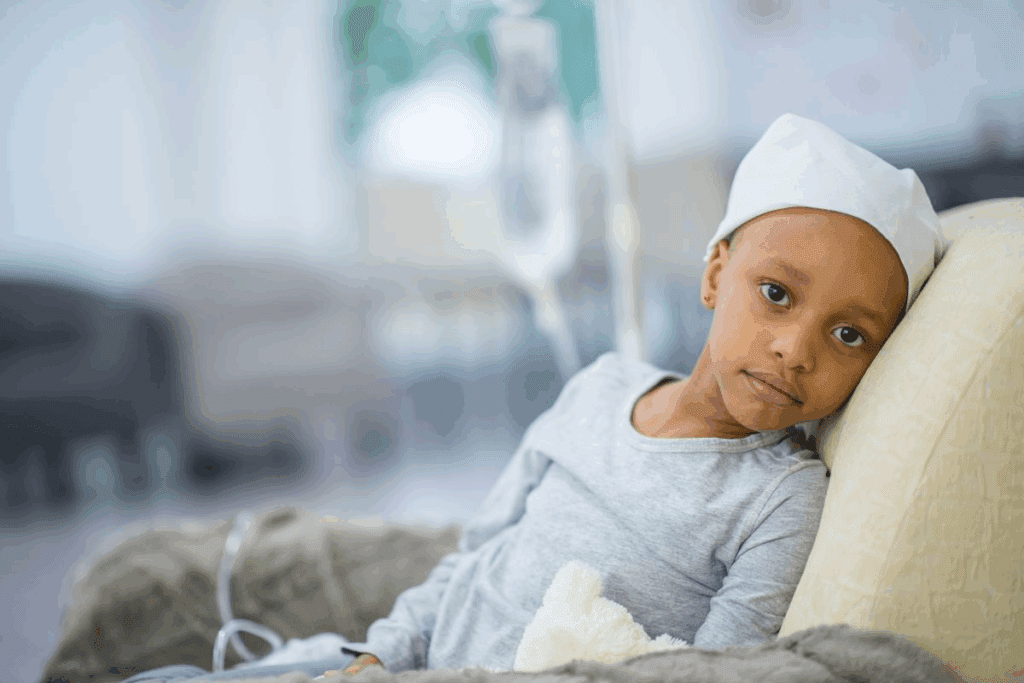
Understanding pediatric cancer is the first step in treating it. It includes many types of cancer that affect kids. Knowing the details is key to finding the best treatment.
Pediatric cancer is not just one disease. It’s a group of cancers that can happen in children. The most common ones in kids aged 0 to 14 are leukemias, brain tumors, and lymphomas.
Types of Pediatric Cancer
There are many types of pediatric cancer, each needing its own treatment. Some common ones are:
- Leukemias: Cancers of the blood and bone marrow.
- Brain and CNS Tumors: Tumors in the brain and central nervous system.
- Lymphomas: Cancers of the immune system.
Knowing the exact type of cancer a child has is very important. It helps us create a pediatric oncology treatment plan that fits their needs.
Causes and Risk Factors
Most childhood cancers have unknown causes. But, some risk factors have been found. About 8 to 10 percent of childhood cancers are linked to inherited mutations.
Some known risk factors include:
- Genetic predisposition, like inherited mutations.
- Exposure to certain environmental factors, like radiation.
We work with families to understand these risks. This helps us create a treatment plan that meets the child’s specific needs.
By knowing the types of pediatric cancer and their causes, we can tailor treatments. This helps improve outcomes for kids with cancer.
Diagnosis of Pediatric Cancer
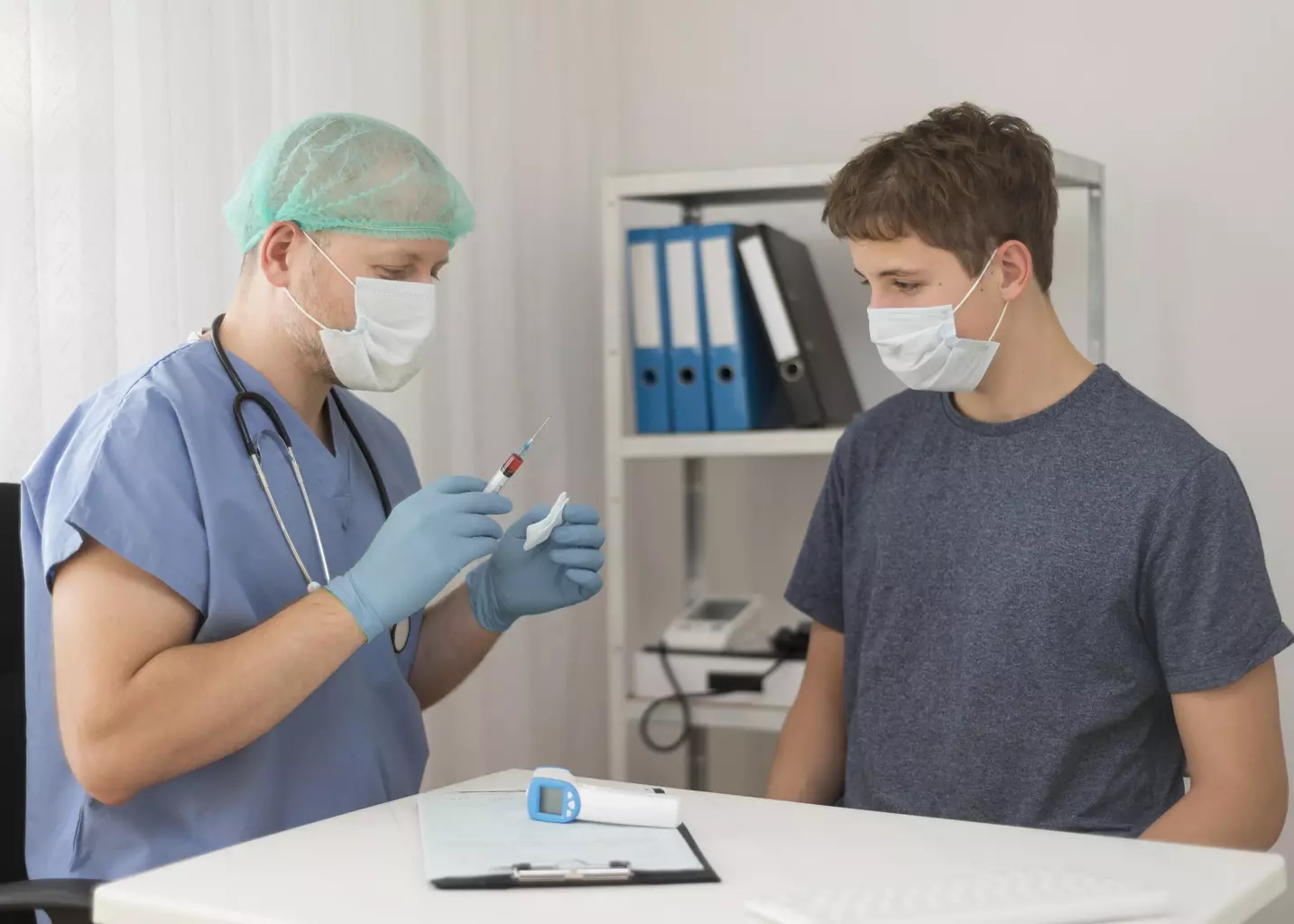
Diagnosing pediatric cancer is a detailed process. It needs precision and care. We use physical exams, medical history, and tests to confirm cancer’s presence and type.
Signs and Symptoms
The signs of pediatric cancer vary by type. Common symptoms include:
- Persistent fatigue or weakness
- Unexplained weight loss
- Pain or swelling in the abdomen, bones, or joints
- Easy bruising or bleeding
- Fever or infections that don’t go away
These symptoms can be hard to spot early. They might look like common childhood illnesses. But, if they last, seeing a doctor is key.
Diagnostic Tests and Procedures
When we suspect cancer, we run various tests. These include:
| Diagnostic Test | Purpose |
| Blood Tests | To check for abnormal levels of certain cells or chemicals in the blood |
| Biopsy | To examine a sample of tissue for cancer cells |
| Bone Marrow Aspiration and Biopsy | To check for cancer cells in the bone marrow |
| Lumbar Puncture | To check for cancer cells in the cerebrospinal fluid |
| Imaging Tests (CT, MRI, Ultrasound) | To visualize the tumor and determine its size and location |
We team up with radiologists and pathologists for accurate diagnosis. This teamwork helps us create a treatment plan that fits the child’s needs.
Knowing the diagnosis and cancer type is key for treatment. We aim to provide full care and support during and after diagnosis.
Treatment Overview for Pediatric Cancer
Treating pediatric cancer needs a team effort. We make sure all parts of a child’s health are covered. A team of experts works together to create a detailed treatment plan.
Multidisciplinary Approach
Many healthcare professionals are involved in treating pediatric cancer. This includes pediatric oncologists, surgeons, and radiation oncologists. Together, they make a treatment plan that fits each child’s needs. They consider the child’s physical, emotional, and psychological health.
Our team makes sure every child gets a complete treatment plan. This plan is made after our experts talk and consider the latest research and protocols.
Importance of Early Detection
Finding cancer early is key to better treatment results. Early detection means treatment is more likely to work well. We stress the need to know the signs of pediatric cancer to catch it early.
Parents and caregivers are very important in early detection. Knowing the signs of cancer in kids can help a lot. Quick medical help can greatly improve treatment success.
Chemotherapy in Pediatric Cancer Treatment

Chemotherapy is key in treating many types of pediatric cancer. It targets cancer cells that may be spread out in the body. This makes it a vital part of treatment for many kids with cancer. Our team works hard to give full care, including handling chemotherapy side effects.
Common Chemotherapy Drugs
Several chemotherapy drugs are used to treat pediatric cancer. These include:
- Vincristine: Often used to treat leukemia, lymphoma, and other cancers.
- Cyclophosphamide: Used in treating a variety of cancers, including leukemia and lymphoma.
- Doxorubicin: Effective against many types of cancer, including leukemia, lymphoma, and solid tumors.
These drugs are chosen based on the cancer type, its stage, and the child’s health.
Side Effects and Management
Chemotherapy can cause side effects in children, like nausea, vomiting, hair loss, and fatigue. “The side effects of chemotherapy can be challenging, but with the right supportive care, we can significantly improve our patients’ quality of life,” says a pediatric oncologist.
We manage these side effects in several ways, such as:
- Anti-nausea medication: To prevent or reduce nausea and vomiting.
- Nutritional support: Ensuring the child receives enough nutrition despite eating problems.
- Emotional support: Providing counseling and emotional support to both the child and their family.
Radiation Therapy for Children
Radiation therapy is a key treatment for kids with cancer. It uses high-energy beams to kill cancer cells. Our team of radiation oncologists works with other specialists to make sure it’s safe and effective.
This therapy uses beams like X-rays or protons to destroy cancer cells. It can be used alone or with other treatments like chemotherapy and surgery. This helps get the best results.
How Radiation Therapy Works
The process starts with a personalized treatment plan. We use advanced imaging like CT scans and MRI to find the tumor. This plan is made just for the child’s needs.
During treatment, the child lies on a table. A machine sends radiation beams to the tumor area. It’s painless, but some kids might feel tired or have skin irritation.
When is Radiation Used?
Radiation therapy is used for many types of pediatric cancers. It’s chosen based on the tumor’s type, stage, and location. It’s often used for cancers that are in one place or have a high chance of coming back.
Choosing to use radiation therapy depends on each child’s case. Our team talks about each case to find the best treatment plan.
| Cancer Type | Role of Radiation Therapy |
| Brain Tumors | Often used to treat tumors that cannot be completely removed by surgery. |
| Neuroblastoma | May be used in high-risk cases or to relieve symptoms. |
| Wilms Tumor | Used in certain cases, specially if the tumor is large or has spread. |
Knowing how radiation therapy works and when it’s used helps families. It makes it easier to understand the treatment process and make informed decisions for their child’s care.
Surgery in Treating Pediatric Cancer
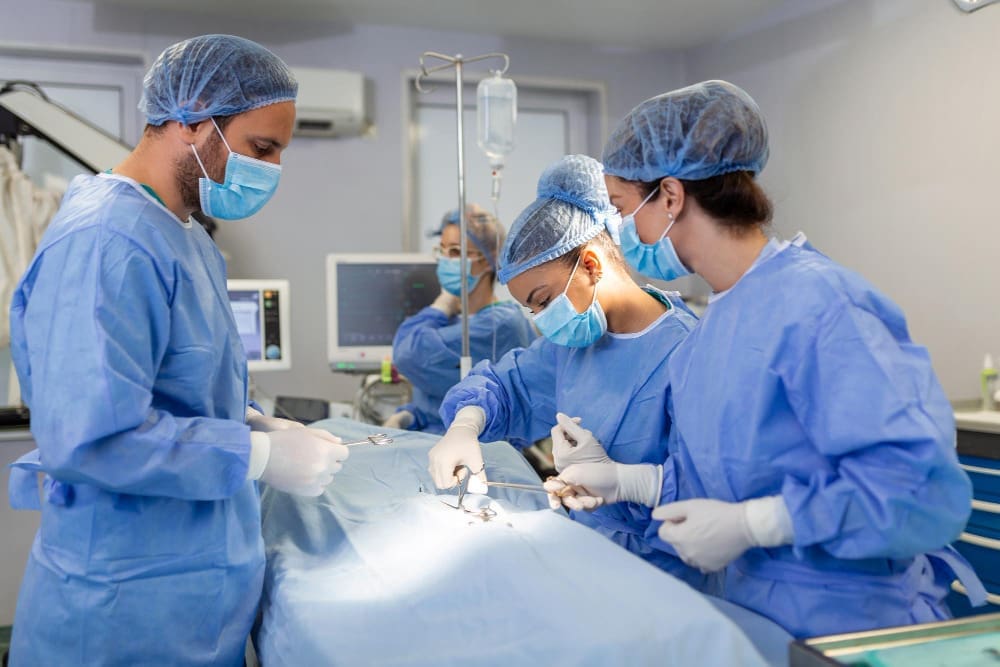
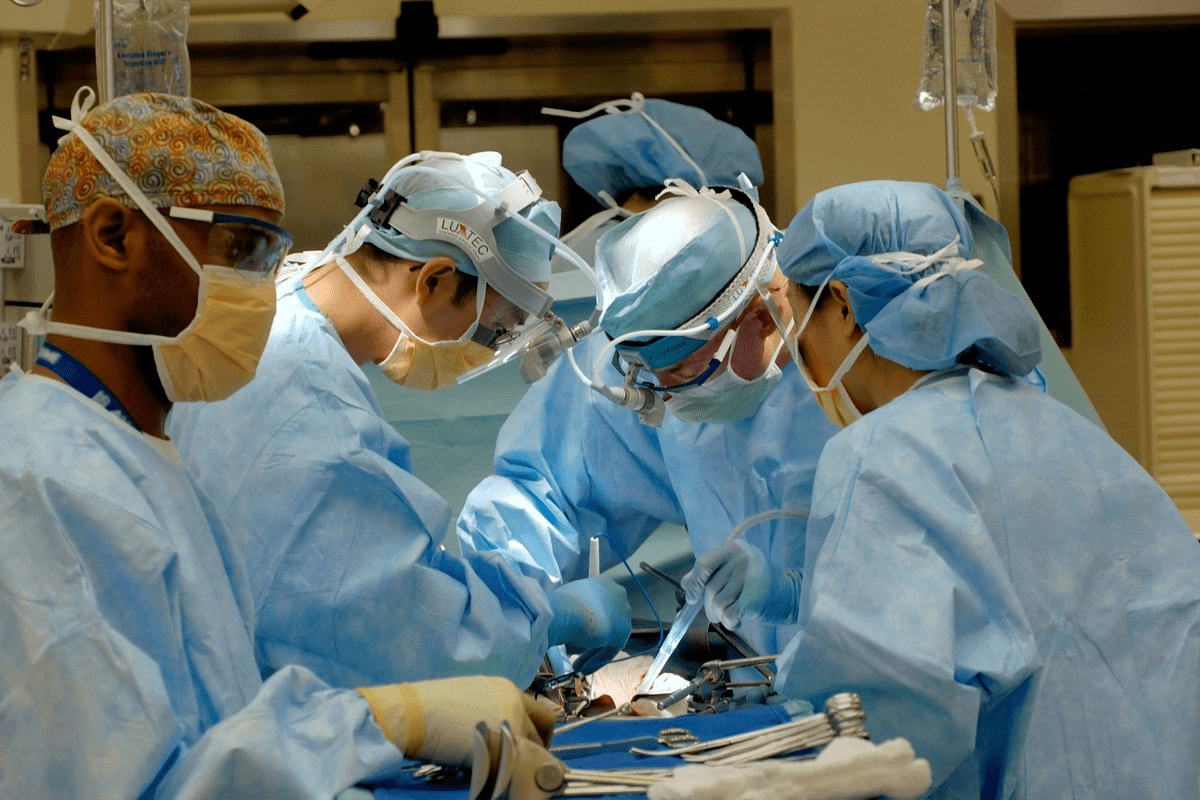
Surgery is key in treating pediatric cancer. It helps remove tumors and diagnose the disease. We work with skilled pediatric surgeons and specialists. This ensures each child gets care that fits their needs.
Types of Surgical Procedures
The surgery type depends on the tumor’s location, size, and the child’s health. We use different techniques, such as:
- Tumor resection: Removing the tumor and some surrounding tissue to get rid of all cancer cells.
- Biopsy: Taking tissue for diagnosis to find out the cancer type and stage.
- Reconstructive surgery: Fixing damaged tissue or restoring function after removing the tumor.
Each surgery is planned and done carefully to reduce risks and improve results.
Recovery and Aftercare
Recovery from pediatric cancer surgery varies. It depends on the surgery’s complexity and the child’s response. We offer detailed aftercare, including:
| Aspect of Care | Description |
| Pain management | Effective pain relief to keep the child comfortable. |
| Nutritional support | Advice on nutrition to help with healing and health. |
| Follow-up care | Regular check-ups to watch recovery and address concerns. |
Our team is dedicated to supportive care during recovery. We make sure the child and their family get the help and reassurance they need.
Targeted Therapy and Immunotherapy
In recent years, targeted therapy and immunotherapy have become key treatments for some pediatric cancers. These new methods have shown great promise in helping children with cancer.
What is Targeted Therapy?
Targeted therapy uses drugs to attack specific cancer cells or genes. It’s different from traditional chemotherapy, which harms both cancer and healthy cells. This therapy aims to be more precise by focusing on specific molecular markers or genetic changes in cancer cells.
Benefits of Targeted Therapy:
- It has fewer side effects than traditional chemotherapy
- It targets cancer cells more precisely
- It may lead to better treatment results
For instance, some targeted therapies block signals that help cancer cells grow. Others help the immune system find and destroy cancer cells better.
The Role of Immunotherapy
Immunotherapy uses the body’s immune system to fight cancer. It boosts the body’s defenses to better recognize and attack cancer cells. This approach is great for kids with cancer because it’s often less harmful than traditional treatments.
Types of Immunotherapy:
| Type | Description |
| Monoclonal Antibodies | Laboratory-made antibodies designed to target specific cancer cells |
| CAR T-cell Therapy | A form of immunotherapy that involves removing T cells from the blood, modifying them to recognize cancer cells, and reinfusing them |
| Cancer Vaccines | Vaccines that help the immune system recognize and fight cancer cells |
Immunotherapy has shown great promise in treating various pediatric cancers. It offers new hope for kids who have tried other treatments without success.
As we learn more about cancer, targeted therapy and immunotherapy will likely play bigger roles. They will help provide more effective and tailored treatments for children with cancer.
Clinical Trials for Pediatric Cancer
Clinical trials offer new treatments for kids with cancer. These trials test new ways to fight cancer. They might not be available through regular treatments.
Significance of Clinical Trials
Clinical trials are key in treating kids with cancer. They help find better treatments with fewer side effects. Kids can get the latest in cancer care, which could make their lives better.
Key benefits of clinical trials include:
- Access to new and innovative treatments
- Close monitoring by a multidisciplinary team of specialists
- Contribution to the advancement of cancer care for future patients
Accessing Clinical Trials
Families can find clinical trials in several ways. Firstly, talk to your child’s doctor. They can tell you about trials and if your child can join.
Steps to access clinical trials:
- Consult with the child’s healthcare provider
- Search for clinical trials on reputable databases such as the National Cancer Institute’s database
- Contact pediatric cancer research centers directly
By following these steps, families can look into trials. They can then decide what’s best for their child.
Supportive Care in Pediatric Cancer
Supportive care is key in treating pediatric cancer. It meets the many needs of kids and their families. We know a cancer diagnosis affects the whole family, not just the child.
Coping with the Emotional Impact
Children with cancer face big emotional challenges. We offer psychological support to help them deal with their situation. This includes counseling, therapy, and support groups.
Our team works with families to find what they need. We create a plan for each family. This way, we help improve the well-being of our young patients.
Nutritional Support During Treatment
Nutrition is very important in treating pediatric cancer. Good nutrition helps kids get through treatment and recover. We give nutritional guidance that fits each child’s needs.
| Nutritional Aspect | Importance During Treatment | Guidance |
| Caloric Intake | Ensures the child has enough energy to undergo treatment | High-calorie foods and supplements |
| Protein Intake | Supports healing and recovery | Protein-rich foods like lean meats, fish, and eggs |
| Hydration | Essential for overall health and to prevent dehydration | Encouraging fluid intake, including water and electrolyte-rich beverages |
We focus on both the emotional and nutritional needs of our patients. This way, we offer full supportive care. It helps them do well during treatment.
Long-term Effects and Survivorship
More children are surviving cancer, leading to a need for long-term care. We focus on survivorship care for childhood cancer. This ensures our young patients can live healthy lives.
Care After Treatment
Watching for cancer to come back is key after treatment. We work with families to create a follow-up care plan. This plan addresses the long-term effects of cancer treatment and promotes well-being.
Life after cancer treatment needs ongoing support. Our team provides complete care, including nutrition advice and psychological support. We help survivors deal with life’s challenges after treatment.
FAQ
What are the common treatment options for pediatric cancer?
Treatments for pediatric cancer include chemotherapy, radiation, and surgery. We also use targeted therapy and immunotherapy. Our team creates a treatment plan that fits the child’s cancer and health.
How is a diagnosis of pediatric cancer made?
Diagnosing pediatric cancer involves a physical exam and medical history. We also use imaging studies and biopsies. Our experts work together to ensure accurate diagnosis and staging.
What is the role of chemotherapy in pediatric cancer treatment?
Chemotherapy is key in treating many pediatric cancers. We use drugs to kill cancer cells. Our team focuses on minimizing treatment’s impact on the child’s life.
What are the common side effects of chemotherapy in children?
Chemotherapy can cause nausea, vomiting, hair loss, and fatigue. We work hard to manage these side effects and support the child’s well-being.
When is radiation therapy used in pediatric cancer treatment?
Radiation therapy is used for some children with cancer. It kills cancer cells. Our radiation oncologists ensure it’s delivered safely and effectively.
What is targeted therapy, and how is it used in pediatric cancer treatment?
Targeted therapy targets specific cancer cells or proteins. We use it for certain pediatric cancers. Our team stays updated on the latest cancer treatments.
What is immunotherapy, and how is it used in pediatric cancer treatment?
Immunotherapy uses the body’s immune system to fight cancer. We use it for some pediatric cancers. Our team supports families considering this treatment.
What are clinical trials, and how can families access them?
Clinical trials test new cancer treatments. Our team helps families find relevant trials. We provide information and support for those considering them.
What is supportive care, and why is it important in pediatric cancer treatment?
Supportive care includes psychological support and nutritional guidance. It helps children and families cope with treatment. Our team provides care that addresses the child’s whole well-being.
What are the long-term effects of pediatric cancer treatment, and how are they managed?
Treatment can lead to physical, emotional, and psychological challenges. Our team offers ongoing support to survivors. We help them live healthy lives and address their needs.
What is survivorship care, and why is it important?
Survivorship care monitors and supports cancer survivors. Our team provides care tailored to each survivor. We promote healthy living and monitor for long-term effects.
How can families access pediatric cancer treatment and supportive care?
Families can contact us for treatment and supportive care. Our team provides personalized care for each child. We work closely with families to develop treatment plans.
What is a multidisciplinary approach to pediatric cancer treatment?
A multidisciplinary approach involves a team of experts. Our team includes oncologists, surgeons, and specialists. We work together to provide complete care.
How is pain managed in pediatric cancer treatment?
Pain management is key in pediatric cancer treatment. Our team uses medication, therapy, and other methods. We aim to manage pain effectively.
What is the importance of early detection in pediatric cancer treatment?
Early detection is critical for better outcomes. Our team provides prompt diagnosis and treatment. We help families recognize signs and symptoms of pediatric cancer.
Reference
- Helms, L. (2023). Innovations in cancer treatment of children. Pediatrics, 152(6), e2023061539. https://pmc.ncbi.nlm.nih.gov/articles/PMC10657776/