Last Updated on December 1, 2025 by Bilal Hasdemir

Leukemia is the most common cancer in kids and teens, says the National Cancer Institute. This fact shows how important it is to know about rates of leukemia in children and its effects on young lives.
The prevalence of pediatric leukemia worries parents, doctors, and researchers a lot. It’s the top childhood cancer, so we need to focus on fighting it.
Key Takeaways
- Leukemia is the most common cancer in children and teens.
- Understanding pediatric leukemia prevalence is key for healthcare and research.
- Rates of leukemia in children change, so we need to keep studying.
- Knowing about childhood leukemia incidence helps support families more.
- The National Cancer Institute is a top source for data on pediatric leukemia.
Understanding Pediatric Leukemia

Pediatric leukemia is a serious condition that affects children’s health. It is a type of cancer that starts in the bone marrow. Here, abnormal white blood cells grow without control, causing health problems.
Definition and Basic Concepts
Leukemia in kids happens when the bone marrow makes bad white blood cells. These cells take over, making it hard for the body to fight off infections. The SEER Cancer Stat Facts say it starts in the blood-making tissue, mainly in the bone marrow.
Impact on Children’s Health
Leukemia has a big impact on kids’ health. It affects their physical health and also their emotional and mental well-being. Knowing pediatric leukemia statistics and childhood leukemia diagnosis rates helps doctors create better treatment plans and support for families.
Pediatric Leukemia Prevalence: Global and U.S. Statistics
Pediatric leukemia statistics show a complex picture of the disease’s impact on children’s health worldwide. Leukemia is a big concern globally, with different rates in various regions.
Worldwide Incidence Rates
The worldwide incidence of pediatric leukemia varies. Some regions have higher rates than others. According to global health data, leukemia is a top cancer in kids worldwide.
| Region | Incidence Rate (per 100,000 children) |
| North America | 4.8 |
| Europe | 4.5 |
| Asia | 3.8 |
United States Statistics
In the United States, the rate of new cases of childhood leukemia was 4.8 per 100,000 children per year. This was based on 2018-2022 cases, age-adjusted. This data shows how important leukemia is as a pediatric health issue.
Geographic Variations Within the U.S.
There are geographic variations in the incidence of pediatric leukemia within the United States. Some regions have higher rates than others. This suggests possible environmental or genetic factors.
Understanding these variations is key for targeted healthcare and research into pediatric leukemia causes.
Types of Childhood Leukemia and Their Frequency

It’s important to know the different types of childhood leukemia. This knowledge helps doctors diagnose and treat the disease better. Leukemia in kids is mainly split into two groups based on the cell type and how fast it grows.
Acute Lymphoblastic Leukemia (ALL)
Acute Lymphoblastic Leukemia (ALL) is the most common leukemia in children. It makes up about 3 in 4 cases. ALL happens when there’s too much of a certain type of immature cell in the blood.
It’s most common in kids between 2 and 5 years old. Some kids with certain genetic conditions are more likely to get it.
Key characteristics of ALL include:
- Rapid onset and progression
- Affects lymphoid cells
- More common in young children
Acute Myeloid Leukemia (AML)
Acute Myeloid Leukemia (AML) is another common leukemia in kids, though less common than ALL. AML affects a different type of cell and can grow fast if not treated quickly. The symptoms and treatment for AML are different from ALL.
Key characteristics of AML include:
- Affects myeloid cells
- Can progress rapidly
- Often requires intensive chemotherapy
Other Rare Forms
There are also rare types of leukemia in kids, like chronic lymphocytic leukemia (CLL) and chronic myeloid leukemia (CML). These are more common in adults but can happen in kids too.
Age Distribution of Pediatric Leukemia Cases
Pediatric leukemia cases show a clear pattern by age. This pattern helps us understand the disease better. It shows how leukemia affects different age groups in different ways.
Infants and Toddlers (0-4 years)
This age group sees a lot of Acute Lymphoblastic Leukemia (ALL). ALL is the most common leukemia in kids. It hits hardest between ages 2 and 5.
Studies say genetic factors play a big role in this age group. It’s a key time for early detection and treatment.
School-Age Children (5-9 years)
Children in this age group are also at risk for ALL. But the rate might drop a bit compared to the 2-5 year peak. Effective diagnosis and treatment protocols are key here to boost survival chances.
Looking at age-specific rates helps us understand how the disease progresses. It also shows how well treatments work.
Adolescents (10-19 years)
Adolescents see a mix of ALL and Acute Myeloid Leukemia (AML). They need care that covers both medical and emotional needs. Knowing the age pattern helps tailor treatments to their unique needs.
Gender and Ethnic Differences in Childhood Leukemia
Leukemia in children shows big differences based on gender and ethnicity. This shows how complex the disease is. Knowing these differences helps in treating and studying the disease.
Gender Disparities
Research shows that Acute Lymphoblastic Leukemia (ALL) is more common in boys than girls. This difference points to the need to study why leukemia affects boys more.
Ethnic and Racial Variations
Studies reveal that ALL is more common in Hispanic and White children than in African American and Asian American children. This suggests that genetics or environment might influence leukemia risk.
These differences in leukemia rates by ethnicity and gender are key. They show the need for treatments and research that fit each group. By looking into these differences, scientists can find better ways to fight leukemia.
Risk Factors Contributing to Pediatric Leukemia
Many things can increase a child’s chance of getting leukemia. This includes genes and what they are exposed to. Knowing these risks helps find kids at higher risk and how to lower those risks.
Genetic Factors
Genes play a big part in leukemia in kids. Kids with Down syndrome or other genetic disorders are at higher risk. Children with certain genetic disorders are more susceptible to leukemia, making genetic screening key.
Environmental Exposures
Some things in the environment can raise the risk of leukemia in kids. Ionizing radiation is one, as it can harm DNA and lead to cancer. Also, some chemicals and pesticides have been linked to a higher risk.
Other Possible Risk Factors
Other things might also increase the risk of leukemia in kids. Not getting common infections early might raise the risk later. Also, what the mother is exposed to during pregnancy can affect the risk.
It’s important to understand how these factors work together. This helps in finding better ways to prevent and treat leukemia in kids. By studying these factors, doctors can improve how they diagnose and treat this disease.
Recognizing Symptoms of Leukemia in Children
Childhood leukemia symptoms can be hard to spot, making it key for parents to know the signs. Leukemia, a blood and bone marrow cancer, shows differently in kids than in adults.
Common Early Warning Signs
Signs of leukemia in kids include tiredness, pale skin, and often getting sick. They might also bruise or bleed easily, have bone or joint pain, and have swollen lymph nodes or spleen.
- Fatigue or persistent tiredness
- Pale skin due to anemia
- Frequent infections
- Bruising or bleeding easily
When to Seek Medical Attention
If a child shows several of these signs, getting medical help is vital. Early diagnosis is key to better treatment results.
Diagnostic Process
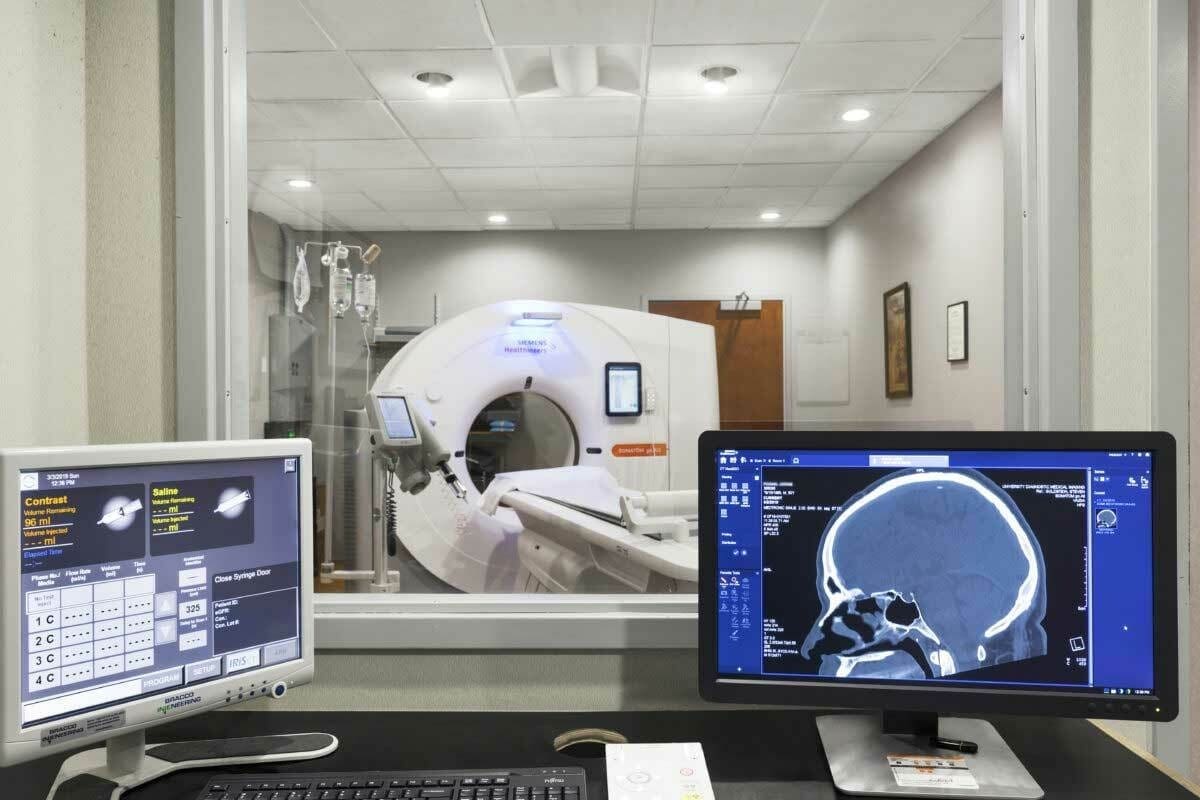
Diagnosing leukemia involves tests like blood tests, bone marrow biopsies, and imaging studies. These help figure out the leukemia type and stage.
| Diagnostic Test | Purpose |
| Blood Tests | To check for abnormal blood cells |
| Bone Marrow Biopsy | To examine the bone marrow for cancer cells |
| Imaging Studies | To assess the extent of the disease |
Knowing leukemia symptoms and how it’s diagnosed in kids helps parents and caregivers act fast. This can greatly improve treatment chances.
Survival Rates and Prognosis
Medical science has made big strides in treating leukemia in kids. This progress comes from ongoing research and better treatment plans. It also includes improved care for young patients.
Overall Survival Statistics
The 5-year survival rate for kids with leukemia is about 86.3% (2015-2021). This is based on data from “SEER Cancer Stat Facts: Childhood Leukemia.” It shows a big jump in treatment success. Early diagnosis and treatment are key to these numbers.
Factors Affecting Prognosis
Many things can change a child’s leukemia prognosis. These include the leukemia type, age at diagnosis, and how well they respond to treatment. Genetic factors also matter a lot. Knowing these helps doctors create the best treatment plans for each child.
Long-term Outlook
Kids who beat leukemia often live healthy lives. But, they might need to keep an eye out for late effects of treatment.
Overall, the outlook for kids with leukemia keeps getting better. This gives hope for even better results in the future.
Comparing Leukemia to Other Pediatric Cancers
Leukemia is a major concern when talking about childhood cancers. It’s important to know how it stacks up against other cancers in kids. This knowledge helps both patients and doctors.
Relative Frequency Among Childhood Cancers
Leukemia is the top cancer in kids and teens, making up about 30% of all childhood cancers. The American Cancer Society notes, “Leukemia is the most common cancer in children and teens.” Other common cancers in kids include brain tumors, neuroblastoma, and lymphoma.
| Type of Cancer | Approximate Percentage |
| Leukemia | 30% |
| Brain and CNS Tumors | 25% |
| Neuroblastoma | 6% |
| Lymphoma | 5% |
Comparative Survival Rates
Survival rates for leukemia in kids have greatly improved. Now, over 90% of kids with leukemia live for at least 5 years. Other cancers, like neuroblastoma and brain tumors, have different survival rates. Neuroblastoma’s 5-year survival rate is about 80%, and brain tumors’ is around 75%.
These numbers show how far we’ve come in treating childhood cancers. Leukemia has seen the biggest jump in survival rates.
Conclusion
Pediatric leukemia is a big health issue. Knowing how common it is helps us fight it better. The “SEER Cancer Stat Facts: Childhood Leukemia” shows how important it is to understand this.
The amount of leukemia in kids changes around the world and in the U.S. Things like age, gender, and race affect it. Knowing these helps us focus our efforts and spread the word.
Looking at cancer stats in kids helps us find new ways to treat leukemia. This can lead to better care and more kids surviving. It’s a big step forward.
We need to keep studying and raising awareness about pediatric leukemia. Together, we can learn more and find better ways to help kids with this disease.
FAQ
What is pediatric leukemia?
Pediatric leukemia is a cancer that affects kids. It makes the bone marrow produce bad white blood cells.
How common is pediatric leukemia worldwide?
It’s very common in kids, being one of the top cancers. Rates vary by region and country.
What are the most common types of childhood leukemia?
The top types are Acute Lymphoblastic Leukemia (ALL) and Acute Myeloid Leukemia (AML).
What is the incidence of Acute Lymphoblastic Leukemia (ALL) in children?
ALL is the most common, making up about 80% of childhood leukemia cases.
Are there any geographic variations in pediatric leukemia incidence within the United States?
Yes, some areas in the U.S. have higher rates than others.
How does leukemia affect different age groups in children?
It can hit any age, but most cases are in kids aged 2-5.
Are there any gender disparities in childhood leukemia incidence?
Yes, boys are slightly more likely to get leukemia than girls.
What are the risk factors that contribute to pediatric leukemia?
Risk factors include genetics, radiation, and some environmental exposures.
What are the common symptoms of leukemia in children?
Symptoms include fever, tiredness, pale skin, and easy bruising.
What is the survival rate for pediatric leukemia?
Survival rates have greatly improved. Now, 5-year survival rates are 80-90% for some types.
How does leukemia compare to other pediatric cancers in terms of frequency?
Leukemia is among the most common, making up about 30% of childhood cancers.
What is the long-term outlook for children diagnosed with leukemia?
The outlook depends on the leukemia type, treatment response, and other factors. Many kids can achieve long-term remission or cure.
References
- Vallet, P., et al. (2024). Infections in children and adolescents with Acute Leukemia. European Journal of Pediatrics. https://www.sciencedirect.com/science/article/pii/S2772610X24000011