Last Updated on November 14, 2025 by
Pediatric rehabilitation is a wide-ranging approach. It aims to boost physical, cognitive, emotional, and social skills in kids aged 1-17. We understand that every child is different. So, our programs are customized to fit their unique needs.

Our pediatric rehab programs offer more than 4.6 hours of therapy every day. We combine physical, occupational, and speech therapy. This all-encompassing method helps kids reach their highest abilities. It also lets them live happy and fulfilling lives.
Key Takeaways
- Comprehensive pediatric rehabilitation programs cater to children aged 1-17.
- Multiple therapies are integrated to enhance physical, cognitive, emotional, and social outcomes.
- Our pediatric rehab programs deliver over 4.6 hours of therapeutic interventions daily.
- Therapies include physical, occupational, and speech therapy.
- Our approach is tailored to meet the unique needs of each child.
The Complete Nature of Pediatric Rehabilitation
Pediatric rehabilitation takes a whole-child approach. It uses many therapies to help kids grow. We know every child is different, so we customize our programs for them.
Definition and Age-Specific Considerations
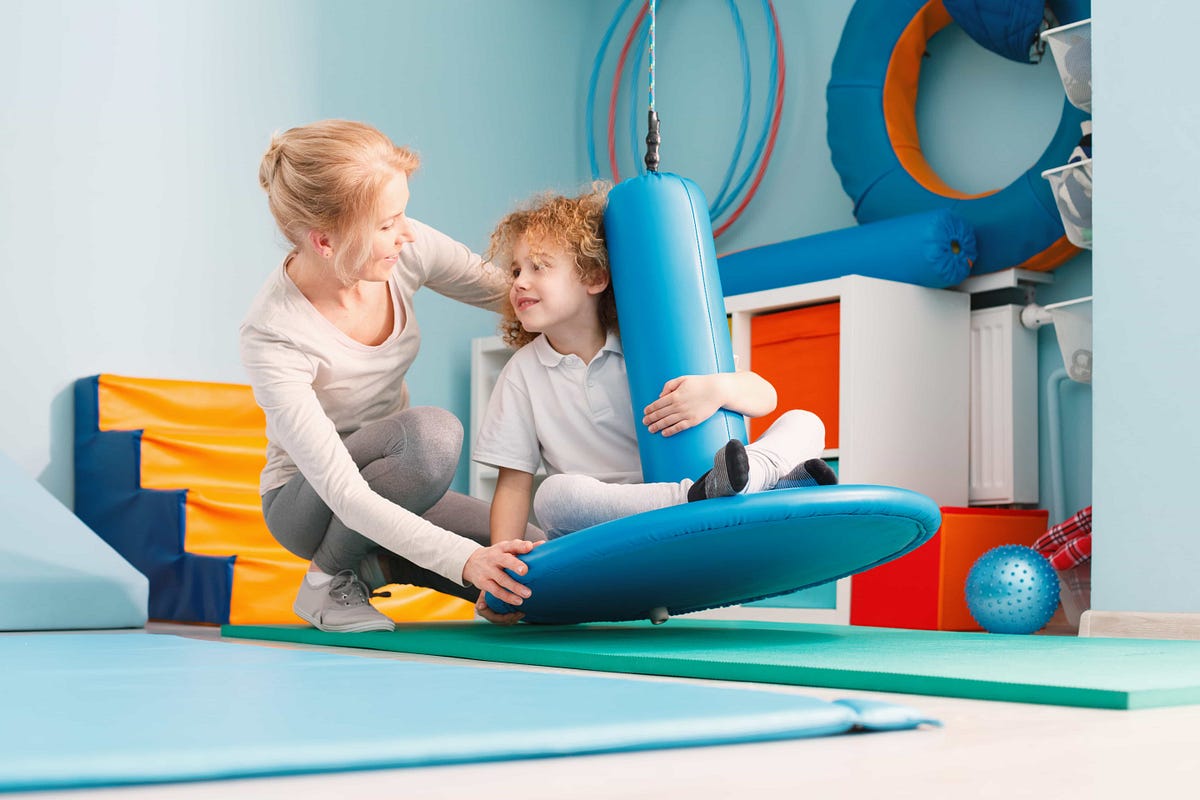
Pediatric rehabilitation is a wide field that helps kids with disabilities, injuries, or diseases. Our programs help kids from babies to teens. They are made to fit each age group’s needs.
Therapies like physical, occupational, and speech therapy are used. They are adjusted for the child’s age and needs. For example, our inpatient pediatric physical therapy helps kids get back their strength and mobility after surgery or injury.
Statistical Outcomes and Effectiveness
Studies show that intensive pediatric rehab programs really help kids. Our kids get over 4.6 hours of therapy every day. 100% of them keep or get better in their abilities. These statistical outcomes prove our methods work well.
We follow the latest research and use high-intensity treatments. Our focus on rehab pediatrics keeps us up-to-date with new therapies. This improves the lives of kids in rehab.
Physical Therapy as a Core Component
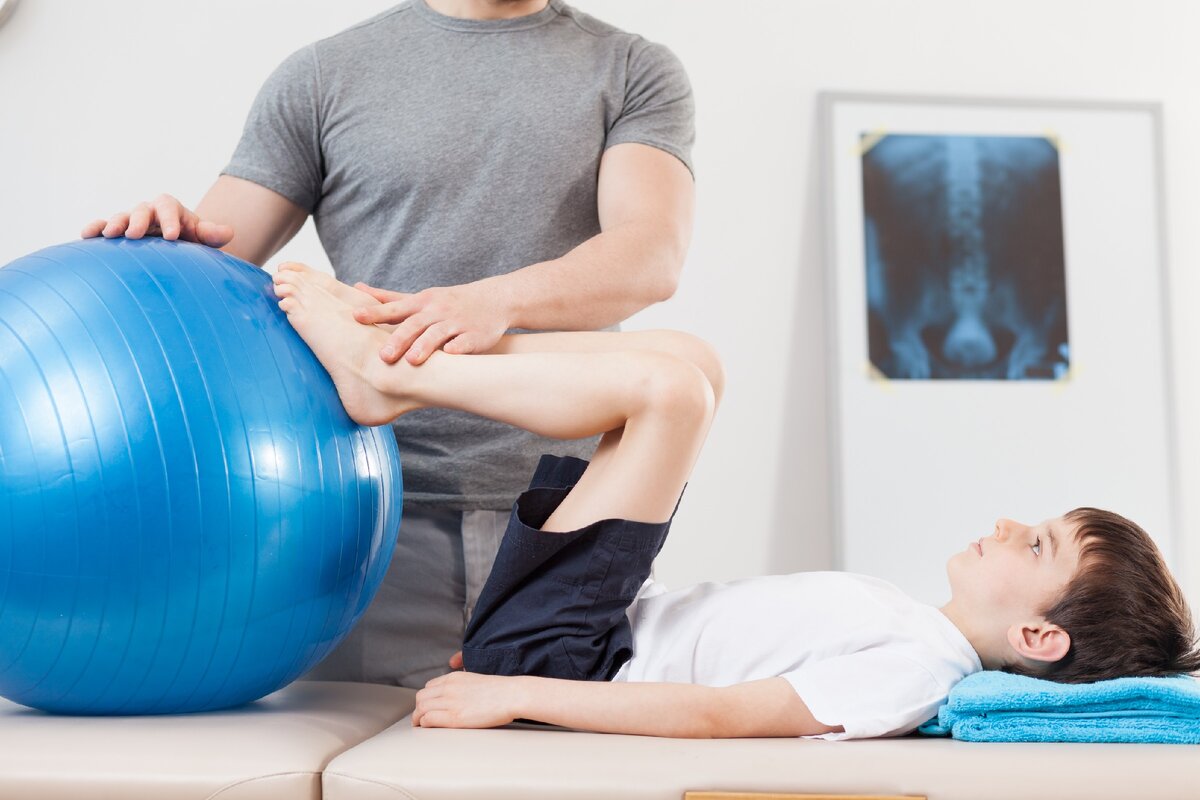
Physical therapy is key in helping kids get back on their feet. It’s all about tailored programs to boost their quality of life. This is true for kids facing physical challenges.
Mobility and Motor Skills Development
Our physical therapists work closely with kids, teaching them exercises to boost strength and mobility. This personal touch helps kids learn the motor skills they need for everyday life. For example, a study in Frontiers in Pediatrics shows how effective targeted physical therapy can be.
Strength and Endurance Training
Building strength and endurance is a big part of pediatric physical therapy. We create programs that help kids get the strength and stamina they need. This way, they can join in on family and social activities more easily.
Specialized Equipment and Techniques
Our therapists use special equipment and techniques to meet each child’s unique needs. This might include assistive devices, hydrotherapy, or other advanced methods. These tools help us tailor therapy to each child’s specific challenges, supporting their recovery and growth.
Speech and Language Therapy Components
Speech and language therapy are key parts of helping kids in pediatric rehab. They help kids talk and eat better. This lets them connect with the world around them.
Communication Skills Enhancement
Our speech therapists help kids talk better. They work on sounds, understanding, and speaking. We use language therapy games and augmentative communication devices to help.
For example, kids with apraxia of speech get special therapy. It helps them move their mouth muscles better. This makes their speech clearer.
Swallowing and Feeding Therapy
Some kids have trouble eating because of developmental or neurological issues. Our therapists use exercises and swallowing therapy to help. This makes eating safer and prevents choking.
Let’s say a child has trouble swallowing. We do a detailed check to find the best way to feed them. This might include changing their diet or how they eat.
Augmentative and Alternative Communication
We offer augmentative and alternative communication (AAC) for kids who can’t talk well. AAC includes pictures, symbols, and electronic devices. These tools help kids tell others what they need.
Using AAC, kids can talk more and join in with others. Our team helps families find the right tools for each child. This way, kids can communicate better and learn more.
Psychological Support in Pediatric Rehab
Children in rehab face emotional and behavioural challenges. Pediatric rehab centers offer psychological support to help. This support is key to treatment success.
Emotional and Behavioural Assessment
We start with emotional and behavioural assessments. We learn about each child’s needs. This includes their mental health and how they cope.
Key components of this assessment include:
- Clinical interviews with the child and their family
- Standardized assessment tools to evaluate emotional and behavioural functioning
- Observations of the child’s behaviour in different settings
Coping Strategies Development
Teaching children to cope is vital. We help them find healthy ways to deal with stress and anxiety.
Some of the strategies we focus on include:
- Relaxation techniques such as deep breathing and progressive muscle relaxation
- Cognitive-behavioural therapy to change negative thought patterns
- Encouraging participation in activities they enjoy to build resilience
Family Counselling and Support
Family counselling is a big part of pediatric rehab. We support families to help them understand and support their child’s needs.
“Family support is vital in the rehab process. By giving families the right tools and knowledge, we can greatly improve the child’s recovery.”
Our team offers counselling and guidance to families. We make sure they feel supported every step of the way.
Recreational Therapy and Play-Based Interventions
Recreational therapy is key in helping kids during pediatric rehabilitation. It uses play and activities to aid in healing. This helps kids learn social skills, gain confidence, and enjoy the therapy.
Recreational therapists create special events and activities. These are designed to boost a child’s health and abilities. Each activity is made just for the child, making sure it’s both fun and helpful.
Therapeutic Play Activities
Therapeutic play is a big part of recreational therapy. It lets kids do things that help them grow physically and mentally. Play-based interventions include games, arts, and outdoor fun, all adjusted for each child’s needs.
For instance, a child with mobility problems might play adapted sports. This helps them move better. A child struggling with talking might do activities that help with language and social skills.
Social Skills Development Through Recreation
Recreational therapy is more than just fun. It’s also great for learning social skills. Kids learn to play together, share, and work as a team. These skills are vital for making friends and doing well in life.
Social skills development is very important in pediatric care. It helps kids fit back into their communities and play with friends. By adding recreational therapy to treatment, kids can gain the confidence and skills they need to succeed.
We know every child is different, with their own challenges and strengths. Our recreational therapy programs are flexible and tailored. This way, each child gets the support they need to reach their highest level.
Conditions Addressed in Pediatric Rehabilitation
Pediatric rehabilitation helps children with many conditions. It focuses on physical, cognitive, and emotional health. We tailor our programs to meet each child’s needs.
Neurological Conditions
Neurological conditions are a big part of pediatric rehabilitation. These can come from birth, injuries, or infections. Conditions like cerebral palsy, spina bifida, and traumatic brain injuries are common.
Our programs aim to improve mobility and manage symptoms. This helps children live better lives. For example, kids with cerebral palsy get physical therapy to move better.
Occupational therapy helps with daily skills. Speech therapy improves communication. A full approach supports all aspects of a child’s growth.
Key interventions for neurological conditions include:
- Physical therapy to enhance mobility and strength
- Occupational therapy to develop daily living skills
- Speech therapy to improve communication
Developmental Disorders
Developmental disorders, like developmental delays and autism spectrum disorder (ASD), are also treated. These can affect cognitive, social, and emotional growth. Our programs are customized to support each child’s development.
Children with ASD often benefit from Applied Behaviour Analysis (ABA). Speech and language therapy improve communication. Occupational therapy helps with sensory integration and daily tasks.
“Early intervention and support are key for children with developmental disorders. They help children reach their full abilities.”
Traumatic Injuries and Recovery
Traumatic injuries, like fractures and amputations, need special care. Our programs offer intensive therapy to help children recover. This includes restoring function and managing pain.
For example, kids with amputations get prosthetic training. Physical therapy helps regain strength. Occupational therapy adapts them to prosthetics and daily tasks.
Rehabilitation for traumatic injuries typically involves:
- Initial assessment and treatment planning
- Physical therapy to regain strength and mobility
- Occupational therapy for functional adaptation
- Pain management strategies
Pediatric rehabilitation addresses many conditions, from neurological disorders to traumatic injuries. Our programs are designed to support children’s health and development. They help each child recover and thrive.
Evidence-Based Protocols and Intensity of Interventions
The success of pediatric rehab depends on the intensity of treatments and the use of proven methods. We know that the best plans are based on the latest research and fit each child’s needs.
“The key to successful pediatric rehabilitation lies in the application of evidence-based practices and the intensity of therapy sessions,” as emphasized by recent studies. This approach not only enhances the recovery process but also ensures that children achieve the best possible outcomes.
Research-Backed Treatment Methods
Our treatment methods are based on the latest research in pediatric rehabilitation. We use evidence-based protocols that have been proven to improve children’s abilities. These protocols are updated regularly to reflect new research.
For example, studies have shown that intensive physical therapy can greatly improve mobility and motor skills in children with neurological conditions. Our therapists create a personalized treatment plan for each child, using the most effective techniques.
High-Intensity Therapy Models (4.6+ Hours Daily)
High-intensity therapy models have become popular for their ability to speed up recovery. We use therapy models with 4.6+ hours of therapy daily, which have been shown to improve children’s abilities significantly.
“High-intensity therapy can lead to substantial gains in functional outcomes for children undergoing rehabilitation,” according to a recent meta-analysis. Our programs are designed to provide a supportive and engaging environment that fosters the child’s overall development.
By combining evidence-based protocols with high-intensity therapy models, we aim to provide the most effective care for children undergoing pediatric rehabilitation. Our multidisciplinary team works together to ensure each child gets a treatment plan that fits their unique needs.
Technology and Innovation in Pediatric Rehabilitation
Technology is changing how we help kids in rehabilitation. It makes therapy more fun and effective. It also meets the unique needs of young patients.
Assistive Technology Solutions
Assistive technology is key in helping kids with disabilities. It gives them tools to overcome physical and communication barriers. From simple devices to advanced aids, it’s all about helping kids thrive.
Experts say assistive technology has changed the game. It lets kids fully join in school and social activities.
We use many assistive technologies, including:
- Communication devices for expressing needs and thoughts.
- Adaptive equipment for daily tasks.
- Mobility aids for more independence and fun.
Virtual Reality and Gaming Applications
Virtual reality and gaming are making therapy fun for kids. They help with motor skills, thinking, and feelings. Therapy becomes something kids look forward to.
Benefits of VR and Gaming:
- More engagement and motivation.
- Better motor skills and coordination.
- Interactive challenges for the brain.
Robotics and Advanced Therapeutic Devices
Robotics and advanced devices are leading the way in rehab tech. They offer precise movements for recovery. For instance, robotic exoskeletons help kids with neurological issues walk again.
“The integration of robotics in pediatric rehabilitation is opening new possibilities for children to regain their independence and improve their quality of life.”
We’re dedicated to using these technologies to help our young patients. By combining tech with care, we can make a big difference in their lives.
Leading Pediatric Rehabilitation Centers in the US
Several top pediatric rehabilitation centers in the US are known for their excellent care and advanced therapies. They aim to give kids the best chance at a good outcome through various services.
It’s key to have both hospital-based and specialized outpatient centers for kids’ rehab. These places offer the care needed for kids to recover and grow.
Hospital-Based Programs
Hospital-based programs give kids intensive care and therapy. They are part of big children’s hospitals or rehab institutes. This setting is perfect for kids needing close medical watch.
- Shriners Children’s is famous for its orthopedic and rehab services. They offer full care for free to families.
- Mayo Clinic is also a top place for kids’ rehab. They use their wide medical knowledge to help kids.
These programs offer many therapies. Kids get physical, occupational, and speech therapy. Each therapy is made just for them.
Specialized Outpatient Centers
Outpatient centers are key for kids’ ongoing care. They offer therapy and support in a less intense setting.
- These centers have specialized therapy programs for kids with certain needs, like autism or cerebral palsy.
- They also have family support services. They know how important family is in a child’s rehab.
With their services and therapies, these centers help kids reach their full potential. They help kids fit back into their communities.
Conclusion: The Future of Pediatric Rehabilitation
We are in a time of big change in pediatric rehabilitation. New technology and therapy methods are leading the way. The market for child rehabilitation is set to grow from $52.47 billion in 2024 to $103.14 billion by 2034.
New technologies like virtual reality and robotics will be key in the future of pediatric rehab. They will help us create more tailored and effective treatments. This will lead to better results for kids.
The future of pediatric rehabilitation is promising. Ongoing research and development are making care better. We aim to provide top-notch healthcare and support for patients from around the world. The progress in pediatric rehabilitation will positively affect the lives of children and families everywhere.
FAQ
What is pediatric rehabilitation?
Pediatric rehabilitation helps kids aged 1-17. It improves their physical, cognitive, emotional, and social skills. This approach uses many disciplines to help children.
What therapies are typically included in pediatric rehabilitation programs?
Kids get physical, occupational, speech, and recreational therapy. These therapies are tailored to each child’s needs and age.
What is the role of physical therapy in pediatric rehabilitation?
Physical therapy boosts kids’ mobility, motor skills, strength, and endurance. It helps them become more independent and live better lives.
How does speech and language therapy support children in pediatric rehabilitation?
Speech and language therapy improves communication skills. It also helps with swallowing and feeding issues. This therapy lets kids interact better with their world.
What is the significance of psychological support in pediatric rehabilitation?
Psychological support looks at a child’s emotional and behavioural health. It helps them cope and supports their family. This promotes overall well-being and mental health.
How does recreational therapy contribute to pediatric rehabilitation?
Recreational therapy uses play to help kids heal physically and emotionally. It helps them develop social skills, builds confidence, and makes therapy fun.
What conditions are addressed in pediatric rehabilitation programs?
Programs help kids with neurological disorders, developmental delays, and injuries. They provide tailored care to support recovery and growth.
What is the importance of evidence-based protocols in pediatric rehabilitation?
Evidence-based protocols ensure kids get the best care. This care is backed by research and involves intensive therapy. It leads to better results.
How is technology being used in pediatric rehabilitation?
Technology, like assistive tech, virtual reality, and robotics, makes therapy more engaging. It helps make sessions more effective and fun.
What can be expected from leading pediatric rehabilitation centers in the US?
Top centers offer detailed and specialized care. They have hospital-based and outpatient programs. This ensures kids get the care they need.
What is the future of pediatric rehabilitation?
The future looks bright with new tech, therapy methods, and an understanding of child development. These advancements will lead to even better care and outcomes for kids.
References
- Hjab, Z. (n.d.). Methods used in pediatric rehabilitation. Retrieved from https://www.slideshare.net/slideshow/methods-used-in-pediatric-rehabilitation/236865683