Last Updated on November 25, 2025 by Ugurkan Demir

Seeing blood clots in urine is scary and worrying. It’s called hematuria with visible clotting. This means red blood cells and clotting factors are in your urinary tract.
Why are you peeing blood clots? Learn about the causes of gross hematuria with clots, and when this symptom requires urgent medical care.
At Liv Hospital, we know you need to see a doctor right away. Clots can mean many things, like infections or serious problems. We’ll look at why this happens and when to get help.
We focus on you, using the latest tech and care. We’ll check your symptoms carefully.
Key Takeaways
- Blood clots in urine, or hematuria, is a condition that requires immediate medical attention.
- The presence of clots can indicate various underlying issues, including infections and serious conditions.
- A patient-centered approach is key for a full check-up and care.
- Advanced diagnostic tech helps find out why you have blood clots in urine.
- Compassionate care helps you through this tough time.
Understanding Blood Clots in Urine (Hematuria)
Understanding hematuria is key to figuring out blood clots in urine. Hematuria means blood in the urine. It can point to many health problems.
What is Hematuria?
Hematuria is when red blood cells show up in urine. It’s split into microscopic and gross hematuria. Microscopic is only seen under a microscope, while gross is visible to the eye.
Recent studies show up to 30% of adults will have hematuria at some point.
Difference Between Microscopic and Gross Hematuria
The main difference is how you see the blood. Microscopic needs a test to find red blood cells. Gross hematuria makes urine pink, red, or brown.
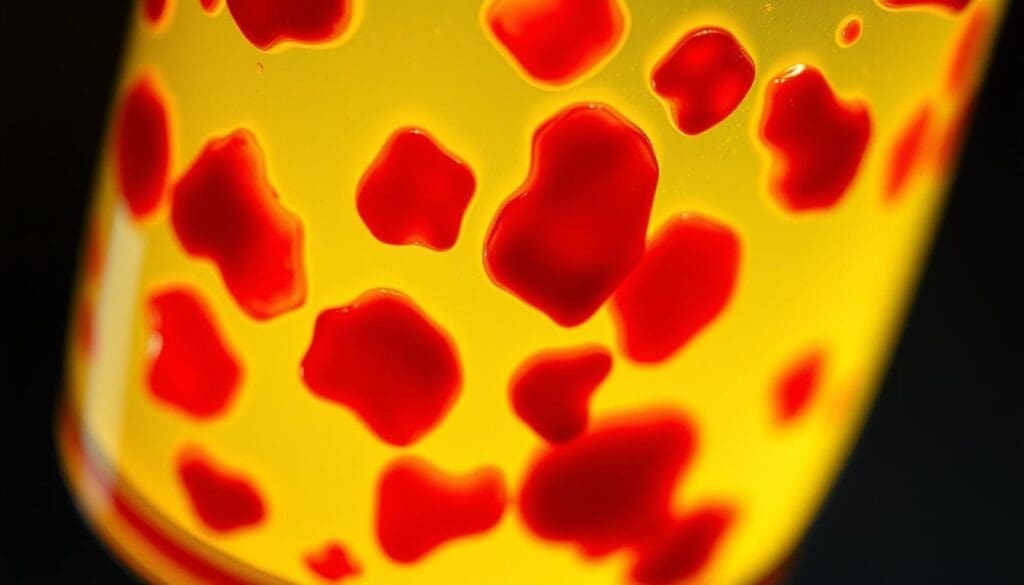
Gross hematuria can also cause blood clots. These clots can look stringy, wormlike, or darkened chunks.
Appearance of Blood Clots in Urine
Blood clots in urine look like stringy, wormlike, or darkened chunks. Their look can tell doctors how serious the problem is. Enough blood can make clots, giving clues for diagnosis.
If you see blood clots in your urine, get medical help. Hematuria can mean many things, from infections to serious diseases like cancer.
The Prevalence and Demographics of Hematuria

It’s important to know about hematuria to understand blood clots in urine. Hematuria means blood in the urine. It can be a sign of many things, from simple to serious health problems.
Statistics on Blood Clots in Urine
Hematuria is common among adults. Research shows it gets more common with age. About 2-3% of adults will have hematuria at some time.
Here are some key statistics:
| Age Group | Prevalence of Hematuria |
| Under 35 | 1.2% |
| 35-55 | 2.5% |
| Over 55 | 4.8% |
Age as a Factor in Diagnosis
Age is a big factor in diagnosing hematuria. Younger people often have less serious causes. But, older people are more likely to have serious health issues.
Gender Differences in Presentation
Men and women show hematuria differently. Some causes are more common in men, others in women. For example, urinary tract infections are more common in women. Men are more likely to have bladder and prostate problems.
Knowing these differences helps doctors make better diagnoses and treatment plans.
Why Am I Peeing Blood Clots? Common Causes Explained
Seeing blood clots in your urine is scary. Knowing why it happens is key to getting the right help. Blood clots in urine, or hematuria, can come from many issues in the urinary tract. We’ll look at the main reasons, like infections, stones, inflammation, and injuries.
Urinary Tract Infections (UTIs)
UTIs are a big reason for blood clots in urine. These infections happen when bacteria attack the urinary tract. This can cause pain and bleeding. Signs of UTIs include painful peeing, needing to pee a lot, and belly pain. If not treated, UTIs can harm your kidneys.
Kidney and Bladder Stones
Kidney and bladder stones also cause blood clots. These are hard, mineral-based deposits in the kidneys or bladder. When they move or get stuck, they can bleed and hurt. Stones can also raise the risk of UTIs. Symptoms include sharp pain, nausea, and throwing up.
Inflammatory Conditions of the Urinary Tract
Inflammatory conditions like interstitial cystitis or prostatitis can also cause blood clots. These conditions make the urinary tract inflamed and irritated, leading to bleeding. Treatment aims to reduce inflammation and manage symptoms.
Trauma and Injury to Urinary Structures
Urinary tract injuries or trauma can also cause bleeding. This can happen from accidents, sports injuries, or medical procedures. The amount of bleeding depends on the injury’s severity. If you have ongoing or severe bleeding, see a doctor right away.
In summary, blood clots in urine can stem from UTIs, stones, inflammation, and injuries. Knowing the causes helps find the right treatment. If you see blood in your urine, seeing a healthcare professional is important for diagnosis and care.
Serious Medical Conditions Associated with Blood Clots in Urine
Blood clots in urine can signal serious health issues that need quick action. Many causes of blood in the urine are treatable. But some can point to severe health problems. We’ll look at serious conditions linked to blood clots in urine, like kidney disease, urinary tract cancers, prostate issues, and gynecological problems.
Kidney Disease and Disorders
Kidney diseases and disorders can cause blood clots in urine. Nephrotic syndrome is one example. Kidney vasculitis and IgA nephropathy can also lead to this symptom.
Bladder or Kidney Cancer
Bladder or kidney cancer is a serious condition linked to blood in urine. Bladder cancer often shows as visible blood in the urine. Kidney cancer can also cause urine bleeding, though it’s less common.
Prostate Problems in Men
Prostate issues in men can also cause blood clots in urine. An enlarged prostate or prostatitis can lead to hematuria. In some cases, prostate cancer may also show as blood in the urine, though it’s less common.
Gynecological Issues in Women
Women can also have blood clots in urine due to gynecological problems. Endometriosis, where tissue grows outside the uterus, can cause hematuria. Other gynecological conditions, like cervical or uterine cancer, can also lead to urine bleeding.
| Condition | Common Symptoms | Potential Complications |
| Kidney Disease | Hematuria, proteinuria, swelling | Kidney failure, cardiovascular disease |
| Bladder or Kidney Cancer | Hematuria, pain during urination | Metastasis, urinary tract obstruction |
| Prostate Problems | Urinary frequency, hematuria | Urinary retention, prostate cancer |
| Gynecological Issues | Pelvic pain, irregular bleeding | Infertility, increased cancer risk |
If you have blood clots in your urine, see a doctor right away. Early treatment can greatly improve your chances of recovery for these serious conditions.
How Blood Clots Form in the Urinary System
The formation of blood clots in the urinary system is complex. It involves many physiological mechanisms. Blood clots in urine, or hematuria, can come from bleeding in the kidneys, ureters, bladder, or urethra.
When bleeding happens, the body tries to stop it by forming a clot. This process uses platelets and clotting factors in the blood to create a clot.
The Clotting Process
The clotting process is a series of events that leads to a fibrin clot. Injury or bleeding in the urinary tract causes platelets to stick to the damaged area. This starts a series of chemical reactions that forms a blood clot.
The clotting process involves several key steps:
- Platelet activation and aggregation
- Release of clotting factors
- Formation of fibrin
- Clot stabilization
Why Clots May Appear Stringy or Worm-like
Large blood clots in urine can form from bleeding in the bladder or urethra. The tubular structure of these areas naturally compresses clots into worm-like shapes as they exit the body.
The appearance of these clots can be influenced by the location and severity of the bleeding. For example, clots in the bladder may be expelled in a worm-like shape due to the bladder’s muscular contractions.
Size and Color Variations of Urinary Blood Clots
Blood clots in urine can vary a lot in size and color. This depends on the source and amount of bleeding.
| Characteristic | Description |
| Size | Clots can range from small, barely visible specks to large clots that can obstruct urine flow. |
| Color | Clots can appear bright red, dark red, or even brown. This depends on the age of the clot and the presence of other substances in the urine. |
Understanding these variations is key for diagnosing the cause of hematuria. The size and color of the clots, along with other symptoms, help healthcare providers make a diagnosis.
Symptoms That May Accompany Peeing Blood Clots
Blood clots in urine often come with other symptoms. It’s important to know these signs to understand the cause and what to do next.
Pain and Discomfort
Pain or discomfort while urinating is common with blood clots. This pain can be mild or severe and may feel in the lower abdomen, back, or sides. It can be due to infections, stones, or other irritations in the urinary system.
Some people may also feel a burning or stinging sensation while urinating. This can make daily activities harder and affect your quality of life.
Changes in Urination Patterns
Changes in urination patterns can also happen with blood clots. These changes might include needing to urinate more often, feeling a strong urge to go, or having trouble starting or stopping. These signs can point to an obstruction or infection in the urinary tract.
For example, an enlarged prostate in men can cause trouble with urination. Urinary tract infections can lead to needing to urinate more often. It’s important to watch for these changes to find the cause.
Systemic Symptoms to Watch For
Systemic symptoms can also appear with blood clots in urine. These might include fever, chills, nausea, or vomiting. These signs suggest the problem might not just be in the urinary tract but could involve other parts of the body.
For instance, a kidney infection can cause fever and pain in the flank. A severe condition like sepsis can lead to high fever, a fast heart rate, and confusion. Spotting these symptoms early is key for getting the right medical help.
| Symptom | Possible Causes | Severity |
| Pain while urinating | UTIs, stones, irritation | Mild to severe |
| Changes in urination patterns | Obstruction, infection, enlarged prostate | Variable |
| Fever, chills, nausea | Infection, severe conditions | Moderate to severe |
When to Seek Medical Help for Blood Clots in Urine
It’s important to know when blood clots in urine need immediate medical help. Blood clots in urine, or hematuria, can be a sign of many health issues. Knowing when to get help is key to getting the right treatment.
Emergency Situations Requiring Immediate Care
Some situations need you to go to the emergency room right away. Severe pain, heavy bleeding, or trouble urinating are signs of serious problems. These could be kidney stones, infections, or even cancer.
Here are some emergency signs:
- Severe abdominal or back pain
- Heavy bleeding that doesn’t stop
- Difficulty urinating or inability to urinate
- Fever above 101.5°F (38.6°C)
- Vomiting or nausea
Concerning Symptoms That Shouldn’t Wait
Even if it’s not an emergency, some symptoms need quick medical attention. These include ongoing blood clots in urine, frequent infections, and symptoms that affect your daily life.
Here are symptoms that need attention:
- Persistent blood clots in urine
- Recurring urinary tract infections
- Painful urination
- Frequent urination
Special Considerations for Different Age Groups
Age can affect how blood clots in urine are treated. Older adults might have more serious issues like cancer. Younger people might face more urinary tract infections.
| Age Group | Special Considerations |
| Children and Adolescents | Urinary tract infections, kidney issues |
| Adults | Urinary tract infections, kidney stones, bladder issues |
| Older Adults | Cancer, prostate issues, kidney disease |
What Information to Prepare for Your Doctor
Being ready with the right information is important when you see a doctor. This includes your symptoms, medical history, and any medicines you’re taking.
Here’s what to prepare:
- Description of your symptoms, including when they started
- Medical history, including previous urinary tract issues
- List of current medications
- Any recent trauma or injury
Diagnostic Procedures for Evaluating Urinary Blood Clots
To find out about urinary blood clots, we use many steps. When someone shows signs of blood in their urine, we start a detailed check to find the reason.
Initial Physical Examination
The first step is a physical examination. We look at the patient’s health history and do a physical check. We search for signs like belly pain or lumps that might show why there’s blood in the urine.
Laboratory Tests and Urinalysis
Labs are key in figuring out blood clots in urine. Urinalysis is the first test, checking for blood, protein, and other issues. We might also do blood tests to see how the kidneys are doing and if there’s infection or inflammation.
Imaging Studies
Imaging studies are very important for looking at the urinary tract. We might use ultrasound, CT scans, or X-rays to see the kidneys, bladder, and ureters. These help find stones, tumors, or blockages that could cause blood in the urine.
Specialized Urological Tests
Sometimes, specialized urological tests are needed. Tests like cystoscopy let us see inside the bladder with a scope. This helps us find any problems.
By using all these tests, we can find out why there’s blood in the urine. Then, we can plan the right treatment.
Treatment Options for Conditions Causing Blood Clots in Urine
The treatment for blood clots in urine depends on the cause. Knowing the cause is key to finding the right treatment.
Treating Infections
For UTIs, the main treatment is antibiotics. It’s important to finish all antibiotics to treat the infection fully and prevent it from coming back.
Managing Kidney and Bladder Stones
Treatment for stones varies. It can be hydration and pain relief or more serious methods like lithotripsy or surgery, based on the stone’s size and location.
Addressing Inflammatory Conditions
Conditions like interstitial cystitis need a mix of medications to reduce inflammation. Changing your lifestyle and diet may also help.
Treatments for Serious Underlying Causes
For serious conditions like cancer, treatment focuses on the cause. This might include surgery, chemotherapy, or radiation therapy.
| Condition | Treatment Options |
| Urinary Tract Infections (UTIs) | Antibiotics, hydration |
| Kidney and Bladder Stones | Hydration, pain control, lithotripsy, surgical removal |
| Inflammatory Conditions | Anti-inflammatory medications, lifestyle modifications |
| Serious Underlying Causes (e.g., Cancer) | Surgery, chemotherapy, radiation therapy |
Working with a healthcare provider is vital to find the right treatment for blood clots in urine. Understanding the options helps individuals make informed health decisions.
Home Care and Management While Awaiting Medical Attention
While waiting for medical help, simple steps can ease discomfort from blood clots in urine. These steps are not a replacement for a doctor’s visit. Yet, they can help manage symptoms and prevent worse issues.
Hydration Guidelines
Drinking lots of water is key when you have blood clots in urine. Water helps clear your urinary system, lowering infection risks. Aim for eight glasses of water a day, unless a doctor tells you differently.
Pain Management Strategies
Effective pain management is important at home. Over-the-counter pain meds like ibuprofen or acetaminophen can help. But, always follow the dosage and talk to your doctor first, even if you have other health issues or take other meds.
Monitoring Your Symptoms
Watching your symptoms closely is critical while waiting for a doctor. Note when you see blood clots, their size and color, and any pain or trouble urinating. This info is very helpful when you see a healthcare professional.
What Not to Do When Experiencing Blood Clots in Urine
There are things to avoid when you have blood clots in urine. Avoid tight clothes that can press on your bladder or kidneys. Do not ignore severe pain or trouble peeing. Refrain from taking any meds without a doctor’s okay. Staying safe while waiting for a doctor’s visit is important.
Conclusion
Blood clots in urine are a serious sign that needs quick medical check-up. Hematuria with blood clots can come from many causes, like infections or serious health issues. We’ve looked at the reasons, signs, tests, and treatments for hematuria. This gives you a full picture of what’s happening.
Knowing your situation and getting medical help fast is key. Quick action is vital for finding and treating the problem. We hope this info has helped and supported you in dealing with blood clots in your pee.
Getting medical help is the first step to fix the problem. With the right care and treatment, you can handle and beat the causes of hematuria. Remember, don’t wait to see a doctor to keep your health safe.
FAQ
What are the common causes of blood clots in urine?
Blood clots in urine can come from many sources. This includes urinary tract infections (UTIs) and kidney and bladder stones. Inflammatory conditions and trauma to the urinary system are also causes. Serious issues like kidney disease and cancer can also lead to blood clots.
What is hematuria, and how is it diagnosed?
Hematuria means there’s blood in your urine. It can be tiny or big enough to see. Doctors use tests and exams to find out why it’s happening.
Why do blood clots form in the urinary system?
Blood clots in the urinary system happen when there’s bleeding. The body tries to stop the bleeding by forming clots. These clots can look like strings or worms.
What symptoms may accompany peeing blood clots?
When you pee blood clots, you might feel pain or discomfort. You might also notice changes in how you urinate. Other signs include fever, nausea, or vomiting, which could mean something serious.
When should I seek medical help for blood clots in urine?
See a doctor right away if you’re bleeding a lot, in a lot of pain, or having trouble peeing. Also, get help if you have a fever, nausea, or vomiting. It’s important to get help if you’re older or have had urinary problems before.
How can I manage my condition while awaiting medical attention?
To manage your symptoms, drink lots of water to help flush your system. Use pain relief as your doctor suggests. Watch your symptoms closely and avoid things that might make them worse.
What are the treatment options for conditions causing blood clots in urine?
Treatment depends on the cause. It might include antibiotics for infections or managing stones. You might need treatments for serious problems like cancer or kidney disease.
Can blood clots in urine be a sign of a serious medical condition?
Yes, blood clots in urine can mean something serious. This includes kidney disease, cancer, or other problems. It’s important to get checked out by a doctor to find out why.
How can I prepare for my doctor’s visit when experiencing blood clots in urine?
To get ready for your doctor’s visit, write down your symptoms. Include when they started and any changes in urination. Also, share any other medical history that might be important. This helps your doctor understand your situation better.
References
Sivarajan, G., & Masterson, T. A. (2014). Ten-year Outcomes of Sexual Function After Radical Prostatectomy. European Urology, 66(2), 222-230.
https://www.sciencedirect.com/science/article/abs/pii/S0302283813008476