Last Updated on November 25, 2025 by
Holding urine before an ultrasound imaging can be tough for many. We know a full bladder is key for clear images, like in abdominal ultrasound.
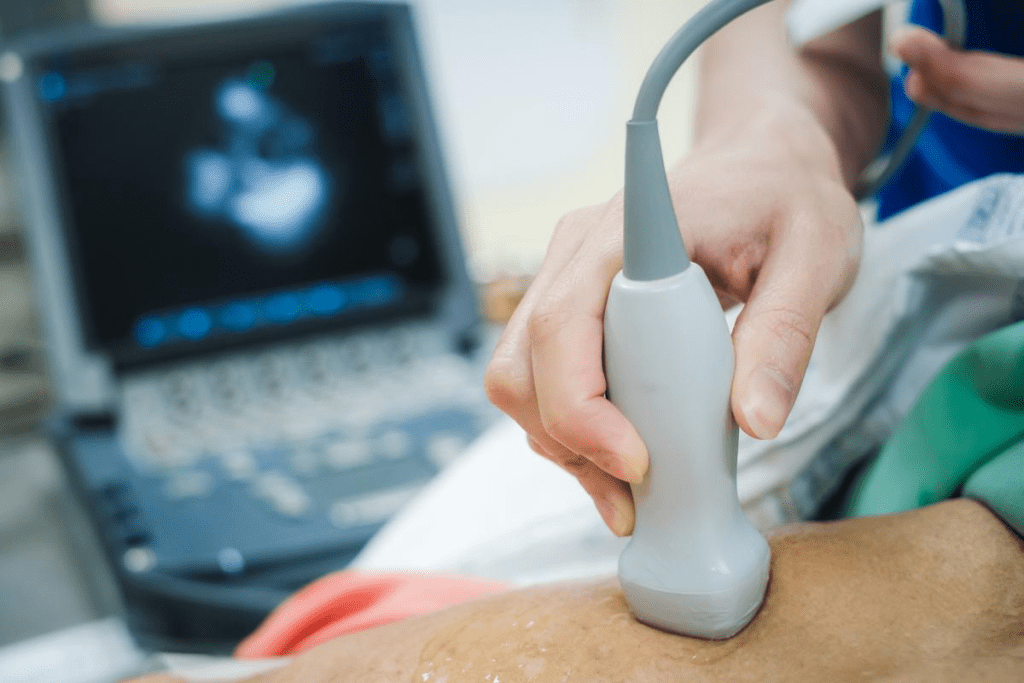
At Liv Hospital, we focus on your comfort and getting accurate results. Some ultrasound tests need a full bladder to see organs and tissues well. We aim to make your experience as easy as possible.What if I can’t hold my pee before an ultrasound? Learn the negative, impact on a pelvic ultrasound and tips to manage a full bladder.
Key Takeaways
- A full bladder is essential for clear ultrasound images.
- Patient comfort is a priority at Liv Hospital.
- New technology and clinical protocols are making ultrasound better.
- Diagnostic accuracy is maintained while ensuring patient comfort.
- Ultrasound procedures can be more comfortable with the right approach.
1. Why a Full Bladder Matters for Ultrasound Imaging
For many ultrasound procedures, a full bladder is key. It acts as a window to see organs and tissues clearly. We’ll look at why it’s needed and which ultrasounds require it.
The Science Behind Bladder Filling and Image Clarity
When the bladder is full, it pushes the intestines out of the way. This makes the ultrasound waves clearer. It helps see the pelvic organs better, leading to more accurate diagnoses.
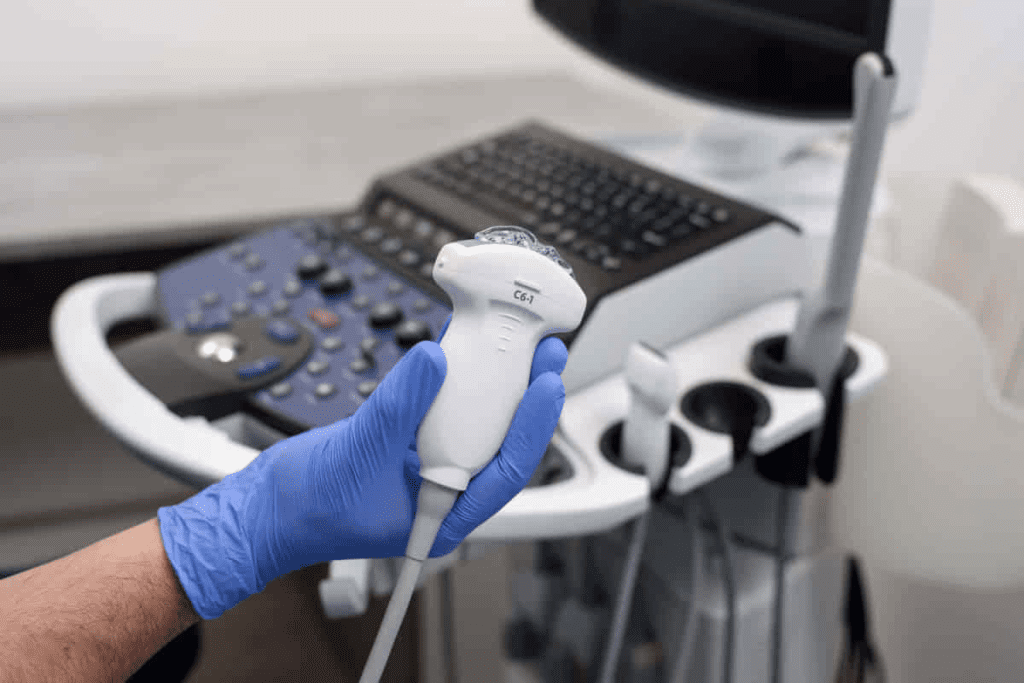
A full bladder is good because it’s a homogeneous, fluid-filled structure. This lets ultrasound waves pass through without getting distorted. This results in sharper images of the surrounding anatomy. Studies show ultrasound measurements are reliable when the bladder is full.
Types of Ultrasounds Requiring a Full Bladder
Several ultrasounds need a full bladder, including:
- Pregnancy ultrasounds during the first and second trimesters
- Renal ultrasounds
- Ultrasounds of the kidney, ureters, or bladder
These procedures get better image quality with a full bladder. For example, during pregnancy ultrasounds, a full bladder supports the uterus and gives a clearer view of the fetus. In renal ultrasounds, it helps check the kidneys and urinary tract better.
“A full bladder is necessary for certain types of ultrasounds, such as pregnancy ultrasounds in the first and second trimesters, renal ultrasounds, and ultrasounds of the kidney, ureters, or bladder.”
Knowing how important a full bladder is can help patients prepare for ultrasounds. It leads to more accurate diagnoses and better treatment plans.
2. Understanding Normal Bladder Capacity and Discomfort Thresholds
Before a pelvic ultrasonography, knowing your bladder’s capacity is key. We must figure out how much urine it can hold and when it starts to feel uncomfortable. This info helps keep you comfortable during the test.
Standard Adult Bladder Capacity
Adults usually have a bladder that can hold 400-600 mL of urine. But, you might feel like you need to go when it’s only 150-200 mL full.
“The normal bladder capacity can vary among individuals, but a full bladder is essential for clear images during a pelvic ultrasound,”
says a study.
When Discomfort Typically Begins
Discomfort usually starts when your bladder is 250-300 mL full. At this point, you might feel the urge to urinate. Studies show that volumes over 300 mL in symptomatic patients might need intervention. It’s important to tell the medical staff if you’re feeling uncomfortable so they can adjust the procedure.
How Urgency Increases Beyond Comfort Thresholds
As your bladder fills more, the need to urinate grows stronger. You might feel increasing discomfort. To manage this, you can try changing your position or use other comfort measures.
“Understanding the threshold beyond which discomfort becomes unbearable is key for both patients and healthcare providers,”
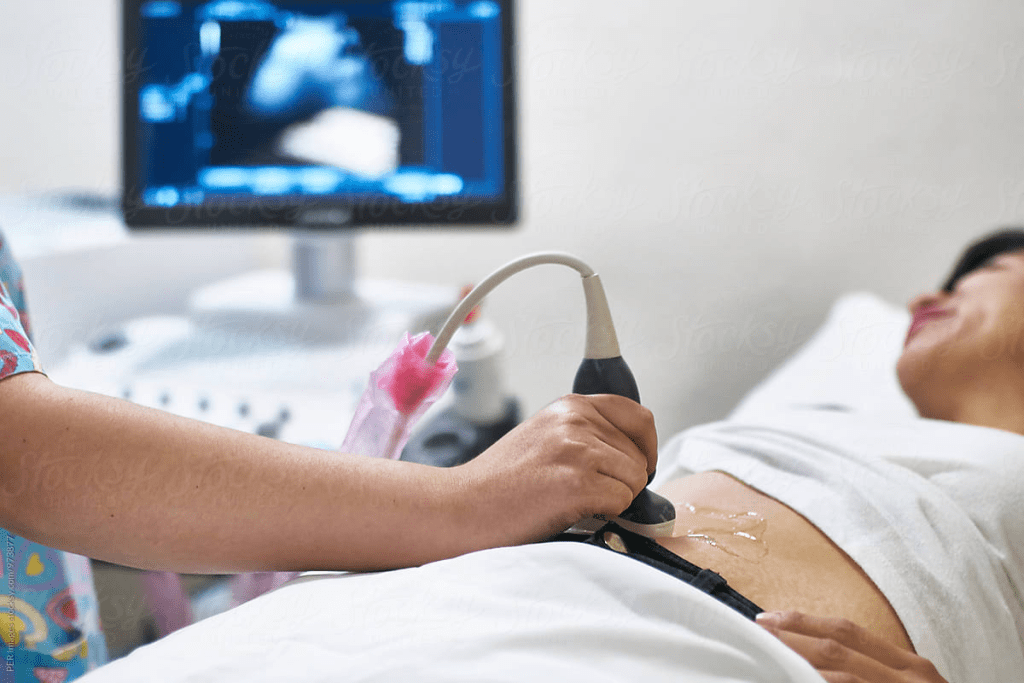
3. Common Challenges During Pelvic Ultrasound Preparation
Getting ready for a pelvic ultrasound can be tough for many. It’s hard to hold urine, and we need to tackle these issues. This makes the exam smoother for everyone.
Overhydration and Excessive Discomfort
Patients are told to drink lots of water, about a liter, 30 minutes before their ultrasound. But, this can cause too much water in the body and discomfort. Drinking too much water can make it hard to stay calm during the exam. It’s important to listen to the hydration advice to avoid these problems.
Dealing with Unexpected Waiting Room Delays
Delays in the waiting room can be a big problem. If you’ve drunk the recommended water and then wait, you might feel more uncomfortable. Talking to the medical staff is key in these situations. Let them know how you’re feeling, and they can try to reduce the wait.
Medical Conditions That Affect Bladder Control
Some health issues can make it hard to hold urine, making the ultrasound harder. Problems like incontinence or neurological disorders can affect bladder control. Talking to your doctor about your health before the exam is vital. This way, the medical team can prepare and offer solutions if needed.
We aim to make the pelvic ultrasound experience better for everyone. This includes managing water intake, reducing wait times, and addressing health issues. Our main goal is to give our patients the best care possible.
4. What Actually Happens If You Empty Your Bladder Too Soon
Emptying your bladder too soon can mess up ultrasound imaging. If you can’t hold your urine, it’s hard for the ultrasound technician. This might make the test less accurate.
Impact on Image Quality and Diagnostic Accuracy
A full bladder is key for some ultrasounds, like those of the pelvic area. The bladder helps sound waves reach organs, making clear images. Without enough urine, images can be blurry.
- Sound waves might not reach well, making images unclear.
- This could mean the test isn’t as accurate, needing more tests.
- The technician might have trouble getting the right views, making the test longer.
Potential for Rescheduling or Extended Appointments
If you can’t hold your urine, you might need to reschedule. The technician might wait for you to drink more. Sometimes, the test could go longer if the bladder isn’t full enough.
- The technician might ask you to drink more water.
- The test might pause so you can drink and refill your bladder.
- In some cases, other imaging methods could be used.
How Technicians Adapt to Partially Filled Bladders
Ultrasound technicians are skilled at working with different situations, like a partially filled bladder. They might change how they scan or the sound wave frequency.
They might also:
- Change your position to get a better view.
- Use different scanning modes to improve images.
- Try other ways to get the needed information.
Knowing these challenges helps patients prepare for ultrasounds. This way, they can help ensure the best results.
5. Solutions and Alternatives When You Can’t Hold Your Urine
When patients find it hard to hold their urine for an ultrasound, there are many solutions. Holding urine can be tough, but new ultrasound tech helps. It offers ways to meet different patient needs.
Rapid Refilling Techniques for Emergency Situations
If a patient can’t hold urine long enough, quick refilling can help. Drinking water fast can fill the bladder. Talk to your doctor about how much water to drink and when. This is great for transabdominal ultrasounds, where a full bladder is key.
Post-Void Residual (PVR) Assessment Methods
For those who can’t hold urine, PVR assessment is an option. It uses ultrasound to check urine left in the bladder after you pee. Studies show it’s a reliable way to check. It’s better than catheterization because it’s less invasive.
Benefits of Portable Ultrasound Technology
Portable ultrasound devices have changed the game. They can quickly check bladder volume. They’re easy to use and make exams more comfortable. They’re great for all kinds of ultrasounds, including transabdominal ones.
Healthcare providers use these solutions to help patients. They make sure patients get the care they need without too much discomfort. Options like quick refilling, PVR checks, and portable ultrasound tech help make ultrasounds successful.
6. Practical Tips for Managing Bladder Filling Before Your Appointment
A well-managed bladder is key to a successful pelvic ultrasound examination. We’ve got practical tips to help you prepare for your appointment.
Optimal Hydration Timeline
To make sure your bladder is ready for the sonography of the pelvis, drink water about 30 minutes before your USG pelvis sonography appointment. This allows for the best bladder filling without discomfort.
- Drink 32 ounces of water or other clear liquid.
- Avoid overhydrating, as this can lead to excessive discomfort.
- Stop drinking if you start to feel significant urgency.
Physical Positions to Reduce Discomfort While Waiting
If you’re feeling uncomfortable while waiting for your pelvic ultrasonography, try these positions to ease the pressure.
- Sitting with your legs crossed can help reduce the urge to urinate.
- Leaning forward or standing can sometimes relieve bladder pressure.
- Avoid lying flat on your back, as this can increase the pressure on your bladder.
How to Effectively Communicate Your Needs to Medical Staff
It’s important to tell the medical staff about your needs during your USG pelvis sonography. If you’re feeling uncomfortable or have bladder concerns, speak up.
- Inform the technician if you have any urinary issues or concerns.
- If you need to use the restroom, don’t hesitate to ask for guidance.
- Clear communication can help ensure a smooth and successful examination.
By following these tips, you can make your pelvic ultrasound examination successful and comfortable.
7. Conclusion: Balancing Diagnostic Needs with Patient Comfort
At Liv Hospital, we know how hard it can be to hold urine for an ultrasound. This is true for both abdominal and pelvic ultrasounds. We aim to meet both the need for accurate diagnosis and the need to keep our patients comfortable.
We focus on making sure our patients have a good experience. This means finding ways to make them more comfortable during these tests. We adjust our methods for each patient, whether it’s for an abdominal or pelvic ultrasound. Our main goal is to ensure both accurate results and the well-being of our patients.
FAQ
What is the purpose of having a full bladder for an ultrasound?
A full bladder is key for some ultrasounds, like pelvic ones. It gives a clearer view by moving the intestines out of the way. This makes the ultrasound better.
What types of ultrasounds require a full bladder?
Pelvic ultrasounds, like transabdominal ones, need a full bladder. They check the uterus, ovaries, prostate, and bladder.
How much urine should my bladder hold for an ultrasound?
An adult bladder should hold 400-600 mL of urine. But, you might feel uncomfortable with 250-300 mL.
What if I’m unable to hold my urine until the ultrasound is completed?
If you can’t hold it, it might mess up the ultrasound. Sometimes, you’ll need to reschedule. Our techs can work with a partial bladder.
Are there any alternative solutions if I struggle to hold my urine?
Yes, there are ways around it. We use quick refill methods and portable ultrasound tech. Our team can talk about these with you.
How can I prepare for a pelvic ultrasound to minimize discomfort?
To feel less uncomfortable, drink water wisely and avoid too much. Choose comfy positions and tell our staff what you need.
What is a transabdominal ultrasound, and does it require a full bladder?
A transabdominal ultrasound scans through the belly. Yes, it needs a full bladder for clear images of pelvic organs.
Can underlying medical conditions affect my ability to hold urine for an ultrasound?
Yes, some health issues can make it hard to hold urine. Talk to our staff about this before your ultrasound.
How can I manage my hydration before an ultrasound?
We suggest a specific water plan. Drink water an hour before and stop 30 minutes before. Our staff will give you exact instructions.
What is the benefit of using portable ultrasound technology?
Portable ultrasound tech is flexible. It’s great when a regular setup isn’t possible or for checking urine after you’ve voided.
Can I reschedule my ultrasound if I’m having trouble holding my urine?
Yes, if you’re having trouble, we can reschedule. We’ll find a better time for you when you’re more comfortable.
References
Tran, L. N. (2024). Urinary Incontinence. In StatPearls [Internet]. StatPearls Publishing. https://www.ncbi.nlm.nih.gov/books/NBK559095/