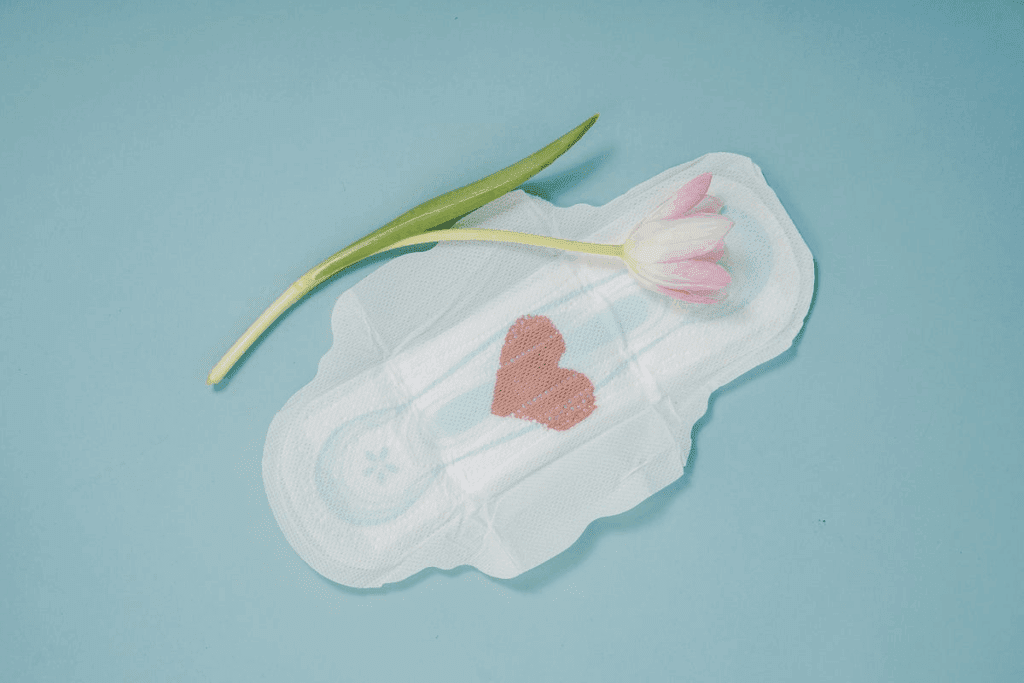
The menstrual cycle is a complex process that lasts between 21 to 35 days. It usually takes about 28 days. It has four main phases, each with its own hormonal, physical, and emotional changes period phases.
Knowing about these menstrual phases is key for tracking fertility and health. At Liv Hospital, we think informed women can better manage their health.
Key Takeaways
- The menstrual cycle is a natural process that involves four distinct phases.
- Understanding the menstrual cycle is key for tracking fertility and health.
- The average menstrual cycle lasts 28 days, but can vary between 21 to 35 days.
- Each phase of the menstrual cycle brings unique hormonal and physical changes.
- Knowing the menstrual cycle helps women manage their health and well-being better.
The Menstrual Cycle: A Fundamental Bodily Process

The menstrual cycle is key to female reproductive health, controlled by hormones. It prepares the body for pregnancy each month. Knowing about the menstrual cycle helps women manage their health and well-being.
Normal Cycle Length and Variation
A normal menstrual cycle lasts 21 to 35 days, with an average of 28 days. Cycle length can change from woman to woman and even for the same woman over time.
Stress, weight changes, and some medical conditions can affect cycle length.
“The length of the menstrual cycle can vary, but what’s important is that it follows a predictable pattern for each individual,”
says Medical Expert, a specialist in obstetrics and gynecology.
The Hormonal Orchestra: FSH, LH, Estrogen, and Progesterone
The menstrual cycle is controlled by hormones like FSH, LH, estrogen, and progesterone. Each hormone has a key role in the cycle’s phases.
FSH helps follicles in the ovaries grow, which make estrogen. Estrogen levels go up in the follicular phase, making the uterine lining thicker. LH surges cause ovulation, releasing an egg. After ovulation, progesterone levels rise, keeping the uterine lining.
“Hormone levels change depending on the menstrual phase, affecting physical and emotional symptoms,”
explains Medical Expert, showing how important hormonal balance is in the menstrual cycle.
Understanding the Period Phases and Their Significance

The menstrual cycle has four main phases. Knowing these can help you manage your health better. Medical Expert.
The Cyclical Nature of Menstruation
Menstruation is a natural cycle controlled by hormones. It’s key for reproductive health. Knowing the cycle phases can give insights into your overall well-being.
The cycle prepares the uterus for pregnancy. If pregnancy doesn’t happen, menstruation starts again.
How Hormonal Fluctuations Drive Each Phase
Hormones like FSH, LH, estrogen, and progesterone drive the cycle’s phases. These hormones change throughout the cycle.
These changes not only control the cycle but also affect your body and emotions.
Hormone | Primary Function | Phase |
FSH | Stimulates follicle growth | Follicular |
LH | Triggers ovulation | Ovulatory |
Estrogen | Promotes endometrial thickening | Follicular |
Progesterone | Maintains endometrial lining | Luteal |
The Reproductive Timeline
Knowing the reproductive timeline is key for those trying to conceive or manage their health. The menstrual cycle prepares the body for pregnancy every month.
Tracking your cycle can help you understand your fertility window and reproductive health.
Phase 1: The Menstrual Phase
We start our menstrual cycle with the menstrual phase. It’s a time of big changes in our body and hormones. This phase is when the uterine lining sheds, getting ready for a possible pregnancy next time.
Endometrial Shedding and Bleeding Patterns
The menstrual phase lasts from 3 to 7 days. During this time, the uterus sheds its lining, causing bleeding. The amount of blood can vary a lot, from light to heavy, and might include clots.
Many things can affect how long and how much you bleed. These include your hormones, health, and lifestyle. Knowing these can help you manage your menstrual health better.
Hormonal Levels During Menstruation
In the menstrual phase, hormone levels drop, mainly estrogen and progesterone. This drop makes the uterus shed its lining. As the lining is shed, the body starts making Follicle-Stimulating Hormone (FSH). This hormone helps new follicles grow in the ovaries.
The balance of hormones during this time is key for the cycle to move forward. Medical Expert, “The hormonal changes during menstruation set the stage for the rest of the cycle.”
“The hormonal changes during menstruation set the stage for the rest of the cycle.” – Medical Expert
Managing Menstrual Symptoms
It’s important to manage symptoms to stay comfortable and healthy during this phase. Medical Expert-rich foods to replace lost iron. He also recommends light exercise to help with cramps and improve mood.
Symptom | Management Tip |
Cramps | Light exercise, warm baths |
Fatigue | Adequate rest, iron-rich foods |
Mood swings | Relaxation techniques, social support |
By understanding what happens in the menstrual phase and using good management tips, women can get through this part of their cycle more easily and comfortably.
Phase 2: The Follicular Phase
The menstrual cycle moves into the follicular phase, a key time for getting ready for pregnancy. This phase is when the ovaries start to grow follicles, thanks to follicle-stimulating hormone (FSH).
FSH Action and Follicle Development
FSH levels go up during this phase. This tells the ovaries to grow follicles with immature eggs. A diet full of lean proteins and complex carbs helps keep energy up, Medical Expert.
Follicles grow, but usually only one egg is ready to be released. The others will break down and be absorbed by the body.
Rising Estrogen and Its Effects
As follicles grow, they make more estrogen. This leads to higher estrogen levels. Estrogen makes the endometrium thicker and changes cervical mucus, helping sperm get through.
Estrogen also affects mood and energy. Some women feel happier and more energetic as estrogen levels go up. Keeping a balanced lifestyle helps during this time.
Endometrial Thickening Process
More estrogen makes the endometrium thicker. This gets the uterus ready for a fertilized egg. A thick endometrium is key for early pregnancy.
A healthy endometrium is vital for implantation and keeping pregnancy going. Hormonal balance and reproductive health are important during this phase.
Phase 3: The Ovulatory Phase
The ovulatory phase is when the menstrual cycle really starts to move. It’s triggered by a big jump in luteinizing hormone (LH). This is the time a mature egg is released from the ovary.
The egg then travels through the fallopian tube. This is where it can meet sperm and get fertilized.
The LH Surge Mechanism
The LH surge is a big jump in luteinizing hormone levels. It’s like a signal from the body to release an egg. This surge happens 24-36 hours before ovulation.
Knowing about the LH surge helps women find their most fertile days. Tools like ovulation predictor kits (OPKs) and apps can detect this surge. This makes it easier to plan a family or get pregnant.
Egg Release and Fallopian Tube Journey
When the LH surge happens, the egg is released from the ovary. It then starts its journey through the fallopian tube. This journey is key for fertilization.
The egg travels through the tube with help from muscular contractions and cilia. If it’s not fertilized in 24 hours, it will break down. But if sperm is there, fertilization can happen, usually in the ampulla of the fallopian tube.
Identifying Your Fertile Window
Finding your fertile window is important for getting pregnant or avoiding it. The fertile window is from five days before ovulation to the day of ovulation. Sperm can live inside the body for up to five days.
Day | Fertility Status | Description |
-5 to -1 | High Fertility | Sperm can survive up to 5 days; high chance of fertilization |
0 | Peak Fertility | Day of ovulation; egg is released |
+1 | Low Fertility | Egg is viable for 24 hours; fertilization possible but less likely |
Medical Expert. Tracking your cycle can help find this period. Knowing about the LH surge and the egg’s journey helps women plan for conception or natural family planning.
Phase 4: The Luteal Phase
As we move into the luteal phase, the body gets ready for a possible pregnancy. This stage comes after ovulation. It’s when the corpus luteum, a temporary gland, forms. This gland is key in the menstrual cycle.
Corpus Luteum Formation and Function
The corpus luteum forms from the follicle that ruptured after ovulation. Its main job is to make progesterone. This hormone is vital for getting the uterine lining ready for a fertilized egg. If a woman gets pregnant, the corpus luteum keeps making progesterone until the placenta takes over.
Progesterone Dominance and Its Effects
In the luteal phase, progesterone dominance can cause various symptoms. Progesterone thickens the uterine lining, making it ready for implantation. But it can also lead to drowsiness, mood swings, and bloating in some women. Medical Expert-inflammatory foods to help with bloating and mood swings.
Premenstrual Syndrome: Causes and Management
Many women experience premenstrual syndrome (PMS) during the luteal phase. Symptoms include mood swings, breast tenderness, and fatigue. The exact cause of PMS is not known, but hormonal changes are thought to play a role. To manage PMS, women can try lifestyle changes like eating well, exercising, and reducing stress.
- Eating a balanced diet rich in nutrients
- Engaging in regular physical activity
- Practicing stress-reduction techniques like meditation or yoga
Understanding the luteal phase and its effects can help women manage their symptoms. This way, they can prepare for the next part of their menstrual cycle.
Cycle Variations and Health Implications
It’s important to understand menstrual cycle variations to spot health issues. Every woman’s cycle is different. Big changes can mean there’s something wrong.
Common Cycle Irregularities
Irregularities in menstrual cycles can show up in many ways. This includes changes in how long your cycle is, how much you bleed, and other symptoms. Common issues are infrequent periods, no periods at all, and very heavy bleeding. These can be due to hormonal problems, lifestyle choices, or health issues.
For example, not getting your period often might mean you have PCOS. Not getting your period at all could be from thyroid problems or too much exercise. Heavy bleeding might be from fibroids or hormonal issues.
Health Conditions Affecting Menstrual Phases
Many health problems can mess with your menstrual cycle. Endometriosis, PCOS, and thyroid issues are common culprits. These can cause pain, irregular bleeding, and other symptoms that can really disrupt your life.
Endometriosis can cause really bad cramps and heavy bleeding. PCOS often leads to irregular periods and trouble ovulating. Thyroid problems can mess with how long and how much you bleed.
When to Seek Medical Advice
Knowing when to see a doctor about menstrual issues is key. According to Medical Expert,
“Severe symptoms or irregularities should prompt a visit to the doctor.”
If you have persistent or severe symptoms, like heavy bleeding, bad pain, or irregular periods, you should see a doctor.
Also, if your cycle changes a lot, like stopping suddenly or bleeding way too much, get medical help. This can help find out what’s wrong and how to fix it.
Harnessing Your Cycle Knowledge
Learning about our menstrual cycle helps us make better health and lifestyle choices. Knowing the different phases and their effects on us is very empowering.
Cycle Tracking Methods and Tools
Tracking our cycle is key to understanding it. There are many ways to do this, from old-school calendars to new apps and devices.
- Calendar Method: A simple and low-tech way to track our cycle.
- Fertility Awareness Apps: These apps help predict when we’re most fertile and track symptoms.
- Basal Body Temperature Tracking: This traditional method involves checking our temperature every morning.
- Wearable Devices: Some devices can track signs that show what phase of our cycle we’re in.
Optimizing Lifestyle According to Cycle Phases
Medical Expert. This means changing what we eat, how we exercise, and how we handle stress based on our cycle phase.
- Menstrual Phase: Focus on rest and eating well.
- Follicular Phase: Increase energy and do more social things.
- Ovulatory Phase: Use our high energy for important tasks or events.
- Luteal Phase: Slow down and get ready for rest.
Fertility Awareness and Family Planning
Knowing our cycle is also key for fertility awareness and planning a family. By finding out when we’re most fertile, we can either get pregnant or avoid it.
Important points include:
- Understanding the LH surge and its importance.
- Tracking changes in cervical mucus.
- Using different fertility awareness methods for better accuracy.
By using these insights, we can control our reproductive health. This helps us make smart choices about starting a family.
Conclusion: Embracing Your Menstrual Rhythm
Understanding and embracing the menstrual cycle can lead to better health and well-being. By working with the cycle, individuals can improve their overall health and manage symptoms more effectively.
The menstrual cycle is a complex process involving multiple phases, each driven by hormonal fluctuations. Recognizing the significance of these phases and their effects on the body can empower individuals to take control of their menstrual health.
Embracing the menstrual cycle is not just about managing symptoms; it’s about understanding the body’s natural rhythm. This knowledge can help individuals optimize their lifestyle, improve their fertility awareness, and enhance their overall quality of life. Ultimately, it leads to a more harmonious menstrual health experience.
FAQ
What are the 4 phases of the menstrual cycle?
The menstrual cycle has four phases. These are the menstrual, follicular, ovulatory, and luteal phases. Each phase has its own hormonal changes and body processes.
What is the average duration of a menstrual cycle?
A menstrual cycle usually lasts about 28 days. But, it can be shorter or longer, from 21 to 35 days.
What happens during the follicular phase?
In the follicular phase, FSH helps grow follicles in the ovaries. This causes estrogen levels to rise and the endometrium to thicken.
How do I identify my fertile window?
To find your fertile window, watch for the LH surge. It happens 24-36 hours before ovulation. Also, look for changes in cervical mucus and basal body temperature.
What is the role of progesterone during the luteal phase?
Progesterone takes over in the luteal phase. It makes the endometrium ready for a pregnancy by keeping it thick and supporting the embryo.
What are common cycle irregularities and when should I seek medical advice?
Irregularities like amenorrhea, oligomenorrhea, and dysmenorrhea are common. If these issues don’t go away, see a doctor. They can check for health problems.
How can tracking my menstrual cycle benefit my health and well-being?
Tracking your cycle can improve your lifestyle and health. It helps manage symptoms and makes planning for fertility easier.
What are the stages of the menstrual cycle in order?
The menstrual cycle stages are: menstrual, follicular, ovulatory, and luteal phases.
How do hormonal fluctuations drive each phase of the menstrual cycle?
Hormones like FSH, LH, estrogen, and progesterone control each cycle phase. They manage follicle growth, ovulation, and endometrial preparation.
References
National Center for Biotechnology Information. Menstrual Cycle: Hormonal, Physical, and Emotional Phase Changes. Retrieved from https://www.ncbi.nlm.nih.gov/books/NBK500020/