Women in their 40s and beyond often notice changes in their menstrual cycle. These changes signal the start of perimenopause. This phase can last 8 to 10 years and prepares the body for menopause.Get an essential guide to what happens to periods during perimenopause. Learn to recognize changes in flow, frequency, and irregularity.
At Liv Hospital, we know perimenopause brings its own set of challenges. We focus on giving caring, evidence-based care. Our goal is to help women manage symptoms and make smart health choices.
Key Takeaways
- Perimenopause is a transitional phase that can last 8 to 10 years before menopause.
- During this phase, women experience significant changes in their menstrual cycles.
- Understanding these changes is key for staying healthy and managing symptoms.
- At Liv Hospital, we offer complete care and support for women going through perimenopause.
- Our approach is based on evidence and caring for our patients.
The Perimenopausal Transition: What to Expect
The journey to menopause is not sudden. It can start in a woman’s 30s or 50s. This phase, called perimenopause, can last 8 to 10 years before menopause starts. Women may feel different symptoms because of hormonal changes during this time.
The 8-10 Year Journey Before Menopause
Perimenopause brings big hormonal shifts. Women might notice changes in their periods. These can include shorter or longer cycles, heavier or lighter bleeding, and more spotting.
How Hormonal Changes Begin
Hormonal changes in perimenopause mainly affect estrogen and progesterone. At the start, women often see short menstrual cycles because of hormonal spikes.
Stage | Menstrual Cycle Changes | Hormonal Changes |
Early Perimenopause | Shorter cycles, increased spotting | Initial estrogen surges |
Late Perimenopause | Longer cycles, heavier or lighter bleeding | Fluctuating estrogen and progesterone levels |
“Understanding the hormonal changes during perimenopause can help women better manage their symptoms and prepare for the transition to menopause.”
Hormonal Fluctuations Behind Menstrual Changes

As women get closer to menopause, their hormones change a lot. In the time before menopause, called perimenopause, these changes are more noticeable. They mainly affect estrogen and progesterone levels.
Estrogen’s Roller Coaster Effect
Estrogen levels in perimenopause can swing wildly. This can make periods irregular. Sometimes, estrogen is high, leading to a heavier period. Other times, it’s low, causing a lighter or missed period.
Key effects of estrogen fluctuations include:
- Irregular periods
- Changes in menstrual flow
- Increased spotting
The Disrupted Estrogen-Progesterone Balance
The right balance between estrogen and progesterone is key for regular periods. In perimenopause, estrogen drops, upsetting this balance. This can cause irregularities in menstrual cycles.
“Hormonal fluctuations during perimenopause can lead to significant changes in menstrual patterns, making it essential for women to understand these changes and how they impact their overall health.”
How Hormones Affect Your Menstrual Cycle
Hormonal shifts in perimenopause lead to unpredictable periods. Changes in estrogen and progesterone levels affect the cycle in different ways. For example, a drop in progesterone can cause heavier bleeding. A rise in estrogen might lead to a thicker uterine lining, making periods heavier.
Knowing how hormonal changes affect menstrual cycles helps women deal with perimenopause. By recognizing these signs, women can take steps to manage their health during this time.
Early Signs of Perimenopause in Your Menstrual Cycle
Perimenopause starts with changes in your menstrual cycle. These changes can surprise and confuse you. They signal the end of your reproductive years is near.
Subtle Changes You Might Notice First
One early sign is changes in your menstrual cycle. Your periods might become closer together or further apart. The flow can also change a lot.
Some women have heavier bleeding, while others have lighter periods. These changes can be hard to notice at first. But, Dr. Lisa Shulman, an expert in obstetrics and gynecology, says,
“The variability in cycle length is a hallmark of perimenopause.”
The Significance of Increased Spotting
Spotting is another early sign of perimenopause. Spotting refers to light bleeding that occurs outside of your regular period. It’s caused by hormonal changes that affect the uterine lining.
Spotting can be scary, but it’s usually not a big deal. But, if the bleeding is heavy or doesn’t stop, see your doctor. They can check for other issues.
Changes in PMS Symptoms
PMS symptoms can also change during perimenopause. Some women see their symptoms get worse, while others get better. Mood swings, bloating, and other symptoms can get more intense.
As one woman shared in a
“Perimenopause support group, ‘I was surprised by how much more emotional I became before my period.'”
This change can be tough to deal with. But knowing it’s due to hormonal shifts can help.
By spotting these early signs, women can prepare for what’s coming. It’s a big change, but with the right info and support, you can get through it.
Periods During Perimenopause: Common Pattern Changes
Perimenopause brings changes to menstrual patterns, affecting cycle length and regularity. Women may see changes in period frequency, duration, and intensity as they approach menopause. It’s important to understand these changes to manage symptoms and keep reproductive health in check.
Why Cycle Length Varies by 7+ Days
Hormonal changes in perimenopause can cause big changes in cycle length. Women often see their cycle change by 7 or more days. This is mainly because estrogen and progesterone levels are unpredictable during this time.
According to Dr. Lisa Shnayder, an OB-GYN specialist, “The hormonal changes during perimenopause can lead to variations in cycle length, making it essential for women to track their periods to understand their patterns.”
Understanding the 25% Irregularity Statistic
About 25% of women have irregular menstrual cycles during perimenopause. This shows how common menstrual irregularities are during this phase. Irregularities can include longer or shorter cycles, heavier or lighter bleeding, or even skipped periods.
Menstrual Cycle Changes | Percentage of Women Affected |
Irregular Cycles | 25% |
Variations in Cycle Length | 80% |
Changes in Menstrual Flow | 60% |
Tracking Your Changing Patterns
Tracking menstrual cycles helps women understand the changes in perimenopause. By monitoring their cycles, women can spot patterns and prepare for what’s next. This can help manage symptoms and reduce anxiety about unpredictable periods.
“Keeping a menstrual diary or using a period tracking app can provide insights into cycle changes and help women feel more in control of their reproductive health.”
By knowing about these changes and tracking their cycles, women can better handle the perimenopausal transition.
More Frequent Periods During Perimenopause
Perimenopause is the time leading up to menopause. It brings changes in hormones, causing more frequent periods. Women may see their menstrual cycle change a lot during this time.
Why Some Women Experience Back-to-Back Periods
Having two periods close together can be unsettling. This happens because of hormonal changes in perimenopause. The levels of estrogen and progesterone change, disrupting the menstrual cycle.
This can make the uterine lining build up and shed more often. This leads to back-to-back periods. It’s important to know this is common in perimenopause and usually not a worry.
Understanding Shortened Cycles (20-Day Cycles)
A normal menstrual cycle is 21 to 35 days. But in perimenopause, cycles can get shorter, even to 20 days. This is because hormone levels, like estrogen, drop. This can cause more frequent ovulation and periods.
Dealing with shorter cycles can be tough, as they might lead to heavier or longer bleeding. Knowing these changes are part of perimenopause can help women deal with their cycle’s unpredictability.
Managing Frequent Bleeding Episodes
Managing frequent periods in perimenopause needs lifestyle changes and sometimes medical help. Keeping track of cycles can help understand and prepare for changes.
- Eating a diet rich in iron can help with heavy bleeding.
- Drinking plenty of water is key, even more so during heavy flow.
- Looking into hormonal treatments or birth control pills can help regulate cycles.
It’s also key to talk to a healthcare provider. They can check for any other health issues that might be causing frequent or heavy periods.
When Periods Become Less Frequent
Menopause brings changes, including less frequent periods. Hormonal shifts in perimenopause can cause cycles to stretch out. It’s key to know these changes and tell them apart from other reasons.
Extended Cycles of 90 Days or Longer
Perimenopause often means cycles over 90 days. This change can be unsettling but is natural for many. Tracking your cycles helps understand your body’s rhythm.
Tracking your cycle: A menstrual calendar can spot patterns and changes. It offers insights into your perimenopausal journey.
Is It Perimenopause or Pregnancy?
Women might worry about pregnancy with less frequent periods. While less likely, pregnancy is possible in perimenopause. If you think you might be pregnant, take a test and talk to your doctor.
Understanding fertility: Irregular periods don’t mean you can’t get pregnant. Knowing your fertility status is important for reproductive health.
When to Suspect You’re Approaching Menopause
Less frequent and irregular cycles may signal menopause. Menopause is confirmed after a year without a period. Keep tracking your cycles to figure out when you’ve reached menopause.
Stage | Cycle Length | Period Frequency |
Early Perimenopause | 21-35 days | Regular or slightly irregular |
Late Perimenopause | 35-90+ days | Less frequent |
Menopause | No cycles | No periods |
Changes in Menstrual Flow and Duration
Perimenopause brings changes in menstrual flow and duration. These changes show the hormonal shifts happening during this time. Women may see big changes in their menstrual cycles as estrogen and progesterone levels change.
Why Some Periods Become Heavier
Some women in perimenopause have heavier periods because of hormonal imbalances. A drop in progesterone can cause endometrial hyperplasia. This makes the uterine lining thicker, leading to more bleeding.
Heavier periods are caused by:
- Hormonal changes
- A thicker uterine lining
- Cycles without ovulation
Understanding Lighter Periods
On the other hand, some women have lighter periods in perimenopause. This is due to lower estrogen levels. Lower estrogen means a thinner uterine lining, leading to lighter bleeding.
Lighter periods are influenced by:
- Lower estrogen levels
- Shorter menstrual cycles
- More cycles without ovulation
When Spotting Lasts 10+ Days
Prolonged spotting is common in perimenopause. Spotting that lasts 10 or more days is often due to hormonal changes, like a drop in estrogen. It’s important to watch for these changes and talk to a healthcare provider if spotting is ongoing or heavy.
To handle prolonged spotting, try these steps:
- Keep a menstrual diary to track spotting
- Talk to your healthcare provider about hormonal therapies
- Look into lifestyle changes to balance hormones
Physical Symptoms Accompanying Perimenopausal Periods
Women going through perimenopause often face a variety of physical symptoms. These symptoms can change how a woman feels and affects her health. They can impact many areas of her life.
One common symptom is changes in menstrual cramps. Some women might feel new or worsening menstrual cramps. Others might see their cramps lessen over time.
New or Changing Menstrual Cramps
Menstrual cramps in perimenopause can be caused by hormonal changes. As estrogen levels go up and down, cramp severity can change. Some women might feel more intense or longer-lasting cramps. Others might see their cramps become less severe.
To understand menstrual cramp changes, let’s look at possible causes and effects:
Cause | Effect |
Hormonal fluctuations | More intense or longer-lasting cramps |
Decreasing estrogen levels | Less severe cramps |
Prostaglandins release | Increased uterine contractions, leading to cramps |
Hot Flashes and Night Sweats Related to Your Cycle
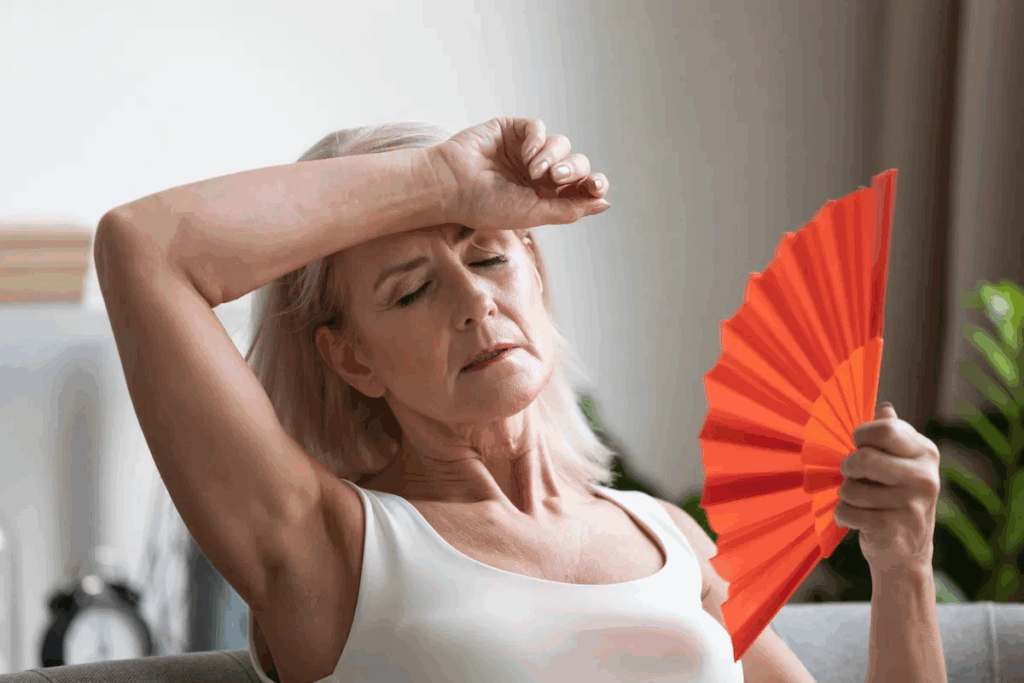
Hot flashes and night sweats are common in perimenopause, linked to hormonal changes. These symptoms can be triggered by estrogen level changes. This can affect the body’s temperature, causing sudden heat.
Some women might feel hot flashes and night sweats more during certain cycle times. Knowing how these symptoms relate to the menstrual cycle can help manage them better.
Sleep Disruptions and Fatigue
Sleep problems and fatigue are common in perimenopause. Hormonal changes can disrupt sleep quality, leading to insomnia or restless sleep. Night sweats can also disrupt sleep, causing fatigue and other symptoms.
To tackle sleep issues and fatigue, women can try several strategies. Keeping a regular sleep schedule, having a calming bedtime routine, and avoiding stimulating activities before bed can help.
Emotional and Psychological Aspects of Changing Periods
Menopause brings big changes in hormones that can mess with mood and mental health. Women going through perimenopause face emotional and psychological changes. These can be as tough as the physical symptoms.
Mood Swings and Hormonal Fluctuations
Mood swings are common in perimenopause, thanks to changing estrogen and progesterone levels. These changes can mess with brain chemicals, causing irritability, anxiety, and sadness. These mood swings can be hard to predict and disrupt daily life and relationships.
To deal with mood swings, knowing what triggers them is key. Mindfulness, meditation, and deep breathing can help keep mood stable. Exercise and a healthy diet also help with emotional health.
Anxiety About Unpredictable Cycles
The uncertainty of menstrual cycles in perimenopause can cause a lot of anxiety. Women might worry about when their next period will be, how heavy it will be, or if they’ll have embarrassing bleeding. This worry can really affect their life quality.
Keeping track of menstrual cycles and symptoms can help women understand their bodies better. Using a period app or a symptom journal can give insights and lower anxiety about unpredictable cycles.
Coping Strategies for Emotional Well-being
Finding good ways to cope is key for dealing with perimenopause’s emotional side. Lifestyle changes like exercise and healthy eating are important. Stress management techniques like yoga, tai chi, or cognitive-behavioral therapy (CBT) can also help.
Having a support network of friends, family, or support groups is also vital. It can offer emotional support and make women feel less alone during this time. We suggest trying different options to find what works best.
When to Seek Medical Help
During perimenopause, knowing when to seek medical help is key. Women may face many physical and emotional changes. Some symptoms are normal, but others need medical attention.
Warning Signs That Aren’t Normal
Some symptoms during perimenopause are not normal and need a doctor’s visit. These include:
- Heavy or prolonged menstrual bleeding
- Severe pelvic pain
- Frequent or heavy spotting between periods
- Any bleeding after intercourse
“If you’re experiencing symptoms that are significantly impacting your daily life, it’s time to seek medical help,” emphasizes the importance of not ignoring severe symptoms.
Distinguishing Perimenopause from Other Conditions
Perimenopause symptoms can be similar to other health issues. This makes diagnosis tricky. Conditions like thyroid disorders, PCOS, and some gastrointestinal issues can mimic perimenopause symptoms. A thorough medical evaluation is necessary to determine the cause of symptoms.
We recommend keeping a symptom journal. Track when symptoms occur and their severity. This information is invaluable when discussing your symptoms with a healthcare provider.
Questions to Ask Your Healthcare Provider
When talking to a healthcare provider about perimenopause symptoms, come prepared with questions. Some key questions to consider include:
- What are the possible causes of my symptoms?
- Are there any lifestyle changes that can help alleviate my symptoms?
- What treatment options are available for managing perimenopause symptoms?
- How will we monitor my symptoms and adjust the treatment plan as needed?
By asking the right questions, women can take an active role in managing their perimenopause symptoms. This ensures they receive the right care.
Seeking medical help when needed is a critical part of navigating perimenopause. Understanding warning signs and how to communicate with healthcare providers helps women manage this transition better.
Managing Perimenopause Menstrual Changes
Managing menstrual changes in perimenopause needs lifestyle changes and sometimes medical help. Knowing the strategies can ease symptoms and improve life quality.
Lifestyle Approaches for Symptom Relief
Lifestyle changes can greatly reduce perimenopause symptoms. Regular exercise improves health and can lessen hot flashes and night sweats. Eating a balanced diet with fruits, veggies, and whole grains helps manage weight and symptoms.
- Stress-reduction techniques like yoga and meditation can help with mood swings and anxiety.
- Keeping a healthy weight through diet and exercise lowers health risks.
- Adequate sleep is key; a bedtime routine can improve sleep quality.
Tracking your menstrual cycle and symptoms is helpful. A symptom journal or mobile app can spot patterns and triggers, aiding in better management.
Medical Treatment Options
For some, lifestyle changes alone may not be enough. In such cases, medical treatment options can offer relief.
Treatment | Description | Benefits |
Hormone Replacement Therapy (HRT) | Replaces hormones lost during perimenopause | Reduces hot flashes, night sweats, and improves bone density |
Non-hormonal medications | Alternatives for women who cannot or prefer not to use HRT | Can reduce symptoms like hot flashes and improve mood |
Birth control pills | Regulates menstrual cycles and reduces symptoms | Can stabilize menstrual cycles and reduce symptom severity |
It’s vital to talk to a healthcare provider to find the best treatment. They can help choose the right option based on individual needs.
“The key to managing perimenopause is finding the right balance between lifestyle changes and medical treatments. Every woman’s experience is unique, and what works for one may not work for another.”
— Dr. Jane Smith, OB-GYN Specialist
Conclusion: Embracing the Change
Understanding and embracing the changes in perimenopause is key. This phase is a natural part of life for women, marked by big hormonal shifts and changes in menstrual cycles.
Recognizing early signs and symptoms helps women manage their health better. It’s important to watch for changes in menstrual patterns and symptoms like hot flashes and mood swings. Getting medical help when needed is also vital.
Embracing change means being informed and proactive. By making lifestyle changes and exploring medical options, women can ease symptoms and live better. In conclusion, perimenopause, though tough, can be managed with the right attitude and support.
FAQ
What is perimenopause and how does it affect my menstrual cycle?
Perimenopause is the stage before menopause. Hormonal changes can make your menstrual cycle vary. This includes changes in how often, how much, and how long your periods last.
How long does perimenopause last before menopause?
Perimenopause can last from 8 to 10 years before menopause. During this time, women may see changes in their menstrual cycle.
Why do I experience more frequent periods during perimenopause?
Hormonal changes, like a drop in estrogen, can cause more frequent periods. This can lead to shorter cycles and periods that come back-to-back.
What are the signs that I’m approaching menopause?
Signs you’re getting close to menopause include longer or less frequent periods. You might also experience hot flashes and night sweats.
Can I stil get pregnant during perimenopause?
Yes, you can get pregnant during perimenopause. Even if your cycles are less frequent or irregular.
How can I manage frequent bleeding episodes during perimenopause?
To manage frequent bleeding, try a healthy diet, regular exercise, and stress-reducing activities. You can also consider hormonal therapies.
Why do I experience heavier or lighter periods during perimenopause?
Hormonal changes can cause heavier or lighter periods. Heavier periods might be due to uterine lining buildup. Lighter periods could be from lower estrogen levels.
What are the emotional and psychological aspects of changing periods during perimenopause?
Emotional and psychological changes include mood swings, anxiety, and uncertainty. Mindfulness, self-care, and support can help manage these feelings.
When should I seek medical help during perimenopause?
Seek medical help if you have heavy bleeding, severe cramps, or symptoms that affect your life quality.
What lifestyle approaches can help alleviate perimenopause symptoms?
Healthy diet, regular exercise, stress-reducing activities, and enough sleep can help alleviate symptoms.
What medical treatment options are available for managing perimenopause symptoms?
Options include hormonal therapies like birth control pills or hormone replacement therapy. Non-hormonal medications and alternative therapies are also available.
How can I track my changing menstrual patterns during perimenopause?
Use a menstrual calendar or period tracking app to monitor your cycles. This helps identify any changes or irregularities.
Are my periods normal during perimenopause if they occur every 20 days?
Periods every 20 days can be a sign of shortened cycles, common in perimenopause. Always check with a healthcare provider to confirm if your symptoms are normal.
Can perimenopause cause a period after 8 months of amenorrhea?
Yes, perimenopause can lead to irregular periods, including a period after 8 months of amenorrhea, due to hormonal changes.
Reference
National Center for Biotechnology Information. Evidence-Based Medical Guidance. Retrieved from https://www.ncbi.nlm.nih.gov/pmc/articles/PMC6082400/