Last Updated on November 4, 2025 by mcelik

Did you know that tendonitis affects millions of people worldwide, causing significant pain and discomfort? Peroneal tendonitis is common among athletes and those who do repetitive ankle motions. Knowing how long it takes to heal is key for managing and treating it.
The healing time for peroneal tendonitis depends on several things. These include how bad the condition is, the treatment used, and your overall health. While some might heal in a few weeks, others could take months.
Understanding what affects the healing time is important. It helps set realistic expectations and makes treatment choices easier. This article will dive into peroneal tendonitis, its healing time, and what impacts it. You’ll get a full picture of this condition.
Key Takeaways
- Peroneal tendonitis is a common condition among athletes and individuals with repetitive ankle motions.
- The recovery time varies significantly based on the condition’s severity and treatment approaches.
- Understanding the factors that influence healing is key for effective management.
- Treatment options can greatly affect the recovery time.
- Individual health factors also play a role in the healing process.
Understanding Tendonitis and Its Impact
Tendonitis is a condition that affects tendons, which are like strong cords that connect muscles to bones. It plays a big role in how we move and stay mobile. Knowing about tendonitis is important because it can cause a lot of pain and limit how we can move.
What Exactly Is Tendonitis?
Tendonitis is when a tendon gets inflamed. This can make the area hurt, feel stiff, and move less than usual. It can happen in any tendon but is most common in places like the shoulders, elbows, and knees.
The Inflammation Process
The inflammation in tendonitis starts with a small injury that causes tiny tears in the tendon. The body tries to fix this by getting inflamed, leading to swelling, pain, and warmth. This is the body’s way of trying to heal itself.
Acute vs. Chronic Tendonitis
Tendonitis can be either acute or chronic. Acute tendonitis happens suddenly, often from a big injury or too much use. Chronic tendonitis lasts longer, sometimes because of ongoing strain or not fully recovering from an initial injury.
| Characteristics | Acute Tendonitis | Chronic Tendonitis |
| Duration | Short-term | Long-term |
| Cause | Sudden injury or overuse | Ongoing strain or inadequate recovery |
| Symptoms | Pain, swelling, limited mobility | Persistent pain, stiffness, possible tendon degeneration |
It’s important to know the difference between acute and chronic tendonitis. Acute cases might get better with rest and simple care. But chronic tendonitis needs more detailed and long-term treatment plans.
Common Types of Tendonitis and Their Characteristics
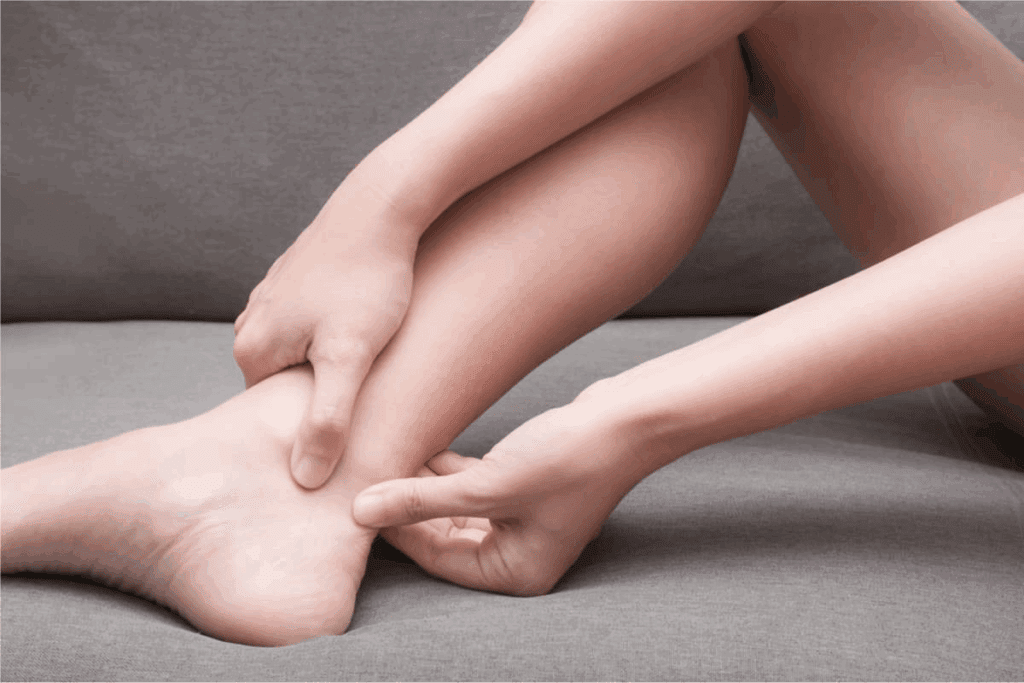
Knowing the different types of tendonitis is key to getting the right treatment. Tendonitis can happen in many parts of the body. Each type has its own signs and challenges.
Wrist Tendonitis (De Quervain’s and Others)
Wrist tendonitis is a common issue that affects the tendons on the thumb side of the wrist. De Quervain’s tendonitis is a specific type that causes pain and tenderness. This pain is worse when forming a fist, grasping, or turning the wrist.
Other types of wrist tendonitis can affect different tendons. This leads to pain and limited mobility. Treatment often includes rest, ice, and physical therapy.
Ankle and Foot Tendonitis
Ankle and foot tendonitis can really affect your mobility and daily life. It often hits athletes or people who run or jump a lot.
The peroneal tendons, on the outside of the ankle, are often affected. Symptoms include pain, swelling, and sometimes a clicking sound when moving the ankle.
Achilles Tendonitis
Achilles tendonitis affects the Achilles tendon, the biggest tendon in the body. It connects the calf muscles to the heel bone. Runners and athletes in high-impact sports often get it.
Symptoms include pain along the tendon, which is worse in the morning, and swelling. If not treated, it can lead to a tendon rupture.
Big Toe Tendonitis
Big toe tendonitis, also known as hallux tendonitis, affects the tendons around the big toe. It’s common in athletes or people who wear shoes that don’t fit right.
Pain and stiffness in the big toe, mainly when walking or running, are common symptoms. Treatment may include orthotics, physical therapy, and the right shoes.
| Type of Tendonitis | Common Symptoms | Typical Causes |
| Wrist Tendonitis | Pain on thumb side, tenderness | Repetitive motion, overuse |
| Ankle and Foot Tendonitis | Pain, swelling, clicking sensation | Running, jumping, overuse |
| Achilles Tendonitis | Pain along tendon, morning stiffness | Running, high-impact sports |
| Big Toe Tendonitis | Pain, stiffness in big toe | Poor footwear, overuse |
Peroneal Tendonitis: Causes and Symptoms
To understand peroneal tendonitis, we need to know about the peroneal tendons. These tendons help keep the ankle stable and move it. When they get inflamed, it can hurt a lot.
Anatomy of the Peroneal Tendons
The peroneal tendons are two tendons on the outside of the ankle. They help the ankle move and stay stable. They are covered by a synovial sheath, which can get inflamed and cause tendonitis.
A structure called the superior peroneal retinaculum holds the tendons in place. It can get damaged, causing the tendons to slip or pop out. Knowing the anatomy helps doctors diagnose and treat peroneal tendonitis better.
Common Causes of Peroneal Tendonitis
Peroneal tendonitis often happens from too much use or strain. Running or dancing can cause it because of the constant ankle movement. Bad foot mechanics, wrong shoes, and sudden more activity also play a part.
- Overuse or repetitive strain
- Poor foot biomechanics
- Inadequate footwear
- Sudden increase in physical activity
Recognizing the Symptoms
The signs of peroneal tendonitis include pain on the outside of the ankle, swelling, and warmth. People might feel like the tendon is slipping or popping. It’s key to spot these signs early to treat them right and avoid more harm.
As
“Early diagnosis and treatment of peroneal tendonitis are key to avoid long-term tendon damage and help with quick recovery.”
Peroneal Tendonitis Recovery Time: What to Expect
Recovering from peroneal tendonitis is a journey. It’s important to know the typical recovery time and what can affect it. Factors like the condition’s severity, treatment success, and personal health play a role.
Typical Recovery Timeline
The recovery time for peroneal tendonitis varies. Mild cases might heal in 2-4 weeks. But, more severe cases could take 3-6 months or even longer. It’s vital to be patient and not rush back to activities to avoid injury.
“A slow and gradual return to activity is key,” says an orthopedic specialist. “Jumping back into sports or hard activities too soon can cause more harm or prolong recovery.”
Factors Affecting Healing Speed
Several things can speed up or slow down healing from peroneal tendonitis. These include:
- The severity of the tendonitis
- How well the treatment works
- Personal health, like age and overall health
- Any underlying medical conditions
- Following rehabilitation exercises
Stages of Peroneal Tendon Healing
The healing of peroneal tendons goes through several stages:
- Inflammatory Phase: This first stage is marked by inflammation, pain, and swelling.
- Proliferative Phase: Here, the body starts to repair the tendon by creating new tissue.
- Remodeling Phase: In the last stage, the new tissue is reshaped to strengthen and restore the tendon’s function.
Knowing these stages helps tailor treatment plans. This can improve recovery outcomes for patients and healthcare providers.
The Normal Healing Process for Tendons
Knowing how tendons heal is key to treating tendonitis well. Tendons go through a detailed repair process in three main stages: inflammatory, proliferative, and remodeling.
Inflammatory Phase (0-7 days)
When a tendon gets hurt, the body first tries to stop the bleeding and protect it. This happens in the first 7 days. It starts with a hematoma and then more inflammatory cells come in.
Proliferative Phase (1-3 weeks)
After the inflammation, the body starts to fix the tendon. This starts about 1-3 weeks after the injury. It makes new collagen fibers to repair the tendon.
Remodeling Phase (3 weeks-6 months)
The last stage is remodeling, lasting 3 weeks to 6 months. Here, the new collagen fibers get stronger and better organized. This makes the tendon stronger and more functional.
| Healing Phase | Duration | Characteristics |
| Inflammatory | 0-7 days | Bleeding cessation, inflammatory cell influx, hematoma formation |
| Proliferative | 1-3 weeks | Fibroblast proliferation, new collagen fiber production, matrix deposition |
| Remodeling | 3 weeks-6 months | Collagen fiber remodeling, strength improvement, alignment along stress lines |
Tendon healing is a complex and highly regulated process. Knowing these phases helps manage expectations and guide rehabilitation for tendonitis patients.
Why Your Tendonitis Isn’t Healing: Common Causes
When tendonitis doesn’t get better with treatment, it’s key to know why. Tendonitis is hard to heal, and many things can slow down recovery.
Continued Overuse or Inadequate Rest
One big reason tendonitis doesn’t heal is too much use or not enough rest. Tendons need time to fix and grow back. It’s important to find the right balance between doing things and resting to help them heal.
Improper Initial Treatment
Bad treatment at first can also slow healing. This might be because of wrong diagnosis, not enough or wrong exercises, or not fixing biomechanical problems. Getting professional help is key to make sure the treatment is right for your tendonitis.
Underlying Medical Conditions
Medical issues like diabetes, rheumatoid arthritis, or infections can slow healing. Managing these conditions well is important for tendon recovery.
Biomechanical Issues
Problems with how the body moves, like bad foot mechanics or muscle imbalances, can stress tendons and slow healing. Fixing these with physical therapy or orthotics can help reduce stress and aid healing.
Knowing these common causes can help people find out why they’re not getting better. By tackling these issues, people can boost their chances of healing from tendonitis.
Diagnosing Persistent Tendonitis Problems
Getting a correct diagnosis for persistent tendonitis is key to effective treatment. It’s the first step towards feeling better.
Physical Examination Techniques
A detailed physical exam is vital for diagnosing tendonitis. Doctors use different methods to check tendon health. These include feeling the tendon, checking joint movement, and testing muscle strength.
During the exam, doctors feel the affected tendon to find tenderness or swelling. They also check how well the joint moves and muscle strength.
Imaging Options (Ultrasound, MRI)
Imaging is important for diagnosing tendonitis, more so for persistent or severe cases. Ultrasound and MRI are the main imaging tools used.
- Ultrasound: Helps see the tendon’s structure and spot tears or inflammation.
- MRI: Gives detailed views of tendons and surrounding tissues, helping find the cause of tendonitis.
| Imaging Modality | Advantages | Disadvantages |
| Ultrasound | Quick, cost-effective, dynamic imaging | Operator-dependent, limited deep tissue visualization |
| MRI | High-resolution images, excellent soft tissue contrast | Expensive, time-consuming, claustrophobic for some patients |
Differential Diagnosis
Differential diagnosis helps tell tendonitis apart from other conditions with similar symptoms. It looks at patient history, physical exam, and imaging results.
When diagnosing tendonitis, doctors also think about other possible causes. These include ligament sprains, stress fractures, and nerve problems.
By using clinical exams, patient history, and imaging, doctors can accurately diagnose tendonitis. Then, they can create a good treatment plan.
The Science Behind Slow Tendon Healing
Tendons take a long time to heal because of several scientific reasons. They connect muscles to bones and are key for movement and stability. But, their healing is slower than other tissues.
Poor Blood Supply to Tendons
Tendons heal slowly because they don’t get much blood. This is unlike muscles, which get more blood flow. Blood is needed for oxygen, nutrients, and healing factors.
Impact of Poor Blood Supply: With less blood, tendons get fewer nutrients and oxygen. This makes healing harder. Tendons also have fewer cells than other tissues, making it even tougher.
Cellular Mechanisms of Tendon Repair
Tendon repair is complex. It starts with inflammation, then a phase where cells repair the damage. The final phase, remodeling, can take months to strengthen the tendon.
Cellular Processes: Growth factors and cytokines help tenocytes grow and repair. Knowing how these work is key to better treatments.
Age-Related Factors in Healing
Age affects tendon healing. Older people’s tendons heal slower because they have fewer cells and blood vessels. Growth factors and tenocyte response also decrease with age.
| Age Group | Healing Characteristics | Factors Influencing Healing |
| Younger Adults | Faster healing, better tissue repair | Higher cellularity, better vascularity |
| Older Adults | Slower healing, reduced tissue strength | Lower cellularity, reduced vascularity, decreased growth factor production |
Why Tendons Take Longer Than Other Tissues
Tendons heal slower than other tissues because of their structure and function. Their dense, fibrous nature is strong but slow to repair. Mechanical stresses can also slow healing by causing micro-tears.
Understanding tendon healing is key to better treatments. By addressing biological factors and using the right therapies, recovery can improve.
Effective Treatment Approaches for Stubborn Tendonitis
When dealing with stubborn tendonitis, it’s key to try different treatments. Tendonitis, when it’s chronic, needs a detailed plan. This plan should tackle both symptoms and causes.
R.I.C.E. Protocol and Its Limitations
The R.I.C.E. method is often suggested first for tendonitis. It includes Rest, Ice, Compression, and Elevation. While it works well at first, it has its limits for chronic cases.
“The R.I.C.E. method is good in the beginning, but it doesn’t solve the root problems of chronic tendonitis,” says an orthopedic specialist. “A more detailed plan is needed for lasting recovery.”
- Rest: Avoiding activities that make it worse
- Ice: Helps reduce swelling and pain
- Compression: Uses bandages or wraps to lessen swelling
- Elevation: Raises the affected limb to reduce swelling
Physical Therapy Interventions
Physical therapy is vital for stubborn tendonitis. It includes exercises and techniques to strengthen the tendon. It also improves flexibility and function.
| Therapy Type | Description | Benefits |
| Eccentric Strengthening | Exercises that involve lengthening of the tendon under load | Promotes tendon healing and strength |
| Flexibility Exercises | Stretching to improve range of motion | Reduces stiffness and improves mobility |
Bracing and Support Options
Bracing and support devices offer extra stability and protection. They help reduce stress and aid in healing.
Bracing Options: Orthotics, ankle or wrist braces, and supportive shoes help manage tendonitis. They provide the needed support and alignment.
Advanced Medical Treatments
For tendonitis that doesn’t get better with usual treatments, advanced options are needed. These include corticosteroid injections, PRP therapy, and sometimes surgery.
“Advanced treatments like PRP therapy have shown promising results in promoting tendon healing and reducing recovery time,” notes a sports medicine specialist.
By exploring these various treatments, people with stubborn tendonitis can find relief. They can also improve their chances of a full recovery.
Rehabilitation Exercises for Tendonitis Recovery
Rehabilitation exercises are key in healing tendonitis. They help strengthen the tendons and improve movement. A good exercise plan can speed up healing and prevent future problems.
Eccentric Strengthening Exercises
Eccentric exercises are great for tendonitis recovery. They make the tendon stronger by stretching it under load. For example, doing heel raises on a step can help with peroneal tendonitis.
Eccentric Exercise Benefits: These exercises can lessen pain and boost function. They help by making the tendon stronger and improving its healing.
Flexibility and Mobility Work
Keeping the area flexible and mobile is also important. Gentle stretches and mobility exercises help. They keep the tendon and muscles working well.
Example Stretch: A good stretch for peroneal tendonitis is holding the foot in inversion and dorsiflexion. This stretches the peroneal tendons.
Progressive Loading Techniques
Progressive loading means making exercises harder over time. This keeps the tendons strong. It’s vital for them to handle everyday stresses.
Specific Exercises for Peroneal Tendonitis
For peroneal tendonitis, there are special exercises. They target the peroneal tendons and ease symptoms. These include:
- Eccentric heel raises
- Peroneal tendon strengthening with resistance bands
- Ankle mobilization exercises
Always talk to a healthcare professional or physical therapist. They can create a plan just for you.
Nutrition and Lifestyle Factors in Tendon Healing
Eating right and living healthy can really help tendons heal. Tendons are key for moving and staying stable. They need the right nutrients to fix themselves well.
Essential Nutrients for Tendon Health
Tendons need proteins, vitamins, and minerals to heal. Protein is key for fixing tendons because it helps make collagen. You should eat lots of protein from lean meats, fish, eggs, and legumes.
Vitamin C is also important for making collagen. You can find it in citrus fruits, berries, and leafy greens. Omega-3 fatty acids in fatty fish and nuts help reduce swelling. This makes the healing process better.
Evidence-Based Supplements
Even with a good diet, some supplements can help tendons. Collagen supplements can make tendons stronger and less painful. Glucosamine and chondroitin might also help with repair and swelling. But, always talk to a doctor before taking supplements.
Sleep and Recovery
Sleep is very important for tendon healing. It lets the body fix and grow tissues. The body makes growth hormones during sleep that help tendons fix.
Getting 7-9 hours of good sleep each night can really help healing.
Stress Management
Stress management is also very important. Too much stress can raise cortisol levels, which can slow healing. Meditation, yoga, and deep breathing can help lower stress. This makes it easier for tendons to heal.
In short, a whole approach that includes good food, supplements, enough sleep, and managing stress can really help tendons heal. By doing these things, you can help your body heal better and recover faster.
When to Consider Medical Intervention
When tendonitis symptoms don’t go away with initial treatment, medical help is often needed. Tendonitis, like peroneal tendonitis, can be hard to manage. At first, doctors usually try conservative treatments. But sometimes, more advanced medical options are needed.
Corticosteroid Injections: Benefits and Risks
Corticosteroid injections are used to reduce inflammation and pain in tendonitis. They can be effective, but it’s important to consider the risks.
- Benefits: Quick pain relief, reduced inflammation
- Risks: Tendon weakening, risk of rupture with repeated use
Talking to a healthcare provider is key to decide if these injections are right for you.
Platelet-Rich Plasma Therapy
Platelet-rich plasma (PRP) therapy uses your own blood’s platelet-rich plasma to help heal tendons. It’s injected into the damaged tendon.
- PRP preparation: Blood is drawn and processed to concentrate platelets.
- Injection: The PRP is injected into the damaged tendon under ultrasound guidance.
Research is ongoing, but some studies show PRP therapy can help with tendonitis, even when other treatments fail.
Extracorporeal Shockwave Therapy
Extracorporeal shockwave therapy (ESWT) is a non-invasive treatment. It uses high-energy shockwaves to stimulate tendon healing. It’s often used for chronic tendonitis that hasn’t responded to other treatments.
Key aspects of ESWT:
- Non-invasive, no downtime required
- Can stimulate tendon healing and reduce pain
- May require multiple sessions
Surgical Options for Persistent Cases
For severe tendonitis that doesn’t respond to other treatments, surgery might be needed. Surgical options include tendon debridement or more complex procedures like tendon reconstruction.
| Surgical Option | Description |
| Tendon Debridement | Removal of damaged tendon tissue |
| Tendon Reconstruction | Repair or rebuild of severely damaged tendons |
Surgery is usually a last resort. Deciding to have surgery should be done with an orthopedic specialist.
Daily Management Strategies for Chronic Tendonitis
Managing chronic tendonitis daily requires a mix of pain relief, lifestyle changes, and ergonomic tools. This approach helps lessen symptoms and boosts life quality for those with the condition.
Pain Relief Techniques
Managing pain is key in daily tendonitis care. You can use over-the-counter pain meds, ice or heat, and relaxation methods like meditation. Experts say, “Pain management is not just about easing symptoms but also about improving function and quality of life.”
‘Pain is a complex phenomenon that requires a complete management plan.’
Activity Modification Strategies
Changing how you do activities is vital. This means adjusting workouts, using correct techniques for daily tasks, and avoiding motions that worsen tendonitis. For more on managing peroneal tendonitis, check out https://orthofootankle.com/conditions/peroneal-tendonitis-treatment.
Adaptive Equipment and Ergonomics
Adaptive gear and ergonomic changes can lessen tendon strain. Use ergonomic tools and furniture, and supportive devices like orthotics or braces. Adjust your workspace for better posture. Ergonomic changes can greatly reduce discomfort and boost productivity.
Balancing Rest and Movement
It’s important to balance rest and activity for tendon health. Rest is needed for recovery, while gentle exercises keep tendons flexible and strong. Gradually increase activity to avoid overdoing it. Listening to your body and responding is essential for managing chronic tendonitis well.
Conclusion: Taking Control of Your Tendonitis Recovery
Understanding peroneal tendonitis and how to recover from it is key. Knowing the causes, symptoms, and healing factors helps you manage your recovery better.
Recovering from tendonitis needs the right treatment, exercises, and lifestyle changes. It’s important to be patient because tendons heal slowly due to poor blood supply.
Doing eccentric strengthening exercises, flexibility work, and progressive loading helps tendons heal. Nutrition and lifestyle, like getting enough nutrients and managing stress, also support recovery.
Being proactive in your healing means trying different treatments like physical therapy, bracing, and advanced medical options. Working with healthcare professionals and using a full approach helps you recover faster and avoid chronic tendonitis.
FAQ
How long does peroneal tendonitis take to heal?
Peroneal tendonitis recovery time varies. It usually takes several weeks to a few months with the right treatment and rehab.
What are the common causes of peroneal tendonitis?
Overuse, repetitive ankle motion, or ankle trauma often cause peroneal tendonitis. This leads to inflammation and tendon irritation.
How can I recognize the symptoms of peroneal tendonitis?
Look for pain on the ankle’s outer side, swelling, tenderness, and a snapping or popping sensation in the tendon.
What is the typical recovery timeline for tendonitis?
Tendonitis recovery has three phases. First, an inflammatory phase (0-7 days). Then, a proliferative phase (1-3 weeks). Lastly, a remodeling phase that can last 3 weeks to 6 months.
Why does tendonitis take so long to heal?
Tendons heal slowly because they have poor blood supply. They also face constant stress and strain, making recovery hard.
What are the stages of tendon healing?
Tendon healing has three stages. First, the body responds to injury in the inflammatory phase. Then, new tissue forms in the proliferative phase. Lastly, the tissue is strengthened in the remodeling phase.
How can I speed up tendon healing?
To speed up healing, follow a treatment plan. This includes rest, physical therapy, proper nutrition, and sometimes advanced treatments like platelet-rich plasma therapy.
What are the best exercises for peroneal tendonitis?
Good exercises for peroneal tendonitis include eccentric strengthening, flexibility work, and progressive loading. Examples are calf raises, ankle circles, and resistance band exercises.
When should I consider medical intervention for tendonitis?
Seek medical help if tendonitis doesn’t get better with treatment or if there’s severe tendon damage. Options include corticosteroid injections, platelet-rich plasma therapy, or surgery.
How can I manage chronic tendonitis daily?
Manage chronic tendonitis with pain management, activity modification, and using adaptive equipment. Balance rest with movement to avoid worsening symptoms.
What nutritional factors are important for tendon healing?
For tendon health, focus on protein, vitamin C, and omega-3 fatty acids. Supplements like collagen and certain amino acids may also aid in repair.
How does sleep affect tendon healing?
Sleep is key for tendon healing. It allows the body to repair and regenerate tissues. Poor sleep can slow healing and worsen symptoms.
Can stress management techniques help with tendonitis recovery?
Yes, stress management like meditation, deep breathing, and yoga can help. They reduce stress, supporting the body’s natural healing processes, including tendon repair.
References
- Boon, A. O., & Theruvil, B. (2024). Functional outcomes of different surgical treatments for peroneal tendon pathologies. Journal of Orthopedic Surgery and Research. https://pmc.ncbi.nlm.nih.gov/articles/PMC10874551/