Last Updated on December 2, 2025 by Bilal Hasdemir

Many people struggle with diverticulitis, a condition that keeps coming back. Even after trying different treatments, some folks can’t shake off the symptoms. This often leaves patients questioning why their symptoms won’t go away.
Dealing with chronic diverticulitis issues is tough, both physically and emotionally. It’s not just the pain; it’s the uncertainty and feeling trapped in a cycle of treatment and relapse. Why is your persistent diverticulitis not healing? We explore the shocking, critical reasons and the amazing, new treatment options.
So, why does diverticulitis stick around for some? We’ll dive into the reasons and look at why treatments don’t always work. This will help us understand the complex nature of this condition better.
Key Takeaways
- Understanding the reasons behind treatment failure is key to managing it well.
- Chronic diverticulitis issues can really affect a person’s quality of life.
- Finding the root cause is essential for a tailored treatment plan.
- Patients need to work closely with their doctors to manage symptoms.
- A complete approach is needed to tackle the complexities of diverticulitis.
Understanding Persistent Diverticulitis

When diverticulitis symptoms don’t go away, it’s a big worry for both patients and doctors. This condition needs careful handling. We’ll dive into what it is, how it differs from other gut issues, and how common it is.
Definition and Overview
Persistent diverticulitis is when the colon’s inflammation doesn’t stop. It can cause recurring or ongoing inflammation. Knowing about persistent diverticulitis is key to managing it well.
“The chronic nature of diverticulitis can significantly impact a patient’s quality of life, making it essential to comprehend the underlying causes and appropriate interventions,” as noted by gastroenterology experts.
How It Differs from Other Forms
Diverticulitis can be acute or chronic. Persistent diverticulitis lasts longer, unlike acute which usually goes away in a few days. Knowing the difference helps pick the right treatment.
- Acute diverticulitis starts suddenly and doesn’t last long.
- Chronic or persistent diverticulitis has ongoing or recurring inflammation.
Prevalence in the United States
In the U.S., diverticulitis, including its persistent form, is quite common. Diet, lifestyle, and health issues play a role in its development. Knowing these factors helps prevent and manage it.
Recent studies show diverticulitis affects many, mostly older adults.
“The incidence of diverticulitis is expected to rise with the aging population, highlighting the need for awareness and effective management strategies.”
By understanding what triggers it and addressing health issues, we can manage persistent diverticulitis better. This improves patient care.
Symptoms of Persistent Diverticulitis

Knowing the signs of persistent diverticulitis is the first step to getting the right care. Living with this condition can be tough. Spotting its symptoms is key to managing it well.
Common Signs to Look For
Symptoms of persistent diverticulitis can differ, but common ones include abdominal pain in the lower left side. You might also see changes in bowel habits, like constipation or diarrhea. Some people feel bloating and gas.
It’s important to watch for these signs and monitor them regularly. This helps spot any changes or if the condition gets worse.
Monitoring symptoms regularly is key to managing persistent diverticulitis well. By tracking your symptoms, you can understand your condition better. A medical expert notes,
“Regular monitoring of symptoms can significantly impact the management of diverticulitis, allowing for timely interventions.”
When to Seek Medical Attention
Knowing when to see a doctor is important. If you have severe abdominal pain, fever, or big changes in bowel habits, get help. Also, if you see blood in your stool or symptoms don’t get better with diet changes, see a doctor.
Inadequate symptom management can cause serious problems, like more infections. Knowing infection recurrence factors and talking openly with your doctor can help avoid these issues.
- Severe or worsening abdominal pain
- Fever or chills
- Blood in the stool
- Persistent changes in bowel habits
Being aware of these signs and taking action can help manage your condition. Regular visits to your doctor and monitoring symptoms regularly are important for good diverticulitis care.
Causes of Persistent Diverticulitis
Many things can make diverticulitis last longer, like what we eat and how we live. Knowing what causes it is key to treating it well. We’ll look at the risk factors, what triggers it, and how diet affects it.
Risk Factors and Triggers
Some things can make you more likely to get persistent diverticulitis. These include:
- Age: The risk goes up after 40.
- Genetics: If your family has it, you might too.
- Lifestyle Factors: Not moving much, smoking, and being overweight can make it worse.
Knowing and dealing with these risk factors can help make diverticulitis less severe. For example, exercising regularly and keeping a healthy weight can help.
The Role of Diet in Diverticulitis
What we eat is very important for diverticulitis. Eating less fiber can cause constipation, which is a big risk factor.
Dietary Component | Impact on Diverticulitis |
Fiber Intake | Eating more fiber can prevent constipation and lower diverticulitis risk. |
Constipation | Constipation can put more pressure on the intestines, which might cause diverticulitis. |
Dietary Habits | Eating more fruits, veggies, and whole grains can help manage diverticulitis. |
Doctors often tell patients with diverticulitis to eat more fiber. Foods high in fiber are fruits, veggies, and whole grains. A balanced diet can help control symptoms and prevent more episodes.
Diagnosis of Diverticulitis
Diagnosing diverticulitis needs a detailed approach. An accurate diagnosis is key for effective treatment. This involves various medical tests and procedures.
Medical Tests and Procedures
Healthcare providers start with a detailed medical history and physical exam. They may also use:
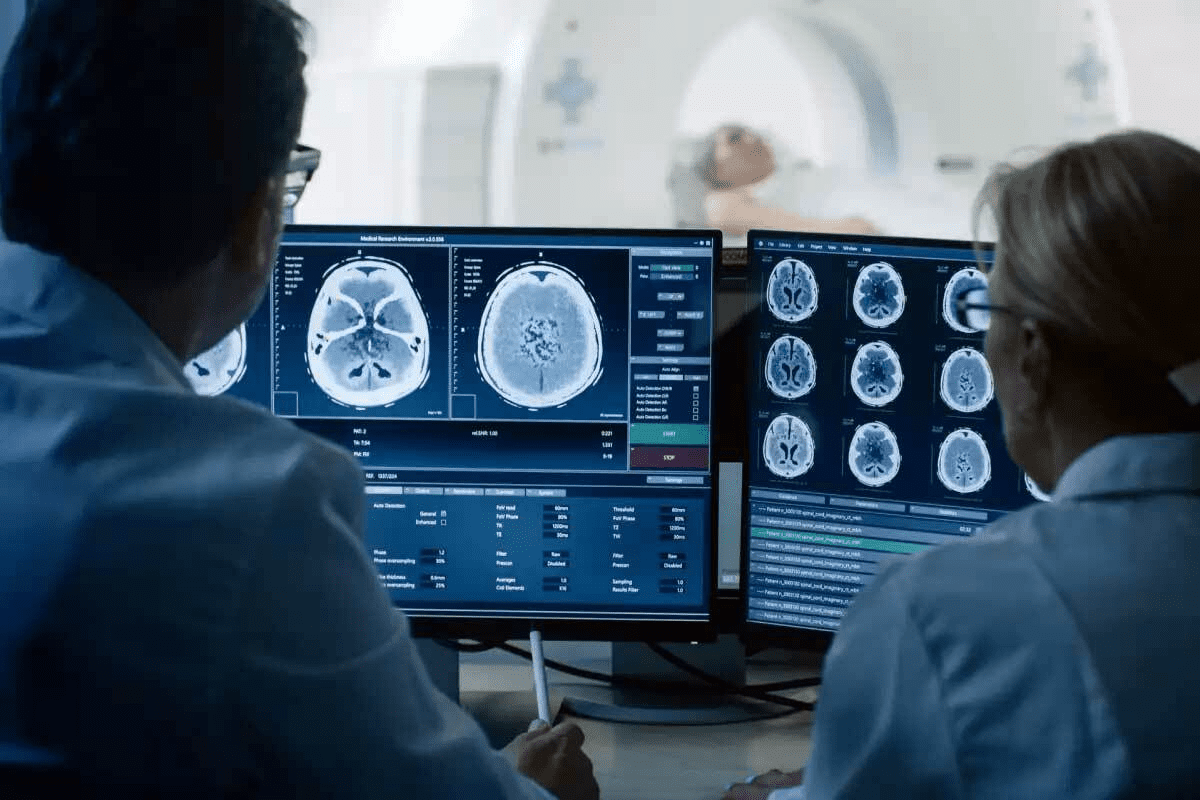
- Imaging Tests: Like CT scans, which are great for spotting diverticulitis and its severity.
- Colonoscopy: This lets doctors see inside the colon. It helps find diverticula and rule out cancer.
- Blood Tests: To look for signs of infection or inflammation.
These tests confirm the diagnosis and rule out other causes. Seeking specialist advice is important for complex cases or when the diagnosis is unsure.
Importance of Accurate Diagnosis
An accurate diagnosis is critical to avoid complications from diverticulosis and manage diverticulitis well. Misdiagnosis or delayed diagnosis can increase the risk of serious problems, like abscesses or colon perforation.
Also, accurate diagnosis allows for a treatment plan tailored to the individual. This reduces the risk of antibiotic resistance concerns by using antibiotics wisely.
We stress the need for a thorough diagnostic process. This ensures patients get the right care. It helps improve outcomes and lowers the risk of diverticulitis complications.
Treatment Options for Persistent Diverticulitis
Persistent diverticulitis treatment includes many options. These range from antibiotics and diet changes to surgery, based on how severe the condition is. We’ll look at each option to help you find the best treatment for you.
Antibiotics and Their Role
Antibiotics are often the first choice for treating persistent diverticulitis. This is true when there’s a bacterial infection. Commonly used antibiotics are ciprofloxacin and metronidazole, which fight many types of bacteria. But, how well they work can depend on the infection’s severity and antibiotic resistance.
It’s very important to finish all antibiotics as your doctor says. Not finishing them can lead to treatment failure and more serious problems.
Dietary Changes for Management
Changing your diet is key in managing diverticulitis. A high-fiber diet is recommended to soften stool and ease colon pressure. Foods high in fiber include fruits, veggies, and whole grains.
- Start increasing fiber slowly to let your gut adjust
- Drink plenty of water to help fiber move through your system
- Avoid foods that can upset your stomach, like nuts and seeds, when you’re having a flare-up
Some people might need a liquid diet during bad episodes to rest the bowel. Talking to a healthcare provider or dietitian can help make diet changes that fit your needs.
Surgical Interventions
When diverticulitis is very severe, keeps coming back, or causes complications, surgery might be needed. Surgery can involve removing part of the colon or creating a temporary colostomy to help it heal.
- Sigmoid colectomy: Taking out the sigmoid colon, which is often the most affected area
- Primary anastomosis: Joining the colon back together after removing the sick part
Choosing surgery is a big decision. It’s usually considered when other treatments haven’t worked or if there’s a high risk of serious problems. This choice should be made with your healthcare provider, considering your symptoms, health, and what you prefer.
Lifestyle Changes to Manage Diverticulitis
Lifestyle is key in managing and recovering from diverticulitis. Making smart choices about diet, staying hydrated, and living a healthy lifestyle can greatly help. These actions can change how your condition progresses and how you feel.
Importance of a High-Fiber Diet
Eating a high-fiber diet is essential for diverticulitis management. Fiber makes stool softer and bulkier, easing its passage through your digestive system. This reduces pressure on the diverticula. Include fruits, vegetables, whole grains, and legumes in your meals.
Start adding more fiber slowly to let your gut adjust. A quick jump in fiber can cause bloating and gas at first. But, the long-term benefits of a high-fiber diet are worth it.
Hydration and Its Benefits
Drinking enough water is also vital for diverticulitis management. Water softens stool, making it easier to pass and preventing constipation. It also keeps your digestive tract healthy, reducing inflammation and improving gut health.
Drink lots of water every day. Aim for at least eight glasses, but your needs may vary based on your activity level, climate, and health.
Managing stress is also important, as it can worsen diverticulitis symptoms. Try meditation, yoga, or deep breathing exercises to reduce stress.
Complications Associated with Untreated Diverticulitis
If diverticulitis is not treated, it can cause severe problems. These issues can even be life-threatening. We will look at the risks and what can happen if diverticulitis is not managed well.
Abscess Formation
Untreated diverticulitis can lead to abscess formation. An abscess is a pocket of pus in the colon wall.
- Causes and Symptoms: An abscess forms when the body tries to fight an infection. Symptoms include severe pain, fever, and changes in bowel habits.
- Treatment: Treatment usually involves antibiotics. Sometimes, draining the abscess is also needed.
Perforation of the Colon
Another serious issue is colon perforation. Untreated diverticulitis can weaken the colon wall, causing a hole.
- Consequences: Perforation can cause peritonitis, an infection in the abdominal cavity. This is a serious condition that needs immediate care.
- Risk Factors: The risk of perforation increases with the severity of diverticulitis, age, and overall health.
It’s important to see a doctor if symptoms get worse or don’t go away. Quick treatment can lower the risk of these problems. We stress the need to manage diverticulitis to avoid serious issues.
Role of Probiotics in Managing Diverticulitis
Probiotics are known for their role in gut health. They help manage diverticulitis, a condition that affects the colon. This condition can really lower a person’s quality of life. Probiotics can help by balancing the gut bacteria, which is key for a healthy gut.
How Probiotics Can Help
Probiotics can help manage diverticulitis by keeping the gut bacteria in balance. This balance is important for the gut to work right. Research suggests that some probiotics can reduce inflammation and improve the gut’s barrier function. They can also help the immune system, which is good for diverticulitis management.
Probiotics can also lessen symptoms like abdominal pain and changes in bowel habits. By enhancing gut health, they might prevent serious complications like abscesses or colon perforation.
Suggested Probiotic Sources
You can get probiotics from different sources. Probiotic-rich foods include yogurt, kefir, sauerkraut, and kimchi. These foods have live cultures that add good bacteria to your gut. For those who can’t eat enough of these foods, probiotic supplements are an option.
When picking a probiotic supplement, look at the strain, potency, and quality. Talking to a healthcare provider can help find the right probiotic for diverticulitis management.
The Connection Between Stress and Diverticulitis
Stress and diverticulitis have a complex relationship. Stress can make diverticulitis symptoms worse. Diverticulitis is when the colon’s diverticula get inflamed. Lifestyle and stress levels play a big role in this condition.
Gut Health and Stress
Stress can harm the gut, making diverticulitis symptoms worse. It can change the gut’s bacteria, reduce blood flow, and slow digestion. These changes can cause more discomfort and problems for those with diverticulitis.
Stress can also mess with the gut-brain axis. This is a network that lets the brain and gut talk to each other. Stress can change how the gut moves, secretes, and gets blood. This makes managing diverticulitis harder.
Managing Stress to Alleviate Diverticulitis Symptoms
Managing stress is key for those with diverticulitis. Meditation, yoga, and deep breathing can help lower stress. A healthy lifestyle, like regular exercise and a balanced diet, can also help.
It’s important to watch symptoms closely. This way, people can figure out what stressors they need to avoid. They can then find ways to handle those stressors better.
Stress Management Technique | Description | Potential Benefits for Diverticulitis |
Meditation | A practice that involves training your mind to focus and achieve a state of calm. | Reduces stress, potentially decreasing inflammation and improving symptoms. |
Yoga | A physical, mental, and spiritual practice that combines postures, breathing techniques, and meditation. | Enhances flexibility, reduces stress, and may improve digestion. |
Deep Breathing Exercises | Techniques that involve consciously controlling breathing patterns to relax the body. | Decreases stress levels, potentially alleviating diverticulitis symptoms. |
By using these stress management methods daily, people with diverticulitis can better handle their symptoms. This can improve their overall quality of life.
Understanding Recurrence Rates
Knowing how often diverticulitis comes back is key to managing it well over time. This condition, where the colon’s diverticula get inflamed, can really affect a person’s life. It’s even more of a problem if it keeps happening.
Studies show that about 20-40% of patients will have another episode of diverticulitis after the first one. A study found that the chance of it coming back is highest in the first year. This makes it very important to keep a close eye on things during this time.
“The risk of recurrence is a major concern for patients with diverticulitis, and understanding the factors that influence this risk is essential for developing effective management strategies.”
Gastroenterologist
Statistics on Diverticulitis Recurrence
Many things can affect how often diverticulitis comes back. These include how bad the first episode was, any other health issues, and how well the first treatment worked. People who have had it before are more likely to get it again.
- Approximately 20-40% of patients experience recurrence after the initial episode.
- The risk of recurrence is highest within the first year.
- Patients with complicated diverticulitis are at a higher risk of recurrence.
Factors That Influence Recurrence
Several things can make it more likely for diverticulitis to come back. These include what you eat, how you live, and your genes. For example, not eating enough fiber can make diverticulitis worse and more likely to come back. It’s important to think about these things when managing diverticulitis.
Long-term plans are key to lowering the chance of it coming back. This might mean eating more fiber, drinking plenty of water, and taking probiotics to help your gut. It’s also important to watch for symptoms so you can act fast if they come back.
By knowing what makes it come back and using good long-term plans, we can help patients with diverticulitis do better. As doctors, we need to help our patients make the best choices for their health. This means giving them care that fits their specific needs and situation.
Seeking Specialized Care
When diverticulitis doesn’t go away, getting specialized care is key. We know it’s tough to deal with ongoing diverticulitis. It’s important to know when to ask for help from a specialist.
When to Consult a Gastroenterologist
If you keep getting the same diverticulitis symptoms, see a gastroenterologist. These doctors are experts in treating complex gut problems, like diverticulitis. Seeking specialist advice can really help you manage and recover better.
A gastroenterologist can help you understand and deal with complications from diverticulosis. They’ll create a treatment plan just for you. This might include changing your diet, taking medicine, or surgery if needed.
Importance of a Multidisciplinary Approach
Managing diverticulitis well often means a team effort. This team includes gastroenterologists, surgeons, dietitians, and more. Surgical intervention necessity is decided by this team. This ensures you get the best treatment for your needs.
Getting specialized care and working with a team can help you manage your diverticulitis better. We’re here to give you the best care and support during your treatment.
Future Research Directions in Diverticulitis
Research into diverticulitis is ongoing, aiming to find new treatments and improve care. New antibiotics and probiotics might help manage the condition better.
Studies are also looking into ways to prevent diverticulitis. This includes changing diets and lifestyles to lower the risk. Better long-term plans are being made for those with ongoing issues.
It’s important to raise awareness about diverticulitis. Knowing more about it can help patients take charge of their health. As research grows, we expect to see new ways to manage diverticulitis.
FAQ
What is persistent diverticulitis, and how does it differ from acute diverticulitis?
Persistent diverticulitis means ongoing or recurring symptoms. Acute diverticulitis is a short-term inflammation. Knowing the difference helps in managing it better.
What are the common symptoms of persistent diverticulitis?
Symptoms include abdominal pain, changes in bowel habits, and recurring episodes. Recognizing these symptoms is key to getting timely medical help.
How is diverticulitis diagnosed, and why is accurate diagnosis important?
Doctors use medical history, physical exams, and tests like CT scans and colonoscopy to diagnose. Accurate diagnosis is important to rule out other conditions and ensure the right treatment.
What are the treatment options for persistent diverticulitis?
Treatment includes antibiotics, dietary changes, and sometimes surgery. Following medical advice is important for managing the condition. Surgery might be needed for complications or recurring episodes.
How can lifestyle changes help manage diverticulitis?
Eating a high-fiber diet, staying hydrated, and managing stress can help. A high-fiber diet is key to prevent constipation, a major risk factor.
What are the possible complications of untreated diverticulitis?
Untreated diverticulitis can lead to abscesses and colon perforation, which are serious. Quick treatment is needed to avoid these risks.
Can probiotics help manage diverticulitis?
Probiotics can improve gut health and reduce symptoms. They are found in fermented foods and supplements. Always talk to a healthcare provider before using them.
How does stress affect diverticulitis, and what stress management techniques are recommended?
Stress can worsen diverticulitis symptoms by affecting gut health. Techniques like meditation, yoga, and deep breathing can help manage symptoms and improve well-being.
What are the recurrence rates of diverticulitis, and how can they be managed?
Recurrence rates vary. Long-term management includes dietary changes and lifestyle adjustments. Regular check-ups with a healthcare provider are also important.
When should I consult a gastroenterologist for diverticulitis?
See a gastroenterologist for recurring or persistent symptoms, or if you’ve had multiple episodes. A team approach to treatment offers better care.
What are the emerging treatments for diverticulitis, and how can I stay informed?
New treatments include advanced antibiotics and other therapies. Stay informed through reliable healthcare sources and discuss with your healthcare provider to keep up with the latest.