Last Updated on December 1, 2025 by Bilal Hasdemir
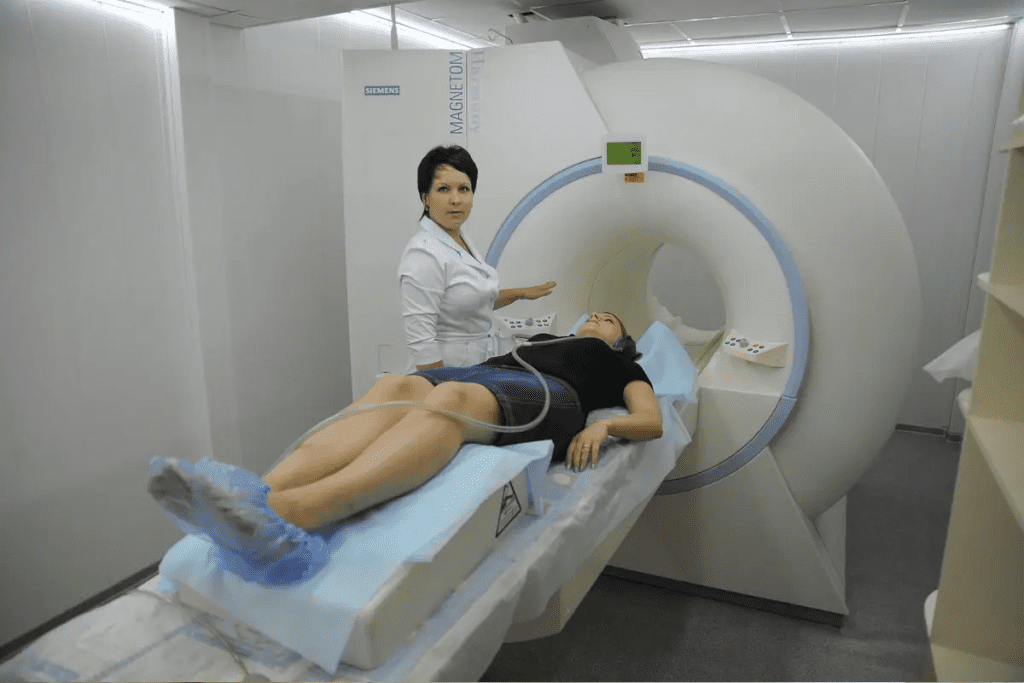
A positron emission tomography (PET) scan is a tool used to see how organs and tissues work. But, some things can make it less accurate.
High blood sugar in people with diabetes can affect PET scan results because glucose competes with the radioactive tracer, potentially causing inaccurate readings.
Key Takeaways
- High blood sugar levels can impact PET scan results.
- Glucose control is key before a PET scan.
- Some things can make PET scans less accurate.
- Knowing these factors is important for good results.
- Diabetics need to watch their glucose levels for accurate scans.
Understanding PET Scan Fundamentals
To grasp how PET scans work, it’s key to know the basics. PET scans use special drugs called radiotracers that are injected into your blood. These drugs, like sugar or amino acids, build up in different body parts based on how active they are.
How PET Scans Work
PET scans detect the energy from these radiotracers. When a radiotracer decays, it sends out positrons that meet electrons, creating gamma rays. The PET scanner catches these rays, making detailed pictures of your body’s inside workings.
The Role of Radioactive Tracers
The quality and type of tracer used greatly affect PET scan accuracy. Each tracer is made to show specific body processes or areas. For example, fluorodeoxyglucose (FDG) shows where tissues are most active, like in tumors.
Why Diagnostic Precision Matters
Diagnostic precision is key for good treatment plans and patient care. Accurate scan interpretation needs top-notch images and knowing what can change PET scan results. Making sure PET scans are done right, with the best tracers and patient prep, is essential for getting reliable results.
- Understanding PET scan basics is vital for knowing what can affect scan accuracy.
- The role of radioactive tracers is critical in PET scans, as they directly impact the quality of the images produced.
- Diagnostic precision in PET scans is vital for accurate diagnosis and effective treatment planning.
Blood Sugar and Glucose-Related Factors
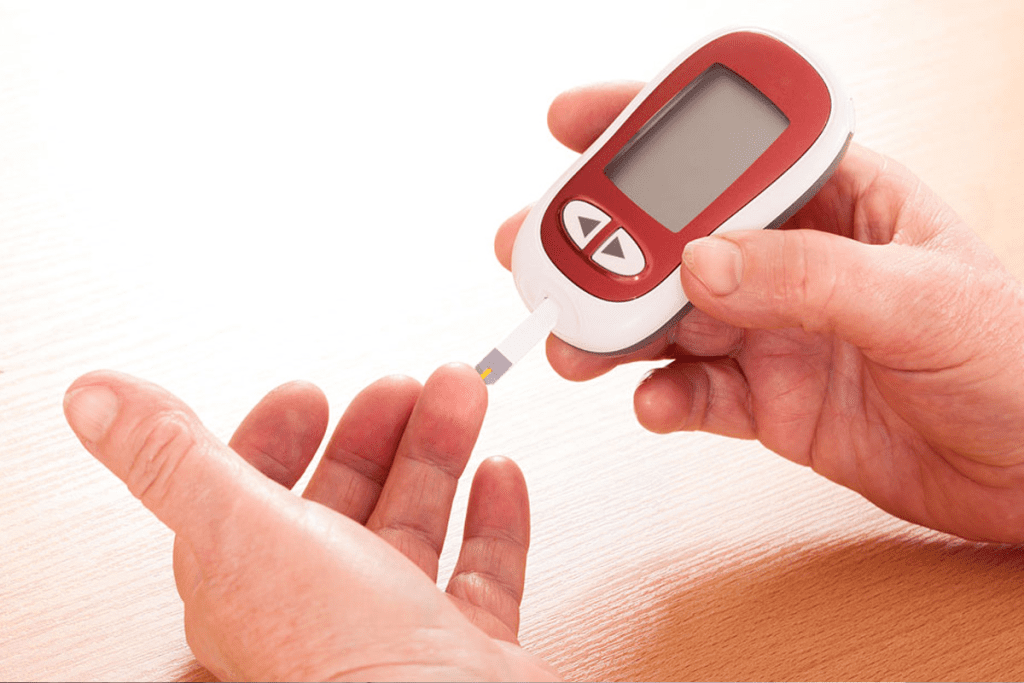
Blood sugar greatly affects PET scan accuracy, more so for diabetic patients. High blood glucose can harm the scan’s quality. It’s key for patients to control their diabetes before the scan.
Impact of High Blood Sugar Levels
High blood sugar can cause PET scan results to be off. Elevated glucose changes how the tracer is taken up, leading to wrong scan readings. Diabetic patients must carefully manage their blood glucose levels before a PET scan to get accurate results.
Diabetes Management Before a Scan
Managing diabetes well before a PET scan is essential. Patients should follow their doctor’s advice on blood sugar control. This might mean adjusting meds, closely watching glucose, and eating a healthy diet to keep blood sugar stable.
Insulin Use and Its Effects on Results
Insulin use can also affect PET scan results, if not managed right. Insulin changes how glucose is broken down, affecting the tracer’s uptake. Patients on insulin should talk to their doctor to adjust their insulin before the scan to avoid affecting the results.
Altered Metabolism Considerations
Altered metabolism, common in diabetes or on certain meds, can skew PET scan accuracy. Factors like poor diet and insulin resistance can change glucose breakdown, affecting scan results. Knowing these factors is key for correct PET scan interpretation.
By managing blood sugar and related factors, patients can help make their PET scan results as accurate as possible. This leads to better diagnostic results.
Dietary Factors Affecting Scan Results
What you eat before a PET scan is very important. It can change how accurate the scan results are. The food and drinks you have before the scan can affect the quality of the images.
Pre-Scan Fasting Requirements
Before a PET scan, you might need to fast. Fasting lowers blood sugar levels. This is important because high sugar levels can mess with the scan’s results. How long you need to fast depends on the scan type and your health.
Foods to Avoid Before Your Scan
Stay away from foods high in sugar before a PET scan. High-sugar foods raise blood sugar levels. This can make the scan less accurate. Always follow your doctor’s advice on what to eat before the scan.
Hydration Status and Scan Quality
Drinking enough water is key for a good scan. Drink lots of water before and after the scan. This helps the tracer move around your body better, making the images clearer.
Carbohydrate Restriction Guidelines
Limiting carbs before a PET scan is often suggested. Carbs can raise blood sugar levels, impacting the scan’s results. Stick to your doctor’s advice on carbs to get the best scan results.
In summary, what you eat before a PET scan is very important. By following the right diet, you can help make sure your scan results are accurate and helpful for doctors.
Lifestyle Factors That Interfere With Results
Some daily habits can mess with PET scan results. Knowing these habits is key to getting accurate scan results.
Caffeine Consumption Effects
Caffeine before a PET scan can change the results. Caffeine boosts activity, which can mess with the tracer’s uptake. Doctors often tell patients to cut down on caffeine before the scan.
Alcohol Use Before Imaging
Drinking alcohol can also mess with PET scan results. Alcohol changes how the body works and can affect the tracer’s spread. Patients are told to skip alcohol for at least 24 hours before the scan.
Tobacco and Nicotine Interference
Using tobacco or nicotine can also affect PET scan results. Nicotine can change blood flow and activity, which might alter the scan. Doctors advise patients to stop smoking and using nicotine products before the scan.
Exercise and Muscle Uptake Issues
Working out recently can also impact PET scan results, mainly in muscle uptake. Hard exercise can make muscles work harder, which might confuse the scan. Patients are usually told to avoid hard exercise before the scan.
Sleep Patterns and Metabolic Activity
Sleep can also affect how the body works and PET scan results. Bad sleep or changes in sleep can mess with glucose use, affecting the scan’s accuracy.
| Lifestyle Factor | Impact on PET Scan | Recommendation |
| Caffeine Intake | Alters metabolic activity | Avoid caffeine before scan |
| Alcohol Use | Affects tracer distribution | Avoid alcohol for 24 hours |
| Tobacco/Nicotine Use | Influences blood flow and metabolism | Refrain from smoking/nicotine |
| Recent Exercise | Increases muscle uptake | Avoid strenuous exercise |
| Sleep Patterns | Affects glucose metabolism | Maintain regular sleep patterns |
Medication and Supplement Interference
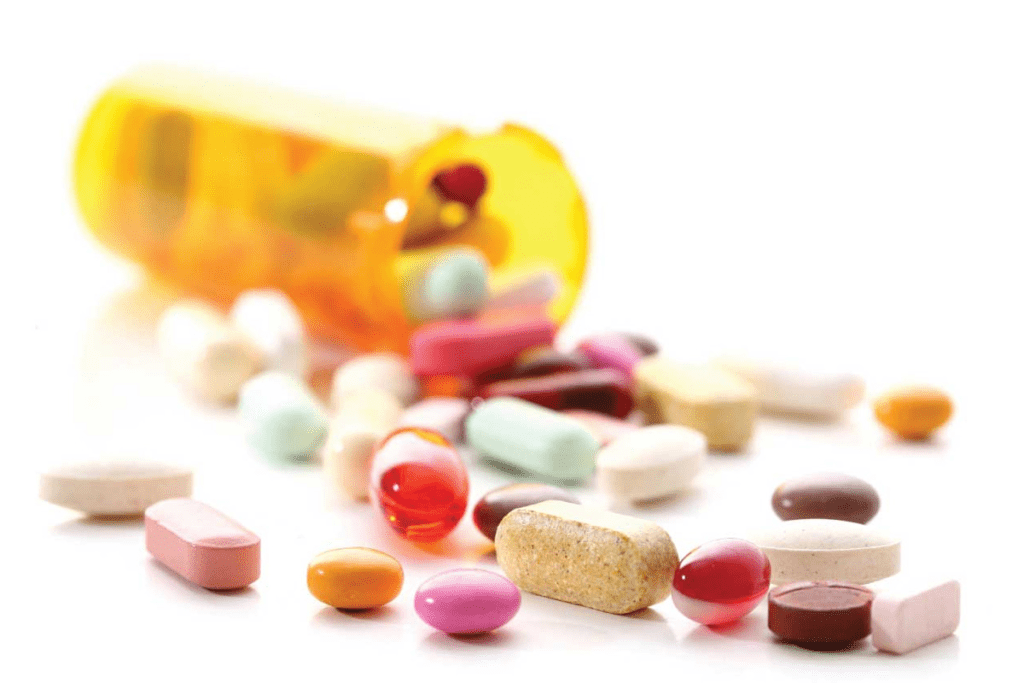
Certain medications and supplements can mess with PET scan results. It’s key for patients to know how these can affect their scans.
Common Medications That Affect Results
Some meds can change how PET scans measure metabolic activity. For example, diabetes meds can alter glucose uptake. This might lead to wrong PET scan results.
| Medication Type | Potential Impact on PET Scan |
| Metformin | May increase glucose uptake in some areas |
| Insulin | Can affect glucose metabolism, potentially altering scan results |
Supplement Considerations
Supplements, like vitamins and minerals, can also mess with PET scan accuracy. Vitamin C, for instance, has antioxidant properties. These can interfere with the scan’s ability to spot certain issues.
“Patients should inform their healthcare provider about any supplements they are taking before undergoing a PET scan.”
Vitamin C and Other Antioxidants
High doses of vitamin C and other antioxidants can mess with the PET scan’s sensitivity. It’s vital to talk to your healthcare provider about supplements to understand any impacts.
Discussing Medications With Your Provider
Before a PET scan, patients should talk openly with their healthcare provider about their meds and supplements. This chat can help spot any issues and make necessary changes.
Timing of Medication Administration
The timing of when you take your meds can also affect PET scan accuracy. Your healthcare provider might suggest changing your medication schedule to reduce any impacts on the scan.
Knowing how meds and supplements can affect PET scan results helps patients prepare better. This ensures more accurate scan outcomes.
Patient-Related Factors During the Procedure
When you get a PET scan, some things about you can affect how accurate it is. Knowing these can help a lot in getting a good diagnosis.
Movement and Positioning Problems
Moving during a PET scan can mess up the images. It’s key to stay as steady as possible to get clear pictures.
Tips to minimize movement:
- Follow the technologist’s instructions carefully
- Use comfort measures such as pillows or blankets to help maintain position
- Practice relaxation techniques to reduce restlessness
Anxiety and Stress Responses
Anxiety and stress can change how your body works, which might affect the scan. High stress can make some areas take up more glucose, looking like they’re not working right.
“Stress and anxiety can significantly impact the outcome of a PET scan, making it vital for patients to manage their stress levels before and during the procedure.”
Claustrophobia Management
If you’re afraid of tight spaces, PET scans can be tough. It’s important to manage this fear to get a good scan.
Strategies for managing claustrophobia include:
- Communicating with your healthcare provider about your fears
- Using relaxation techniques such as deep breathing or meditation
- Considering mild sedation if recommended by your healthcare provider
Body Size and Scan Limitations
Your size and weight can also affect the scan. Bigger bodies might need special settings or could limit how clear the images are.
| Patient-Related Factor | Impact on PET Scan | Management Strategy |
| Movement | Image artifacts and reduced accuracy | Remain steady, use comfort measures |
| Anxiety/Stress | Altered metabolic activity | Relaxation techniques, stress management |
| Claustrophobia | Difficulty completing the scan | Relaxation techniques, sedation |
| Body Size | Limitations in scan quality | Adjust scanning protocol |
Understanding and managing these factors can really help make PET scans more accurate and reliable.
Technical and Equipment Factors
The accuracy of PET scans depends on technical factors and equipment quality. It’s important that all parts of the PET scanning process work well. This ensures reliable results.
Tracer Quality and Administration Issues
The quality of the radioactive tracer is key to PET scan accuracy. Tracer quality can be affected by many things. These include how it’s made, stored, and when it’s given.
Any problems with the tracer can cause bad images and wrong results.
Scanner Calibration Problems
Machine calibration is vital for PET scan accuracy. Regular checks make sure the scanner works right. It can spot the tracer’s signals well.
Common Imaging Artifacts
Imaging artifacts are odd things that show up in PET scans. They can happen for many reasons. These include scanner problems, patient movement, or how the tracer spreads.
These artifacts can make it hard to understand the scan results. They might even lead to wrong diagnoses.
Technologist Experience and Technique
The PET technologist’s skill and method matter a lot. A good technologist can avoid many problems. They make sure the scan is done right.
Scan Interpretation Challenges
Scan interpretation is a tough job that needs a lot of knowledge. There are many things that can make it hard. These include artifacts, how the tracer is taken up, and matching PET scans with other tests.
In short, technical and equipment factors are very important for PET scan accuracy. Good tracers, proper scanner checks, avoiding artifacts, skilled technologists, and correct scan reading are all key. They help get reliable PET scan results.
Improving PET Scan Accuracy: Preparation Guidelines
PET scan accuracy greatly depends on how well you prepare and talk to your healthcare team. Getting ready right is key to getting results that help doctors make good plans for your care.
Optimal Pre-Scan Protocol
It’s important to stick to a certain pre-scan plan to get accurate PET scan results. This plan might include not eating for a few hours before the scan, avoiding certain foods and drinks, and following specific instructions from your doctor.
Fasting Requirements: You’ll likely need to fast for a few hours before the scan. This helps the tracer work right in your body. It’s very important to follow these instructions to avoid having to reschedule your scan.
Communication With Your Healthcare Team
Talking well with your healthcare team is key for a good PET scan. Tell them about any medicines you’re taking, any health issues you have, and any worries you have about the scan.
“Clear communication between the patient and healthcare provider is essential for ensuring that the PET scan is conducted and interpreted correctly.”
What to Do if You Have Risk Factors
If you have health issues like diabetes or get anxious in small spaces, talk to your healthcare team before the scan. They can help figure out how to handle these during the scan.
- Inform your provider about your medical history.
- Discuss any anxiety or claustrophobia concerns.
- Follow specific instructions for managing your condition on the day of the scan.
Questions to Ask Before Your Procedure
Don’t be shy about asking questions before your PET scan. Knowing what to expect and what’s expected of you can make the scan more accurate.
Key Questions to Ask:
- What are the specific pre-scan instructions I need to follow?
- How should I manage my medications before the scan?
- Are there any specific risks or side effects I should be aware of?
By following these tips and keeping a good dialogue with your healthcare team, you can help make sure your PET scan results are as accurate as they can be.
Conclusion
PET scan results are key for good diagnosis and treatment plans. Many things can change how accurate a PET scan is. These include blood sugar levels, what you eat, your lifestyle, and the equipment used.
To get better scan results, it’s important to understand these factors. You should prepare well before the scan. This means fasting beforehand, avoiding certain foods, and managing your medications.
Knowing how to prepare for a PET scan can make a big difference. It helps ensure the results are accurate and reliable. This summary shows how important it is to prepare carefully and consider your own factors for the best scan results.
FAQ
What is a PET scan and how does it work?
A PET (Positron Emission Tomography) scan is a medical test. It uses a radioactive tracer to see how the body works. A small amount of radioactive material is injected into the body. This material is then absorbed by cells, giving detailed images of the body’s internal structures.
How does high blood sugar affect PET scan results?
High blood sugar can change how a PET scan works. It can make the tracer not work right, affecting the scan’s quality.
What dietary restrictions are required before a PET scan?
Before a PET scan, you need to fast and avoid certain foods. You should also follow a low-carb diet. Drinking enough water is also important.
Can caffeine and alcohol consumption affect PET scan results?
Yes, caffeine and alcohol can mess with PET scan results. Caffeine can change how the tracer works. Alcohol can also affect how the body uses energy, impacting the scan’s quality.
How do medications and supplements impact PET scan results?
Some medications and supplements, like Vitamin C, can affect PET scans. It’s important to talk to your doctor about what you’re taking before the scan.
What patient-related factors can impact PET scan accuracy during the procedure?
Things like moving too much, feeling anxious, or being claustrophobic can affect PET scans. So can being too big for the scanner.
How can technical and equipment factors affect PET scan results?
Things like the quality of the tracer, how well the scanner is set up, and the skill of the technologist can all matter. So can how well the images are interpreted.
What can be done to improve PET scan accuracy?
To get better PET scan results, follow the right steps before the scan. Talk to your healthcare team and manage any risks. Asking questions is also key.
Why is it essential to discuss medications with healthcare providers before a PET scan?
Talking to your doctor about medications before a PET scan is very important. It helps make sure the scan works right and gives accurate results.
How can anxiety and stress be managed during a PET scan?
To handle anxiety and stress during a PET scan, talk to your healthcare team. Use relaxation techniques and follow strategies for claustrophobia.
References
- Australian Diabetes Society & Australia and New Zealand Society of Nuclear Medicine. (2024). Joint ADS-ANZSNM guideline for FDG PET-CT imaging in patients with type 1 and type 2 diabetes. Retrieved from https://www.diabetessociety.com.au/wp-content/uploads/2024/07/Joint-ADS-ANZSNM-guideline-for-FDG-PET-CT-imaging-in-patients-with-type-1-and-type-2-diabetes-1-August-2024.pdf
- Haley, M., et al. (2008). Influence of diabetes on the interpretation of PET scans during chemoradiotherapy for esophageal cancer. Radiology, 249(3), 707-715. https://pmc.ncbi.nlm.nih.gov/articles/PMC2739639/
- Sprinz, C., et al. (2018). Effects of blood glucose level on 18F-FDG uptake for PET imaging. Scientific Reports, 8, 10935. https://pmc.ncbi.nlm.nih.gov/articles/PMC5828444/
- Valgañón, V. P., et al. (2012). Normal blood glucose level and 18F-FDG PET/CT: Guidelines and values. Journal of Nuclear Medicine Technology, 40(3), 175-179. https://www.sciencedirect.com/science/article/abs/pii/S2253654X12000601
- Sprinz, C., et al. (2018). Effects of blood glucose level on 18F-fluorodeoxyglucose uptake in normal organs of interest. Scientific Reports, 8, 1923. https://www.nature.com/articles/s41598-018-20529-4
- Radiopaedia Contributors. (2024, August 27). Effect of insulin on FDG-PET. Radiopaedia. Retrieved from https://radiopaedia.org/articles/effect-of-insulin-on-fdg-pet-1