Last Updated on November 27, 2025 by Bilal Hasdemir
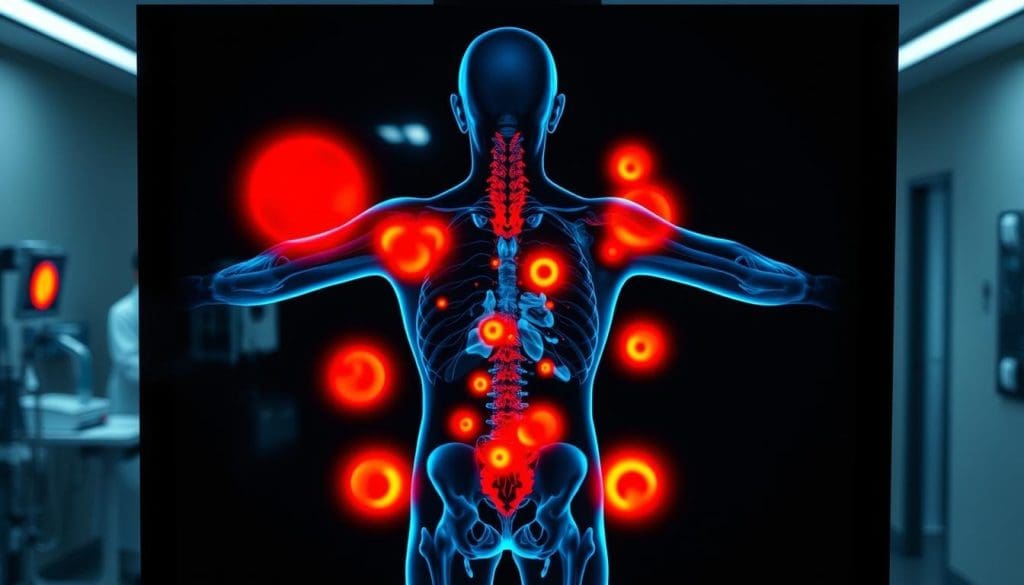
Knowing how accurate PET scans are is key in finding cancer. PET scan false positives can cause a lot of worry and even lead to incorrect diagnoses. Studies show that false positive rates differ in various cancers, from 5.8% to 9.6%. For example, lung cancer has a false positive rate of about 6.5%.
Conditions like inflammatory pseudotumor and tuberculoma are common causes of PET scan false positives. A study on the National Center for Biotechnology Information website found that age, diabetes, and interleukin-6 (IL-6) levels also play a role in lung cancer PET-CT false positives.
At Liv Hospital, we focus on accuracy and patient care. Our experts work carefully to reduce PET scan false positives, ensuring that each diagnosis is as precise as possible. This helps us avoid misdiagnosis and deliver better treatment outcomes.
Key Takeaways
- PET scan false positives can lead to misdiagnosis and unnecessary stress.
- False positive rates vary across different cancers, ranging from 5.8% to 9.6%.
- Lung cancer has a false positive rate of around 6.5%.
- Inflammatory pseudotumor and tuberculoma are common causes of false positives.
- Age, diabetes, and interleukin-6 (IL-6) levels are related to the false positive rate of PET-CT in lung cancer patients.
Understanding PET Scan Technology and Its Diagnostic Role
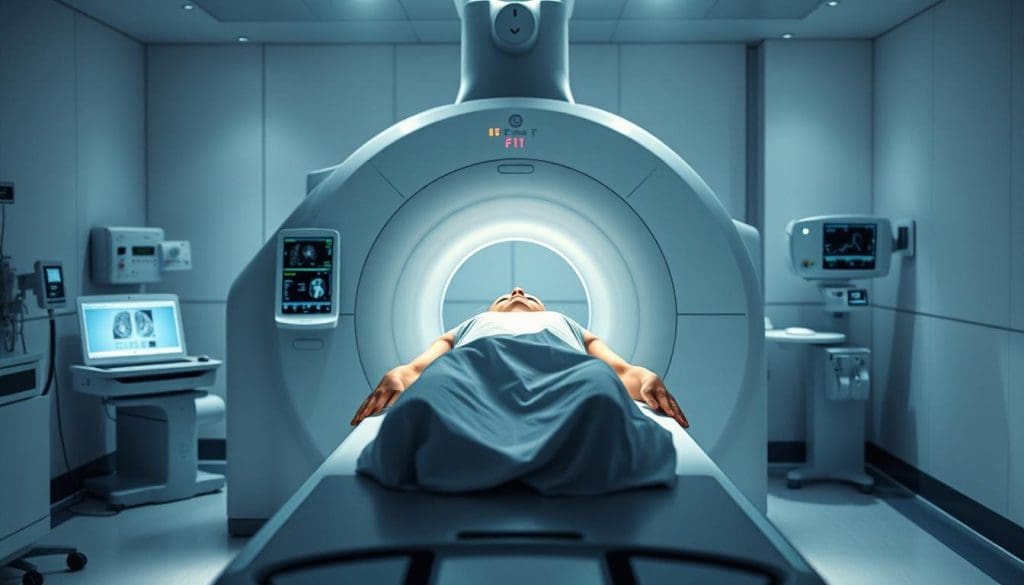
PET scan technology is key in diagnosing and managing cancers. It’s a way to see how tissues in the body work. This includes looking at physiological, pathological, biochemical, and metabolic changes.
How PET Scans Work
PET scans detect how active cells are in the body. They use a special sugar that cells take up, called Fluorodeoxyglucose (FDG). Cancer cells, being more active, take up more FDG.
The steps are:
- Injecting the FDG tracer into the blood.
- Cancer cells take up more FDG because they’re more active.
- Scanning to find where the FDG is most active.
Clinical Applications in Cancer Detection
PET scans are very useful in cancer care. They help in:
- Cancer Staging: Finding out how far cancer has spread.
- Treatment Monitoring: Seeing how well treatment is working.
- Recurrence Detection: Spotting cancer coming back early.
They help doctors make treatment plans that fit each patient better. This can lead to better results.
Integration with CT Scanning (PET-CT)
PET scans combined with CT scans, or PET-CT, make diagnosis more accurate. They mix the detailed metabolic info from PET with the body’s anatomy from CT. This gives a clearer picture of the disease.
PET-CT is great for:
- Precise Localization: Finding exactly where metabolic activity is off.
- Improved Diagnostic Confidence: Making diagnosis more sure by combining metabolic and anatomical info.
The PET-CT scan is a powerful tool for cancer detection and management. It helps doctors find and treat cancer more accurately. This leads to better care for patients.
The Challenge of PET Scan False Positives
False positives from PET scans can cause a lot of worry. They lead to extra tests and treatments that aren’t needed. Doctors and patients need to understand this issue.
Definition and Clinical Significance
PET scan false positives show disease when there isn’t any. This can be due to inflammation, infection, or other conditions that look like cancer. These false positives can lead to wrong treatments and more tests.
For example, a false positive might mean a patient gets a lung PET scan they don’t need. This can be expensive and risky.
Impact on Patient Care and Treatment Decisions
False positives affect patients in many ways. They can lead to extra tests and treatments. This causes a lot of stress and worry for patients and their families.
They can also make treatment choices harder. Doctors might choose more aggressive treatments based on false positives. This can put patients at risk of more harm.
Psychological Effects of Misdiagnosis
The mental effects of a false positive diagnosis are big. Patients might feel more anxious, depressed, and stressed. The emotional impact is just as big as having a real diagnosis.
Doctors should talk clearly with patients about PET scan risks. This can help lessen the mental impact. It prepares patients for what to expect during diagnosis.
Key Fact #1: Statistical Overview of False Positive Rates
Understanding PET scan false positives is key for doctors and patients. False positive rates show how accurate PET scans are in finding cancer.
General False Positive Range: 5.8% to 9.6%
PET scan false positives range from 5.8% to 9.6%. This means many positive results might not show cancer. A study in the Journal of Nuclear Medicine says, “The false positive rate of PET scans is a critical factor in determining the overall accuracy of cancer diagnosis.” Getting PET scan results right is vital to avoid extra tests and worry for patients.
Lung Cancer Specific Data: 6.5% False Positive Rate
Lung cancer PET scans have a 6.5% false positive rate. Lung cancer is common, making this rate important. A clinical expert notes, “A false positive rate of 6.5% for lung cancer diagnosis is a reminder that PET scan results should always be considered in the context of other diagnostic evidence.”
Comparing False Positive Rates Across Different Cancers
False positive rates for PET scans differ by cancer type. For example, lung cancer has a 6.5% rate, but other cancers may have different rates. It’s important to study these rates to understand PET scans’ strengths and weaknesses in different cancers. The variability in false positive rates highlights the importance of tailored diagnostic approaches for different cancer types.
Recent studies show the following false positive rates for PET scans in diagnosing various cancers:
- Lung Cancer: 6.5%
- Breast Cancer: 8.2%
- Colon Cancer: 5.2%
- Lymphoma: 7.1%
These numbers show the need to understand PET scan accuracy for each cancer type. By comparing rates, doctors can make better decisions based on PET scan results.
“The accuracy of PET scans varies significantly across different cancers, stressing the need for cancer-specific diagnostic protocols.”
Nuclear Medicine Specialist
Key Fact #2: Common Causes of PET Scan False Positives
It’s important to know why PET scans sometimes show false positives. These errors can cause worry, extra tests, and wrong treatments.
Inflammatory Conditions and Their Metabolic Activity
Inflammatory conditions often cause false positives in PET scans. These conditions make the body take up more glucose, like cancer. For example, rheumatoid arthritis, sarcoidosis, and inflammatory bowel disease can show up as cancer on scans.
Infections Including Tuberculosis and Fungal Infections
Infections can also lead to false positives in PET scans. Tuberculosis and fungal infections can make the body take up more glucose. This makes them look like cancer on scans. It’s key to look at the patient’s history and other test results when reading PET scans.
Post-Surgical and Post-Treatment Inflammatory Changes
After surgery or treatment, the body’s healing can cause false positives. The healing process can make the body take up more glucose. This might look like cancer on scans.
Benign Tumors and Growths
Benign tumors and growths can also cause false positives. Things like adenomas, fibroids, and benign cysts can take up more glucose. This makes them look suspicious on scans.
| Cause of False Positive | Description | Examples |
| Inflammatory Conditions | Increased glucose uptake due to inflammation | Rheumatoid arthritis, sarcoidosis, inflammatory bowel disease |
| Infections | Increased metabolic activity due to infection | Tuberculosis, fungal infections |
| Post-Surgical Changes | Healing process leading to increased metabolic activity | Post-operative inflammation, wound healing |
| Benign Tumors and Growths | Increased glucose uptake in benign conditions | Adenomas, fibroids, benign cysts |
Key Fact #3: Understanding Uptake in PET Scans
PET scan uptake shows how cells absorb radioactive glucose. This is key to understanding PET scans and their results.
What Does “Uptake” Mean on a PET Scan?
Uptake on a PET scan shows how much glucose cells use. Cells that use a lot of glucose, like cancer cells, show up brighter on scans.
A small amount of radioactive glucose (FDG) is injected into the patient. Cells that use glucose also take in the FDG. This is then detected by the PET scanner.
Standardized Uptake Value (SUV) Measurements
Radiologists use the Standardized Uptake Value (SUV) to measure uptake. SUV compares the tracer in a region to the body’s average. It helps see how active tissues are.
SUV measurements are important for:
- Diagnosing cancer
- Checking how well treatments work
- Tracking disease changes
Factors Affecting Glucose Metabolism and Uptake
Many things can change how cells use glucose on PET scans:
- Inflammation: Inflammatory cells can show high glucose uptake, leading to false positives.
- Muscle Activity: Exercise or muscle tension can increase glucose uptake in muscles.
- Blood Glucose Levels: High blood sugar can lower FDG uptake, making scans less sensitive.
Interpreting Different Levels of Uptake
Understanding PET scan uptake needs context and clinical correlation. High uptake might mean cancer but can also show up in infections or inflammation.
Here’s a table to help understand SUV values:
| SUV Value | Interpretation | Possible Conditions |
| Low (<2.5) | Typically benign or low metabolic activity | Cysts, benign tumors |
| Moderate (2.5-5) | May indicate inflammation or low-grade malignancy | Infections, low-grade tumors |
| High (>5) | Often associated with high metabolic activity, potentially malignant | Cancer, aggressive tumors |
Knowing about uptake patterns and SUV measurements is key for accurate PET scan results. By looking at the clinical context and other images, doctors can make better decisions.
Key Fact #4: The “Dinner Glow” and Normal Physiological Uptake
It’s important to know about the “dinner glow” when looking at PET scan results. This term describes how Fluorodeoxyglucose (FDG) levels go up in some body parts after eating. This can sometimes look like it’s not supposed to be there.
Normal FDG Uptake Patterns in the Body
FDG levels change in different parts of the body. The brain, heart, and urinary tract have their own levels because of how they work. For example, the brain uses a lot of glucose for energy.
Normal physiological uptake is also seen in the liver, spleen, and bone marrow. But, how much can change based on things like what you’ve eaten or if you’re sick.
How Recent Meals Affect PET Scan Results
Eating a meal with a lot of glucose before a PET scan can mess with the results. This is because insulin from the meal can make muscles take up more FDG. This can make it look like there’s more activity than there really is.
To get better results, it’s best to not eat for a while before the scan.
Other Normal Physiological Causes of Increased Uptake
There are other reasons for increased FDG uptake too. For example, brown fat in the neck and upper chest can light up more. Also, muscles that are active or tense can show more FDG.
Knowing about these normal changes helps doctors get the right information from PET scans. It helps avoid mistakes.
Key Fact #5: Why “Lighting Up” Doesn’t Always Indicate Cancer
PET scans are great for finding cancer, but a “lit-up” scan doesn’t always mean cancer. Many things can cause a PET scan to show more activity. This includes conditions that are not cancerous but can look like it.
Benign Conditions That Show Increased Uptake
Some non-cancerous conditions can make a PET scan look like cancer. For example, sarcoidosis can show up as cancer on scans. This makes it hard to tell the difference.
Granulomatous disease also shows up on scans because of active macrophages. Knowing about these conditions helps doctors understand PET scan results better.
Brown Fat Activation and Muscle Uptake
Brown fat can make PET scans look like cancer, even if it’s not. This happens when the body is cold or has a certain genetic makeup. Muscle activity can also cause false positives.
To tell if it’s cancer or not, doctors look closely at the scan. They might also use CT or MRI scans for more information.
Distinguishing Malignant from Benign Uptake Patterns
Radiologists look at several things to tell if it’s cancer or not. They check how bright the scan is, if it’s in a pattern, and where it is. For example, symmetrical uptake in some areas might be brown fat, not cancer.
Doctors also consider what the patient is like and what other tests show. Sometimes, they need to do more tests or biopsies to be sure.
Key Fact #6: PET Scan Accuracy Limitations for Specific Cancers
PET scans are key in finding cancer, but they’re not perfect. Their success depends a lot on the cancer type. This is a big concern in oncology.
Accuracy Rates for Colon Cancer Detection
PET scans work pretty well for colon cancer, with a 70% to 90% success rate. But, the size and location of the tumor can affect how accurate they are.
Accuracy Rates for Lung Cancer Detection
Lung cancer detection is where PET scans really shine, with a success rate over 90%. But, they can sometimes mistake inflammation or infections for cancer.
Limitations in Small Tumor Detection
PET scans struggle with finding small tumors. Tumors under 8-10 mm might not show up because of the scan’s resolution and sensitivity.
Cancer Types with Higher False Positive Rates
Some cancers, like those with inflammation or infections, can lead to false positives on PET scans. For example, conditions like sarcoidosis or tuberculosis can look like cancer.
To grasp the PET scan accuracy for various cancers, let’s look at the data below:
| Cancer Type | PET Scan Sensitivity | Common Causes of False Positives |
| Colon Cancer | 70-90% | Inflammatory bowel disease, infections |
| Lung Cancer | >90% | Infections, granulomatous disease |
| Breast Cancer | 80-95% | Fibroadenomas, inflammatory changes |
This table shows how PET scans vary in sensitivity for different cancers and common false positives. Knowing these limits is key for accurate diagnosis and care.
Key Fact #7: How Medical Professionals Manage Possible PET Scan False Positives
Medical experts use several ways to handle possible false positives in PET scans. It’s key for accurate diagnosis and good patient care.
Correlation with Other Imaging Modalities
One main method is linking PET scan results with other imaging types. This includes:
- CT scans: Giving detailed body pictures to tell if something is cancer or not.
- MRI scans: Showing soft tissue details, useful for some cancers.
- Using PET with CT or MRI: Making scans more accurate by adding body pictures.
This way helps confirm if cancer is there, cutting down on false positives.
Biopsy and Histopathological Confirmation
When scans aren’t clear, biopsy and histopathology are the top choices. This means:
- Taking tissue samples: Getting samples from the area in question.
- Looking at tissue under a microscope: Checking for cancer cells.
Biopsy results give a clear diagnosis, helping to avoid false positives and plan the right treatment.
Follow-up Protocols and Monitoring
For unclear PET scan results, follow-up plans are key. These might include:
- More PET scans: Doing extra scans to see if anything changes.
- Other imaging tests: Trying different scans to get more info.
- Watching the patient: Keeping an eye on symptoms and health.
These plans help spot changes early, while also avoiding too many tests.
Advanced Techniques to Improve Accuracy
New tech and analysis methods are making PET scans more accurate. Some of these include:
- Better scanner tech: Making scans clearer and more sensitive.
- Advanced software: Using smart algorithms to spot cancer better.
- New tracers: Creating tracers that target specific cancers.
These updates lead to more accurate diagnoses and fewer false positives.
| Strategy | Description | Benefits |
| Correlation with Other Imaging | Combining PET scans with CT or MRI for better anatomical correlation. | Improved diagnostic accuracy, reduced false positives. |
| Biopsy and Histopathology | Examining tissue samples to confirm cancer presence. | Definitive diagnosis guides treatment decisions. |
| Follow-up Protocols | Monitoring patients with inconclusive results through repeat scans and clinical assessment. | Early detection of changes avoids unnecessary interventions. |
| Advanced Techniques | Improving PET scan technology and analysis methods. | Enhanced accuracy, reduced false positives. |
Conclusion: Navigating PET Scan Results with Informed Perspective
PET scan results need careful thought and a deep understanding. Knowing the limits and why false positives happen is key to the right diagnosis and treatment.
PET scan tech is complex and very useful for finding problems. Healthcare teams must link PET scan findings with other tests and what they see in the patient to get a full picture of health.
Patients should know what can change PET scan results. Things like inflammation, infections, and eating recently can affect the scan. Knowing this can help manage hopes and worries about scan results.
| Key Considerations | Impact on PET Scan Results |
| Inflammatory Conditions | Can cause false positives due to increased metabolic activity |
| Recent Meals | May affect glucose uptake, potentially leading to misinterpretation |
| Correlation with Other Diagnostic Modalities | Essential for accurate diagnosis and treatment planning |
In conclusion, understanding PET scan results well is important for doctors and patients. By knowing the challenges of PET scans, we can make better diagnoses and treatments.
PET Scan False Positives: 7 Key Facts About Accuracy, Uptake, and Misdiagnosis
A positive PET scan result doesn’t always mean you have cancer. False positives can make diagnosis hard, leaving patients confused. At Liv Hospital, we focus on patient care and expert analysis. This way, we make sure every scan is checked carefully, reducing mistakes and improving accuracy.
It’s important to know how accurate PET scans are in finding cancer. The rate of false positives varies, from 5.8% to 9.6%. Lung cancer has a rate of about 6.5%. False positives can happen due to inflammation, infection, or other health issues.
Key Takeaways
- False positive PET scan results can occur due to various factors, including inflammation and infection.
- The false positive rate for PET scans varies across different types of cancer.
- Liv Hospital emphasizes patient-centered care and accurate scan interpretation.
- Understanding PET scan limitations is key to accurate cancer diagnosis.
- False positive rates for lung cancer are around 6.5%.
Understanding PET Scan Technology and Its Diagnostic Role
PET scan technology is key to diagnosing and managing cancer. PET/CT is a way to see changes in human tissues. It looks at physiological, pathological, biochemical, and metabolic changes.
How PET Scans Work
PET scans detect how active cells are in the body. They use a radioactive tracer, like fluorodeoxyglucose (FDG), which cancer cells take up. The PET scanner then shows detailed images of where this activity is happening.
Clinical Applications in Cancer Detection
PET scans help find cancer, see how far it has spread, and check if treatments are working. They’re great for spotting cancers that other scans can’t see.
Integration with CT Scanning (PET-CT)
PET scans combined with CT scans (PET-CT) give even better results. They mix the metabolic info from PET with the body’s structure from CT. This combo helps doctors diagnose and plan treatments more accurately.
PET-CT is now a mainstay in cancer care. It helps doctors make better decisions, leading to better patient results.
The Challenge of PET Scan False Positives
PET scan false positives are a big problem in healthcare. They can affect how doctors treat patients and how patients feel. This is because false positives can lead to wrong treatments and worry for patients.
Definition and Clinical Significance
A false positive in PET scans means the test shows cancer or disease when there isn’t any. This can happen for many reasons, like inflammation or infection. These things can look like cancer on the scan.
False positives are serious because they can cause more tests and treatments that aren’t needed. Getting the right diagnosis is key for good care.
Impact on Patient Care and Treatment Decisions
False positives can lead to more tests and treatments that aren’t needed. This can make healthcare costs go up. It also puts patients at risk of harm.
- Unnecessary anxiety and stress for patients and their families
- Increased risk of complications from unnecessary procedures
- Potential for inappropriate treatment plans, including unnecessary surgery or chemotherapy
Psychological Effects of Misdiagnosis
Getting a false positive diagnosis can really affect someone’s mind. It can cause a lot of worry, fear, and sadness. This can hurt not just the patient but their family too.
Healthcare providers need to handle false positives with care. They should explain things clearly and support patients to help them deal with their feelings.
In summary, dealing with PET scan false positives is complex. It involves understanding their impact on care and mental health. By knowing this, doctors can help patients better and improve their outcomes.
Key Fact #1: Statistical Overview of False Positive Rates
It’s key to know about false positive rates in PET scans for accurate diagnosis. These rates are a big worry in medical imaging. They can cause wrong diagnoses and extra treatments.
General False Positive Range: 5.8% to 9.6%
Research shows PET scans have false positive rates between 5.8% and 9.6%. This range shows how rates can change based on many factors. These include the cancer type and the study population.
A well-known oncologist says, “The range of false positive rates shows we must carefully look at PET scan results.” This range shows why we need to think about each patient’s situation.
Lung Cancer Specific Data: 6.5% False Positive Rate
Lung cancer PET scans have a 6.5% false positive rate. This is important for doctors and patients. Lung cancer is a common cancer where PET scans are used.
A study in a top medical journal found that this rate is pretty steady. It shows PET scans are reliable for lung cancer diagnosis, even with false positives.
Comparing False Positive Rates Across Different Cancers
False positive rates differ for different cancers. For example, PET scans for colon cancer might have a different rate than those for lymphoma.
A study compared these rates:
| Type of Cancer | False Positive Rate (%) |
| Lung Cancer | 6.5 |
| Colon Cancer | 8.2 |
| Lymphoma | 5.2 |
Key Fact #2: Common Causes of PET Scan False Positives
It’s important to know why PET scans sometimes show false positives. These errors can cause worry, extra tests, and wrong treatments. Knowing what leads to these false positives is key.
Inflammatory Conditions and Their Metabolic Activity
Inflammatory conditions often cause false positives in PET scans. When the body fights injury or infection, it uses more glucose. This can look like cancer on a scan. Conditions like arthritis, abscesses, and inflammatory bowel disease can lead to false positives because of this.
For example, arthritis can make joints show up as cancer on a scan. Abscesses and infections also show high glucose use, as the body fights off the infection.
Infections Including Tuberculosis and Fungal Infections
Infections are another reason for false positives in PET scans. Tuberculosis and fungal infections cause inflammation and use more glucose. This makes them hard to tell apart from cancer on a scan.
- Tuberculosis can cause granulomatous inflammation, leading to high FDG uptake.
- Fungal infections, such as histoplasmosis, can also result in increased uptake, mimicking malignancy.
Post-Surgical and Post-Treatment Inflammatory Changes
After surgery or treatment, the body changes in ways that can lead to false positives. Inflammation and healing can make areas show up as cancer on a scan. So can changes after chemotherapy or radiation.
For example, after surgery, the body’s repair work can cause inflammation and increased FDG uptake. Post-treatment changes can also cause inflammation and uptake that might look like cancer.
Benign Tumors and Growths
Benign tumors and growths can also cause false positives. Certain benign conditions, such as adenomas, fibroids, and cysts, can show up as cancer on a scan because they use more glucose.
Some benign tumors have high metabolic activity, making them show up on a PET scan. It’s important to tell these apart from cancer for the right treatment.
In conclusion, knowing why PET scans sometimes show false positives is key for accurate diagnosis and treatment. By understanding these causes, healthcare providers can make better decisions and avoid misdiagnosis.
Key Fact #3: Understanding Uptake in PET Scans
PET scan uptake shows how cells absorb radioactive glucose. This is key to knowing how PET scans work and what they mean.
What Does “Uptake” Mean on a PET Scan?
Uptake on a PET scan shows how much glucose cells use. Cancer cells use more glucose than normal cells, so they show up more on scans. But, other things can also change uptake, so it’s important to look at all the details.
A top oncologist, says, “Knowing about uptake is key for correct diagnosis and treatment plans. It’s not just seeing a bright spot on the scan. It’s about what that spot means for the patient’s health.”
“The interpretation of PET scans requires a nuanced understanding of glucose metabolism and its impact on uptake.”
Nuclear Medicine Specialist
Standardized Uptake Value (SUV) Measurements
SUV measurements help us understand uptake on PET scans. The SUV compares the glucose in a certain area to the body’s average. This helps doctors compare scans and patients.
| SUV Range | Interpretation |
| 0-2.5 | Typically considered normal uptake |
| 2.5-4.0 | May indicate benign or malignant activity |
| >4.0 | Often associated with malignant activity |
Factors Affecting Glucose Metabolism and Uptake
Many things can change how cells use glucose and uptake on PET scans. For example, inflammation or infection can make cells look like they have cancer. It’s important to think about these things when looking at PET scan results to avoid mistakes.
Interpreting Different Levels of Uptake
Understanding uptake on PET scans is complex. Doctors need to know about the patient’s health, symptoms, and other tests to make sense of uptake.
In short, knowing about uptake in PET scans is critical for good diagnosis and treatment. By looking at all the factors that affect glucose use and SUV measurements, doctors can make better choices for patients.
Key Fact #4: The “Dinner Glow” and Normal Physiological Uptake
It’s important to know about the “dinner glow” when looking at PET scan results. This term describes how eating can make FDG uptake go up. This might make it hard to tell if someone has cancer.
Normal FDG Uptake Patterns in the Body
FDG uptake isn’t just for cancer cells. Many normal body processes can also make glucose levels go up. For example, the brain uses a lot of glucose because it needs energy.
Normal FDG Uptake Patterns:
| Organ/Tissue | Typical FDG Uptake Level | Reason for Uptake |
| Brain | High | Primary glucose consumer |
| Heart | Variable | Dependent on glucose and fatty acid metabolism |
| Liver | Moderate | Involved in glucose metabolism and storage |
How Recent Meals Affect PET Scan Results
Eating, and eating carbs in particular, can change how FDG uptake looks. This happens because the body makes more insulin after eating. Insulin affects how the body uses glucose.
Other Normal Physiological Causes of Increased Uptake
There are other reasons for higher FDG uptake, too. For instance, muscle activity or inflammation from infections or injuries can also increase glucose use.
Other Causes of Increased Uptake:
- Muscle activity or tension
- Infection or inflammation
- Benign tumors or cysts
- Hormonal changes
Knowing about these factors helps doctors understand PET scan results better. This is key to making sure people aren’t misdiagnosed.
Key Fact #5: Why “Lighting Up” Doesn’t Always Indicate Cancer
PET scans are key to diagnosing diseases. But, increased uptake doesn’t always mean cancer. Understanding various factors that affect FDG uptake is essential.
Benign Conditions That Show Increased Uptake
Some non-cancerous conditions can cause PET scans to show high FDG uptake. This might lead to wrong diagnoses if not correctly understood. These include:
- Inflammatory processes
- Infections
- Post-surgical changes
- Benign tumors
Inflammatory conditions like sarcoidosis or rheumatoid arthritis can show high FDG uptake. This is because of the metabolic activity of inflammatory cells. It’s important for doctors to think about these possibilities when looking at PET scan results.
| Benign Condition | Characteristics | FDG Uptake Pattern |
| Sarcoidosis | Granulomatous inflammation | High uptake in affected lymph nodes and organs |
| Rheumatoid Arthritis | Joint inflammation | Increased uptake in joints |
| Post-surgical Changes | Tissue repair and healing | Variable uptake depending on the stage of healing |
Brown Fat Activation and Muscle Uptake
Brown fat activation and muscle uptake can cause increased FDG uptake. This might be mistaken for cancer. Brown fat is a type of fat that is very active metabolically. It’s more active when it’s cold or with certain medicines.
“Brown fat activation can lead to false-positive PET scans, mainly in the neck and supraclavicular areas.”
NCCN Guidelines
Muscle uptake can also confuse results, especially if the person was active before the scan or has muscle diseases.
Distinguishing Malignant from Benign Uptake Patterns
It’s vital to distinguish malignant from benign uptake patterns for correct diagnosis. Several factors can help:
- The intensity of FDG uptake
- The pattern and distribution of uptake
- Correlation with other imaging modalities
- Clinical context and patient history
Malignant lesions often have intense, focal uptake. In contrast, benign conditions might show more diffuse or symmetric uptake.
By carefully considering these factors and using a team approach, doctors can better interpret PET scans. This helps avoid misdiagnosis.
Key Fact #6: PET Scan Accuracy Limitations for Specific Cancers
It’s important to know the limits of PET scan accuracy, mainly for certain cancers. PET scans are a great tool for diagnosis. But, their success can change a lot based on the cancer type and other factors.
Accuracy Rates for Colon Cancer Detection
PET scans work well for finding colon cancer, mostly in later stages. But, they might not catch it early as well.
Accuracy Rates for Lung Cancer Detection
PET scans are good at spotting lung cancer, like non-small cell lung cancer. They can find lung cancer well, but how sure they are can vary.
Limitations in Small Tumor Detection
PET scans struggle to find small tumors. Tumors under 8-10 mm might not show up because of PET scan tech limits.
Cancer Types with Higher False Positive Rates
Some cancers, like lymphoma and some stomach cancers, might show false positives on PET scans. This can also happen with inflammation or infections.
To show how PET scans vary in accuracy for different cancers, here’s a table:
| Cancer Type | PET Scan Sensitivity | PET Scan Specificity |
| Colon Cancer | 74-90% | 80-95% |
| Lung Cancer | 85-95% | 70-85% |
| Lymphoma | 80-90% | 60-80% |
The table shows how PET scan accuracy changes with different cancers. Knowing these limits is key for correct diagnosis and treatment plans.
Key Fact #7: How Medical Professionals Manage Possible PET Scan False Positives
Medical experts use several ways to handle possible false positives in PET scans. This is key for making sure diagnoses are right and treatments are effective.
Correlation with Other Imaging Modalities
One main method is correlating PET scan results with other imaging types. This includes:
- CT scans: Giving detailed body maps that help clarify PET scan findings.
- MRI scans: Showing detailed images of soft tissues that match with PET scans.
- Ultrasound: Good for checking specific body parts and confirming PET scan results.
By mixing PET scans with other imaging, doctors get a clearer picture of a patient’s health. This helps lower the chance of false positives.
Biopsy and Histopathological Confirmation
If PET scans show a possible problem, a biopsy is usually done to confirm. Looking at the biopsy sample under a microscope gives a clear diagnosis. This helps rule out false positives.
Biopsy confirmation is the top way to diagnose cancer and other diseases. It lets doctors:
- Check if the disease is present or not.
- Find out the disease type and stage.
- Plan the right treatment.
Follow-up Protocols and Monitoring
For patients with possibly false-positive PET scan results, follow-up is key. This might include:
- Repeat imaging: Doing more PET scans or other tests to watch for changes.
- Clinical monitoring: Keeping an eye on the patient’s symptoms and health.
- Adjusting treatment plans: Changing treatment based on follow-up results.
Advanced Techniques to Improve Accuracy
Doctors are always working on new ways to make PET scans more accurate. These include:
- Improved imaging technology: Better PET scan tools and software.
- New tracers: Creating new PET tracers that target specific conditions better.
- Advanced image analysis: Using smart algorithms and machine learning to better understand images.
By using these methods, doctors can handle possible false positives in PET scans well. This leads to more accurate diagnoses and better care for patients.
Conclusion: Navigating PET Scan Results with an Informed Perspective
Understanding PET scan results is key for accurate diagnosis and care. PET scans are important for finding cancer, but they’re not perfect. False positives can happen for many reasons, like inflammation, infections, or benign tumors.
To make sense of PET scan results, we need to know their limits and why false positives happen. This knowledge helps patients and doctors decide on the next steps. It’s about making informed choices based on how accurate PET scans can be.
Getting a clear picture from PET scans means looking at them alongside other tests and biopsies. New methods and follow-up plans can also help get better results. By using a detailed approach to understand PET scans, we can lower the chance of false positives. This leads to better care for patients.
In the end, getting the most out of PET scan results requires a deep understanding of the technology and its uses. With this knowledge, patients and doctors can work together. They can aim for more accurate diagnoses and better treatment plans.
FAQ
What is a false positive PET scan?
A false positive PET scan shows cancer or disease when there isn’t any. This can happen for many reasons. These include inflammatory conditions, infections, and benign tumors.
Can PET scans be wrong?
Yes, PET scans can be wrong. They can show cancer when there isn’t any, or miss it when it’s there. This can happen for many reasons, like technical issues or certain medical conditions.
What percentage of PET scans are positive for cancer?
The percentage of PET scans showing cancer varies. It depends on the type of cancer and the group being studied. Generally, PET scans are good at finding cancer. But, they can also show false positives, ranging from 5.8% to 9.6%.
What does uptake mean in a PET scan?
Uptake in a PET scan means how much radioactive glucose (FDG) cells in the body take up. Cancer cells usually take up more glucose, showing up on PET scans.
What is the “dinner glow” phenomenon in PET scans?
The “dinner glow” phenomenon is when FDG uptake increases after eating. This can look like abnormal activity, often in the digestive tract. To avoid this, it’s best to fast before the PET scan.
Can benign tumors light up on PET scans?
Yes, some benign tumors can show up on PET scans. This makes it hard to tell them apart from cancerous tumors.
How accurate is a PET scan for colon cancer?
PET scans can be less accurate for colon cancer. They might miss small tumors or certain types of colon cancer.
How accurate is a PET scan for lung cancer?
PET scans are usually good at finding lung cancer. But, they can also show false positives. This is more common in cases of lung disease or infections.
What are the common causes of false positive PET scans?
Common reasons for false positive PET scans include inflammatory conditions, infections, changes after surgery, and benign tumors.
How do medical professionals manage potentially false positive PET scans?
Doctors handle potentially false positive PET scans by checking other imaging tests. They might also do biopsies or use follow-up tests to watch for changes over time.
References
- Chang, J. M., Lee, H. J., Goo, J. M., Lee, H. Y., Lee, J. J., Chung, J. K., & Im, J. G. (2006). False Positive and False Negative FDG-PET Scans in Various Thoracic Diseases. Korean Journal of Radiology, 7(1), 57“69. https://www.ncbi.nlm.nih.gov/pmc/articles/PMC2667579/