Last Updated on December 1, 2025 by Bilal Hasdemir

Did you know that a PET scan makes you slightly radioactive for a short time? This means you need to be careful about who you’re around. It’s important to understand PET scan radiation precautions after scan to stay safe.Knowing these rules helps keep you and others safe. By taking simple steps, you can reduce the risks from PET scan radiation.
Key Takeaways
- Understand the necessity of precautions after a PET scan.
- Follow guidelines to minimize radiation exposure to others.
- Be aware of the radioactive tracer’s decay period.
- Simple precautions can minimize possible risks.
- Patient safety and the safety of others are very important.
Understanding PET Scans and Radioactive Tracers
A PET scan is a high-tech way to see how our bodies work. It uses special tracers to spot diseases like cancer and heart problems. This tool is key for doctors to find and track diseases.
What is a PET Scan and How Does it Work?
A PET scan uses a tiny bit of radioactive tracer, usually injected. This tracer goes to areas where cells are very active, like in cancer. The scanner then picks up the radiation, making detailed pictures of our body’s functions.
Types of Radioactive Tracers Used in PET Imaging
The main tracer used is Fluorodeoxyglucose (FDG), a sugar molecule with a radioactive tag. It goes to places with lots of sugar, like cancer cells. Other tracers check different body functions, like how much oxygen we use. The right tracer depends on what the doctor is looking for.
| Tracer Type | Application | Characteristics |
| FDG (Fluorodeoxyglucose) | Cancer diagnosis, infection, and inflammation | Highlights areas of high glucose metabolism |
| Flotbetapir | Alzheimer’s disease diagnosis | Binds to amyloid plaques in the brain |
| Rubidium-82 | Myocardial perfusion imaging | Assesses blood flow to the heart muscle |
The Science Behind PET Scan Radiation
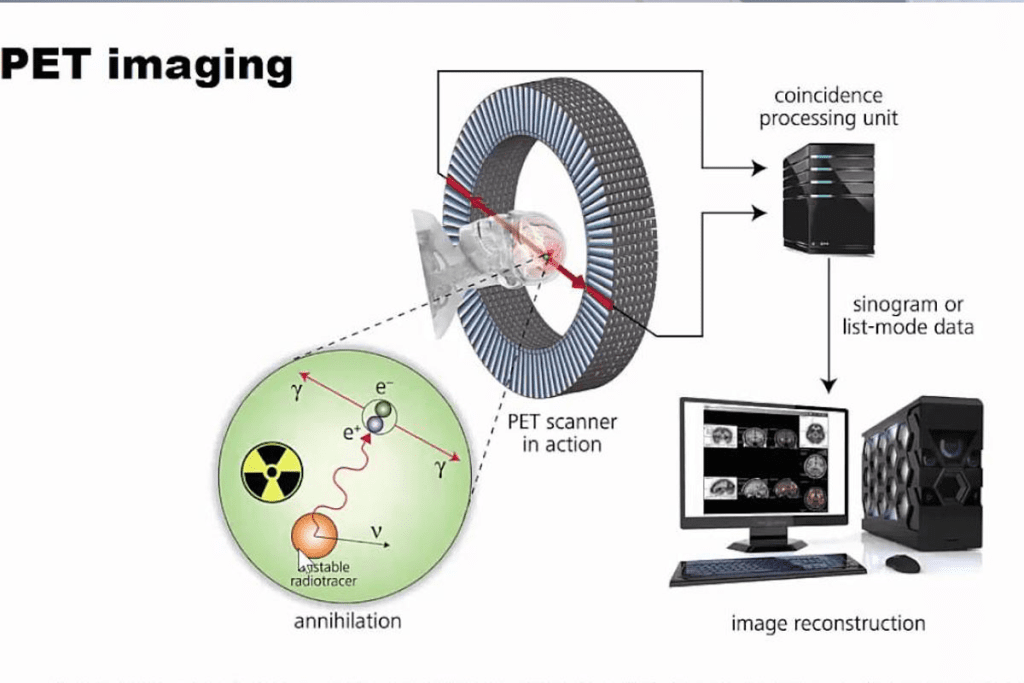
To understand PET scan radiation, we need to look at how F-18 FDG and other radiotracers work. These tracers help show how the body’s cells work through PET scans.
How F-18 FDG and Other Radiotracers Function
F-18 FDG, or Fluorodeoxyglucose, is like glucose but with a radioactive tag. It goes into cells, mainly those that are very active, like cancer cells. The tag emits positrons, which then create gamma radiation that the PET scanner can detect.
Radiotracers like F-18 FDG work by joining in the body’s metabolic processes. This lets doctors see how different parts of the body work. It helps in finding diseases and planning treatments.
Key characteristics of F-18 FDG include:
- Short half-life, reducing radiation exposure
- High uptake in metabolically active tissues
- Ability to highlight areas of disease activity
Radiation Emission Types and Their Properties
The main radiation from a PET scan is gamma radiation. This happens when positrons meet electrons. This gamma radiation lets the PET scanner make detailed images of the body’s inside.
Knowing about radiation emission is key to understanding PET scan safety and effectiveness. The energy and type of radiation from radiotracers affect how well they can be seen and the risks they pose.
Key properties of gamma radiation include:
- High energy, enabling deep tissue penetration
- Detectability by PET scanners, allowing for image creation
- Potential for radiation exposure to others, necessitating safety precautions
PET Scan Radiation Precautions After Scan: The Basics
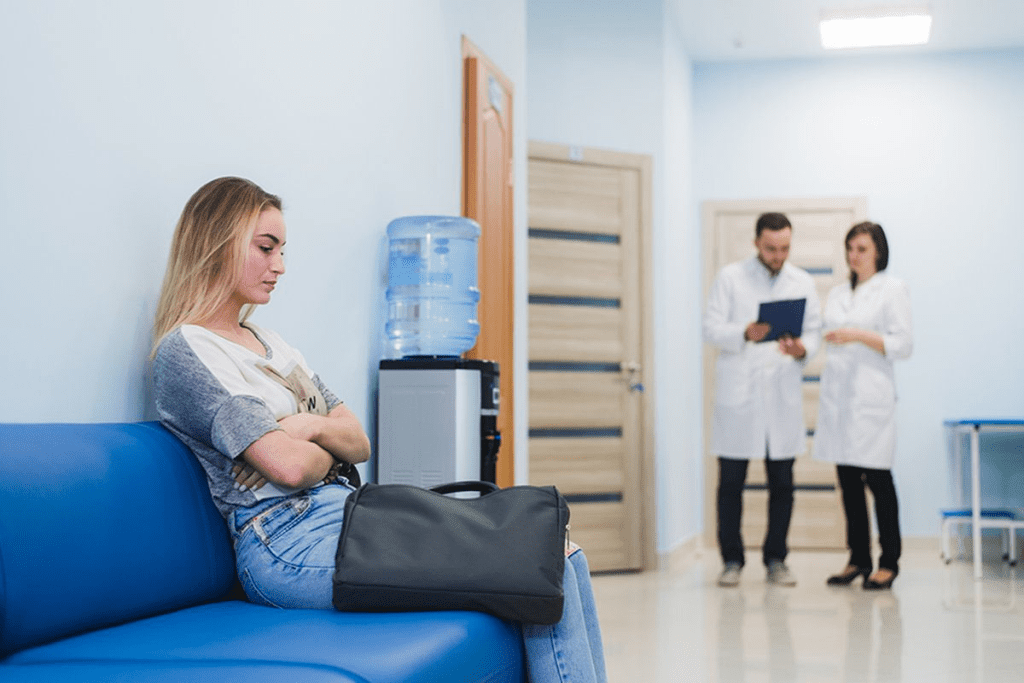
Knowing the basics of PET scan radiation precautions is key for safe care after the scan. After a PET scan, the radioactive tracer used during the scan keeps emitting radiation. Even though the radiation levels go down over time, it’s important to take steps to protect others.
Why Precautions Are Necessary
Precautions are needed after a PET scan to protect others from radiation. This is most important for kids, pregnant women, and people with weak immune systems. Even though the radiation is low, it can be harmful, mainly with close or long contact.
Precautions help in reducing the risk of radiation exposure to family members, caregivers, and others who may come into contact with the patient post-procedure. This is very important in the first few hours after the scan when the tracer is most active.
General Safety Guidelines Following a PET Scan
To stay safe, follow some general guidelines after a PET scan. Staying hydrated is key as it helps get rid of the radioactive tracer. Drink lots of water and other fluids to help your body get rid of it faster.
Other safety steps include avoiding close contact with others, like kids and pregnant women, for a while. This means sleeping in a separate bed, not hugging or kissing, and not sharing utensils or personal items. Also, make sure to wash your hands well after using the bathroom.
- Drink plenty of water to help flush out the tracer.
- Avoid close contact with vulnerable individuals.
- Practice good hygiene, including frequent hand washing.
Radiation Exposure Risks to Others
It’s important to know the risks of radiation exposure to others after a PET scan. This is for the safety of patients and public health. When a patient gets a PET scan, they are given a radioactive tracer. This tracer can release radiation for a while.
How Radiation Can Transfer to Other People
Radiation from a PET scan can spread to others through close contact. The tracer, often F-18 FDG, sends out positrons. These positrons can travel a bit before they meet electrons, making gamma rays. These rays can affect people nearby.
The risk of radiation exposure to others is low but not zero. Patients are told to keep a safe distance from others. This is true for kids and pregnant women, who are more vulnerable.
Measuring Possible Exposure Levels
The amount of radiation others might get depends on a few things. These include the tracer’s dose, how long it’s been, and how close others are to the patient.
| Time Elapsed | Exposure Level |
| 0-2 hours | High |
| 2-6 hours | Moderate |
| 6+ hours | Low |
By knowing these factors and taking steps, patients can lower the risks of radiation exposure to others.
Time-Based Restrictions After Your PET Scan
The time after a PET scan is very important. Following certain guidelines can help keep others safe from radiation. After the scan, your body gets rid of the radioactive tracer. But, it’s key to take precautions to stay safe.
First 6 Hours: Critical Precaution Period
The first six hours after your PET scan are very critical. The radioactive tracer is most active during this time. It’s best to stay hydrated and void frequently to help your body get rid of the tracer.
Also, try to avoid close contact with others. This is important for vulnerable individuals like pregnant women and children.
24-Hour Precautions and Guidelines
For 24 hours after the scan, keep following safety rules. This means keeping a safe distance from others, even in crowded places or on public transport. Also, be careful about your hygiene.
Wash your hands thoroughly after using the bathroom. And, consider using separate utensils and dishes to reduce exposure.
When It’s Safe to Resume Normal Contact
Usually, most of the radioactive tracer is gone from your body within 24 hours. After this, it’s generally okay to be around others again. But, if you’re worried or have questions, talk to your healthcare provider. They can give you advice tailored to your situation.
Special Precautions for Vulnerable Populations
It’s important to know what to do after a PET scan, mainly for those who are more at risk. These groups need extra care because they can be more affected by radiation.
Pregnant Women and Radiation Exposure Risks
Pregnant women should be careful after a PET scan because of the risk to the baby. Even though PET scans are usually safe, it’s best for them to talk to their doctor. This way, they can figure out the safest plan for them.
Children and Infants: Extra Precautions Needed
Children and babies are more sensitive to radiation because their bodies are growing. Parents should keep them away from others for a while after the scan. They should also follow the doctor’s advice on keeping clean and safe.
Elderly and Immunocompromised Individuals
The elderly and those with weak immune systems should be extra careful. They might be more likely to get sick from radiation. Keeping hands clean and avoiding germs can help a lot.
Here are some tips for vulnerable groups:
| Population | Precautions | Duration |
| Pregnant Women | Minimize close contact, discuss with healthcare provider | As advised by healthcare provider |
| Children and Infants | Avoid close contact, follow hygiene guidelines | At least 24 hours |
| Elderly and Immunocompromised | Practice good hygiene, avoid infection sources | Ongoing, as necessary |
Breastfeeding Considerations After a PET Scan
Breastfeeding after a PET scan needs careful steps to avoid radioactive exposure to the baby. Nursing moms must know how to safely keep breastfeeding after a PET scan with radioactive tracers.
Temporary Cessation Guidelines for Nursing Mothers
It’s often advised to stop breastfeeding temporarily after a PET scan. The time to stop depends on the radiotracer used. For example, after a PET scan with F-18 FDG, a common tracer, breastfeeding can start again in 4 to 6 hours. This is because the radioactive material decays quickly.
The Society of Nuclear Medicine and Molecular Imaging suggests a 4 to 6 hour wait before breastfeeding again after F-18 FDG.
Expressing and Discarding Milk: Best Practices
To lower radiation risk for the baby, it’s best to express and discard milk right after the PET scan. Mothers should pump milk before the scan and throw it away after. A table below shows how to express and discard milk:
| Step | Action | Timing |
| 1 | Express milk before PET scan | Before scan |
| 2 | Discard expressed milk after scan | Immediately after scan |
| 3 | Continue expressing and discarding | 4 to 6 hours post-scan |
| 4 | Resume breastfeeding | After recommended waiting period |
It’s key for nursing moms to follow these steps to keep their baby safe during medical tests like PET scans.
Managing Bodily Fluids After a PET Scan
After a PET scan, it’s key to manage bodily fluids to reduce radiation exposure. The radioactive tracer used in the scan can be found in various bodily fluids.
Radioactivity in Urine and Proper Disposal
Urine is a main way the body gets rid of the radioactive tracer. It’s best to flush the toilet twice after each use. This ensures the radioactive material is safely disposed of.
For the first 24 hours, sit while urinating to avoid splashing. Also, wash your hands well after each use.
Sweat, Saliva, and Other Bodily Fluids
Other fluids like sweat and saliva can also have the tracer. Good hygiene is important. This includes washing your hands often and taking showers.
Using disposable items for eating and drinking helps prevent contamination.
Bathroom Hygiene and Cleaning Protocols
To keep the bathroom clean, use a disinfectant on the toilet seat and handle after each use for 24 hours. Make sure the bathroom is well-ventilated. This helps prevent radioactive particles from building up.
| Bodily Fluid | Precaution | Duration |
| Urine | Flush toilet twice, sit while urinating | 24 hours |
| Sweat | Shower frequently, wash hands | 24-48 hours |
| Saliva | Avoid sharing utensils or drinks, wash hands | 24 hours |
Practical Guidelines for Home Life After a PET Scan
After a PET scan, you need to take steps to keep your home safe. The scan uses a radioactive tracer that can spread radiation. This could harm family members and others nearby.
Sleeping Arrangements and Bedroom Precautions
For the first night, sleep in a separate bed from others. This is key if you share a bed with someone. Keeping your bedroom well-ventilated also helps reduce risks.
Kitchen and Dining Considerations
Good hygiene is essential in the kitchen and dining areas. Avoid sharing utensils or dishes if you can. Make sure to wash any dishes you use well. This cuts down on the chance of radioactive contamination.
Shared Living Spaces and Common Areas
In shared spaces like the living room, keep a safe distance from others for the first 24 hours. Limiting close contact greatly lowers the risk of radiation exposure to those around you.
Workplace and Public Space Considerations
A PET scan uses radioactive tracers. This means you need to take precautions when going back to work and moving around in public.
When It’s Safe to Return to Work
It’s wise to wait a bit before going back to work, if your job means you’re close to others. How long you should wait depends on the PET scan type and the tracer’s half-life.
Guidelines to consider: Always ask your healthcare provider for advice that fits your case.
Navigating Public Spaces and Transportation
When using public transport or being in crowded places, keep a safe distance from others. Try to spend less time in these areas.
Think about driving alone or changing your travel times to miss busy hours.
Travel Restrictions Following a PET Scan
After a PET scan, it’s important to follow travel guidelines. This is to protect others from radiation and keep you safe. The radioactive tracer in your body emits radiation that could affect others.
Air Travel and Security Concerns
Traveling by air after a PET scan might cause some security worries. The tracer’s radiation is usually safe, but it could set off detectors at airport security.
Precautions for Air Travel:
- Tell airline staff or security about your PET scan.
- Bring papers from your doctor explaining your situation.
- Be ready for extra checks or questions.
Long-Distance Travel Considerations
Traveling far, by air, car, or other ways, needs careful thought after a PET scan. Being close to others for a long time could increase their radiation exposure.
Tips for Safe Long-Distance Travel:
- Keep a safe distance from others when you can.
- Try to avoid close contact with people during travel.
- Take breaks during long car rides to reduce exposure.
Following these guidelines can help reduce risks when traveling after a PET scan.
Physical Contact Limitations After Imaging
PET scans use radioactive tracers that stay in your body for a while. This means you should be careful about touching others. The radiation from the tracer could harm those around you.
Hugging, Kissing, and Intimate Contact Guidelines
It’s best to skip hugging, kissing, and sex for a bit after a PET scan. How long depends on the tracer and your body. But usually, it’s safe to wait at least 6 to 24 hours before getting close.
As a general guideline, patients are advised to:
- Sleep in a separate bed from others.
- Avoid close contact with pregnant women and children.
- Minimize time spent in close proximity to others.
“Limiting close contact after a PET scan is a precautionary measure to minimize radiation exposure to others, particularly those who are more vulnerable, such as pregnant women and children.”
Childcare and Pet Handling Precautions
If you take care of kids or pets, you need to be extra careful. Kids, and babies even more, are more at risk from radiation. When with pets, keep your distance and wash your hands well after touching them or their things.
Precautions include:
- Avoiding direct contact with children’s faces and bodies.
- Not sharing food or utensils.
- Washing hands frequently, specially before handling food or interacting with vulnerable individuals.
The Science of Radiotracer Elimination
The science of radiotracer elimination is about understanding how the body gets rid of it. During a PET scan, a tiny amount of radioactive tracer is given to the patient. This tracer goes to areas with lots of activity, like growing cancer cells, for detailed images.
After the scan, the body starts to get rid of the tracer. It’s important to know how this happens to keep everyone safe. This includes the patient and those around them.
Half-Life Decay Explained
Half-life is key to understanding how radiotracers are eliminated. Half-life is the time it takes for half of the radioactive atoms to decay. For F-18 FDG, a common PET tracer, this time is about 110 minutes. So, every 110 minutes, the radiation from F-18 FDG halves.
How Your Body Processes and Eliminates Radiotracers
The body gets rid of radiotracers in a few ways. The main way is through the kidneys and urinary system. The tracer is passed in the urine, which is then handled carefully to avoid spreading radiation.
| Mechanism | Description |
| Renal Excretion | Radiotracer is excreted in the urine |
| Hepatic Metabolism | Liver processes the radiotracer, aiding in its elimination |
| Sweat and Saliva | Small amounts of radiotracer are eliminated through sweat and saliva |
Knowing how the body gets rid of radiotracers helps patients stay safe. They can follow the right steps to avoid exposing others to radiation.
Hydration and Its Role in Radiation Clearance
Hydration is key in getting rid of radiation after a PET scan. Drinking water is a simple way to help remove the radioactive tracer used in scans.
Why Drinking Water Speeds Radiotracer Elimination
Drinking water boosts kidney function and increases urine production. This helps get rid of the tracer faster. Adequate hydration is critical for keeping kidneys working well, which is important for removing the tracer.
Recommended Fluid Intake After a PET Scan
After a PET scan, patients should drink lots of water to clear the tracer. The recommended fluid intake is usually 8-10 glasses in the first 24 hours. It’s best to avoid caffeinated and alcoholic drinks, as they can slow down the process.
Conclusion: Balancing Safety and Normal Life After a PET Scan
After a PET scan, finding a balance is key. It’s important to follow safety rules and slowly get back to daily life. Knowing the right steps to take helps keep everyone safe while you get back to normal.
Following PET scan safety tips is critical. This means keeping a safe distance from people who are more vulnerable, like pregnant women and kids. Simple actions like washing your hands often and drinking plenty of water can help keep everyone safe.
It’s all about being aware and following the right precautions after a PET scan. This way, you can safely get back to your daily routine. You’ll know you’re doing everything you can to protect yourself and those around you.
FAQ
How long after a PET scan should I avoid contact with others?
You should avoid close contact with others for at least 6 hours after a PET scan. Some guidelines suggest up to 24 hours of precautions.
Is it safe to be around pregnant women and children after a PET scan?
Pregnant women and children are at risk. It’s best to limit contact with them for 24 hours after a PET scan to avoid radiation exposure.
Can I breastfeed after a PET scan?
Breastfeeding moms should stop breastfeeding for 24 hours after a PET scan. They should also discard any expressed milk to protect the baby from radiation.
How should I handle bodily fluids after a PET scan?
Urine, sweat, and saliva may be radioactive after a PET scan. Follow good hygiene, flush the toilet several times, and wash your hands well to reduce radiation exposure.
Are there any specific guidelines for sleeping arrangements after a PET scan?
To protect family members, sleep in a separate bed for the first night. Keep a safe distance to reduce radiation exposure.
When can I return to work after a PET scan?
The time to return to work depends on your job and how much you interact with others. Generally, it’s safe to go back after 24 hours. But, this can change based on your situation.
Can I travel by air after a PET scan?
Flying after a PET scan might trigger radiation detectors at security. Carry a note from your doctor explaining your PET scan to avoid issues at security.
How does hydration help after a PET scan?
Drinking lots of water helps get rid of the radiotracer from your body. This reduces radiation exposure to others. It’s good to drink more water after a PET scan.
What are the guidelines for physical contact after a PET scan?
Avoid hugging and kissing for at least 6 to 24 hours after a PET scan. This helps minimize radiation exposure to others.
How long does it take for the radiotracer to be eliminated from the body?
The radiotracer in PET scans has a half-life of about 110 minutes. It’s usually gone from the body in 24 hours, mostly through urine.
References
- Mary Bird Perkins Cancer Center. (2022). Positron emission tomography (PET) post-scan discharge instructions. Retrieved September 25, 2025, from https://marybird.org/wp-content/uploads/2022/06/2022_POST-PET-CT_MBPCC.pdf
- Cancer Research UK. (2025). What is a PET scan? Retrieved September 25, 2025, from https://www.cancerresearchuk.org/about-cancer/tests-and-scans/pet-scan
- Slawek, M. (2025). Are PET scans safe? Understanding radiation exposure and safety measures. SWDIC. Retrieved September 25, 2025, from https://swdic.com/posts/are-pet-scans-safe-understanding-radiation-exposure-and-safety-measures/