Last Updated on December 1, 2025 by Bilal Hasdemir

Did you know some cancers can’t be found by a PET scan? This tool is very sensitive but has its limits. It uses a small amount of radioactive tracer to show cancer cells in the body.
It works well for many cancers. But, some types might not show up because of the cancer’s type or how it works. It’s important for patients to know about pet scan radiation precautions and pet scan safety tips.
It’s also key to lower radiation exposure in pet imaging for both patients and doctors.
Key Takeaways
- PET scans have limitations in detecting certain types of cancer.
- Understanding PET scan safety tips is important for patients.
- Reducing radiation exposure is a key consideration.
- PET scans are effective in detecting many types of cancer.
- Certain cancers may not be visible due to their metabolic activity.
Understanding PET Scans: Basic Principles and Technology
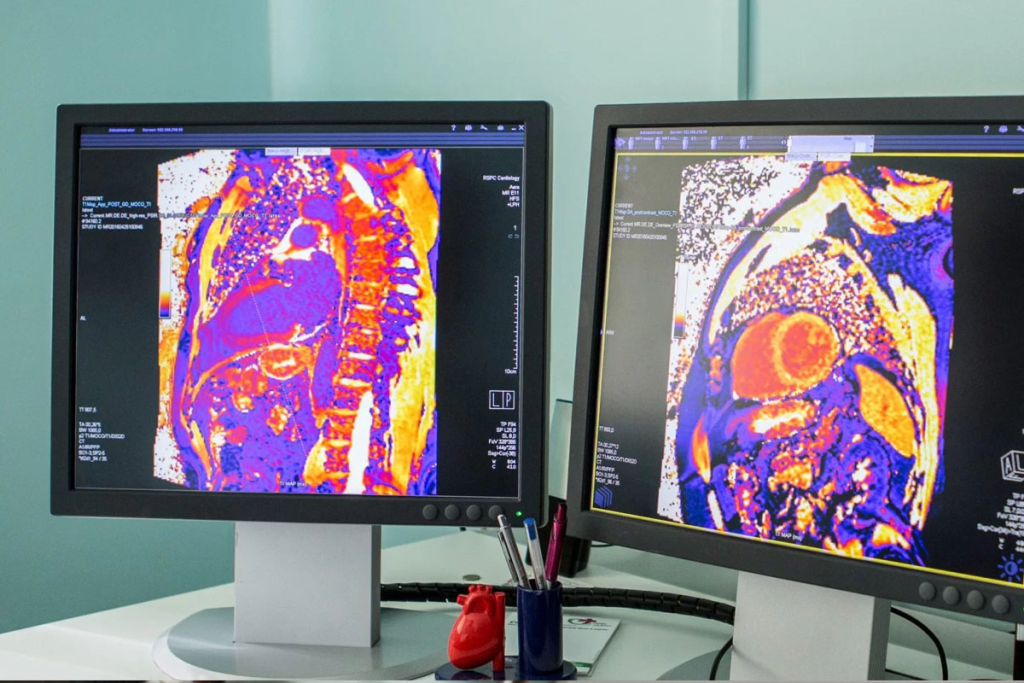
To understand PET scans in cancer detection, knowing how they work is key. PET scans are a way to see how tissues and organs work. They show how active they are.
How PET Scans Work
PET scans use a radioactive tracer that is injected into the body and accumulates in highly active areas, such as growing cancer cells.
The PET scanner picks up the radiation from the tracer. It makes detailed pictures of what’s inside the body.
The Role of Radioactive Tracers
The most used tracer is Fluorodeoxyglucose (FDG). It’s a sugar molecule with a radioactive atom. Cancer cells, which use more sugar, take up more FDG.
This makes cancer cells show up on PET scans. The right tracer is important for a good scan.
Difference Between PET and Other Imaging Techniques
PET scans are different from CT or MRI scans. While CT and MRI show what things look like, PET scans show how active they are. This is why PET scans are great for finding cancer and checking how treatments are working.
| Imaging Technique | Primary Use | Key Benefit |
| PET Scan | Cancer detection, treatment monitoring | Metabolic activity information |
| CT Scan | Anatomical imaging, injury assessment | Detailed cross-sectional images |
| MRI | Soft tissue imaging, neurological disorders | High-resolution soft tissue images |
Knowing the differences between PET scans and other imaging is important. PET scans have special benefits but also have limits. We need to think about reducing radiation exposure in PET scans and pet scan radiation protection advice.
The Effectiveness of PET Scans in Cancer Detection
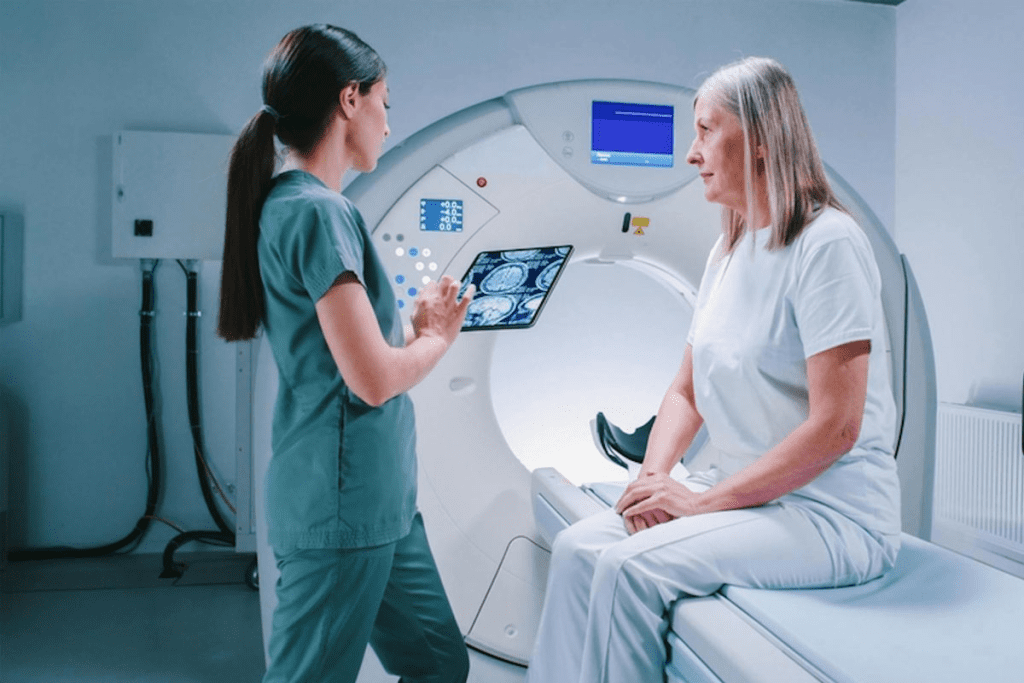
Cancer detection with PET scans is complex, influenced by many factors. PET scans are key in oncology, showing how tumors work.
Cancer Types Well-Detected by PET Scans
PET scans work best for cancers like lymphomas and melanomas. They have a high metabolic rate. FDG-PET, which uses fluorodeoxyglucose, is great for these cancers. They take up a lot of glucose.
| Cancer Type | Detection Rate |
| Lymphoma | High |
| Melanoma | High |
| Lung Cancer | Moderate to High |
Sensitivity and Specificity Considerations
The accuracy of PET scans depends on the cancer and the tracer. For example, FDG-PET is very good for many cancers. But it might not work as well for slow-growing tumors.
Factors Affecting Detection Accuracy
Many things can affect how well PET scans work. These include patient preparation, the tracer, and the scanner’s technology. It’s also important to control radiation risk. This is done through pet scan radiation dosage control and pet scan radiation shielding.
Knowing these factors helps make PET scans better. By using PET scans with other tests, doctors can get more accurate results. This leads to better treatment plans.
Small-Scale Cancers: Below the Detection Threshold
Small-scale cancers are hard to spot with PET scans. These scans work well for many cancers but struggle with tiny tumors.
Size Limitations in PET Imaging
PET scans can’t see very small cancers well. The size they can spot depends on the scanner and the tracer used.
They can find tumors a few millimeters big. But tumors smaller than that might not show up. This can lead to false negatives.
Micrometastases and Early-Stage Tumors
Micrometastases and early-stage tumors are tough to find with PET scans. These small tumors might not have enough tracer to show up.
This makes it hard to catch cancer early. Early detection is key to treating cancer effectively.
Detection Thresholds Explained
The detection threshold is how much tracer a tumor needs to be seen. This depends on the tracer, scanner sensitivity, and imaging protocol.
- Tracer uptake: The amount of tracer the tumor takes in.
- Scanner sensitivity: How well the scanner can spot small amounts of tracer.
- Imaging protocol: The settings and steps taken during the scan.
Knowing these factors helps understand PET scan results. It also shows when follow-up tests after a CT scan are needed.
After an abnormal CT finding, a doctor might suggest a PET scan. But if the cancer is small, the PET scan might not give a clear answer. This could mean more tests are needed.
Low Metabolic Activity Cancers: The Invisible Threats
Tumors with low metabolic rates can be hard to spot with PET scans. This is because these scans look for glucose metabolism in cells. This makes it tough to accurately diagnose and stage some cancers.
Why Metabolic Activity Matters in PET Imaging
PET scans use radioactive tracers to find cells. Most cancer cells use a lot of glucose, so they show up well on scans. But, cancers that don’t use much glucose are harder to see.
Key factors influencing metabolic activity in cancers include:
- The type of cancer
- The grade of the tumor
- The presence of specific molecular markers
Slow-Growing Tumors and Detection Challenges
Slow-growing tumors have lower metabolic rates. This makes them harder to find with PET scans. For example, some prostate cancers and gastrointestinal tumors are hard to spot because they don’t use much glucose.
Detection challenges associated with slow-growing tumors include:
- It’s hard to tell them apart from benign lesions
- PET scans aren’t very good at finding low-grade tumors
- They might be under-staged or misdiagnosed
Examples of Low-Metabolic Cancers
Some cancers are hard to detect because they don’t use much glucose. Examples include:
- Mucinous tumors in the gastrointestinal tract
- Certain types of prostate cancer, like well-differentiated ones
- Some neuroendocrine tumors, which can vary in metabolic activity
A specialist notes, “PET scans have limits when it comes to finding low-metabolic cancers. We need to use different imaging methods and clinical checks to get better results.”
It’s important to use less radiation during PET scans and follow strict safety rules. If PET scans don’t give clear results, getting a specialist’s opinion can help. They can do more tests and figure out the best treatment plan.
Brain Cancers: Unique Challenges for PET Detection
PET scans have trouble finding brain cancers because of the brain’s high glucose use. This makes it hard to spot tumors with PET scans.
High Background Glucose Uptake in Brain Tissue
The brain uses a lot of glucose, which is a problem for PET scans. The tracer, Fluorodeoxyglucose (FDG), gets caught up in this. This makes it tough to tell tumors apart from normal brain tissue.
Types of Brain Tumors Difficult to Detect
Some brain tumors are hard to find with PET scans. This is because they don’t use glucose much or because they look like the brain. These include:
- Low-grade gliomas, which don’t show up much on PET scans.
- Meningiomas, which can be harmless but are tricky to diagnose because of their FDG uptake.
Alternative Imaging for Brain Cancer
Because PET scans have their limits, other imaging methods are used. These are:
- MRI (Magnetic Resonance Imaging), which shows detailed pictures of the brain and helps identify tumors.
- CT scans, which work with PET scans to better locate and understand tumors.
It’s important to know what PET scans can’t do in brain cancer detection. Using PET with MRI or CT scans can help doctors get a clearer picture. This leads to better treatment plans.
Prostate Cancer: Limitations of Standard PET Protocols
Standard PET protocols often struggle to spot prostate cancer. This is mainly because of how prostate cancer cells work and the PET scan tracers used.
Why Traditional FDG-PET Falls Short
FDG-PET scans aren’t great for finding prostate cancer. This is because prostate cancer cells don’t use much glucose. This makes them hard to see on FDG-PET scans. Also, the risks of pet scan radiation need careful handling, even more so when standard methods don’t work well.
Newer Tracers for Prostate Cancer Detection
New tracers like PSMA are showing better results for finding prostate cancer. These tracers stick to prostate cancer cells better, making tumors easier to spot on PET scans. This is key for catching cancer early and managing it well.
Combining PET with Other Diagnostic Methods
To get past PET scan limits in prostate cancer detection, mixing PET with MRI or CT scans helps. This combo can cut down on ct scan false positive results and boost accuracy. It’s also important to manage pet scan radiation exposure well in this mix.
Using newer tracers and teaming PET with other scans can greatly enhance prostate cancer detection and care.
Kidney and Urinary Tract Cancers: Detection Challenges
Cancers in the kidney and urinary tract are hard to spot with regular PET scans. This shows we need better ways to find these cancers. The problems include how the tracer moves, the nature of some tumors, and the limits of today’s imaging.
Tracer Excretion and Imaging Interference
One big problem with PET scans for these cancers is how the tracer moves through the body. When it goes through the urine, it can hide tumors. This makes it tough to see any problems clearly.
To solve this, we need better PET scan plans. We might need to change when we take the scan or use special tracers. For example, delayed imaging or tracers that don’t get lost in the urine can help.
Renal Cell Carcinoma Detection Limitations
Renal cell carcinoma (RCC) is a common kidney cancer that’s hard to find. The way different RCCs use glucose can affect how well they show up on PET scans. Some might not use much glucose, making them harder to spot.
Doctors and radiologists need to know these limits. They might use other scans or special PET tracers to check for RCC.
Diagnostic Alternatives for Urological Cancers
Because PET scans have their limits, we use other ways to find these cancers. These include:
- CT scans with contrast enhancement
- MRI for detailed soft tissue characterization
- Ultrasound for initial screening or follow-up
Using many scans together helps us find and understand urological cancers better.
| Imaging Modality | Strengths | Limitations |
| PET Scan | Metabolic activity assessment, whole-body imaging | Tracer excretion issues, variable sensitivity for certain tumor types |
| CT Scan | High spatial resolution, fast imaging | Radiation exposure, contrast-induced nephropathy risk |
| MRI | Excellent soft tissue contrast, no radiation | Higher cost, longer examination time |
Knowing what each scan can do helps doctors plan better for patients with these cancers.
Hepatic and Gastrointestinal Cancers: Variable Detection Rates
PET scans have different success rates for detecting hepatic and gastrointestinal cancers. Several factors influence this. The type of cancer, its location, and how active it is all play a role.
Liver Background Activity Issues
The liver’s high activity can make it hard to spot liver cancers with PET scans. The liver’s natural uptake of the tracer can mask lesions, making it tough to find tumors. This is a big challenge when we talk about guidelines for PET scan radiation safety and keeping image quality high while reducing radiation.
Mucinous and Neuroendocrine Tumors
Mucinous and neuroendocrine tumors in the gut are hard to find with PET scans. Mucinous tumors often have low metabolic activity, leading to false-negative results. Neuroendocrine tumors may also show variable tracer uptake, making them hard to detect.
Improving Detection in Digestive System Cancers
To better find digestive system cancers, several strategies can help. Using combined modality imaging, like PET/CT or PET/MRI, can give more accurate and detailed info. It’s also key to minimize radiation exposure during PET scans without sacrificing image quality.
| Cancer Type | PET Scan Detection Challenges | Strategies for Improvement |
| Hepatic Cancers | High liver background activity | Using alternative tracers, combined modality imaging |
| Mucinous Tumors | Low metabolic activity | Employing newer tracers with higher sensitivity |
| Neuroendocrine Tumors | Variable tracer uptake | Utilizing specific tracers for neuroendocrine tumors |
Understanding the challenges of detecting hepatic and gastrointestinal cancers with PET scans is key. By using strategies to improve detection, healthcare providers can give better care to patients with these cancers.
Breast Cancer: When PET Scans May Miss Malignancies
PET scans are very useful for finding tumors, but they’re not perfect. They might miss some breast cancers, mainly in certain types or because of patient factors.
Lobular Carcinoma and Other Challenging Subtypes
Lobular carcinoma is hard to spot with PET scans because it doesn’t use much glucose. Other tricky types also have low glucose levels, making them hard to see. Knowing these issues helps doctors understand what to do next after an abnormal ct result.
Breast Density and Detection Limitations
Breast density can also mess with PET scan results. Dense tissue might hide or look like tumors, causing confusion. If a ct scan shows a false positive, more tests or biopsies might be needed to be sure.
Complementary Imaging Approaches
To get around PET scan limits, doctors use other imaging methods. MRI, ultrasound, and mammography can give a clearer picture when used with PET scans. It’s important to follow pet scan safety guidelines and know about radiation safety for pet scans to take good care of patients.
By using different imaging methods and thinking about each patient’s situation, doctors can better find and treat breast cancer.
Hematologic Malignancies: Variable PET Effectiveness
Hematologic malignancies are a special challenge for PET scans. They affect the blood, bone marrow, and lymph nodes. Each type of cancer has its own traits that affect how well PET scans can find it.
Lymphoma Subtypes with Poor PET Visibility
Some lymphoma types don’t show up well on PET scans. This is because they don’t take up enough of the tracer. This makes it hard to tell them apart from normal tissue.
To get a clear picture, doctors often use other imaging methods too.
Leukemia Detection Challenges
Leukemia can be tough to spot with PET scans, even in its early stages. This is because it spreads out in the bone marrow. It doesn’t always show up as clear, tracer-filled areas.
Role of PET in Blood Cancer Management
Even with these challenges, PET scans are key in managing blood cancers. They help see how well treatments are working and if the cancer is coming back. They also help decide where to take a biopsy.
New technologies and tracers are making PET scans even better for blood cancers. To keep patients safe, it’s important to follow safe practices for PET scan radiation and control PET scan dosage. This way, doctors can use PET scans to their fullest advantage while keeping risks low.
PET Scan Radiation Precautions: Safety Considerations
PET scans use radioactive tracers to find cancer. It’s key to understand and lower radiation risks. These scans are important for diagnosis but do involve some radiation. Keeping safe during and after the scan is vital for patients and staff.
Understanding Radiation Exposure Levels
The radiation from a PET scan is usually low. But, the dose can change based on the tracer and the patient’s size. Here’s a quick look:
- The dose from a typical PET scan is 4 to 7 millisieverts (mSv).
- For comparison, we all get about 3 mSv of background radiation each year.
- Some scans might use more, up to 20 mSv or more, depending on the details.
Knowing these numbers helps us see the risks and benefits of the scan.
Patient Preparation Guidelines
To cut down radiation and get the best scan, patients should follow some steps:
- Hydration: Drinking lots of water before and after helps get rid of the tracer.
- Dietary Restrictions: Staying away from certain foods and meds as told by your doctor can help the scan.
- Informing Your Doctor: Tell your doctor if you’re pregnant, breastfeeding, or had bad reactions to contrast agents before.
By following these tips, patients help make the PET scan safer and more effective.
Post-Scan Safety Measures
After the scan, there are steps to take to lower radiation risks for others:
- Voiding Frequently: Going to the bathroom often helps get rid of the tracer.
- Avoiding Close Contact: Stay away from others, like pregnant women and kids, for a few hours after.
- Good Hygiene Practices: Clean your hands well after using the restroom.
By taking these precautions, we can manage PET scan radiation risks well. This makes the diagnostic process safer for everyone.
Improving Cancer Detection: Combined Modality Approaches
Combined modality approaches are changing how we diagnose cancer. They use different imaging methods together. This method has shown great promise in making diagnoses more accurate and improving patient care.
PET/CT Fusion Imaging Benefits
PET/CT fusion imaging combines PET scans’ functional info with CT scans’ anatomical details. This gives a deeper understanding of diseases. It’s been very helpful in oncology, helping to find tumors more precisely and check how well treatments work.
- Improved diagnostic accuracy
- Enhanced tumor localization
- Better assessment of treatment response
PET/MRI Applications
PET/MRI is another big step in combined modality imaging. It mixes PET’s metabolic info with MRI’s soft-tissue contrast. This makes PET/MRI a strong tool for diagnosing and staging cancers. It’s very useful when we need to use less radiation, like in kids.
Multi-Tracer Strategies for Comprehensive Detection
Using multiple tracers in PET imaging lets us see different parts of a tumor. This gives a fuller picture of tumor biology and its variations. With various tracers, doctors can better understand tumors and how they respond to treatment. This helps create more tailored treatment plans.
It’s important to follow pet scan radiation guidelines and use pet scan safety protocols to reduce risks. Knowing pet scan risks and taking steps to lessen them helps make diagnostic tests safer for everyone.
Conclusion: The Future of Cancer Detection Beyond PET Limitations
PET scans are a key tool in finding cancer, but they have their limits. Some cancers are hard to spot because they are small, don’t use much energy, or are in tricky places.
To get past these challenges, we need to follow guidelines for pet scan radiation safety. We should also look into pet scan shielding techniques to minimize radiation exposure during pet scan procedures. By using best practices for pet scan radiation control, we can make patients safer and get better results.
The future of finding cancer involves using PET scans with other imaging methods and new technologies. Improvements in PET/CT and PET/MRI fusion imaging, along with new tracers, will help spot more cancers.
By keeping up with new ideas and improving how we find cancer, we aim for earlier diagnoses and better treatments. This will lead to better health outcomes for patients.
FAQ
What does an abnormal CT scan result mean?
An abnormal CT scan result means something unusual was found in your body. This could be due to injuries, infections, or diseases like cancer. You’ll likely need more tests or to see a specialist to figure out what it means.
What are the next steps after receiving an abnormal CT scan result?
After an abnormal CT scan, you might need more tests like an MRI or PET scan. You might also see a specialist, like an oncologist, to talk about treatment options.
How is radiation exposure managed during a PET scan?
PET scans use the least amount of radioactive tracer needed for clear images. You’ll follow certain preparation steps and get safety advice after the scan to protect others from radiation.
What are some safety precautions to take after a PET scan?
Drink lots of water after a PET scan to get rid of the tracer. Avoid being close to pregnant women and young children for a few hours. Your healthcare team will give you specific instructions.
Can PET scans detect all types of cancer?
PET scans work well for many cancers but not all. They might miss cancers with low activity or certain types in the brain, prostate, kidney, or liver. New tracers and methods are being tested to improve detection.
What are the benefits of combining PET with other imaging techniques?
Using PET with CT or MRI gives a fuller picture of your body. For example, PET/CT fusion imaging combines metabolic info from PET with detailed CT images. This helps doctors make better diagnoses and treatment plans.
How do PET scans compare to other imaging modalities in cancer detection?
PET scans are great for showing tumor activity. They offer more than CT or MRI in diagnosing, staging, and tracking cancer treatment. But, the best imaging choice depends on the cancer type and location.
What are some emerging technologies or strategies that may improve cancer detection beyond PET limitations?
New PET technologies, like better tracers and scanners, are being developed. Also, combining PET with MRI and using AI in image analysis are being explored. These could help overcome current PET limitations and improve diagnosis.
References
- Griffeth, L. K. (2005). Use of PET/CT scanning in cancer patients: technical and practical considerations. Journal of Nuclear Medicine, 46(Suppl 1), 24S-35S.