Last Updated on November 27, 2025 by Bilal Hasdemir
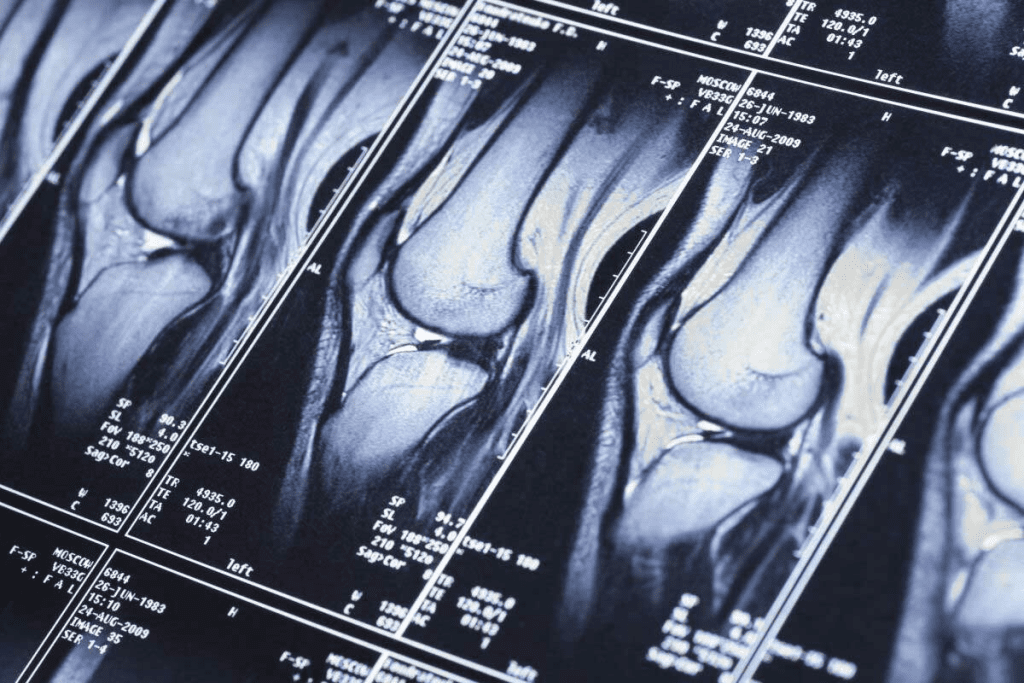
Finding bone metastases is key in cancer care. At Liv Hospital, we know how vital accurate diagnosis is. Tools like PET/CT and bone scans are essential in this process.
PET/CT is more accurate and sensitive than bone scans for some cancers. As we move forward with new tech, knowing the differences between these tools is important.
Choosing the right test for each patient is vital. By looking at PET scans and bone scans, we can see their unique roles. This helps us detect bone metastases better.
Key Takeaways
- Accurate detection of bone metastases is key to cancer care.
- PET/CT and bone scans are used to find bone metastases.
- Knowing the differences between these tools is vital.
- PET/CT is more accurate for some cancers.
- Choosing the right test is important for each patient.
Understanding Bone Metastases and Diagnostic Imaging
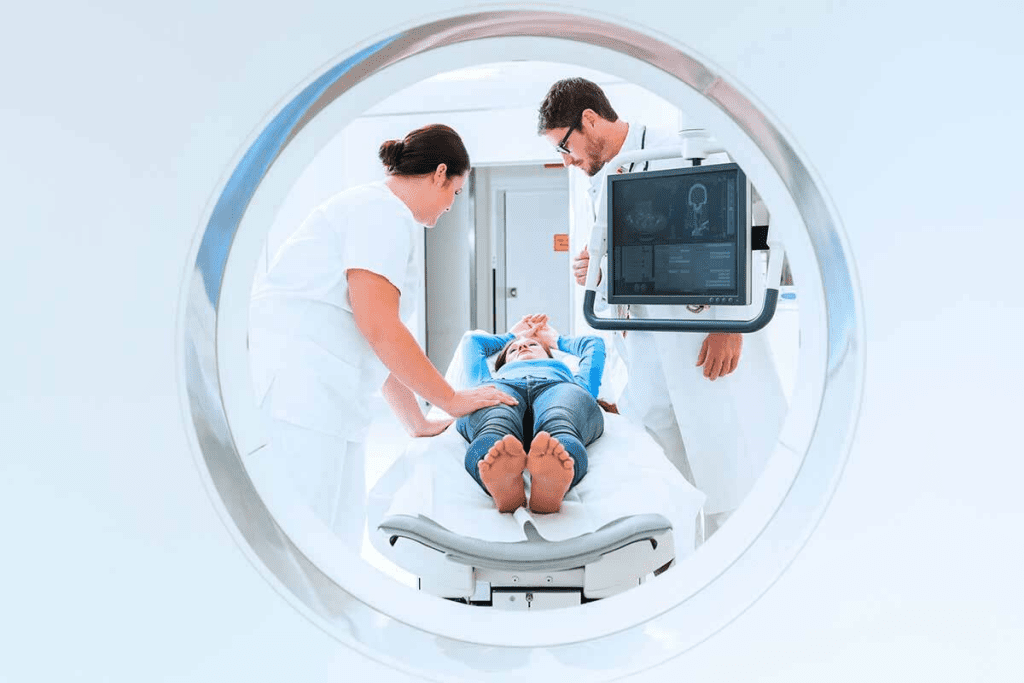
Bone metastases are a common problem in many cancers. They affect how well a patient does and what treatments they need. When cancer spreads to the bones, it can cause pain, fractures, and too much calcium in the blood.
What Are Bone Metastases?
Bone metastases happen when cancer cells from another part of the body move to the bones. There, they can damage the bones a lot. The most common cancers to spread to the bones are breast, prostate, and lung cancers.
Key characteristics of bone metastases include:
- Osteolytic lesions, which result from the destruction of bone tissue by cancer cells
- Osteoblastic lesions, characterized by abnormal bone formation
- Mixed lesions, showing both osteolytic and osteoblastic features
The Importance of Early and Accurate Detection
Finding bone metastases early is key to better treatment and outcomes. Accurate diagnosis helps doctors plan the best treatment. This can reduce complications and improve life quality.
Diagnostic imaging plays a vital role in this process. It helps us see how much the bones are involved and how well treatments are working. The right imaging depends on the cancer type, symptoms, and the patient’s health.
Overview of Diagnostic Options
There are many ways to find bone metastases, each with its own benefits and drawbacks. The most used ones are:
| Imaging Modality | Key Features | Clinical Applications |
| PET/CT | Combines functional PET imaging with anatomical CT data | High sensitivity for detecting metabolically active cancer cells |
| Bone Scan | Uses radiotracers to visualize bone metabolism | Effective for detecting osteoblastic bone metastases |
| MRI | Provides high-resolution images of soft tissue and bone marrow | Useful for evaluating spinal cord compression and soft tissue involvement |
Knowing the good and bad of each imaging method helps doctors choose the best one for each patient.
What Is a PET Scan?
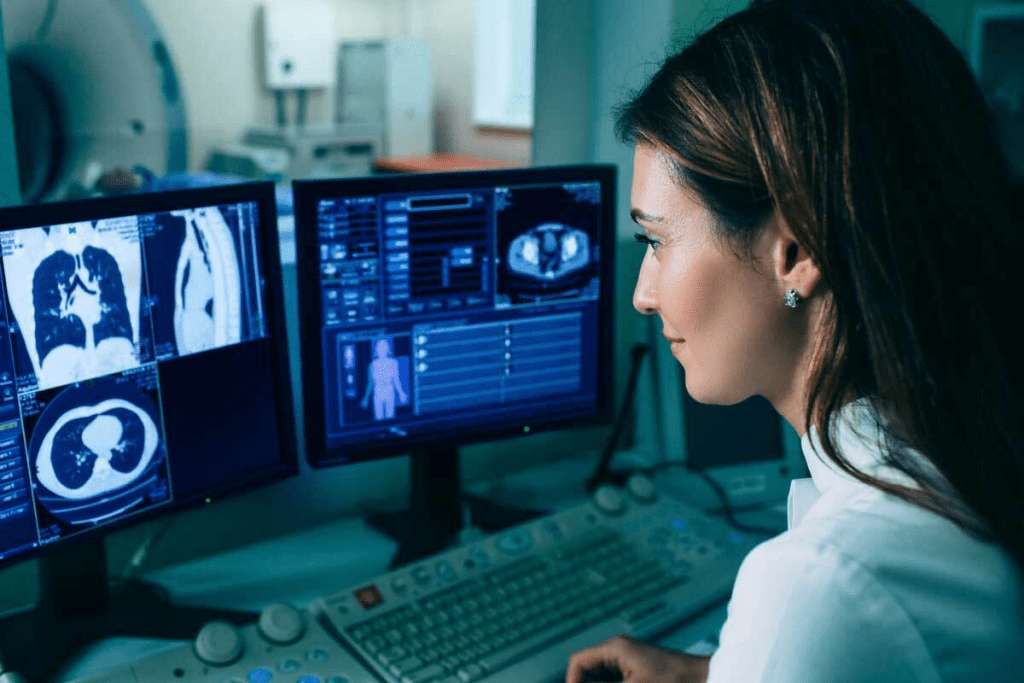
A PET scan is a high-tech tool for doctors to find and track cancer, like bone metastases. It shows how the body’s cells work, helping doctors see how serious and widespread cancer is.
How PET Scans Work
PET scans use a special dye that lights up in cancer cells. This dye is injected into the body. The scanner picks up this light, making detailed pictures of the body’s inner workings.
First, the patient must not eat for a few hours. Then, the dye is given, and the patient lies in the scanner. The scan is painless and takes about 30 minutes to an hour.
Types of PET Scans Used for Bone Metastases
There are different PET scans for finding bone metastases. The most common is the FDG-PET scan, which uses Fluorodeoxyglucose (FDG). It’s great at finding cancer cells because they use a lot of energy.
Another type, Fluoride PET, looks at bone health. It’s good for spotting bone changes, like those in prostate cancer.
The PET/CT Combination
PET/CT scans combine PET and CT scans. They show both how the body works and its structure. This combo helps doctors find and understand cancer better, including bone metastases.
PET/CT scans are great because they pinpoint where problems are. This helps doctors plan treatments and check how well they work. It’s a key tool in fighting cancer.
What Is a Bone Scan?
A bone scan is a test that shows how active your bones are. It can find diseases like cancer in the bones. This test is key for checking bone health.
How Bone Scans Work
Bone scans show how bones are working. They use a special radiotracer that we inject into your blood.
This radiotracer goes to areas where bones are very active. This includes cancer spots. So, we can see these spots during the scan.
The Role of Radiotracers in Bone Scanning
Radiotracers are important in bone scans. They show where bones are most active. The most used one is Technetium-99m methylene diphosphonate (Tc-99m MDP).
Tc-99m MDP goes to areas where bones are growing. This helps us find bone cancers and other bone problems.
Procedure and Patient Experience
For a bone scan, you lie on a table. A camera takes pictures of the radiotracer in your bones.
The scan is not painful and takes about 30 minutes to an hour. You need to stay very quiet during the scan.
| Aspect | Bone Scan | PET Scan |
| Radiotracer Used | Tc-99m MDP | FDG (Fluorodeoxyglucose) |
| Primary Use | Bone metastases, bone diseases | Cancer metabolism, including bone metastases |
| Procedure Time | 30 minutes to 1 hour | 1-2 hours |
PET Scan Versus Bone Scan: The Fundamental Differences
It’s important to know how PET scans and bone scans work. They help doctors find and treat bone problems. These scans are different in how they work and what they show.
Imaging Technology Comparison
PET scans and bone scans use different ways to see bone problems. PET scans use positron emission tomography to find positrons from a special dye. This shows both what the bone looks like and how it works. Bone scans, on the other hand, use gamma camera technology to find gamma rays from another dye. This mainly shows how the bone is working.
PET scans, like PET/CT, give detailed pictures and information on how the bone works. Bone scans are great for seeing how the bone is changing but don’t show as much detail.
Radiotracer Differences
The dye used in each scan is a big difference. PET scans use Fluorodeoxyglucose (FDG), which finds active cells, like cancer. Bone scans use Tc-99m MDP (Technetium-99m methylene diphosphonate), which finds where the bone is changing a lot.
The dye used changes what each scan can find. FDG-PET scans are good at finding cancer cells because they show where cells are active. Tc-99m MDP bone scans find where the bone is reacting to cancer, showing where the bone is changing a lot.
What Each Scan Actually Detects
PET scans and bone scans look at different things because of their dyes and technology. PET scans find where cancer cells are active, showing how big the problem is. Bone scans find where the bone is reacting to cancer, showing where the bone is changing a lot.
This difference is important for doctors to know. PET/CT scans can show more about the disease, like how big it is and how active the tumors are. This helps doctors plan the best treatment.
Difference #1: Sensitivity and Accuracy Rates
It’s important to know how PET/CT and bone scans differ in detecting bone metastases. Sensitivity shows how well a test finds people with the disease. Accuracy includes both finding those with the disease and those without it.
PET/CT’s 94.3% Sensitivity vs. Bone Scan’s 78.1%
PET/CT is better at finding bone metastases than bone scans. A study found PET/CT’s sensitivity at 94.3%, beating bone scans’ 78.1%. This is because PET/CT uses advanced technology for both function and anatomy.
False Positive and False Negative Considerations
Even though PET/CT is more sensitive, it and bone scans can both have false positives and negatives. False positives cause worry and extra tests. False negatives mean delayed treatment. The rates of these errors depend on the technology and the doctor’s skill.
“The higher sensitivity of PET/CT in detecting bone metastases can significantly impact patient management and treatment planning.”
-Oncologists highlight
Research Evidence on Comparative Accuracy
Studies show PET/CT is more accurate than bone scans for bone metastases. A meta-analysis found PET/CT’s higher overall accuracy.
| Diagnostic Modality | Sensitivity (%) | Accuracy (%) |
| PET/CT | 94.3 | 92.5 |
| Bone Scan | 78.1 | 85.2 |
PET/CT is clearly better at finding bone metastases than bone scans. This is key for doctors choosing the right test for their patients.
Difference #2: Types of Lesions Best Detected
It’s key to know the differences between osteoblastic and osteolytic lesions to pick the right imaging for bone metastases. Bone metastases can be different based on how they affect bone. The choice between PET/CT and bone scan depends on these differences.
Bone Scan’s Advantage for Osteoblastic Lesions
Bone scans are great for finding osteoblastic lesions. These lesions cause bone to grow more at the metastasis site. This makes them easy to spot with bone scans because they show up well in bone metabolism changes. Osteoblastic lesions are common in prostate cancer, and bone scans are often used to track them.
PET/CT’s Superiority for Osteolytic Lesions
PET/CT is better at finding osteolytic lesions. These lesions destroy bone tissue. They are linked to cancers like multiple myeloma and some breast cancers. PET/CT can see these lesions early because of their metabolic activity. PET/CT can also show how active the disease is.
Soft Tissue Involvement Detection
PET/CT is also good at finding soft tissue involvement with bone metastases. This is key for seeing how far the disease has spread and planning treatment. PET/CT gives a full view of bone and soft tissue. This helps doctors make better choices. Experts say, “The mix of PET and CT helps find active lesions accurately, boosting confidence in diagnosis.”
“The use of PET/CT has changed how we find and manage bone metastases, mainly for lesions hard to see on regular bone scans.”
In short, bone scans are best for osteoblastic lesions, but PET/CT is better for osteolytic lesions and soft tissue. The right choice depends on the bone metastases type and the situation.
Difference #3: Cancer-Specific Applications
The choice between PET/CT and bone scan depends on the cancer type. Each cancer spreads to bone differently. Knowing these patterns helps pick the best imaging method.
Breast Cancer Metastases Detection
In breast cancer, bone metastases are often osteolytic or mixed. PET/CT is better at finding these lesions than bone scans, which is key when metastases are lytic. PET/CT’s ability to spot both bone and soft tissue involvement is a big plus for staging and tracking breast cancer.
Prostate Cancer Metastases Detection
Prostate cancer bone metastases are usually osteoblastic, making bones denser. Bone scans are often the go-to for prostate cancer metastases because they show areas of high bone turnover. Yet, PET/CT with PSMA tracers is becoming more popular for its high accuracy in finding prostate cancer metastases.
Lung Cancer and Other Primary Cancers
Lung cancer can cause both osteolytic and osteoblastic bone metastases. PET/CT is a top choice for lung cancer staging, including finding bone metastases, because it scans the whole body at once. For other cancers, the choice between PET/CT and bone scan depends on the cancer’s bone metastasis pattern and the situation.
In summary, the decision between PET/CT and bone scan for bone metastasis detection varies by cancer type. It’s vital to understand the primary cancer’s characteristics and how it spreads to bones to choose the right imaging method.
Difference #4: Radiation Exposure and Safety Profiles
Radiation safety is key in medical tests, like PET/CT and bone scans. Both use ionizing radiation, but they differ in safety and doses.
Comparative Radiation Doses
PET/CT scans can have different doses based on the protocol and radiopharmaceutical. For example, a F-FDG PET/CT scan might give 5-7 mSv. On the other hand, a bone scan with Tc-MDP usually gives 4-6 mSv.
The actual dose can change based on the patient’s size, the technique, and the scanner’s efficiency.
Patient Safety Protocols
We follow strict safety rules to keep doses low while getting good results. This includes choosing the right radiopharmaceutical and optimizing the scan. We aim to keep the dose as low as possible.
Patient preparation is also key. This includes staying hydrated and limiting the scan area. We time the scan for when the radiopharmaceutical works best.
Contraindications and Special Populations
Pregnant or breastfeeding women need extra care. Both PET/CT and bone scans are not recommended for them because of radiation risks. For breastfeeding women, stopping breastfeeding for a while is often advised after the scan.
We also focus on pediatric patients. We adjust doses based on weight and age. We try to keep their exposure as low as possible.
Difference #5: Cost and Accessibility Factors
PET/CT and bone scans differ in more than just what they can do. Their costs and how easy they are to get also vary. These differences affect who can use them and how much they cost.
Insurance Coverage Considerations
Insurance is key in deciding if you can get a PET/CT or bone scan. Most plans cover bone scans for finding bone cancer. But, PET/CT scans might not be covered by all plans, depending on your situation.
Insurance rules can change a lot. Always check if your plan covers these tests before you get them.
Availability of Technology in Different Healthcare Settings
Where you can get these tests also matters. PET/CT scanners are mostly in big hospitals and cancer centers. Bone scans are more common in general hospitals.
- PET/CT scanners need a lot of money and special skills.
- Bone scans are cheaper and easier to keep up.
- This affects how easy it is for patients to get these tests.
Cost-Effectiveness Analysis
Looking at the cost of PET/CT versus bone scans, we see more than just the price. PET/CT scans are pricier at first, but they might save money later. They help doctors find problems more accurately and treat them better.
| Diagnostic Test | Average Cost | Diagnostic Accuracy |
| PET/CT | $1,500 – $3,000 | High |
| Bone Scan | $500 – $1,500 | Moderate |
In summary, choosing between PET/CT and bone scans is complex. Knowing the costs and how easy they are to get helps everyone make better choices.
Difference #6: Patient Experience and Procedure Protocols
PET/CT and bone scans differ not just in what they do, but also in how they make patients feel. Looking into patient experience and procedure protocols shows us how these differences affect comfort and how well patients follow instructions.
Preparation Requirements
Getting ready for a PET/CT scan means fasting for 4-6 hours beforehand. You might also need to skip some medications or activities. On the other hand, bone scans require less prep, like removing jewelry and metal items.
PET/CT Preparation: You might drink a contrast agent to help see your intestines better. Then, you lie on a table that slides into a big scanner. This can take from 30 minutes to hours, depending on the scan’s details.
Time Considerations and Comfort Factors
PET/CT scans take longer because they combine PET and CT scans. Comfort is key, but PET/CT scans can cause claustrophobia. Bone scans are less confining but require you to stay very quiet and calm for a while.
Comfort Measures: Places try to make you comfortable. They might offer sedation or blankets to keep you cozy during the scan.
Post-Procedure Considerations
After the scan, you might feel different things. PET/CT scans use a radiotracer that leaves your body in a few hours. You’ll be told to drink lots of water to help it go faster. Bone scans usually don’t have big effects, but some people might feel minor side effects from the radiotracer.
| Aspect | PET/CT Scan | Bone Scan |
| Preparation | Fasting required, avoid certain medications | Remove jewelry and metal objects |
| Duration | 30 minutes to several hours | Typically shorter than PET/CT |
| Comfort | Potential for claustrophobia | Generally less confining |
| Post-Procedure | Drink plenty of fluids to flush out radiotracer | Minimal post-procedure effects |
Difference #7: Complementary Use in Clinical Practice
The use of PET/CT and bone scans is a big step forward in diagnosing and treating bone metastases. As we get better at diagnosing, it’s clear that both methods have important roles.
When Both Scans Are Recommended
In some cases, using both PET/CT and bone scans gives a fuller picture of a patient’s health. For example, when cancer spreads to the bones, a bone scan shows active bone areas. PET/CT then gives detailed info on tumor activity.
We suggest using both scans for patients with complex or advanced diseases. This approach helps doctors make better treatment plans and improve patient care.
“The complementary use of PET/CT and bone scans allows for a more nuanced understanding of bone metastases, enabling healthcare providers to develop targeted treatment plans.”
-Experts note
Integrated Diagnostic Approaches
Using multiple imaging methods together gives a fuller view of a patient’s health. By combining PET/CT and bone scans, we can use each method’s strengths to improve accuracy.
| Diagnostic Modality | Strengths | Clinical Applications |
| PET/CT | High sensitivity for detecting metabolic activity, excellent for soft tissue assessment | Cancer staging, monitoring treatment response |
| Bone Scan | Sensitive for detecting bone metastases, provides whole-body assessment | Detecting bone metastases, monitoring disease progression |
| Integrated PET/CT and Bone Scan | Comprehensive assessment of bone and soft tissue, improved diagnostic accuracy | Complex or advanced disease, guiding treatment decisions |
Future Trends in Bone Metastases Imaging
As tech improves, we’ll see better ways to image bone metastases. New radiotracers, better image quality, and AI in diagnosis are on the horizon.
These advancements will help us detect and manage bone metastases better. As we look to the future, exploring how to use PET/CT and bone scans together is key.
Conclusion: Choosing the Right Scan for Bone Metastases Detection
Choosing the right scan is key when looking for bone metastases. We’ve looked at the differences between PET/CT and bone scans. We’ve seen their strengths and weaknesses.
The choice between PET/CT and bone scan depends on several factors. These include the type of cancer, the characteristics of the lesions, and the patient’s needs. For example, PET/CT is great for finding osteolytic lesions and soft tissue involvement. Bone scans work better for osteoblastic lesions.
Healthcare providers can make better choices by knowing these differences. The right scan can greatly improve patient outcomes. It helps in starting treatments quickly and accurately.
In summary, both PET/CT and bone scans are important for finding bone metastases. By picking the best scan for each patient, we can get more accurate diagnoses. This leads to better treatment results.
FAQ
What is the main difference between a PET scan and a bone scan?
PET scans look at how cells work by using positron emission tomography. Bone scans, on the other hand, check bone density and structure with scintigraphy.
Which scan is more accurate for detecting bone metastases?
PET/CT scans are more accurate, with a 94.3% sensitivity rate. Bone scans have a 78.1% rate, making PET/CT better for some cancers.
What are the advantages of using a PET/CT scan over a bone scan?
PET/CT scans are better at finding certain types of cancer, like lung cancer. They also spot soft tissue involvement well.
Are PET/CT scans and bone scans used together in clinical practice?
Yes, they are used together. This gives a clearer picture of cancer spread, which is helpful in complex cases.
How do PET/CT scans and bone scans differ in terms of radiation exposure?
Both scans use radiation, but PET/CT scans use more. This is because they combine PET and CT technology.
What factors influence the choice between PET/CT and bone scans for detecting bone metastases?
The choice depends on the cancer type, how much bone is involved, and the patient’s situation. Technology and insurance also play a role.
Can PET/CT scans detect all types of bone lesions?
PET/CT scans work well for some bone lesions but not all. Bone scans are better for other types, like osteoblastic lesions.
How do insurance coverage and cost considerations impact the choice between PET/CT and bone scans?
Insurance and cost are big factors. PET/CT scans are usually pricier, which can affect the choice.
What is the patient experience like for PET/CT and bone scans?
Both scans need preparation. PET/CT scans require lying down for a long time. Bone scans involve waiting after the injection.
Are there any contraindications or special considerations for PET/CT and bone scans?
Yes, some conditions like pregnancy or severe claustrophobia may require special care or prevent these scans.
How are PET/CT and bone scans used in the management of different primary cancers?
The choice between scans depends on the cancer type. For example, breast, prostate, or lung cancer each has different bone metastasis tendencies.
References
- Akashi, T., Osada, S., Shigematsu, H., et al. (2021). Diagnostic value of 18F-FDG PET/CT compared to bone scintigraphy, CT, and PET alone in detection of bone metastases. Journal of Nuclear Medicine. https://pubmed.ncbi.nlm.nih.gov/23886160/
- Cancer Imaging Journal. (2023). Imaging in metastatic breast cancer: CT, PET/CT, MRI, WB-DWI, and CCA. Cancer Imaging Journal. https://cancerimagingjournal.biomedcentral.com/articles/10.1186/s40644-023-00557-8