Last Updated on December 1, 2025 by Bilal Hasdemir
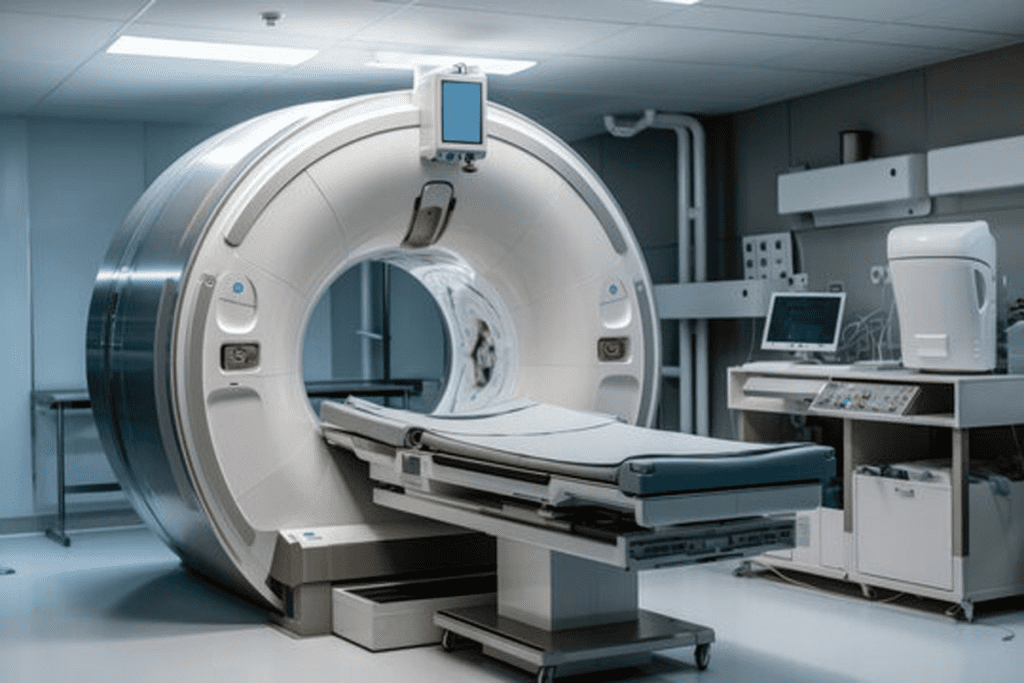
Nearly 1.7 million people in the United States get cancer each year. Accurate imaging is key in their treatment, and PET scan vs CT scan detection plays a vital role in diagnosis. PET and CT scans are two powerful tools doctors use frequently.Both scans are important but serve different purposes. A PET scan looks at how cells function, detecting active areas like cancer. In contrast, a CT scan provides detailed images of the body’s structures to spot abnormalities. Understanding the differences in PET scan vs CT scan detection helps patients and doctors make the best decisions for treatment.
Key Takeaways
- Understand the primary differences between PET and CT scans.
- Learn how PET scans detect metabolic activity.
- Discover the role of CT scans in diagnostic imaging.
- Find out when each type of scan is typically used.
- Gain insights into the benefits and limitations of each diagnostic tool.
The Fundamental Differences Between PET and CT Scans
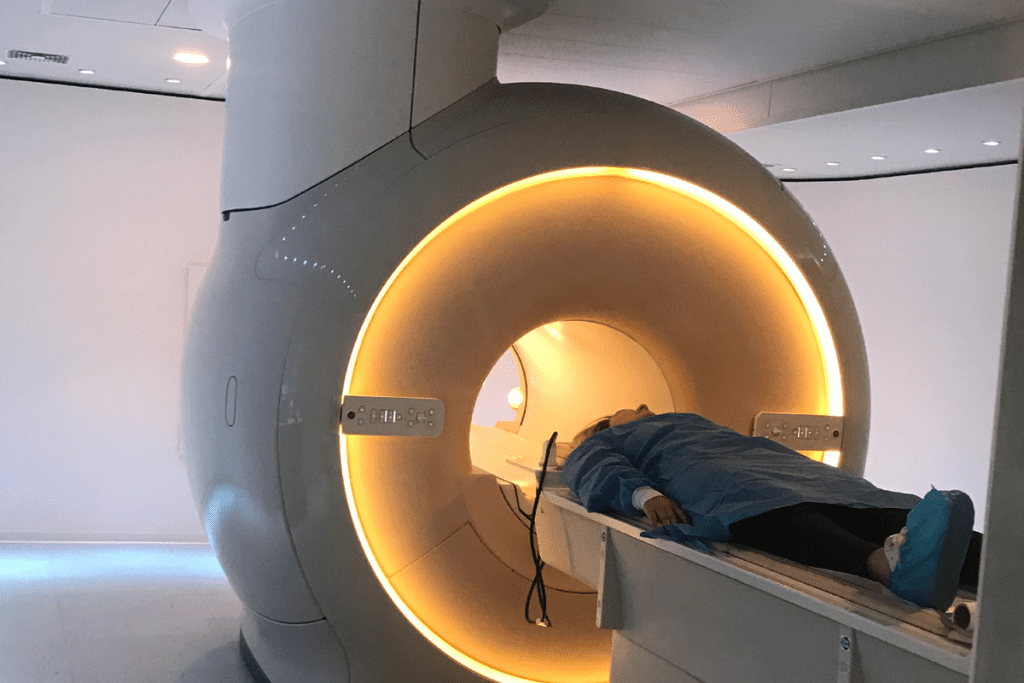
PET and CT scans work in different ways. They give us different kinds of information. This is important for picking the right test for different health issues.
Basic Principles of PET Scanning
PET scanning looks at how the body’s cells work. It uses a special tracer that lights up the cells. This helps find diseases early, before they show up in other tests.
Basic Principles of CT Scanning
CT scanning shows us the body’s inside parts. It uses X-rays to make detailed pictures. These pictures help doctors see tumors, broken bones, and other problems.
Different Information Provided by Each Technology
PET scans tell us about the body’s function. They show where cells are working too hard or too little. CT scans, on the other hand, show us the body’s structure. They help find problems like tumors and broken bones.
In short, PET scans are great for finding diseases early. CT scans are better for seeing the body’s inside parts. The right choice depends on what the doctor needs to know.
Functional vs. Structural Imaging: The Core Distinction
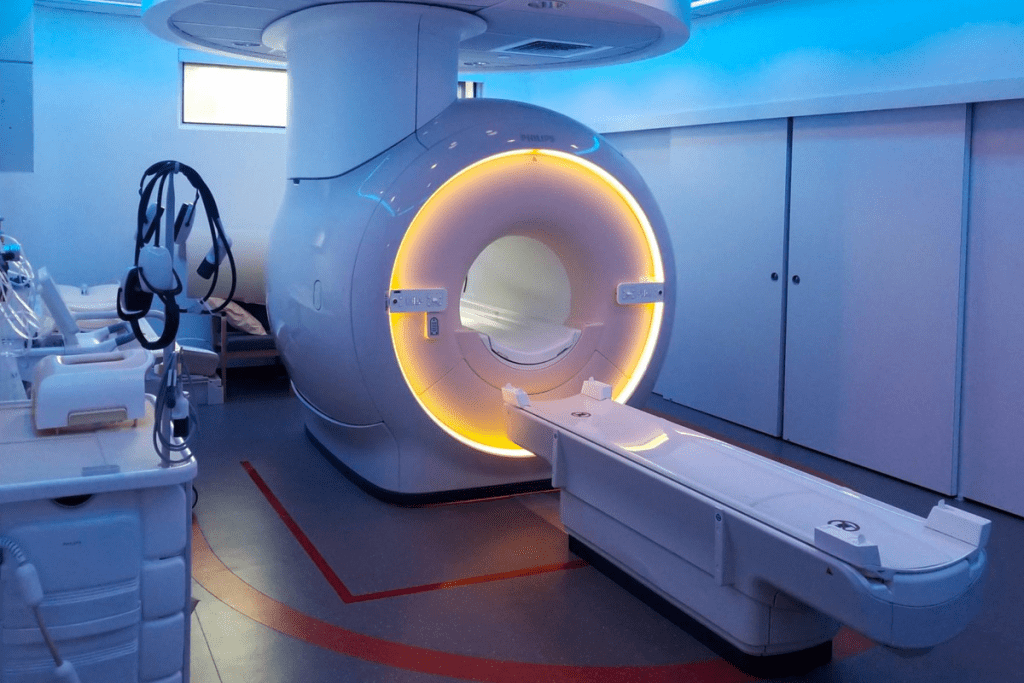
Functional and structural imaging are two main ways to look at the body in medical tests. Knowing the difference helps doctors make the right diagnosis and plan the best treatment.
PET Scan as Functional Imaging
PET (Positron Emission Tomography) scans show how cells work. They look at the body’s metabolic activity. This is key for finding cancer because cancer cells use more energy than normal cells.
The metabolic activity seen in PET scans helps find cancer early. It also shows how cancer grows and how well treatments work. For example, PET scans can spot early metabolic changes in cancer cells before they show up in other scans.
CT Scan as Structural Imaging
CT (Computed Tomography) scans, on the other hand, give detailed pictures of the body’s inside. They show organs, bones, and soft tissues clearly. CT scans are great for seeing anatomical detail of tumors, like their size and where they are.
CT scans help figure out how big a tumor is and how it affects nearby tissues. This is important for planning treatments like surgery or radiation therapy.
Why This Distinction Matters Clinically
The difference between functional and structural imaging is important. It helps doctors pick the best test for what they need to know. For example, PET scans can find cancer by looking at how cells work. CT scans show the tumor’s shape and size.
| Imaging Modality | Primary Use | Key Benefits |
| PET Scan | Functional Imaging | Detects metabolic activity, useful for cancer detection and monitoring treatment response |
| CT Scan | Structural Imaging | Provides detailed anatomical images, useful for assessing tumor size and location |
By using both PET and CT scans, doctors get a full picture of the disease. This leads to better diagnoses and treatment plans.
PET Scan vs CT Scan Detection: What Each Technology Excels At
It’s important to know how PET and CT scans work. They are both key in medical imaging but in different ways.
Metabolic Activity Detection with PET
PET scans are great at finding metabolic activity in the body. This is very helpful in cancer detection. They can spot areas with high activity, which might mean tumors.
PET scans can see changes in how cells use glucose. This is often different in cancer cells. So, they can find cancer early, even before it shows up in other scans.
Anatomical Detail Visualization with CT
CT scans, on the other hand, show detailed pictures of organs and tissues. They are perfect for spotting structural problems. The ct scan specificity imaging is very high.
CT scans are great for finding cancer in its later stages. They give clear pictures of tumors and how they affect nearby tissues.
Complementary Nature of Both Technologies
PET scans find metabolic activity, and CT scans show anatomy. Together, they give a full picture of a patient’s health.
A PET/CT scan can find metabolic changes and show detailed anatomy. This helps doctors plan better treatments and understand the disease better.
PET and CT scans work together to improve diagnosis and care. Knowing their strengths helps doctors make better choices.
- PET scans are ideal for detecting early metabolic changes.
- CT scans excel at providing detailed anatomical information.
- Together, they offer a complete view of a patient’s condition.
This team effort is key to giving patients the best care, like in cancer diagnosis and treatment.
Cancer Detection Capabilities: How PET Scans Can Detect What CT Scans Miss
PET scans are better than CT scans at finding cancer early. They spot changes in how cells work before they show up on CT scans. This is key for catching cancer early and treating it right.
Early Metabolic Changes Before Structural Changes
PET scans are great at finding changes in how cells work. These changes happen before you can see them on a CT scan. They help find cancer cells early, even when they’re small.
Early detection is key for fighting cancer. PET scans can find areas where cells are working too hard. This lets doctors start treatment sooner.
Small Metastases Detection
PET scans are also good at finding small cancer spots that CT scans miss. These spots are tiny and can be all over the body. Finding them is important for knowing how far cancer has spread.
PET scans are very good at finding these small spots. This helps doctors plan treatment better. It’s very important for cancers that spread fast, like melanoma or lymphoma.
Differentiating Active Tumors from Benign Masses
It’s hard to tell if a mass is cancer or not. PET scans help by showing how active a mass is. Cancerous tumors usually have more activity than harmless ones.
This helps avoid unnecessary tests or surgeries. It also makes sure cancer is treated right. This improves how well patients do.
| Imaging Modality | Cancer Detection Capability | Key Advantage |
| PET Scan | Detects metabolic changes, small metastases, and differentiates active tumors from benign masses | Early detection of metabolic activity |
| CT Scan | Provides detailed anatomical information, useful for structural assessment | High-resolution images of internal structures |
Sensitivity and Specificity: Comparing Accuracy Between Modalities
The accuracy of PET and CT scans in medical diagnostics depends on their sensitivity and specificity. This is very important for doctors to make the best decisions for their patients.
PET Scan Sensitivity for Cancer Detection
PET scans are known for their high sensitivity in detecting cancer. They are great at finding changes in metabolism before any structural issues appear. This makes them excellent for catching cancer early and tracking its spread.
CT Scan Specificity for Anatomical Abnormalities
CT scans, on the other hand, are top-notch at showing detailed anatomical images. They have high specificity for anatomical abnormalities. This is key for pinpointing the exact location and size of tumors or other lesions.
False Positive and False Negative Rates
Both PET and CT scans can have false positives and false negatives. A false positive can cause unnecessary worry and more tests. A false negative can delay diagnosis and treatment. It’s important to know these rates to understand scan results correctly.
In summary, PET scans are great at finding metabolic changes linked to cancer. CT scans are excellent at showing anatomical details. Using both and knowing their limits is essential for the best patient care.
Staging Cancer: How PET and CT Scans Differ in Approach
PET and CT scans are key in cancer staging. They give different views that help doctors understand the disease. CT scans show the body’s structure, while PET scans reveal how tumors work.
Lymph Node Involvement Assessment
Checking lymph nodes is vital in cancer staging. CT scans look at size to see if a node might be affected. But, they can miss disease in normal-sized nodes.
PET scans, though, can spot active tumor cells in lymph nodes, no matter their size. This makes PET scans great for finding metastases that CT scans might miss.
Distant Metastases Detection
Finding distant metastases is key in cancer staging. PET scans are top-notch at spotting metastatic disease. They show where tumors are active in the body.
CT scans are great for showing local invasion and body details, but they might miss distant metastases. Using both PET and CT scans gives a clearer picture of the disease’s spread.
Impact on Treatment Planning
Information from PET and CT scans is vital for treatment plans. Accurate staging helps doctors choose the best treatment. This could be surgery, chemo, radiation, or a mix.
| Imaging Modality | Strengths in Cancer Staging | Limitations in Cancer Staging |
| PET Scan | Detects metabolic activity, identifies lymph node involvement regardless of size, and detects distant metastases. | May not provide detailed anatomical information. |
| CT Scan | Offers detailed anatomical information, assesses local invasion, and evaluates lymph node size. | Limited in detecting disease in normal-sized lymph nodes and may not capture full extent of distant metastases. |
PET and CT scans together help doctors plan better treatments. This leads to better patient outcomes.
Post-Treatment Evaluation: Distinguishing Viable Tumor from Scar Tissue
It’s hard to tell if a tumor is alive or scar tissue after treatment. Knowing this is key to deciding what to do next. It helps doctors make sure patients get the best care.
Limitations of CT in Post-Treatment Settings
CT scans are great for seeing the body’s structure. But, they struggle to tell the difference between scar tissue and tumor after treatment. They mainly show structural details. This might not be enough to tell if it’s cancer or not.
PET’s Ability to Identify Recurrent Disease
PET scans show how the body is working. They can spot cancer coming back, even if CT scans don’t show anything. This is really helpful after treatment, when it’s hard to tell if it’s cancer or scar tissue.
Monitoring Treatment Response
PET scans also help see how well treatment is working. They watch how metabolic activity changes over time. If activity goes down, it means treatment is working. But, if it stays the same or goes up, treatment might not be working.
In short, while CT scans are good for structure, PET scans are key for spotting cancer and checking treatment. Using both can give a full picture of a patient’s health. This helps doctors make better decisions for treatment.
Bone and Soft Tissue Assessment: Comparative Strengths
PET and CT scans are key in cancer imaging. They help check bone and soft tissue health. Each scan has its own benefits for cancer diagnosis and treatment.
PET Scan Detection of Bone Metastases
PET scans are great at finding bone metastases. They show where cancer is active. This is key for cancers like breast and prostate.
The sensitivity of PET scans means they can spot these problems early. This leads to better treatment plans.
CT Scan Visualization of Bone Lesions
CT scans are better at showing bone details. They help see bone lesions clearly. This is important for understanding how far cancer has spread.
Using CT scan contrast enhancement makes lesions even clearer. This helps doctors plan treatments better.
Soft Tissue Cancer Evaluation
PET scans are also good for soft tissue cancer. They check how active tumors are. This helps tell if a tumor is cancerous or not.
They also track how well treatments work. This info is vital for making treatment plans.
PET and CT scans work together to assess bone and soft tissue. Knowing their strengths helps doctors choose the best scan for each case.
The Power of Combined PET-CT Imaging
PET-CT imaging fusion technology has greatly improved how doctors diagnose diseases. It combines PET scans’ functional info with CT scans’ detailed images. This way, doctors get a full picture of a patient’s health.
Synergistic Benefits of Fusion Technology
The mix of PET and CT scans brings synergistic benefits. It leads to more precise diagnoses and treatment plans. This fusion technology helps spot and measure diseases, like cancer, by showing both metabolic and anatomical details.
This method is key for finding where and how far a disease has spread. It’s vital for planning the best treatment.
Clinical Applications of Integrated Imaging
Combined PET-CT imaging has many clinical applications, mainly in oncology, neurology, and cardiology. It’s used for cancer staging, checking how treatments work, and finding disease comebacks.
In oncology, PET-CT scans are essential. They help find the main tumor, check lymph nodes, and spot distant metastases. These are all key for deciding the right treatment.
Improved Diagnostic Accuracy
PET and CT scans together boost diagnostic accuracy. They cut down on false positives and negatives. The complementary information from both scans makes doctors more confident in their diagnoses.
Research shows PET-CT imaging often leads to new treatment plans. This highlights its role in making important medical decisions.
Radiation Exposure and Safety Considerations
PET and CT scans are used in medical diagnostics. They involve ionizing radiation, which can harm the body.
PET Scan Radiation Dose
PET scans use radioactive tracers. The dose depends on the tracer type and amount. For example, 18F-FDG is used in cancer scans. An adult gets about 7-10 mSv from a typical 18F-FDG PET scan.
CT Scan Radiation Dose
CT scans use X-rays to see inside the body. The dose varies by scan type, body part, and technology. A single CT scan can be 2-10 mSv, but more complex scans can be higher.
Risk-Benefit Analysis for Patients
It’s important to consider the risks and benefits of PET or CT scans. For most, the benefits of accurate diagnosis and treatment planning are worth the risks.
The risks include:
- Increased Cancer Risk: Ionizing radiation can raise cancer risk, more so for young patients and those with many scans.
- Radiation-Induced Effects: High doses can cause immediate effects like radiation sickness, but such doses are rare in imaging.
Doctors follow the ALARA principle to keep doses low while maintaining image quality.
Key Considerations for Minimizing Radiation Exposure:
- Justification: Make sure each scan is needed.
- Optimization: Adjust protocols to lower dose without losing image quality.
- Patient Size and Age: Adjust doses based on patient size and age.
Understanding PET and CT scan doses and using strategies to lower exposure helps healthcare. This way, patients get the benefits while minimizing risks.
Clinical Scenarios: When to Choose PET Over CT
Clinical scenarios often decide between PET and CT scans. PET scans are key in oncology, neurology, and cardiology. Knowing when to use a PET scan is vital for accurate diagnosis and treatment planning.
Oncological Indications
PET scans are key in oncology. They show tumor activity, helping detect cancer, stage it, and track treatment. PET scan oncological indications include checking cancer spread, lymph node involvement, and recurrence.
They are also great for lymphoma assessment. PET scans can tell active tumor from scar tissue, guiding treatment.
| Cancer Type | PET Scan Utility | CT Scan Utility |
| Lymphoma | High metabolic activity detection | Anatomical detail and structural assessment |
| Breast Cancer | Assessing metastatic disease | Primary tumor and lymph node assessment |
| Colorectal Cancer | Detecting recurrence and metastasis | Detailed colonography and structural assessment |
Neurological Applications
In neurology, PET scans provide insights into brain function and metabolism. PET scan neurological applications include assessing Alzheimer’s disease, epilepsy, and brain tumors.
PET scans can spot areas of low metabolic activity in Alzheimer’s, linking to cognitive decline.
Cardiac Assessment
PET scan cardiac assessment evaluates myocardial viability and perfusion. It helps diagnose coronary artery disease and assess heart muscle viability before procedures.
PET scans measure myocardial blood flow accurately. This is key for managing coronary artery disease.
Limitations of PET Scanning Technology
PET scans have their own set of limitations. They offer valuable information on metabolic activity. But, there are several constraints and drawbacks to their use.
Resolution Constraints
PET scanning technology has a lower resolution compared to CT or MRI. This means small lesions or structures might not be accurately detected. A study showed that PET scans might miss small metastases due to their limited resolution.
Key limitations in PET scan resolution include:
- Limited spatial resolution
- Difficulty in detecting small lesions
- Potential for underestimating disease extent
False Positive Scenarios
False positive results are a big concern with PET scans. Various factors can lead to increased metabolic activity that is misinterpreted as malignancy. For example, inflammation, infection, or certain benign conditions can cause false positives. Clinicians must correlate PET findings with clinical history and other imaging modalities to minimize misinterpretation.
Common causes of false positive PET scans include:
- Inflammatory processes
- Infectious diseases
- Benign tumors or conditions
Availability and Cost Factors
PET scanning technology is not as widely available as other imaging modalities. The cost of PET scans is also significantly higher. This is partly due to the expense of the equipment and the need for a nearby cyclotron to produce the necessary isotopes. This limited availability and high cost can restrict access to PET scans, affecting patient outcomes.
“The high cost and limited availability of PET scans can create disparities in access to this diagnostic tool, potentially impacting patient outcomes.”
In conclusion, while PET scans provide unique benefits, understanding their limitations is essential. By acknowledging resolution constraints, being aware of false positives, and addressing availability and cost factors, healthcare providers can make more informed decisions about the use of PET scanning in patient care.
Future Developments in Medical Imaging Technology
Medical imaging technology is getting better, making diagnoses more accurate and effective. PET scanning and CT technology are seeing big changes thanks to ongoing research and innovation.
Advances in PET Scanning
PET scanning is getting better at showing disease details. New tracers and time-of-flight PET are improving image quality. This means doctors can see more clearly what’s going on inside the body.
The introduction of digital PET detectors is a big leap. They make images more sensitive and help measure metabolic activity better. These updates will help doctors diagnose more accurately and treat patients better.
Improvements in CT Technology
CT technology is also getting a boost. New scanner designs and algorithms are making images clearer. Spectral CT can now tell different tissues apart, helping diagnose complex conditions.
Also, iterative reconstruction techniques are making CT scans safer. They reduce radiation while keeping image quality high. This is great for patients who need many scans.
Emerging Hybrid Imaging Approaches
The future of medical imaging is in combining different technologies. PET/CT is already a key tool in cancer care, giving both functional and anatomical views.
New tech like PET/MRI is promising. It could offer detailed images without radiation. These hybrids will likely improve diagnosis and treatment planning.
As these technologies grow, patient care will get even better. The use of artificial intelligence and machine learning will make diagnoses more accurate and treatments more tailored.
Conclusion: Making Informed Decisions About Imaging Studies
It’s important to know the difference between PET and CT scans. PET scans are great at finding metabolic activity. CT scans, on the other hand, show detailed anatomy.
When deciding between PET and CT scans, think about the medical issue. For cancer, PET scans spot early changes. CT scans give clear views of body parts. The right choice depends on what’s needed for diagnosis and treatment.
Healthcare providers can make better choices by knowing what each scan does well. This leads to more accurate diagnoses and better treatment plans for patients.
FAQ
What is the main difference between a PET scan and a CT scan?
PET scans show how active cells are, while CT scans show the body’s structure. This makes PET scans great for spotting cancer early.
Can a PET scan detect cancer that a CT scan misses?
Yes, PET scans can find cancer before it shows up on a CT scan. They look for changes in cell activity.
How do PET and CT scans complement each other in cancer detection?
PET scans find active cells, and CT scans show the body’s structure. Together, they give a clearer picture of cancer.
What are the advantages of using PET scans in cancer staging?
PET scans are good at finding cancer in lymph nodes and distant parts of the body. This helps doctors plan treatment.
How do PET and CT scans differ in their ability to detect bone metastases?
PET scans are great at finding cancer in bones, even if it’s spread. CT scans are better for seeing bone damage and structure.
What are the limitations of PET scanning technology?
PET scans have limits in detail and can sometimes mistake inflammation for cancer. They’re also more expensive and not as common as CT scans.
How does combined PET-CT imaging improve diagnostic accuracy?
PET-CT imaging combines cell activity and body structure. This gives doctors a better view of the disease, leading to more accurate diagnoses.
What are the radiation exposure risks associated with PET and CT scans?
Both scans use radiation, but in different amounts. Doctors weigh the benefits against the risks to choose the best scan for each patient.
When is a PET scan preferred over a CT scan?
PET scans are better for cancer, brain, and heart studies. They’re great for spotting active cells.
What future developments can be expected in medical imaging technology?
Expect better PET scans, improved CT tech, and new hybrid imaging. These will help doctors diagnose and treat patients better.
How do PET scans help in monitoring treatment response?
PET scans track changes in cell activity. This lets doctors see how well treatment is working and make changes if needed.
Can CT scans distinguish between viable tumor and scar tissue?
CT scans can struggle to tell the difference between tumor and scar tissue, which is common after treatment. PET scans are better at finding cancer again and checking treatment success.
References
Chan, H. P., Liu, W. S., Liu, W. S., Hsu, C., & Chen, Y. L. (2020). Early diagnosis of cancer by FDG-PET/CT: diagnostic accuracy and improved survival. Scientific Reports, 10, 65399. https://pmc.ncbi.nlm.nih.gov/articles/PMC8272774/
Osman, M. M. (2010). 18F-FDG PET/CT of patients with cancer. American Journal of Roentgenology, 195(5), 1049-1059. https://ajronline.org/doi/10.2214/AJR.09.3731
Engel, R., et al. (2024). Diagnostic accuracy and treatment benefit of PET/CT in colorectal cancer: A retrospective analysis. European Journal of Radiology, 169, 110892. https://www.sciencedirect.com/science/article/pii/S0960740424001191
Kim, Y., et al. (2024). Comparison of digital and analog [68Ga]Ga-PSMA-11 PET/CT for detecting post-prostatectomy biochemical recurrence in prostate cancer patients: A prospective study. Scientific Reports, 14, 1234. https://www.nature.com/articles/s41598-024-65399-1